
Skip the Mess: Why SliceandBake is Cleaner Baking

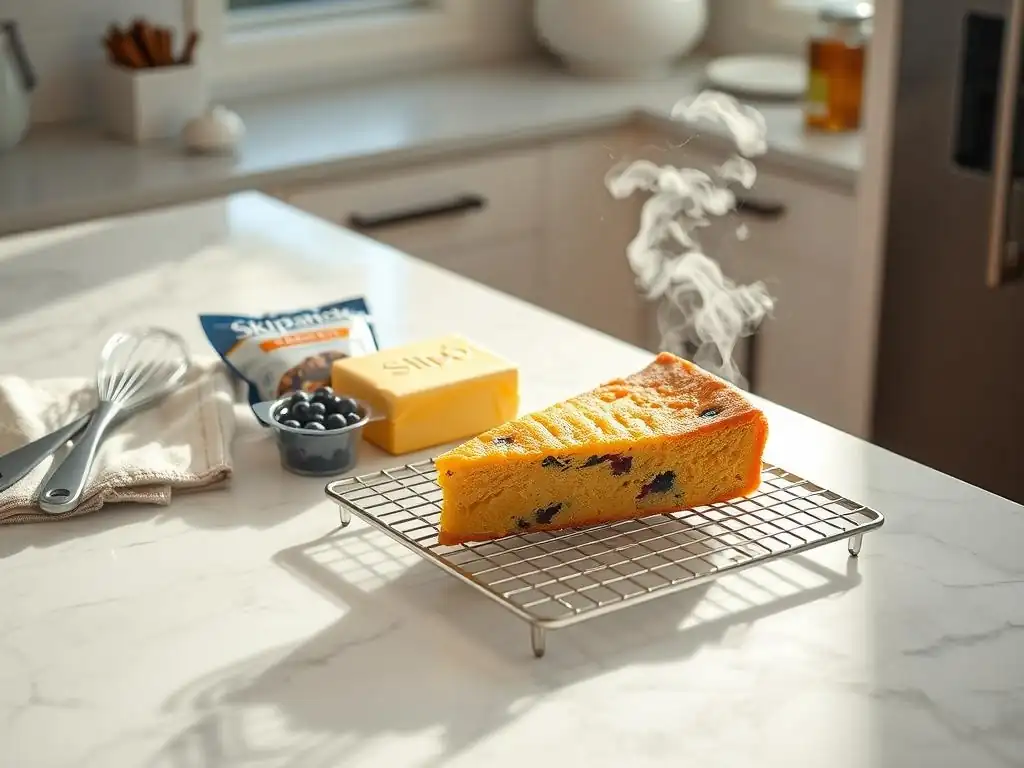
Welcome to BakeWithEase, your kitchen companion for delicious adventures! Ever wondered how to enjoy the magic of baking without the flour-dusted chaos? This week, we’re diving into clean baking techniques recipes, specifically exploring how the slice-and-bake method can revolutionize your baking experience. Get ready to discover how you can achieve perfectly portioned treats with minimal mess and maximum flavor! Intrigued? Read on to unlock the secrets of a cleaner, more enjoyable baking journey.
- The Benefits of Composting: Reduce Waste & Enrich Your Garden
- Introduction to Home Composting
- The Environmental Impact of Food Waste
- Composting: A Sustainable Solution
- Composting vs. Landfill: An Environmental Comparison
- Composting Methods for Beginners
- Tips for Successful Composting
- Composting for Gardeners: Maximizing Plant Growth
- Advanced Composting Techniques
- Conclusion: Composting for a Greener Future
-
Frequently Asked Questions
- What exactly are "Clean Baking Techniques Recipes" according to BakeWithEase?
- How does "SliceandBake" contribute to cleaner baking?
- Are "Clean Baking Techniques Recipes" only for beginners?
- Does BakeWithEase offer recipes beyond just "SliceandBake" for cleaner baking?
- What are some common ingredients that make a baking recipe considered "clean"?
- Final Reflection: The Joy of Clean Baking
- Unleash Your Inner Baker: Embrace the SliceandBake Simplicity!
The Benefits of Composting: Reduce Waste & Enrich Your Garden
Introduction to Home Composting
Understanding the Basics of Composting for Beginners
Composting is a transformative process where organic materials decompose naturally, yielding a nutrient-dense soil amendment. For those new to this practice, the core concept involves creating the right environment for microorganisms and invertebrates to break down food scraps, yard waste, and other organic matter.
This typically involves a compost bin or pile, a balanced mix of materials (often referred to as 'greens' and 'browns'), adequate moisture, and sufficient aeration. Getting started can feel daunting, but with simple steps like choosing a suitable location and understanding the basic ingredients, anyone can begin their composting journey, much like mastering clean baking techniques recipes starts with understanding fundamental ingredients and steps.
The output of successful composting is 'black gold' – a dark, crumbly material that looks and smells like rich earth. This compost is a powerhouse for gardens, improving soil structure, retaining moisture, and providing essential nutrients for plant growth. While the decomposition process varies depending on factors like temperature and material mix, a well-maintained compost pile can yield usable compost in anywhere from a few months to a year. Learning these basics is the first step toward reducing household waste and creating a valuable resource right in your backyard.
Why Composting is Important for Sustainability
Composting plays a crucial role in fostering environmental sustainability by diverting significant amounts of organic waste from landfills. When food scraps and yard waste are sent to landfills, they decompose anaerobically (without oxygen), producing potent greenhouse gases like methane. Methane is a far more powerful heat-trapping gas than carbon dioxide, contributing significantly to climate change. By composting at home or participating in community composting programs, we facilitate aerobic decomposition, which produces minimal methane.
Furthermore, composting closes the loop in the natural nutrient cycle. Instead of trucking organic waste to distant disposal sites and depleting soil nutrients through conventional agriculture, composting allows us to return valuable organic matter and nutrients back to the soil. This reduces the need for synthetic fertilizers, which require significant energy to produce and can lead to water pollution through runoff. Embracing composting is a direct action individuals can take to reduce their carbon footprint and support healthier ecosystems.
The Environmental Impact of Food Waste
Landfill Problems: Methane Emissions and Space Limitations
Globally, food waste is a massive problem with serious environmental consequences. When organic materials like leftover meals, fruit peels, and vegetable scraps end up in landfills, they are compacted and deprived of oxygen. This anaerobic decomposition process results in the release of methane (CH4), a potent greenhouse gas.
The U.S. Environmental Protection Agency (EPA) estimates that landfills are the third-largest source of human-related methane emissions in the United States, accounting for about 15% of these emissions in 2021. A single ton of food waste decomposing anaerobically can produce approximately 0.42 to 0.5 tonnes of CO2 equivalent in methane over a 20-year period, highlighting the significant climate impact.
Beyond greenhouse gas emissions, landfills face increasing pressure from dwindling space. As populations grow, so does the volume of waste generated. Organic waste, which makes up a substantial portion of municipal solid waste (often cited as 20-30% by weight), takes up valuable landfill space that could otherwise accommodate non-recyclable materials. Reducing the amount of organic waste sent to landfills through practices like composting directly helps to extend the lifespan of existing landfill sites and reduces the need for new ones, mitigating the environmental and social impacts associated with landfill expansion.
The Benefits of Reducing Food Waste Through Composting
Reducing food waste at the source through better meal planning and storage is the most impactful step, but for unavoidable scraps like peels and cores, composting offers a powerful solution. By composting, households and businesses can divert a substantial volume of organic material from the waste stream. For example, the average American family of four throws away about $1,500 worth of food each year, much of which could be composted. Diverting this waste reduces the burden on collection and disposal systems, leading to lower municipal waste management costs.
The primary benefit, however, lies in transforming this 'waste' into a valuable resource. Instead of contributing to landfill problems, these organic materials are turned into nutrient-rich compost that can improve soil health, support plant growth, and reduce the need for synthetic inputs. This cyclical approach embodies the principles of a circular economy, where resources are reused and recycled rather than discarded. Implementing clean baking techniques recipes that minimize waste, combined with effective composting, creates a holistic approach to reducing environmental impact in the kitchen and beyond.
Composting: A Sustainable Solution
What Makes Composting a Sustainable Practice?
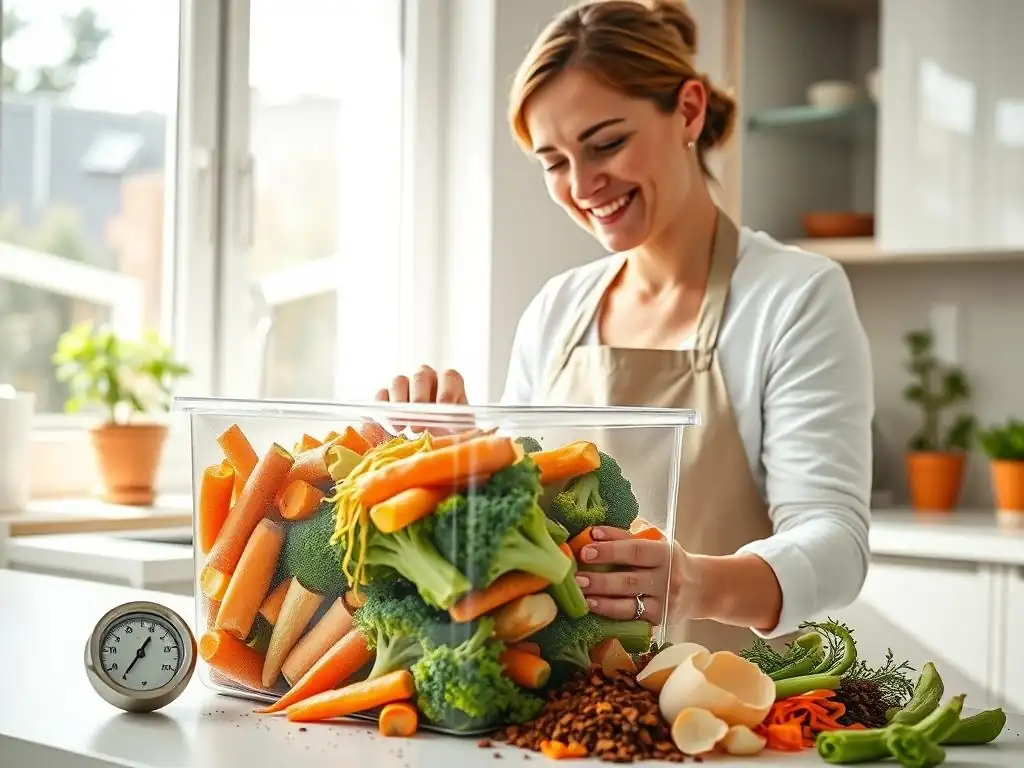
Composting stands out as a highly sustainable practice due to its ability to mimic and enhance natural ecological processes. Unlike linear waste management systems where materials are used and then discarded, composting operates within a cyclical framework, transforming organic waste back into a resource. This process conserves natural resources by reducing the need for synthetic fertilizers and pesticides, which require energy-intensive production and can harm ecosystems. It also sequires carbon in the soil when compost is used, contributing to carbon sequestration efforts.
Furthermore, composting significantly reduces greenhouse gas emissions compared to landfilling organic waste. By promoting aerobic decomposition, it avoids the production of methane, a potent climate pollutant. The resulting compost improves soil health, making land more resilient to drought and erosion, and supporting biodiversity. This regenerative aspect of composting—building healthy soil and closing nutrient loops—aligns perfectly with the principles of sustainability, creating a practice that benefits both the environment and future generations.
The Benefits of Nutrient-Rich Compost for Gardens
The 'black gold' produced through composting is a powerhouse for garden health, offering a multitude of benefits that synthetic fertilizers cannot replicate. Compost acts as a slow-release fertilizer, providing essential macronutrients like nitrogen, phosphorus, and potassium, as well as vital micronutrients, in a form readily available to plants. Unlike quick-release synthetic fertilizers that can leach into waterways and potentially harm soil microbes, compost feeds the soil ecosystem, promoting a healthy microbial community that aids nutrient cycling and disease suppression.
Beyond providing nutrients, compost dramatically improves soil structure. In clay soils, it creates aeration and improves drainage. In sandy soils, it helps bind particles together, increasing water and nutrient retention. Adding just a few inches of compost can transform poor soil into a fertile, friable medium ideal for plant roots to thrive. This leads to healthier, more vigorous plant growth, higher yields in vegetable gardens, and more vibrant blooms in flower beds, all while contributing to a more sustainable and environmentally clean baking techniques recipes approach to gardening.
Composting vs. Landfill: An Environmental Comparison
Reduced Greenhouse Gas Emissions: Minimizing Impact with Composting
When organic waste is sent to landfills, it undergoes anaerobic decomposition, producing significant amounts of methane (CH4). Methane is a potent greenhouse gas, with a global warming potential approximately 25 times greater than carbon dioxide over 100 years. Landfills are a major source of these emissions. In contrast, composting facilitates aerobic decomposition, which primarily produces carbon dioxide (CO2) and water vapor. While CO2 is also a greenhouse gas, the emissions from composting are significantly lower in terms of global warming potential compared to the methane produced in landfills, especially over shorter timeframes.
Studies demonstrate this stark difference. For example, diverting 1 million metric tons of organic waste from landfills to composting can reduce greenhouse gas emissions by the equivalent of removing approximately 200,000 passenger vehicles from the road annually. This reduction is a direct result of avoiding methane generation. By choosing composting over landfill disposal for organic materials, individuals and communities make a tangible contribution to mitigating climate change, supporting a cleaner environment much like choosing clean baking techniques recipes reduces mess and simplifies the process.
Soil Enrichment: Improving Garden Health with Compost
Compost is invaluable for improving soil health, a benefit completely absent when organic waste is landfilled. Landfilled organic matter is simply buried and contributes nothing positive to the soil ecosystem. Compost, however, is packed with organic matter and beneficial microorganisms. Adding compost improves soil structure, increasing its ability to hold water and air, which are essential for root growth. It also enhances drainage in heavy soils and increases water retention in light, sandy soils, making gardens more resilient to varying weather conditions.
Furthermore, compost provides a slow, steady release of nutrients, feeding plants gradually throughout the growing season. It also supports a diverse community of soil microbes, including bacteria, fungi, and earthworms, which play vital roles in nutrient cycling, suppressing plant diseases, and building healthy soil structure. This leads to stronger, healthier plants that are less reliant on synthetic fertilizers and pesticides. Using compost is a foundational practice for building fertile, living soil, a far cry from the sterile environment of a landfill.
Waste Reduction: Diverting Organic Materials from Landfills
Composting is a highly effective method for reducing the amount of solid waste sent to landfills, directly addressing issues of limited landfill space and associated costs. Organic materials, including food scraps, yard waste, and soiled paper products, constitute a significant portion of the waste stream. For instance, the EPA reported that in 2018, food waste alone accounted for 24.1% of the municipal solid waste sent to landfills in the United States, totaling 35.3 million tons. Yard trimmings added another 12.1 million tons.
By diverting these materials to composting facilities or home compost bins, we significantly decrease the volume of waste requiring landfill disposal. A typical household can reduce its landfill waste by 20-30% simply by composting food scraps and yard waste. This reduction not only saves landfill space but also reduces the costs associated with waste collection, transportation, and disposal. Implementing effective clean baking techniques recipes can minimize kitchen waste initially, and composting handles the rest, leading to a significantly smaller ecological footprint.
Composting Methods for Beginners
Easy Composting Methods for Home Use
Getting started with composting doesn't have to be complicated. Several simple methods are ideal for beginners, requiring minimal space and effort. One popular option is a basic backyard compost pile or bin. This involves layering organic materials in a designated area or container. Tumbler compost bins are also excellent for beginners as they make turning the pile easy, speeding up decomposition and reducing manual labor. These methods primarily handle yard waste, fruit and vegetable scraps, coffee grounds, and other plant-based materials.
Another accessible method, especially for those with limited outdoor space or apartment dwellers, is indoor composting using a small bin or container. This often involves specific types of systems designed for indoor use, managing smaller quantities of food scraps. Regardless of the method chosen, the key is to start small, understand the basic balance of materials, and observe the process. Many beginners find success by simply collecting kitchen scraps and adding them to a small pile or bin, gradually learning as they go.
[Method 1: Backyard Composting]
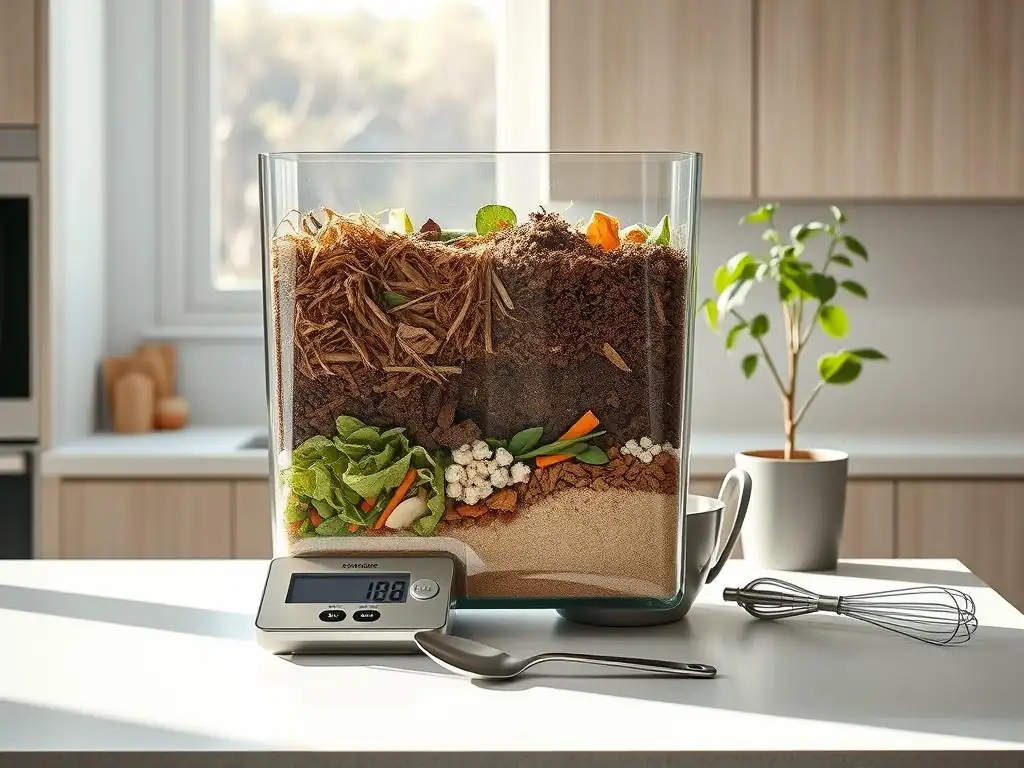
Backyard composting is perhaps the most traditional and widely used method for homeowners with outdoor space. It involves creating a pile or using a simple bin (like wire mesh, wooden pallets, or plastic containers) to contain organic materials. The process relies on natural aeration and temperature fluctuations. Materials are added in layers, ideally alternating 'greens' (nitrogen-rich, like food scraps, grass clippings) and 'browns' (carbon-rich, like dry leaves, shredded paper, cardboard). A common recommended ratio is about 2 parts browns to 1 part greens by volume.
Regular turning of the pile (weekly or bi-weekly) is recommended to introduce air and speed up decomposition, though passive piles will still break down over time. Maintaining adequate moisture, similar to a wrung-out sponge, is also crucial. A well-managed backyard pile can reach temperatures high enough to kill weed seeds and pathogens (hot composting), yielding finished compost in a few months. Even without active management, materials will decompose, albeit more slowly, providing a simple way to process yard waste and kitchen scraps.
[Method 2: Vermicomposting (Worm Composting)]
Vermicomposting is an indoor or small-space composting method that utilizes specific types of earthworms, most commonly Red Wigglers ( Eisenia fetida), to break down organic materials. This method is particularly effective for processing kitchen scraps like fruit and vegetable peels, coffee grounds, and tea bags, making it a perfect complement to minimizing waste from clean baking techniques recipes. Worm bins are typically shallow containers with ventilation, filled with bedding material like shredded newspaper or coir.
Worms consume the organic waste and excrete nutrient-rich castings, which are essentially high-quality compost. Vermicomposting is relatively odorless when managed correctly and can be done year-round indoors, making it ideal for apartments or cold climates. A typical small worm bin can process several pounds of food scraps per week, depending on the number of worms. The resulting worm castings are an exceptionally rich soil amendment, prized by gardeners for their high nutrient content and beneficial microbial activity.
Tips for Successful Composting
Balancing Greens and Browns for Optimal Decomposition
Achieving the right balance of 'greens' and 'browns' is fundamental to successful composting. Greens are materials high in nitrogen, such as fresh grass clippings, vegetable and fruit scraps, coffee grounds, and food leftovers (avoiding meat, dairy, and oily foods in most backyard systems). Browns are high in carbon, including dry leaves, shredded paper, cardboard, straw, and wood chips. This carbon-to-nitrogen ratio (C:N) is critical for the microorganisms responsible for decomposition. An ideal C:N ratio for composting is generally considered to be around 25-30 parts carbon to 1 part nitrogen.
Too many greens can lead to a wet, dense, and smelly pile because of excess nitrogen and insufficient carbon for the microbes to process efficiently. Too many browns will result in a slow-moving pile because the microbes lack enough nitrogen to reproduce rapidly and break down the carbon materials. Aiming for a ratio of roughly two to three parts browns to one part greens by volume is a good starting point for home composters. This balance ensures adequate aeration and provides the microbes with the necessary nutrients for efficient decomposition, leading to faster and more successful composting outcomes.
Essential Tools for Composting
While composting can be done with minimal equipment, a few tools can make the process easier and more efficient. A compost bin or enclosure is helpful for containing the pile, conserving space, and potentially deterring pests. Options range from simple wire mesh cylinders and recycled plastic bins to commercially available tumblers and multi-bin systems. For turning the pile, a pitchfork or a specialized compost aerator tool is invaluable; regular turning helps introduce oxygen, which is essential for aerobic decomposition and speeds up the process.
Other useful tools include a shovel or trowel for adding materials and mixing, a watering can or hose for maintaining moisture, and potentially a thermometer to monitor the temperature of hot compost piles. Shredding or chopping larger materials like cardboard or branches before adding them can also accelerate decomposition. While not strictly necessary for all methods, having the right tools can significantly improve the composting experience and lead to higher-quality finished compost. Just as specific tools make clean baking techniques recipes easier and more precise, the right composting tools simplify the process.
Troubleshooting Common Composting Problems
Even experienced composters encounter issues from time to time. One common problem is a pile that smells bad, often like rotten eggs or ammonia. This usually indicates too much nitrogen (too many greens) or insufficient aeration (not enough turning). The fix is to add more brown materials (like dry leaves or shredded paper) and turn the pile to introduce oxygen. A pile that isn't breaking down or is moving very slowly might lack nitrogen or moisture. Adding more green materials and watering can help restart the process.
Another issue is attracting pests like rodents or flies. This is often due to adding prohibited items like meat, dairy, oily foods, or pet waste. Ensuring these items are excluded and burying food scraps deep within the pile can help. Keeping the pile covered can also deter pests and help retain moisture. If the pile is too dry, decomposition will halt; simply add water until it's damp like a sponge. By understanding these common issues and their solutions, you can keep your compost pile healthy and actively decomposing.
Composting for Gardeners: Maximizing Plant Growth
Using Compost as a Soil Amendment
For gardeners, compost is one of the most valuable resources available, serving as an exceptional soil amendment. Unlike fertilizers that feed the plant directly, compost feeds the soil, creating a healthier environment for roots to grow. When incorporated into garden beds, compost improves soil structure, making heavy clay soils lighter and more workable, and improving water retention in sandy soils. It also increases soil aeration, which is vital for root respiration and healthy microbial life.
Applying a layer of compost (typically 1-3 inches) and gently mixing it into the top few inches of soil before planting is a common practice. This provides a slow-release source of nutrients, reducing the need for supplemental fertilization throughout the growing season. Compost also helps buffer soil pH, making nutrients more available to plants. Its ability to improve soil tilth and fertility makes it an indispensable tool for building healthy, productive gardens, complementing the care put into preparing ingredients for clean baking techniques recipes.
Composting for Vegetable Gardens
Compost is particularly beneficial for vegetable gardens, which are often heavy feeders and can quickly deplete soil nutrients. Incorporating compost before planting provides a broad spectrum of nutrients essential for robust growth, from leafy greens requiring nitrogen to fruiting plants needing phosphorus and potassium. The improved soil structure from compost also encourages strong root development, making plants more resilient to drought and disease.
Gardeners often apply compost generously to vegetable beds annually or even seasonally. For example, before planting spring crops, a thick layer of compost is dug into the soil. Side-dressing plants with a little compost during the growing season can provide an extra nutrient boost. Using compost helps produce higher yields and healthier vegetables, often with improved flavor, while reducing reliance on synthetic fertilizers and pesticides, aligning with a desire for more natural and sustainable practices.
Composting for Flower Gardens
Flower gardens also thrive on the addition of compost. Just like vegetables, flowering plants benefit immensely from improved soil structure and a steady supply of nutrients. Compost helps create the ideal soil environment for ornamental plants, promoting vigorous growth, lush foliage, and abundant blooms. It enhances drainage for plants that dislike wet feet and improves moisture retention for those that need consistent hydration.
Incorporating compost into flower beds before planting or using it as a top dressing around existing plants provides the necessary organic matter and nutrients for vibrant displays. For perennial beds, a yearly top-up of compost helps maintain soil fertility and health. The slow-release nutrients in compost support continuous blooming throughout the season, reducing the need for frequent applications of liquid fertilizers. Using compost in flower gardens results in healthier, more beautiful plants with less effort and environmental impact.
Advanced Composting Techniques
Hot Composting for Faster Decomposition
Hot composting is a method designed to accelerate the decomposition process, often yielding finished compost in just a few weeks to a few months. It requires building a larger pile (ideally at least 3x3x3 feet) to generate sufficient heat, which is produced by the rapid activity of thermophilic (heat-loving) microorganisms. Key to hot composting is achieving the correct balance of greens and browns (closer to a 1:1 ratio by volume compared to passive composting) and maintaining adequate moisture and aeration.
The pile needs to reach temperatures between 131°F and 160°F (55°C to 71°C) for several days. This heat is sufficient to kill most weed seeds, pathogens, and insect eggs, resulting in cleaner, safer compost. Regular turning (every few days to a week) is essential to maintain high temperatures and introduce oxygen. While more labor-intensive than passive composting, hot composting is ideal for processing large volumes of material quickly and producing high-quality compost free from unwanted contaminants.
Bokashi Composting for Fermenting Food Waste
Bokashi is an anaerobic (oxygen-free) composting technique originating from Japan that uses a specific inoculant, typically a mix of beneficial microorganisms (Effective Microorganisms or EM), to ferment food waste. Unlike traditional composting, Bokashi can handle almost all food scraps, including meat, dairy, and oily foods, making it incredibly effective at diverting kitchen waste. The process takes place in a sealed bin, usually over a period of 10-14 days, during which the food waste ferments rather than decomposes.
The output of the Bokashi bin is not finished compost but rather 'pickled' or fermented food waste, along with a nutrient-rich liquid ('Bokashi tea') that can be diluted and used as a liquid fertilizer. The fermented material then needs to be buried in the garden or added to a traditional compost pile or worm bin to complete the decomposition process, which happens much faster after the initial fermentation. Bokashi is an excellent option for apartment dwellers or those who want to process all types of food waste quickly indoors before final breakdown.
From Beginner to Expert: Expanding Your Composting Knowledge
Moving from basic composting to more advanced techniques like hot composting or Bokashi allows individuals to process more types of waste, speed up decomposition, and produce specialized soil amendments. Exploring different bin types, monitoring pile temperatures and moisture levels more closely, and experimenting with various 'greens' and 'browns' ratios are ways to deepen one's composting expertise. Learning about the science behind decomposition, the different types of microorganisms involved, and how environmental factors like temperature and moisture affect the process can transform a casual composter into a knowledgeable enthusiast.
Advanced composters might also explore larger-scale systems, community composting initiatives, or specific uses of compost like creating compost tea for liquid fertilization. Just as mastering clean baking techniques recipes involves learning about ingredients, temperatures, and chemical reactions, becoming a composting expert involves a deeper understanding of the biological and chemical processes at play. Continuous learning and experimentation are key to optimizing the composting process and maximizing its benefits for both the environment and the garden.
Conclusion: Composting for a Greener Future
Embrace Composting for a Sustainable Lifestyle
Composting is more than just a way to manage waste; it's a fundamental practice that contributes significantly to a sustainable lifestyle. By diverting organic materials from landfills, we reduce methane emissions, conserve landfill space, and lessen the environmental burden of waste transportation. The resulting compost enriches our soils, reduces the need for synthetic fertilizers and pesticides, and supports healthier ecosystems and food systems. It's a tangible way for individuals to participate in the circular economy and reduce their carbon footprint right from their homes.
Integrating composting into daily routines, whether through a backyard pile, a worm bin, or participation in a local program, is a powerful step towards environmental stewardship. It fosters a deeper connection to natural cycles and highlights the value of materials often considered waste. Just as adopting clean baking techniques recipes can make kitchen processes more efficient and less wasteful, embracing composting makes the entire cycle of food consumption and waste management more sustainable and environmentally friendly.
[Local Composting Resource]: Your Guide to Mastering Composting
To truly master composting and tailor it to your specific needs and local conditions, exploring resources in your area is invaluable. Many municipalities offer composting guides, workshops, or even subsidized bins for residents. Local garden centers and extension offices are excellent sources of information on suitable composting methods for your climate and available materials. Community gardens or non-profit organizations often run composting programs or offer educational sessions.
Finding a [Local Composting Resource] can provide region-specific advice, connect you with experienced composters, and help troubleshoot unique challenges. Whether you're a beginner looking for easy starting tips or an advanced composter seeking to optimize your system, leveraging local expertise can enhance your success. Embracing these resources is key to confidently integrating composting into your life and contributing to a greener, healthier future for your garden and the planet.
Frequently Asked Questions
What exactly are "Clean Baking Techniques Recipes" according to BakeWithEase?
Clean baking techniques recipes, as promoted by BakeWithEase, emphasize minimal mess and easy cleanup. These recipes often use pre-portioned ingredients or simplified methods to reduce spills and wasted ingredients.
How does "SliceandBake" contribute to cleaner baking?
"SliceandBake" methods, as the title suggests, promote cleaner baking by using pre-made dough that is simply sliced and baked. This reduces flour spills and mixing bowl cleanup, and ensures consistent results.
Are "Clean Baking Techniques Recipes" only for beginners?
No, while beginner-friendly, these recipes appeal to anyone who values efficiency and a tidy kitchen. Even experienced bakers can appreciate the convenience and reduced cleanup offered by these methods.
Does BakeWithEase offer recipes beyond just "SliceandBake" for cleaner baking?
Yes, BakeWithEase provides a range of tips and techniques for cleaner baking, including measuring ingredients efficiently, using parchment paper, and organizing your workspace before you start.
What are some common ingredients that make a baking recipe considered "clean"?
While no single ingredient defines clean baking, recipes often feature pre-made doughs, pre-measured spices, or ingredients that minimize mess, such as using oil instead of butter for easier cleanup.
Final Reflection: The Joy of Clean Baking
The pursuit of cleaner baking isn't just a trend; it's a fundamental shift towards mindful food preparation. We've explored the practical advantages of the Slice-and-Bake method, showcasing how it minimizes mess, reduces cleanup time, and ultimately enhances the overall baking experience. This isn't about perfectionism; it's about reclaiming joy in the kitchen.
The impact of streamlined baking extends beyond the immediate satisfaction of a tidy workspace. It fosters a more relaxed and enjoyable approach to cooking, allowing us to focus on the creative aspects of baking rather than being overwhelmed by the process. This resonates deeply with the modern lifestyle, where time is a precious commodity. The art of baking is not just about the result, but also about the journey. A cleaner process allows us to savor that journey more fully.
This sentiment reflects the core of what we've discussed – a mindful approach to baking that prioritizes both efficiency and enjoyment.
Now, consider your own baking habits. What adjustments can you make to incorporate cleaner techniques into your routine? Perhaps it's starting with a single Slice-and-Bake recipe, or simply being more intentional about your preparation and cleanup. Embrace the simplicity, embrace the joy, and rediscover the pleasure of a cleaner, more fulfilling baking experience. Let the joy of baking shine through, unburdened by unnecessary mess.
Unleash Your Inner Baker: Embrace the SliceandBake Simplicity!
Thanks for taking the time to explore the wonders of SliceandBake baking! We hope you now see how much easier and cleaner baking can be. Ready to ditch the mess and elevate your baking game?
- Try a SliceandBake recipe today! Find your perfect recipe and experience the difference firsthand. This is the heart of it all - get baking!
- Share your SliceandBake creations! Inspire others by showing off your beautifully baked goods on social media. Use #SliceandBake and tag @BakeWithEase!
- Explore our extensive recipe collection for more SliceandBake inspiration. Discover a whole new world of baking possibilities.
What delicious SliceandBake masterpiece will you create first?