
Why Your Caramel Seized: Understanding Sugar Crystallization

Welcome to BakeWithEase, where baking becomes a breeze!
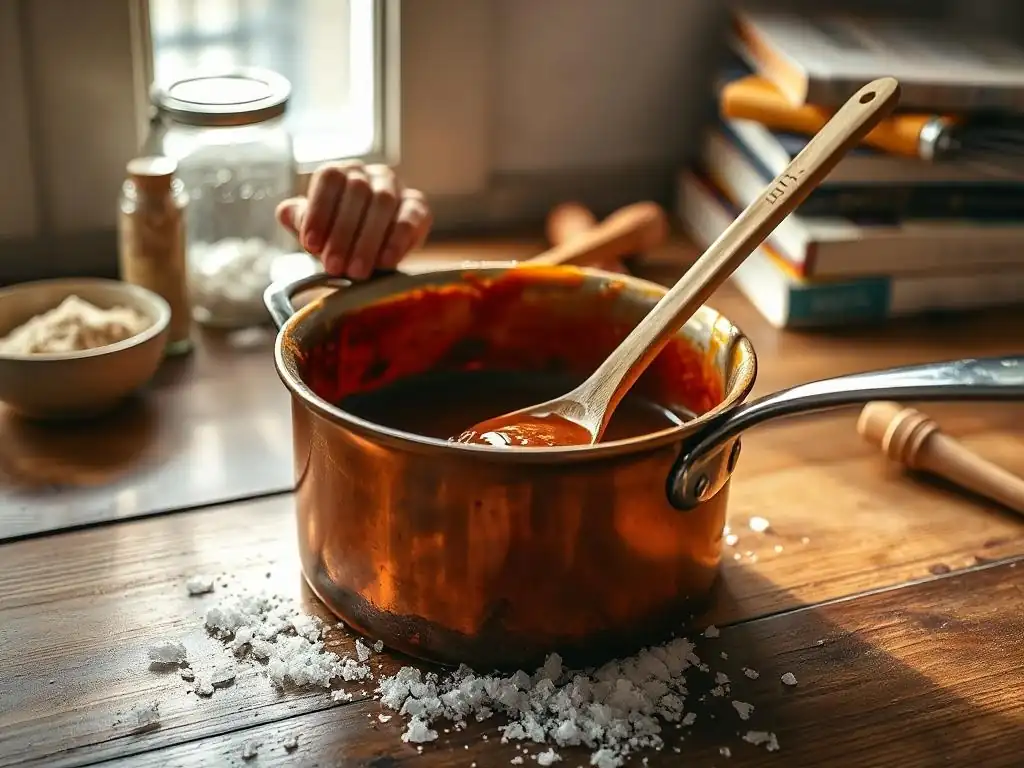
Ever wondered why your luscious caramel suddenly turns grainy? Dive into our Baking Science Deep Dive and unlock the secrets behind sugar's behavior. This week, we're tackling the sticky subject of caramel crystallization troubleshooting tips, offering insights that will transform your understanding and prevent future sugary setbacks. Curious to learn how to achieve that perfectly smooth, golden finish every time? Let's get started!
Advanced Techniques for Preventing Caramel Crystallization
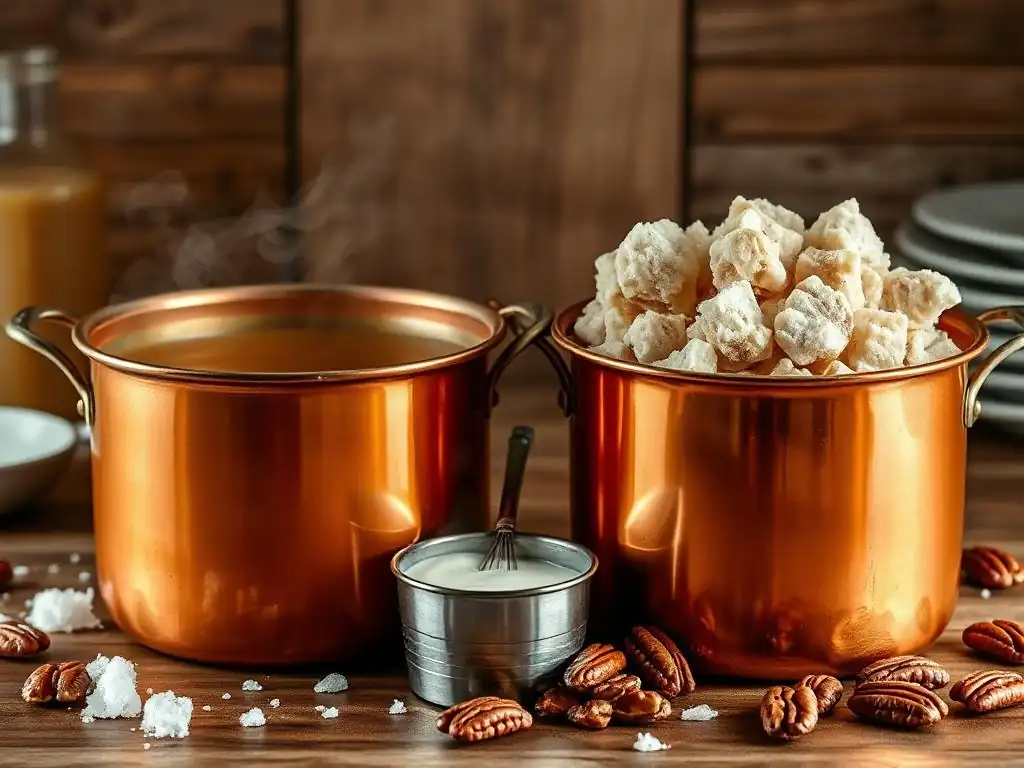
Once you understand the basics of why caramel seizes, you can employ more sophisticated techniques to ensure a smooth, glossy result every time. These methods go beyond simple stirring control and focus on altering the sugar's environment or molecular behavior to actively inhibit crystallization. Mastering these can significantly reduce the need for last-minute caramel crystallization troubleshooting tips.
These advanced strategies involve incorporating additional ingredients that interfere with the sugar's natural tendency to recrystallize. By introducing substances that disrupt the lattice structure that sucrose molecules want to form, you make it much harder for sugar crystals to nucleate and grow, leading to a stable, non-grainy caramel. Implementing these steps proactively is often more effective than trying to rescue seized caramel later.
Adding Glucose or Corn Syrup: An Invert Sugar Solution
Adding a small amount of glucose syrup or corn syrup to your sugar mixture before heating is one of the most effective ways to prevent caramel crystallization. These syrups are often referred to as "invert sugars" or contain high levels of them. Unlike sucrose (table sugar), which is a disaccharide (made of two simpler sugars linked together), corn syrup contains a mix of glucose, maltose, and other oligosaccharides. Glucose is a monosaccharide, a single sugar unit.
When mixed with sucrose, these different-sized sugar molecules act like tiny obstacles. Imagine trying to stack uniform bricks perfectly versus trying to stack a mix of bricks, golf balls, and marbles – the latter would be much harder to form a neat, structured pile. Similarly, the presence of glucose and other sugars from corn syrup disrupts the orderly arrangement that sucrose molecules try to form when they crystallize.
This interference significantly raises the threshold at which crystallization can occur, making your caramel far more stable and less prone to seizing. A common ratio is adding about 10-20% corn syrup by weight relative to the sugar.
The Role of Fat: Butter and Cream in Caramel Stability
Fats, such as those found in butter and heavy cream, play a crucial role not only in the flavor and texture of caramel but also in preventing crystallization. When butter is added to hot melted sugar, the fat molecules disperse throughout the mixture. These fat molecules can coat any tiny sugar crystals that might try to form on their own.
This coating action physically separates the sugar crystals from each other and from the bulk liquid sugar solution. By preventing these initial, microscopic crystals from interacting and growing, the fat effectively halts the chain reaction that leads to widespread crystallization and seizing.
Adding cream has a similar effect due to its fat content, plus the water in the cream helps dissolve any errant crystals, and the milk solids can also interfere with crystal growth. The timing of adding fat is often key; adding butter after the sugar has caramelized is a common technique, allowing it to melt and disperse rapidly to coat the sugar and stabilize the mixture.
- Adding fat helps coat potential sugar crystals.
- This coating physically separates crystals, preventing growth.
- Cream's water and milk solids also contribute to stability.
- Adding fat after caramelization is a common strategy.
Frequently Asked Questions
Why does caramel crystallize in the first place?
Caramel crystallization occurs when sugar molecules reform into solid crystals instead of remaining in a smooth, amorphous state. This is often triggered by undissolved sugar or other impurities.
What are the most common causes of caramel crystallization?
Common culprits include sugar crystals clinging to the sides of the pot, using impure sugar, or agitating the caramel too much once it starts to cook.
How can I prevent caramel from seizing up?
Prevention involves using a clean pot, dissolving all sugar before heating, adding an acid like lemon juice or cream of tartar, and avoiding stirring after the sugar is dissolved. Also, washing down the sides of the pot with a wet brush is key.
What do I do if my caramel has already crystallized?
Sometimes, you can rescue crystallized caramel by adding more water and gently heating it until the crystals dissolve. However, if it's heavily crystallized, it may be unrecoverable, and it's best to start over.
Does the type of sugar I use affect caramel crystallization?
Yes, the type of sugar can play a role. Using refined white sugar often yields the best results, as it has fewer impurities that can trigger crystallization compared to other types of sugar.
Final Reflection: The Sweet Science of Caramel Success
Understanding caramel crystallization isn't just about avoiding a grainy mess; it's about mastering the delicate dance between sugar, water, and heat. A perfectly smooth, glossy caramel is a testament to precision and understanding, a culinary achievement that transcends mere sweetness. This knowledge, once acquired, unlocks a world of creative possibilities in the kitchen.
The journey of learning to control sugar crystallization has been a fascinating one, revealing the subtle nuances of chemistry at play in everyday cooking. It's a reminder that even seemingly simple processes, like making caramel, are governed by scientific principles. The art of cooking is the science of observation.
This quote perfectly encapsulates the importance of paying close attention to detail, especially when working with sugar. The more we understand the "why" behind the "how," the more confident and successful we become in our culinary endeavors.
Now, it's your turn. Don't let the fear of a seized caramel hold you back from exploring the delicious world of candy making. Experiment with different sugars, temperatures, and techniques. Embrace the occasional mishap – it's all part of the learning process. Remember the principles outlined in this article, and with practice, you'll be crafting perfect caramels, confidently and consistently. The sweet reward is worth the effort!
Unlock Your Caramel Confidence: Master the Art of Sugar
Thanks for taking the time to delve into the fascinating (and sometimes frustrating!) world of caramel! You now have the knowledge to avoid those pesky sugar crystals and create perfectly smooth, luscious caramel every time. Ready to put your newfound expertise to the test?
- Whip up your dream caramel: Try the recipe variations mentioned in the article, experimenting with different sugars and techniques to find your perfect caramel. Don't be afraid to get creative!
- Share your caramel creations: Show off your caramel skills on social media – tag us so we can admire your delicious work!
- Join our baking community: Head over to our forum to discuss your caramel-making adventures and share tips with fellow bakers. We love to see your successes (and commiserate over the occasional mishap! ).
So, what delicious caramel recipe will you tackle first?