
St. Louis Gooey Butter Cake: Surprisingly Simple & Decadent

Welcome to BakeWithEase, your guide to unlocking baking confidence! Ever heard of a cake so rich, so buttery, and so unbelievably easy to make that it practically melts in your mouth? Prepare to be amazed as we dive into the secrets of the legendary St. Louis gooey butter cake. Is it really as simple as everyone claims? Get ready to find out – and maybe even bake along!
- Discover the Delight of St. Louis Gooey Butter Cake
- Mastering the Art of Gooey Butter Cake Baking
- Tips & Tricks for the Perfect Gooey Butter Cake
- St. Louis Gooey Butter Cake: A Regional Baking Gem
- Storing and Serving Your Homemade Gooey Butter Cake
- Enjoy Your Homemade St. Louis Gooey Butter Cake!
- Frequently Asked Questions
- Final Reflection: A Slice of St. Louis History, Baked Fresh Daily
- Unleash Your Inner Baker: Gooey Butter Cake Awaits!
Discover the Delight of St. Louis Gooey Butter Cake
What Makes St. Louis Gooey Butter Cake So Special?
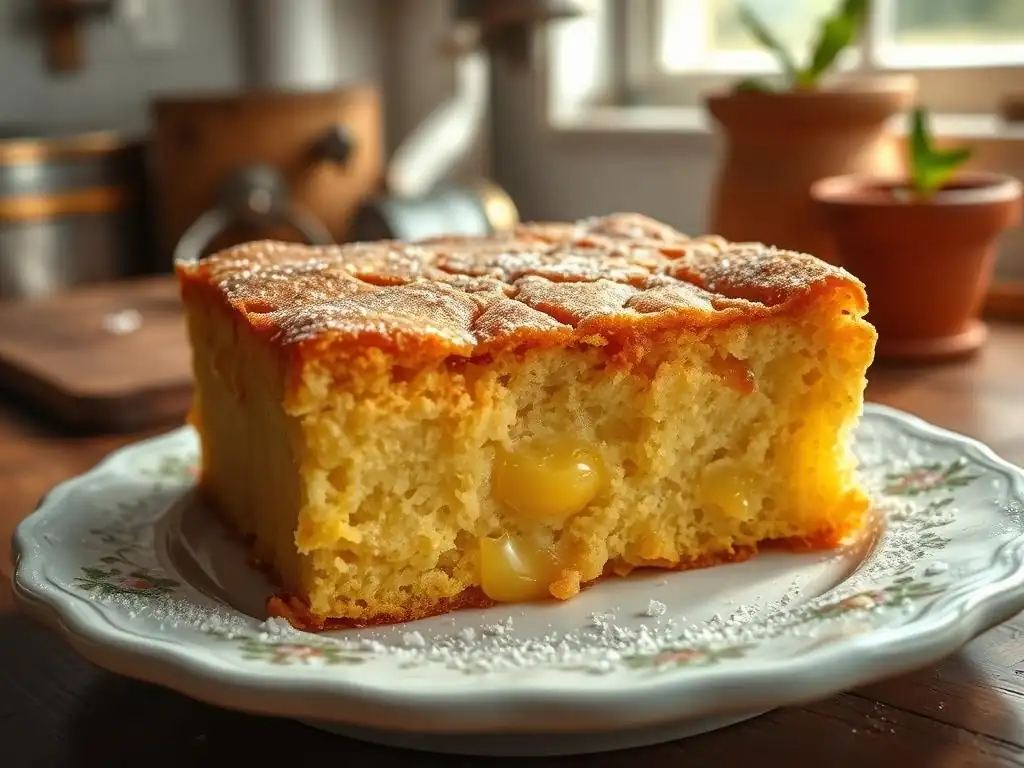
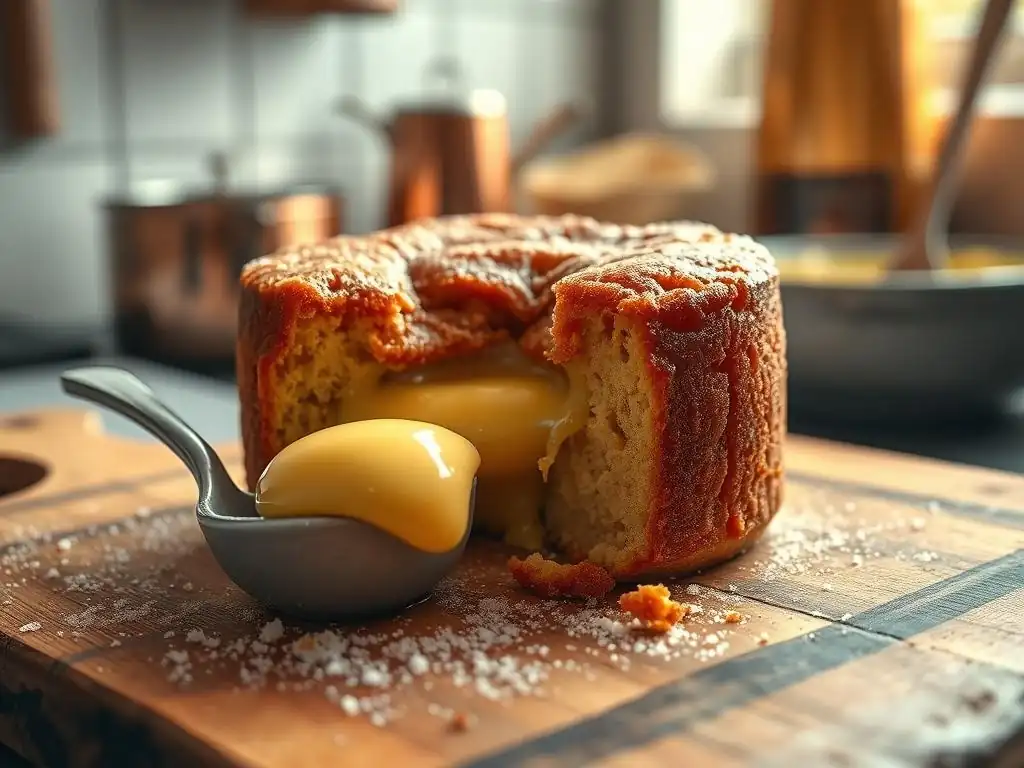
The St. Louis gooey butter cake is truly a unique confection, standing out from typical cakes with its distinctive texture. Unlike a light and airy sponge or a dense pound cake, this regional specialty features a firm, chewy base topped with a dense, incredibly rich, and, as the name suggests, wonderfully gooey layer. This contrast between the slightly crisp bottom crust and the sweet, buttery, almost custard-like topping is its defining characteristic, creating a delightful sensory experience with every bite. It's this signature gooey consistency that makes the St. Louis gooey butter cake so beloved and instantly recognizable.
Beyond its texture, the flavor profile is intensely buttery and sweet, often with a hint of vanilla. It's a straightforward, comforting taste that appeals directly to the palate without complex layers of flavor. Served typically in squares, often dusted generously with powdered sugar, it has a rustic charm that reflects its humble origins. While its simplicity in ingredients and preparation might suggest otherwise, the resulting cake is anything but plain – it's a truly decadent treat that has earned its place as a cherished dessert in St. Louis and beyond.
BakeWithEase's Foolproof Gooey Butter Cake Recipe
Creating an authentic St. Louis gooey butter cake at home doesn't have to be complicated. Our BakeWithEase recipe simplifies the process, breaking it down into manageable steps perfect for bakers of any skill level. We focus on clear instructions and readily available ingredients to ensure your success in producing a cake with that perfect balance of a sturdy base and a luscious, gooey topping that defines this regional classic.
Follow our guide closely, and you'll discover just how easy it is to recreate this famously decadent dessert in your own kitchen. We provide tips for ingredient selection and technique that eliminate common pitfalls, ensuring your St. Louis gooey butter cake turns out beautifully gooey and delicious every time. Get ready to impress yourself and your loved ones with this surprisingly simple yet incredibly satisfying bake.
Mastering the Art of Gooey Butter Cake Baking
Understanding the Key Ingredients for Authentic Gooey Butter Cake
Mastering the St. Louis gooey butter cake hinges on understanding the role each core ingredient plays. This cake isn't about fancy additions or complex flavorings; it's about the interaction of simple staples to create that iconic texture and richness. Getting the measurements and quality right for these fundamental components is crucial for achieving the signature gooeyness and sturdy base.
While the ingredient list is relatively short, the specific types and their proportions are key. We'll delve into why each ingredient is essential and how it contributes to the overall structure and deliciousness of an authentic St. Louis gooey butter cake. Paying attention to these details will elevate your baking from simply following instructions to truly understanding the chemistry behind this beloved dessert.
All-Purpose Flour: The Foundation of Your Cake
All-purpose flour provides the structure for the cake's base. It contains a moderate protein content, typically around 10-12%, which develops just enough gluten to create a stable yet slightly chewy bottom layer capable of supporting the heavy, gooey topping without becoming too tough or too crumbly. Using the correct amount, usually around 1.5 to 2 cups for a standard 9x13 inch pan, is vital for achieving the right consistency for the base dough.
This flour forms a simple dough, often mixed with butter, sugar, and egg, that is pressed into the bottom of the pan. Unlike a cake batter that rises significantly, this base is more like a thick cookie or bar dough. Its purpose is purely structural, providing a counterpoint to the soft topping.
Unsalted Butter: Achieving the Perfect Richness
Butter is arguably the most critical ingredient, giving the St. Louis gooey butter cake its characteristic richness and flavor. Both the base and the topping rely heavily on butter. For the base, softened butter is creamed with sugar and egg, while for the topping, melted butter is combined with sugar, eggs, and cream cheese. Using unsalted butter is recommended as it allows you to control the salt level in the final product, ensuring the sweetness and buttery flavor shine through without being overshadowed by saltiness.
The quantity of butter is generous – often a full cup (two sticks or approximately 227 grams) or more is used for the topping alone in a standard recipe. This high fat content is what contributes significantly to the topping's dense, moist, and, of course, gooey texture once baked and cooled. Melting the butter for the topping helps distribute the fat evenly, contributing to that smooth consistency.
Granulated Sugar & Powdered Sugar: Sweetness and Texture Secrets
Both granulated sugar and powdered sugar (confectioners' sugar) are essential, each serving a distinct purpose. Granulated sugar is typically used in the base dough, providing sweetness and aiding in creaming with the butter and egg to create a tender structure. Its crystalline form dissolves during baking, contributing to the slight crispness of the base edges.
Powdered sugar is the star of the gooey topping. It's combined with cream cheese, eggs, and melted butter to form a thick, pourable mixture. The fine texture of powdered sugar helps create a smooth, lump-free topping and contributes significantly to the dense, almost fudgy consistency of the baked gooey layer. A generous dusting of powdered sugar over the cooled cake is also a traditional finishing touch, adding a final layer of sweetness and visual appeal. A standard recipe might use around 1 cup of granulated sugar for the base and 3-4 cups of powdered sugar for the topping.
Eggs: Binding and Leavening Power
Eggs play a crucial role in both layers of the St. Louis gooey butter cake, acting as binders and contributing to structure. In the base, a single egg, often large size (approx. 50 grams), helps hold the dough together and provides a tiny bit of leavening when creamed with butter and sugar.
In the topping, multiple eggs (typically 2-3 large eggs) are essential. They contribute richness, help emulsify the mixture of butter, sugar, and cream cheese, and, most importantly, they set during baking to create that signature gooey, custard-like texture. Without enough eggs, the topping might be too liquid; with too many, it could become too firm, losing its gooey characteristic. The eggs essentially create a rich, baked custard layer on top of the base.
Cream Cheese: The Secret to Gooey Perfection
While some older or simplified versions of St. Louis gooey butter cake might omit it, cream cheese is widely considered the secret ingredient that elevates the topping to truly exceptional gooeyness and adds a subtle tang that balances the intense sweetness. Using softened full-fat cream cheese, typically 8 ounces (227 grams), is key.
When beaten with powdered sugar, melted butter, and eggs, the cream cheese creates a smooth, velvety topping mixture. During baking, it contributes to the dense, slightly chewy, and wonderfully moist texture of the gooey layer, distinguishing it from a simple sugary glaze. Its inclusion results in a richer, more complex topping that many consider essential to an authentic St. Louis gooey butter cake.
Vanilla Extract: Enhancing the Flavor Profile
Vanilla extract is a simple yet vital ingredient that enhances and rounds out the rich, buttery flavors of the St. Louis gooey butter cake. Just a teaspoon or two, usually added to the topping mixture, provides a warm, aromatic background note that complements the sweetness and richness without overpowering them.
Using a good quality pure vanilla extract will yield the best flavor results. While it might seem like a small addition compared to the large quantities of butter and sugar, vanilla plays a significant role in making the overall taste more complex and satisfying, preventing the cake from tasting simply sweet.
Step-by-Step Guide to Baking St. Louis Gooey Butter Cake
Baking a St. Louis gooey butter cake involves two main stages: preparing the base and making the gooey topping. Each stage is relatively simple, but following the steps in order and paying attention to detail is key to achieving the perfect result. This straightforward process makes it an ideal project for bakers looking for a high-reward, low-complexity recipe.
We'll walk you through each part of the process, from mixing the simple base dough to creating the signature gooey topping and finally baking the cake to golden perfection. With a standard 9x13 inch baking pan and basic kitchen tools, you're well on your way to enjoying this delicious St. Louis gooey butter cake.
Preparing the Cake Base: A Simple Dough Recipe
The base of the St. Louis gooey butter cake is more akin to a press-in crust than a traditional cake batter. It's typically made by creaming together softened butter and granulated sugar until light and fluffy, a process that usually takes about 2-3 minutes with an electric mixer. This initial creaming incorporates air, contributing slightly to the base's texture.
Next, an egg is added and beaten in until fully incorporated, followed by the all-purpose flour. The mixture will come together into a thick, slightly crumbly dough. This dough is then pressed evenly into the bottom of a greased 9x13 inch baking pan. Ensure the dough covers the entire bottom surface, extending slightly up the sides to form a shallow edge, which helps contain the gooey topping.
Making the Gooey Topping: The Heart of the Cake
The topping is where the magic happens, creating the defining gooey layer of the St. Louis gooey butter cake. This starts by beating softened cream cheese until smooth, which usually takes a minute or two. Then, melted butter is slowly added and mixed until fully combined, ensuring no streaks of butter remain separate from the cream cheese.
Next, powdered sugar is gradually added and mixed in until smooth, which can take a few minutes, especially if adding a large quantity like 3-4 cups. Finally, eggs are beaten in one at a time until fully incorporated, followed by vanilla extract. The mixture should be thick but pourable. Avoid overmixing once the eggs are added to prevent developing too much air, which could make the topping less dense and gooey.
Assembling and Baking Your Gooey Butter Cake
Once both the base dough is pressed into the pan and the gooey topping mixture is prepared, assembly is simple: pour the entire topping mixture evenly over the unbaked base in the pan. Spread it gently to cover the base completely.
The cake is then baked in a preheated oven, typically at around 350°F (175°C). Baking time can vary but usually ranges from 30 to 45 minutes. The cake is done when the edges of the topping appear set and slightly golden brown, but the center remains soft and slightly jiggly. Do not wait for the entire topping to be firm like a regular cake, as this will result in a less gooey texture. The center will set further as it cools.
Cooling and Serving: The Final Touches
Cooling is a critical step for the St. Louis gooey butter cake to develop its signature texture. Once removed from the oven, the cake should be allowed to cool completely in the pan on a wire rack. This process allows the gooey center to finish setting without overcooking. Rushing this step can result in a topping that is too runny. Cooling might take 2-3 hours, or even longer at room temperature.
Once fully cooled, the cake is traditionally cut into squares. Before serving, a generous dusting of powdered sugar is applied over the top, adding a final touch of sweetness and the classic visual presentation. Serve at room temperature for the best gooey texture.
Tips & Tricks for the Perfect Gooey Butter Cake
Achieving the Ideal Gooey Texture
The key to that quintessential gooey texture in a St. Louis gooey butter cake lies primarily in the topping's ingredient ratios and baking time. The high amount of sugar, butter, cream cheese, and eggs creates a mixture that doesn't fully set into a firm cake layer. Using the specified amount of powdered sugar, often around 3-4 cups for a 9x13 inch pan, is crucial for density and sweetness, while the melted butter and cream cheese contribute fat and richness that prevent it from drying out.
Proper baking is equally important. You want to bake the cake until the edges are set and lightly golden, but the center still has a noticeable wobble when gently shaken. Over-baking will result in a firm, cake-like topping rather than a gooey one. Trust the jiggle! Allowing the cake to cool completely in the pan is also vital, as the topping continues to set as it cools, transitioning from a liquid state to that dense, gooey consistency.
Troubleshooting Common Gooey Butter Cake Problems
Even with a straightforward recipe, minor issues can arise when baking a St. Louis gooey butter cake. Identifying the cause can help you correct it for future bakes. Common problems often relate to the texture of the base or the gooey topping, or issues with baking time and temperature.
Understanding why a problem occurred is the first step to fixing it. For instance, if the base is too hard, it might be due to overmixing the flour, developing too much gluten, or baking the base too long before adding the topping (though most recipes add the topping before baking the base). If the topping isn't gooey, it's almost always an issue with baking time or temperature.
Cake Too Dry?
If your St. Louis gooey butter cake base feels dry or crumbly, it could be due to using too much flour or not enough butter or egg in the base dough. Ensure you measure your flour accurately, preferably by weight (around 180-200 grams for the base flour) or by using the spoon-and-level method. Overmixing the flour can also lead to a tougher, drier base due to excess gluten development.
Another cause might be baking the entire cake for too long. While the topping requires specific cues, the base also continues to bake. If the topping is perfect but the base is dry, consider slightly reducing the overall baking time or ensuring your oven temperature is accurate.
Topping Not Gooey Enough?
This is perhaps the most common complaint and is usually a result of over-baking. The topping of a St. Louis gooey butter cake should not be completely firm when you take it out of the oven. It should still be quite soft in the center. If it's fully set like a brownie or cake layer when hot, it will likely be too firm once cooled.
Check your oven temperature with a thermometer to ensure it's not running hot. Reduce the baking time and focus on the visual cues: set edges, slightly golden color, and a distinct jiggle in the center. The topping will continue to set as it cools, transforming into that dense, gooey texture.
Cake Burning on Top?
If the top of your St. Louis gooey butter cake is browning too quickly or burning before the center is set, your oven might be too hot, or the cake might be positioned too close to the top heating element. Try lowering the oven temperature by 15-25°F (10-15°C) and baking for a few extra minutes.
Alternatively, you can loosely tent the cake with aluminum foil once the top has reached a desirable golden color, usually halfway through the baking time. This will protect the surface from further browning while allowing the inside to finish baking properly.
Variations & Flavor Combinations for Gooey Butter Cake
While the classic St. Louis gooey butter cake is beloved for its simple, rich flavor, its basic structure lends itself well to creative variations. By incorporating different extracts, spices, or additions, you can easily adapt this recipe to create exciting new flavor combinations while maintaining that signature gooey texture.
These variations offer a fun way to put your own spin on the traditional recipe, perfect for seasonal treats or catering to different taste preferences. The base recipe provides a sturdy canvas for experimentation, allowing the added flavors to shine within the rich, gooey topping.
Chocolate Gooey Butter Cake
A popular variation is the Chocolate St. Louis Gooey Butter Cake. This is typically achieved by incorporating cocoa powder into either the base, the topping, or both. For a mild chocolate flavor, you might add 1/4 cup of unsweetened cocoa powder to the dry ingredients of the base.
For a more intense chocolate experience, add 1/2 cup or more of unsweetened cocoa powder to the gooey topping mixture along with the powdered sugar. This creates a rich, dense, chocolatey gooey layer that pairs wonderfully with the buttery base. You can also add chocolate chips to the topping for bursts of melted chocolate.
Lemon Gooey Butter Cake
For a bright, zesty twist on the classic, try a Lemon St. Louis Gooey Butter Cake. This variation involves adding lemon zest and/or lemon juice to the gooey topping mixture. The acidity and aroma of the lemon cut through the richness and sweetness, creating a refreshing flavor.
Add the zest of one or two lemons and perhaps 2-3 tablespoons of fresh lemon juice to the topping ingredients before mixing. Start with a smaller amount and add more to taste. This variation is particularly lovely for spring or summer gatherings.
Pumpkin Spice Gooey Butter Cake
Perfect for the autumn season, the Pumpkin Spice St. Louis Gooey Butter Cake incorporates pumpkin puree and warming spices into the gooey topping. This creates a dessert with flavors reminiscent of pumpkin pie but with the unique gooey butter cake texture.
Add about 1/2 cup of canned pumpkin puree (not pumpkin pie filling) and 1-2 teaspoons of pumpkin pie spice (or a blend of cinnamon, nutmeg, ginger, and cloves) to the topping mixture. You might need to slightly increase the amount of powdered sugar to maintain the correct consistency, as pumpkin puree adds moisture.
St. Louis Gooey Butter Cake: A Regional Baking Gem
The History of St. Louis Gooey Butter Cake
The origins of the St. Louis gooey butter cake are steeped in a bit of happy accident and local legend, dating back to the 1930s. The most widely accepted story attributes its creation to a baker in St. Louis who was attempting to make a regular butter cake but accidentally added too much butter to the dough. Instead of discarding the failed attempt, they baked it anyway, resulting in a cake with a dense, gooey center.
This serendipitous mistake led to the birth of a new kind of cake. It quickly gained popularity in the St. Louis area, particularly in German-American communities, and became a staple in local bakeries. Its humble beginnings and simple, comforting nature resonated with people, establishing it as a beloved regional treat.
Why This Cake is a Staple of American Regional Baking
The St. Louis gooey butter cake embodies the spirit of American regional baking – it's a dessert born out of local circumstance, using common ingredients, that has become deeply ingrained in the culinary identity of a specific area. Like Boston Cream Pie in Massachusetts or Key Lime Pie in Florida, the gooey butter cake is synonymous with St. Louis.
Its popularity stems from its unique texture and rich flavor, but also from its accessibility. It's relatively easy to make at home, using pantry staples, which contributed to its spread throughout the region. It's a dessert often found at local events, family gatherings, and bakeries throughout the St. Louis metropolitan area, solidifying its status as a true regional classic and an excellent example of the diverse landscape of American baking.
Storing and Serving Your Homemade Gooey Butter Cake
Keeping Your Cake Fresh
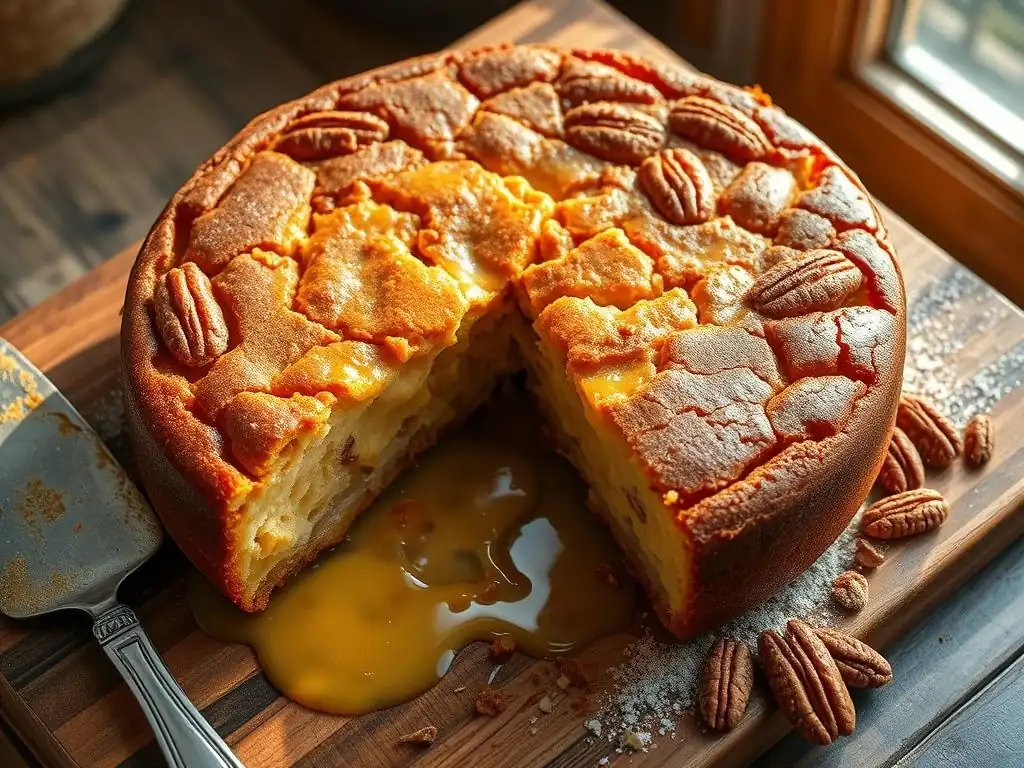
Proper storage is essential to maintain the signature gooey texture of your homemade St. Louis gooey butter cake. Because of its high sugar and butter content, it keeps quite well at room temperature for a few days, typically 2-3 days, when stored in an airtight container. This helps prevent it from drying out and protects the surface.
If you need to store it for longer, the cake can be refrigerated. When stored in the refrigerator in an airtight container, it can last for up to a week. Note that refrigeration will firm up the gooey topping slightly. For best texture after refrigerating, allow individual pieces to come to room temperature for about 30 minutes before serving.
Serving Suggestions and Pairings
The classic way to serve St. Louis gooey butter cake is at room temperature, cut into squares and generously dusted with powdered sugar just before serving. This simple presentation highlights its rustic charm and allows the gooey texture to be at its best.
While delicious on its own, it pairs wonderfully with a hot beverage like coffee or tea, which provides a nice contrast to the cake's richness. Some people enjoy it with a scoop of vanilla ice cream, creating a warm-and-cold dessert experience, though the cake itself is typically served without being warmed. Its intense sweetness also makes it a perfect ending to a savory meal.
Enjoy Your Homemade St. Louis Gooey Butter Cake!
Frequently Asked Questions
What makes St. Louis Gooey Butter Cake so unique?
St. Louis Gooey Butter Cake is known for its distinct texture: a dense, gooey layer on top and a cake-like base. This texture comes from the specific ingredients and technique used in the recipe.
Is St. Louis Gooey Butter Cake difficult to make?
Despite its decadent flavor, it's surprisingly simple to bake. BakeWithEase provides easy-to-follow recipes and step-by-step guides perfect for bakers of all skill levels.
What are the key ingredients in St. Louis Gooey Butter Cake?
The essential ingredients typically include butter, cream cheese, cake mix, eggs, and powdered sugar. Some variations may include vanilla extract or other flavorings.
Can I customize my St. Louis Gooey Butter Cake?
Yes! While the classic recipe is delicious, you can experiment with different flavor extracts, toppings, or fruit fillings to create your own unique version.
Where can I find a reliable recipe for St. Louis Gooey Butter Cake?
BakeWithEase.com offers a tried-and-true recipe for St. Louis Gooey Butter Cake, along with helpful tips and techniques to ensure baking success.
Final Reflection: A Slice of St. Louis History, Baked Fresh Daily
The seemingly simple act of baking a gooey butter cake transcends mere culinary creation; it's a powerful symbol of St. Louis's unique culinary heritage and enduring appeal. This sweet treat, with its surprisingly simple recipe and intensely decadent flavor, continues to captivate palates and connect generations, proving that sometimes the most satisfying experiences come from the most unexpected places.
The gooey butter cake's enduring popularity speaks volumes about its ability to evoke nostalgia and a sense of place. It's more than just a dessert; it's a cultural touchstone, a reminder of family gatherings, hometown celebrations, and the comforting warmth of a shared sweet treat. As one baker eloquently put it, It's not just a cake, it's a memory.
This sentiment resonates deeply, highlighting the cake's ability to transcend simple ingredients and become a powerful symbol of connection and belonging.
Now, I invite you to consider your own culinary traditions and the stories they tell. What simple recipes hold a special place in your heart? What flavors evoke powerful memories and connect you to your past? Perhaps it's time to bake a batch of gooey butter cake – or your own cherished family recipe – and share the experience with loved ones. Let the simple act of baking and sharing become a testament to the enduring power of food and the connections it forges. Let the gooey butter cake be your inspiration to create your own delicious memories.
Unleash Your Inner Baker: Gooey Butter Cake Awaits!
Thanks for joining us on this gooey, buttery adventure! We hope you’ve discovered just how surprisingly simple it is to create this decadent treat. Now it's time to roll up your sleeves and get baking!
- Bake your own masterpiece: Try our recipe today – you'll be amazed at how easy it is to achieve that perfect gooey texture! Adjust it to your preferences; get creative!
- Share your baking journey: Snap a picture of your creation and share it on social media using #BakeWithEaseGooeyButterCake – let's see those delicious results!
- Explore more delightful recipes: Dive into our extensive recipe collection on BakeWithEase.com for even more baking inspiration.
Ready to experience the joy of homemade gooey butter cake? What unique twist will you add to your version?