
Start Baking Today: Essential Tools for Absolute Beginners

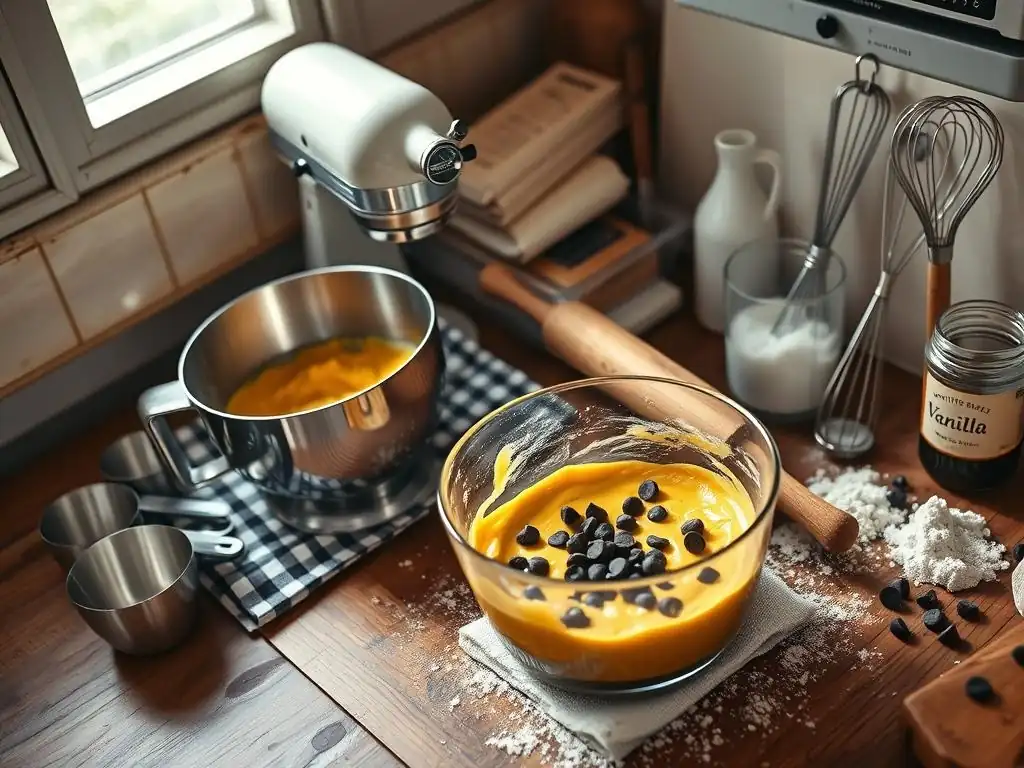
Welcome to BakeWithEase, your guide to unlocking the delicious world of baking! Are you ready to embark on your baking journey? Discover how simple and rewarding it can be, even if you're an absolute beginner. Get started with our guide to beginner baking essential tools and find out which items will set you up for success in the kitchen. Intrigued? Let's dive in and equip you for a world of delectable creations!
- Welcome to BakeWithEase: Your Baking Journey Starts Here
- Essential Baking Tools: Setting Up Your Kitchen
- Measuring Tools: Precision is Key
- Mixing Bowls: Choosing the Right Size and Material
- Baking Pans: Essential Shapes and Sizes
- Mixing and Spreading Tools: Achieving Perfect Texture
- Other Essential Baking Tools
- Investing in Quality Baking Equipment
- Cleaning and Maintenance
- Ready to Bake? Start with These Recipes!
- Mastering the Basics: Building Your Baking Skills
-
Frequently Asked Questions
- What are the absolute essential tools for someone just starting out in baking?
- Do I need expensive equipment to begin baking, or can I start with budget-friendly options?
- What's the difference between a stand mixer and a hand mixer, and which is better for beginners?
- Why is accurate measuring so important in baking, and what tools help ensure accuracy?
- Besides the tools, what other non-tool essentials should a beginner baker consider having on hand?
- Final Reflection: The Sweetness of Discovery: Baking's Accessible Joy
- Unleash Your Inner Baker: Start Creating Delicious Treats!
Welcome to BakeWithEase: Your Baking Journey Starts Here
Baking might seem intimidating at first, with all the precise measurements and technical terms, but at BakeWithEase, we believe anyone can become a confident baker. Our mission is to simplify the process, providing you with easy-to-follow recipes, fundamental techniques, and helpful tips that demystify baking. Whether you dream of baking your first batch of chewy chocolate chip cookies or a perfectly risen loaf of bread, we're here to guide you every step of the way.
Think of BakeWithEase as your friendly kitchen companion. We break down complex processes into manageable steps and focus on the essentials you need to succeed, right from your very first bake. This article is specifically designed to help absolute beginners understand which beginner baking essential tools are truly necessary to get started without overwhelming your kitchen or your wallet. Let's set you up for baking success!
Essential Baking Tools: Setting Up Your Kitchen
Why Having the Right Baking Tools Matters
Having the correct tools isn't about having a fancy, fully-stocked kitchen; it's about ensuring accuracy and consistency in your baking results. Baking is often described as a science because the ratios of ingredients are crucial. Using the wrong type of measuring cup for flour, for instance, can lead to adding significantly too much or too little, resulting in a dense cake instead of a light and airy one, or cookies that spread too much.
Proper tools also make the process smoother and more enjoyable. Trying to cream butter and sugar with a fork is far more difficult and less effective than using a hand mixer or even a sturdy whisk. Similarly, attempting to scrape down a bowl without a flexible spatula leaves precious batter behind and makes cleanup harder. Investing in a few key beginner baking essential tools will save you frustration and help you achieve predictable, delicious outcomes from your recipes.
Essential Baking Tools Checklist
Getting started doesn't require purchasing every gadget on the market. Focus on these core beginner baking essential tools first.
- Measuring Tools:
- Dry Measuring Cups (Set of 4-5)
- Liquid Measuring Cup (at least 1-cup size)
- Measuring Spoons (Set of 4-6)
- Optional but highly recommended: Kitchen Scale
- Mixing Bowls:
- A set of 2-3 in varying sizes (small, medium, large)
- Baking Pans:
- Baking Sheets (at least one, two is better)
- Muffin Tin (standard 12-cup)
- Loaf Pan (standard 9x5 inch)
- Optional: Cake Pans (8 or 9-inch round)
- Mixing & Spreading:
- Rubber or Silicone Spatulas (at least one)
- Whisk (medium size)
- Wooden Spoon (at least one)
- Offset Spatula (small or medium)
- Other Useful Tools:
- Cooling Rack
- Sifter or Fine Mesh Sieve
- Rolling Pin (for certain recipes)
- Pastry Brush
This list covers the most fundamental beginner baking essential tools that will enable you to tackle a wide variety of recipes, from cookies and cakes to muffins and quick breads.
Measuring Tools: Precision is Key
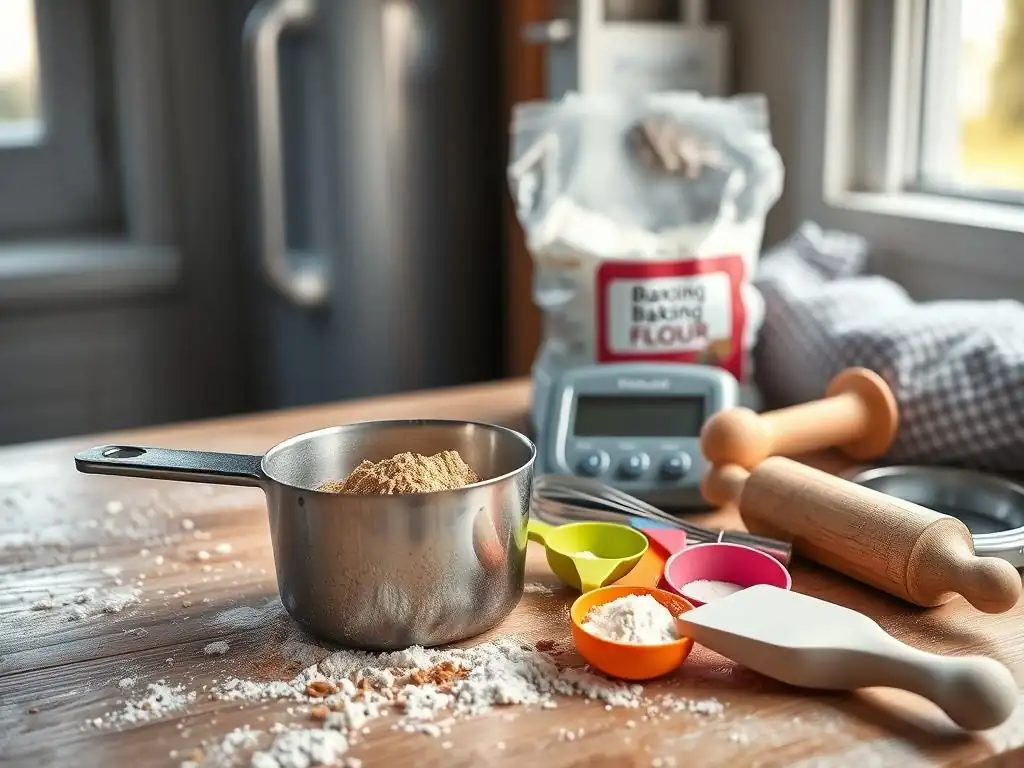
Dry Measuring Cups: Accurate Ingredient Measurement
Dry measuring cups are designed to be filled to the brim and then leveled off with a straight edge, like a knife or the back of a spatula. This method is crucial for ingredients that can be compressed, such as flour, sugar, or cocoa powder. A standard set usually includes 1/4 cup, 1/3 cup, 1/2 cup, and 1 cup sizes.
Using a scoop-and-level method ensures you use the amount of flour intended by the recipe writer, which is vital for the structure of baked goods. For example, scooping flour directly from the bag without leveling can pack it tightly, adding up to 20-30% more flour than the recipe calls for if it was written using the level method.
Accuracy with dry ingredients directly impacts the texture and consistency of your final product. Too much flour can result in dry, tough cakes or cookies that don't spread. Too little can lead to weak structure, causing cakes to sink or cookies to be excessively flat and greasy. Mastering the simple technique of filling and leveling your dry measuring cups is one of the most fundamental skills for any beginner baker and a key step in utilizing your beginner baking essential tools effectively.
Liquid Measuring Cups: Mastering Fluid Volumes
Liquid measuring cups are different from dry ones; they typically have a spout for easy pouring and markings along the side. To measure liquids accurately (like water, milk, oil, or vanilla extract), place the cup on a flat surface and read the measurement at eye level. The surface of the liquid should be level with the desired marking. Standard sizes include 1 cup, 2 cup, and 4 cup volumes, often with both ounce and milliliter markings.
The reason for using a specific liquid measuring cup is to account for the meniscus – the curve of the liquid's surface. Reading at eye level ensures you measure from the bottom of this curve for accuracy. Even a slight over- or under-measurement of liquids can affect the hydration of a batter or dough, impacting everything from how well yeast bread rises to the moisture level in a cake. Using the right cup and technique for liquids is just as important as for dry ingredients when using your beginner baking essential tools.
Measuring Spoons: For Spices, Extracts, and Small Amounts
Measuring spoons are used for smaller quantities of ingredients, typically those measured in teaspoons (tsp) or tablespoons (tbsp). This includes potent flavorings like vanilla extract, almond extract, or spices like cinnamon and nutmeg, as well as leavening agents like baking powder and baking soda. A standard set usually includes 1/4 tsp, 1/2 tsp, 1 tsp, and 1 tbsp. Accuracy is paramount here because these ingredients, even in small amounts, can significantly impact the flavor and chemistry of your bake.
Just like dry measuring cups, measuring spoons for dry ingredients (like baking powder or spices) should be filled and leveled off. For liquids (like extracts), fill the spoon completely but avoid spills. Using slightly too much baking soda, for instance, can lead to a soapy or metallic taste in your cookies, while not enough baking powder might result in flat muffins. These small but mighty beginner baking essential tools are indispensable for getting the flavor and rise just right.
Kitchen Scale: The Ultimate Precision Tool
While measuring cups and spoons are sufficient for many beginner recipes, a kitchen scale offers the highest level of accuracy, especially for key ingredients like flour. Recipes that provide measurements in grams or ounces are often more reliable because weight is consistent regardless of how an ingredient is packed. For example, 1 cup of all-purpose flour can weigh anywhere from 120 grams (when lightly spooned and leveled) to 150 grams (when scooped and packed), a difference that can drastically alter a recipe.
Using a kitchen scale eliminates the variability associated with volume measurements. It's particularly useful for baking bread or delicate pastries where ingredient ratios are critical. Many professional bakers and serious amateurs rely on scales for consistent results. While not strictly essential for your very first attempts, a scale is a beginner baking essential tool that will significantly improve the reliability of your baking as you progress and tackle more complex recipes. You can find reliable digital scales for a relatively low cost, often under $30.
Mixing Bowls: Choosing the Right Size and Material
Stainless Steel Mixing Bowls: Durable and Versatile
Stainless steel mixing bowls are a popular choice for bakers due to their durability, light weight, and non-reactive nature. They won't react with acidic ingredients like lemon juice or vinegar, which can sometimes cause discoloration or off-flavors in other materials. A set of varying sizes – perhaps a 1.5-quart, 3-quart, and 5-quart – provides versatility for mixing small batches of frosting, whipping egg whites, or combining large quantities of dry ingredients.
These bowls are also relatively easy to clean and don't retain odors. While they can sometimes be a bit slippery on a countertop, placing a damp towel underneath can help stabilize them while you're mixing vigorously. Their robustness means they can withstand drops and heavy use, making them a long-lasting addition to your collection of beginner baking essential tools.
Glass Mixing Bowls: Heat Resistant and Easy to Clean
Glass mixing bowls are another excellent option. Their transparency allows you to easily see if ingredients are fully combined, and they are non-reactive like stainless steel. A major advantage is that many glass bowls are microwave-safe, making them perfect for melting butter, chocolate, or warming liquids directly in the bowl. Their weight also provides stability, which is helpful when using a hand mixer.
While heavier and more prone to breaking or chipping than stainless steel, glass bowls are very easy to clean and don't scratch easily, maintaining their appearance over time. They also don't retain odors or stains. Having at least one medium to large glass bowl (like a 2.5 or 4-quart size) is a valuable addition to your set of beginner baking essential tools, particularly for tasks involving melting or visual checks of mixing progress.
Ceramic Mixing Bowls: Aesthetic and Functional
Ceramic mixing bowls, often featuring attractive designs and colors, offer a different set of benefits. They are typically heavier than glass or stainless steel, providing excellent stability on the counter while you whisk or mix. Their weight also helps keep ingredients cool for tasks like making pastry dough or whipping cream, as the material retains temperature well.
However, ceramic bowls are the most prone to breakage and chipping among the common materials. They are also usually not microwave-safe unless specifically indicated. Despite this, their stability and aesthetic appeal make them a favored choice for some bakers, particularly for tasks requiring vigorous mixing or when presentation is a factor. A sturdy, non-slip ceramic bowl can be a great addition to your beginner baking essential tools if you prioritize stability and looks.
Baking Pans: Essential Shapes and Sizes
Cake Pans: Round, Square, and Springform Pan Essentials
For beginner bakers looking to make cakes, having at least one or two standard cake pans is essential. The most common sizes are 8-inch or 9-inch round pans for layer cakes and 8x8 inch or 9x13 inch rectangular pans for sheet cakes or brownies. Having two round pans of the same size allows you to bake cake layers simultaneously, saving time. Look for pans made from aluminum or non-stick materials for even heat distribution and easy release.
A springform pan, typically 9 or 10 inches in diameter, is another useful pan, though perhaps less essential than standard round or square pans for absolute beginners. It features sides that can be released from the base, making it ideal for delicate cakes like cheesecakes or tortes that cannot be easily inverted. While you can bake many cakes in standard pans, springform pans are key beginner baking essential tools for specific recipes.
Muffin Tins: Baking Perfect Muffins and Cupcakes
A standard muffin tin, which holds 12 regular-sized muffins or cupcakes, is a fundamental piece of equipment for many beginner bakers. This versatile pan isn't just for muffins and cupcakes; it can also be used for mini quiches, individual custards, or even shaping certain types of rolls. Muffin tins are typically made from metal, with non-stick coatings being very common for easy release.
Using paper liners is optional but recommended for easier cleanup and serving. Ensure your muffin tin is sturdy and heats evenly to get consistent results across all cups. This simple pan unlocks a world of easy and delicious baked goods, making it one of the most practical beginner baking essential tools you can own.
Baking sheets, also known as cookie sheets, are arguably the most versatile pans in a baker's kitchen. A standard "half sheet" size, approximately 13x18 inches, is ideal for most home ovens. These flat or shallow-rimmed pans are used for baking cookies (you can typically fit 12-24 cookies per sheet depending on size), biscuits, scones, roasting nuts, or even baking sheet pan dinners.
Look for heavy-gauge aluminum baking sheets, as they conduct heat evenly, preventing burnt bottoms and uneven baking. Having at least one, but ideally two, allows you to bake multiple batches efficiently. Rimmed sheets are slightly more versatile as they can contain juices or crumbs. Baking sheets are truly essential beginner baking essential tools for anyone starting out.
Loaf Pans: For Breads and Cakes
A standard 9x5 inch loaf pan is perfect for baking quick breads like banana bread, zucchini bread, or pound cake, as well as smaller yeast bread loaves. These pans are usually made from metal (often non-stick), glass, or ceramic. Metal pans tend to heat up faster and produce a crisper crust, while glass and ceramic retain heat longer, which can affect baking time and crust color.
Ensure the pan size matches the recipe; using a pan that is too large or too small can lead to over- or under-baking. A good, sturdy loaf pan is a simple but effective beginner baking essential tool for venturing into the world of home-baked breads and cakes.
Mixing and Spreading Tools: Achieving Perfect Texture
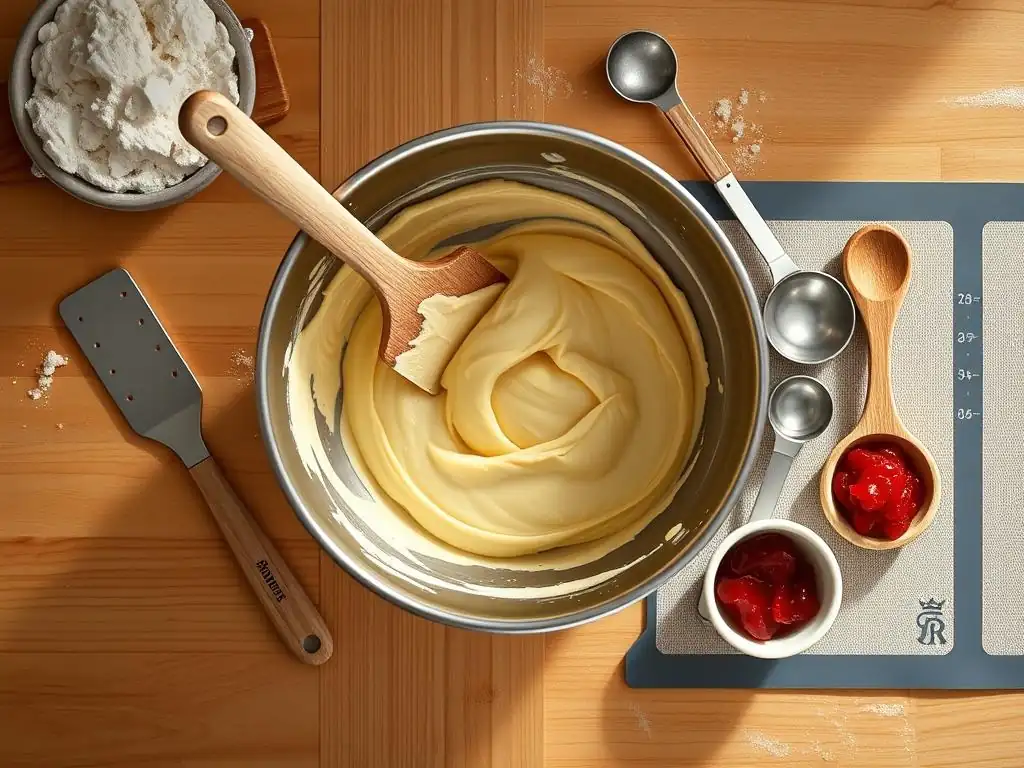
Spatulas: Rubber and Offset Spatulas for Smooth Finishes
Spatulas are indispensable for scraping down the sides of bowls, folding ingredients together gently, and transferring batters or doughs. Flexible rubber or silicone spatulas are heat-resistant and come in various sizes and shapes (some are narrow for jars, others wide for folding). Silicone is particularly durable and easy to clean. Using a spatula ensures you incorporate all ingredients and don't leave valuable batter stuck to the bowl.
An offset spatula, with its thin, flexible metal blade angled from the handle, is primarily used for frosting cakes, spreading batters evenly in pans, or lifting delicate cookies or pastries from a baking sheet. Having at least one flexible spatula for mixing and scraping is a key beginner baking essential tool, and an offset spatula is highly recommended for finishing touches.
Whisks: Aerating and Combining Ingredients
Whisks are essential for incorporating air into ingredients (like whipping egg whites or cream) and for combining wet ingredients smoothly, breaking up lumps. A standard balloon whisk, with its many wires, is great for aeration. A French whisk, which is narrower, works well for sauces or getting into the corners of pots. For general baking purposes, a medium-sized balloon or standard whisk is perfect.
Proper whisking can prevent lumps in batters and help create light, fluffy textures in things like pancakes or scrambled eggs (though not strictly baking, the skill is transferable!). Learning to whisk effectively is a basic technique facilitated by this essential beginner baking essential tool.
Wooden Spoons: Sturdy and Reliable for Stirring
Wooden spoons are a timeless baking tool, valued for their sturdiness and heat resistance. They are excellent for stirring thick batters or doughs that might be too heavy for a whisk or spatula. Unlike metal spoons, they won't scratch non-stick pans or reactive with acidic ingredients.
While perhaps less crucial for aeration than a whisk or scraping than a spatula, a good quality wooden spoon is durable, comfortable to hold, and reliable for general stirring tasks in your baking endeavors. It's a simple yet effective item among your beginner baking essential tools.
Other Essential Baking Tools
Rolling Pin: Rolling Out Dough with Ease
A rolling pin is necessary for recipes that require flattening dough to a specific thickness, such as pie crusts, sugar cookies, or puff pastry. Rolling pins come in various styles, including the traditional American style with handles and a rotating barrel, and the French style, which is a simple tapered cylinder.
Choose a style that feels comfortable to you. A rolling pin helps achieve even thickness, which is important for consistent baking – uneven cookie dough will bake unevenly. While not needed for every recipe, it's a key beginner baking essential tool for anyone wanting to make rolled doughs.
Sifter: Ensuring Smooth and Lump-Free Ingredients
A sifter or a fine-mesh sieve is used to aerate dry ingredients like flour, cocoa powder, or powdered sugar and to remove any lumps or impurities. Sifting helps lighten the texture of baked goods and ensures that leavening agents are evenly distributed throughout the flour, leading to a better rise.
While you can sometimes whisk dry ingredients together as an alternative, a sifter provides the most reliable way to get a smooth, lump-free base for your batters and doughs. It's a simple tool that makes a noticeable difference in the final texture, making it a valuable beginner baking essential tool.
Cooling Rack: Preventing Soggy Bottoms
A cooling rack is a simple wire rack that allows air to circulate around baked goods as they cool. Transferring cakes, cookies, or muffins from a hot pan onto a cooling rack prevents the bottom from becoming soggy due to trapped steam. It also allows the residual heat to dissipate evenly, preventing over-baking as the item cools.
Cooling racks are inexpensive but crucial for achieving the proper texture once your baked goods are out of the oven. Skipping this step can ruin the crispness of cookies or make the bottom of a cake dense and wet. It's a non-negotiable beginner baking essential tool.
Pastry Brush: Applying Egg Wash and Glazes
A pastry brush, with either natural bristles or silicone bristles, is used for applying washes (like egg wash on bread or pie crusts for shine and color), glazes, melted butter, or oils onto baked goods or pans. A good brush allows for even application without deflating delicate doughs.
Silicone brushes are often easier to clean and more durable than natural bristle brushes, which can shed over time. Whether you're brushing melted butter on dinner rolls or an egg wash on scones, a pastry brush is a handy tool for adding flavor, shine, or encouraging browning, making it a useful beginner baking essential tool.
Investing in Quality Baking Equipment
Considerations for Budget-Friendly Options
Starting out doesn't mean you need the most expensive equipment. Many reliable beginner baking essential tools are available at affordable prices. Look for basic sets of measuring cups and spoons made from sturdy plastic or metal. A single good quality baking sheet is better than several flimsy ones. You can often find budget-friendly mixing bowls made from durable plastic or stainless steel.
Check reviews online or look for sales at kitchen supply stores or even supermarkets. Prioritize functionality and durability over brand names or fancy features when you're first building your collection of beginner baking essential tools. It's possible to equip yourself with the basics for a reasonable initial investment, perhaps between $50-$100 for a solid foundational set.
Long-Term Investment in Durable Equipment
While saving money is important when starting, consider where investing a little extra can pay off in the long run. Heavy-gauge baking sheets, for instance, resist warping and conduct heat more evenly than thin ones, leading to better baking results over years of use. Similarly, well-made stainless steel or glass mixing bowls will last a lifetime if cared for properly.
Items that undergo frequent use or stress, like whisks or spatulas (especially heat-resistant silicone ones), are also worth getting in a decent quality. Durable beginner baking essential tools perform better, are less likely to break, and won't need replacing as often, ultimately saving you money and frustration over your baking journey.
Cleaning and Maintenance
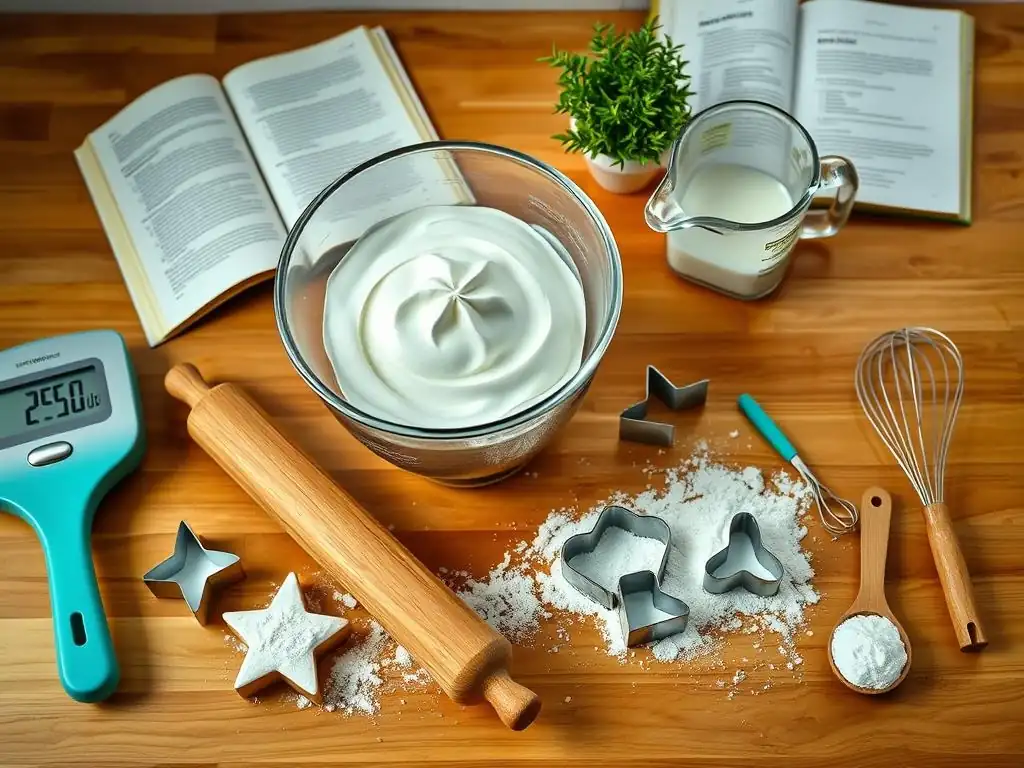
Tips for Keeping Your Baking Tools in Top Condition
Proper cleaning and maintenance will prolong the life of your beginner baking essential tools. Wash tools promptly after use, especially those that have come into contact with sticky doughs or batters. For most metal pans and tools, warm soapy water is sufficient. Avoid harsh abrasive scrubbers on non-stick surfaces, as they can damage the coating.
Wooden tools, like spoons and rolling pins, should not be soaked; wash them quickly and dry thoroughly to prevent cracking or warping. Occasionally rubbing wooden tools with food-grade mineral oil can help keep them conditioned. Keeping your tools clean ensures they are ready for your next baking adventure and helps maintain hygiene.
Proper Storage for Prolonging Tool Lifespan
Storing your beginner baking essential tools correctly prevents damage and keeps them organized. Stack baking sheets and pans carefully to avoid scratching non-stick surfaces, perhaps using paper towels or thin cloths between them. Store measuring cups and spoons together, often they come in sets that can be nested or clipped together.
Hang tools like whisks and spatulas if you have space, or store them in drawers where they won't be bent or crushed. Proper storage not only keeps your kitchen tidy but also protects your investment in your beginner baking essential tools, ensuring they remain in good working order for years of delicious baking.
Ready to Bake? Start with These Recipes!
Now that you have a handle on the essential beginner baking essential tools, it's time to put them to use! Starting with simple, straightforward recipes is the best way to build confidence and practice using your new tools.
You can find easy recipes perfect for beginners, such as simple drop cookies or a classic loaf cake, right here on BakeWithEase. Look for recipes specifically tagged as "beginner-friendly" to get started on your baking journey with minimal fuss and maximum deliciousness.
Mastering the Basics: Building Your Baking Skills
Practice Makes Perfect: Don't Be Afraid to Experiment!
Learning to bake is a journey, and like any skill, it improves with practice. Don't be discouraged if your first batch of cookies isn't perfectly round or your cake isn't perfectly level. Every bake is a learning opportunity. Pay attention to what went well and what didn't, and use that knowledge for your next attempt.
Experiment with different recipes and techniques as you become more comfortable with your beginner baking essential tools. Try variations of a recipe, or challenge yourself with a slightly more complex bake once you feel ready. The more you bake, the better you'll understand how ingredients interact and how your tools help shape the final product.
Baking is often more fun when shared! Join the BakeWithEase community to connect with other beginner bakers, ask questions, share your successes (and even your baking mishaps! ), and get inspiration for your next project.
Our community is a supportive space where you can learn from others and celebrate your progress. Share photos of your creations, ask for advice on using your beginner baking essential tools, or simply find encouragement from fellow baking enthusiasts. We can't wait to see what you bake!
Frequently Asked Questions
What are the absolute essential tools for someone just starting out in baking?
For beginner bakers, focus on having a good mixing bowl, a reliable measuring cup and spoons set, and a sturdy baking sheet. These will cover most basic recipes.
Do I need expensive equipment to begin baking, or can I start with budget-friendly options?
You can absolutely start with budget-friendly options. Prioritize functionality over price. Gradually upgrade as you gain experience and discover your preferred baking style.
What's the difference between a stand mixer and a hand mixer, and which is better for beginners?
A stand mixer is more powerful and hands-free, while a hand mixer is smaller, more affordable, and easier to store. For beginners, a hand mixer is often sufficient and practical.
Why is accurate measuring so important in baking, and what tools help ensure accuracy?
Baking is a science, and accurate measuring is crucial for consistent results. Using measuring cups and spoons ensures you follow the recipe's proportions correctly.
Besides the tools, what other non-tool essentials should a beginner baker consider having on hand?
Always keep baking powder, baking soda, vanilla extract, and a variety of spices readily available. These basic ingredients are fundamental to many baking recipes.
Final Reflection: The Sweetness of Discovery: Baking's Accessible Joy
The accessibility of baking, once perceived as a daunting culinary feat, is now within everyone's reach. With the right tools and a dash of courage, the seemingly complex world of baking transforms into a rewarding and creative journey. This article highlighted the essential tools needed to embark on this delicious adventure, proving that even absolute beginners can create delectable treats.
The impact of baking extends far beyond the simple act of creating a cake or cookies. It fosters a sense of accomplishment, encourages creativity, and provides a tangible connection to tradition and family. Baking is at once child's play and adult joy. And love, of course.
This quote perfectly encapsulates the emotional resonance of baking, a sentiment I've personally experienced countless times while kneading dough or watching a cake rise. The simple act of creating something delicious from scratch is profoundly satisfying, and the sharing of these creations deepens connections with others.
Now, it's your turn. Don't let the perceived complexity of baking hold you back. Gather your essential tools, choose a recipe that excites you, and embrace the process. The journey of baking is as rewarding as the final product, offering opportunities for learning, self-expression, and the joy of sharing something delicious with those you care about. Start baking today, and discover the sweetness of creation for yourself.
Unleash Your Inner Baker: Start Creating Delicious Treats!
Thanks for taking the time to explore the world of baking with us! We hope you've gained the confidence to tackle even the most delicious recipes. Ready to roll up your sleeves?
- Begin with your first recipe: Choose a simple cookie or muffin recipe and gather your essential tools. Don't be afraid to experiment!
- Share your baking journey: Tag us on social media with your creations – we'd love to see what you bake! Use #BakeWithEase to connect with our community.
- Discover more beginner-friendly recipes: Dive into our recipe archives for inspiration and continue expanding your baking skills.
What delicious treat will you bake first? Let us know in the comments below!