
Easy Steps to Making a Citrus Simple Syrup for Cakes

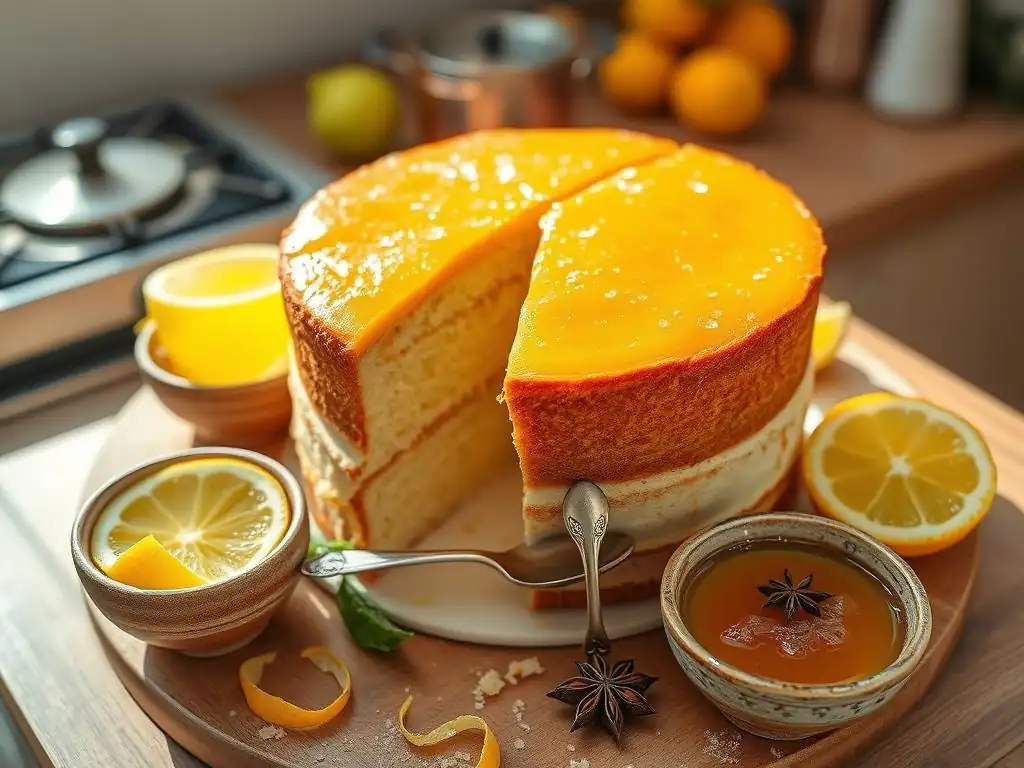
Welcome to BakeWithEase, your guide to effortless baking! Are you ready to infuse your cakes with vibrant flavor? This season, we're diving into the magic of citrus. Unlock the secrets to crafting a perfect Citrus syrup cake recipe that will elevate your baking game. But what makes this syrup so special, and how can you ensure your cake is bursting with sunshine? Read on to discover the easy steps and tantalizing tips that will transform your ordinary cake into an extraordinary treat.
- Introduction to Orange Simple Syrup for Cakes
- Choosing Your Oranges for Simple Syrup
- Orange Simple Syrup Recipe: A Step-by-Step Guide
- Step 1: Zesting and Juicing Your Oranges
- Step 2: Combining Ingredients & Simmering the Syrup
- Step 3: Cooling and Straining the Orange Syrup
- Step 4: Storing Your Homemade Orange Syrup
- Using Your Orange Syrup: Cake Application Techniques
- Orange Syrup Variations for Different Cake Recipes
- Troubleshooting Common Issues with Orange Simple Syrup
- Orange Cake Recipe Ideas: Putting Your Syrup to Use
- Conclusion: Mastering the Art of Orange Simple Syrup for Cakes with Sally's Baking Addiction
- Frequently Asked Questions
- Final Reflection: The Sweet Symphony of Citrus and Cake
- Unlock the Zesty Secrets of Citrus Simple Syrup!
Introduction to Orange Simple Syrup for Cakes
Welcome to our guide on crafting the perfect orange simple syrup for your baking projects. This versatile syrup is a secret weapon for adding moisture, flavor, and a touch of elegance to various cakes. Whether you're a beginner baker or looking to refine your skills, mastering this simple technique will open up a world of delicious possibilities. A well-made orange simple syrup can transform a good cake into a truly memorable one, infusing it with bright, aromatic notes that complement many different cake flavors.
Simple syrups are fundamentally equal parts sugar and liquid heated until the sugar dissolves. Adding citrus, like oranges, introduces a layer of complexity and freshness. This specific orange simple syrup for cakes is designed to be easy to make yet incredibly effective, providing a moist crumb and a burst of natural orange flavor. It's a fundamental step in many a successful citrus syrup cake recipe, enhancing everything from delicate sponge cakes to rich pound cakes.
Why Orange Syrup Enhances Your Cakes: A Sally's Baking Addiction Guide
Orange syrup plays a crucial role in cake making by significantly improving both texture and flavor. Applying a simple syrup to a cake, especially after it's baked, adds moisture back into the crumb. This is particularly useful for cakes that might otherwise dry out quickly, such as those made with less fat or baked at higher altitudes. The syrup absorbs into the cake structure, creating a tender, moist bite that lasts longer. Beyond moisture, the orange infusion imparts a vibrant citrus flavor that penetrates the cake, offering a delightful contrast or complement to the cake's primary profile.
The addition of orange simple syrup can elevate a cake from pleasant to spectacular. For instance, a vanilla cake brushed with orange syrup gains a bright, sophisticated dimension. Chocolate cakes, surprisingly, pair beautifully with orange, as the citrus cuts through the richness. The natural acidity in the orange juice also helps balance the sweetness of the sugar, resulting in a more nuanced flavor profile. This technique is a staple in many classic and modern baking recipes, proving its effectiveness time and again in creating delicious, moist, and flavorful cakes.
Understanding the Versatility of Orange Flavor in Baking
Orange is an incredibly versatile flavor in the world of baking, capable of pairing with a wide array of ingredients and profiles. Its bright, slightly tart, and sweet notes make it suitable for everything from light and airy cakes to dense, rich pastries. The flavor compounds in oranges, particularly in the zest, provide a complex aroma that can enhance other flavors without overpowering them. This versatility makes orange simple syrup a valuable addition to any baker's repertoire, suitable for use in countless citrus syrup cake recipe variations.
Consider the classic pairings: orange and chocolate, orange and almond, orange and cranberry, or even orange and warm spices like cinnamon, ginger, and cloves. Orange simple syrup can be used to infuse these flavor combinations directly into the cake crumb. For example, a spiced cake benefits from the bright lift of orange, while an almond cake is perfectly complemented by its nutty notes. The natural sweetness and acidity of the orange make it a forgiving ingredient that harmonizes well with both sweet and savory elements, making it a go-to for adding depth and character to baked goods.
Choosing Your Oranges for Simple Syrup
The quality of your orange simple syrup begins with the oranges you choose. Different varieties offer distinct flavor profiles, and selecting ripe, fragrant fruit is key to achieving the best results. Look for oranges that feel heavy for their size and have smooth, brightly colored skin, which indicates juiciness and fresh zest. Avoid oranges with soft spots or blemishes. Organic oranges are often preferred, especially when using the zest, to minimize exposure to pesticides and waxes.
Consider the season when buying oranges, as their flavor is typically best when they are in season. For example, Navel oranges are prime in winter, while Valencia oranges peak in summer. Using seasonal fruit ensures you're getting the most intense flavor and aroma for your orange cake syrup. The type of orange you select will slightly influence the final syrup's sweetness and acidity, offering opportunities to tailor the syrup to your specific cake recipe.
Each orange variety brings its own unique characteristics to a simple syrup. Navel oranges are widely available and known for their sweetness and lack of seeds, making them easy to juice. Their zest is aromatic and provides a classic orange flavor that works well in most cake applications. Valencia oranges are typically juicier than Navels and have a slightly tarter flavor, which can add a pleasant tang to the syrup, balancing the sweetness effectively. They are often the go-to for juicing due to their high yield.
Blood oranges offer a dramatic color and a more complex flavor profile, often described as having notes of berries or cherries alongside the citrus. Using blood oranges will result in a beautiful pink or red-hued syrup and a unique flavor that pairs exceptionally well with chocolate or vanilla cakes. Experimenting with different varieties, or even a blend, allows you to customize your orange simple syrup for cakes to perfectly match the nuances of your citrus syrup cake recipe.
Exploring Different Orange Combinations with Zest and Extracts
To achieve the most vibrant orange flavor in your simple syrup, it's essential to utilize both the zest and the juice of the oranges. The zest contains the majority of the aromatic oils that give oranges their distinct perfume and intense flavor. By including zest during the simmering process, you infuse the syrup with these potent oils. Some recipes call for straining the zest out later, resulting in a clear syrup, while others leave it in for added visual appeal and a stronger flavor punch.
While fresh zest and juice are ideal, you can also experiment with adding a touch of orange extract or orange blossom water to your syrup after it has cooled. Extracts can boost the intensity of the orange flavor, especially if your oranges weren't particularly fragrant. Orange blossom water adds a delicate, floral note that pairs beautifully with citrus and can lend an exotic touch to your orange cake syrup.
However, use extracts sparingly, as they can sometimes impart an artificial taste if overused. The best approach for a natural, robust flavor is to rely primarily on fresh zest and juice.
Orange Simple Syrup Recipe: A Step-by-Step Guide
Creating orange simple syrup is a straightforward process that requires only a few basic ingredients and minimal equipment. The key is to use fresh, quality ingredients and follow a simple ratio to ensure the sugar fully dissolves and the flavors meld beautifully. This guide will walk you through each step, ensuring you achieve a perfect syrup every time, suitable for any citrus syrup cake recipe you wish to enhance.
The process typically involves combining liquid and sugar, heating, and then infusing with the orange flavor components. The standard ratio for simple syrup is 1:1 sugar to liquid, but for a richer syrup or one intended for cakes, a slightly different ratio might be used, as we'll discuss. The steps are easy to follow, making this an accessible recipe for bakers of all skill levels looking to add a burst of orange flavor to their creations.
Ingredients for a Zesty Orange Syrup (Sally's Baking Addiction Approved)
To make a standard batch of zesty orange simple syrup, you will need:
- 1 cup Granulated Sugar
- 1 cup Water
- 1 cup Freshly Squeezed Orange Juice (from approximately 2-3 medium oranges)
- Zest of 1-2 Oranges (depending on desired intensity)
Using equal parts sugar, water, and orange juice creates a syrup that is flavorful and the right consistency for soaking into cakes. The sugar provides sweetness and helps create the syrupy texture, while the water and orange juice form the liquid base. The zest is crucial for providing that intense, aromatic orange flavor derived from the oils in the peel. Ensure your oranges are washed thoroughly before zesting.
Equipment Needed for Making Orange Cake Syrup
You won't need any specialized tools to make orange simple syrup. The basic equipment includes:
- A medium-sized saucepan
- A whisk or spoon for stirring
- A citrus zester or microplane
- A citrus juicer (handheld or electric)
- A heatproof container or jar for cooling and storage
- Optional: A fine-mesh sieve or cheesecloth for straining
A stainless steel or non-reactive saucepan is best to prevent any metallic taste from affecting the syrup. A microplane zester is highly recommended as it removes only the colored part of the peel, avoiding the bitter white pith underneath. A simple handheld juicer is sufficient for extracting the juice. Having a heatproof container ready allows you to transfer the hot syrup safely for cooling.
Step 1: Zesting and Juicing Your Oranges
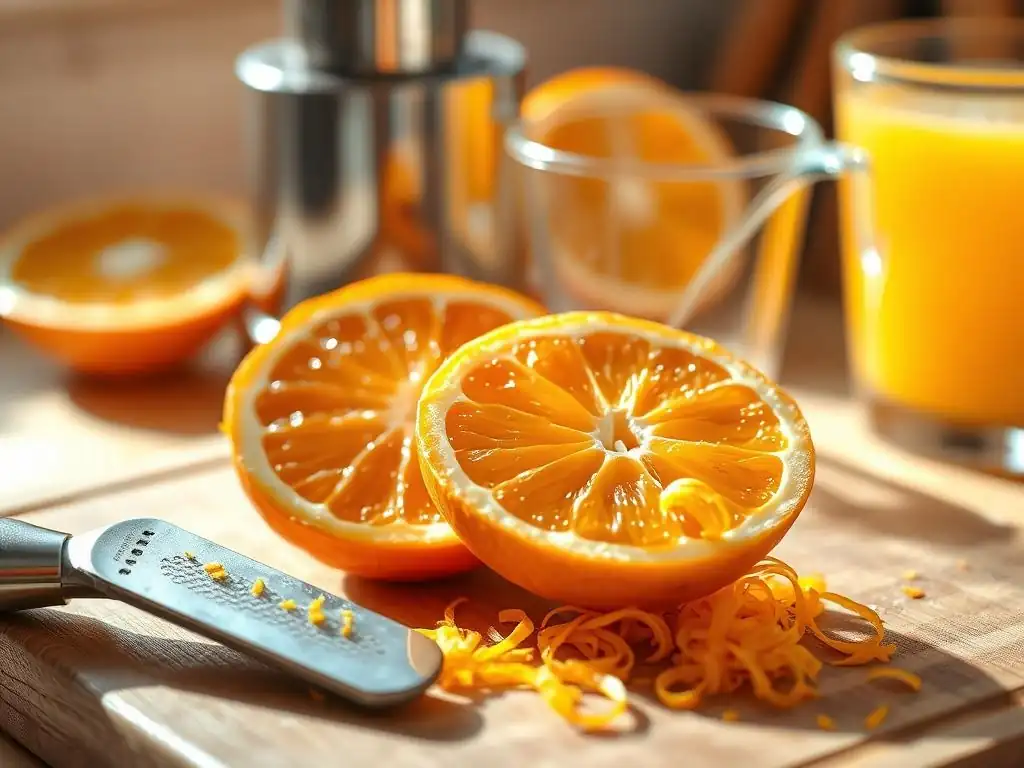
The first step in creating your orange simple syrup is preparing the oranges by zesting and juicing them. This is where you extract the core flavors that will infuse your syrup. Taking care during this step ensures you get the most flavor without any bitterness. It's best to zest the oranges before juicing them, as it's much easier to handle a whole, firm orange.
Ensure your oranges are clean and dry before you begin. This prevents any surface contaminants from getting into your syrup. Work carefully and deliberately to maximize flavor extraction while minimizing unwanted elements.
How to Properly Zest Oranges for Maximum Flavor (Avoid the Pith)
Proper zesting is critical for a flavorful orange simple syrup. The goal is to remove only the outermost layer of the peel, which contains the essential oils. The white layer directly beneath the zest, called the pith, is bitter and should be avoided. Use a microplane zester or the smallest holes on a box grater. Hold the orange in one hand and the zester in the other, grating the orange peel with light pressure.
Rotate the orange as you zest, moving around the fruit and stopping once you reach the white pith. Aim to get all the colored peel from the surface. One medium orange typically yields about 1-2 tablespoons of zest. For this recipe calling for zest of 1-2 oranges, you're likely aiming for around 1.5 to 3 tablespoons of zest, depending on the size and your preference for intensity. This fragrant zest is key to a truly zesty orange cake syrup.
Extracting Fresh Orange Juice for Your Simple Syrup
Once you've zested your oranges, it's time to juice them. Freshly squeezed juice is essential for the best flavor in your simple syrup; carton juice often contains additives or pasteurization that can alter the taste. Cut the zested oranges in half horizontally. Use a citrus juicer to extract the juice, pressing firmly and twisting the orange halves to get as much liquid as possible.
Strain the juice through a fine-mesh sieve to remove any seeds or large pulp pieces. While some pulp is fine, removing most of it will result in a clearer syrup. You'll need about 1 cup of fresh orange juice for the 1:1:1 ratio specified in this recipe. This usually requires 2-3 medium to large oranges, depending on how juicy they are.
Step 2: Combining Ingredients & Simmering the Syrup
With your zest and juice ready, the next step is to combine all the ingredients in a saucepan and begin the simmering process. This is where the sugar dissolves and the flavors from the orange juice and zest infuse into the liquid. The method is simple, but paying attention to the heat level is important for achieving the desired consistency and clarity.
Combining everything at once before heating ensures that the sugar is surrounded by liquid, helping it dissolve evenly. The heat facilitates the dissolution of sugar and the extraction of flavor compounds from the zest.
The Perfect Ratio: Orange Juice, Water, and Sugar for Cake Syrup (1:1:1)
For a versatile orange simple syrup specifically designed for cakes, a 1:1:1 ratio of orange juice, water, and sugar works beautifully. This means equal parts by volume. So, for example, 1 cup of fresh orange juice, 1 cup of water, and 1 cup of granulated sugar. This ratio results in a syrup that is sweet, flavorful, and has a viscosity that is easily absorbed by cake layers without making them soggy.
While a classic simple syrup is 1:1 sugar to liquid (like 1 cup sugar to 1 cup water), incorporating the orange juice as part of the liquid base, rather than just adding zest to a water-based syrup, provides a more integrated and intense orange flavor. The 1:1:1 ratio balances sweetness, moisture contribution, and flavor infusion perfectly for most cake applications, making it ideal for a citrus syrup cake recipe.
Simmering Techniques for a Smooth Orange Simple Syrup (Low and Slow)
Combine the granulated sugar, water, fresh orange juice, and orange zest (if using) in your saucepan. Place the saucepan over medium heat. Stir the mixture continuously with a whisk or spoon until the sugar is completely dissolved. You'll know the sugar is dissolved when the liquid is clear and you no longer feel sugar crystals on the bottom of the pan when stirring.
Once the sugar is dissolved, bring the mixture to a gentle simmer. Do not bring it to a rolling boil, as this can cause the sugar to crystallize later or reduce the liquid too quickly. Reduce the heat to low and let the syrup gently simmer for about 5-10 minutes. This simmering time allows the flavors from the orange zest and juice to infuse deeply into the syrup. Avoid stirring too much during this gentle simmer, as it can also encourage crystallization. After simmering, remove the pan from the heat.
Step 3: Cooling and Straining the Orange Syrup
After simmering, your orange simple syrup needs time to cool. Cooling allows the flavors to continue melding and the syrup to thicken slightly to its final consistency. Straining is an optional but often recommended step to achieve a clear, smooth syrup free of zest particles or pulp, which can be particularly desirable for a refined orange cake syrup.
Patience during the cooling process is key. Rushing this step means you'll be working with hot liquid, and the syrup won't be at its optimal consistency for use.
Allowing Your Orange Syrup to Cool Completely Before Use
Once the syrup has finished simmering, remove the saucepan from the heat. If you included the zest, you can leave it in the syrup as it cools to allow for maximum flavor infusion. Let the syrup cool in the saucepan for about 15-20 minutes before transferring it. Then, carefully pour the warm syrup into a heatproof container or glass jar.
Allow the syrup to cool completely to room temperature before using or storing it. This can take anywhere from 1 to 2 hours, depending on the volume of syrup and the ambient temperature. Cooling completely ensures the syrup has reached its proper viscosity and is safe to handle. Applying warm syrup to a cake is sometimes done, but fully cooled syrup is less likely to dissolve the cake crumb and is generally easier to work with for even application.
Straining for a Clear and Pure Cake Syrup (Optional)
Straining the orange simple syrup is an optional step, but it results in a beautifully clear syrup free from any bits of zest or pulp. This is often preferred for a smooth finish, especially when the syrup is used to moisten delicate cake layers. To strain, place a fine-mesh sieve over your storage container or a clean bowl.
Carefully pour the cooled or slightly warm syrup through the sieve. You can gently press the zest in the sieve with a spoon to extract any remaining liquid, but avoid forcing solids through. Discard the strained zest and pulp. If you desire an even clearer syrup, you can line the sieve with cheesecloth before straining. The strained syrup is now ready to use or store.
Step 4: Storing Your Homemade Orange Syrup
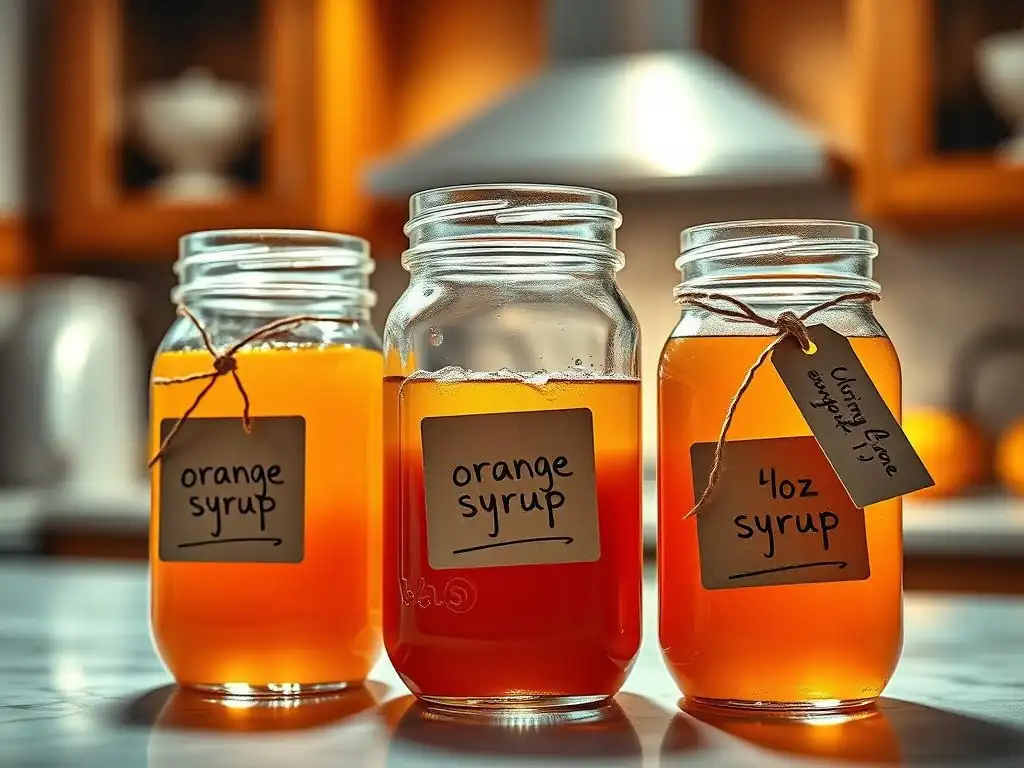
Proper storage is essential to keep your homemade orange simple syrup fresh and ready to use whenever a citrus syrup cake recipe calls for it. Simple syrups, being high in sugar, have a relatively good shelf life, but refrigeration is necessary to prevent spoilage. An airtight container protects the syrup from absorbing other odors and prevents evaporation.
Taking a moment to store the syrup correctly ensures you can enjoy its vibrant flavor in multiple baking projects over time. It's a simple step that preserves your efforts.
Best Practices for Storing Orange Simple Syrup (Airtight Container)
The best way to store your cooled and strained orange simple syrup is in a clean, airtight container. Glass jars with tight-fitting lids, such as mason jars or old jam jars, work perfectly. Ensure the container is thoroughly washed and dried before pouring the syrup into it. Fill the container, leaving a little headspace at the top.
Seal the container tightly with its lid. An airtight seal is important to prevent oxidation and contamination. Labeling the container with the date you made the syrup is also a good practice to help you keep track of its freshness. Store the sealed container in the refrigerator.
Shelf Life and Preservation Tips for Your Orange Cake Syrup (Refrigeration)
When stored properly in an airtight container in the refrigerator, homemade orange simple syrup typically lasts for about 2-3 weeks. The high sugar content acts as a preservative, but the addition of fruit juice reduces its shelf life compared to plain simple syrup (which can last up to a month or more). Always check the syrup for signs of spoilage before use.
Signs that the syrup may have gone bad include cloudiness (beyond the initial slight cloudiness if you didn't strain perfectly), off smells, or visible mold. If you notice any of these, it's best to discard the syrup. To maximize shelf life, always use clean utensils when dipping into the syrup and avoid introducing any foreign contaminants. For longer storage, simple syrups can sometimes be frozen, though this is less common for cake syrups; refrigeration is usually sufficient for the typical usage period.
Using Your Orange Syrup: Cake Application Techniques
Once your orange simple syrup is ready, it's time to use it to transform your cakes. Applying the syrup correctly ensures even moisture distribution and maximum flavor infusion without making the cake overly wet or dense. The goal is to moisten the crumb, not soak it completely. Different application methods suit different types of cakes and desired outcomes.
This step is crucial for achieving that signature moist texture often found in professional bakery cakes or celebrated citrus syrup cake recipes. It's a simple technique that yields significant results in terms of cake quality.
How to Apply Orange Syrup to Cakes for Moistness and Flavor (Brush or Drizzle)
The most common way to apply orange simple syrup to a cake is by brushing or drizzling it onto the layers after they have cooled. For cake layers, place the cooled layer on a wire rack set over a baking sheet (to catch drips). Use a pastry brush to gently brush the top surface of the cake layer with the syrup. Start with a moderate amount and observe how quickly the cake absorbs it.
Alternatively, you can use a spoon or a squeeze bottle to drizzle the syrup evenly over the surface. This method can be easier for ensuring complete coverage. The amount of syrup to use depends on the cake's density and how moist you want it. A general guideline for a standard 8-inch or 9-inch cake layer might be around 1/4 to 1/2 cup of syrup per layer. Denser cakes can handle more syrup than lighter sponge cakes.
Tips for Evenly Distributing Orange Syrup on Cake Layers (Focus on Edges)
To ensure your cake is uniformly moist and flavorful, focus on applying the orange syrup evenly across the entire surface of the cake layer. Pay particular attention to the edges and tops of the cake layers, as these areas tend to dry out more during baking. The syrup will naturally seep into the crumb from the top down.
Apply the syrup gradually, allowing each application to soak in before adding more. This prevents the syrup from pooling in one spot. If using multiple layers, apply the syrup to the top surface of each layer before assembling the cake. For a Bundt cake or loaf cake, you can poke small holes in the warm cake using a skewer or toothpick before drizzling the syrup over the top; this helps the syrup penetrate deeper into the cake's interior.
Orange Syrup Variations for Different Cake Recipes
The beauty of orange simple syrup lies in its adaptability. While the basic recipe is fantastic, you can subtly alter it or pair it with different cake bases to create diverse flavor experiences. The same syrup can enhance a variety of cakes, from those where orange is the star to those where it plays a supporting role.
Understanding how orange syrup interacts with different cake profiles allows you to choose the best application for your specific baking project. It's a key element in many successful citrus syrup cake recipe interpretations.
Orange Simple Syrup for Orange Bundt Cake
An orange simple syrup is a perfect companion for an orange Bundt cake. Often, Bundt cakes can be slightly denser or prone to drying out due to their shape and longer baking time. Brushing or drizzling the cake generously with orange syrup while it is still warm helps ensure a moist and tender crumb throughout.
For an orange Bundt cake, consider adding extra orange zest to your syrup recipe for an even more intense citrus punch. After the cake has cooled for about 10-15 minutes out of the oven, invert it onto a cooling rack. Poke holes all over the bottom (which will be the top when served) using a skewer. Slowly pour or brush the warm syrup over the cake, allowing it to soak in. This technique ensures the orange flavor permeates the entire cake, making every bite moist and fragrant.
Orange Simple Syrup for Vanilla Layer Cake
Using orange simple syrup on a vanilla layer cake is a classic pairing that adds a bright, refreshing counterpoint to the sweet, creamy vanilla flavor. A plain vanilla sponge can sometimes benefit from added moisture and a flavor boost, which the orange syrup provides beautifully.
For a layered vanilla cake, bake your layers and let them cool completely. Before frosting, place each layer on a wire rack and brush the top surface generously with the cooled orange simple syrup. The amount you use will depend on the cake's texture; a light sponge will absorb less than a denser cake. The syrup adds moisture and infuses the cake with a subtle yet noticeable orange note that complements vanilla buttercream or whipped cream frosting wonderfully. This simple step transforms a basic vanilla cake into something special.
Orange Simple Syrup for Chocolate Cake
While it might seem counterintuitive, orange and chocolate are a match made in heaven. The bright, slightly bitter notes of orange cut through the richness of chocolate, creating a sophisticated and balanced flavor profile. Orange simple syrup is an excellent way to introduce this pairing into a chocolate cake.
For a chocolate layer cake, moisten the cooled cake layers with orange simple syrup before assembling and frosting. The syrup adds moisture and a hint of citrus that enhances the chocolate flavor without overpowering it. This works particularly well with dark chocolate cakes, where the orange provides a welcome contrast. Consider pairing this with a chocolate ganache or a cream cheese frosting for a truly decadent citrus syrup cake recipe experience.
Troubleshooting Common Issues with Orange Simple Syrup
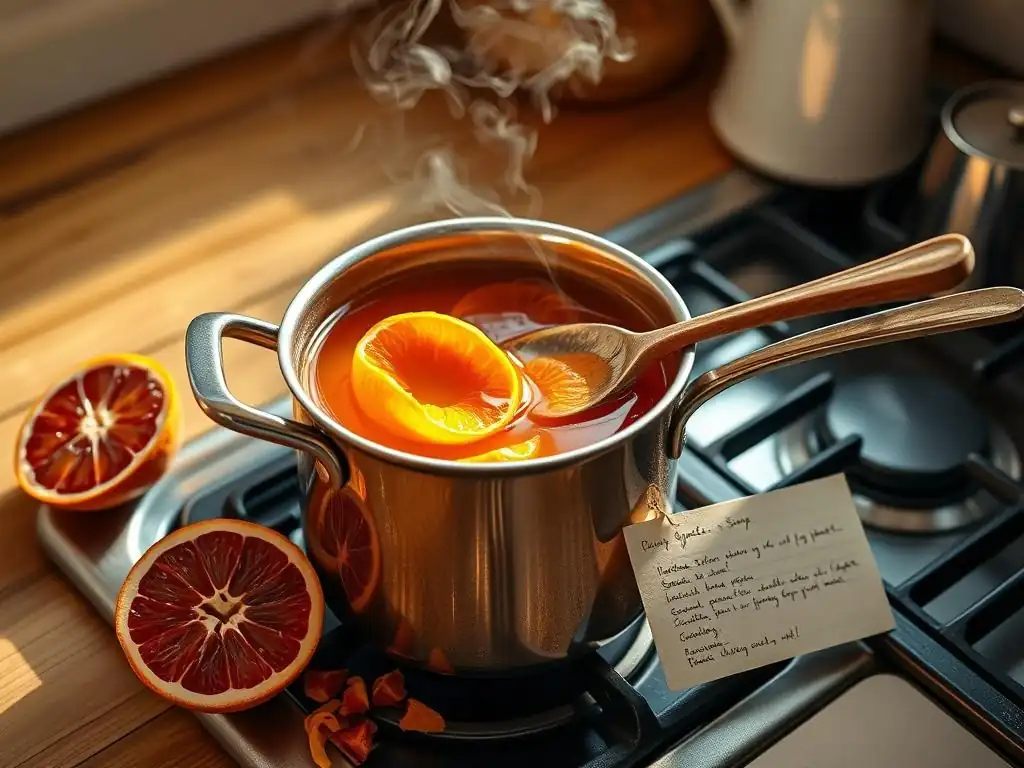
While making orange simple syrup is generally easy, occasionally you might encounter minor issues. Knowing how to identify and fix these problems ensures you can consistently produce a high-quality syrup for your baking needs. The two most common issues are cloudy syrup and crystallization.
Understanding the causes behind these problems allows you to prevent them in future batches and salvage a batch if necessary.
Addressing Cloudy Syrup: Causes and Solutions (Overheating)
One common issue is the syrup turning cloudy instead of remaining clear. This often happens if the syrup is boiled too vigorously or for too long after the sugar has dissolved. Overheating can cause the sugar molecules to break down slightly or emulsify with the orange oils, leading to a cloudy appearance.
To avoid this, ensure you only bring the mixture to a gentle simmer and maintain low heat while infusing the flavors. Avoid rapid boiling. If your syrup does turn out cloudy, it is usually still perfectly fine to use in terms of flavor and moisture. The cloudiness is primarily an aesthetic issue. If clarity is important, you can try straining it again through a very fine sieve lined with cheesecloth, though this may not completely remove the cloudiness caused by overheating. Using fresh, clear juice and avoiding excessive agitation during simmering also helps.
Preventing Crystallization in Your Orange Syrup (Adding a Touch of Acid)
Crystallization occurs when sugar crystals form in the syrup, giving it a grainy texture. This can happen if not all the sugar was dissolved initially, if the syrup was stirred too much during simmering, or if sugar crystals clung to the sides of the pan and fell back in. Once crystallization starts, it can spread throughout the syrup.
To prevent crystallization, ensure all sugar is fully dissolved before the syrup comes to a simmer. Avoid stirring the syrup once it's simmering. If sugar crystals form on the sides of the pan, you can brush them down with a wet pastry brush.
A common trick to prevent crystallization is to add a small amount of acid, such as a teaspoon of lemon juice or a pinch of cream of tartar, to the syrup mixture at the beginning. The acid helps invert some of the sugar molecules, making them less likely to crystallize. If your syrup has already crystallized, you can sometimes fix it by gently reheating it with a little extra liquid (water or juice) and stirring until the crystals dissolve, then simmering briefly again without stirring.
Orange Cake Recipe Ideas: Putting Your Syrup to Use
Now that you've mastered making orange simple syrup, it's time to put it to delicious use! This versatile syrup can enhance a wide variety of cake recipes, adding moisture and a burst of citrus flavor. Here are a couple of ideas for cakes that pair beautifully with your homemade orange simple syrup.
These examples showcase how the syrup can be integrated into different cake structures and flavor profiles, creating delightful results for any citrus syrup cake recipe enthusiast.
Orange Poppy Seed Cake Featuring Your Homemade Syrup
An orange poppy seed cake is a classic that benefits immensely from the addition of orange simple syrup. The bright citrus flavor complements the nutty notes of the poppy seeds perfectly, while the syrup ensures a moist crumb.
Bake your favorite orange poppy seed cake recipe (often a loaf or Bundt cake). While the cake is still warm, poke holes all over the surface with a skewer or toothpick. Generously brush or drizzle the homemade orange simple syrup over the cake, allowing it to soak into the holes and permeate the crumb. Let the cake cool completely. The result is an incredibly moist cake with an intense orange flavor that pairs wonderfully with a simple glaze or a dusting of powdered sugar. This is a prime example of a citrus syrup cake recipe elevated by homemade goodness.
Orange Ricotta Cake Featuring Your Homemade Syrup
Orange and ricotta are a traditional Italian pairing that creates a wonderfully moist and tender cake. Adding orange simple syrup further enhances the citrus flavor and guarantees a supremely moist texture in an orange ricotta cake.
Bake your orange ricotta cake, which often has a dense, almost creamy texture thanks to the ricotta. Once the cake is out of the oven and still warm, brush or drizzle the top surface with your homemade orange simple syrup. The warm cake will readily absorb the syrup, infusing it with extra moisture and a bright orange flavor that complements the richness of the ricotta. This cake is often served simply dusted with powdered sugar or alongside fresh berries, letting the moist, flavorful crumb shine.
Conclusion: Mastering the Art of Orange Simple Syrup for Cakes with Sally's Baking Addiction
Making orange simple syrup is a simple yet powerful technique that can significantly elevate your cakes. By following these easy steps, you can create a flavorful, moist, and delicious foundation for countless baking possibilities. This skill is a valuable addition to any baker's repertoire, allowing you to add a professional touch and vibrant citrus flavor to your homemade treats.
Whether you're making a classic citrus syrup cake recipe or experimenting with new flavor combinations, homemade orange simple syrup is your key to achieving moist, flavorful results every time. It's a testament to how simple ingredients and techniques can yield extraordinary outcomes in baking.
Elevate Your Baking with This Easy Orange Syrup Technique
Incorporating homemade orange simple syrup into your cake baking is a game-changer. It's an effortless way to combat dryness, enhance flavor, and create cakes that stay moist and delicious for longer. The bright, aromatic notes of orange pair well with a wide variety of flavors, making this syrup incredibly versatile.
By taking a few minutes to make a batch of this simple syrup, you're equipping yourself with a powerful tool to improve the quality of your baked goods. From moistening cake layers before frosting to adding a final flavor flourish, the uses for orange simple syrup are numerous. It's a fundamental technique that yields impressive results, proving that sometimes, the simplest steps lead to the most significant improvements in your baking.
Further Baking Resources and Recipes on SallysBakingAddiction.com
Frequently Asked Questions
What is a citrus simple syrup, and why would I use it on a cake?
A citrus simple syrup is a liquid sweetener made from sugar and water infused with citrus flavors, like lemon or orange. It's used to moisturize cakes and add a burst of citrus flavor.
Can I use any type of citrus fruit to make the syrup?
Yes, you can! While lemon and orange are popular, you can experiment with grapefruit, lime, or even tangerines. The key is to use freshly squeezed juice and zest for the best flavor.
How long does citrus simple syrup last?
When stored properly in an airtight container in the refrigerator, citrus simple syrup can last for up to two weeks. Always check for any signs of spoilage before using.
How do I apply the citrus simple syrup to my cake?
Use a pastry brush or a squeeze bottle to evenly distribute the syrup over the cake layers. For best results, apply the syrup while the cake is still slightly warm, allowing it to soak in better.
Can I add other flavors to my citrus simple syrup?
Absolutely! Consider adding herbs like thyme or rosemary, or spices like cardamom or ginger, to create a unique and complex flavor profile that complements your cake.
Final Reflection: The Sweet Symphony of Citrus and Cake
The simple act of infusing sugar with citrus fruit has unlocked a world of flavor possibilities for bakers, and its impact on modern cake recipes is undeniable. From the subtle zest of lemon to the vibrant tang of orange, citrus syrups elevate even the simplest cake into a culinary masterpiece. This accessible technique, once a secret weapon of professional pastry chefs, is now readily available to home bakers, enriching our kitchens and our palates.
The enduring appeal of citrus in baking lies not just in its bright, refreshing taste, but also in its versatility. It can complement a wide range of flavors, from the richness of chocolate to the lightness of sponge cake. The ability to customize the syrup – adjusting the intensity of the citrus, adding spices, or even incorporating herbs – allows for endless creative exploration. The best things in life are simple,
a sentiment perfectly encapsulated by this seemingly straightforward yet profoundly impactful technique. This simple syrup transcends mere ingredient status; it's a gateway to culinary creativity and a testament to the power of mindful preparation.
Consider the possibilities: Imagine the joy of creating a unique citrus syrup, perfectly tailored to your own taste, and using it to transform a humble cake into a showstopper. You, the baker, hold the power to orchestrate this sweet symphony. Experiment with different citrus combinations, explore complementary spices, and let your imagination guide you. The journey of creating your own perfect citrus syrup is just as rewarding as the delicious results. Embrace the simplicity, embrace the creativity, and embrace the joy of baking.
Unlock the Zesty Secrets of Citrus Simple Syrup!
Thanks for joining us on this flavorful journey into the world of citrus simple syrups! We hope you gained a delicious new skill for elevating your baking. Now it's time to put your knowledge to the test!
- Whip up a batch of your own citrus simple syrup today! Experiment with different citrus fruits – maybe even a unique combination you haven't tried before.
- Share your creation with friends and family – a taste of homemade happiness is always a welcome treat!
- Snap a picture of your finished syrup and share it on social media using #BakeWithEaseCitrus. Let's inspire each other with our zesty creations!
What exciting citrus flavor combinations will you create next?