
Powerful Stand Mixers for Serious Home Bakers: Capacity & Durability

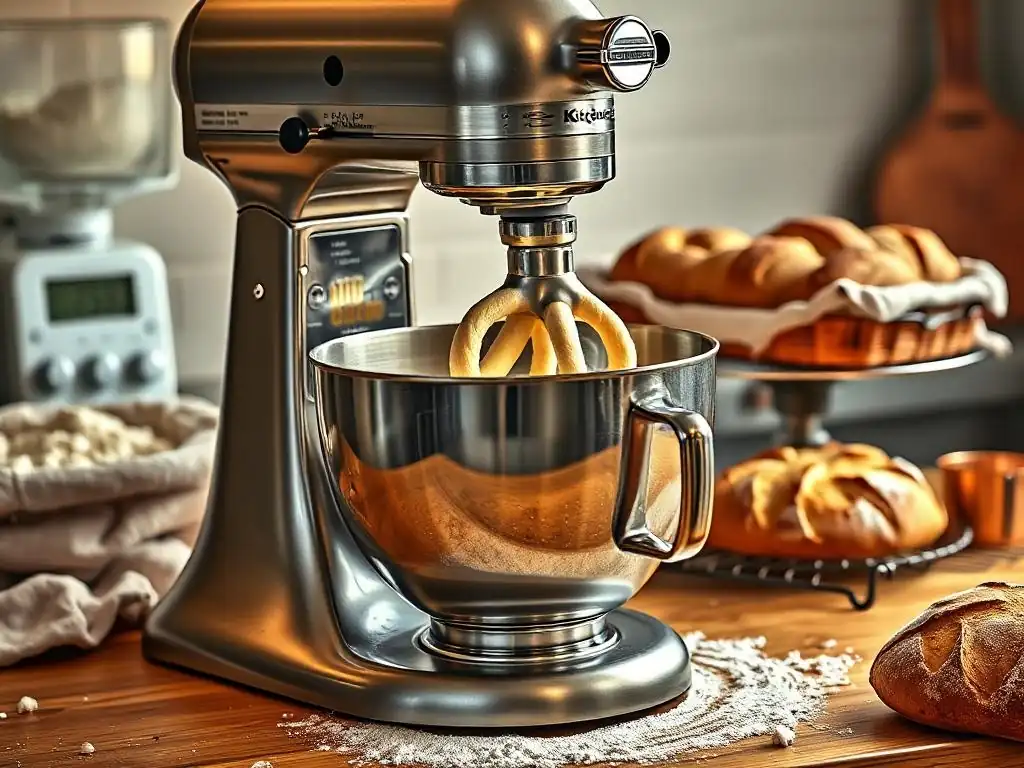
Welcome to BakeWithEase, your trusted guide to baking bliss! Are you ready to elevate your sourdough game? Discover the secret weapon behind perfectly kneaded dough and consistently amazing results in our in-depth review of the best stand mixers for sourdough. But which model truly reigns supreme when tackling those tough, sticky doughs? Read on to unlock the power, capacity, and durability that will transform your baking experience and leave you craving more.
- Why Sourdough Requires a Robust Stand Mixer
- Key Features to Consider When Choosing a Stand Mixer for Sourdough
- Top 3 Stand Mixers for Sourdough: A Detailed Comparison
- Capacity Considerations: Choosing the Right Bowl Size for Your Sourdough Needs
- Durability and Longevity: Investing in a Stand Mixer Built to Last
- Maintaining Your Stand Mixer for Optimal Sourdough Performance
- Conclusion: Selecting the Best Stand Mixer for Your Sourdough Journey
-
Frequently Asked Questions
- What factors should I consider when choosing a stand mixer specifically for sourdough bread?
- What is the ideal bowl capacity for a stand mixer used for making sourdough?
- Are there specific stand mixer features that are especially helpful when making sourdough?
- How important is the motor power of a stand mixer when dealing with the stiffness of sourdough dough?
- How does the durability of a stand mixer affect its longevity when used frequently for sourdough baking?
- Final Reflection: The Knead for Quality in the Sourdough Revolution
- Unleash Your Inner Baker: Level Up Your Baking Game!
Why Sourdough Requires a Robust Stand Mixer
Sourdough bread is a labor of love, and a significant part of that labor involves kneading the dough. Unlike standard yeast doughs that might be softer and quicker to develop gluten, sourdough often involves high hydration levels (meaning more water relative to flour) and requires prolonged, vigorous kneading to build a strong gluten structure. This structure is crucial for trapping the gases produced by the wild yeast and bacteria in your starter, leading to that characteristic open crumb and beautiful rise.
Attempting to knead a stiff or high-hydration sourdough dough by hand for the required 10-20 minutes can be incredibly tiring and challenging, especially for larger batches. A powerful stand mixer takes on this demanding task, applying consistent force and motion that hands simply cannot replicate over extended periods. Motors with sufficient wattage and robust gear systems are essential to prevent overheating or stalling under the strain of dense dough. Using a capable stand mixer not only saves your arms but ensures the dough is properly developed for optimal fermentation and baking results, making the process more efficient and enjoyable.
Key Features to Consider When Choosing a Stand Mixer for Sourdough
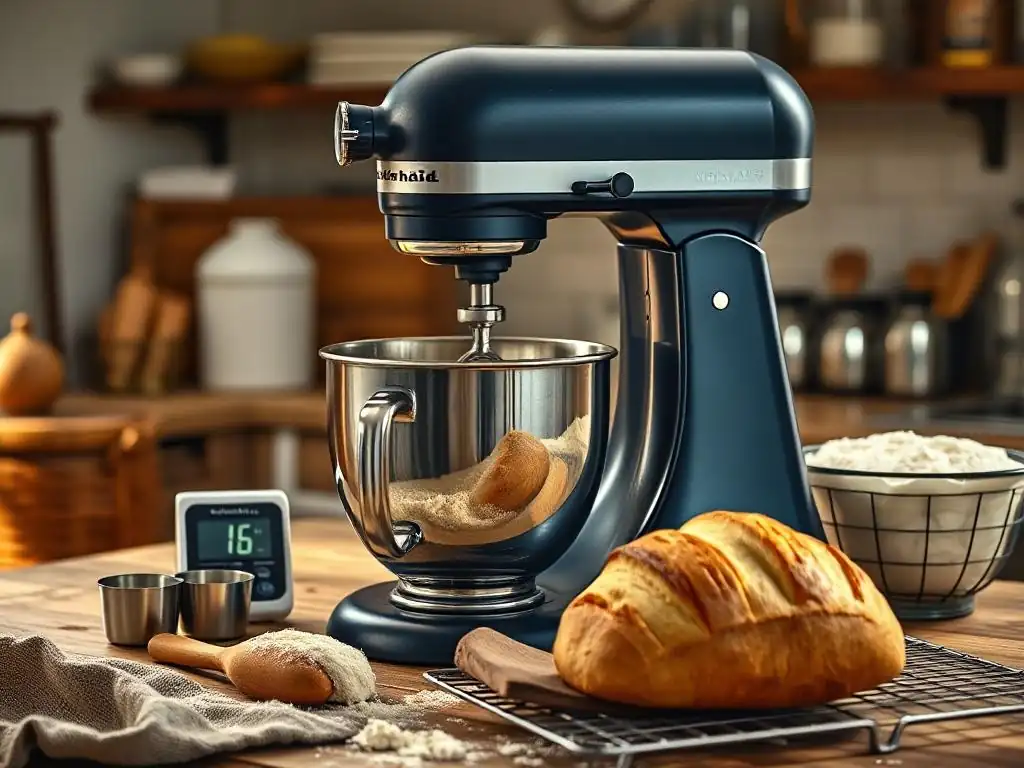
When searching for the best stand mixer for sourdough, several features stand out as non-negotiable for tackling heavy doughs effectively. Motor power, often measured in watts (W), is a primary indicator of a mixer's ability to handle tough tasks. While wattage isn't the only factor – the efficiency of the motor and drivetrain also matters – mixers designed for bread making typically feature motors in the 500W to 1000W+ range. A powerful motor ensures the mixer won't struggle or overheat when kneading dense sourdough dough for extended periods.
Beyond raw power, look at the mixer's construction. Models with metal gears tend to be more durable and capable of withstanding the stress of kneading stiff dough compared to those with plastic components.
The type of dough hook is also important; spiral dough hooks, often found on professional or heavy-duty models, are particularly effective at pulling and kneading dough without causing it to climb up the hook and into the mixer head. Finally, consider the bowl capacity relative to the typical size of your sourdough batches, as well as the overall stability and weight of the machine – a heavier mixer is less likely to wobble or 'walk' across your counter during intense kneading.
Top 3 Stand Mixers for Sourdough: A Detailed Comparison
KitchenAid Artisan Series: A Classic Choice for Sourdough?
The KitchenAid Artisan series is perhaps the most iconic stand mixer, beloved for its aesthetics, versatility, and wide range of attachments. It typically features a 5-quart bowl and a 325-watt motor (though this can vary slightly by model).
While excellent for cakes, cookies, and lighter doughs, its suitability for heavy-duty sourdough depends on the batch size and dough hydration. Many home bakers successfully use the Artisan for smaller sourdough loaves (using perhaps 500-700g of flour), finding that while it can handle the task, it may require closer monitoring to prevent the motor from becoming too warm during long kneading cycles.
For serious sourdough enthusiasts regularly making large batches or very stiff doughs, the Artisan's motor might be underpowered compared to dedicated bread mixers. KitchenAid does offer more powerful models like the Professional or Commercial series (often with bowl-lift designs and higher wattage motors up to 575W or more) which are better suited for the demanding task of kneading large volumes of dense sourdough dough.
While the Artisan can work for smaller sourdough efforts, those seeking the absolute best stand mixer for sourdough, especially for frequent or large-scale baking, might need to explore KitchenAid's higher-tier offerings or other brands designed specifically for heavy doughs.
Ankarsrum Assistent Original: The Sourdough Kneading Powerhouse
The Ankarsrum Assistent Original stands out with its unique design, featuring a rotating bowl rather than a rotating head. This Swedish-made machine is renowned for its exceptional dough-kneading capabilities, often considered by many as the best stand mixer for sourdough and other heavy bread doughs. It typically boasts a powerful motor, often around 600-800W, and its design allows for much larger dough capacities, easily handling recipes using up to 1.5 kg (around 3.3 lbs) or even more of flour, resulting in substantial batches of dough.
The Ankarsrum uses a roller and scraper mechanism against the rotating bowl to mimic hand kneading, which is particularly effective for developing gluten in wet or stiff doughs without overheating or overworking. Its open-top design makes adding ingredients easy while mixing, and its robust construction with metal components ensures durability under heavy loads. Users often report that the Ankarsrum handles large, high-hydration sourdough batches with remarkable ease and efficiency, making it a top contender for dedicated bread bakers seeking the ultimate kneading machine.
Bosch Universal Plus: A Versatile Workhorse for Bread Bakers
The Bosch Universal Plus mixer is another popular choice among serious bread bakers, recognized for its powerful motor (often 800W or more) and large capacity bowl, typically around 6.5 quarts. Its unique dual-kneading hooks rotate and fold the dough in a figure-eight motion against a center column, a method highly effective for developing gluten, particularly in large volumes of dough. This design minimizes dough climbing and provides efficient, thorough kneading for everything from sticky sourdough to firm bagel dough.
The Bosch Universal Plus is designed to handle significant quantities of flour, comfortably managing recipes using up to 1.5 kg (approximately 3.3 lbs) of flour or more. Its motor is specifically engineered for long-duration kneading tasks, making it a reliable workhorse for frequent sourdough baking.
The lightweight plastic bowl is durable and easy to handle, and the mixer's base is stable even when kneading heavy doughs. Its versatility extends beyond bread, with various attachments available, but its core strength lies in its robust performance with demanding doughs, solidifying its reputation as a strong contender for the best stand mixer for sourdough.
Capacity Considerations: Choosing the Right Bowl Size for Your Sourdough Needs
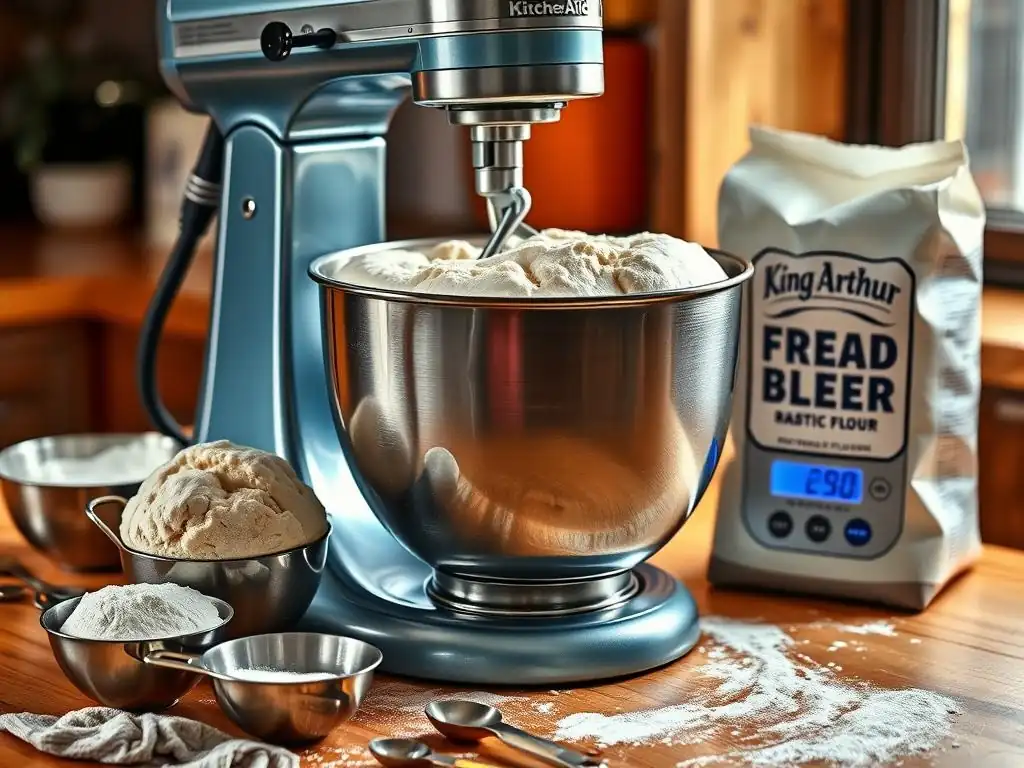
Choosing the right stand mixer capacity is crucial for sourdough bakers. Sourdough recipes often scale up differently than standard yeast recipes, and attempting to knead too much dough in a bowl that's too small can lead to inefficient mixing, dough climbing, and strain on the mixer's motor. A typical sourdough loaf might use between 500g and 1kg of flour. If you regularly bake one or two loaves at a time using 500g of flour per loaf, a 5-quart bowl might suffice, though it will be near its practical limit, especially with high hydration.
For bakers who consistently bake larger batches – say, using 1kg to 1.5kg of flour for two large loaves or multiple smaller ones – a larger bowl capacity is essential. Mixers with 6-quart, 6.5-quart, or even larger bowls (like the Ankarsrum's approximately 7.4-quart capacity) are better equipped to handle the volume and weight of large sourdough doughs.
These larger bowls allow the dough ample space to move and develop during kneading without overflowing or stressing the machine. Consider your typical baking volume and err on the side of a larger bowl if you plan on scaling up your sourdough production.
Durability and Longevity: Investing in a Stand Mixer Built to Last
Investing in a high-quality stand mixer for sourdough is a long-term decision. The intense, prolonged kneading required for sourdough puts significant stress on a mixer's internal components. Therefore, durability is a key factor. Mixers built with robust materials, particularly metal gears and housings, are generally more resilient and have a longer lifespan when subjected to heavy-duty use like frequent sourdough baking. While plastic components are common, especially in lighter-duty mixers, metal construction in critical areas like the drivetrain is a strong indicator of a mixer's ability to withstand the rigors of kneading dense doughs over time.
Brands known for their durability, often those favored by professional bakers or serious home enthusiasts, tend to have higher upfront costs but offer greater reliability and longevity. Examining user reviews and professional tests specifically focused on bread kneading performance can provide insight into a mixer's real-world durability. While no machine lasts forever, choosing a model designed and built for heavy-duty tasks ensures your investment will continue to perform effectively for many years of sourdough baking.
Maintaining Your Stand Mixer for Optimal Sourdough Performance
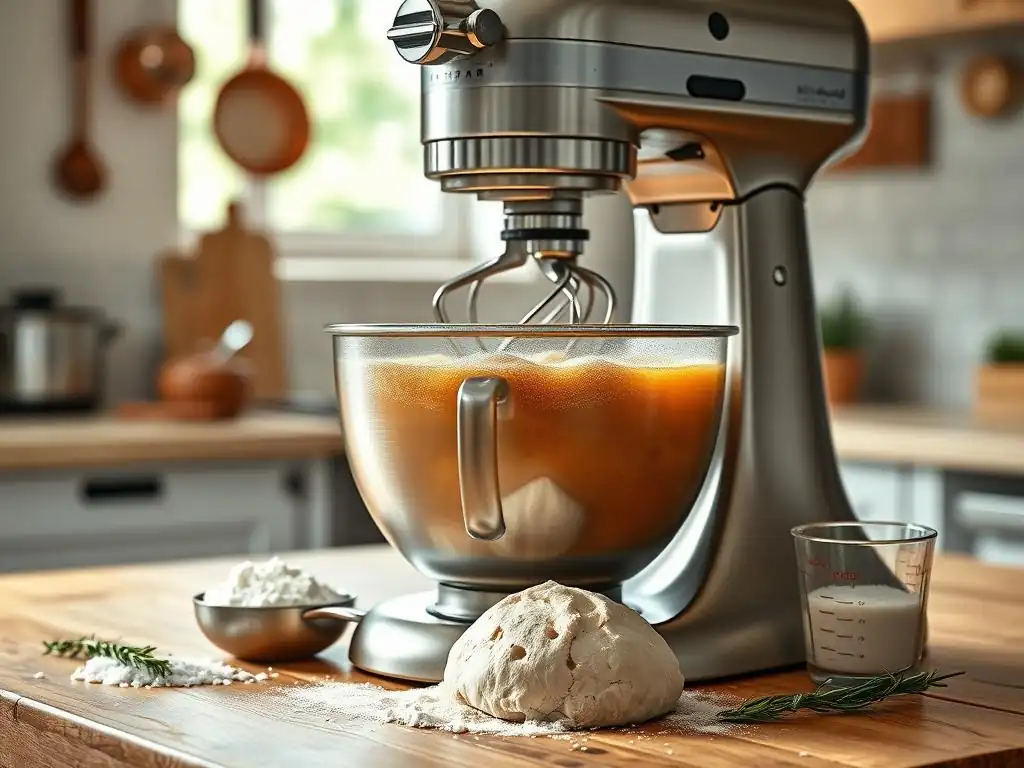
Proper maintenance is key to ensuring your stand mixer continues to perform optimally, especially when regularly tackling demanding tasks like kneading sourdough. After each use, particularly when working with sticky sourdough dough, it's crucial to clean the bowl, dough hook, and any other parts that came into contact with the dough immediately. Allowing dough remnants to dry and harden can make cleaning difficult and, over time, affect the mixer's performance or even damage attachments.
Beyond regular cleaning, consult your mixer's manual for specific maintenance recommendations. Some mixers may require occasional lubrication of certain parts, while others are designed to be maintenance-free. Pay attention to any unusual noises, vibrations, or signs of strain during operation, especially when kneading heavy sourdough dough. Addressing minor issues promptly can prevent more significant problems down the line. Storing your mixer properly when not in use, perhaps covered to prevent dust buildup, also contributes to its longevity and ensures it's always ready to help you bake your next batch of delicious sourdough.
Conclusion: Selecting the Best Stand Mixer for Your Sourdough Journey
Finding the best stand mixer for sourdough involves balancing power, capacity, durability, and your specific baking needs. While entry-level or classic models like the KitchenAid Artisan can handle smaller batches, serious home bakers looking to consistently produce large, high-hydration sourdough loaves will benefit greatly from mixers designed specifically for heavy doughs. The Ankarsrum Assistent Original and Bosch Universal Plus stand out as top contenders, offering robust motors, large capacities, and kneading mechanisms optimized for bread.
Ultimately, the best stand mixer for your sourdough journey depends on how much dough you typically make and how frequently you bake. Investing in a mixer with sufficient power and capacity will not only make the kneading process significantly easier but also contribute to better dough development and more consistent baking results. Consider your baking volume, budget, and desired features to choose a workhorse that will confidently handle the demands of sourdough for years to come.
Frequently Asked Questions
What factors should I consider when choosing a stand mixer specifically for sourdough bread?
When choosing a stand mixer for sourdough, prioritize power and durability. Look for a mixer with a strong motor and a sturdy build to handle the dense dough.
What is the ideal bowl capacity for a stand mixer used for making sourdough?
The ideal bowl capacity depends on the batch size you typically bake. For most home bakers, a 5-7 quart bowl is sufficient for standard sourdough recipes.
Are there specific stand mixer features that are especially helpful when making sourdough?
Yes, a dough hook attachment is essential for kneading sourdough. Also, a slow start feature can prevent flour from flying out of the bowl when mixing initially.
How important is the motor power of a stand mixer when dealing with the stiffness of sourdough dough?
Motor power is very important. Sourdough dough is dense and requires a powerful motor (ideally 300 watts or more) to prevent the mixer from overheating or struggling.
How does the durability of a stand mixer affect its longevity when used frequently for sourdough baking?
Sourdough baking puts a strain on mixers. A durable mixer, made with high-quality materials, will withstand the regular kneading of tough dough and last longer.
Final Reflection: The Knead for Quality in the Sourdough Revolution
The resurgence of sourdough baking isn't just a trend; it's a testament to our desire for connection to craft and quality. Finding the right tool to support this passion is crucial, and as we've explored, a powerful stand mixer is often the backbone of a successful sourdough journey. The right machine can elevate the entire baking experience, transforming a potentially arduous process into one of joy and creation.
The impact of readily available, high-quality baking equipment on the home baking landscape is undeniable. It allows more people to explore complex techniques like sourdough, fostering a sense of community and shared accomplishment. This renewed interest in traditional methods speaks to a deeper yearning for authenticity and connection to our food. Bread is the staff of life,
they say, and a good stand mixer can certainly make that staff a little less burdensome and a lot more delicious.
So, as you consider your next baking project, remember the power of the right tool. Don't just bake; craft your bread. Consider the investment in a durable, high-capacity stand mixer not as an expense, but as an investment in your passion, your creativity, and the delicious rewards that await. Choose wisely, and let the kneading begin!
Unleash Your Inner Baker: Level Up Your Baking Game!
Thanks for diving deep into the world of powerful stand mixers! We hope you now feel confident in choosing the perfect machine for your baking adventures. Ready to take the next step?
- Invest in your dream stand mixer: Now that you've learned about capacity and durability, it's time to find the perfect fit for your kitchen and baking style. Start browsing models today!
- Share your baking inspiration: Show off your newfound knowledge and tag us on social media with your favorite stand mixer features. Let's create a community of passionate bakers!
- Explore advanced baking techniques: With your new (or improved!) stand mixer, unlock exciting recipes and techniques you may not have tried before. What ambitious baking project will you tackle first?
What's the first delicious recipe you'll conquer with your new powerful stand mixer?