
SliceandBake Magic: Quick & Easy Cookies for New Bakers


Welcome to BakeWithEase! Ever dreamed of effortlessly whipping up a batch of warm, delicious cookies? You've come to the right place. Dive into our guide on easy cookies for beginner bakers and discover just how simple it can be to create slice-and-bake magic. Ready to unlock the secrets to perfectly baked treats, even if you've never held a whisk before? Let's get baking!
- Slice-and-Bake Magic: Quick & Easy Cookies
- BakeWithEase Presents: Deliciously Simple Slice-and-Bake Cookies
- Why Slice-and-Bake Cookies are Perfect
- Essential Ingredients
- Step-by-Step Guide
- Slice-and-Bake Cookie Recipe Ideas
- Tips and Tricks for Baking the Best Cookies
- Troubleshooting Cookie Problems
- Beyond the Basics: Leveling Up Your Skills
- Enjoy Your Homemade Cookies
-
Frequently Asked Questions
- What makes Slice-and-Bake cookies a good choice for beginner bakers?
- Where can I find simple recipes suitable for beginner bakers on BakeWithEase.com?
- What are some essential baking tools I should have before attempting easy cookies?
- How can I prevent my Slice-and-Bake cookies from spreading too thin while baking?
- What are some tips for customizing easy cookie recipes to my liking?
- Final Reflection: The Sweetness of Simple Beginnings
- Unleash Your Inner Baker: Bake Delicious Cookies Today!
Welcome to the wonderful world of baking! If you're just starting your journey or looking for a foolproof way to create delightful treats without the fuss, slice-and-bake cookies are your new best friend. These easy cookies for beginner bakers offer a straightforward path to warm, homemade goodness with minimal effort and maximum reward. Forget complicated steps and endless bowls; with slice-and-bake, you prepare the dough ahead of time, chill it, slice, and bake. It's truly magic!
At BakeWithEase, we believe baking should be accessible and enjoyable for everyone. That's why we're highlighting slice-and-bake cookies – they embody simplicity and success. This method is perfect for building confidence in the kitchen, allowing you to practice basic techniques like measuring, mixing, and baking without feeling overwhelmed. Let's dive into why these cookies are a must-try for anyone new to baking or simply short on time.
The Simplicity of Slice-and-Bake: A Baking Confidence Booster
One of the biggest hurdles for new bakers can be the perceived complexity of recipes. Traditional cookie recipes often involve multiple chilling steps, rolling out dough, and cutting shapes, which can seem daunting. Slice-and-bake cookies dramatically simplify this process. The core steps involve mixing ingredients into a single dough, shaping it into a log, and chilling. This eliminates the need for rolling pins and cookie cutters, making the process far less intimidating.
This reduced complexity is a significant confidence booster for those new to baking. Successfully creating delicious cookies with just a few steps provides immediate positive reinforcement. Imagine the satisfaction of pulling golden-brown cookies from the oven after following a simple process – it encourages beginners to try more recipes. It's about breaking down baking into manageable steps, making easy cookies for beginner bakers not just a goal, but an achievable reality.
Minimizing Mess and Maximizing Flavor: Slice-and-Bake Advantages
Beyond their ease, slice-and-bake cookies offer practical benefits that seasoned bakers also appreciate. The cleanup is typically less extensive compared to recipes requiring flouring surfaces and using various cookie cutters. You primarily work with one mixing bowl and then the log-forming process, which usually involves parchment paper or plastic wrap, keeping your workspace tidier. Less mess means more time to enjoy your delicious creations!
Despite the simplified process, slice-and-bake cookies do not compromise on flavor or texture. Chilling the dough is a crucial step that actually enhances the taste and structure. The cold allows the fats (like butter) to solidify, which helps the cookies hold their shape better during baking. It also gives the dry ingredients, particularly the flour, time to hydrate, leading to a more tender and flavorful cookie. This method proves that you don't need complexity to achieve fantastic results, making it ideal for easy cookies for beginner bakers.
Life gets busy, and finding time for elaborate baking projects can be challenging. Slice-and-bake cookies are the ultimate solution for fitting homemade treats into a tight schedule. The dough can be made in about 15-20 minutes of active prep time. Once the dough is chilled (which can take anywhere from 30 minutes to several days! ), you can simply slice off as many cookies as you need and bake them in 10-15 minutes.
This flexibility is a game-changer. You can prepare a batch of dough on the weekend and bake fresh cookies throughout the week whenever a craving strikes or unexpected guests arrive. This "bake-on-demand" feature is incredibly convenient. For anyone looking for easy cookies for beginner bakers that fit into a busy lifestyle, the time-saving aspect of slice-and-bake is unparalleled, turning spur-of-the-moment baking into a stress-free activity.
Essential Ingredients
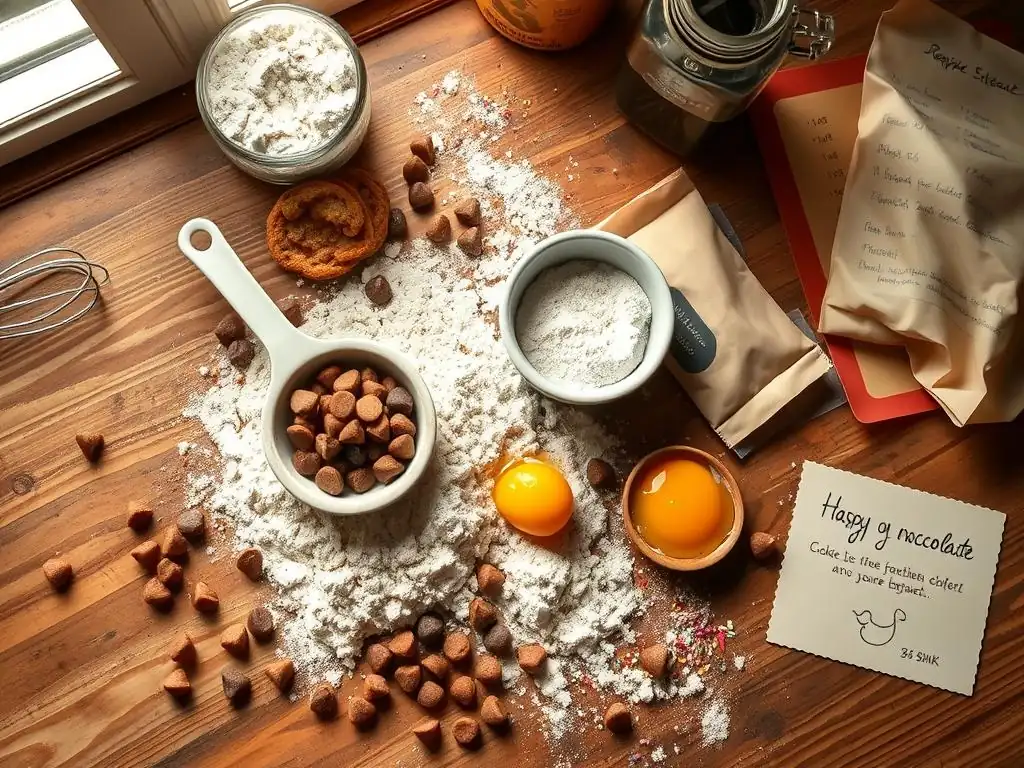
Most slice-and-bake cookie recipes rely on a few fundamental ingredients commonly found in a baker's pantry. These typically include:
- Butter: Provides richness, flavor, and helps with texture and spread. Unsalted butter is often preferred so you can control the salt level.
- Sugar: Granulated and brown sugar are common. Granulated sugar contributes to crispiness, while brown sugar adds moisture, chewiness, and depth of flavor due to molasses.
- Eggs: Act as a binder, adding structure and richness. A large egg is standard in most recipes.
- Vanilla Extract: A key flavoring agent that enhances the overall taste of the cookie.
- Flour: All-purpose flour is standard and provides the main structure.
- Leavening Agents: Baking soda or baking powder help the cookies rise and spread.
- Salt: Balances the sweetness and enhances other flavors.
Understanding the role of each ingredient helps new bakers appreciate the simple science behind creating delicious easy cookies for beginner bakers. A typical recipe might call for approximately 1 cup (2 sticks) of butter, 1 to 1.5 cups of sugar total, 1 large egg, 1 teaspoon of vanilla extract, 2 to 3 cups of flour, 1/2 teaspoon baking soda, and 1/4 teaspoon salt. These proportions can vary slightly depending on the specific recipe and desired texture.
Ingredient Substitutions: Adapting Your Recipe for Dietary Needs
While classic ingredients form the base, many slice-and-bake recipes can be adapted to accommodate dietary needs or preferences. For instance, if you need a dairy-free option, you can often substitute butter with a plant-based butter alternative designed for baking, typically in a 1:1 ratio. Ensure the alternative has a similar fat content for best results.
For those avoiding gluten, using a gluten-free all-purpose flour blend can work, though you might need to adjust liquid slightly or expect a slightly different texture. Egg substitutes, like flax eggs (1 tablespoon flax meal + 3 tablespoons water per egg) or commercial egg replacers, can be used for vegan versions, although this might affect the cookie's structure slightly. Experimenting with these substitutions allows everyone to enjoy easy cookies for beginner bakers, making baking inclusive and versatile.
Ensuring Quality: Tips for Selecting the Best Baking Ingredients
The quality of your ingredients significantly impacts the final taste and texture of your cookies. Starting with fresh, high-quality ingredients ensures the best possible outcome for your easy cookies for beginner bakers. For butter, choose a brand you trust; European-style butters with higher fat content can yield richer results, but standard butter works perfectly well.
Make sure your leavening agents (baking soda and baking powder) are fresh. They lose potency over time, which can result in cookies that don't spread or rise properly. Check the expiration date or test a small amount in hot water (for baking soda) or vinegar (for baking powder) – it should bubble vigorously. Using fresh flour, good quality vanilla extract (pure vanilla extract is often preferred over imitation), and fresh eggs also contributes to superior flavor and texture, making your simple slice-and-bake creations truly stand out.
Step-by-Step Guide
The first step in making slice-and-bake cookies is preparing the dough. This typically involves creaming together the softened butter and sugars until light and fluffy. This process incorporates air, which contributes to the cookie's texture. Use an electric mixer or a sturdy whisk for this step. Creaming usually takes about 2-3 minutes.
Next, you'll add the wet ingredients, usually eggs and vanilla extract, mixing until they are just combined. Don't overmix at this stage. Finally, gradually add your dry ingredients (flour, salt, leavening agent) that have been whisked together. Mix on low speed or by hand until the dry ingredients are just incorporated. Overmixing the flour can develop too much gluten, resulting in tough cookies. The dough for easy cookies for beginner bakers should come together but might still be slightly crumbly.
Forming the Log: Shaping Your Dough for Easy Slicing
Once your dough is mixed, it's time to shape it into a log. This is the signature step for slice-and-bake cookies. Turn the dough out onto a sheet of parchment paper or plastic wrap. Gently press the dough together and begin shaping it into a uniform log. The diameter of the log will determine the size of your cookies – aim for a diameter of about 1.5 to 2 inches for standard-sized cookies.
Roll the dough tightly within the parchment paper or plastic wrap, using the edges of the paper to help compress and shape the log. Try to make the log as even in thickness as possible along its length to ensure uniform cookie size when slicing. Twist the ends of the wrap like a candy wrapper to seal the log. This shaping step is simple and crucial for the ease of slicing later, making it perfect for easy cookies for beginner bakers.
Chilling the dough is a non-negotiable step for successful slice-and-bake cookies. Place the wrapped dough log in the refrigerator for at least 30 minutes, though 2-3 hours is often better, and overnight is ideal. The cold temperature solidifies the fat in the dough, making it firm and easy to slice without crumbling or distorting its shape.
Proper chilling also prevents excessive spreading during baking, helping your cookies maintain a nice, round shape. Furthermore, as mentioned earlier, chilling allows flavors to meld and improves the texture. For the firmest log, you can even freeze the dough for about 20-30 minutes before slicing. This step is key to achieving consistently shaped and textured easy cookies for beginner bakers.
Slicing and Baking: From Log to Golden Perfection
Once the dough is sufficiently chilled and firm, unwrap the log. Use a sharp knife to slice the dough into rounds about 1/4 to 1/2 inch thick. Aim for consistent thickness so the cookies bake evenly. If the dough is very cold, you might need to let it sit at room temperature for a minute or two to make slicing easier, but don't let it get too soft.
Place the sliced rounds about 2 inches apart on a baking sheet lined with parchment paper. Parchment paper prevents sticking and makes cleanup a breeze – another win for easy cookies for beginner bakers. Bake in a preheated oven according to your recipe's instructions, typically at around 350°F (175°C), until the edges are lightly golden brown and the centers look set.
Baking time and temperature are critical for achieving the desired texture in your slice-and-bake cookies. Most recipes call for baking at 350°F (175°C). The duration will depend on the thickness of your cookies and your oven, but it's commonly in the range of 10 to 15 minutes. Thicker cookies will take longer than thinner ones.
Keep a close eye on the cookies as they bake, especially during the last few minutes. You're looking for the edges to turn a light golden brown, but the centers should still look slightly soft. Cookies continue to cook slightly on the hot baking sheet after being removed from the oven. Overbaking will result in hard, dry cookies, while underbaking can leave them too soft or crumbly. Finding that sweet spot ensures perfect easy cookies for beginner bakers.

Chocolate chip cookies are arguably the most beloved cookie type, and they translate beautifully into the slice-and-bake format. A classic dough base is mixed with generous amounts of chocolate chips. For a standard 2-stick butter recipe, you might use anywhere from 1 cup to 2 cups of chocolate chips, depending on how chocolatey you like them! Semi-sweet chips are traditional, but milk chocolate, dark chocolate, or even white chocolate chips work wonderfully.
Making chocolate chip slice-and-bake cookies is a perfect starting point for easy cookies for beginner bakers. The familiar flavor and simple process guarantee a satisfying result. You can even mix in different types of chocolate chips or add a handful of chopped nuts like walnuts or pecans for extra texture and flavor, making this classic adaptable and exciting.
Peanut butter cookies are another fantastic option for the slice-and-bake method, offering a rich, nutty flavor and a delightfully soft chewiness. These often use a higher proportion of peanut butter in the dough, sometimes replacing some of the butter or shortening. A typical recipe might include about 1 cup of creamy or crunchy peanut butter alongside the butter and sugars.
Traditionally, peanut butter cookies are flattened with fork tines before baking, creating a distinctive crosshatch pattern. While slice-and-bake means you don't need to flatten before chilling, you can still gently press the tops of the sliced rounds with a fork before baking if you like the look and slightly denser texture it creates. This variation on easy cookies for beginner bakers is incredibly popular and simple to execute.
For those who prefer a chewier, more substantial cookie, oatmeal raisin slice-and-bake is an excellent choice. These cookies incorporate rolled oats into the dough, which provides texture and a slightly nutty flavor. Raisins add bursts of sweetness and moisture. A common ratio might be 1 to 1.5 cups of rolled oats and 1 cup of raisins per batch.
Ensure you use old-fashioned rolled oats, not instant oats, for the best texture. You can also add a pinch of cinnamon or nutmeg to enhance the flavor profile. Oatmeal raisin cookies are a comforting classic, and making them via the slice-and-bake method simplifies the process significantly, making them accessible easy cookies for beginner bakers looking for something beyond the standard cookie.
Slice-and-bake isn't just for everyday treats; it's also fantastic for seasonal baking, like gingerbread cookies during the holidays. Gingerbread dough is typically spiced with ginger, cinnamon, cloves, and sometimes nutmeg, and uses molasses for its distinctive flavor and color. While traditional gingerbread is often rolled and cut, the slice-and-bake method works wonderfully for a simpler approach.
Prepare a spiced dough, form it into logs, and chill. Slice and bake for festive rounds that are perfectly spiced. This eliminates the sometimes-fussy process of rolling out sticky dough, making gingerbread easy cookies for beginner bakers during a busy holiday season. You can even add a simple glaze or sprinkle with coarse sugar before baking for extra flair.
One common issue with cookies is excessive spreading during baking, which can lead to thin, crispy discs instead of plump rounds. The most important factor in preventing spread with slice-and-bake cookies is proper chilling. Ensure your dough log is very firm before slicing and baking. If your kitchen is warm, the dough can soften quickly, so work efficiently.
Another tip is to avoid placing cookie dough on a warm baking sheet. Use a cool or room-temperature sheet, or ideally, use two sheets and rotate them. The residual heat from a hot sheet can cause the butter to melt too quickly, leading to immediate spreading. Using parchment paper also helps regulate temperature slightly and prevents sticking. Following these simple steps ensures your easy cookies for beginner bakers hold their shape beautifully.
Achieving Even Baking: Ensuring Consistent Results
For a batch of cookies that are all perfectly golden and cooked through, even baking is key. The primary way to achieve this is to use a preheated oven and ensure your oven temperature is accurate. Oven temperatures can vary, so an oven thermometer is a helpful tool.
Placing cookies about 2 inches apart on the baking sheet allows hot air to circulate evenly around each cookie. Also, consider rotating your baking sheet halfway through the baking time, especially if your oven has hot spots. If you're baking multiple sheets at once, swap their positions on the racks and rotate them. These practices help ensure every cookie in your batch of easy cookies for beginner bakers bakes consistently, preventing some from being overdone while others are undercooked.
Proper storage is essential to keep your homemade slice-and-bake cookies tasting fresh and delicious. Once baked, allow the cookies to cool completely on a wire rack before storing them. Storing warm cookies can create condensation, making them soggy.
Store cooled cookies in an airtight container at room temperature. Most cookies will stay fresh for 3-5 days this way. If you want to store them longer, you can freeze baked cookies in an airtight container or freezer bag for up to 3 months. Alternatively, and a major advantage of this method, you can freeze the unbaked dough log wrapped tightly in plastic wrap and then foil. Thaw the log slightly in the refrigerator before slicing and baking as usual. This allows you to have easy cookies for beginner bakers ready to bake whenever you want!

Sometimes, despite following a recipe, your cookie dough might turn out too crumbly, making it difficult to form a log or slice neatly. This usually indicates there isn't enough moisture or fat to bind the dry ingredients. It might be due to inaccurate measuring (too much flour, not enough butter/egg), or the butter wasn't softened enough before creaming.
If your dough is crumbly after mixing, try adding a very small amount of liquid, like a teaspoon of milk or cream, or even a tiny bit more softened butter, mixing it in just until the dough comes together. Be careful not to add too much at once. Kneading the dough gently a few times can also help distribute the fat and moisture and bring it together. Patience and small additions are key to fixing crumbly dough for your easy cookies for beginner bakers.
Cookies spreading too much can be frustrating. This is often caused by dough that is too warm, too much butter (or butter that was too soft), or an imbalance in the dry to wet ingredients. As discussed, insufficient chilling is a primary culprit for slice-and-bake cookies.
If your dough feels too soft even after chilling, try chilling it longer, perhaps overnight or for a short period in the freezer. Ensure your butter wasn't melted when you started creaming; it should be softened but still hold its shape. If a specific recipe consistently yields thin cookies, try slightly increasing the flour by a tablespoon or two in your next batch. Proper chilling is the simplest fix for ensuring your easy cookies for beginner bakers maintain their shape.
Uneven baking, where some cookies are dark and others are pale, is often related to oven hot spots or inconsistent cookie thickness. As mentioned earlier, rotating your baking sheet halfway through the bake time is the most effective way to combat oven hot spots.
Also, ensure your cookie slices are as uniform in thickness as possible. Slices ranging from 1/4 inch to 1/2 inch thick will bake at different rates. Using a sharp knife and a firm, well-chilled log helps achieve consistent slices. Arranging cookies evenly spaced on the baking sheet also promotes better air circulation and more uniform baking for your easy cookies for beginner bakers.
Beyond the Basics: Leveling Up Your Skills
Adding Extracts and Spices: Enhancing Flavor Profiles
Once you've mastered the basic slice-and-bake technique, you can easily elevate the flavor of your easy cookies for beginner bakers by incorporating different extracts and spices. Beyond vanilla, try almond extract, peppermint extract (great for chocolate combinations), or lemon extract. A little goes a long way, so start with 1/4 to 1/2 teaspoon per batch.
Spices like cinnamon, nutmeg, cardamom, or even a pinch of cayenne for a bit of heat can add depth and warmth. Whisk dry spices in with your flour mixture. For instance, adding 1 teaspoon of cinnamon and 1/4 teaspoon of nutmeg to a basic dough transforms it into a spiced cookie base. Experimenting with these additions is a simple way to create a variety of flavors from one basic dough recipe.
Incorporating Mix-Ins: Experimenting with Chocolate and Nuts
Mix-ins are a fantastic way to customize your slice-and-bake cookies. Chocolate chips are just the beginning! Try different types and sizes of chocolate, like mini chips, chunks, or even chopped chocolate bars. White chocolate, butterscotch, or peanut butter chips are also delicious. For a standard batch, 1 to 1.5 cups of mix-ins is a good starting point.
Chopped nuts like walnuts, pecans, almonds, or macadamia nuts add crunch and flavor. Dried fruits such as cranberries, cherries, or chopped apricots provide chewiness and sweetness. Candies, sprinkles, or even crushed pretzels can be folded in for fun textures and flavors. Mix these additions into the dough towards the end of the mixing process, ensuring they are evenly distributed before forming the log. This allows for endless variations on easy cookies for beginner bakers.
While slice-and-bake cookies are simple, that doesn't mean they can't be decorated! Before baking, you can roll the log in sprinkles, coarse sugar, or finely chopped nuts for a decorative edge that appears as the cookies spread slightly. This adds visual appeal with minimal effort.
After baking and cooling, you can add simple decorations. A drizzle of melted chocolate or a basic glaze made from powdered sugar and milk or lemon juice can add extra flavor and visual interest. You can also dip half the cookie in melted chocolate and decorate with sprinkles. These finishing touches are simple enough for easy cookies for beginner bakers but make the cookies feel extra special.
One of the most rewarding parts of baking, especially when making easy cookies for beginner bakers, is sharing your delicious creations. Pack some cookies for friends, bring a batch to a family gathering, or simply share them with loved ones at home. The act of giving and receiving homemade treats is a wonderful way to connect with people.
The simplicity of slice-and-bake means you can whip up a batch for almost any occasion, big or small. The smile on someone's face when they bite into a warm, homemade cookie you made is incredibly fulfilling and reinforces the joy of baking.
The Journey Continues: Exploring More Baking Recipes on BakeWithEase.com
Mastering slice-and-bake cookies is a fantastic first step in your baking journey. You've learned basic dough preparation, shaping, chilling, and baking techniques. These are fundamental skills that will serve you well as you explore other recipes.
Now that you've seen how easy and rewarding baking can be, we encourage you to explore the many other easy cookies for beginner bakers and simple recipes available on BakeWithEase.com. From simple drop cookies to easy brownies and muffins, there's a whole world of delicious treats waiting for you to discover. Keep baking, keep experimenting, and keep enjoying the process!
Frequently Asked Questions
Slice-and-Bake cookies are excellent for beginners because they require minimal effort and ingredients. The dough is prepared in advance, then chilled and sliced, resulting in consistent cookies with easy execution.
Where can I find simple recipes suitable for beginner bakers on BakeWithEase.com?
BakeWithEase.com offers a wide variety of simple cookie recipes specifically designed for beginner bakers. Look for recipes tagged with "easy," "beginner," or "slice-and-bake" for straightforward instructions.
For easy cookies, you'll need basic tools like measuring cups and spoons, mixing bowls, a baking sheet, and parchment paper. A rolling pin and cookie cutters can be helpful, but are not absolutely essential for slice-and-bake cookies.
To prevent spreading, ensure your dough is properly chilled before slicing and baking. Also, avoid over-creaming the butter and sugar, and use parchment paper on your baking sheet.
You can easily customize easy cookie recipes by adding different extracts (vanilla, almond), spices (cinnamon, nutmeg), or mix-ins (chocolate chips, nuts, dried fruit). Remember to adjust quantities slightly to avoid altering the dough's consistency.
Final Reflection: The Sweetness of Simple Beginnings
The accessibility of baking, especially cookie baking, is more than just a recipe; it's a gateway to creativity and self-expression. Learning to bake shouldn't be intimidating, and this article aimed to prove that even the most novice baker can achieve delicious results with minimal effort. The joy of creating something tangible and delicious from simple ingredients is a powerful experience, and we hope this guide has unlocked that potential for many.
The enduring appeal of cookies lies not just in their taste, but in their ability to connect us to cherished memories and traditions. Baking, particularly for beginners, can be a deeply personal journey, fostering a sense of accomplishment and pride. The best things in life are simple,
a common saying, rings especially true when considering the satisfaction derived from a perfectly baked batch of cookies, made entirely by your own hands. This simple act can bridge generations, fostering connections through shared experiences and the universal language of deliciousness.
Now, it's your turn. Don't be afraid to experiment with the recipes provided, to adjust them to your own tastes, and to embrace the occasional mishap as a learning opportunity. The journey of baking is as rewarding as the destination, so roll up your sleeves, gather your ingredients, and unleash your inner baker. The world awaits your delicious creations – and the sweet satisfaction of knowing you made them yourself.
Thanks for taking the time to explore the world of quick and easy cookies! We hope you're feeling inspired and ready to create some delicious treats. Now it's time to put your newfound knowledge into action.
- Bake a batch of your favorite cookies: Use the recipes and tips from the article to create your own cookie masterpiece. Don't be afraid to experiment and have fun!
- Share your baking journey: Post a picture of your cookies on social media and tag us—we'd love to see your creations!
- Explore other easy recipes: Dive deeper into our website and discover more simple and delicious baking recipes perfect for beginners.
Ready to transform your kitchen into a cookie wonderland? What's your favorite cookie flavor to bake?