
Your Cheat Sheet to Baking Beginner Quick Breads

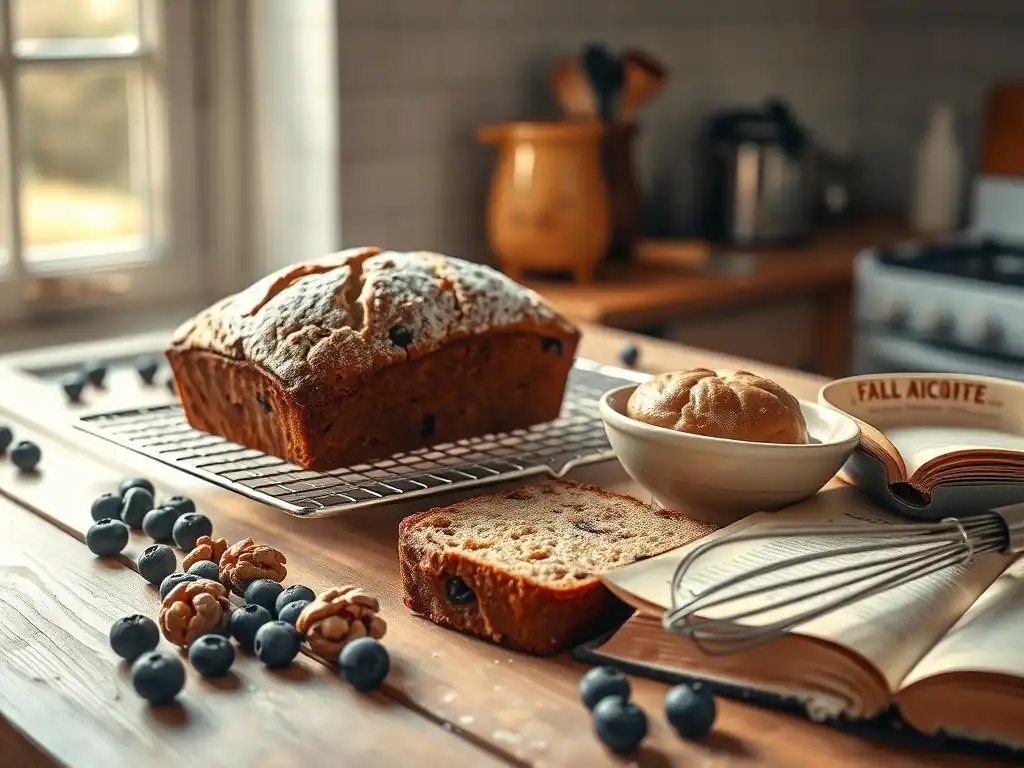
Welcome to BakeWithEase, your companion in the delightful world of baking! Ever dreamed of filling your kitchen with the aroma of freshly baked bread, but felt intimidated by complex recipes? You're in the right place. This page unveils your cheat sheet to a truly satisfying baking experience, starting with our easy beginner quick bread recipe. Curious how simple it can be to create bakery-worthy bread at home? Let's get baking!
- Your Cheat Sheet to Baking Beginner Quick Breads - BakeWithEase
- Introduction to Easy Beginner Quick Bread Recipes
- Essential Baking Tools for Beginner Quick Breads
- Key Ingredients for Delicious Beginner Quick Breads
- Mastering the Basic Techniques for Easy Quick Breads
- Top 5 Easy Beginner Quick Bread Recipes
- Tips and Tricks for Perfect Beginner Quick Breads Every Time
- Troubleshooting Common Quick Bread Baking Problems
- Beyond the Basics: Expanding Your Quick Bread Baking Skills
- Conclusion: Enjoy the Ease of Baking Quick Breads with BakeWithEase
-
Frequently Asked Questions
- What exactly is a quick bread, and why is it considered "easy"?
- What are some common ingredients I'll need for an easy beginner quick bread recipe?
- Can I substitute ingredients in a quick bread recipe? For example, can I use applesauce instead of oil?
- What are some tips for avoiding a dry or tough quick bread?
- How should I store my quick bread to keep it fresh?
- Final Reflection: The Sweet Simplicity of Baking's First Steps
- Unlock Your Inner Baker: Quick Bread Bliss Awaits!
Your Cheat Sheet to Baking Beginner Quick Breads - BakeWithEase
Introduction to Easy Beginner Quick Bread Recipes
What are Quick Breads and Why Start Here?
Quick breads are a fantastic starting point for anyone new to baking. Unlike traditional breads that rely on yeast and require kneading and hours of rising time, quick breads use chemical leavening agents like baking powder and baking soda to rise quickly. This means you can mix and bake a delicious loaf or batch of muffins in under an hour or two, making them incredibly accessible and rewarding for busy schedules or impatient bakers. Think muffins, scones, biscuits, and simple loaves like banana bread or zucchini bread – all fall under the quick bread umbrella.
Starting with an easy beginner quick bread recipe minimizes complexity. There's typically no fussy yeast to activate, no specific kneading technique to master, and the mixing methods are straightforward. This allows beginners to focus on fundamental baking skills such as accurate measuring, gentle mixing, and understanding oven temperatures. Success with your first easy beginner quick bread recipe builds confidence and provides a tangible, tasty result quickly, encouraging you to explore more baking adventures.
BakeWithEase's Guide to Simple Quick Bread Baking
At BakeWithEase, we believe baking should be enjoyable and stress-free, especially when you're just starting out. This guide is designed to be your ultimate cheat sheet for mastering the art of making simple quick breads. We'll walk you through the essential tools and ingredients you'll need, explain the basic techniques in easy-to-understand terms, and provide five foolproof easy beginner quick bread recipes to get you started.
Our aim is to demystify the baking process, offering clear steps and helpful tips specifically tailored for beginners. Whether you dream of a warm slice of banana bread or a perfectly risen blueberry muffin, this guide will equip you with the knowledge and confidence to achieve delicious results right from your first attempt at an easy beginner quick bread recipe. Get ready to discover how simple and satisfying quick bread baking can be!
Essential Baking Tools for Beginner Quick Breads
Must-Have Equipment for Easy Quick Bread Baking
To successfully bake your first easy beginner quick bread recipe, you don't need a professional kitchen full of gadgets. A few basic tools are essential. You will definitely need a set of mixing bowls, preferably in different sizes, for combining wet and dry ingredients separately. Measuring cups and spoons are critical for accuracy – baking is a science, and precise measurements, especially of flour and leaveners, are key to a good outcome.
A whisk is necessary for combining dry ingredients and sometimes for lightly beating eggs. A rubber spatula or wooden spoon is perfect for mixing the batter without overworking it. Depending on your recipe, you'll need baking pans: a standard loaf pan (around 9x5 inches) for loaves or a muffin tin (standard 12-cup) for muffins. These fundamental tools are readily available and form the backbone of any easy beginner quick bread recipe preparation.
Optional Baking Tools for Enhanced Results
While not strictly necessary for an easy beginner quick bread recipe, some tools can make the process smoother or enhance the final product. A stand mixer or hand mixer can speed up creaming butter and sugar (if your recipe calls for it) or mixing wet ingredients, though a whisk and spatula work perfectly fine. An oven thermometer is highly recommended; many ovens are not calibrated correctly, and knowing the true temperature ensures your quick bread bakes evenly and at the right rate.
Cooling racks are useful for allowing air circulation around your baked goods as they cool, preventing the bottom from getting soggy. Parchment paper can line loaf pans or muffin tins, making cleanup incredibly easy and ensuring your quick bread doesn't stick. While you can certainly bake a delicious easy beginner quick bread recipe without these, they can contribute to a more consistent and hassle-free baking experience as you gain confidence.
Key Ingredients for Delicious Beginner Quick Breads
The Importance of Flour in Quick Breads
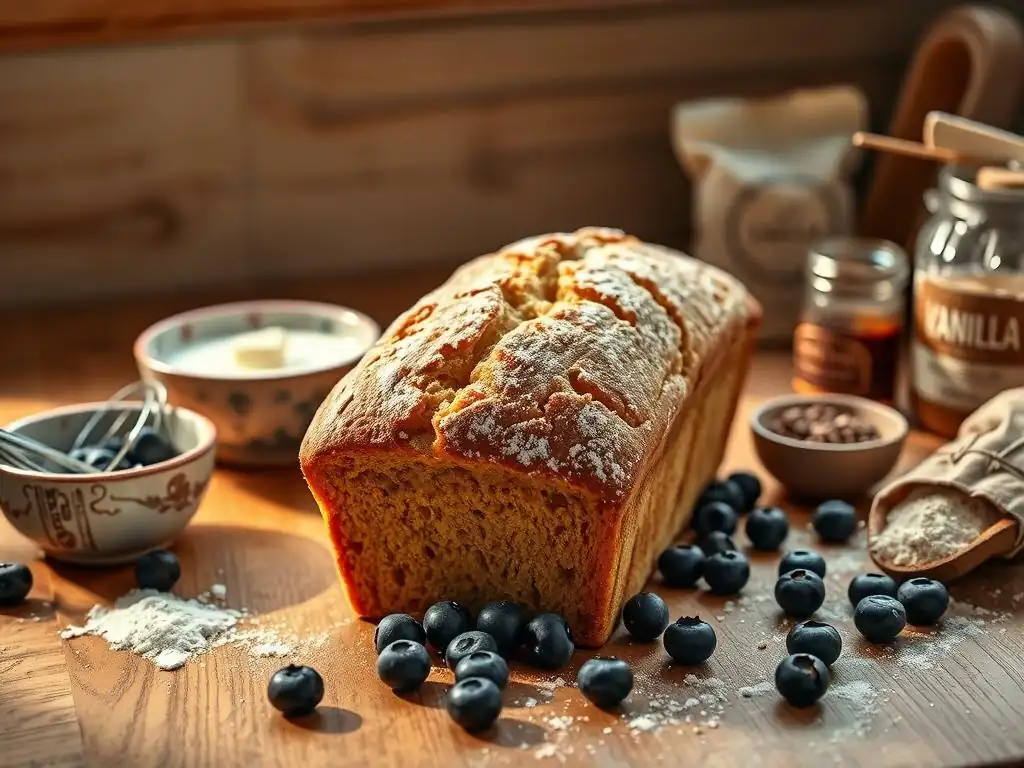
Flour is the structural backbone of almost all quick breads. For most easy beginner quick bread recipes, all-purpose flour is the standard choice. It has a moderate protein content (typically around 10-12%) which provides enough structure to hold the bread's shape without developing excessive gluten, which can make quick breads tough. Using the correct amount of flour is crucial; too much flour is a common cause of dry, dense quick breads.
When measuring flour for your easy beginner quick bread recipe, it's best to use the "spoon and level" method: gently spoon the flour into your measuring cup until it overflows, then level off the excess with a straight edge. Scooping directly from the bag can compact the flour, adding significantly more than intended – sometimes up to 25% more by weight, leading to disappointing results. Understanding the role of flour helps ensure a tender crumb in your quick bread.
Leavening Agents: Baking Powder vs. Baking Soda for Quick Breads
Chemical leaveners are what make quick breads "quick" and light. The two main players are baking powder and baking soda, and often, an easy beginner quick bread recipe will use one or both. Baking soda is a base and requires an acid to activate and produce carbon dioxide gas, which creates lift. Common acids in quick breads include buttermilk, yogurt, sour cream, brown sugar, molasses, or fruit (like bananas).
Baking powder, on the other hand, is a complete leavening system containing both an acid and a base. Most baking powders are "double-acting," meaning they produce a small amount of gas when mixed with liquid and a second, more significant lift when heated in the oven. Recipes without acidic ingredients typically rely solely on baking powder. Understanding how these leaveners work helps you predict the rise and texture in your easy beginner quick bread recipe. Using fresh leaveners is also key; expired baking powder or soda won't provide adequate lift.
Sweeteners: Sugar, Honey, and More in Quick Bread Recipes
Sweeteners do more than just add sweetness to quick breads. Granulated sugar, a common ingredient in an easy beginner quick bread recipe like banana bread or muffins, contributes to tenderness, moisture, and helps with browning the crust. It also interacts with leaveners to aid in the rising process. The amount of sugar varies greatly depending on the recipe, but a typical sweet loaf might contain between 1/2 cup and 1 cup of sugar.
Other sweeteners like brown sugar, honey, or maple syrup can add distinct flavors and moisture. Brown sugar, for example, contains molasses, which adds a richer flavor and extra moisture compared to granulated sugar. Honey and maple syrup are liquids and will affect the overall liquid balance in the recipe, often resulting in a denser, moister crumb. Using the specified sweetener in your easy beginner quick bread recipe is important for achieving the intended texture and flavor.
Liquids: Milk, Buttermilk, and Their Role in Texture
Liquids are essential for hydrating the dry ingredients, activating chemical leaveners, and helping to create the batter or dough consistency. Common liquids in an easy beginner quick bread recipe include milk, buttermilk, yogurt, sour cream, and sometimes just water or oil. Milk adds richness and helps create a tender crumb. Whole milk is often preferred for a slightly richer result, but lower-fat milk works too.
Buttermilk is a favorite in many quick bread recipes, especially those using baking soda. Its acidity reacts with the baking soda to produce significant lift and also contributes to a very tender texture and a slight tang. If you don't have buttermilk, you can approximate it by adding 1 tablespoon of white vinegar or lemon juice to 1 cup of milk and letting it sit for 5-10 minutes before using. The type and amount of liquid specified in your easy beginner quick bread recipe significantly impact the final texture and rise.
Mastering the Basic Techniques for Easy Quick Breads
The Muffin Method: A Simple Mixing Technique
The muffin method is arguably the easiest technique used in quick bread baking and is perfect for an easy beginner quick bread recipe like muffins, loaf cakes, and some scones. It involves combining all the dry ingredients (flour, sugar, leaveners, salt, spices) in one bowl and all the wet ingredients (eggs, milk, oil or melted butter, extracts) in another bowl. The wet ingredients are then poured into the dry ingredients.
The key to the muffin method is minimal mixing. You stir just until the dry ingredients are barely moistened. It's okay if there are a few lumps of flour – these will hydrate as the quick bread bakes. Overmixing develops gluten, leading to a tough, dense texture and potentially tunnels (large holes) in your quick bread. This simple two-bowl method is why many muffins and loaves are considered an easy beginner quick bread recipe.
The Biscuit Method: Creating Flaky Quick Breads
The biscuit method is typically used for biscuits and scones, aiming for a flaky texture rather than a tender, cake-like crumb. This method starts with combining the dry ingredients. Cold, solid fat (usually butter, sometimes shortening) is then cut into the dry ingredients using a pastry blender, forks, or your fingertips until the mixture resembles coarse crumbs or small peas. Keeping the fat cold is crucial.
Liquid (usually milk or buttermilk) is then added and mixed just until the dough comes together. The cold fat melts in the hot oven, creating steam that puffs up the dough and separates the layers, resulting in flakiness. Unlike the muffin method, the biscuit method often involves a bit of folding or patting out the dough to enhance the layers. While slightly more involved than the muffin method, mastering this technique opens up a new category of easy beginner quick bread recipe options.
Understanding Overmixing and Its Effects on Quick Breads
Overmixing is one of the most common mistakes beginners make with quick breads, and understanding why it's detrimental is key to success with any easy beginner quick bread recipe. When flour is mixed with liquid, gluten begins to develop. Gluten is a protein structure that provides elasticity and chewiness – desirable in yeast breads but not in tender quick breads like muffins or loaves.
Excessive mixing develops too much gluten. This results in a tough, rubbery texture instead of a light, tender crumb. Visually, overmixed quick breads might have peaked tops and large tunnels running through the interior. When following an easy beginner quick bread recipe using the muffin method, remember to mix only until the dry ingredients are just incorporated into the wet, leaving some small lumps is perfectly fine and often preferred. Gentle handling after mixing is also important; avoid overworking the batter or dough.
Top 5 Easy Beginner Quick Bread Recipes
Recipe 1: Classic Banana Bread - A Beginner's Favorite
Banana bread is the quintessential easy beginner quick bread recipe. It's forgiving, uses readily available ingredients (especially those overripe bananas! ), and the natural moisture from the fruit helps ensure a tender result. Its simple muffin method mixing makes it a perfect starting point for new bakers.
Easy Banana Bread Recipe Ingredients
- 2 cups all-purpose flour
- 1 teaspoon baking soda
- 1/2 teaspoon salt
- 1/2 teaspoon ground cinnamon (optional)
- 1/4 cup (1/2 stick) unsalted butter, melted
- 1/2 cup granulated sugar
- 1/4 cup packed light brown sugar
- 2 large eggs, lightly beaten
- 1 teaspoon vanilla extract
- 3 very ripe bananas, mashed (about 1 1/2 cups)
- 1/4 cup milk
Step-by-Step Banana Bread Baking Instructions
- Preheat oven to 350°F (175°C). Grease a 9x5 inch loaf pan.
- In a large bowl, whisk together the flour, baking soda, salt, and cinnamon (if using).
- In a separate medium bowl, whisk together the melted butter, granulated sugar, and brown sugar.
- Stir in the beaten eggs and vanilla extract into the wet ingredients.
- Add the mashed bananas and milk to the wet ingredients and stir to combine.
- Pour the wet ingredients into the bowl with the dry ingredients.
- Using a spatula, stir until just combined. Do not overmix; a few lumps are fine.
- Pour the batter into the prepared loaf pan.
- Bake for 50-65 minutes, or until a toothpick inserted into the center comes out clean.
- Let cool in the pan for 10 minutes before transferring to a wire rack to cool completely.
Recipe 2: Simple Zucchini Bread - Using Garden Fresh Ingredients
Zucchini bread is another fantastic easy beginner quick bread recipe, especially popular during summer when zucchini is abundant. Like banana bread, the shredded zucchini adds incredible moisture, resulting in a wonderfully tender loaf. Don't worry, you can't taste the zucchini itself, just the delicious spices and sweetness!
Zucchini Bread Recipe Ingredients
- 2 cups all-purpose flour
- 1 teaspoon baking soda
- Not using baking powder in this specific recipe example
- 1/2 teaspoon salt
- 1 teaspoon ground cinnamon
- 1/4 teaspoon ground nutmeg
- 1/2 cup vegetable oil or melted butter
- 1 1/2 cups granulated sugar
- 2 large eggs
- 1 teaspoon vanilla extract
- 1 1/2 cups grated zucchini (from about 1 medium zucchini), excess moisture squeezed out
- 1/2 cup chopped nuts or chocolate chips (optional)
Zucchini Bread Baking Instructions
- Preheat oven to 350°F (175°C). Grease and flour a 9x5 inch loaf pan.
- In a large bowl, whisk together the flour, baking soda, salt, cinnamon, and nutmeg.
- In a separate medium bowl, whisk together the oil or melted butter and sugar.
- Beat in the eggs one at a time, then stir in the vanilla extract.
- Stir the grated zucchini into the wet ingredients.
- Pour the wet ingredients into the bowl with the dry ingredients.
- Stir with a spatula until just combined. Fold in nuts or chocolate chips if using. Avoid overmixing.
- Pour the batter into the prepared loaf pan.
- Bake for 50-65 minutes, or until a toothpick inserted into the center comes out clean.
- Let cool in the pan for 10-15 minutes before turning out onto a wire rack to cool completely.
Recipe 3: Effortless Cornbread - A Savory Quick Bread Option
Cornbread is a classic savory easy beginner quick bread recipe. It's incredibly fast to make and pairs perfectly with chili, soups, or stews. This recipe uses the muffin method and often features buttermilk for tenderness and tang.
Cornbread Recipe Ingredients
- 1 1/2 cups yellow cornmeal
- 1/2 cup all-purpose flour
- 1/4 cup granulated sugar (adjust to preference, more for sweeter)
- 1 tablespoon baking powder
- 1/2 teaspoon salt
- 1 large egg, lightly beaten
- 1 cup buttermilk
- 1/4 cup melted butter or vegetable oil
Cornbread Baking Instructions
- Preheat oven to 400°F (200°C). If using a cast iron skillet (recommended for crispy crust), place it in the oven while preheating and add a tablespoon of butter or oil to melt.
- In a large bowl, whisk together the cornmeal, flour, sugar, baking powder, and salt.
- In a separate medium bowl, whisk together the egg, buttermilk, and melted butter or oil.
- Pour the wet ingredients into the dry ingredients.
- Stir with a spatula until just combined. Do not overmix. The batter will be slightly lumpy.
- Carefully pour the batter into the hot, greased skillet or a greased 8x8 inch baking pan.
- Bake for 20-25 minutes, or until the edges are golden brown and a toothpick inserted into the center comes out clean.
- Serve warm.
Recipe 4: Quick and Easy Blueberry Muffins

Blueberry muffins are a delightful and straightforward easy beginner quick bread recipe. This recipe uses the muffin method and is perfect for a quick breakfast or snack. Using fresh or frozen blueberries works well.
Blueberry Muffin Recipe Ingredients
- 1 1/2 cups all-purpose flour
- 3/4 cup granulated sugar
- 2 teaspoons baking powder
- 1/4 teaspoon salt
- 1 large egg, lightly beaten
- 1/2 cup milk
- 1/4 cup vegetable oil or melted butter
- 1 teaspoon vanilla extract
- 1 cup fresh or frozen blueberries (do not thaw if frozen)
Blueberry Muffin Baking Instructions
- Preheat oven to 375°F (190°C). Line a 12-cup muffin tin with paper liners or grease the cups.
- In a large bowl, whisk together the flour, sugar, baking powder, and salt.
- In a separate medium bowl, whisk together the egg, milk, oil or melted butter, and vanilla extract.
- Pour the wet ingredients into the dry ingredients.
- Stir with a spatula until just barely combined. A lumpy batter is correct.
- Gently fold in the blueberries.
- Divide the batter evenly among the muffin cups, filling each about two-thirds full.
- Bake for 20-25 minutes, or until the tops are golden and a toothpick inserted into the center of a muffin comes out clean.
- Let cool in the tin for a few minutes before transferring to a wire rack to cool slightly before serving.
Recipe 5: Basic Biscuit Recipe - A Foundation for More
Biscuits are a classic flaky easy beginner quick bread recipe using the biscuit method. This basic recipe is a foundation you can build upon for variations like cheese biscuits or herb biscuits. The key is using cold butter and handling the dough minimally.
Biscuit Recipe Ingredients
- 2 cups all-purpose flour
- 2 teaspoons baking powder
- 1/2 teaspoon baking soda
- 1/2 teaspoon salt
- 1/2 cup (1 stick) cold unsalted butter, cut into small cubes
- 3/4 cup cold buttermilk
Biscuit Baking Instructions
- Preheat oven to 425°F (220°C).
- In a large bowl, whisk together the flour, baking powder, baking soda, and salt.
- Cut the cold butter into the dry ingredients using a pastry blender, forks, or your fingertips until the mixture resembles coarse crumbs with some pea-sized pieces of butter remaining.
- Pour in the cold buttermilk.
- Stir with a fork until the dough just comes together. Do not overmix.
- Turn the dough out onto a lightly floured surface. Gently pat or roll the dough to about 1/2 inch thickness.
- Cut out biscuits using a biscuit cutter or knife (press straight down, don't twist). Reroll scraps minimally.
- Place biscuits on an ungreased baking sheet, or touching for softer sides, or separate for crispier sides.
- Bake for 12-15 minutes, or until golden brown and risen.
- Serve warm, preferably with butter and jam.
Tips and Tricks for Perfect Beginner Quick Breads Every Time
Measuring Ingredients Accurately for Consistent Results
Accuracy in measuring is perhaps the single most important tip for success with any easy beginner quick bread recipe. As mentioned earlier, the "spoon and level" method for flour prevents adding too much, which can make your quick bread dry and heavy. For liquids, use liquid measuring cups (with a spout and markings on the side) placed on a flat surface, and read at eye level.
For solid fats like butter or sugar, use dry measuring cups and level off the top. Small amounts of leaveners, salt, and spices should be measured with measuring spoons; level them off carefully. Using a kitchen scale for dry ingredients, especially flour, provides the most accurate results and is a great step to take as you become more comfortable, ensuring your easy beginner quick bread recipe turns out consistently delicious.
Oven Temperature and Baking Time Considerations
Correct oven temperature is vital for quick bread success. An oven that's too hot can cause the outside to burn before the inside is cooked, while an oven that's too cool can result in a dense, pale quick bread that doesn't rise properly. Always preheat your oven fully before putting your quick bread in – typically for at least 15-20 minutes after it reaches the set temperature.
Using an oven thermometer is highly recommended, as oven temperatures can vary by as much as 50°F (about 15°C). Baking times provided in an easy beginner quick bread recipe are estimates. Start checking for doneness at the minimum time specified, but be prepared to bake longer if necessary. Factors like the actual temperature of your oven, the pan material, and even humidity can affect baking time.
How to Tell When Your Quick Bread is Done
Knowing when your easy beginner quick bread recipe is perfectly baked is crucial for achieving the right texture. For loaves, the classic test is inserting a toothpick or thin skewer into the center. If it comes out clean or with just a few moist crumbs attached, the bread is done. If it comes out with wet batter, it needs more time.
Other indicators include the color of the crust (usually golden brown), the loaf pulling away slightly from the sides of the pan, and the top springing back gently when lightly pressed. For muffins, the toothpick test works too, or you can gently touch the top; if it springs back, they are likely done. Overbaking is a common cause of dry quick breads, so check for doneness carefully as you approach the end of the suggested baking time.
Cooling and Storing Your Homemade Quick Breads
Proper cooling is just as important as baking for the final texture of your easy beginner quick bread recipe. Quick breads continue to cook slightly from residual heat after they come out of the oven. Allowing them to cool in the pan for the time specified (usually 10-15 minutes for loaves, a few minutes for muffins) helps them set up properly.
After the initial cooling in the pan, transfer quick breads to a wire rack to cool completely. This allows air circulation around all sides, preventing the bottom from becoming soggy from trapped steam. Store cooled quick breads at room temperature, wrapped tightly in plastic wrap or aluminum foil, or in an airtight container. Most quick breads stay fresh for 2-3 days at room temperature. For longer storage, they can be frozen for up to 2-3 months.
Troubleshooting Common Quick Bread Baking Problems
Why is My Quick Bread Dry?
A dry quick bread is often the result of too much flour, too little liquid or fat, or overbaking. If you scooped your flour directly from the bag instead of spooning and leveling, you likely added too much. Ensure you're using the correct amount of liquid and fat specified in your easy beginner quick bread recipe.
Overbaking is another major culprit. Check your quick bread at the minimum baking time and use the toothpick test. If your oven runs hot, consider reducing the temperature slightly or shortening the baking time. Adjusting your measuring technique for flour is usually the first step to fixing dryness.
Why is My Quick Bread Soggy?
Soggy quick bread, especially in the center, is typically a sign of underbaking. This happens when the internal temperature hasn't reached the point where the batter fully sets. Ensure your oven is calibrated correctly (use an oven thermometer!) and bake until the toothpick test comes out clean, even if it takes longer than the recipe suggests.
Too much liquid in the batter can also contribute to sogginess. Stick closely to the liquid measurements in your easy beginner quick bread recipe. If you added ingredients like fruit or vegetables with high water content (like zucchini or apples), ensure you've squeezed out excess moisture before adding them to the batter.
My Quick Bread Didn't Rise - What Went Wrong?
Poor rise in an easy beginner quick bread recipe is usually due to inactive leavening agents or overmixing. Baking powder and baking soda lose their effectiveness over time, especially if exposed to moisture. Check the expiration dates on your leaveners. You can test baking powder by adding a teaspoon to hot water – it should fizz vigorously. Test baking soda by adding a teaspoon to vinegar – it should also fizz.
Overmixing develops gluten, which can prevent the quick bread from rising properly and result in a dense texture. Remember the muffin method principle: mix just until combined. Ensure you're using the correct amounts of leaveners specified in your easy beginner quick bread recipe.
Avoiding a Flat Top on Your Quick Bread
While some quick breads naturally have rounded tops (like muffins), loaves can sometimes bake with a flat top. This can be caused by several factors, including insufficient leavening (see troubleshooting above), overmixing (which inhibits rise), or an oven that is too cool, preventing a strong initial spring.
Ensuring your baking powder and soda are fresh and measured correctly is key. Follow the mixing instructions in your easy beginner quick bread recipe carefully, mixing only until just combined. Verify your oven temperature with an oven thermometer to ensure it's hot enough to give the quick bread a good lift at the start of baking. A properly heated oven helps the leaveners activate effectively.
Beyond the Basics: Expanding Your Quick Bread Baking Skills
Adding Variations and Flavors to Your Quick Bread Recipes
Once you've mastered a few easy beginner quick bread recipe basics, you can start experimenting! Adding mix-ins is a simple way to vary flavors. Try folding in chocolate chips, nuts (like walnuts or pecans), dried fruit (raisins, cranberries), or spices (nutmeg, ginger, cloves) to your favorite base recipes like banana bread or muffins.
You can also swap extracts; almond extract can be lovely in a blueberry muffin, or orange extract in a cranberry quick bread. Consider adding citrus zest for a bright flavor boost. Start with small additions, perhaps 1/2 to 1 cup of mix-ins per standard loaf or batch of 12 muffins, to avoid overwhelming the batter. This keeps the process easy while introducing new dimensions.
Experimenting with Different Flours and Ingredients
Ready for a slightly bigger step after perfecting your easy beginner quick bread recipe techniques? Try substituting a portion of the all-purpose flour with whole wheat flour (start with replacing 1/4 to 1/2 cup) for added fiber and a nutty flavor. Keep in mind that whole wheat absorbs more liquid, so you might need a splash more milk or buttermilk.
You can also explore using different fats (like swapping oil for melted butter or vice-versa) or different liquids (using yogurt or sour cream instead of milk for a tangier, richer crumb). These substitutions can alter texture and flavor, making your easy beginner quick bread recipe repertoire even more exciting. Researching how different ingredients behave is part of the fun of expanding your baking horizons.
Advanced Quick Bread Techniques to Try
As you grow more confident with your easy beginner quick bread recipe skills, you might want to try slightly more advanced techniques. Adding a streusel topping to muffins or a loaf involves mixing flour, sugar, butter, and sometimes spices or nuts to create a crumbly topping before baking.
Glazes or simple icings are another easy way to add flavor and decoration after baking. For biscuits or scones, you might experiment with laminating the dough (folding it multiple times with butter layers) to create even flakier results. While these go a bit beyond the absolute basics, they build directly on the foundation of easy quick bread baking you've established.
Conclusion: Enjoy the Ease of Baking Quick Breads with BakeWithEase
Celebrating Your Baking Successes
Congratulations! By exploring this guide, you've taken significant steps towards mastering the art of baking easy beginner quick bread recipes. Whether you've baked a perfectly moist banana loaf, a batch of fluffy blueberry muffins, or flaky biscuits, take a moment to appreciate your accomplishment. Quick breads are designed to be rewarding, offering delicious results relatively quickly, making them ideal for building confidence in the kitchen.
Each successful bake, even if it has a small flaw, is a learning experience. The simple techniques and forgiving nature of quick breads make them perfect for practice. Don't be afraid to try different easy beginner quick bread recipe variations or bake your favorites again and again. The more you practice, the better you'll become, and the more joy you'll find in sharing your homemade treats.
Further Resources for Beginner Bakers on BakeWithEase.com
Baking quick breads is just the beginning of your journey with BakeWithEase. Our website is packed with resources designed specifically for beginner bakers. Explore our collection of simple cake recipes that use similar mixing methods to quick breads, or dive into our cookie section for easy drop cookies.
If you're feeling adventurous after mastering your easy beginner quick bread recipe, you might even consider exploring our guides on working with yeast for simple no-knead bread recipes. We offer step-by-step guides, ingredient explanations, and troubleshooting tips across various baking categories to support you every step of the way. Keep baking, keep learning, and most importantly, keep enjoying the process with BakeWithEase.
Frequently Asked Questions
What exactly is a quick bread, and why is it considered "easy"?
Quick bread is any bread leavened with chemical agents like baking powder or baking soda instead of yeast. This makes them much faster to make as they don't require a proving or rising time.
What are some common ingredients I'll need for an easy beginner quick bread recipe?
Most quick bread recipes require fairly basic pantry staples. You'll typically need flour, sugar, salt, baking powder or baking soda, milk (or a milk alternative), eggs, and a fat source like butter or oil.
Can I substitute ingredients in a quick bread recipe? For example, can I use applesauce instead of oil?
Yes, often you can! Many substitutions are possible, but be mindful of how they might affect the texture and flavor. Applesauce for oil is a common substitution, but may result in a slightly denser bread.
What are some tips for avoiding a dry or tough quick bread?
Avoid overmixing the batter, as this develops gluten and can lead to a tough bread. Also, be careful not to overbake it; check for doneness with a toothpick, which should come out mostly clean when inserted into the center.
How should I store my quick bread to keep it fresh?
Allow the bread to cool completely before wrapping it tightly in plastic wrap or storing it in an airtight container. This helps prevent it from drying out. You can also freeze slices for longer-term storage.
Final Reflection: The Sweet Simplicity of Baking's First Steps
The accessibility of baking, particularly quick breads, is a powerful tool for self-sufficiency and joy, offering a surprisingly simple path to delicious homemade treats. It's more than just a recipe; it's a gateway to creativity and a connection to a timeless craft. This ease of entry, as explored throughout this article, empowers anyone to experience the satisfaction of creating something delicious from scratch, regardless of prior experience.
The enduring appeal of quick breads lies not just in their speed and simplicity, but in their ability to connect us to something fundamental – the act of nurturing and creation. Baking, in its most basic form, is a deeply human act, passed down through generations. It's a tangible expression of care, whether for oneself or others. Baking is at once child's play and adult joy. And love.
– This sentiment perfectly captures the essence of what makes quick breads so special, a simple pleasure with profound implications.
Now, it's your turn. Don't let the fear of failure hold you back. Choose a recipe from this article, gather your ingredients, and embrace the process. Feel the warmth of the oven, the satisfying aroma filling your kitchen, and the pride of presenting a homemade treat, crafted with your own two hands. The journey of a thousand loaves begins with a single, perfectly risen muffin. So, what are you waiting for? Let the baking begin!
Unlock Your Inner Baker: Quick Bread Bliss Awaits!
Thanks for taking the time to explore the world of quick breads with us! We hope you've discovered some delicious and surprisingly simple recipes to add to your baking repertoire. Now it's time to put your newfound knowledge into practice!
- Bake your first quick bread today! Choose your favorite recipe from the article and get baking. Don't be afraid to experiment with different flavors and ingredients.
- Share your baking journey! Snap a photo of your creation and post it on social media using #BakeWithEaseQuickBreads – we'd love to see your masterpieces!
- Explore our other beginner-friendly recipes: Head over to the BakeWithEase website to discover more easy baking adventures.
What exciting flavor combination will you try first? Let us know in the comments!