
Chewy vs. Crispy Drop Cookies: How to Achieve Both

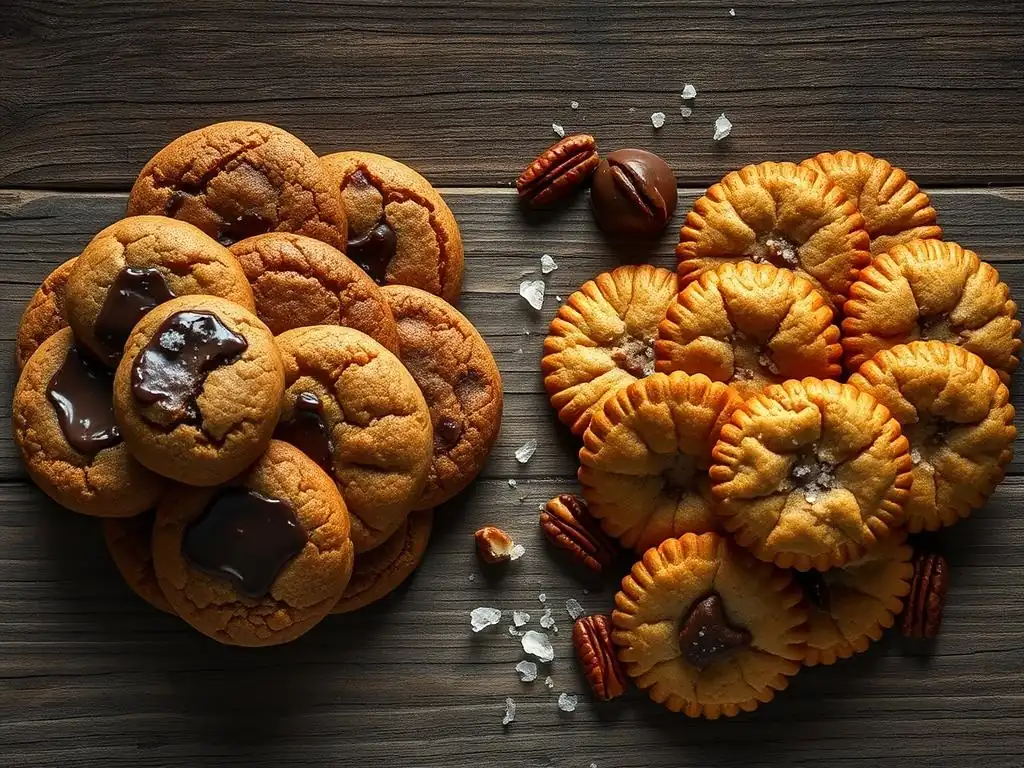
Welcome to BakeWithEase, where even the most ambitious baking dreams become delightfully achievable! Ever wondered how to unlock the secret to perfectly chewy crispy drop cookies? We're diving deep into the science and techniques that separate the perfectly chewy from the irresistibly crispy. Get ready to explore the simple tweaks that will transform your next batch and leave everyone begging for more. Let's bake!
- Mastering Cookie Texture: Chewy vs. Crispy Drop Cookies
- Introduction: Understanding Cookie Texture
- Achieving Chewy Drop Cookies
- Achieving Crispy Drop Cookies
- Chewy vs. Crispy: A Direct Comparison
- Troubleshooting Cookie Texture
- Expert Tips for Perfect Drop Cookies
- Conclusion: Achieving Drop Cookie Perfection
-
Frequently Asked Questions
- What's the main difference between chewy and crispy drop cookies?
- How can I make my drop cookies chewier?
- What ingredients contribute to crispy drop cookies?
- Can I make a batch of drop cookies that are both chewy and crispy?
- Does BakeWithEase.com offer recipes for both chewy and crispy drop cookies?
- Final Reflection: The Enduring Quest for the Perfect Cookie
- Unlock Your Perfect Cookie: Chewy or Crispy, Your Choice!
Baking drop cookies might seem straightforward – mix ingredients, drop onto a sheet, and bake. But achieving that perfect texture, whether you crave a wonderfully chewy center or a satisfyingly crispy edge, involves understanding the science behind the bake. It's not just about following a recipe; it's about manipulating ingredients and techniques to get exactly the kind of perfectly chewy crispy drop cookies you dream of. Let's dive into the fascinating world of cookie chemistry and learn how to control your cookie's destiny.
Cookie texture is a complex interplay of sugar type, fat state, flour protein content, moisture levels, and baking time and temperature. When you mix cookie dough, you're creating a matrix of these components. During baking, several transformations occur simultaneously: fats melt, sugars caramelize, proteins coagulate, starches gelatinize, and water evaporates. The degree to which each of these processes happens dictates whether your drop cookies end up chewy, crispy, soft, or cakey.
For instance, the amount and type of sugar significantly influence spread and crispness. Granulated sugar encourages more spread and contributes to a crispier texture upon cooling due to its larger crystal size and higher melting point compared to powdered sugar. Conversely, brown sugar, with its molasses content, adds moisture and acidity, resulting in a softer, chewier cookie that spreads less. Understanding these fundamental principles empowers you to tweak any drop cookie recipe to achieve your desired outcome, making you a master of perfectly textured drop cookies.
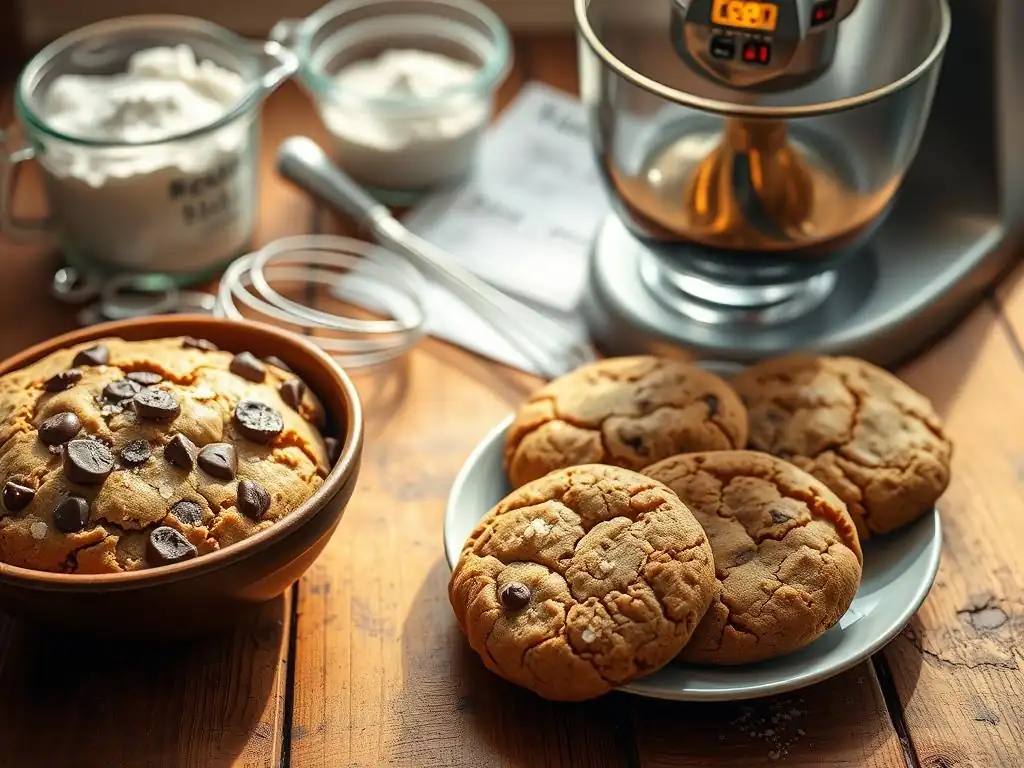
For many, the ideal drop cookie is one with a soft, pliable center and perhaps slightly firmer edges. Achieving this coveted chewy texture requires a strategic approach to ingredients and baking methods. It's about locking in moisture and controlling the cookie's spread and structure during the baking process.
Certain ingredients are cornerstones in the quest for perfectly chewy drop cookies. Their specific properties interact during baking to promote softness and retain moisture, preventing the cookie from becoming too dry or brittle. Using the right balance of these ingredients is crucial for success.
Brown Sugar's Role in Moisture Retention
Brown sugar is a superstar ingredient for chewy cookies, largely due to its molasses content. Molasses is hygroscopic, meaning it attracts and retains moisture from the air and the dough itself. This retained moisture keeps the baked cookie softer and more pliable over time compared to cookies made primarily with white sugar. A typical ratio for very chewy cookies might involve using significantly more brown sugar than granulated sugar, perhaps a 2:1 or even 3:1 brown sugar to white sugar ratio by weight.
Beyond moisture, the slight acidity in brown sugar can also affect protein development in the flour, contributing to a tender crumb. When aiming for those perfectly chewy drop cookies, prioritize recipes that lean heavily on brown sugar, or consider increasing the brown sugar amount in your favorite recipe while slightly reducing the white sugar, keeping the total sugar weight consistent.
The Impact of Cornstarch on Softness
While not a traditional ingredient in all cookie recipes, a small addition of cornstarch can work wonders for texture, particularly in creating soft, tender, and chewy cookies. Cornstarch inhibits gluten development in the flour, resulting in a more delicate structure that is less prone to becoming tough or cakey. It also contributes to a slightly softer bite.
Adding just a teaspoon or two of cornstarch per cup of flour in your drop cookie recipe can noticeably improve softness and chewiness. Think of it as a secret weapon for enhancing tenderness. This technique is particularly popular in recipes aiming for that "bakery-style" soft and chewy texture, providing a subtle but effective boost to the cookie's final consistency.
Melted Butter and Its Effect on Chewiness
The state of your butter when you cream it with sugar significantly impacts cookie texture. Using melted butter, rather than softened or cold butter, is a key technique for promoting chewiness and spread. Melted butter disperses more evenly throughout the dough and coats the flour particles, inhibiting gluten development. This leads to a more tender and less structured cookie.
Furthermore, cookies made with melted butter tend to spread more during baking. This increased spread results in thinner cookies, which can develop slightly crispier edges while retaining a soft, chewy center, creating a delightful textural contrast. Ensure the melted butter isn't hot when you mix it in; let it cool slightly to avoid scrambling the eggs in the dough.
Beyond ingredients, how you handle and bake the dough plays a critical role in determining whether your drop cookies turn out chewy. These techniques focus on controlling the rate of spread, moisture loss, and the internal structure of the cookie as it bakes.
Underbaking for a Soft Center
Perhaps the most crucial technique for achieving a chewy cookie is slightly underbaking. Cookies continue to cook from residual heat after they are removed from the oven. Pulling them out when the edges are just set and lightly golden, but the centers still look slightly soft or even a little underdone, allows them to finish cooking on the hot baking sheet.
This method prevents the center from drying out completely, preserving that desirable soft, pliable texture. If you wait until the entire cookie looks golden brown and fully set in the oven, you'll likely end up with a crispier cookie. Aim for about 8-10 minutes at 350°F (175°C) for standard-sized drop cookies, but watch the edges closely rather than relying solely on time.
Dough Chilling for Enhanced Flavor and Texture
Chilling cookie dough before baking is a step that many skip, but it's invaluable for improving both flavor and texture, especially for chewy cookies. As the dough chills, the fats solidify, which controls spread during baking. This results in slightly thicker cookies with a more concentrated flavor.
More importantly for chewiness, chilling allows the dry ingredients (like flour and sugar) to absorb moisture from the wet ingredients (like butter and eggs). This hydration process leads to a more evenly moist dough. Additionally, the flavors have time to meld and deepen. Chill your dough for at least 30 minutes, or ideally several hours or even up to 24-48 hours, for the best chewy results and richer flavor in your drop cookies.
If you have a favorite drop cookie recipe but want to make it chewier, you can make specific adjustments. These tweaks leverage the principles discussed earlier to shift the texture profile towards chewiness without completely overhauling the recipe. Experimentation is key to finding your perfect balance.
Consider the following modifications:
- Replace some or all of the granulated sugar with light or dark brown sugar. For instance, if a recipe calls for 1 cup granulated sugar and 1/2 cup brown sugar, try 1/4 cup granulated and 1 1/4 cups brown sugar.
- Use melted butter instead of softened butter. Ensure the total weight or volume of butter remains the same.
- Add 1-2 teaspoons of cornstarch per cup of flour in the recipe.
- Reduce the amount of all-purpose flour by a tablespoon or two, or substitute a small portion with bread flour, which has higher protein and absorbs more moisture, although this can sometimes lead to a slightly tougher texture if not balanced.
- Add an extra egg yolk, which adds fat and inhibits gluten, promoting tenderness and chewiness.
By implementing one or a combination of these adjustments, you can significantly enhance the chewiness of your drop cookies. Remember to make only one or two changes at a time when testing a recipe to understand the impact of each modification.
On the other end of the spectrum are crispy cookies – thin, crunchy, and often with a delightful snap. Achieving this texture is about promoting spread and reducing moisture content during baking. Ingredients and techniques that encourage the cookie to flatten and dry out slightly are your allies here.
Certain ingredients lend themselves well to creating a crispy texture in drop cookies. They influence how much the cookie spreads and how quickly it dries out in the oven. Understanding their roles helps in formulating or adjusting recipes for crispiness.
Granulated Sugar and its Effect on Spread
Granulated sugar is a primary driver of crispiness in cookies. Its larger crystal size takes longer to dissolve and melt compared to fine sugars. As it melts, it contributes to the cookie's spread. After baking, as the cookie cools, the dissolved sugar recrystallizes, forming a hard, brittle structure that gives the cookie its crispness. Using a higher proportion of granulated sugar compared to brown sugar is essential for crispy drop cookies.
A recipe aiming for crispiness might use equal parts granulated and brown sugar, or even more granulated sugar than brown sugar (e.g., 1 cup granulated to 1/2 cup brown). This higher ratio of granulated sugar promotes a wider spread and a crispier bite upon cooling.
The Role of All-Purpose Flour in Crispness
While flour provides structure, the way it interacts with other ingredients influences texture. Standard all-purpose flour, with its moderate protein content (around 10-12%), provides enough structure to hold the cookie together but not so much that it prevents spread, which is crucial for crispiness. Using too low-protein flour might result in cookies that spread too much and are overly fragile, while too high-protein flour (like bread flour) can lead to tougher, less crispy cookies.
The amount of flour also matters. Using slightly less flour relative to sugar and fat can encourage more spread, leading to a thinner, crispier cookie. Some recipes for crispy drop cookies might have a slightly lower flour-to-fat ratio than their chewy counterparts, promoting maximum spread during baking.
Cold Butter for Controlled Spreading
Using cold, firm butter, sometimes even cut into small pieces, and creaming it minimally with sugar is a technique that can contribute to crispiness, though it's more commonly associated with flaky pastries. However, in some crispy cookie recipes, using cold butter helps control the initial spread. As the cold butter melts slowly in the oven, it creates pockets of steam, which can contribute to a slightly more open, crisp structure.
While melted butter promotes spread and chewiness, cold, creamed butter incorporates air and creates a different kind of structure. For many crispy drop cookies, using softened but not melted butter and creaming it with sugar for an extended period incorporates air, which helps the cookie spread evenly and thin out, leading to crisp edges. The key is often the amount of creaming; less creaming with softened butter can limit air incorporation and promote more uniform spread for crispness.
The baking process is where the final transformation to crispiness occurs. Techniques here focus on maximizing spread and ensuring sufficient moisture evaporation to achieve that signature snap.
Higher Baking Temperatures for Rapid Spread
Baking crispy cookies often involves a slightly higher oven temperature than chewy ones, typically in the range of 375°F to 400°F (190°C to 200°C). The higher heat causes the butter to melt and the dough to spread more rapidly before the structure sets. This quick spread results in thinner cookies.
The rapid heat also helps to quickly evaporate moisture from the dough. While the edges crisp up quickly, the thinner profile allows the rest of the cookie to catch up and dry out sufficiently to become crispy throughout upon cooling. It's a balance of rapid spread and thorough dehydration.
Thinly Spreading Dough for Maximum Surface Area
While not always explicitly stated as a technique, ensuring the cookie dough spreads thinly on the baking sheet is inherent to crispiness. The goal is a low profile that maximizes the surface area exposed to the oven's heat, facilitating faster moisture evaporation.
Some recipes might instruct you to lightly flatten the dough balls before baking, or the dough consistency itself (often wetter or with more fat) might naturally lead to significant spread at higher temperatures. A thin cookie profile is key to achieving uniform crispness from edge to center.
Longer Baking Times for Dehydration
To achieve crispiness, cookies need to bake long enough for sufficient moisture to evaporate. This usually means baking until the cookies are golden brown across the entire surface, not just the edges. While chewy cookies are pulled when the centers are still soft, crispy cookies are baked until they look fully set and colored.
Depending on the size and thickness, this could mean baking for 12-15 minutes or even longer at 375°F (190°C). The goal is to drive out enough water that the cooled cookie is brittle and snaps when broken. Monitor closely to prevent burning, but don't be afraid to let them get deeply golden for maximum crispness.
If you want to make your existing drop cookie recipe crispier, here are targeted adjustments you can try. These changes aim to increase spread and reduce final moisture content.
Consider these modifications:
- Increase the proportion of granulated sugar relative to brown sugar. For example, if a recipe uses equal parts, try using more granulated sugar.
- Use softened butter and cream it less with the sugar, or use cold, cubed butter and cut it in.
- Increase the amount of granulated sugar slightly while keeping other ingredients proportional, or slightly reduce the flour.
- Use a leavener that promotes spread, like baking soda, and ensure there's an acidic ingredient (like brown sugar or buttermilk/yogurt if used) for it to react with fully.
- Add a tablespoon of milk or water to the dough; while seemingly counterintuitive, this can increase initial spread before evaporating.
Making these changes can help shift the texture of your drop cookies towards crispiness. As with chewy adjustments, change one or two variables at a time to see their specific effects on the perfectly chewy crispy drop cookies you are aiming for.
Chewy vs. Crispy: A Direct Comparison
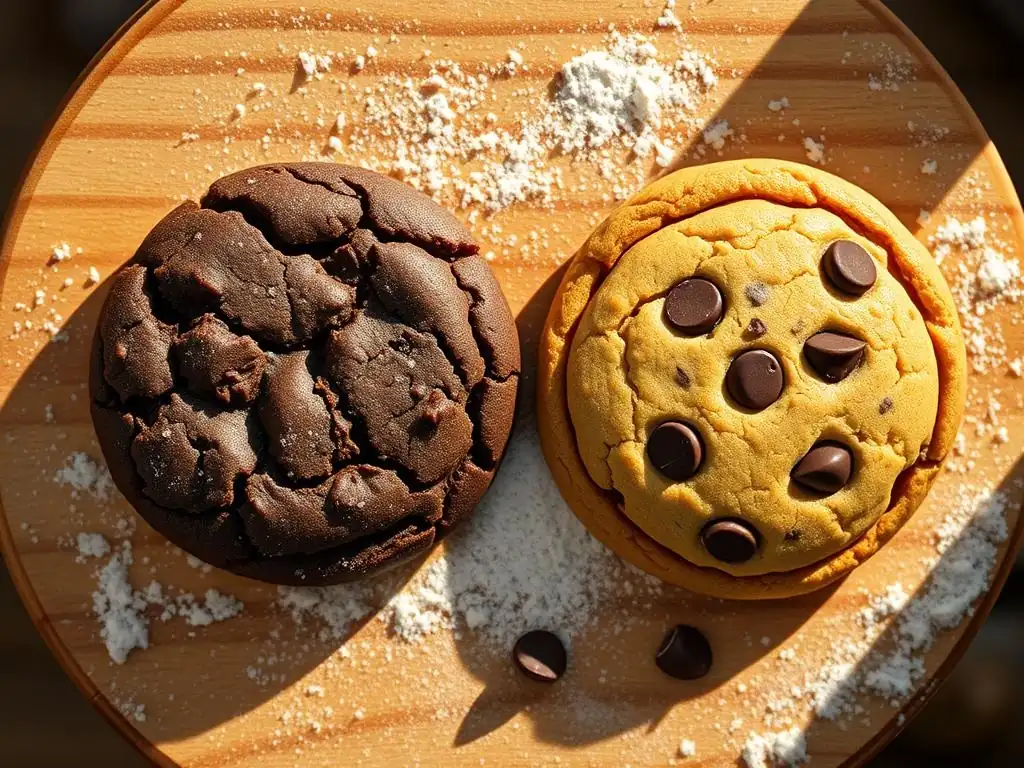
Understanding the individual factors is helpful, but seeing how they stack up against each other provides clarity on achieving perfectly chewy crispy drop cookies. The choices you make regarding sugar, baking time, and dough consistency are the primary determinants of the final texture.
Sugar Types and Their Impact on Texture
| Sugar Type | Primary Effect on Texture | Why it Works | Best For... |
|---|---|---|---|
| Granulated Sugar | Promotes Spread, Contributes to Crispness | Melts and recrystallizes into a brittle structure; aids in spreading. | Crispy Cookies |
| Brown Sugar | Adds Moisture, Promotes Chewiness and Softness | Molasses is hygroscopic, retaining moisture; slight acidity limits spread. | Chewy Cookies |
| Powdered Sugar | Adds Tenderness, Limits Spread (less common) | Very fine texture dissolves quickly, creates a tender crumb. | Tender/Soft Cookies |
Using a blend of sugars allows you to fine-tune the texture. A higher ratio of brown sugar to white sugar leans towards chewiness, while a higher ratio of white sugar to brown sugar favors crispiness and spread. The total amount of sugar also affects texture; more sugar generally leads to more spread and potentially crispier edges with a softer center, depending on other factors.
Baking Times and Their Effect on Outcome
Baking time is arguably the most critical factor you control during the bake itself. It directly impacts how much moisture is lost and how much the sugars caramelize and set.
- Shorter Baking Times: Result in less moisture evaporation. The centers remain softer and potentially undercooked when removed, leading to a chewy interior as they finish setting outside the oven.
- Longer Baking Times: Allow more moisture to evaporate. The cookie becomes drier and firmer throughout. Sugars caramelize more, contributing to a deeper color and a brittle, crispy texture upon cooling.
Monitoring your cookies closely and understanding the visual cues for being done for your desired texture is key. For perfect chewy cookies, look for edges just setting; for perfect crispy cookies, look for even golden brown color across the surface.
The consistency of your raw cookie dough provides clues about the final baked texture and is influenced by the ratio of wet to dry ingredients and the state of the fat.
- Wetter/Softer Dough: Often contains more liquid (from melted butter, extra egg yolk, higher brown sugar). This dough tends to spread more during baking, leading to thinner cookies that can be either chewy (if high in brown sugar and underbaked) or crispy (if high in white sugar and baked longer).
- Firmer/Stiffer Dough: Usually has less liquid or uses solid/cold fat. This dough spreads less, resulting in thicker cookies. Thicker cookies tend to stay softer and chewier in the center, especially if baked just until the edges set.
For example, a dough made with melted butter and a high brown sugar content will be softer and more likely to produce a chewy cookie when baked correctly. Conversely, a dough made with creamed softened butter, higher white sugar, and slightly more flour will be stiffer and, when baked longer at a higher temperature, will produce a crispier cookie.
Sometimes, despite your best efforts, your drop cookies don't turn out quite right. They might be cakey, too flat, or hard. Understanding common issues and their causes can help you diagnose and fix your baking mishaps, getting you closer to perfectly chewy crispy drop cookies.
Cakey cookies are often too thick, soft but not chewy, and lack spread. They have a crumb structure similar to cake.
- Causes:
- Too much flour: This is a common culprit, especially if measuring by volume (cups) inaccurately.
- Not enough fat or sugar: These ingredients promote spread and tenderness.
- Over-creaming butter and sugar: Incorporates too much air, leading to a cake-like rise.
- Using baking powder instead of or in addition to baking soda: Baking powder provides more lift upwards rather than outwards spread.
- Dough is too cold or not given enough time to soften slightly before baking.
- Solutions:
- Measure flour accurately, preferably by weight (
120-130gper cup). - Ensure the fat-to-sugar ratio is appropriate (often around 1:1 or slightly more sugar than fat by weight).
- Cream butter and sugar only until just combined and lightened, not for several minutes until fluffy.
- Use baking soda as the primary or only leavener, ensuring an acidic ingredient is present.
- Let chilled dough sit at room temperature for 10-15 minutes before scooping, or slightly flatten the dough balls before baking.
- Measure flour accurately, preferably by weight (
Flat cookies spread excessively thin, often becoming uniformly crispy or even brittle. While some desire a thin, crispy cookie, overly flat ones can be greasy and fragile.
- Causes:
- Too much fat, especially melted butter.
- Not enough flour: Dough is too wet.
- Too much sugar, particularly granulated sugar.
- Over-reliance on baking soda without sufficient acid to react fully, or too much leavener overall.
- Butter is too soft or melted when creamed.
- Baking on a hot baking sheet from a previous batch.
- Oven temperature is too low (causes slow spread before structure sets).
- Solutions:
- Reduce butter slightly, or ensure it's softened but not melted when creaming.
- Add a tablespoon or two of flour.
- Ensure the sugar ratio isn't excessively high, particularly granulated sugar.
- Check leavener amounts; ensure enough acid for baking soda.
- Chill the dough thoroughly (
at least 30 minutes). - Use cool baking sheets for each batch.
- Verify oven temperature with an oven thermometer.
Hard cookies are tough, dry, and lack tenderness. They might be crispy but unpleasantly so, or simply dense and firm.
- Causes:
- Overmixing the dough after adding flour: Develops too much gluten, leading to toughness.
- Too much flour.
- Not enough fat or sugar.
- Overbaking: Too much moisture is evaporated.
- Using too much protein-rich flour (like bread flour) without compensation.
- Improper storage, leading to drying out.
- Solutions:
- Mix flour in just until combined, using low speed or mixing by hand for the final additions.
- Measure flour accurately.
- Ensure recipe ratios for fat and sugar are balanced.
- Underbake slightly for chewy cookies, or bake just until golden for crispy ones – avoid baking until dark brown or hard on the sheet.
- Store cooled cookies in an airtight container; for chewy cookies, adding a piece of bread can help maintain moisture.
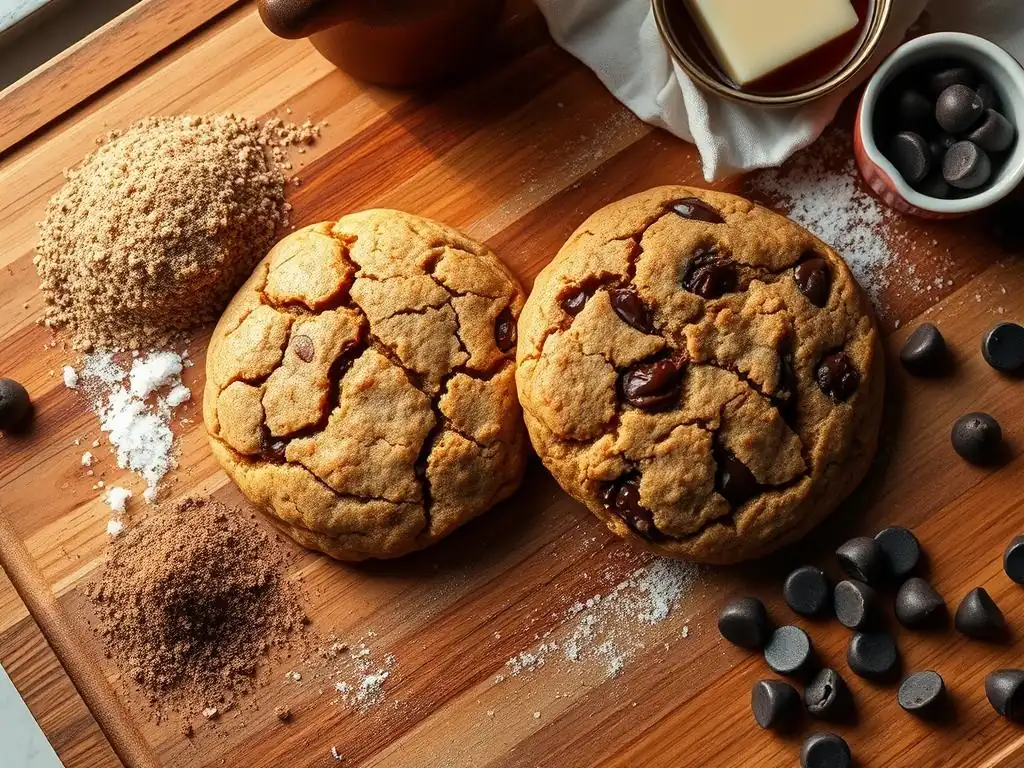
Achieving consistently great drop cookies, whether perfectly chewy crispy drop cookies or specifically one texture, involves attention to detail throughout the process. Small things can make a big difference.
Accurate Ingredient Measurement
Baking is a science, and precision matters. Using kitchen scales to weigh ingredients, especially flour, sugar, and butter, is far more accurate than using volume measurements (cups). A cup of flour can vary significantly in weight depending on how packed it is.
For example, a US cup of all-purpose flour is typically cited as 120-130 grams. If you scoop directly from the bag, you might get 150+ grams, leading to a dry, cakey, or hard cookie. Weighing ensures you use the exact amount intended by the recipe creator, leading to more predictable results every time you bake drop cookies.
Parchment Paper for Even Baking
Using parchment paper or silicone baking mats is highly recommended for baking drop cookies. They prevent sticking, making transfer easy, but they also promote more even heat distribution.
Parchment paper creates a barrier between the hot baking sheet and the cookie dough. This helps prevent the bottoms from browning or burning too quickly before the rest of the cookie is done. It contributes to a more uniform texture and bake across the entire batch, whether you're aiming for chewy or crispy.
Cooling Techniques for Optimal Texture
How you cool your cookies impacts their final texture.
- For chewy cookies: Leave them on the hot baking sheet for 5-10 minutes after removing from the oven. This allows the residual heat to finish cooking the centers gently, resulting in that soft, pliable texture. Then transfer to a wire rack to cool completely.
- For crispy cookies: Transfer them to a wire rack within a minute or two of removing them from the oven. This stops the cooking process quickly and allows air circulation around the cookie, promoting faster cooling and drying out, which is essential for crispness.
Proper cooling helps set the structure and texture you've worked hard to achieve during mixing and baking.
Mastering drop cookie texture is a rewarding journey for any baker. It moves beyond simply following instructions to understanding the 'why' behind each ingredient and step. Whether your ideal is a soft, gooey center with slightly set edges or a uniformly thin and crunchy bite, the power to create perfectly chewy crispy drop cookies is in your hands.
Remember that each recipe is a starting point. By understanding the roles of sugar types, fat states, flour, leaveners, and the crucial impact of baking time and temperature, you can confidently adjust recipes or troubleshoot issues. Don't be afraid to experiment! Try making half a batch with one tweak (e.g., more brown sugar) and the other half with another (e.g., melted butter) to see the direct results. Keep notes on what works and what doesn't.
Achieving perfectly chewy crispy drop cookies consistently comes down to:
- Accurate measurement, preferably by weight.
- Choosing the right sugar ratio (more brown for chewy, more white for crispy).
- Controlling the state of the butter (melted/soft for chewiness, softened/cold for crispness).
- Monitoring baking time closely and understanding when to pull cookies based on desired texture.
- Using techniques like chilling dough for chewiness or slightly higher temps for crispiness.
- Troubleshooting common issues by identifying the likely cause (too much flour, overbaking, etc. ).
With practice and attention to these details, you'll be well on your way to becoming a true cookie expert, able to whip up a batch of perfectly textured drop cookies on demand. Happy baking!
Frequently Asked Questions
The main difference lies in the moisture content and sugar type used. Chewier cookies tend to have more moisture and use brown sugar, while crispy cookies have less moisture and often use granulated sugar.
To achieve a chewier texture, use more brown sugar than granulated sugar. Also, underbake them slightly to keep the center soft and moist.
Using granulated sugar, melted butter, and less liquid will result in a crispy cookie. Baking them longer at a slightly lower temperature also helps.
It's difficult to achieve both textures in the same cookie. However, you can experiment with a recipe that balances ingredients to create a cookie with crispy edges and a slightly chewy center.
Yes, BakeWithEase.com provides step-by-step guides and easy-to-find ingredients for a variety of drop cookie recipes, including both chewy and crispy versions.
The pursuit of the perfectly chewy yet crispy drop cookie transcends mere baking; it's a testament to our desire for culinary balance and the enduring power of texture. This article explored the delicate interplay of ingredients and baking techniques that determine whether your cookies emerge delightfully chewy, satisfyingly crisp, or, ideally, a harmonious blend of both. Understanding these nuances is key to unlocking consistent baking success, no matter your skill level.
The quest for the perfect cookie speaks to a deeper human desire for comfort and satisfaction. It's a simple pleasure that connects us to our heritage and allows for creative expression. A cookie is a little bit of happiness you can hold in your hand.
This sentiment perfectly encapsulates the joy and emotional connection we often associate with baking and, more specifically, achieving that ideal cookie texture. The journey, with its occasional burnt edges and slightly underbaked centers, is as much a part of the experience as the final, delicious result.
Now, armed with the knowledge gleaned from this exploration of sugar, butter, and baking powder, I challenge you to embark on your own cookie-baking adventure. Don't be afraid to experiment, to tweak the ratios, and to embrace the occasional imperfection. The true reward lies not just in the perfectly chewy, perfectly crispy cookie, but in the process of creation itself, and the satisfaction of sharing your delicious creations with those you love. So, preheat your oven, gather your ingredients, and let the baking begin!
Thanks for taking the time to explore the wonderful world of drop cookies with us! We hope you've gained valuable insights into achieving the perfect texture. Now it's time to put your newfound knowledge into action.
- Bake your dream cookies today! Experiment with the techniques discussed, tweaking the ratios to find your ideal chewy-crispy balance. Don't be afraid to get creative!
- Share your cookie creations! Show us your baking triumphs (or even your delicious failures – we learn from those too!) on social media using #BakeWithEaseCookieChallenge.
- Consider trying a completely new cookie recipe from our site, using what you've learned to perfect it.
Ready to transform your baking game and conquer the chewy vs. crispy cookie debate once and for all?