
Your Guide to Fluffy, Fast Quick Breads (Beginner Edition)

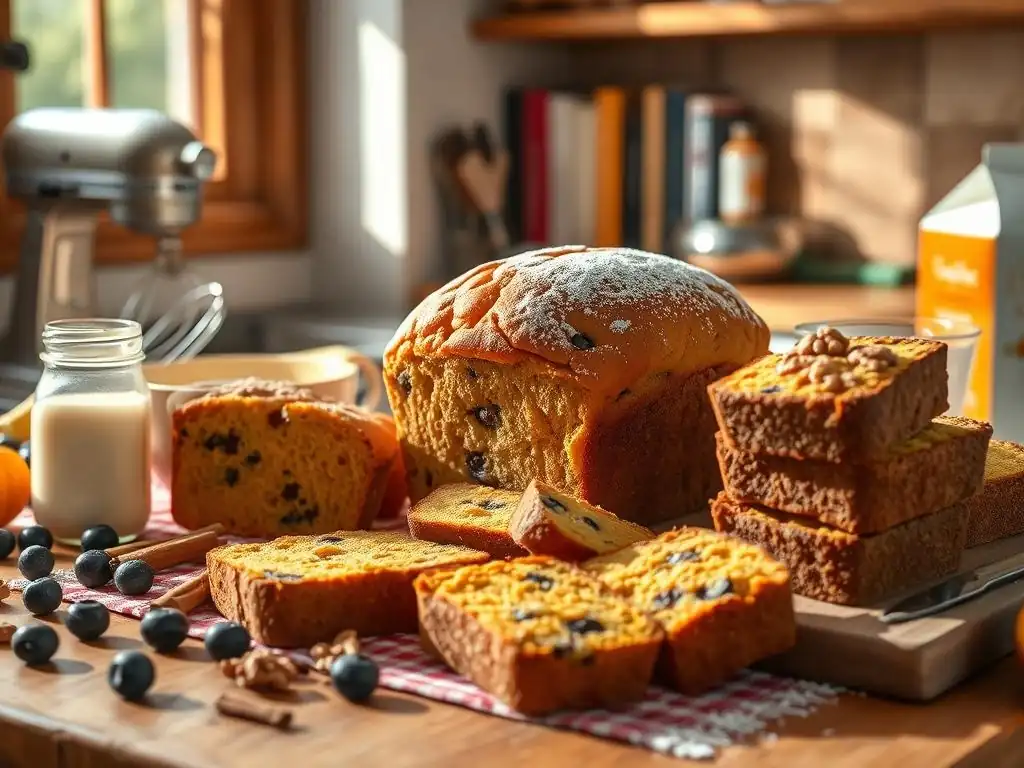
Welcome to BakeWithEase, your kitchen companion for conquering the world of baking!
Ever dreamt of biting into a warm, homemade loaf but felt intimidated by yeast and long rising times? Dream no more! This guide unlocks the secrets to easy quick bread recipes, transforming simple ingredients into bakery-worthy delights in a flash. Intrigued by how quickly you can whip up a delicious treat? Keep reading to discover the joy of effortless baking, perfect for busy weeknights or a delightful weekend brunch.
- Your Guide to Delicious & Easy Quick Breads (Beginner Edition)
- Introduction to Quick Bread Baking
- Mastering the Fundamentals: Essential Quick Bread Ingredients
- Step-by-Step: Baking Your First Quick Bread
- Beginner-Friendly Quick Bread Recipes: Get Baking!
- Troubleshooting Your Quick Breads: Common Problems and Solutions
- Leveling Up Your Quick Bread Baking
- Conclusion: Enjoy the Simplicity and Flavor of Quick Breads
-
Frequently Asked Questions
- What exactly are quick breads, and why are they called that?
- Are quick bread recipes suitable for baking beginners?
- What are some common ingredients found in easy quick bread recipes?
- Can I substitute ingredients in quick bread recipes, and if so, what are some good options?
- How do I ensure my quick bread turns out fluffy and not dense?
- Final Reflection: The Joy of Effortless Baking
- Unleash Your Inner Baker: Fluffy Quick Breads Await!
Your Guide to Delicious & Easy Quick Breads (Beginner Edition)
Introduction to Quick Bread Baking
Quick breads are a fantastic entry point into the world of baking. Unlike yeast breads, which require kneading and rising time, quick breads live up to their name by relying on chemical leavening agents for lift. This means you can go from mixing bowl to oven much faster, making them perfect for a spontaneous baking craving or a busy schedule. Think muffins, scones, banana bread, and more – all part of the delightful family of easy quick bread recipes.
Learning how to make easy quick bread recipes opens up a world of possibilities. You can bake fresh, warm treats for breakfast, snacks, or dessert with minimal fuss. The forgiving nature of many quick bread batters also makes them ideal for beginners to build confidence in the kitchen before tackling more complex baking projects that involve yeast or intricate pastry techniques.
What Makes Quick Bread "Quick"? Understanding Chemical Leavening
The speed of quick breads comes directly from their leavening. Instead of relying on the slow process of yeast fermentation to produce carbon dioxide gas, quick breads use chemical reactions that happen much faster. The two primary players are baking soda and baking powder.
Baking soda requires an acid (like buttermilk, yogurt, or brown sugar) to react and produce gas. Baking powder, on the other hand, is a complete leavening agent containing both an acid and a base, often with a double-acting property that causes it to produce gas when mixed with liquid and again when heated in the oven.
This rapid gas production is key. When you mix the wet and dry ingredients in a quick bread batter, the leavening agents start reacting immediately (or upon heating, for the second action of double-acting baking powder). The carbon dioxide gas gets trapped within the batter's structure, creating bubbles that expand as the bread bakes. This expansion is what causes the bread to rise quickly and achieve a light, airy texture, eliminating the need for hours of proofing required for traditional yeast-leavened loaves.
Why Quick Breads are Perfect for New Bakers
Quick breads offer a high reward for relatively low effort, making them exceptionally encouraging for novice bakers. The mixing process is typically straightforward – combine dry ingredients, combine wet ingredients, then mix them together briefly. There's no complex kneading required, reducing the chance of developing tough gluten structures that can plague beginner yeast bread attempts. Plus, the ingredients are common pantry staples, easily accessible for anyone wanting to try their hand at easy quick bread recipes.
Furthermore, the visual cues for success are quite clear: the batter comes together easily, it bakes into a recognizable shape (loaf, muffin, scone), and the doneness is usually indicated by a golden-brown color and a simple skewer test. Even if a quick bread isn't absolutely perfect on the first try (perhaps slightly dense or a bit dry), it's often still quite edible and enjoyable, which helps build confidence and encourages continued practice. Mastering a few easy quick bread recipes provides a solid foundation for understanding basic baking principles like measuring accurately, mixing gently, and controlling oven temperature.
Mastering the Fundamentals: Essential Quick Bread Ingredients
Understanding the role each ingredient plays is crucial for consistent results when baking easy quick bread recipes. While recipes vary, most quick breads share a common set of core components that work together to create structure, flavor, and texture. Getting familiar with these basics will help you troubleshoot and even start experimenting later on.
From the type of flour providing the framework to the leavening agents giving it lift, each ingredient has a specific job. The right balance is essential. Too much flour can make it dry; too little leavening can result in a dense crumb. Learning about these building blocks is the first step to successful quick bread baking.
Flour Selection: All-Purpose vs. Other Flour Types
All-purpose flour is the workhorse of easy quick bread recipes, and for good reason. It has a moderate protein content (typically around 10-12%) which develops just enough gluten to provide structure without making the bread tough, especially since quick breads are mixed minimally. This versatility makes it suitable for a wide range of quick bread types, from tender muffins to slightly denser loaves.
While all-purpose flour is standard, other flours can be used, though they often require recipe adjustments. Whole wheat flour, for example, has a higher protein content and absorbs more liquid, often resulting in a denser, heartier texture. Using a blend of whole wheat and all-purpose flour (perhaps 50/50) can give you some whole-grain goodness without sacrificing too much tenderness. Cake flour, with its lower protein (around 7-9%), would yield a very tender, almost crumbly quick bread, suitable for delicate muffins or cakes but perhaps lacking structure for a loaf.
Leavening Agents: Baking Powder and Baking Soda Explained
Baking powder is the most common leavening agent in many easy quick bread recipes. Most commercially available baking powders are "double-acting," meaning they produce carbon dioxide gas in two phases. The first release happens when the dry powder is mixed with liquid, providing initial lift. The second, more significant release occurs when the batter is heated in the oven, causing the quick bread to rise dramatically during baking. A standard rule of thumb is to use about 1 to 1 1/2 teaspoons of double-acting baking powder per cup of flour for adequate leavening.
Baking soda (sodium bicarbonate) is another powerful leavening agent, but it requires an acid to activate and release carbon dioxide gas. Recipes using baking soda often contain acidic ingredients like buttermilk, yogurt, sour cream, molasses, brown sugar, or even fruit purees like banana or pumpkin. Baking soda reacts instantly and vigorously when combined with acid and liquid, so batters using it often need to be baked immediately after mixing to capture all the gas. Using baking soda without enough acid, or vice versa, will result in poor leavening and a dense quick bread.
Sweeteners: Sugar, Honey, and Molasses in Quick Breads
Sugar does more than just sweeten quick breads; it plays a vital role in texture and moisture. Granulated sugar helps tenderize the crumb by interfering with gluten development and adds to the browning of the crust through caramelization. It also attracts and holds moisture, contributing to a moist, soft texture. The amount of sugar significantly impacts the final product – too little can result in a dry, tough bread, while too much can make it excessively moist and potentially collapse.
Other sweeteners like brown sugar, honey, and molasses add distinct flavors and contribute differently to texture. Brown sugar contains molasses, adding moisture and a slightly chewier texture. Honey and molasses are liquid sweeteners that add significant moisture, density, and unique flavors. When substituting liquid sweeteners for granulated sugar in easy quick bread recipes, you often need to reduce the amount of other liquids in the recipe to maintain the correct batter consistency. For instance, replacing 1 cup of sugar might require reducing liquid by about 1/4 cup when using honey or molasses.
Wet Ingredients: The Role of Milk, Eggs, and Oil
Wet ingredients bind the quick bread batter together, activate the leavening agents, and contribute significantly to the final texture and richness. Milk, buttermilk, yogurt, or sour cream provide liquid necessary for the chemical reactions and help distribute other ingredients evenly. Buttermilk and yogurt, being acidic, are particularly important when baking soda is used as a leavener, as discussed earlier. The type of liquid (dairy, non-dairy milk, or even water) can slightly alter the flavor and richness.
Eggs serve multiple purposes: they bind the ingredients, add richness and flavor, and contribute to leavening and structure. The protein in eggs helps set the quick bread as it bakes, providing stability. Fats like vegetable oil, melted butter, or even applesauce (as a fat substitute) tenderize the crumb, add moisture, and enhance flavor. Oil tends to make quick breads very moist and tender, while butter adds a rich flavor but can result in a slightly denser crumb if not creamed properly or if the quick bread is overmixed.
Step-by-Step: Baking Your First Quick Bread
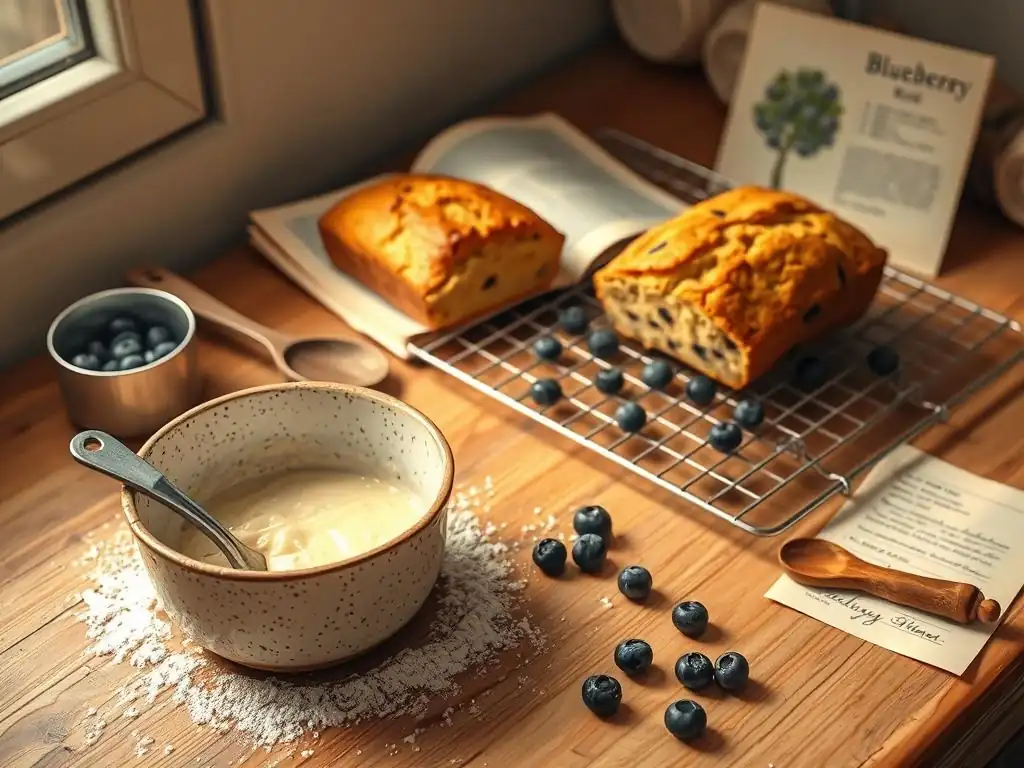
Ready to dive in? Baking your first quick bread is an exciting step. The process is generally straightforward, involving simple mixing and baking. Following a reliable recipe and understanding the basic steps will set you up for success. This guide will walk you through the typical flow, from choosing your recipe to cooling your delicious creation.
Don't be intimidated! Easy quick bread recipes are designed to be forgiving. Pay attention to measurements and mixing, and you'll likely end up with a wonderful result. Let's break down the process into manageable steps.
Recipe Selection: Choosing a Beginner-Friendly Recipe
When starting out, look for easy quick bread recipes specifically labeled for beginners. Classic choices include banana bread, simple muffin recipes (like blueberry or chocolate chip), or basic zucchini bread. These recipes typically use common ingredients and straightforward mixing methods (often the muffin method, where wet and dry ingredients are mixed separately then combined briefly).
- Look for recipes with clear, concise instructions.
- Check ingredient lists for items you already have or can easily find.
- Start with recipes that use common leavening agents like baking powder.
- Avoid recipes that require complex techniques or unusual ingredients for your very first attempt.
A good beginner recipe might call for 1 1/2 to 2 cups of flour, standard sugar, eggs, milk or buttermilk, oil or melted butter, and baking powder, perhaps with some baking soda if an acidic ingredient is present. Simple flavorings like vanilla extract or cinnamon are also common and easy to handle.
Preparing Your Equipment: Pans, Measuring Tools, and More
Having the right tools ready before you start mixing is essential for a smooth baking process. You'll need mixing bowls (at least one large one), measuring cups (both dry and liquid), measuring spoons, a whisk, a rubber spatula or wooden spoon for mixing, and the appropriate baking pan(s).
Consider this basic checklist:
- [ ] Loaf pan(s) (standard 9x5 inch is common) OR Muffin tin(s) OR Square/Round cake pan
- [ ] Large mixing bowl
- [ ] Medium mixing bowl (for wet ingredients)
- [ ] Dry measuring cups (for flour, sugar, etc.)
- [ ] Liquid measuring cup (for milk, oil, etc.)
- [ ] Measuring spoons
- [ ] Whisk
- [ ] Rubber spatula or wooden spoon
- [ ] Wire cooling rack
- [ ] Parchment paper or baking spray/grease and flour for pan prep
Greasing and potentially flouring your pan(s) is a critical step to prevent sticking. For loaf pans, lining with parchment paper (leaving some overhang) is a popular method that makes removal very easy. Muffin tins often just need a good spray or paper liners.
Mixing Techniques: Avoiding Overmixing for Tender Results
The most crucial technique in easy quick bread recipes for achieving a tender crumb is gentle mixing. Quick bread batters use chemical leavening, and their structure comes from minimal gluten development. Gluten develops when flour is mixed with liquid, and the more you mix or knead, the tougher the gluten network becomes. Unlike yeast breads where gluten is desired, too much gluten in a quick bread results in a dense, tough texture.
The standard approach is the "muffin method": whisk together all dry ingredients in one bowl, whisk together all wet ingredients in another bowl, then pour the wet ingredients into the dry ingredients. Mix just until the dry ingredients are moistened. A few lumps are perfectly fine and even desirable; they will disappear during baking. Typically, this takes no more than 10-15 gentle stirs with a spatula or spoon. Overmixing activates too much gluten and results in tunnels or a tough texture.
// Pseudocode for the Muffin Method
Combine Dry Ingredients:
  Flour
  Sugar
  Baking Powder/Soda
  Salt
  (Spices, etc.)
  Whisk thoroughly

Combine Wet Ingredients:
  Eggs
  Milk/Buttermilk
  Oil/Melted Butter
  Vanilla Extract
  (Liquid sweeteners, etc.)
  Whisk until combined

Combine Wet and Dry:
  Pour wet into dry
  Mix gently with spatula or spoon
  STOP when *just* combined
  (Lumps are okay!)
Baking Time and Temperature: Achieving a Golden-Brown Finish
Accurate oven temperature and correct baking time are vital for quick breads to rise properly and cook through without burning. Most easy quick bread recipes bake in a moderate oven, typically between 325°F (160°C) and 375°F (190°C), depending on the size and type of bread. Loaf breads usually bake at a slightly lower temperature (like 325-350°F) for a longer time to ensure the center cooks before the outside burns, while muffins often bake at a higher temperature (375-400°F) for a shorter time to get a good dome.
Baking time varies significantly based on the pan size and oven calibration. A standard 9x5 inch loaf of banana bread might take 50-65 minutes at 350°F (175°C), while muffins might take only 18-25 minutes at 375°F (190°C). The best way to check for doneness is to insert a wooden skewer, toothpick, or cake tester into the thickest part of the quick bread (the center of a loaf or the center of a muffin).
If it comes out clean or with just a few moist crumbs attached (no wet batter), it's done. The top should also be golden-brown and spring back slightly when gently pressed.
Cooling and Storing Your Baked Quick Bread
Proper cooling is just as important as baking! Once your quick bread is out of the oven, let it sit in the pan for 10-15 minutes. This allows the structure to set slightly as it cools and makes it easier to remove from the pan without breaking. Attempting to remove it too soon can lead to the bread collapsing or sticking.
After the initial cooling in the pan, carefully remove the quick bread and transfer it to a wire cooling rack to cool completely. A wire rack allows air to circulate around all sides, preventing the bottom from getting soggy from trapped steam. Quick breads sliced while still warm can sometimes be gummy.
For best texture, especially for loaves, allow them to cool fully, which can take 1-2 hours for a standard loaf. Once completely cool, store quick breads at room temperature, wrapped tightly in plastic wrap or placed in an airtight container, for 2-4 days. For longer storage, quick breads freeze beautifully; wrap tightly and freeze for up to 2-3 months.
Beginner-Friendly Quick Bread Recipes: Get Baking!
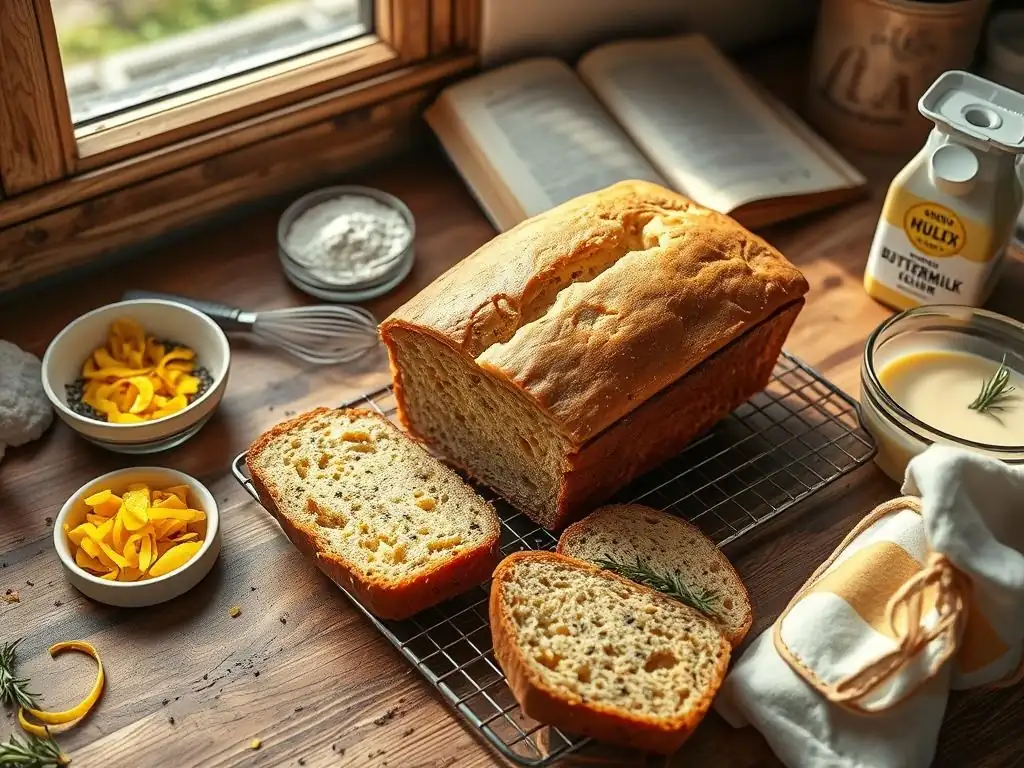
Now that you understand the fundamentals, let's explore some classic easy quick bread recipes perfect for your first baking adventures. These recipes are popular for a reason – they are delicious, relatively simple, and forgiving. Mastering one or two of these will give you the confidence to try variations and other quick bread types.
Each of these offers a slightly different texture and flavor profile but shares the common characteristic of being quick to prepare and bake compared to yeast breads. They are perfect examples of why easy quick bread recipes are a great starting point for any new baker.
Classic Banana Bread: A Simple, Moist Recipe
Banana bread is arguably the most iconic quick bread, beloved for its moist texture and sweet, comforting flavor. It's a fantastic recipe for beginners because it uses readily available ingredients and is quite forgiving, especially if you use very ripe (spotted or even brown) bananas, which add natural sweetness and moisture.
A typical recipe might use 2-3 mashed ripe bananas, about 1 3/4 cups of flour, 1 teaspoon of baking soda (activated by the acidic bananas and brown sugar), 1/2 teaspoon of baking powder for extra lift, sugar (often a mix of white and brown), an egg, melted butter or oil, and vanilla extract.
The key to moist banana bread lies in those ripe bananas and not overmixing the batter. The natural sugars in ripe bananas also contribute to a lovely brown crust. Baking a standard loaf usually takes about 50-60 minutes at 350°F (175°C). Allowing the loaf to cool properly before slicing is important for the best texture. Many variations exist, from adding nuts (like walnuts or pecans) to chocolate chips, making it easy to customize once you've mastered the basic version.
Easy Blueberry Muffins: Bursting with Flavor
Muffins are essentially individual-sized quick breads baked in a muffin tin, and blueberry muffins are a perennial favorite. They are wonderfully easy quick bread recipes, often using the straightforward muffin method of mixing. A typical recipe might call for about 1 1/2 to 2 cups of flour, 1/2 cup sugar, 2 teaspoons baking powder, 1/4 teaspoon salt, 1 egg, 1 cup milk, and 1/4 cup melted butter or oil, plus 1 to 1 1/2 cups of fresh or frozen blueberries.
To prevent blueberries from sinking to the bottom, you can toss them with a tablespoon or two of flour before adding them to the batter. Muffins bake relatively quickly at a slightly higher temperature, often 375-400°F (190-200°C), for about 18-25 minutes, until a toothpick inserted into the center comes out clean. The result is a light, fluffy muffin studded with juicy berries – a perfect illustration of how easy quick bread recipes can yield impressive results.
Simple Zucchini Bread: A Garden-Fresh Delight
Zucchini bread is a clever way to use up excess summer squash and creates a surprisingly moist and tender quick bread. Don't worry, you won't taste the zucchini; it primarily adds moisture. This is another excellent example of easy quick bread recipes suitable for beginners. A common recipe uses about 1 1/2 to 2 cups of grated zucchini (excess moisture squeezed out), around 1 3/4 cups flour, 1 teaspoon baking soda, 1/2 teaspoon baking powder, cinnamon and other spices, sugar, eggs, and oil.
The grated zucchini blends into the batter, adding moisture without making it watery, provided you squeeze out extra liquid. Spices like cinnamon, nutmeg, and sometimes cloves pair beautifully with the subtle flavor base. Baking time is similar to banana bread, typically 50-60 minutes at 350°F (175°C) for a loaf. Zucchini bread is often enjoyed plain, but it's also lovely with a simple glaze or cream cheese frosting.
Pumpkin Bread: A Fall Favorite
Pumpkin bread is a classic autumn quick bread, moist and fragrant with warm spices. It's a simple and satisfying bake, making it a great addition to your repertoire of easy quick bread recipes. Canned pumpkin puree is the key ingredient, providing moisture and flavor. A standard recipe might include about 1 1/2 cups of pumpkin puree, around 2 cups of flour, 1 teaspoon baking soda, 1/2 teaspoon baking powder, a generous amount of spices (cinnamon, nutmeg, ginger, cloves), sugar (often brown sugar for moisture), eggs, and oil or melted butter.
The high moisture content from the pumpkin puree helps ensure a tender crumb. The blend of spices gives it its signature autumnal aroma and taste. Like other quick bread loaves, pumpkin bread typically bakes at 350°F (175°C) for about 50-65 minutes. It pairs wonderfully with a cup of coffee or tea and is often enhanced by adding chocolate chips or chopped nuts to the batter.
Troubleshooting Your Quick Breads: Common Problems and Solutions
Even with easy quick bread recipes, sometimes things don't turn out exactly as planned. Don't get discouraged! Baking is a science, and understanding common issues can help you identify what went wrong and improve for next time. Most problems with quick breads relate to texture (dense or dry), appearance (uneven rise, burnt crust), or doneness.
Identifying the symptom is the first step. Is your quick bread too heavy? Is the outside done but the inside raw? Let's look at some frequent culprits and how to fix them in your future baking endeavors.
Dense Quick Breads: Causes and Corrections
A dense, heavy quick bread is one of the most common issues for beginners. The primary cause is almost always overmixing the batter. As discussed earlier, overmixing develops too much gluten, leading to a tough, dense texture instead of a light, tender one. Another potential cause is using too little leavening agent (baking powder or baking soda, or expired leavening that is no longer active) or not having enough acid to activate the baking soda.
To correct this:
- Mix Gently: Remember the muffin method: mix just until the dry ingredients are combined. A few lumps are okay.
- Check Leavening: Ensure your baking powder and baking soda are fresh. Test baking powder by adding a teaspoon to hot water – it should bubble vigorously. Test baking soda by adding a teaspoon to a few tablespoons of vinegar – it should bubble vigorously. If they don't, replace them.
- Accurate Measurement: Double-check that you used the correct amount of leavening specified in the easy quick bread recipes. Using too little will result in poor rise and density.
Dry Quick Breads: Maintaining Moisture Balance
Dry quick bread can result from several factors, often related to the balance of wet and dry ingredients or baking time. Common causes include using too much flour, not using enough liquid or fat, overbaking, or inaccurate ingredient measurements (especially flour). Flour measurement is critical; scooping flour directly from the bag can compact it, leading to using more than intended.
To correct this:
- Measure Flour Correctly: Use the "spoon and level" method. Lightly spoon flour into your dry measuring cup until it overflows, then level off the excess with a straight edge (like a knife). Do not scoop directly from the bag.
- Ensure Adequate Wet/Fat Ingredients: Make sure you've used the specified amount of liquids (milk, eggs, etc.) and fats (oil, butter). These are crucial for moisture.
- Avoid Overbaking: Use the skewer test to check for doneness (comes out clean or with moist crumbs). Start checking a few minutes before the recipe's minimum baking time. Ovens can vary, so rely on the skewer test more than just the clock.
- Use Ripe Fruits/Veggies: For recipes like banana or zucchini bread, ensure the fruits/vegetables are ripe and moist as specified.
Uneven Baking: Ensuring Consistent Results
Uneven baking, where one part of the quick bread is done or even burnt while another part is undercooked, can be frustrating. This is often caused by an uneven oven temperature, placing the pan incorrectly in the oven, or using a pan that is too dark or too light for the recipe's specified temperature. Hot spots are common in many ovens.
To correct this:
- Calibrate Oven (If Possible): If you suspect your oven temperature is off, an oven thermometer can confirm this. Adjust the oven temperature setting accordingly.
- Rotate Pan: Halfway through the baking time, carefully rotate the quick bread pan 180 degrees in the oven. This helps ensure even heat distribution.
- Use Proper Pan: Light-colored metal pans generally result in more even browning than dark metal pans, which absorb more heat and can cause the edges or bottom to over-brown before the center is done. Glass pans also retain heat differently and may require a temperature adjustment (often reducing the temperature by 25°F / 15°C).
- Position Pan Correctly: Place the quick bread on the center rack of the oven for the most consistent heat distribution.
Over-Browning: Preventing Burnt Quick Breads
Over-browning of the crust, especially the top, can happen if the oven temperature is too high, the quick bread bakes for too long, or if there's too much sugar in the recipe (sugar promotes browning). Dark pans can also contribute to the bottom and sides browning too quickly.
To correct this:
- Check Oven Temperature: Again, an oven thermometer is useful. Ensure your oven isn't running hotter than the recipe specifies.
- Adjust Baking Time: Start checking for doneness earlier than the recipe suggests, especially if your oven tends to run hot.
- Tent with Foil: If the top starts browning too much before the inside is done, loosely tent the pan with aluminum foil. This shields the top from direct heat while allowing the inside to continue baking.
- Use Proper Pan: Switch to a lighter-colored metal pan if dark pans are causing consistent over-browning on the bottom or sides.
Leveling Up Your Quick Bread Baking
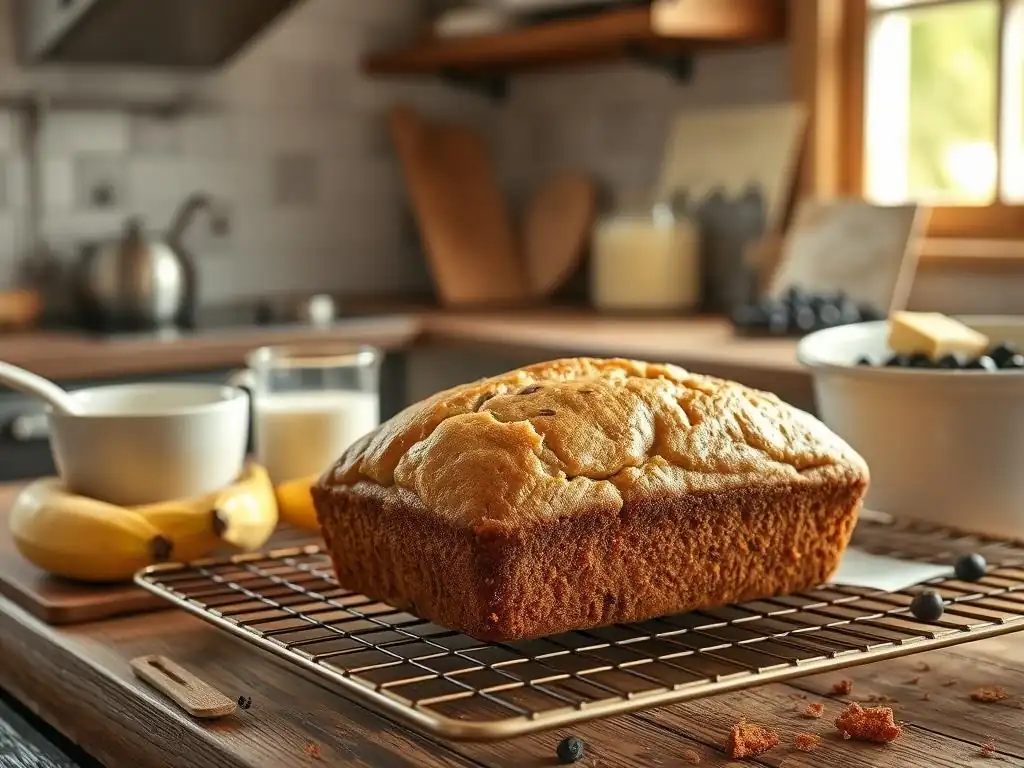
Once you've mastered a few easy quick bread recipes and feel comfortable with the basic techniques, you can start exploring ways to add variety and personalize your bakes. Quick breads are incredibly adaptable, offering endless possibilities for flavor combinations and textures. This is where you can really make these easy quick bread recipes your own!
Adding mix-ins, experimenting with extracts and spices, and creating simple glazes or toppings are all simple ways to elevate your quick bread game without resorting to complicated methods. Let's look at some ways to enhance your delicious creations.
Adding Mix-Ins: Nuts, Chocolate, and Fruit
Incorporating mix-ins is one of the easiest ways to change the flavor and texture of easy quick bread recipes. Common additions include chopped nuts (walnuts, pecans, almonds), chocolate chips (semi-sweet, dark, white), dried fruits (cranberries, raisins, chopped apricots), or fresh fruits (berries, chopped apples).
A general guideline is to add about 1/2 cup to 1 cup of mix-ins per standard loaf or batch of 12 muffins.
- Preparation: Chop larger items like nuts or dried fruit into bite-sized pieces.
- Prevent Sinking: To help prevent heavier mix-ins (like chocolate chips or nuts) from sinking to the bottom, toss them with a tablespoon or two of the dry flour mixture before combining the wet and dry ingredients.
- Gentle Folding: Add the mix-ins at the very end of the mixing process, gently folding them in with a spatula just until distributed. Avoid overmixing after adding them.
Exploring Flavors: Extracts, Spices, and Zest
Beyond the main ingredients, flavorings like extracts, spices, and citrus zest can transform a basic quick bread into something special. Vanilla extract is a staple in many easy quick bread recipes, enhancing sweetness and providing a warm aroma. Almond extract pairs well with fruit flavors like cherry or blueberry.
Spices like cinnamon, nutmeg, ginger, cloves, and cardamom are common in quick breads, especially those featuring fruits or vegetables like apples, pumpkin, or zucchini. Citrus zest (from lemons, oranges, or limes) adds a bright, fresh note that can cut through richness and complement fruit flavors beautifully.
- Extracts: Add liquid extracts with the other wet ingredients. Use sparingly, as they can be potent (e.g., 1-2 teaspoons per loaf).
- Spices: Whisk ground spices in with the dry ingredients to ensure even distribution. Start with the amount specified in a recipe and adjust in future bakes based on your preference.
- Zest: Use a microplane or fine grater to get just the colored part of the citrus peel, avoiding the bitter white pith. Add zest to the wet ingredients or rub it into the sugar before mixing for maximum flavor release.
Glazes and Toppings: Adding a Finishing Touch
A simple glaze or topping can add extra flavor, moisture, and visual appeal to your quick breads. They are an easy way to dress up even the most basic easy quick bread recipes.
- Simple Glaze: A basic powdered sugar glaze is made by whisking powdered sugar with a small amount of liquid (milk, water, lemon juice, or juice) until a pourable consistency is reached. Start with about 1 cup of powdered sugar and add liquid a tablespoon at a time (e.g., 1-3 tablespoons). Drizzle over the cooled quick bread.
- Streusel Topping: A crumbly streusel topping adds texture and sweetness. Combine flour, sugar (white or brown), and cold butter (cut into small pieces) in a bowl and rub together with your fingers or a pastry blender until crumbly. Add spices like cinnamon if desired. Sprinkle over the batter before baking. A typical ratio is 1/2 cup flour, 1/4 cup sugar, and 1/4 cup cold butter.
- Other Toppings: Coarse sugar sprinkled on muffins before baking adds a nice sparkle and crunch. Chopped nuts can also be sprinkled on top before baking.
Recipe Adaptations: Making it Your Own
Once you understand the function of ingredients in easy quick bread recipes, you can start making simple adaptations. Want to make banana bread slightly healthier? Swap some all-purpose flour for whole wheat or replace some oil with applesauce. Want a richer flavor? Use melted butter instead of oil (though this might slightly change the texture).
- Substituting Fats: Replacing oil with melted butter (or vice versa) usually works in a 1:1 ratio, but note the potential texture difference. Replacing some fat with applesauce or another fruit puree (like prune puree) can work but might make the quick bread denser or gummiere; start by replacing only half the fat.
- Substituting Liquids: Swapping milk for buttermilk or yogurt (and adding baking soda if it wasn't already in the recipe) can add tang and tenderness. Non-dairy milks can often be substituted 1:1 for dairy milk.
- Adjusting Sweetness: You can often slightly reduce the sugar in easy quick bread recipes (by 1/4 to 1/3) without drastically affecting the texture, though it will be less sweet and might brown less. Avoid reducing sugar too much, as it impacts moisture and structure.
Conclusion: Enjoy the Simplicity and Flavor of Quick Breads
Learning to bake easy quick bread recipes is a rewarding experience. They offer a quick path to delicious, homemade treats, perfect for satisfying cravings or sharing with others. From moist banana bread to fluffy muffins, the principles are simple and the results are consistently satisfying.
With a basic understanding of ingredients, gentle mixing techniques, and proper baking and cooling, you're well on your way to mastering these simple bakes. Don't be afraid to try different easy quick bread recipes and experiment with flavors and mix-ins as you gain confidence. Happy baking!
Frequently Asked Questions
What exactly are quick breads, and why are they called that?
Quick breads are breads that don't require yeast or long proofing times. They rely on chemical leaveners like baking powder and baking soda to rise, making them quick to prepare.
Are quick bread recipes suitable for baking beginners?
Absolutely! Quick breads are often considered beginner-friendly due to their simple recipes and straightforward techniques. There's no need for kneading or advanced baking skills.
What are some common ingredients found in easy quick bread recipes?
Common ingredients include flour, sugar, eggs, milk or buttermilk, oil or melted butter, and a leavening agent like baking powder. You'll also often find flavor additions like fruit, nuts, or spices.
Can I substitute ingredients in quick bread recipes, and if so, what are some good options?
Yes, with caution! You can often substitute milk with plant-based alternatives like almond or soy milk. You can also replace some sugar with natural sweeteners like honey or maple syrup, but adjust liquid accordingly.
How do I ensure my quick bread turns out fluffy and not dense?
Avoid overmixing the batter. Overmixing develops gluten, leading to a tougher texture. Also, ensure your baking powder is fresh for optimal leavening.
Final Reflection: The Joy of Effortless Baking
The accessibility of quick bread recipes, as demonstrated throughout this guide, empowers even the most novice baker to experience the simple pleasure of creating something delicious from scratch. This isn't just about following a recipe; it's about unlocking a creative outlet and fostering a connection with food that transcends mere sustenance. The ease and speed of these recipes make baking a truly achievable activity for busy individuals and families alike, combating the pervasive myth that baking is a time-consuming, complex endeavor.
The impact of readily available, simple recipes extends beyond individual kitchens; it fosters a sense of community and shared experience. Baking, at its core, is an act of sharing – whether it's the warm aroma filling your home or the joy of gifting a homemade loaf. Baking is at once child's play and adult joy. And love, of course.
This sentiment perfectly captures the essence of what these quick bread recipes represent: a gateway to connection, creativity, and uncomplicated happiness.
Now, I invite you to roll up your sleeves and embrace the simplicity of these recipes. Don't be intimidated by the prospect of baking; let this guide be your springboard to exploring the world of quick breads. Experiment with different flavors, share your creations with loved ones, and most importantly, savor the satisfaction of creating something delicious and beautiful with your own two hands. The journey of a thousand loaves begins with a single, perfectly fluffy bite.
Unleash Your Inner Baker: Fluffy Quick Breads Await!
Thanks for joining us on this quick bread adventure! We hope you’ve gained the confidence to tackle delicious, fluffy loaves with ease. Ready to take your baking to the next level?
- Bake your first masterpiece! Choose your favorite recipe from the article and get baking. Even a small batch is a fantastic success!
- Share your creations! Post a picture of your fluffy bread on social media and tag us – we’d love to see your baking journey.
- Explore variations: Try experimenting with different fruits, spices, or nuts to create your unique quick bread signature. What delicious combination will you dream up?
What surprising ingredient will you add to your next quick bread adventure? Let us know in the comments below!