
Crispy Elements: Adding Crunch to Your Elegant Desserts

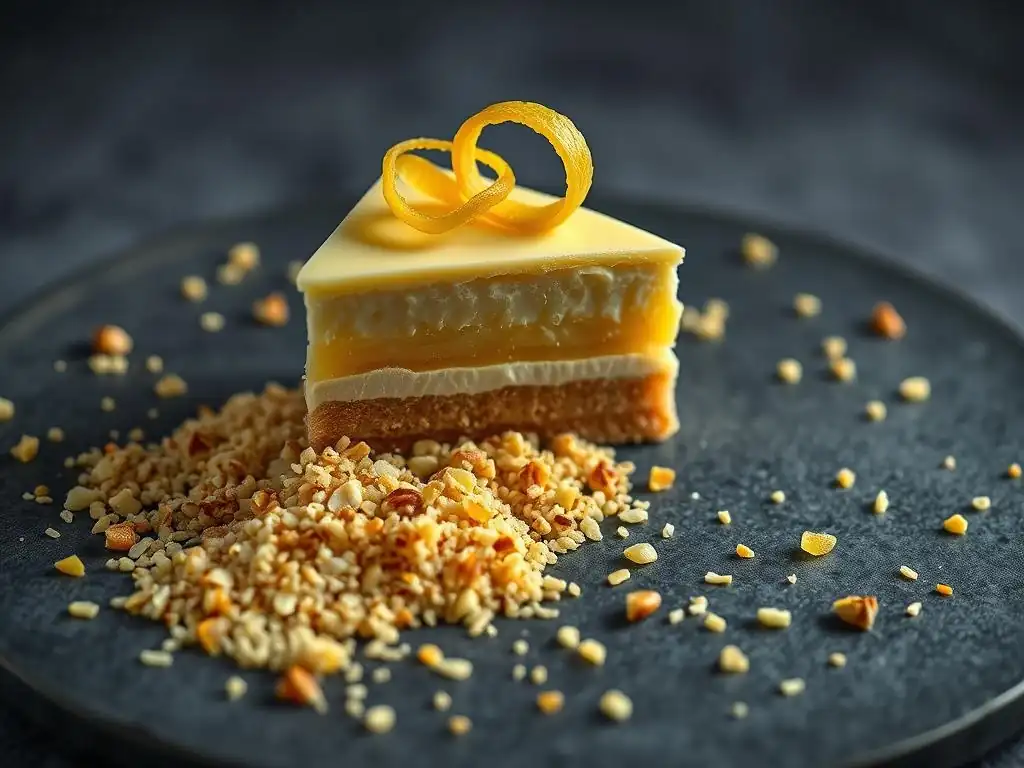
Welcome to BakeWithEase, your haven for baking bliss! Ever wondered how to elevate your desserts from simple to spectacular? Crispy Elements: Adding Crunch to Your Elegant Desserts unlocks the secrets to creating textural masterpieces. Discover how to master easy dessert crunch recipes and transform your pastries into unforgettable experiences. Intrigued? Let's dive in and unlock the art of adding irresistible crunch to your sweet creations!
- Adding Textural Contrast to Desserts
- Enhancing Desserts with Crunchy Elements
- The Role of Texture in Dessert Design
- Creating Simple Crunchy Components
- Recipes for Crunchy Dessert Elements
- Maintaining Crispness in Desserts
- Incorporating Crunch into Plated Desserts
- Troubleshooting Crunchy Dessert Elements
- Developing Dessert Crunch Expertise
-
Frequently Asked Questions
- What exactly are "easy dessert crunch recipes" that BakeWithEase offers?
- Can I find recipes suitable for a beginner baker looking for easy dessert crunch recipes?
- What types of desserts can benefit from adding a crunchy element according to BakeWithEase?
- Are the "easy dessert crunch recipes" on BakeWithEase adaptable for dietary restrictions, such as gluten-free or vegan?
- Where can I find these "easy dessert crunch recipes" on BakeWithEase.com?
- Final Reflection: The Unexpected Symphony of Crunch
- Unleash Your Inner Pastry Chef: Add That Perfect Crunch!
Adding Textural Contrast to Desserts
Enhancing Desserts with Crunchy Elements
Incorporating a delightful crunch is one of the simplest yet most impactful ways to elevate an elegant plated dessert from good to extraordinary. While flavor and visual appeal often take center stage, texture plays a crucial role in the overall enjoyment of a sweet creation. A velvety mousse, a smooth panna cotta, or a rich chocolate ganache can be wonderful on their own, but pairing them with something crisp provides a dynamic contrast that excites the palate. Mastering the art of adding crunch opens up a world of creative possibilities for home bakers looking to make restaurant-quality desserts.
Exploring easy dessert crunch recipes allows you to introduce complexity without adding significant difficulty. Simple additions like brittle, nuts, seeds, or baked components can transform a dessert's profile. These crunchy elements not only provide a satisfying bite but also contribute subtle flavors and aromas that complement the main components. Think of the satisfying snap of a thin cookie alongside a creamy custard or the pleasant resistance of caramelized nuts on top of a soft cake. It's this interplay of textures that keeps each bite interesting and memorable.
The Role of Texture in Dessert Design
Sensory Impact of Crunch
Texture is a fundamental aspect of how we perceive food, contributing significantly to our overall sensory experience. The sensation of crunch is particularly powerful, triggering a response in the brain that registers freshness and excitement. Studies have shown that the sound and feel of biting into something crisp can enhance perceived flavor intensity and enjoyment. A dessert that offers a variety of textures, including a prominent crunch, engages more senses, making the eating experience more dynamic and satisfying compared to one that is uniformly soft or smooth.
Beyond mere pleasure, crunch provides a vital counterpoint to the typically soft or yielding textures of many classic desserts like puddings, mousses, or tarts. This contrast prevents palate fatigue and adds a layer of complexity that keeps the eater engaged. Imagine a rich, dense chocolate cake; while delicious, a consistent texture can become monotonous. Adding a layer of crispy praline or a scattering of cocoa nibs breaks up the richness, introduces a new sensation, and makes each subsequent bite of the cake feel fresh and inviting. It’s about creating a harmonious balance where different elements play off each other.
Balancing Flavor and Texture
Achieving balance in dessert design involves carefully considering how flavors and textures interact. A crunchy element should not only provide textural contrast but also complement or enhance the existing flavors of the dessert. For example, pairing a delicate fruit sorbet with a robust, nutty brittle might overwhelm the sorbet's subtle flavor. Conversely, a rich, creamy dessert like a cheesecake can stand up to and benefit from the intense caramel notes and firm texture of a honeycomb crunch.
Successful easy dessert crunch recipes integrate the crunchy component in a way that supports the main dessert's flavor profile. A tart lemon curd might be perfectly balanced by the sweetness and spice of a speculoos crumble, while a dark chocolate ganache could be enhanced by the slight bitterness and snap of roasted cocoa nibs. It's a thoughtful process of pairing: considering the sweetness, acidity, bitterness, and richness of the dessert and selecting a crunchy element whose flavor profile harmonizes with it, ensuring that neither component dominates but rather elevates the other.
Creating Simple Crunchy Components
Techniques for Optimal Crispness
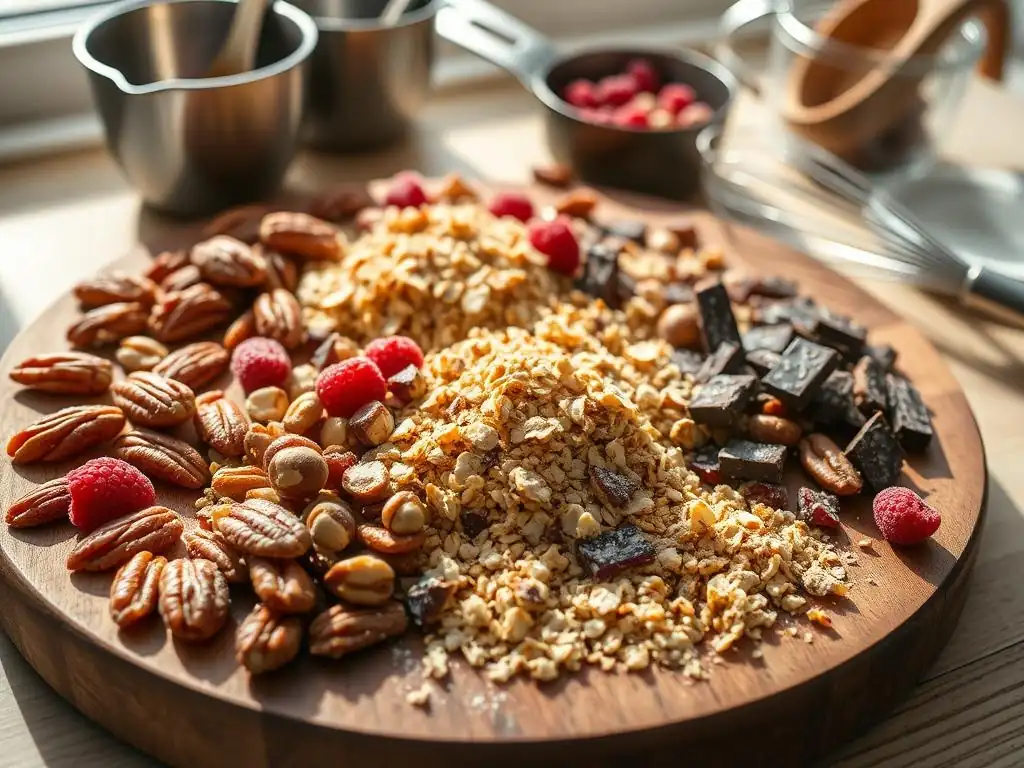
Achieving that perfect, lasting crunch in your dessert components relies on a few key techniques. One fundamental principle is the control of moisture. Water is the enemy of crispness, so ensuring that your ingredients are properly dried or baked until moisture is minimal is crucial. This is why baking nuts until golden brown, cooking sugar to a high temperature for brittle, or slowly drying meringue-based elements are effective methods. A low and slow bake can often achieve a drier, crispier result than a quick, hot one, especially for items like cookie crumbles or baked meringue kisses.
Another important technique is rapid cooling. Once a crunchy component is cooked, cooling it quickly helps to set its structure and prevent it from absorbing ambient moisture. Spreading hot brittle onto a cool surface, allowing cookies to cool completely on a wire rack, or letting sugar work cool undisturbed are all essential steps. For components like tuiles or wafers, baking them thinly is key, as thinner items dry out and crisp up more effectively. Proper storage immediately after cooling is also vital to maintain crispness, a topic we'll explore further.
Key Ingredients for Crunchy Textures
Certain ingredients are inherently suited for creating crunchy textures and form the basis of many easy dessert crunch recipes. Nuts and seeds, when roasted, develop a natural crispness and depth of flavor. Almonds, hazelnuts, pistachios, and pumpkin seeds are versatile options that can be used whole, chopped, or ground into praline. Sugar is another cornerstone ingredient; when cooked to caramel stages, it forms the basis for brittle, toffee, and honeycomb, solidifying into a hard, crunchy structure upon cooling.
Flour and starches are essential for baked crunchy elements like cookies, wafers, and crumbles. The ratio of flour to fat and sugar, along with baking time and temperature, dictates the final texture. High-sugar, low-flour doughs often spread thinly and become crisp when baked, like in tuiles. Cocoa nibs offer a unique, slightly bitter crunch that's excellent with chocolate. Even simple ingredients like breadcrumbs or cereal can be toasted and sweetened to create a quick, easy crunch for various desserts.
Recipes for Crunchy Dessert Elements
Almond Croquant: A Classic Crunchy Addition
Almond croquant, essentially a thin almond brittle, is a wonderfully versatile and easy dessert crunch recipe. Its simple preparation involves caramelizing sugar and incorporating sliced or chopped almonds. The result is a shatteringly crisp, sweet, and nutty layer that can be broken into shards, crushed into a powder, or used as a decorative element. It pairs beautifully with creamy desserts like panna cotta, mousse, or ice cream, providing a delightful contrast in both texture and flavor.
Making almond croquant is a quick process, often taking less than 15-20 minutes from start to finish. The key is to watch the sugar carefully as it caramelizes to avoid burning. Once the nuts are added and coated in the molten sugar, the mixture is spread thinly and allowed to cool completely. This creates a hard, glass-like candy that can then be broken or processed. It’s an excellent component to prepare in advance, as it stores well if kept airtight.
Almond Croquant Ingredients
- 1 cup granulated sugar
- 1/2 cup sliced or chopped almonds
- 2 tablespoons water (optional, helps dissolve sugar initially)
- Pinch of salt (optional, enhances flavor)
Almond Croquant Instructions
- Combine sugar and water (if using) in a heavy-bottomed saucepan over medium heat. Stir until sugar dissolves.
- Stop stirring and let the sugar mixture bubble and caramelize. Swirl the pan gently if needed to ensure even coloring. Watch carefully as it turns amber.
- Once the sugar is a rich amber color, remove from heat. Quickly stir in the almonds and salt (if using), ensuring they are fully coated.
- Immediately pour the mixture onto a silicone mat or parchment paper placed on a baking sheet. Use an offset spatula to spread it as thinly as possible.
- Let cool completely until hard and brittle.
- Once cooled, break the croquant into pieces or crush as desired for your dessert.
Cocoa Nib Tuiles: A Delicate Chocolate Crunch
Cocoa nib tuiles offer an elegant, delicate crunch with a sophisticated, slightly bitter chocolate flavor. These thin, crisp cookies are made from a simple batter and baked until fragile. The addition of cocoa nibs provides tiny bursts of intense chocolate flavor and extra crispness within the delicate wafer structure. They are perfect for garnishing plated desserts, standing upright in a mousse, or serving alongside coffee or ice cream. Their light texture provides a subtle contrast without being overly hard.
These tuiles are relatively easy to make but require a bit of care when handling due to their fragility. The batter is typically spread very thinly on a baking sheet, often using a stencil for uniform shapes, and baked quickly until golden brown around the edges. They can be shaped while still warm by draping them over a rolling pin or mold, or left flat for easy breaking. This easy dessert crunch recipe is great for using up leftover egg whites and adds a touch of professional flair to any dessert.
Cocoa Nib Tuiles Ingredients
- 2 large egg whites
- 1/2 cup granulated sugar
- 1/4 cup all-purpose flour
- 4 tablespoons unsalted butter, melted and cooled
- 2 tablespoons cocoa nibs
- 1 teaspoon vanilla extract
Cocoa Nib Tuiles Instructions
- Preheat oven to 325°F (160°C). Line baking sheets with silicone mats or parchment paper.
- In a medium bowl, whisk together egg whites and sugar until slightly frothy but not stiff.
- Sift in the flour and whisk until just combined, with no lumps.
- Stir in the melted butter, vanilla extract, and cocoa nibs until the batter is smooth.
- Drop small spoonfuls (about 1-2 teaspoons) of batter onto the prepared baking sheets, leaving plenty of space between them.
- Use the back of a spoon or an offset spatula to spread the batter very thinly into circles or desired shapes.
- Bake for 8-12 minutes, or until edges are golden brown and centers are set.
- Working quickly, remove tuiles from the baking sheet while warm. Drape them over a rolling pin or bottle to curve, or leave flat.
- Let cool completely until crisp. Store immediately in an airtight container.
Candied Ginger: A Spicy and Sweet Crunch
Candied ginger provides a unique crunchy element with a delightful spicy kick balanced by sweetness. Made by simmering fresh ginger in sugar syrup, it becomes tender initially, but when dried, it develops a chewy yet crisp texture, especially if cut thinly. This easy dessert crunch recipe is fantastic for adding warmth and complexity to desserts, pairing exceptionally well with fruit-based dishes, chocolate, or creamy puddings like lemon posset or rice pudding. Its vibrant flavor makes it a memorable addition.
The process involves boiling ginger slices until tender, then simmering them in sugar syrup until they become translucent and infused with sweetness. After simmering, the ginger is often rolled in granulated sugar for an extra layer of sweetness and a slightly crystalline crunch on the exterior. Proper drying is key to achieving the desired texture; this can be done by air-drying over several hours or gently baking at a very low temperature. The result is a versatile garnish or inclusion that offers both crunch and intense flavor.
Candied Ginger Ingredients
- 1 cup fresh ginger, peeled and thinly sliced (about 1/8 inch thick)
- 2 cups granulated sugar, plus more for coating
- 2 cups water
Candied Ginger Instructions
- Place sliced ginger in a saucepan and cover with water. Bring to a boil, then simmer for 15-20 minutes until tender. Drain the water.
- In the same saucepan, combine 2 cups granulated sugar and 2 cups fresh water. Bring to a boil, stirring to dissolve sugar.
- Add the drained ginger slices to the sugar syrup. Reduce heat to low and simmer gently for 30-40 minutes, or until the ginger is translucent and the syrup has thickened.
- Remove ginger slices from the syrup using a slotted spoon.
- While still warm, toss the ginger slices in a bowl with additional granulated sugar, ensuring they are well coated.
- Spread the sugared ginger in a single layer on a wire rack set over parchment paper. Let air dry at room temperature for several hours (4-8 hours) until the exterior is relatively dry and chewy/crisp. For faster drying, bake at 200°F (90°C) for 30-60 minutes.
- Store in an airtight container at room temperature.
Speculoos crumble brings the comforting, spiced flavor of speculoos cookies (like Biscoff) and a sandy, crisp texture to desserts. This easy dessert crunch recipe is incredibly simple, often just requiring crushing the cookies. However, for a more refined crumble, you can make one from scratch using flour, butter, sugar, and speculoos spices. The result is a fragrant, buttery crumble that pairs wonderfully with apple desserts, chocolate, coffee flavors, or creamy vanilla puddings. It's a quick way to add both flavor and texture.
Creating a speculoos crumble from scratch allows control over the texture and spice level. A standard crumble mixture is combined with speculoos spices (cinnamon, ginger, cloves, nutmeg) and sometimes a touch of brown sugar for moisture and flavor. The mixture is baked until golden brown and crisp, then broken into pieces. This provides a more consistent texture than simply crushing pre-made cookies, though crushing cookies is certainly the quickest route for an easy dessert crunch.
Speculoos Crumble Ingredients
- 1 cup all-purpose flour
- 1/2 cup unsalted butter, chilled and cubed
- 1/4 cup granulated sugar
- 1/4 cup packed light brown sugar
- 1 teaspoon ground cinnamon
- 1/2 teaspoon ground ginger
- 1/4 teaspoon ground cloves
- Pinch of ground nutmeg
- Pinch of salt
Speculoos Crumble Instructions
- Preheat oven to 350°F (175°C). Line a baking sheet with parchment paper.
- In a medium bowl, whisk together flour, sugars, spices, and salt.
- Add the chilled butter cubes. Use your fingertips or a pastry blender to rub the butter into the dry ingredients until the mixture resembles coarse crumbs.
- Spread the crumble mixture evenly onto the prepared baking sheet.
- Bake for 15-20 minutes, stirring halfway through, until golden brown and crisp.
- Let cool completely on the baking sheet. The crumble will crisp up further as it cools.
- Once cooled, break into smaller pieces if needed. Store in an airtight container.
Maintaining Crispness in Desserts
Preventing Moisture Absorption
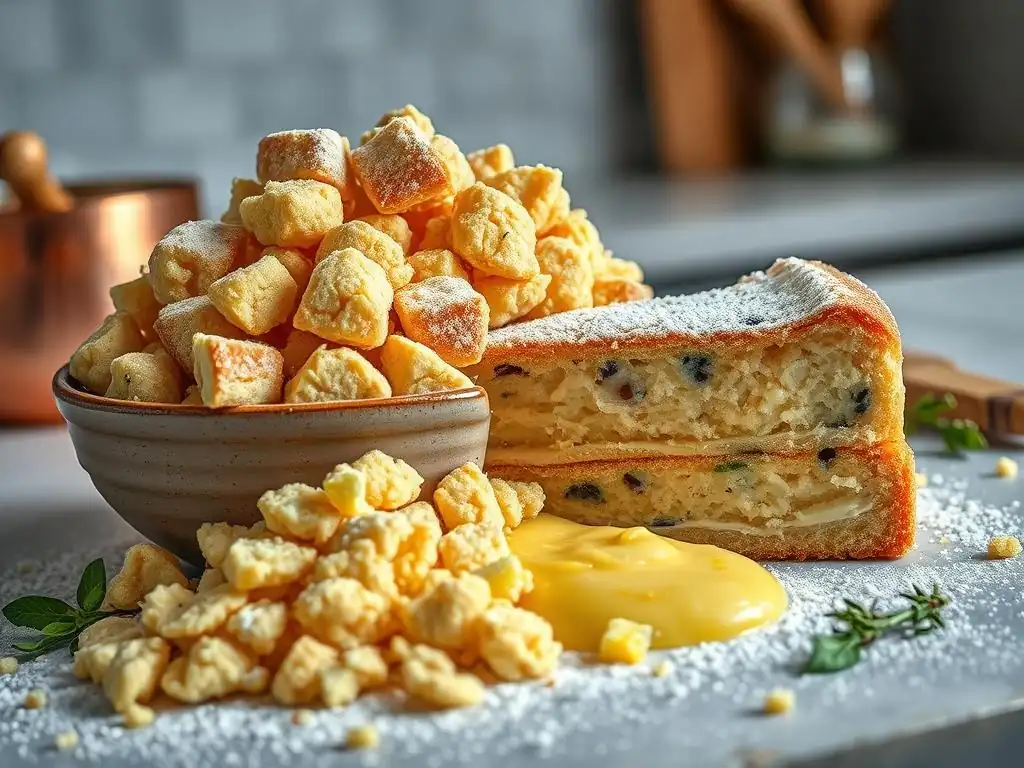
Maintaining the crispness of your crunchy elements is paramount to the success of your dessert. The primary enemy of crispness is moisture, which can be absorbed from the air (humidity) or from the dessert itself. To combat this, consider applying a barrier layer to your crunchy component if it's going to be in prolonged contact with a moist dessert.
A thin coating of tempered chocolate or a layer of cocoa butter can create a waterproof shield, protecting items like cookie bases or meringue discs from becoming soggy. For example, painting the inside of a tart shell with melted chocolate before adding a wet filling can help keep the base crisp.
Another strategy involves minimizing the surface area exposed to moisture. For instance, instead of using a large, flat cookie base for a creamy tart, consider using smaller cookie crumbs or shards that can be added just before serving. This limits the contact time with the moist filling.
For components like brittle or croquant, storing them in a completely airtight container with a desiccant packet can help absorb any ambient moisture, keeping them perfectly crisp until ready for use. Understanding the moisture content of both your crunchy element and the dessert it will accompany is key to planning how to keep the crunch intact.
Storage Strategies for Crunchy Components
Proper storage is critical for preserving the crisp texture of your easy dessert crunch recipes. Once made and completely cooled, crunchy components should be stored immediately in airtight containers. Exposure to air, especially in humid environments, will quickly lead to moisture absorption and loss of crispness. Glass or metal containers with tight-fitting lids are ideal, as they provide a better moisture barrier than some plastics. Ensure the container is completely dry before adding the crunchy elements.
For items particularly susceptible to moisture, like meringue or certain types of brittle, adding a small food-safe desiccant packet to the container can help absorb any trapped humidity. Store these containers in a cool, dry place, away from direct sunlight or sources of heat and steam (like near a stove or dishwasher).
Avoid storing crunchy elements in the refrigerator unless they are part of a finished dessert that requires chilling, as refrigerators can be humid environments. Properly stored, many crunchy components like brittle, tuiles, or cookie crumbles can last for several days or even weeks, making them excellent make-ahead elements for plated desserts.
Optimal Timing for Adding Crunch
The timing of when you add your crunchy elements to a dessert is perhaps the most crucial factor in ensuring they remain crisp upon serving. For maximum crispness, crunchy components should ideally be added just before the dessert is served. This minimizes the time they are in contact with any moisture from the dessert itself or the surrounding air. For instance, scattering a crumble topping over a pudding, placing a tuile upright in a mousse, or garnishing a tart with brittle shards should typically be the final steps before the plate leaves the kitchen.
If the crunchy element is integral to the structure of the dessert, like a cookie crust for a cheesecake, techniques to prevent sogginess (like a chocolate barrier) become essential, and even then, the dessert might be best enjoyed within a certain timeframe. For layered desserts, placing a crunchy layer between two less moist layers can help, but adding components like a praline crunch layer between a mousse and a glaze should still be done as late as feasible in the assembly process.
Practicing with different easy dessert crunch recipes will help you learn the optimal timing for each specific component in various dessert applications.
Incorporating Crunch into Plated Desserts
Layering for Textural Complexity
Layering textures is a sophisticated technique in plated dessert design, and crunch is a vital component in building textural complexity. By strategically placing crunchy elements between layers of softer or creamier components, you create a dynamic eating experience where each spoonful offers a different sensation. A classic example is a verrine (a dessert served in a glass), where layers of mousse, fruit compote, and cookie crumble or granola are alternated. This ensures that the diner encounters varying textures throughout the dessert, from smooth to soft to delightfully crisp.
Consider a dessert with a base of soft cake, topped with a creamy filling, and then finished with a glaze. Introducing a crunchy layer, such as a disc of hazelnut praline or a thin sheet of tempered chocolate mixed with feuilletine flakes, between the cake and the filling, or between the filling and the glaze, adds an unexpected and pleasant textural surprise. This layering not only enhances the mouthfeel but also provides visual interest, showcasing the different components of the dessert. Mastering easy dessert crunch recipes allows you to build these complex and satisfying layers.
Using Crunch as a Garnish
Using crunchy elements as a garnish is perhaps the simplest and most effective way to add textural contrast and visual appeal to a plated dessert. A sprinkle of toasted nuts, a few shards of brittle, a delicate tuile, or a scattering of cookie crumbs can instantly elevate the look and feel of a dessert. Garnishes are typically added at the very last moment before serving, ensuring maximum crispness. They provide an immediate textural cue to the diner before they even take their first bite.
Beyond just adding crunch, garnishes can also introduce complementary flavors and colors. Toasted coconut flakes on a tropical fruit dessert, crushed pistachios on a raspberry tart, or cocoa nibs sprinkled over a chocolate fondant all serve multiple purposes: adding crunch, enhancing flavor, and providing visual appeal. The shape and size of the crunchy garnish can also contribute to the overall aesthetic, from fine powders to large, dramatic shards. These easy dessert crunch recipes are perfect for creating beautiful and functional garnishes.
Chocolate Tart with Sea Salt Croquant
A chocolate tart, with its rich ganache filling and potentially soft crust, is an ideal candidate for incorporating a crunchy element. Adding sea salt croquant provides a wonderful textural contrast and a flavor pairing that is both classic and exciting: sweet, salty, and bitter. The croquant, made from caramelized sugar and often roasted nuts, broken into irregular shards, can be placed on top of the set ganache just before serving.
The intense richness of the chocolate ganache is beautifully cut by the crisp snap of the croquant. The slight bitterness of the chocolate is enhanced by the sweetness of the caramel, while the sea salt in the croquant brightens all the flavors and adds another layer of complexity. Visually, the irregular, glossy shards of croquant provide a striking contrast to the smooth, dark surface of the tart. This easy dessert crunch recipe transforms a simple tart into an elegant and multi-sensory experience.
Lemon Posset with Candied Ginger
Lemon posset, a traditional English dessert, is characterized by its incredibly smooth, creamy, and rich texture. Its bright, tart flavor is usually the main focus. Pairing it with candied ginger introduces a delightful chew-then-crisp texture and a warm, spicy-sweet counterpoint to the cool citrus. The candied ginger can be finely diced and sprinkled over the posset, or thin slices can be used as an elegant garnish.
The contrast between the velvety, melt-in-your-mouth posset and the slightly chewy, sugar-coated candied ginger is simply exquisite. The ginger's warmth and gentle spice cut through the richness of the cream and complement the lemon's acidity. This pairing highlights how a crunchy or chewy element can not only add texture but also introduce a completely different flavor profile that enhances the main dessert. It's a simple yet sophisticated application of an easy dessert crunch recipe.
Troubleshooting Crunchy Dessert Elements
Sticky Croquant Solutions
Sometimes, despite your best efforts, croquant or brittle can turn sticky, especially in humid conditions. This is due to the sugar absorbing moisture from the air. If your croquant has gone slightly sticky, you can try gently reheating it in a dry pan over very low heat for a few minutes, stirring constantly, until it dries out slightly. Be very careful not to let it burn. Once it appears drier, spread it back out on parchment paper to cool completely again.
To prevent stickiness from happening in the first place, ensure your sugar is cooked to a sufficient temperature during caramelization (around 320°F or 160°C for hard crack stage). After cooling, break the croquant immediately and store it in a truly airtight container. Adding a small amount of corn syrup (like 1-2 tablespoons per cup of sugar) to the initial sugar mixture can also help prevent crystallization and increase the stability of the finished brittle, making it less prone to absorbing moisture.
Preventing Melting Chocolate
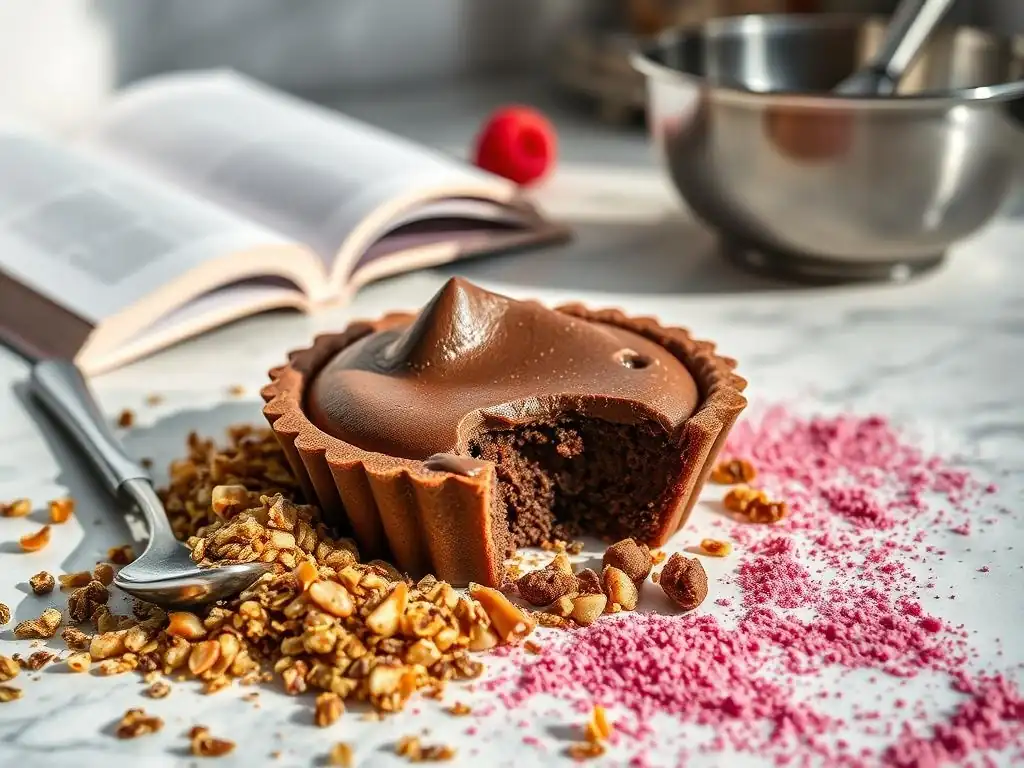
Using chocolate elements, such as chocolate shards or tuiles dipped in chocolate, adds a delicious crunch but they can melt easily, especially when placed on warm desserts or in warm environments. To prevent this, always use high-quality chocolate and ensure it is properly tempered. Tempering stabilizes the chocolate's fat crystals, making it harder, snappier, and more resistant to melting at room temperature. Untempered chocolate will melt much more readily and can leave greasy streaks.
If you cannot temper chocolate or are using a component like cocoa nib tuiles without a full chocolate coating, consider applying a very thin layer of cocoa butter spray or melted cocoa butter brush-on after baking and cooling. Cocoa butter is harder than chocolate at room temperature and can provide a slight protective barrier. Most importantly, add chocolate crunchy elements at the very last minute before serving, especially if the dessert is warm or being served in a warm setting.
Avoiding Soggy Crumble
A soggy crumble topping or base is a common disappointment. This usually happens when the crumble absorbs moisture from a fruit filling or a creamy layer. To keep your crumble crisp, ensure it is fully baked until golden brown and thoroughly dried out before adding it to the dessert. An underbaked crumble will become soft quickly.
For fruit fillings, cooking the fruit slightly beforehand to reduce excess liquid can help. For bases or layers that will sit under a moist component, baking the crumble base until it's very firm and dry is essential. As mentioned earlier, a thin barrier layer, like melted and set white chocolate or a layer of cake brushed with a spirit and allowed to dry slightly, can help protect a crumble base from moisture migration.
For toppings, the golden rule is to add the crumble just before serving to preserve its crisp texture. Storing crumble in an airtight container after baking is also key to maintaining its initial crispness.
Developing Dessert Crunch Expertise
Exploring Flavor and Texture Combinations
Developing expertise in using crunchy elements involves continuous experimentation with different flavor and texture pairings. Don't be afraid to go beyond the obvious. While nuts and caramel are classic, consider toasted grains for an earthy crunch, dehydrated fruit for a chewy-crisp texture, or even savory elements like pretzel crumbs for a sweet and salty surprise. Think about the dominant flavors in your dessert and brainstorm easy dessert crunch recipes that would complement or contrast in an interesting way.
For example, a vibrant berry compote might pair well with a sweet, buttery shortbread crumble, or perhaps something more unexpected like a poppy seed brittle for a delicate crunch and nutty flavor. A rich coffee dessert could be enhanced by crunchy chocolate-covered espresso beans or a crispy coffee-flavored meringue. Keep a journal of successful (and unsuccessful!) pairings and the techniques you used. The more you experiment with different ingredients and methods, the better you'll become at intuitively knowing which crunchy element will best enhance a specific dessert.
Designing Unique Crunchy Elements
Moving beyond standard recipes, you can design unique crunchy elements tailored specifically to your dessert creations. This could involve infusing your brittle with unique spices like cardamom or star anise, creating tuiles flavored with citrus zest or tea leaves, or developing a crumble base with alternative flours like almond or oat flour for a different texture and flavor profile. Consider the shape and form of your crunchy element – could it be a delicate cage, a precise disc, or an abstract shard?
Designing your own easy dessert crunch recipes allows for true personalization and innovation. Think about the visual role the crunch will play as well as the textural one. Could a colored brittle add a pop of color? Could a shaped tuile echo a design element elsewhere on the plate? By understanding the basic principles of creating crisp textures (moisture control, sugar cookery, proper baking), you can adapt techniques and ingredients to invent components that are perfectly suited to your unique dessert vision, pushing your baking skills to new heights.
Frequently Asked Questions
What exactly are "easy dessert crunch recipes" that BakeWithEase offers?
They are simplified recipes focused on adding a satisfying crispy or crunchy texture to desserts, suitable for all skill levels. Examples might include crumble toppings or nut brittle additions.
Can I find recipes suitable for a beginner baker looking for easy dessert crunch recipes?
Yes! BakeWithEase emphasizes step-by-step guides and recipes that utilize easy-to-find ingredients, making them perfect for beginners.
What types of desserts can benefit from adding a crunchy element according to BakeWithEase?
According to BakeWithEase, various desserts like pastries, cakes, and even cookies can be elevated by incorporating a crispy or crunchy topping. This adds textural contrast and enhances the overall experience.
Are the "easy dessert crunch recipes" on BakeWithEase adaptable for dietary restrictions, such as gluten-free or vegan?
While specific recipes may vary, BakeWithEase often includes tips and suggestions for substitutions, allowing you to adapt recipes to fit dietary needs and preferences.
Where can I find these "easy dessert crunch recipes" on BakeWithEase.com?
You can explore the website's pastries, breads, cakes, and cookies sections, looking for recipes specifically highlighting crispy elements or using keywords like "crunchy topping" in the search bar.
Final Reflection: The Unexpected Symphony of Crunch
The pursuit of the perfect dessert is a journey, not a destination, and the addition of a delightful crunch elevates the experience from satisfying to sublime. This article explored the simple yet transformative power of adding textural contrast to elegant desserts, showcasing how easily accessible ingredients can create a symphony of flavors and textures. From the satisfying snap of toasted nuts to the delicate crumble of a meringue, we've uncovered a world of crunchy possibilities that are surprisingly simple to achieve.
The impact of texture on our culinary experience is often underestimated. The satisfying crunch provides a counterpoint to the creamy, smooth, or rich elements of a dessert, creating a more memorable and complex flavor profile. A truly great dessert is a balance of textures, a dance on the palate.
This quote, though not directly from a culinary expert, perfectly encapsulates the feeling of that perfect textural harmony we've explored throughout this article. The simple act of adding a crunchy element can elevate a basic recipe to something truly special, a testament to the power of thoughtful culinary detail.
Now, it's your turn. Don't be afraid to experiment! Take the techniques and recipes presented here and adapt them to your own culinary creations. Try adding a sprinkle of toasted coconut to your next mousse, or crafting a delicate crumble topping for your favorite fruit tart. The possibilities are endless, and the reward? A dessert experience that will delight your taste buds and leave a lasting impression. Embrace the crunch, and discover the joy of elevating your desserts to new heights.
Unleash Your Inner Pastry Chef: Add That Perfect Crunch!
Thanks for taking the time to explore the art of adding crispy elements to your desserts! We hope you discovered some delicious new techniques to elevate your baking game. Now it's time to put your newfound knowledge into practice.
- Embrace the Crunch: Try one of the featured crispy techniques from the article this week—perhaps the hazelnut brittle or the candied ginger? Let your creativity run wild!
- Share Your Success: Post a picture of your crunchy creation on social media and tag us! We'd love to see your delicious results.
- Explore Further: Dive deeper into the world of textures by exploring other BakeWithEase articles on creating contrasting elements in your desserts.
Ready to transform your next dessert masterpiece? What crunchy element are you most excited to try?