
Why Your Oven is the Most Important Baking Tool

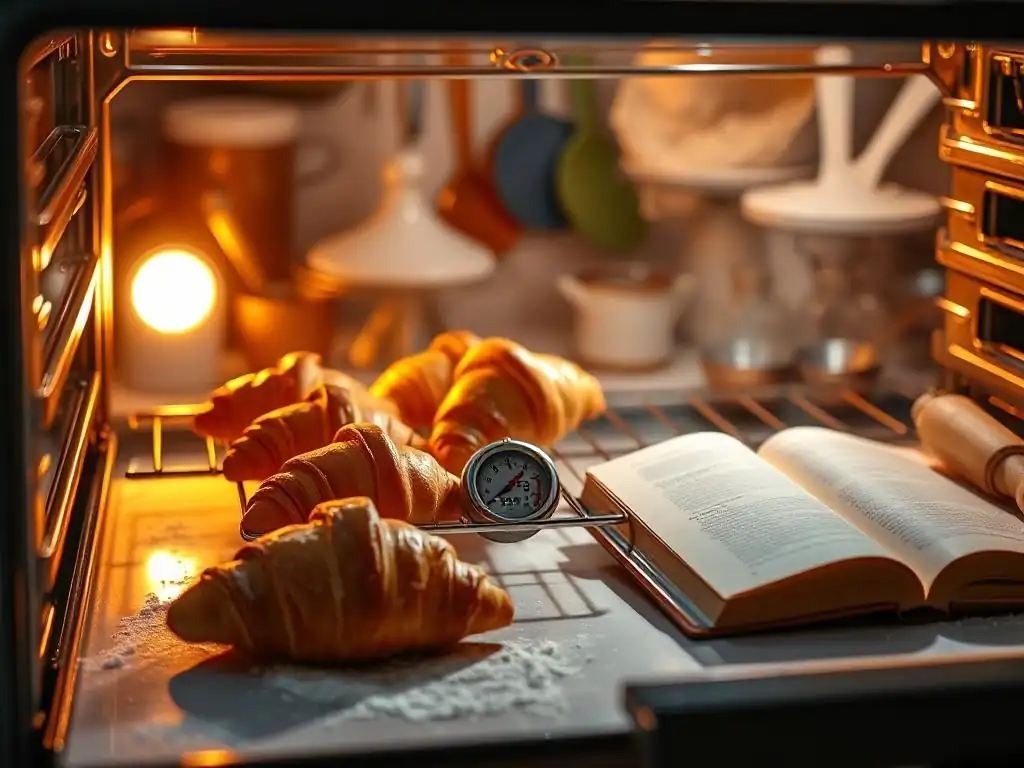
Welcome to BakeWithEase, your ultimate guide to baking bliss!
Ever wonder why your creations aren't quite turning out as expected, despite following the recipe perfectly? The secret often lies with your oven. Discover the crucial role of oven temperature consistency in baking and unlock the secrets to evenly baked goods. Read on to learn our top baking tips and tricks and ensure every bake is a masterpiece.
- Why Your Oven is the Most Important Baking Tool for Baking Perfection
- Understanding the Oven's Crucial Role in Baking
- Oven Temperature Consistency Baking Tips: Achieving Perfect Bakes
- Top-Rated Ovens for Baking Enthusiasts: Our Recommended Models
- Essential Oven Accessories to Enhance Baking Consistency
- Troubleshooting Common Oven Temperature Problems for Bakers
- Mastering Oven Settings for Different Baking Needs
- The Future of Ovens: Smart Technology and Baking Precision
-
Frequently Asked Questions
- Why is oven temperature consistency so important for baking?
- What are some common signs of an oven with inconsistent temperature?
- How can I test my oven's temperature accuracy?
- What are some baking tips to compensate for an oven with inconsistent temperature?
- Can the type of bakeware affect oven temperature consistency and baking results?
- Final Reflection: The Heart of the Bake: Mastering Oven Temperature
- Unleash Your Inner Baker: Master Your Oven Today!
Why Your Oven is the Most Important Baking Tool for Baking Perfection
Understanding the Oven's Crucial Role in Baking
The Foundation of Baking Success: Consistent Oven Temperature
At the heart of every successful bake lies the oven's ability to maintain a steady, reliable temperature. Imagine trying to bake a delicate soufflé or a crusty loaf of bread in an environment where the heat fluctuates wildly by 50 degrees Fahrenheit or more. The chemical reactions essential for proper leavening, structure development, and browning simply wouldn't occur predictably.
Yeast activity thrives within specific temperature ranges, gluten networks set at certain heat points, and the Maillard reaction, responsible for that coveted golden-brown crust on cookies and cakes, requires sustained heat, typically above 300°F (150°C). Without consistent heat, your ingredients, no matter how high quality or precisely measured, are at the mercy of an unpredictable environment.
This consistent thermal environment is not just about hitting a target temperature; it's about staying there. While most home ovens cycle on and off to maintain the set temperature, the goal is for these fluctuations to be minimal, ideally within +/- 15-20°F. Significant dips or spikes can halt rising, cause uneven cooking, or lead to burnt edges before the center is done.
For tasks requiring precise control, like tempering chocolate in a very low oven or achieving the perfect chewiness in a meringue baked at a low temperature around 200-225°F (95-107°C), oven temperature consistency is paramount. It allows the baker to predict outcomes and replicate results, turning baking from a gamble into a reliable process.
Beyond Heat: How Your Oven Impacts Baking Results
While temperature is foundational, an oven's impact extends to other critical factors like air circulation and radiant heat. Conventional ovens rely on natural convection, where hot air rises and cooler air sinks, which can create temperature stratification and uneven heating. Convection ovens, however, use a fan to actively circulate hot air, distributing heat more evenly and often reducing baking time and temperature (typically by 25°F). This forced air movement can be a game-changer for achieving uniform browning across a sheet of cookies or ensuring that all sides of a loaf of bread develop a similar crust.
Furthermore, the oven's design influences how radiant heat affects your baked goods. The location and type of heating elements (or gas burners) and the oven's insulation and interior surfaces all play a role. Radiant heat directly cooks the surfaces facing the heat source, contributing significantly to crust formation.
A pizza baked directly on a hot oven rack might burn on the bottom before the top is done, whereas a pizza baked on a preheated stone receives strong radiant heat from below, resulting in a perfectly crispy crust. Understanding these dynamics allows bakers to utilize different oven settings and accessories to manipulate heat distribution and achieve specific textures and finishes, leveraging the oven's full potential beyond just being a hot box.
Oven Temperature Consistency Baking Tips: Achieving Perfect Bakes
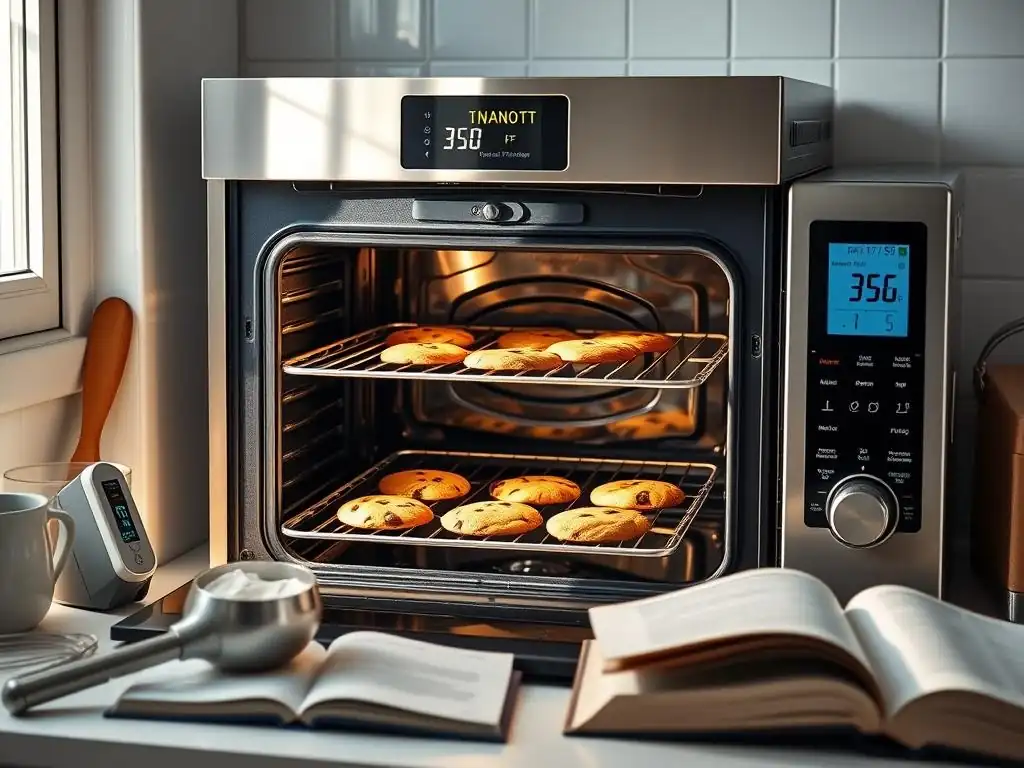
The Secret to Even Baking: Mastering Oven Temperature Control
Achieving truly even baking results starts with understanding and mastering your oven's temperature control. Simply setting the dial to 350°F and immediately putting your goods in is a common mistake. Ovens need significant time to preheat thoroughly, not just for the air to reach the set temperature, but for the oven walls, racks, and floor to absorb and radiate heat evenly.
For most ovens, this means waiting at least 20-30 minutes after the preheat indicator light or sound signals it's ready. Using an independent oven thermometer is crucial here; it often reveals that the oven's internal thermostat is inaccurate, sometimes by 25-50°F, or that the oven hasn't truly stabilized at the target temperature.
Moreover, recognizing that ovens cycle temperature is key. The heating element or burner turns on and off to maintain the average temperature. While commercial ovens might hold within a few degrees, home ovens typically fluctuate more. The goal isn't zero fluctuation, but minimizing its impact. Understanding your oven's specific cycling pattern, perhaps observed with an oven thermometer over time, can help you predict when the heat might be lower or higher. This knowledge, combined with proper preheating, forms the bedrock of controlling the baking environment and ensuring your efforts towards oven temperature consistency baking are effective.
Avoiding Baking Disasters: Understanding Hot Spots and Cold Spots in Your Oven
Virtually all ovens have hot spots and cold spots – areas where the temperature consistently deviates from the average. These are caused by factors like the location of heating elements (often hotter directly above or below them), uneven insulation, poor air circulation, or even drafts from vents. These inconsistencies are the culprits behind one batch of cookies browning perfectly while another on a different rack or side of the same sheet burns, or a cake rising unevenly. Identifying these zones in your oven is a critical step towards preventing baking disasters.
A simple way to map your oven's hot spots is the "toast test": Arrange slices of plain white bread across a baking sheet and bake them in a preheated oven at around 350°F (175°C) until they begin to brown. The variations in browning will visually highlight where your oven is hotter or cooler. Once identified, you can adapt your baking practices. This might involve rotating baking sheets halfway through the baking time, avoiding specific rack positions for certain items, or strategically placing multiple items to minimize interference with air flow, all contributing to better oven temperature consistency baking outcomes.
Proven Techniques for Maintaining Consistent Oven Temperatures
Maintaining consistent oven temperature goes beyond preheating and understanding hot spots; it involves active management during the bake. A primary rule is to resist the urge to open the oven door frequently. Each time the door is opened, a significant amount of hot air escapes – potentially dropping the internal temperature by 50-100°F or more. This temperature shock can be detrimental, especially to delicate items like cakes and soufflés that rely on steady heat for structure. Rely on the oven light and window to check on progress whenever possible.
Other effective techniques include using oven accessories designed to stabilize temperature. Baking stones or steels, when properly preheated, absorb and radiate heat, creating a more stable thermal mass that helps the oven recover temperature faster after the door is opened and provides consistent heat from below. Similarly, ensuring the oven isn't overcrowded is vital; too many items can block air circulation and create cooler zones. For optimal oven temperature consistency baking, bake in batches if necessary, leaving adequate space around each item for heat to circulate freely.
- [ ] Preheat oven for minimum 20-30 minutes after indicator light comes on.
- [ ] Use an independent oven thermometer to verify accuracy.
- [ ] Minimize opening the oven door during baking.
- [ ] Rotate baking sheets halfway through baking time if needed.
- [ ] Consider using baking stones or steels for thermal stability.
- [ ] Avoid overcrowding the oven to ensure proper air circulation.
Top-Rated Ovens for Baking Enthusiasts: Our Recommended Models
Breville BOV800XL: The Convection Champion for Even Baking
The Breville Smart Oven Pro, model BOV800XL, is a popular countertop convection oven celebrated by many bakers for its precise temperature control and powerful convection system. It's not a full-size range, but for smaller households, single servings, or as a secondary baking appliance, it offers remarkable performance. Its reputation stems from its ability to heat up quickly and maintain temperatures with greater accuracy than many traditional full-size ovens, making it a reliable tool for various baking tasks, from cookies and muffins to small roasts and pastries.
This oven appeals particularly to baking enthusiasts who value convenience and consistent results without needing the capacity of a large oven. Its compact footprint makes it suitable for kitchens where space is limited, while its advanced features provide the control needed for more technical bakes. Users frequently report achieving evenly browned results across an entire tray, a testament to its effective heat management and air circulation, key components of oven temperature consistency baking.
Features of Breville BOV800XL That Ensure Consistent Temperature
A standout feature of the Breville BOV800XL is its Element IQ system. This technology intelligently distributes power among five quartz heating elements, adjusting them as needed to maintain the set temperature and ensure heat is directed precisely where it's required for different cooking functions (like toasting, baking, broiling). This dynamic power adjustment helps minimize temperature fluctuations within the cavity.
Coupled with its powerful convection fan, which effectively circulates hot air, the Element IQ system works to eliminate or significantly reduce hot spots. While specific temperature variance figures can depend on the testing environment, users often note that the oven holds temperature within a relatively tight range, perhaps +/- 10-15°F, which is excellent for a countertop model. This combination of smart heating and forced air circulation is specifically designed to promote uniform cooking and browning, directly addressing the challenge of achieving oven temperature consistency baking.
Price and Where to Buy Breville BOV800XL (Affiliate Link)
The Breville Smart Oven Pro BOV800XL typically falls into the mid-range price category for high-end countertop ovens, often costing between $250 and $350, depending on the retailer and current sales. While this is higher than basic toaster ovens, its advanced features and baking performance justify the investment for serious bakers.
You can commonly find this model at major appliance retailers, large department stores with kitchenware sections, and various online marketplaces. Comparing prices across different vendors can sometimes yield savings. Considering its robust feature set aimed at precise temperature control and efficient convection, its price point represents good value for bakers prioritizing oven temperature consistency in a smaller format.
Why Breville BOV800XL is Ideal for Bread Bakers
For bread bakers, the Breville BOV800XL offers several advantages, especially for baking smaller loaves or rolls. Its powerful convection helps develop a beautiful, even crust by circulating hot air and promoting uniform browning. The oven heats up relatively quickly to high temperatures needed for some bread baking methods (though maximum temperature is typically around 450°F, sufficient for many recipes).
While it doesn't have a dedicated steam injection feature found in some professional ovens, its compact size can make it easier to create a steamy environment using methods like placing a small heatproof dish of water or lava rocks inside. The precise temperature control provided by the Element IQ system also benefits bread proofing functions, maintaining a consistent low temperature ideal for yeast activity. For these reasons, it's a versatile tool for bread enthusiasts seeking reliable oven temperature consistency for their smaller bakes.
GE JGB735SPSS: The Budget-Friendly Option with Reliable Temperature
The GE JGB735SPSS is a popular gas range known for offering a solid combination of features and reliability at a more accessible price point compared to high-end models. While gas ovens are sometimes perceived as having less even heat than electric, this model incorporates features designed to mitigate common gas oven issues and provide dependable performance for everyday baking tasks. It's a full-size range, making it suitable for families and those who bake larger quantities.
This range is often chosen by home cooks and bakers who need a functional, spacious oven that can handle everything from roasting a turkey to baking multiple sheets of cookies without breaking the bank. Its straightforward design and proven track record for durability make it a reliable workhorse in the kitchen. While it may not boast the hyper-precision of smart ovens, it delivers consistent enough results for a wide range of common baking needs, making it a strong contender for budget-conscious bakers focused on achieving decent oven temperature consistency.
Key Features of GE JGB735SPSS for Baking Consistency
The GE JGB735SPSS features a convection fan in its oven cavity. This fan helps to circulate the hot air, which can significantly improve heat distribution compared to a non-convection gas oven. While the convection system might not be as powerful or multi-directional as those in premium ovens, its presence helps reduce hot and cold spots, leading to more even baking and browning across multiple racks.
The oven also offers a substantial capacity, typically around 5.0 cubic feet, providing ample space for large baking sheets or multiple cake pans simultaneously. Managing oven temperature consistency in a large gas cavity requires effective air movement, and the convection fan assists in this. While gas ovens naturally have a moist heat which is great for some items like roasts, the convection fan helps balance this for tasks requiring drier heat and crisping. Its temperature control, while reliant on a traditional thermostat and cycling, is generally considered reliable for its class, allowing for predictable results in standard recipes.
GE JGB735SPSS Price and Availability (Affiliate Link)
The GE JGB735SPSS is positioned as a budget-friendly to mid-range appliance. Its price can vary depending on promotions and retailers, but it is often found in the $700-$1000 range, making it a very attractive option for those replacing an older range or setting up a new kitchen without a massive appliance budget.
This model is widely available at major appliance stores, home improvement centers, and large online retailers specializing in home goods. Its broad availability makes it easy to find and compare prices. For its price point, it offers a compelling set of features, including convection, that contribute to achieving reliable oven temperature consistency baking results for everyday use, representing significant value.
Best Uses for GE JGB735SPSS in Your Kitchen
The GE JGB735SPSS is an excellent all-around oven for a busy home kitchen. Its large capacity makes it ideal for baking multiple batches of cookies, sheets of roasted vegetables, or large cakes. The convection feature is particularly useful for achieving even browning on sheet pan dinners or ensuring multiple trays of muffins bake uniformly.
While it might require more careful monitoring and potentially pan rotation compared to high-end electric or smart ovens for delicate bakes like macarons, it performs admirably for most standard recipes. It's well-suited for baking breads, pies, casseroles, and general roasting tasks where reliable heat and capacity are more critical than pinpoint accuracy. For bakers who prioritize a spacious, dependable oven that offers good oven temperature consistency for common recipes without a premium price tag, the GE JGB735SPSS is a strong contender.
June Oven: The Smart Oven for Precise Baking Control
The June Oven represents the cutting edge of countertop oven technology, combining multiple cooking functions (baking, roasting, air frying, toasting, slow cooking, broiling, dehydrating, pizza) with smart features and extremely precise temperature control. It's a premium appliance designed for users who demand convenience, versatility, and unparalleled accuracy in a compact form factor.
This oven appeals to tech-savvy bakers, those with limited kitchen space needing a multi-functional device, or anyone seeking the highest level of precision and control over their baking environment. Its integrated camera, food recognition technology, and automated cooking programs simplify complex tasks, while its sophisticated heating system aims to deliver truly exceptional oven temperature consistency.
June Oven's Temperature Regulation Technology
The June Oven utilizes multiple carbon fiber heating elements (typically six) and a powerful convection fan, all controlled by sophisticated algorithms and sensors. Unlike traditional ovens that cycle power to a single element, the June Oven can dynamically adjust power to individual elements, allowing for rapid preheating and extremely stable temperature maintenance throughout the cooking cycle.
Integrated temperature probes and internal sensors monitor the environment closely, enabling the oven to hold temperatures with remarkable accuracy, often cited as being within 1-2°F of the target. This level of precision is significantly better than most home ovens and is crucial for delicate baking tasks where even slight temperature deviations can affect the outcome. This advanced thermal management system is the core of June Oven's promise of exceptional oven temperature consistency baking.
Purchasing June Oven: Affiliate Opportunities
The June Oven is positioned at the high end of the countertop oven market, reflecting its advanced technology and multi-functionality. Prices typically range from $1500 upwards, depending on the model generation and included accessories. This represents a significant investment compared to conventional ovens or even other high-end countertop models.
The June Oven is primarily sold directly through the manufacturer's website, though it may occasionally be available through select high-end retailers or online marketplaces. Given its premium price point, potential buyers should carefully consider their needs and budget. For those who value cutting-edge technology and require the utmost precision for their baking, the June Oven's capabilities in delivering precise oven temperature consistency can justify the cost.
Who Should Choose June Oven?
The June Oven is best suited for bakers and home cooks who prioritize precision, convenience, and smart technology and are willing to invest in a premium appliance. It's ideal for urban dwellers with small kitchens who need a versatile appliance that can replace several others, or for serious baking enthusiasts who tackle recipes requiring extremely accurate temperature control, such as macarons, meringues, or complex pastries.
Its automated programs and internal camera make it user-friendly even for beginners, while its precise temperature regulation offers experienced bakers the control they need for consistent, high-quality results. If you are seeking a smart, multi-functional oven that delivers exceptional oven temperature consistency baking results and simplifies the cooking process through technology, the June Oven is a top-tier choice.
Essential Oven Accessories to Enhance Baking Consistency
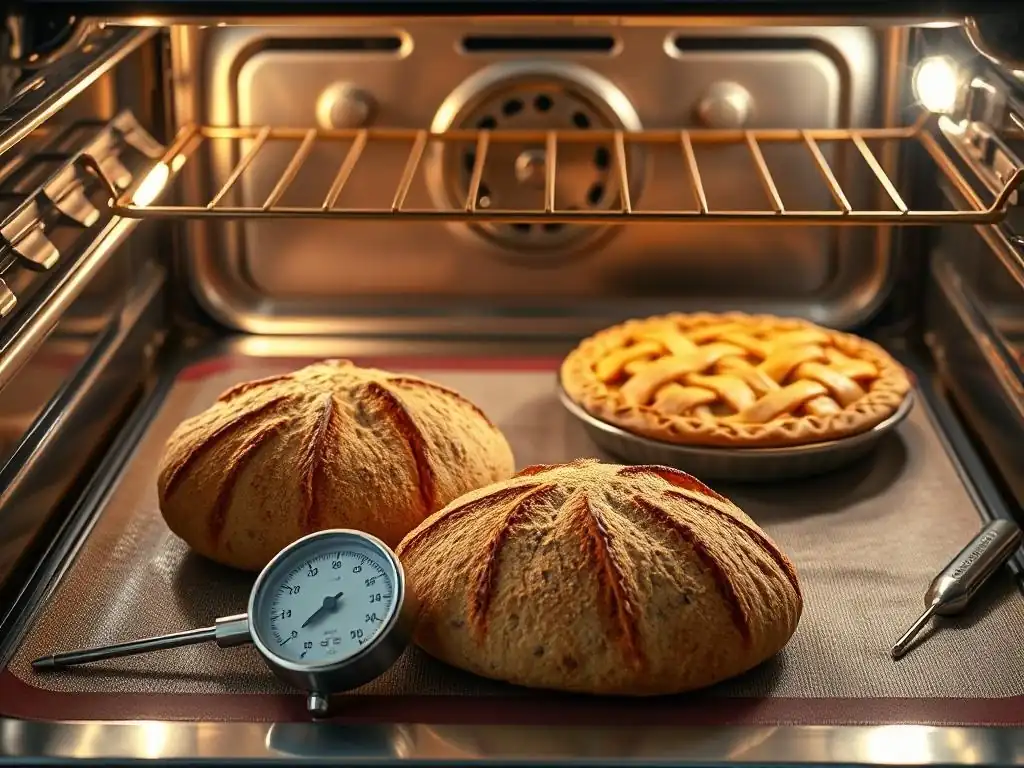
Oven Thermometers: Verifying Your Oven's Accuracy
One of the simplest yet most effective tools for improving your baking results is an inexpensive oven thermometer. Most built-in oven thermostats have a margin of error, and they can become less accurate over time. Your oven might indicate it's preheated to 350°F, but an independent thermometer might reveal the actual temperature is 325°F or even 375°F. This discrepancy can drastically affect baking times and outcomes, leading to undercooked centers or burnt edges.
By placing a reliable oven thermometer inside your oven, ideally hanging from a rack in the center, you can get a true reading of the ambient temperature after it has fully preheated (allow 20-30 minutes after the preheat light goes off). Regularly checking this temperature against your oven's setting allows you to understand its quirks and make necessary adjustments to your recipes – if your oven consistently runs 25°F hot, you know to set it lower. This simple step is fundamental to achieving reliable oven temperature consistency baking.
Recommended Oven Thermometer: ThermoPro TP03A (Affiliate Link)
While the ThermoPro TP03A is typically known as an instant-read food thermometer, ThermoPro is a brand recognized for producing accurate and reliable thermometers useful in various cooking applications, including verifying oven temperatures. A good oven thermometer, whether dial or digital, should be designed to remain in the oven during preheating and baking to provide a continuous reading of the internal temperature.
Look for a model specifically designed for oven use that can withstand high temperatures and provides a clear, easy-to-read display of the ambient temperature. A reliable oven thermometer from a brand like ThermoPro, often available for $10-$20, is an essential tool for any baker serious about troubleshooting their oven's performance and ensuring they are truly baking at the temperature required for consistent results. Using one is perhaps the most impactful oven temperature consistency baking tip you can implement.
Baking Stones and Steels: Promoting Even Heat Distribution
Baking stones (typically ceramic or cordierite) and baking steels (made from steel) are dense materials placed in the oven, usually on a rack, that absorb and retain a significant amount of heat. Once fully preheated (which can take 45-60 minutes or longer), they act as a thermal battery, radiating heat evenly and intensely upwards. This is particularly beneficial for items that cook from the bottom up, like pizzas and rustic breads.
Beyond providing strong, even heat from below, stones and steels also help stabilize the oven's overall temperature. When you open the oven door, the internal air temperature drops rapidly, but the stone or steel retains its heat, helping the cavity recover temperature faster. For items requiring a strong initial burst of heat or consistent high heat, like achieving a crispy pizza crust or a well-risen loaf of sourdough, using a preheated stone or steel is a highly effective technique for enhancing oven temperature consistency at the baking surface.
Best Baking Stone for Pizza and Bread: Emile Henry Pizza Stone (Affiliate Link)
Emile Henry is a reputable brand known for its high-quality ceramic bakeware, and their pizza stones are often recommended for their durability and performance. A good ceramic baking stone, like those offered by Emile Henry, excels at absorbing moisture from the dough's surface while providing consistent radiant heat. This helps create a wonderfully crispy crust on pizzas and contributes to a better 'oven spring' and crust development in bread.
Emile Henry stones typically range in price from $50 to over $100, reflecting their quality and material. When choosing a stone, consider the size of your oven and the types of items you'll bake. Using a stone or steel is a classic method employed by bakers to improve oven temperature consistency baking results, especially for high-temperature bakes where direct, even heat transfer is key.
Oven Liners: Preventing Hot Spots and Easy Cleanup
Oven liners are non-stick mats, usually made of PTFE or silicone, placed on the bottom rack or the oven floor to catch drips and spills, making cleanup significantly easier. They are primarily a convenience item, but their placement can potentially impact heat distribution, particularly in ovens with exposed heating elements at the bottom.
While they are excellent for protecting the oven floor from messy overflows, bakers should be mindful of how liners might affect air circulation and radiant heat from below. Placing a liner directly on the oven floor above an exposed heating element could block the direct heat needed for achieving a crisp bottom crust on pies or breads placed on the lowest rack.
Non-Stick Oven Liner Recommendation: Amazon Basics Oven Liner (Affiliate Link)
Amazon Basics offers a variety of kitchen products, including non-stick oven liners, typically available in sets for a very affordable price, often under $20. These liners are designed for easy cleanup, being reusable and dishwasher-safe.
When using any oven liner, including budget-friendly options like those from Amazon Basics, it's crucial to follow the manufacturer's instructions and your oven's manual regarding safe placement. Avoid covering vents or placing the liner directly on an exposed heating element. While primarily a cleanup aid, understanding their potential to block heat flow is important for maintaining optimal oven temperature consistency, especially if you frequently use the lowest rack for baking. For most bakers, placing the liner on the lowest rack (rather than the oven floor) is a safer option to avoid interfering with the primary heat source.
Troubleshooting Common Oven Temperature Problems for Bakers
Identifying and Fixing Oven Calibration Issues
If your oven thermometer consistently shows a temperature significantly different from the oven's setting (e.g., it reads 325°F when set to 350°F), your oven may need calibration. This is a common issue, even with relatively new ovens, and it's a major hurdle to achieving reliable oven temperature consistency baking.
Many modern ovens have a built-in calibration feature that allows you to adjust the thermostat offset by a few degrees. Consult your oven's user manual for specific instructions on how to access and use this feature. You'll typically need to determine the average discrepancy using your oven thermometer over several bakes or temperature checks. If your oven doesn't have this feature or the issue is severe, a qualified appliance technician can often recalibrate the thermostat or diagnose a faulty component. Addressing calibration ensures your oven is heating to the intended temperature, providing a more stable foundation for your baking.
Addressing Inconsistent Baking with Proper Rack Placement
Even in an oven with relatively good temperature consistency, rack placement significantly impacts how your baked goods cook and brown. Heat dynamics within the oven mean that temperatures can vary between the top, middle, and bottom racks. The top rack is often hotter due to rising heat, while the bottom rack receives more direct radiant heat from the lower element or burner. The middle rack is typically the most even and is the default position for most baked goods unless the recipe specifies otherwise.
If you notice uneven baking – for example, cookies on the bottom sheet browning faster than those on the top, or the bottom of a cake getting too dark before the top is golden – adjusting rack placement or baking one sheet at a time can help. For multiple sheets of cookies, swapping and rotating the sheets halfway through baking is a standard technique to ensure they all bake evenly, compensating for minor variations in oven temperature consistency across different oven zones.
Understanding how heat behaves on each rack allows you to make informed decisions that lead to better results.
The Impact of Oven Door Opening on Baking Temperature
As previously mentioned, opening the oven door causes a rapid and significant drop in temperature. This is particularly detrimental during the initial phase of baking for items that rely on steam and consistent heat for maximum rise, such as bread or puff pastry. The sudden influx of cooler air can cause the surface of the dough or batter to set prematurely, inhibiting further expansion.
To minimize this impact and maintain better oven temperature consistency throughout the baking cycle, resist the temptation to peek frequently. Utilize the oven light and window to check on progress. If you must open the door to rotate pans or check for doneness, do so quickly and efficiently. For recipes where maintaining a high-humidity environment is crucial (like some bread baking), minimizing door openings also helps trap the steam generated. Being mindful of this simple action is a fundamental oven temperature consistency baking tip that can visibly improve your results.
Mastering Oven Settings for Different Baking Needs
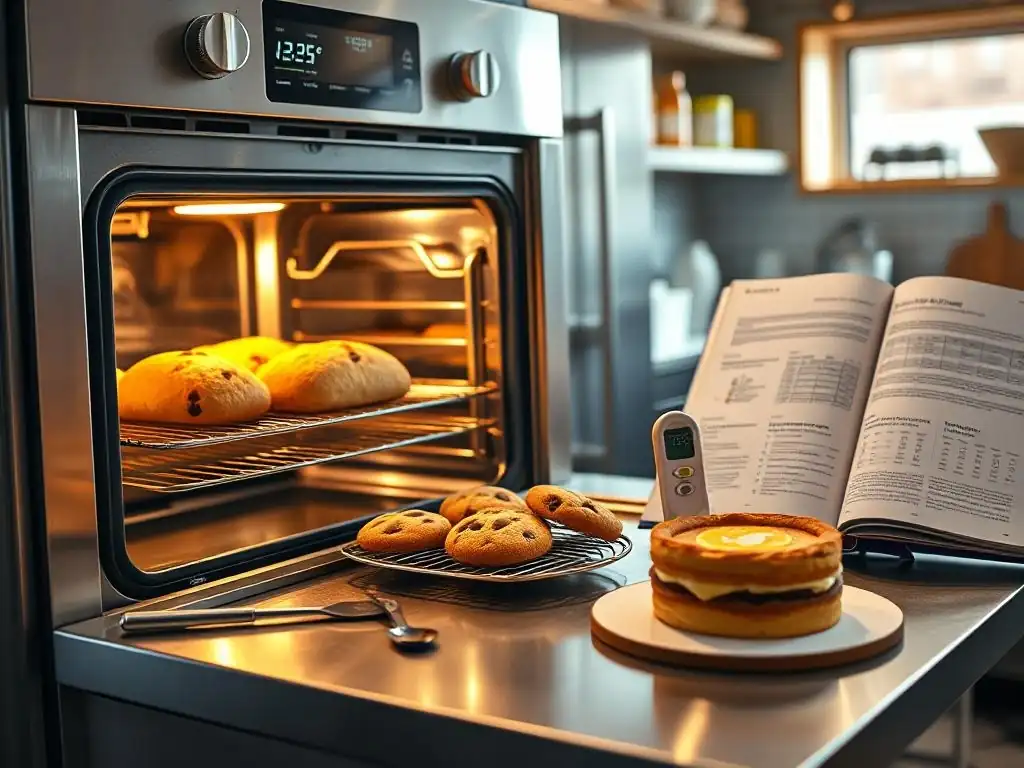
Understanding Convection vs. Conventional Baking
Most modern ovens offer both conventional (still air) and convection (fan-forced air) baking modes. Understanding when to use each is key to optimizing your baking results and leveraging your oven's capabilities for better oven temperature consistency. Conventional baking relies on natural heat circulation; it's gentler and ideal for delicate items that could be negatively affected by strong air currents, such as soufflés, custards, or single cakes where a slightly domed top is desired.
Convection baking uses a fan to move hot air around the cavity, resulting in faster, more even cooking and better browning. Heat is distributed more uniformly, reducing hot spots and allowing you to bake multiple items or trays at once with more consistent results. For most cookies, pastries, multiple cake layers, and roasted items, convection is often the preferred setting. Remember that convection typically requires reducing the temperature by about 25°F (15°C) and potentially shortening the baking time compared to conventional settings to achieve the same results without burning.
Choosing the Right Rack Position for Different Baked Goods
The optimal rack position varies depending on the type of baked good and the desired outcome. For general baking like cakes, muffins, and most cookies (when baking one sheet at a time), the middle rack is usually best as it sits in the most even temperature zone, allowing heat to circulate around the item uniformly.
For items requiring a crisp bottom crust, such as pies or pizzas baked without a stone, placing them on the lowest rack can expose the bottom to more direct radiant heat from the heating element. Conversely, if you want to achieve a golden-brown top crust or melt cheese, the upper rack brings the item closer to the top heating element (or broiler). Baking multiple sheets of cookies or pastries often requires using two racks and rotating them halfway through the bake to compensate for any variations in oven temperature consistency between the upper and lower parts of the oven.
Optimizing Baking Times and Temperatures for Specific Recipes
Recipes provide a starting point for baking times and temperatures, but they are guidelines based on a standard oven. Since every oven is different, especially in its ability to maintain oven temperature consistency, it's crucial to be prepared to adjust. Use the recipe's time and temperature as an estimate, but rely on visual cues and doneness tests to determine when your baked goods are truly ready.
For example, cookies are done when the edges are golden brown and the centers look set; cakes are done when a toothpick inserted into the center comes out clean. Using an oven thermometer helps you understand if your oven runs hot or cold, allowing you to make informed adjustments to the set temperature (e.g., if your oven runs 25°F hot, set it 25°F lower than the recipe calls for). Over time, you'll learn your oven's unique characteristics and how to adapt recipes to consistently achieve perfect results despite minor variations in its oven temperature consistency.
The Future of Ovens: Smart Technology and Baking Precision
Exploring Advanced Features in Modern Ovens
Modern ovens are increasingly incorporating advanced technology to improve user experience and, critically for bakers, enhance precision and consistency. Beyond basic convection, features like multiple heating elements (as seen in the June Oven), sophisticated sensor arrays, and advanced insulation are designed to create a more stable and uniform baking environment.
Smart connectivity is also becoming common, allowing users to control ovens via smartphone apps, preheat remotely, receive notifications, and even access vast libraries of guided recipes. Internal cameras allow monitoring progress without opening the door, preserving precious heat and moisture. Some high-end models offer steam injection capabilities, providing the ideal humid environment for baking artisan breads or achieving moist results for other dishes. These features collectively aim to take the guesswork out of baking and provide tools for achieving unprecedented oven temperature consistency baking.
How Smart Ovens Can Improve Your Baking Results
Smart ovens offer several tangible benefits that directly contribute to better baking results. The ability to preheat precisely and maintain extremely tight temperature tolerances (like within 1-2°F in some models) means that the environment is exactly as the recipe intends, crucial for delicate techniques. Integrated temperature probes allow you to bake based on the internal temperature of the food, ensuring perfect doneness every time.
Guided baking programs can automatically adjust temperature and time based on the specific item placed inside (sometimes identified via internal cameras), removing human error. Monitoring baking progress via an app or internal camera means you no longer need to open the door, preserving oven temperature consistency and preventing heat loss. For busy bakers or those seeking to perfect challenging recipes, these smart features provide a level of control and consistency that can significantly elevate their baking game.
Investing in the Right Oven for Long-Term Baking Success
Choosing the right oven is arguably the most significant decision a baker makes regarding their equipment. While techniques and ingredients are important, the oven provides the fundamental environment in which all the magic happens. An oven with poor insulation, inaccurate temperature control, or significant hot spots will be a constant source of frustration, making it difficult to achieve consistent, high-quality results regardless of your skill level.
Investing in an oven that prioritizes oven temperature consistency – whether it's a reliable conventional oven with minimal fluctuation, a convection oven with effective air circulation, or a high-tech smart oven with precise digital control – sets you up for long-term baking success. Consider your budget, the types of baking you do most often, and the features that are most important to you. A well-chosen oven, combined with good baking practices and the use of essential accessories like an oven thermometer, will empower you to bake with confidence and achieve delicious, consistent results every time.
Frequently Asked Questions
Why is oven temperature consistency so important for baking?
Consistent oven temperature is crucial because it directly affects how your baked goods rise, bake evenly, and achieve the desired texture and color. Inconsistent heat can lead to undercooked centers or burnt edges.
What are some common signs of an oven with inconsistent temperature?
Signs include unevenly baked goods, cakes that sink in the middle, cookies that burn on the bottom while remaining pale on top, or a general unpredictability in baking times. These issues often indicate a need for oven calibration or repair.
How can I test my oven's temperature accuracy?
Use an oven thermometer placed in the center of the oven during preheating. Compare the thermometer reading to your set temperature. If there's a significant difference, your oven needs calibration or professional servicing.
What are some baking tips to compensate for an oven with inconsistent temperature?
Rotate your baking sheet halfway through baking to promote even browning. You can also use an oven stone or baking sheet on a lower rack to help distribute heat evenly.
Can the type of bakeware affect oven temperature consistency and baking results?
Yes, different materials heat up and retain heat differently. Dark metal bakeware absorbs more heat than light-colored bakeware, potentially leading to quicker browning. Glass bakeware also retains heat well and may require slightly lower oven temperatures.
Final Reflection: The Heart of the Bake: Mastering Oven Temperature
Consistent oven temperature is not merely a technical detail; it's the bedrock upon which successful baking is built. Without precise control, even the most meticulously crafted recipe can fall flat, resulting in unevenly cooked goods and a frustrating baking experience. This article has explored the crucial role of oven temperature in achieving consistently delicious results, highlighting the importance of calibration, preheating, and understanding your oven's quirks.
The quest for consistent oven temperature reflects a broader cultural shift towards mindful cooking and a deeper appreciation for the craft of baking. We're moving beyond simply following recipes and embracing a more nuanced understanding of the science behind our culinary creations. This pursuit of perfection, this dedication to mastering the details, speaks to a desire for control and a yearning for predictable, satisfying outcomes. The best bakers are not necessarily the ones with the most expensive equipment, but the ones who understand their tools and how to use them effectively.
This quote perfectly encapsulates the core message of this article: it's not about the fanciest oven, but about understanding and mastering the one you have.
Now, consider your own oven. What are its strengths and weaknesses? Have you ever taken the time to truly understand its temperature fluctuations? I encourage you to take the lessons from this article and apply them to your own baking journey. Calibrate your oven, preheat diligently, and observe your baking results closely. By mastering the temperature of your oven, you're not just improving your baking skills; you're embarking on a journey of culinary exploration, one perfectly baked treat at a time. The heart of every great bake begins with a perfectly controlled oven.
Unleash Your Inner Baker: Master Your Oven Today!
Thanks for taking the time to explore the world of oven mastery with us! You've now unlocked the secret to consistently amazing baked goods – understanding your oven is key. Let's put that knowledge into action.
- Start baking your favorite recipe today! Put your newfound oven knowledge to the test and see the difference. Observe how your oven behaves and adjust accordingly.
- Share your baking triumphs (and challenges!) on social media using #BakeWithEase. Let's build a community of oven-savvy bakers!
- Explore our other articles on BakeWithEase.com for more tips and tricks on creating delicious baked goods.
Ready to transform your baking game? What's the first recipe you'll be tackling with your newly acquired oven expertise?