
Setting Up a Sourdough Station: MustHave Equipment

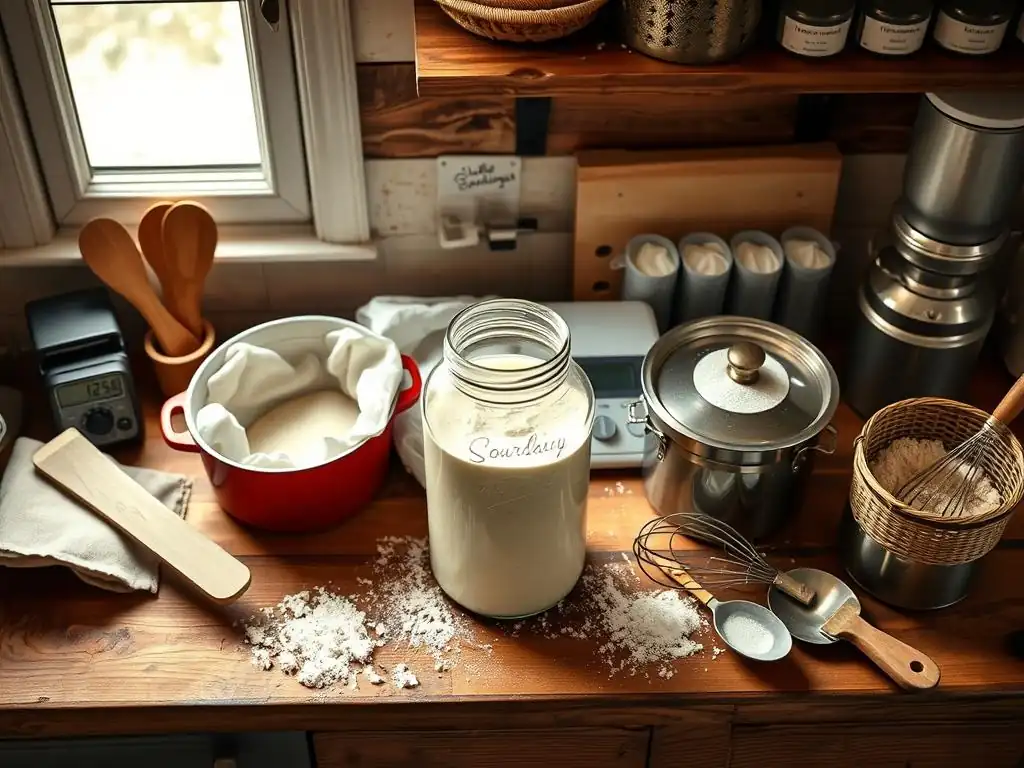
Welcome to BakeWithEase, your trusted guide to the wonderful world of baking! Ready to embark on a sourdough adventure? This article dives deep into the essential equipment you'll need to create and maintain a thriving sourdough starter. But what exactly makes a sourdough starter tick, and what tools are truly indispensable? Let's uncover the secrets to setting up your perfect sourdough station and unlock the tangy, chewy goodness of homemade sourdough!
- Setting Up a Sourdough Station: Must-Have Equipment for Artisan Bakers
- Sourdough Starter Equipment Essentials: Creating Your Home Baking Haven
- The Core Sourdough Starter Equipment Essentials Checklist
- Beyond the Basics: Optional Sourdough Station Upgrades
- Maximizing Your Sourdough Station: Tips and Tricks
- Conclusion: Your Journey to Sourdough Success Starts Here.
-
Frequently Asked Questions
- What are the absolute essential pieces of equipment for starting a sourdough starter?
- Can I use any type of flour to feed my sourdough starter?
- How important is temperature control when maintaining a sourdough starter?
- What kind of container is best for long-term sourdough starter storage in the refrigerator?
- Is a dough scraper really necessary for working with sourdough?
- Final Reflection: The Joyful Journey of Sourdough Starts with the Right Tools
- Unleash Your Inner Baker: Craft Your Perfect Sourdough Station!
Setting Up a Sourdough Station: Must-Have Equipment for Artisan Bakers
Sourdough Starter Equipment Essentials: Creating Your Home Baking Haven
Why a Dedicated Sourdough Station is Key to Baking Success
Creating a dedicated space for your sourdough baking journey is more than just a matter of organization; it's a foundational step towards consistent, successful results. Having a specific area, even if it's just a corner of your counter, helps you keep all your sourdough starter equipment essentials together.
This minimizes searching for tools, reduces clutter in other kitchen zones, and creates a focused environment conducive to the precise tasks required for managing a live culture and baking artisan bread. It’s about establishing a routine and having everything at your fingertips when your starter is ready to be fed or your dough is ready to be shaped.
Furthermore, a dedicated sourdough station allows you to monitor the environment more effectively. Sourdough starter health is significantly influenced by ambient temperature. By centralizing your starter and related equipment, you can better control or at least observe the temperature fluctuations in that specific spot. This insight is crucial for understanding how quickly your starter is fermenting and when it needs attention. It transforms the process from a sporadic activity into a more integrated part of your kitchen life, fostering a deeper connection with your starter and improving your overall baking prowess.
Understanding the Essential Tools for Sourdough Starter Success
Embarking on the sourdough adventure requires a specific set of tools designed to handle the unique characteristics of a live starter and high-hydration doughs. While you might already own some basic kitchen implements, certain sourdough starter equipment essentials make the process significantly easier and more reliable. These tools range from the containers you house your starter in to the instruments you use for accurate measurement and temperature monitoring. Getting the right gear from the start can save you frustration and help you cultivate a robust, active starter capable of leavening beautiful loaves.
The essential sourdough starter equipment essentials can be broadly categorized into a few key areas: containment for the starter itself, precise measurement tools for feeding, implements for mixing, and ways to monitor and control temperature. Each category plays a vital role in maintaining a healthy starter and preparing dough correctly. Understanding why each tool is important and how to use it effectively is fundamental to mastering sourdough baking. Let's delve into the specific items that form the backbone of a functional sourdough station.
The Core Sourdough Starter Equipment Essentials Checklist
Jars for Sourdough Starter: Picking the Perfect Vessel
Why Glass Jars are the Best Choice for Sourdough Starters
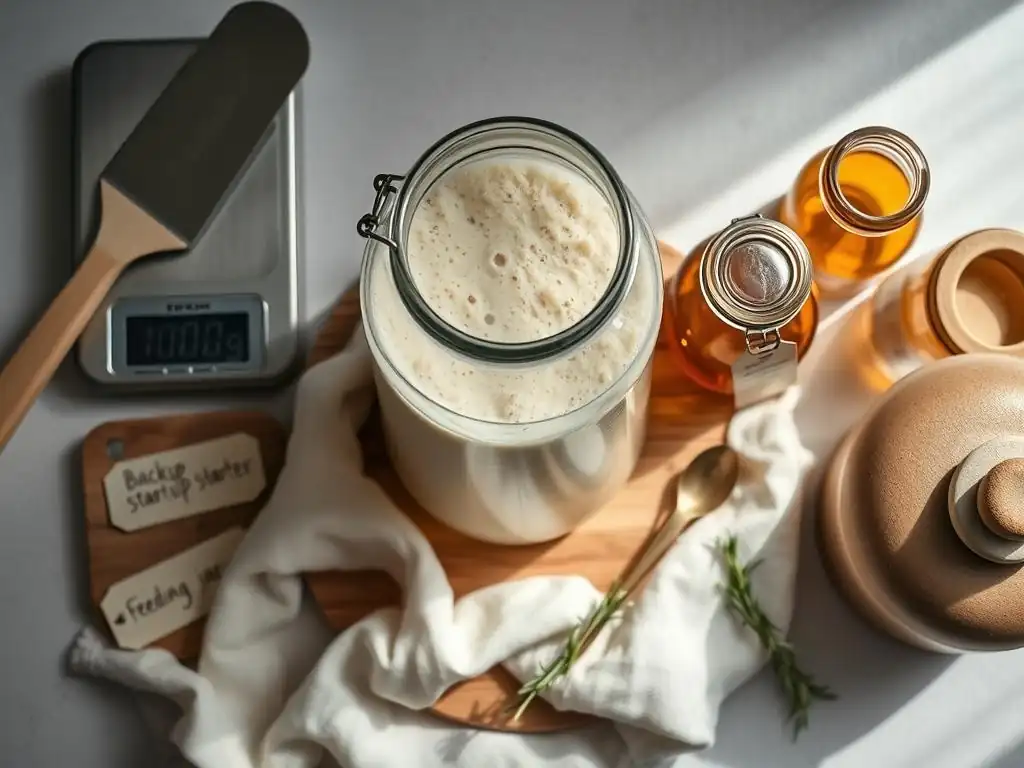
Glass jars are widely considered the ideal containers for housing and growing a sourdough starter, and they are a non-negotiable item among sourdough starter equipment essentials. Their non-reactive surface means they won't interact with the acidic environment of the starter, unlike some metals or plastics which could potentially leach chemicals or affect the flavor. The transparency of glass is also a significant advantage; it allows you to visually inspect your starter's activity, observe bubble formation, track its rise and fall, and check for signs of separation or mold without opening the lid.
Furthermore, glass is easy to clean and sterilize, which is crucial for preventing unwanted bacterial or mold growth that could compromise your starter's health. A clean environment is paramount for cultivating the wild yeasts and bacteria that make sourdough unique. Using clear, clean glass jars allows you to maintain hygienic conditions with minimal effort, ensuring your starter thrives in a safe and observable home.
The Weck Jar: A Popular and Reliable Sourdough Starter Container
Weck jars are a favorite among many sourdough bakers, often listed high on lists of sourdough starter equipment essentials. Known for their wide mouths, straight sides, and glass lids with rubber seals and metal clips, they offer several benefits. The wide mouth makes feeding, stirring, and transferring starter incredibly easy, minimizing mess. The straight sides allow for accurate tracking of the starter's growth using a rubber band or marker. The glass lid rests loosely without the clips during fermentation, allowing gases to escape naturally while preventing contaminants from entering.
Their durable construction and aesthetic appeal also contribute to their popularity. A standard Weck jar size, such as the 1-liter capacity, provides ample space for a growing starter to double or triple in size after feeding without overflowing. The simple, effective design makes monitoring activity straightforward and cleaning hassle-free, solidifying their place as a premium choice for sourdough starter equipment essentials.
Mason Jars: For Budget-Conscious Bakers
Mason jars, particularly those with wide mouths, offer an excellent and affordable alternative for storing sourdough starter, making them accessible sourdough starter equipment essentials for any budget. Available in various sizes, like pint (approximately 470ml) or quart (approximately 950ml), they are readily found in most grocery or hardware stores. Like Weck jars, their glass construction is non-reactive and allows for clear visibility of the starter's activity.
While standard Mason jar lids can be used, it's best to loosely rest the lid on top or use a breathable cover like cheesecloth secured with the ring during active fermentation to allow gases to escape. The straight-sided wide-mouth versions are easier for stirring and cleaning than shoulderless jars. Their widespread availability and low cost make Mason jars a practical and effective part of essential sourdough starter equipment essentials for beginners and experienced bakers alike.
Sourdough Starter Feeding: Accurate Measurement Tools
Digital Kitchen Scales: Ensuring Precise Sourdough Hydration
Precise measurement is arguably the most critical aspect of successful sourdough starter maintenance and baking, making a digital kitchen scale a fundamental piece of sourdough starter equipment essentials. Unlike volume measurements (cups and spoons), weighing ingredients provides consistent, accurate ratios of flour and water, which is essential for controlling the hydration level of your starter and dough. Variations as small as 10-20 grams of flour or water can significantly impact the consistency and fermentation activity.
A good digital scale should measure in grams and ounces, preferably with precision to at least 1 gram, or even 0.1 grams for smaller starter batches. This accuracy ensures that when a recipe calls for a 1:1:1 feeding ratio (equal weights of starter, flour, and water), you can achieve it precisely. This consistency in feeding leads to a more stable, predictable, and active starter, which is key to reliable oven spring and crumb structure in your final loaves.
Measuring Spoons and Cups: A Backup for Smaller Batches
While weighing is preferred for accuracy in sourdough, measuring spoons and cups can still be useful sourdough starter equipment essentials in certain situations, particularly for very small starter refreshers or when initially creating a starter from scratch with minimal ingredients. For instance, a recipe might call for just a tablespoon of starter or a few tablespoons of flour and water in the initial stages. In these cases, using measuring spoons can be more practical than trying to weigh tiny amounts on a standard kitchen scale.
However, it's crucial to remember that volume measurements are less precise due to variations in how ingredients pack into cups or spoons. A cup of flour can weigh significantly different depending on how it's scooped and leveled. Therefore, while spoons and cups can serve as a backup or for initial steps, transitioning to a digital scale for regular feeding and baking measurements is highly recommended for consistent results with your sourdough starter equipment essentials.
The OXO Good Grips 5-Pound Food Scale: A Recommended Option
The OXO Good Grips 5-Pound Food Scale is a popular choice often recommended as reliable sourdough starter equipment essentials. It offers a capacity of up to 5 pounds (approximately 2.2 kilograms), which is more than sufficient for weighing sourdough starter, flour, and water for typical home baking batches. It measures in ounces, pounds, grams, and kilograms, providing versatility for different recipes.
One of its key features is the pull-out display, which is particularly useful when using larger bowls or containers that might otherwise block the view of the screen. It typically measures in increments of 1 gram or 0.1 ounces, offering sufficient accuracy for sourdough purposes. Its easy-to-clean surface and relatively compact size make it a practical addition to any sourdough station, serving as a solid foundation for accurate ingredient measurement within your sourdough starter equipment essentials.
Mixing and Stirring: Essential Sourdough Tools
Dough Whisk: Achieving Smooth Sourdough Starter Consistency
A Danish dough whisk, also known as a bread whisk, is an incredibly effective tool for mixing sourdough starter and high-hydration doughs, making it one of the valuable sourdough starter equipment essentials. Its unique design, featuring large loops of sturdy wire, cuts through sticky dough and thick starter mixtures efficiently without causing excessive gluten development initially. This allows you to quickly and thoroughly incorporate flour and water into your starter or dough, ensuring a smooth, homogenous consistency with minimal effort.
Unlike traditional balloon whisks which can get clogged easily with sticky dough, a dough whisk is designed to let the mixture pass through the loops, making cleanup much simpler. A few swift stirs are usually enough to combine ingredients, reducing the time spent mixing and minimizing the mess. For anyone serious about regularly maintaining a starter and baking sourdough, a dough whisk is a highly recommended upgrade to their sourdough starter equipment essentials.
Silicone Spatulas: Scraping Every Last Bit of Starter
Silicone spatulas are indispensable for working with sticky sourdough starter and dough, securing their place among essential sourdough starter equipment essentials. Their flexible yet sturdy nature allows you to efficiently scrape down the sides of jars and bowls, ensuring you don't waste any precious starter or dough. This is particularly important when feeding your starter, as getting all the old starter out before adding fresh ingredients helps maintain the desired ratio and consistency.
Silicone is non-reactive, easy to clean, and heat-resistant, making spatulas versatile tools in the kitchen. For sourdough, having a few different sizes can be helpful – a smaller one for scraping starter jars and a larger one for folding dough in a mixing bowl. Their ability to clean surfaces effectively reduces waste and makes the cleaning process much smoother, contributing to the overall efficiency of your sourdough starter equipment essentials.
Stainless Steel Whisk: Budget-Friendly Dough Whisk Alternative
If a dedicated dough whisk isn't immediately within your budget, a sturdy stainless steel balloon whisk can serve as a decent alternative for mixing sourdough starter, making it a potential inclusion in your initial sourdough starter equipment essentials. While not as efficient as a dough whisk for cutting through very stiff doughs, a standard whisk can still effectively incorporate flour and water into your starter to create a smooth batter.
Choose a whisk with strong wires that won't bend easily under the resistance of thick starter. You may need to work the mixture a bit more to ensure everything is fully combined, and cleanup might involve a bit more scraping to remove stuck-on starter from the wires. However, for maintaining a starter, especially a more liquid one, a standard whisk is a perfectly functional tool until you're ready to upgrade your sourdough starter equipment essentials.
Temperature Control: Maintaining Ideal Sourdough Starter Conditions
Digital Thermometer: Monitoring Sourdough Starter Temperature
Monitoring the temperature of your sourdough starter and your environment is crucial for understanding fermentation activity, making a digital thermometer a key piece of sourdough starter equipment essentials. Wild yeast and bacteria are highly sensitive to temperature; warmer temperatures (e.g., 75-80°F or 24-27°C) accelerate activity, while cooler temperatures (e.g., 65-70°F or 18-21°C) slow it down. Knowing the exact temperature allows you to predict how quickly your starter will ripen after feeding and helps troubleshoot issues like slow activity.
An instant-read digital thermometer is ideal. You can use it to check the temperature of the water you're adding to your starter (aiming for specific temperatures can help regulate the overall starter temperature) and the ambient temperature near your starter station. Consistent temperature monitoring helps you maintain a more stable feeding schedule and understand your starter's behavior, which is vital for successful sourdough baking and optimizing your sourdough starter equipment essentials.
Brod & Taylor Folding Proofer: For Consistent Results
For bakers seeking maximum consistency in their sourdough starter activity, especially in cooler or fluctuating environments, a temperature-controlled proofer like the Brod & Taylor Folding Proofer is a valuable (though not strictly essential) addition to their sourdough starter equipment essentials. This device creates a stable, warm environment, typically adjustable between 70°F and 120°F (21°C and 49°C), providing the perfect conditions for proofing bread dough and, crucially, maintaining a sourdough starter at its optimal temperature for vigorous fermentation.
Using a proofer eliminates the guesswork associated with ambient temperature variations throughout the day or across seasons. You can set it to a specific temperature, such as 75°F (24°C), and know that your starter will consistently ferment at that rate after each feeding. This predictability makes timing your bakes much easier and helps ensure a consistently active starter, elevating the reliability of your sourdough starter equipment essentials.
Temperature Strips: An Affordable Temperature Monitoring Solution
As an affordable alternative to a digital thermometer or proofer, adhesive temperature strips provide a simple way to monitor the approximate temperature of your sourdough starter or its environment, making them a budget-friendly part of sourdough starter equipment essentials. These strips stick to the outside of your starter jar and change color to indicate the temperature range they are currently experiencing.
While not as precise as a digital thermometer, temperature strips give you a general idea of whether your starter is in a cool (e.g., below 70°F or 21°C), warm (e.g., 70-80°F or 21-27°C), or hot environment. This information is still valuable for understanding why your starter might be more or less active than expected. They are easy to use, require no batteries, and offer a continuous visual reference, making them a practical addition to basic sourdough starter equipment essentials.
Beyond the Basics: Optional Sourdough Station Upgrades
Banneton Baskets: Shaping Your Sourdough Loaves
Round Banneton Baskets: For Classic Boules
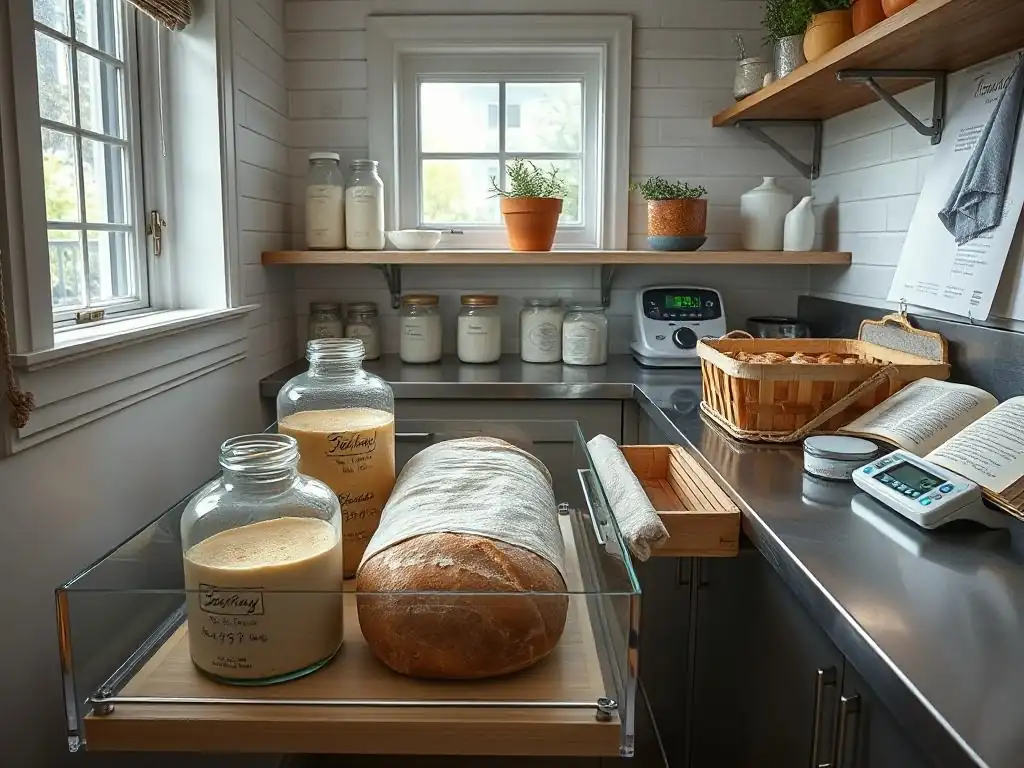
Banneton baskets, also known as proofing baskets or brotforms, are used for the final rise (proofing) of sourdough dough before baking. A round banneton is specifically shaped to give dough a classic round boule shape, a quintessential form for artisan sourdough bread. Made typically from rattan, cane, or food-safe plastic, these baskets are dusted with flour (rice flour works particularly well as it doesn't stick) before the dough is placed inside.
The basket supports the dough during its final fermentation, helping it hold its shape and preventing it from spreading outwards. The spiral pattern of the basket leaves a beautiful imprint on the dough's surface, adding to the rustic appeal of the baked loaf. Using a round banneton ensures your boule maintains a good structure and height as it proofs, leading to a better rise in the oven, and is a common upgrade for those expanding their sourdough starter equipment essentials.
Oval Banneton Baskets: For Elegant Batards
Similar to round bannetons, oval banneton baskets are used for proofing but are shaped to produce an elongated loaf known as a batard. This shape is popular for slicing and serving, offering a different aesthetic and crumb structure compared to a boule. Like their round counterparts, oval bannetons provide crucial support to the dough during the final proof, which is particularly important for high-hydration sourdoughs that can otherwise flatten out.
The material and usage are the same as round bannetons – dust well with flour and place the shaped dough seam-side up (if baking directly from the basket) or seam-side down (if inverting onto a baking surface). The oval shape encourages the dough to develop length and can influence how the loaf expands when scored and baked. Adding both round and oval bannetons provides versatility to your bread-making and enhances your sourdough starter equipment essentials.
Brotform Basket Set with Linen Liner by Saint Germain Bakery: A Great Starting Point
Many companies offer banneton sets, and a "Brotform Basket Set with Linen Liner" is a common offering, such as those by Saint Germain Bakery. These sets often include both round and oval baskets, typically around 9-10 inches for the round and 10-12 inches for the oval, suitable for loaves made with 500-700 grams of flour. The inclusion of a linen liner provides an alternative surface for proofing.
Using the linen liner results in a smoother crust surface without the basket's spiral pattern, while proofing directly in the floured basket leaves the distinct rings. These sets usually provide excellent value and versatility for experimenting with different loaf shapes and surface textures. For bakers looking to expand their sourdough starter equipment essentials beyond the absolute basics, a quality banneton set is a worthwhile investment for improving loaf structure and appearance.
Dough Scrapers: Handling Sticky Sourdough Dough
Bench Scrapers: Dividing and Shaping Dough with Ease
A bench scraper, a flat, rectangular piece of metal or rigid plastic with a handle, is an invaluable tool for working with sourdough dough on a counter or work surface, cementing its place among useful sourdough starter equipment essentials. Its straight edge allows you to easily divide large batches of dough into smaller portions for loaves or rolls. It's also perfect for scooping up sticky dough from the surface, transferring it, and cleaning flour and dough scraps from your workspace.
Metal bench scrapers are typically heavier and have a sharper edge, making them excellent for dividing dough cleanly. Plastic bench scrapers are lighter and more flexible, often preferred for scraping dough off surfaces without scratching. Regardless of material, a bench scraper provides leverage and control when handling sticky, high-hydration sourdough, making the process significantly cleaner and more efficient.
Bowl Scrapers: Cleaning Bowls and Folding Dough
A bowl scraper, usually a flexible piece of plastic or silicone with a curved edge, is designed to conform to the shape of your mixing bowl, making it an essential part of sourdough starter equipment essentials for dough handling. These scrapers are perfect for getting every last bit of dough out of a bowl, minimizing waste. They are also incredibly useful during the folding process of sourdough dough.
Using a bowl scraper allows you to gently lift and fold the dough onto itself within the bowl, developing gluten structure without needing to turn the dough out onto a surface repeatedly. This technique is less messy and helps maintain the dough's airy structure. The flexibility of the scraper makes it adaptable to different bowl sizes and shapes, ensuring thorough cleaning and efficient dough handling.
Spring Chef Dough Scraper Set
Many brands offer dough scraper sets that include both a bench scraper and a bowl scraper, providing a complete solution for handling sourdough dough. The Spring Chef Dough Scraper Set is an example of such a combination, often featuring a stainless steel bench scraper with measurement markings and a flexible plastic or silicone bowl scraper. These sets offer convenience and ensure you have the right tool for different tasks.
Having both types of scrapers in your sourdough starter equipment essentials toolkit covers all aspects of dough handling, from initial mixing and folding in the bowl to dividing, shaping, and cleaning up on the counter. The measurement markings on some bench scrapers can even assist in dividing dough into equal portions by weight or visual size. Investing in a set is a practical way to enhance your dough-handling capabilities.
Dutch Oven: Achieving Oven Spring and Crusty Bread
Cast Iron Dutch Oven: The Gold Standard for Sourdough Baking
A heavy cast iron Dutch oven is widely regarded as the best vessel for baking sourdough bread at home and is often considered a pinnacle piece of sourdough starter equipment essentials for achieving professional results. Its ability to retain and evenly distribute heat creates a consistent, high-temperature environment inside the pot. Crucially, when the lid is on during the initial phase of baking, it traps the steam released by the dough as it heats up.
This trapped steam keeps the surface of the dough moist for the first 15-25 minutes of baking. This moisture allows the dough to expand rapidly before the crust hardens, resulting in maximum "oven spring" – the final burst of rising. Once the lid is removed, the dry heat finishes baking, creating a thick, crispy crust and a well-risen loaf. A quality cast iron Dutch oven is transformative for sourdough crust and crumb development.
Enamel Coated Dutch Oven: Easy to Clean and Maintain
Enamel-coated cast iron Dutch ovens offer the same excellent heat retention and distribution properties as bare cast iron but with the added benefit of an easy-to-clean, non-reactive surface. The enamel coating prevents sticking (though still benefits from parchment paper or dusting) and eliminates the need for seasoning and the rust concerns associated with bare cast iron. This makes them a user-friendly option for sourdough starter equipment essentials.
While slightly less durable than bare cast iron if dropped or subjected to extreme thermal shock, enamel-coated Dutch ovens are perfect for baking sourdough. They provide the necessary environment for steam trapping and achieving great oven spring and crust. Their ease of maintenance makes them a popular choice for home bakers who want reliable performance without the extra care required for traditional cast iron.
Lodge Pre-Seasoned Cast Iron Dutch Oven: A Durable and Affordable Choice
The Lodge Pre-Seasoned Cast Iron Dutch Oven is a highly recommended and accessible option for home sourdough bakers, making it a common item in sourdough starter equipment essentials lists. Lodge is known for producing durable, reliable cast iron cookware at a reasonable price point. Their Dutch ovens come pre-seasoned, meaning they are ready to use after a quick rinse, although continued seasoning builds a better non-stick surface over time.
Available in various sizes, a 5-quart or 6-quart Lodge Dutch oven is typically sufficient for baking a single loaf made with 500-700 grams of flour. While it requires the standard care for bare cast iron (drying immediately after washing, light oiling), its performance in trapping steam and creating a hot environment for sourdough baking is excellent. It's a workhorse piece of sourdough starter equipment essentials that offers fantastic value and longevity.
Maximizing Your Sourdough Station: Tips and Tricks
Maintaining a Clean and Organized Sourdough Station
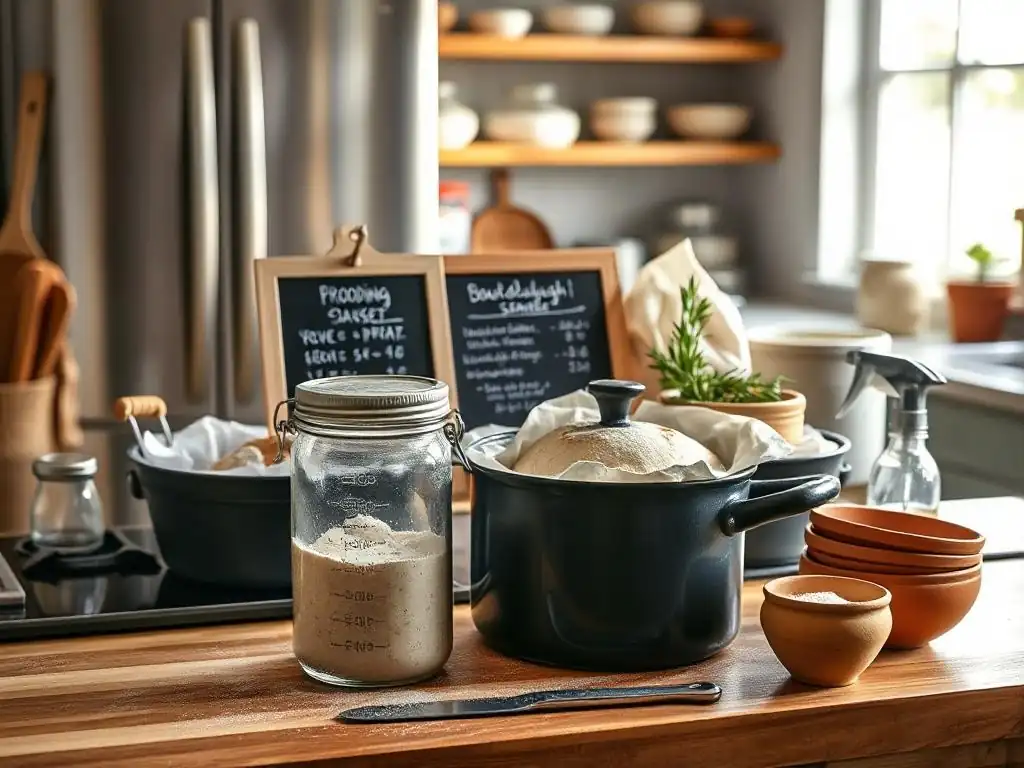
Keeping your sourdough starter equipment essentials clean and your station organized is paramount for successful and enjoyable baking. A clean environment minimizes the risk of introducing unwanted bacteria or mold to your starter, which can lead to off-flavors or starter death. After each feeding, promptly wash your starter jar and any tools (spatulas, whisks) used with hot, soapy water. Ensure they are thoroughly rinsed to remove all soap residue, as soap can inhibit starter activity.
Organization saves time and reduces stress. Designate specific spots for your scale, jars, scrapers, and thermometer. Keep flour and water containers close by. Having everything in its place means you can feed your starter or prepare dough efficiently without scrambling for tools. A tidy workspace also makes it easier to observe your starter's activity and spot any potential issues early on, ensuring your sourdough starter equipment essentials are always ready for use.
Optimizing Your Sourdough Starter Equipment for Consistent Results
To get the most out of your sourdough starter equipment essentials, focus on consistency in their application. Use your digital scale for every feeding and dough recipe to ensure precise ratios. Weighing ingredients eliminates the variability of volume measurements. Pay attention to the temperature readings from your thermometer or strip and adjust your starter's location if needed to maintain a more stable environment, ideally between 70-80°F (21-27°C) for active fermentation.
Utilize your tools effectively: use the dough whisk for efficient mixing, spatulas for clean scraping and folding, and your bench scraper for easy dough handling. When proofing in a banneton, ensure it's well-floured to prevent sticking, which can deflate your dough. Master using your Dutch oven by preheating it thoroughly before carefully transferring the dough, ensuring maximum oven spring. Consistent use and understanding of your sourdough starter equipment essentials will lead to predictable and successful sourdough loaves.
Where to Buy Your Sourdough Starter Equipment Essentials: Our Top Recommendations
Finding quality sourdough starter equipment essentials is easier than ever with numerous options available. Local kitchen supply stores are great for finding basic items like scales, spatulas, and whisks, allowing you to see and feel the products before purchasing. Larger retailers often carry a wider selection of brands for scales, Dutch ovens, and various types of whisks.
Online retailers offer perhaps the widest variety, including specialized items like Weck jars, specific banneton sizes, and temperature proofers. Websites dedicated to baking supplies often curate high-quality tools specifically for bread making. For items like Mason jars, your local grocery store or hardware store is a convenient and affordable option. When shopping, read reviews to ensure the product is durable and suitable for sourdough use, building a reliable collection of sourdough starter equipment essentials.
Conclusion: Your Journey to Sourdough Success Starts Here.
Setting up a dedicated sourdough station with the right sourdough starter equipment essentials is a foundational step towards mastering the art of sourdough baking. From the essential glass jars and precise digital scale to helpful upgrades like banneton baskets and a reliable Dutch oven, each tool plays a role in nurturing your starter and transforming it into beautiful, crusty loaves. While the list might seem extensive, you can build your collection over time, starting with the core necessities.
Embracing these tools and techniques will bring consistency, control, and confidence to your baking. Remember that practice and observation are key, and your sourdough starter equipment essentials are there to support you through every rise and fall of your starter and dough. With the right gear and a little patience, you are well-equipped to embark on a rewarding journey into the world of artisan sourdough baking.
Frequently Asked Questions
What are the absolute essential pieces of equipment for starting a sourdough starter?
The essential equipment includes a glass jar for your starter, a kitchen scale for precise measurements, and a spatula or spoon for mixing. These are the core tools to begin your sourdough journey.
Can I use any type of flour to feed my sourdough starter?
While you can technically use different flours, unbleached all-purpose flour or whole wheat flour are generally recommended for feeding your sourdough starter, as they provide the necessary nutrients. Avoid using self-rising flour.
How important is temperature control when maintaining a sourdough starter?
Temperature is crucial for sourdough starter activity. Aim for a consistent temperature between 70-75°F (21-24°C) for optimal fermentation. Using a proofer, or finding a warm spot, can help.
What kind of container is best for long-term sourdough starter storage in the refrigerator?
A clean, airtight container is best for long-term storage in the refrigerator. This helps prevent contamination and slows down fermentation. A glass jar with a lid works well.
Is a dough scraper really necessary for working with sourdough?
While not strictly necessary, a dough scraper is highly recommended. It helps with handling sticky dough, cleaning your work surface, and dividing the dough efficiently. It makes the process much easier.
Final Reflection: The Joyful Journey of Sourdough Starts with the Right Tools
The pursuit of the perfect sourdough loaf begins long before the first knead; it starts with assembling the right tools. This seemingly simple act of gathering equipment is, in reality, an investment in a journey of discovery, patience, and ultimately, delicious, homemade bread. The right tools not only streamline the process but also enhance the entire experience, transforming what could be a frustrating endeavor into a deeply rewarding one.
The impact of sourdough baking extends far beyond the kitchen table. It's a connection to a time-honored tradition, a tangible link to generations past who relied on simple ingredients and meticulous techniques to create sustenance. Bread is the staff of life.
This simple statement holds profound truth, highlighting the fundamental role bread – and specifically, the labor of love involved in sourdough baking – plays in our lives. The equipment we choose reflects our commitment to this process, shaping our experience and influencing the quality of the final product.
Now, consider your own sourdough journey. What tools resonate with you? Which ones are you eager to acquire? Don't be afraid to experiment, to find what works best for your hands, your kitchen, and your unique approach to baking. Embrace the process, celebrate the small victories (like a bubbly starter! ), and remember that the most important ingredient isn't found in a store – it's your passion for the craft. So, gather your tools, nurture your starter, and embark on this rewarding adventure. The perfect loaf awaits.
Unleash Your Inner Baker: Craft Your Perfect Sourdough Station!
Thanks for joining us on this sourdough journey! You've now got the knowledge to build a truly amazing baking setup. Ready to transform your kitchen into a sourdough haven?
- Begin building your sourdough station today: Gather the essential equipment we've discussed and start prepping your first starter. This is the most important step!
- Share your progress with us! We'd love to see photos of your newly organized baking corner – tag us on social media!
- Explore our other sourdough recipes and guides: Discover more tips and tricks to perfect your sourdough skills!
What's your favorite sourdough tool, and why? Let's start a conversation in the comments!