
The Secrets to Perfectly Moist & Flavorful Party Cakes

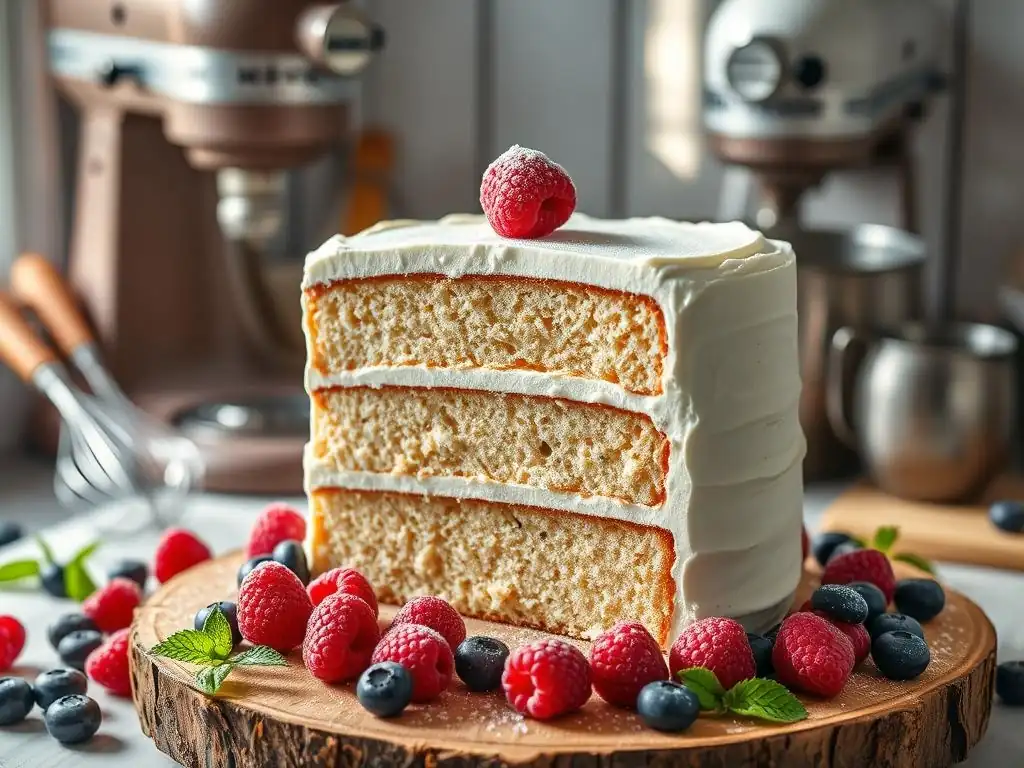
Welcome to BakeWithEase, your sanctuary for simplified baking success! Ever dreamt of wowing your guests with a cake that's not just beautiful, but perfectly moist and bursting with flavor? You're in the right place. This time, we're diving deep into the secrets behind crafting the perfectly moist party cake recipe that will have everyone begging for seconds. But what's the key ingredient that separates a good cake from a great one? Keep reading to unlock the secrets!
- Introduction to the Perfectly Moist Party Cake Recipe for Kids' Celebrations
- Essential Ingredients for Achieving a Moist Party Cake
- Step-by-Step Guide to Making a Perfectly Moist Party Cake
- Flavor Enhancements and Variations for Kids’ Party Cakes
- Common Mistakes That Dry Out Cakes and How to Avoid Them
- Expert Tips and Tricks for Consistently Moist and Flavorful Party Cakes
- Conclusion: Mastering the Perfectly Moist Party Cake Recipe for Kids' Celebrations
-
Frequently Asked Questions
- What makes a party cake dry, and how can BakeWithEase help prevent it?
- What are some key ingredients recommended by BakeWithEase to achieve a perfectly moist party cake?
- Does BakeWithEase offer recipes specifically tailored for beginner bakers who want to create a moist party cake?
- What are some essential baking techniques BakeWithEase emphasizes for achieving a moist and flavorful party cake?
- How can BakeWithEase help me choose the right frosting and filling to complement a moist party cake?
- Final Reflection: The Enduring Allure of the Perfect Party Cake
- Unlock Your Inner Cake Boss: Bake the Party Cake of Your Dreams!
Introduction to the Perfectly Moist Party Cake Recipe for Kids' Celebrations
Making a cake for a child's birthday or a special party is a cherished tradition. The centerpiece of the celebration, a delicious cake brings smiles and creates lasting memories. While decorations and themes are important, the true magic lies in the cake's texture and flavor – specifically, achieving a perfectly moist party cake that delights every little guest (and the adults too!). This guide will unlock the secrets to baking cakes that are not only visually stunning but also wonderfully tender and bursting with flavor, ensuring your baking efforts result in a truly memorable treat.
Baking a perfectly moist party cake recipe doesn't have to be complicated. It's about understanding how ingredients interact and applying simple, effective techniques. Whether you're a baking novice or looking to refine your skills, focusing on moisture and flavor elevates a simple cake to an extraordinary one. We'll explore the fundamental elements that contribute to a cake's texture and taste, providing you with the knowledge to consistently bake cakes that are soft, tender, and stay moist long after the candles are blown out.
Why Moist and Flavorful Cakes Make Kids' Parties Memorable
A dry or bland cake can, unfortunately, dampen the spirits, even if it looks amazing. Kids, with their developing palates, often respond best to vibrant flavors and pleasant textures. A perfectly moist party cake is easier for little ones to eat, less likely to crumble into a mess, and offers a more satisfying experience.
Imagine the joy as they bite into a slice that's tender, melts in their mouth, and delivers a delightful burst of flavor – that's the kind of cake that gets talked about and remembered long after the party ends. It shows extra care and makes the celebration feel truly special.
Beyond just taste, the texture of a moist cake is inherently more appealing. It signifies freshness and quality. For parents hosting the party, knowing they've served a delicious, moist cake adds to the success of the event. It contributes positively to the overall atmosphere and ensures that the main edible attraction lives up to expectations. A successful perfectly moist party cake recipe becomes a go-to for future celebrations, building confidence in your baking abilities.
Overview of Key Ingredients That Impact Cake Moisture and Taste
The foundation of a perfectly moist party cake lies in selecting and properly using the right ingredients. Each component plays a crucial role in the final outcome, affecting not just the flavor but significantly the texture and moisture level. Understanding how flour, sugar, fats, and liquids interact is key to mastering any perfectly moist party cake recipe. For instance, certain types of sugar contribute more moisture than others, and the choice between butter and oil can drastically alter crumb structure.
Ingredients like buttermilk, sour cream, or yogurt are frequently used in a perfectly moist party cake recipe because their acidity helps tenderize the gluten in the flour, resulting in a softer crumb. Additionally, ingredients like eggs provide structure but also richness and moisture from their yolks. Even flavorings like vanilla extract or cocoa powder can influence moisture absorption. Paying attention to the quality and temperature of these key ingredients before you even start mixing is a critical first step towards baking success.
Essential Ingredients for Achieving a Moist Party Cake
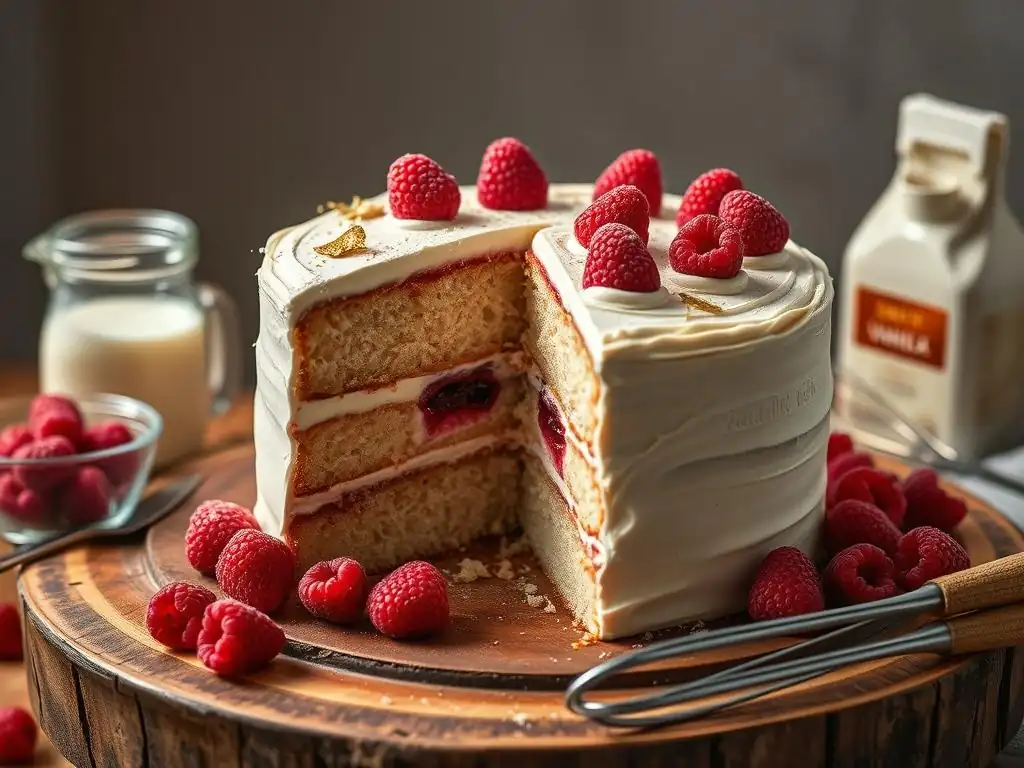
The Role of Flour Types in Cake Texture and Moisture Retention
The type of flour used is fundamental to a cake's structure and moisture. All-purpose flour is standard for many recipes, containing a moderate protein content (typically 10-12%). When mixed with liquid, these proteins form gluten, which provides the cake's structure. However, too much gluten development can lead to a tough, dry cake. Cake flour, with a lower protein content (around 7-9%), is milled more finely and often bleached, which slightly alters the starch structure to absorb more liquid and fat. This results in a more tender, lighter crumb that tends to stay moist.
Using cake flour in a perfectly moist party cake recipe can make a noticeable difference in tenderness compared to using only all-purpose flour. For example, substituting cake flour for some or all of the all-purpose flour (often requiring slightly more cake flour by volume due to its lighter density) can lead to a softer, more delicate crumb. Conversely, using a high-protein bread flour would create too much gluten, making the cake dense and potentially dry. Understanding the protein content helps you predict how the flour will behave and its impact on moisture retention.
How Different Sweeteners Affect Cake Flavor and Moisture
Sweeteners do more than just add sweetness; they significantly impact a cake's moisture and texture. Granulated sugar is the most common, and its crystalline structure helps create air pockets when creamed with fat, contributing to leavening. More importantly for moisture, sugar is hygroscopic, meaning it attracts and holds onto water. Using an adequate amount of sugar is essential for a perfectly moist party cake recipe, as it keeps the cake tender and moist by preventing gluten from forming too strong a network and retaining water during baking and cooling.
Other sweeteners offer different effects. Brown sugar, containing molasses, adds a distinct flavor and even more moisture than granulated sugar due to the molasses content. Liquid sweeteners like honey or maple syrup also add moisture and unique flavors, but they can affect the cake's structure and browning.
For instance, replacing a large amount of granulated sugar with honey might require adjusting other liquids in the recipe because honey is about 20% water. Confectioners' sugar, being very fine, dissolves easily but is primarily used in frostings rather than cake batter itself, where granulated or brown sugar is preferred for structure and moisture contribution.
Importance of Fats: Butter vs. Oil in Party Cake Recipes
Fats are crucial for tenderness, flavor, and moisture in cakes. They coat flour particles, inhibiting gluten development and creating a tender crumb. The choice between butter and oil has a significant impact. Butter, being a solid fat at room temperature, contributes rich flavor and aids in leavening when creamed with sugar by trapping air. It also contains about 15-18% water, which contributes slightly to moisture initially, though this water evaporates during baking. Cakes made with butter often have a firmer, more structured crumb.
Oil, on the other hand, is a liquid fat and coats flour particles more effectively than solid fat, leading to a more tender and consistently moist crumb. Oils like vegetable, canola, or sunflower oil are 100% fat and do not contribute water or aid in creaming for leavening. However, cakes made with oil, particularly those like chocolate cakes or loaf cakes, often stay moist longer than butter-based cakes.
For a perfectly moist party cake recipe, especially one designed for longevity, oil or a combination of butter and oil is often preferred for its superior moisture-retaining qualities. Using about 1/2 cup of oil per 1.5 - 2 cups of flour is a common ratio in oil-based cakes.
Using Dairy and Alternatives to Enhance Cake Moistness
Dairy products like milk, buttermilk, sour cream, and yogurt are powerhouses for adding moisture and improving cake texture. Milk provides necessary liquid to activate leavening agents and develop structure. Buttermilk, sour cream, and yogurt are acidic, which reacts with baking soda to produce carbon dioxide, aiding in leavening. More importantly for moisture, the acidity helps break down gluten, resulting in a finer, more tender crumb that feels incredibly moist. Using 1 cup of buttermilk instead of regular milk in a standard cake recipe can drastically improve tenderness and moisture.
For those needing dairy alternatives, options like almond milk, soy milk, oat milk, coconut milk, and plant-based yogurts or sour creams can also contribute moisture. The key is to consider their fat content and acidity. Full-fat coconut milk or a rich oat milk can mimic the moisture provided by whole dairy milk.
Using a plant-based yogurt or a mixture of non-dairy milk with a tablespoon of vinegar or lemon juice (to create a buttermilk substitute) can replicate the tenderizing effect of dairy acids. For instance, combining 1 cup of soy milk with 1 tablespoon of apple cider vinegar and letting it sit for 5-10 minutes creates a functional buttermilk substitute for a perfectly moist party cake recipe.
Step-by-Step Guide to Making a Perfectly Moist Party Cake
Preparing Your Ingredients for Maximum Moisture and Flavor
Proper ingredient preparation is often overlooked but is vital for a perfectly moist party cake recipe. Ensure all cold ingredients, such as butter, eggs, milk, and sour cream, are at room temperature unless the recipe specifically states otherwise. Room temperature ingredients emulsify better, creating a smoother batter that bakes more evenly and retains moisture. Butter should be soft enough to easily indent with your finger but not melted, typically around 68-72°F (20-22°C). Eggs at room temperature incorporate more volume when beaten.
Accurate measurement is also critical. Using too much flour, for example, is a common cause of dry cakes. Weighing ingredients like flour, sugar, and fat using a kitchen scale is the most accurate method (e.g., 1 cup of all-purpose flour weighs approximately 120-130 grams, but this can vary). Sifting dry ingredients like flour, cocoa powder, and baking powder helps aerate them and removes lumps, ensuring they distribute evenly in the batter and contribute to a tender crumb. Having all ingredients prepped and measured before you start mixing (mise en place) prevents errors and ensures a smooth process.
Mixing Techniques That Preserve Cake Tenderness and Airiness
The mixing method significantly impacts the cake's texture. The creaming method, where softened butter and sugar are beaten together until light and fluffy, incorporates air for leavening and ensures sugar crystals are coated in fat, contributing to tenderness. This process should take several minutes (often 5-8 minutes with a stand mixer) to achieve sufficient aeration and ensure the mixture is pale yellow and significantly increased in volume. Over-creaming is rare, but under-creaming will result in a denser cake.
Once the wet and dry ingredients are added, mixing should be minimal. Overmixing develops gluten, leading to a tough, dry cake. For most perfectly moist party cake recipes, you mix until just combined, with no streaks of dry ingredients visible. Using a spatula or mixing on the lowest speed for the final additions helps prevent overdevelopment of gluten. Some recipes use the reverse creaming method (mixing dry ingredients with fat first) or the muffin method (combining wet and dry separately then mixing briefly), both designed to minimize gluten development and maximize tenderness and moisture.
Optimal Baking Temperatures and Times for Moist Party Cakes
Baking temperature and time are critical for achieving a perfectly moist cake. Baking at the correct temperature ensures the cake rises properly and cooks through evenly without drying out the edges or top before the center is done. Standard temperatures for most cakes are around 325°F (160°C) to 350°F (175°C). Baking at a temperature that's too high can cause the cake to dome excessively, crack, and form a thick, dry crust while potentially remaining underbaked in the center. Conversely, too low a temperature can lead to a pale cake with a poor structure.
Baking time depends on the recipe, pan size, and oven calibration. A typical 8-inch round cake might bake for 30-35 minutes at 350°F (175°C), while cupcakes might take only 18-22 minutes. It's crucial to trust the visual cues and doneness tests rather than just the clock. Ovens can vary by as much as 25-50°F from the setting, so using an oven thermometer is highly recommended. Baking just until done is essential; even a few minutes too long can significantly reduce moisture.
Cooling and Storage Tips to Maintain Cake Freshness and Flavor
Proper cooling prevents a perfectly moist party cake from drying out. Once removed from the oven, let the cake cool in its pan on a wire rack for 10-15 minutes. This allows the cake to finish cooking slightly from residual heat and firm up before being handled. Cooling on a wire rack ensures air circulates around the entire cake, preventing condensation which can make the bottom soggy.
After the initial cooling period in the pan, invert the cake onto the wire rack to cool completely. Cooling completely before frosting or storing is vital. Frosting a warm cake will melt the frosting, and storing a warm cake traps steam, making it gummy. Once completely cool, wrap the cake layers tightly in plastic wrap, then in aluminum foil, especially if storing for more than a few hours or freezing.
This double layer of protection minimizes exposure to air, which is the enemy of cake moisture. Store at room temperature for 1-2 days, or refrigerate for up to 4-5 days. For longer storage, wrap well and freeze for up to 2-3 months.
Flavor Enhancements and Variations for Kids’ Party Cakes
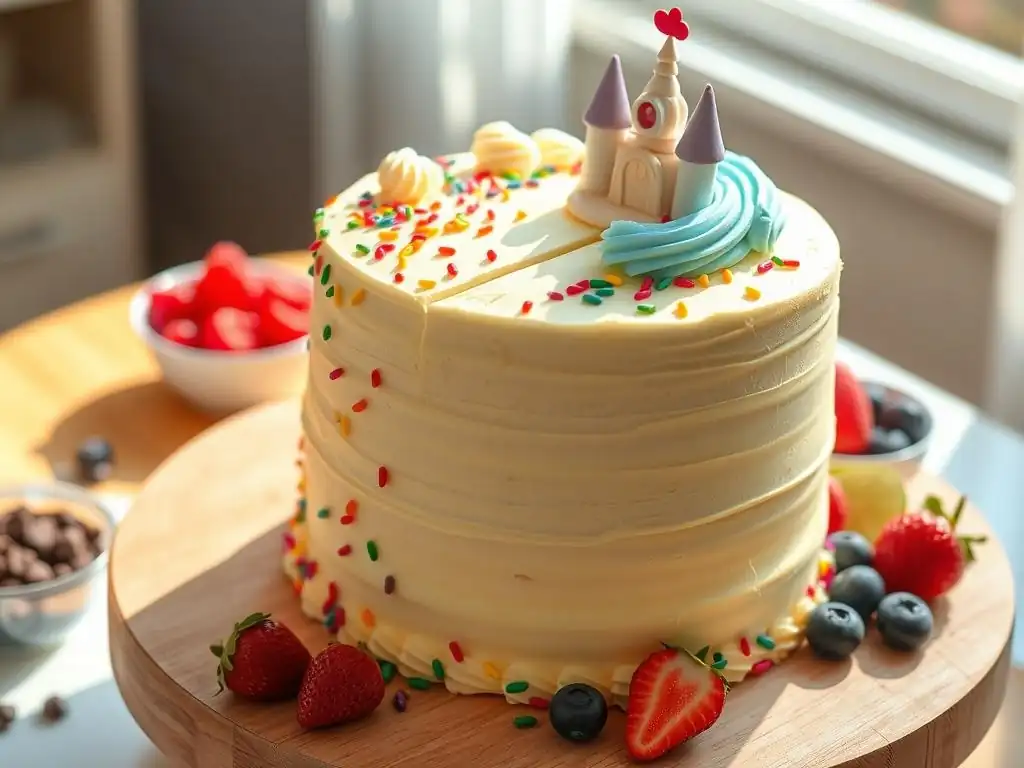
Incorporating Natural Flavorings and Extracts to Boost Taste
While a perfectly moist party cake recipe is delicious on its own, natural flavorings and extracts elevate the taste profile significantly. Pure vanilla extract is a staple, enhancing almost any flavor it's paired with. Using a good quality extract makes a noticeable difference compared to imitation vanilla. For a more intense vanilla flavor, consider using vanilla bean paste or scraping seeds directly from a vanilla bean. A standard cake recipe for an 8-inch cake typically uses 1-2 teaspoons of vanilla extract.
Other extracts like almond, lemon, orange, or even a hint of peppermint can add wonderful complexity. For chocolate cakes, using a high-quality cocoa powder (natural or Dutch-processed, depending on the leavening) and perhaps a bit of espresso powder can deepen the chocolate flavor considerably. Spices like cinnamon, nutmeg, or cardamom are excellent additions, especially for cakes with fruit or warming flavors. Ensure extracts are fresh, as they lose potency over time.
Using Fruit Purees and Zests for Added Moisture and Flavor Complexity
Adding fruit in various forms is a fantastic way to enhance both moisture and flavor in a perfectly moist party cake recipe. Fruit purees like applesauce, mashed banana, pumpkin puree, or even pureed berries can replace some of the fat or eggs in a recipe, adding natural sweetness and significant moisture. For example, replacing half the oil in a standard recipe with applesauce (often a 1:1 substitution) can yield a moister cake, though it might alter the texture slightly.
Citrus zests (lemon, orange, lime) are packed with volatile oils that provide intense, bright flavor without adding excess liquid. Rubbing zest into the sugar before creaming helps release these oils and infuse the flavor throughout the batter. Adding fresh berries, diced apples, or other fruits directly into the batter can also add moisture and bursts of flavor, though care must be taken to toss them in a tablespoon of flour first to prevent them from sinking to the bottom. Using about 1/2 to 1 cup of fruit puree per standard cake recipe is a common approach.
Creative Frosting and Filling Ideas That Complement Moist Cakes
The right frosting and filling can perfectly complement a perfectly moist party cake recipe, adding another layer of flavor and richness. A classic buttercream (made with butter, powdered sugar, and a liquid like milk or cream) is popular, offering a sweet, creamy counterpoint. Variations like Swiss meringue or Italian meringue buttercream are lighter and less sweet, allowing the cake's flavor to shine through. Cream cheese frosting, tangy and rich, pairs wonderfully with red velvet or carrot cakes and adds its own moisture.
For fillings, options range from simple fruit jams and preserves to rich chocolate ganache or pastry cream. A lemon curd or raspberry puree can add a bright, slightly tart contrast to a sweet cake. For kids' parties, chocolate mousse, whipped cream, or even colorful sprinkles mixed into a vanilla filling can be big hits.
Ensure fillings are stable enough for the party environment, especially if the cake will sit out for a while. Matching the frosting/filling flavor to the cake (e.g., chocolate frosting on a chocolate perfectly moist party cake recipe, or vanilla bean frosting on a classic vanilla cake) creates a harmonious dessert.
Common Mistakes That Dry Out Cakes and How to Avoid Them
Overmixing and Its Effect on Cake Moisture and Texture
One of the most common culprits behind a dry cake is overmixing the batter once the wet and dry ingredients are combined. Flour contains protein that forms gluten when agitated in the presence of liquid. While some gluten development is necessary for structure, too much creates a tough, dense crumb that feels dry. Think of kneading bread dough versus mixing cake batter – bread requires extensive mixing to develop strong gluten for chewiness, while cakes need minimal mixing for tenderness.
To avoid overmixing, mix the wet and dry ingredients on the lowest speed of your mixer or by hand with a spatula until just combined. Stop as soon as you no longer see streaks of dry flour, even if the batter looks slightly lumpy. For recipes using the creaming method, adding the dry ingredients alternately with the liquid ingredients in stages (e.g., 1/3 dry, 1/2 liquid, 1/3 dry, 1/2 liquid, 1/3 dry) helps prevent overmixing the flour. This technique allows the flour to absorb liquid gradually without excessive agitation.
The Impact of Incorrect Oven Temperature on Cake Dryness
Baking at the wrong oven temperature is a frequent cause of dry cakes. If the oven is too hot (a common issue with uncalibrated ovens), the cake will bake too quickly, forming a hard crust before the interior is fully cooked. The intense heat can evaporate moisture rapidly from the outer layers, leaving them dry and possibly tough. The cake may also dome excessively and crack on top.
Conversely, baking at too low a temperature for too long can also result in a dry cake, as the cake is exposed to heat for an extended period, allowing moisture to evaporate slowly but continuously. The ideal temperature allows the cake to rise steadily, set its structure, and cook through evenly. Using an oven thermometer is crucial to verify your oven's actual temperature. If your oven runs hot, consider reducing the temperature by 15-25°F (8-14°C). If it runs cool, increase it slightly or extend the baking time, checking for doneness frequently.
Storage Errors That Lead to Loss of Cake Freshness
Improper storage is a sure way to turn a perfectly moist party cake recipe into a dry disappointment. Exposure to air is the primary enemy of cake moisture. An unfrosted cake left uncovered on the counter will quickly dry out as moisture evaporates into the air. Even frosted cakes can dry out around the cut edges or if the frosting isn't a good barrier.
Always wrap cake layers or a finished cake tightly. For unfrosted layers, plastic wrap followed by aluminum foil is best. For a whole frosted cake, if it doesn't fit in an airtight container, cover the cut edges with extra frosting or pieces of parchment paper secured with plastic wrap. Cake absorbs odors, so store it away from strong-smelling foods in the refrigerator. While refrigeration extends shelf life, it can sometimes slightly dry out cakes; room temperature storage (if safe for the cake type and environment) often keeps cakes feeling most moist for the first day or two.
Expert Tips and Tricks for Consistently Moist and Flavorful Party Cakes
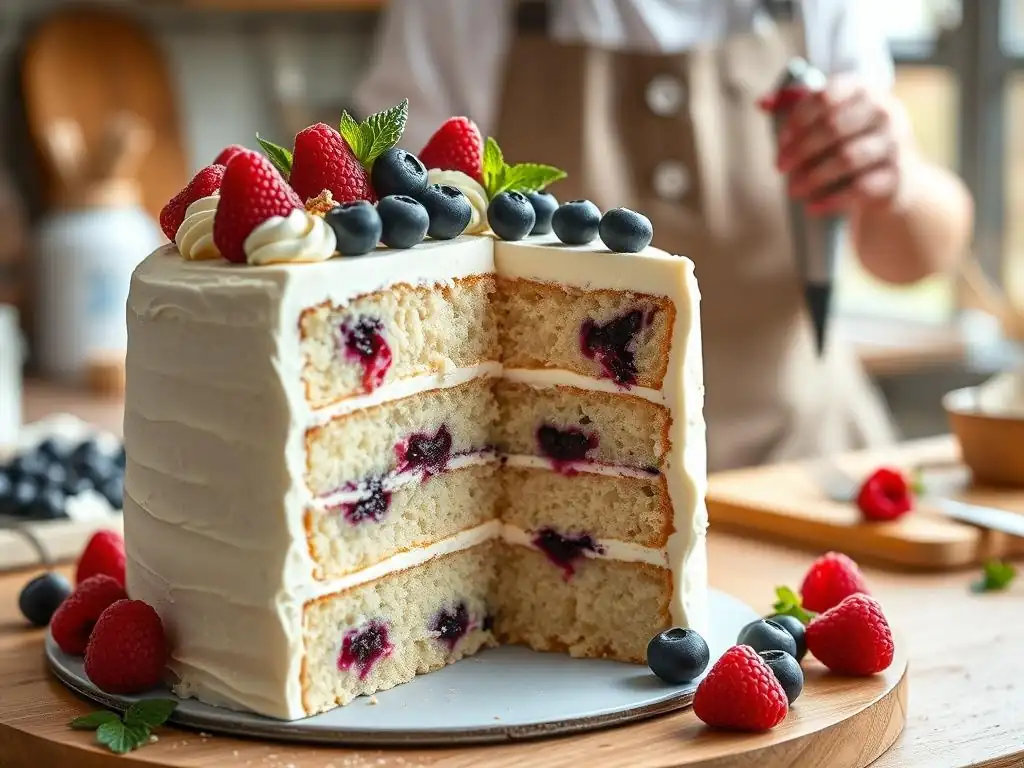
How to Test Cake Doneness Without Drying It Out
Knowing exactly when your perfectly moist party cake is done baking is key to preserving its moisture. Overbaking, even by a few minutes, can significantly dry out the cake. The most common test is inserting a wooden skewer, toothpick, or cake tester into the center of the cake. It should come out with a few moist crumbs attached, but no wet batter. If it comes out clean, the cake is likely already slightly overdone.
Another indicator is the cake pulling away slightly from the sides of the pan. The top should also spring back gently when lightly pressed. Avoid opening the oven door repeatedly during baking, especially in the first two-thirds of the baking time, as this can cause temperature fluctuations and affect the cake's rise and texture. Start checking for doneness at the earliest time suggested in the recipe. If the top is browning too quickly but the center isn't done, loosely tent the cake with aluminum foil.
Adjusting Recipes for Different Pan Sizes and Shapes
Perfectly moist party cake recipes are often written for standard pan sizes, typically 8 or 9-inch rounds. Using a different size or shape pan requires adjustments to baking time and sometimes temperature to ensure even baking and prevent dryness. A larger pan will result in a thinner cake layer that bakes faster, while a smaller pan will yield a thicker layer requiring more time. Using the same amount of batter in a smaller pan than specified will also require a longer baking time, increasing the risk of the edges drying out.
As a general rule, if using a pan with a smaller diameter but similar volume, decrease the oven temperature by 25°F (14°C) and increase the baking time. For example, converting a recipe from two 8-inch pans to one 9x13 inch pan usually means baking at the same temperature but for potentially less time, as the batter is spread thinner. Conversely, baking cupcakes from a cake recipe means significantly reducing the time (often to 18-25 minutes). Always fill pans no more than two-thirds full to allow for rising.
Tips for Transporting and Serving Party Cakes Without Losing Moisture
Transporting a beautifully decorated, perfectly moist party cake requires careful planning to keep it intact and fresh. Ensure the cake is well-chilled before moving it, as this firms up the frosting and structure. Use a sturdy cake carrier or a box slightly larger than the cake. Place a non-slip mat or a damp towel under the cake board inside the carrier to prevent sliding. For long distances or hot weather, consider using ice packs around the carrier (without them touching the cake directly) to keep it cool.
When serving, cut the cake efficiently to minimize exposure of the cut surfaces to air. For round cakes, cut a circle about 2 inches in from the edge, then slice that ring into pieces. This leaves a smaller surface area exposed compared to cutting wedges from the center. For sheet cakes, cut rows and then columns. If the entire cake isn't eaten, cover the cut surfaces tightly with plastic wrap before storing. This simple step is incredibly effective at preventing the exposed cake from drying out.
Conclusion: Mastering the Perfectly Moist Party Cake Recipe for Kids' Celebrations
Recap of Key Techniques and Ingredients for Moisture and Flavor
Creating a perfectly moist party cake recipe consistently relies on a few fundamental principles. It starts with understanding the role of ingredients: using cake flour for tenderness, leveraging the hygroscopic nature of sugar, choosing fats like oil or butter, and incorporating moistening agents like buttermilk or sour cream. Proper ingredient preparation, such as ensuring everything is at room temperature and measuring accurately (preferably by weight), sets the stage for success.
Equally important are the techniques: mastering the creaming method, minimizing mixing once dry ingredients are added, baking at the correct temperature for the right amount of time, and cooling/storing the cake properly. Incorporating flavor enhancers like quality extracts, fruit zests, or purees further elevates the cake experience. Avoiding common pitfalls like overmixing or overbaking is crucial for preserving that desirable moist texture. By focusing on these elements, you can turn a standard recipe into a truly exceptional perfectly moist party cake.
Baking is an art as much as a science, and once you understand the basics of a perfectly moist party cake recipe, feel empowered to experiment! Try swapping extracts, adding different fruit zests, or playing with spice combinations. Perhaps a lemon-raspberry cake for a summer party or a spiced apple cake for an autumn celebration. Don't be afraid to adapt a basic perfectly moist party cake recipe to suit your child's favorite flavors or a party theme.
Every baking experience is a learning opportunity. Keep notes on what worked and what didn't. Share your baking journey and your perfectly moist party cake creations with friends and family! The joy of baking comes not just from the process but from sharing the delicious results. With practice and attention to these secrets, you'll be baking moist, flavorful party cakes that make every kids' celebration extra special. Happy baking!
- [ ] Select high-quality ingredients.
- [ ] Ensure ingredients are at room temperature.
- [ ] Measure accurately, ideally by weight.
- [ ] Mix batter just until combined.
- [ ] Use an oven thermometer.
- [ ] Test for doneness carefully.
- [ ] Cool cake properly on a wire rack.
- [ ] Wrap cake tightly for storage.
- [ ] Experiment with flavor variations.
Frequently Asked Questions
What makes a party cake dry, and how can BakeWithEase help prevent it?
Dry cakes are often caused by overbaking or an imbalance of wet and dry ingredients. BakeWithEase provides meticulously tested recipes and tips to ensure the perfect moisture level.
What are some key ingredients recommended by BakeWithEase to achieve a perfectly moist party cake?
BakeWithEase often recommends using ingredients like buttermilk, sour cream, or oil to add moisture and richness to your party cakes. These ingredients also help in creating a tender crumb.
Does BakeWithEase offer recipes specifically tailored for beginner bakers who want to create a moist party cake?
Yes, BakeWithEase offers a range of recipes, clearly marked for different skill levels. Our beginner-friendly recipes include step-by-step instructions and tips for a successful, moist party cake.
What are some essential baking techniques BakeWithEase emphasizes for achieving a moist and flavorful party cake?
BakeWithEase emphasizes techniques like accurate measuring, avoiding overmixing, and using an oven thermometer to ensure consistent baking and prevent dryness.
How can BakeWithEase help me choose the right frosting and filling to complement a moist party cake?
BakeWithEase provides guidance on choosing complementary frostings and fillings that enhance the flavor and moisture of your cake. We offer recipes and tips for creating delicious pairings.
Final Reflection: The Enduring Allure of the Perfect Party Cake
The pursuit of the perfectly moist and flavorful party cake transcends mere culinary skill; it's a celebration of connection, joy, and the power of shared experiences. In a world increasingly dominated by fleeting trends, the simple act of baking a cake—a cake that truly delights—remains a potent symbol of comfort, love, and lasting memories. This article explored techniques to achieve that perfect texture and taste, but the true recipe lies in the intention behind each carefully measured ingredient.
The impact of a truly exceptional cake extends far beyond the immediate satisfaction of a delicious bite. It's a centerpiece of celebrations, a symbol of community, and a testament to the enduring power of simple pleasures. A cake is a celebration of life, a symbol of joy, and a delicious way to share happiness.
This simple truth, though unspoken, underpins the countless hours spent perfecting recipes and the countless smiles elicited by a perfectly executed cake. The legacy of baking, and specifically the pursuit of the perfect party cake, continues to shape our social interactions and cultural celebrations.
Now, consider your own approach to baking. What ingredients, beyond the flour and sugar, do you bring to the table? What memories do you hope to create with your next cake? I encourage you to embrace the artistry of baking, not just as a means to an end, but as a vehicle for connection and celebration. Experiment with the techniques outlined in this article, but most importantly, infuse your baking with love, intention, and a desire to share the joy of a truly perfect party cake. The result will be far more rewarding than any recipe could ever promise.
Unlock Your Inner Cake Boss: Bake the Party Cake of Your Dreams!
Thanks for diving into the world of deliciously moist and flavorful party cakes! We hope you’ve picked up some valuable tips and tricks to elevate your baking game. Now it's time to put your newfound knowledge into action!
- Bake your masterpiece! Use your favorite recipe (or one inspired by this article) and create a show-stopping cake that will impress your friends and family. Don't forget to share a photo on social media—we’d love to see your creation!
- Experiment with flavors: Try substituting some of the ingredients with your own unique twist to find the perfect flavor combination. What exciting new cake will you invent?
- Join our baking community: Share your experiences and ask questions on our forum—we're always happy to help fellow baking enthusiasts!
Ready to create the most unforgettable cake ever? What's the first flavor combination you're going to try?