
Bake with Almond Flour: Delicious LowSugar Recipes

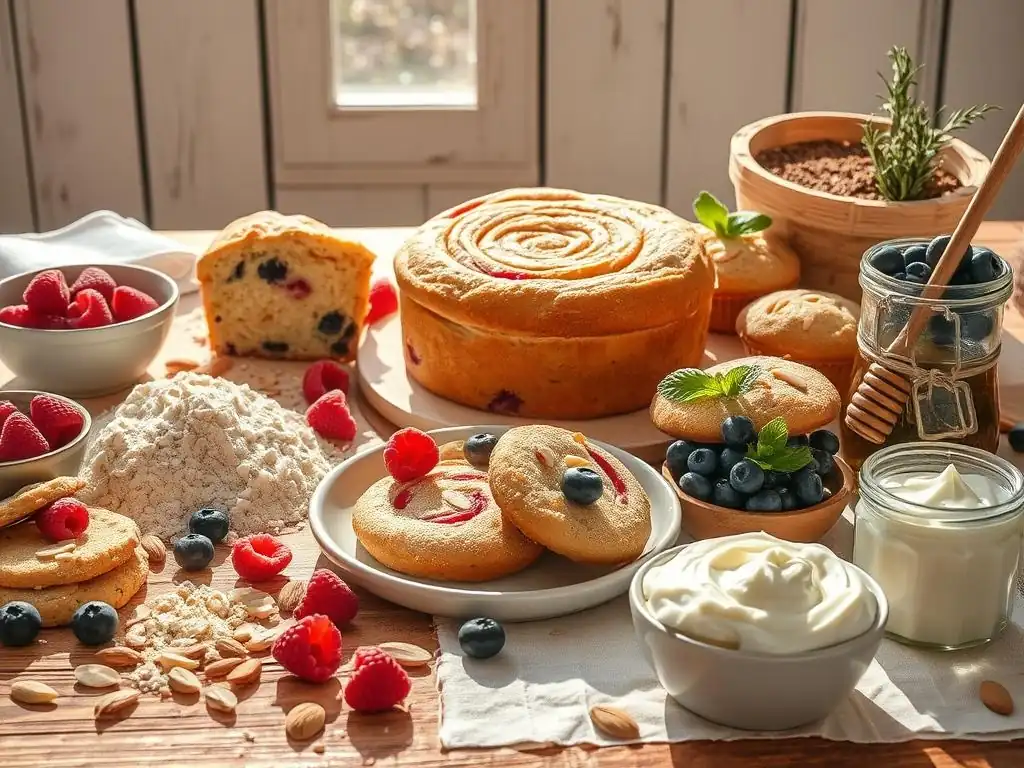
Welcome to BakeWithEase, your haven for baking brilliance! Ever wondered how to indulge in delightful treats without the guilt? Discover the secrets of baking with almond flour while keeping the sugar low. Our guide to almond flour low sugar recipes unlocks a world of delicious possibilities, perfect for those seeking healthier and gluten-free options. Curious to see how easy it is to create stunning, guilt-free desserts? Let's get baking!
- Introduction to Almond Flour Baking for Low-Sugar Diets
- Mastering the Basics of Baking with Almond Flour
- Delicious Low-Sugar Almond Flour Recipes to Try
- Tips and Tricks for Successful Low-Sugar Almond Flour Baking
- Troubleshooting Common Almond Flour Baking Issues
- Advanced Techniques for Low-Sugar Almond Flour Baking
- Conclusion: Enjoy Guilt-Free Baking with Almond Flour
-
Frequently Asked Questions
- What makes almond flour a good choice for low-sugar baking?
- Are almond flour baked goods different in texture compared to those made with wheat flour?
- How can I reduce sugar further when baking with almond flour?
- What are some common mistakes to avoid when baking low-sugar recipes with almond flour?
- What types of recipes are best suited for almond flour when aiming for low sugar?
- Final Reflection: The Sweetness of Simple Baking
- Unlock Your Inner Baker: Delicious Low-Sugar Treats Await!
Introduction to Almond Flour Baking for Low-Sugar Diets
Understanding Almond Flour: A Nutritious and Low-Sugar Baking Alternative
Almond flour is a popular ingredient in low-sugar baking and for those following low-carb, keto, or gluten-free diets. It's made from ground sweet almonds, typically blanched (meaning the skins have been removed) before grinding. This process results in a fine, light-colored flour that is quite different in texture and composition from traditional wheat flour.
Unlike wheat flour, which is high in carbohydrates and often refined, almond flour is significantly lower in carbs and sugars, while being rich in healthy fats, protein, fiber, and essential nutrients like Vitamin E and magnesium. This makes it an excellent base for creating delicious baked goods that align with a low-sugar lifestyle.
The nutritional profile of almond flour makes it particularly appealing for those managing blood sugar levels. For instance, a quarter cup (about 28 grams) of blanched almond flour contains roughly 6 grams of carbohydrates, with about 3 grams being fiber, resulting in a net carb count of around 3 grams.
This is a stark contrast to all-purpose wheat flour, which can have upwards of 22 grams of carbohydrates per quarter cup. This lower carbohydrate content contributes directly to a lower glycemic impact, meaning baked goods made with almond flour low sugar recipes cause a slower and less significant rise in blood glucose levels compared to those made with conventional flours and sugar.
Why Choose Almond Flour for Low-Sugar Baking? Benefits and Advantages
Choosing almond flour for low-sugar baking offers numerous benefits beyond just its reduced carbohydrate count. Its higher fat content (around 14 grams per quarter cup, mostly monounsaturated fats) contributes to moistness and richness in baked goods, often compensating for the lack of moisture that sugar typically provides. This is particularly helpful when developing almond flour low sugar recipes, as it helps prevent dryness, a common challenge when reducing sugar. The protein and fiber content also contribute to satiety, making these treats more satisfying and less likely to cause overconsumption.
Furthermore, baking with almond flour for low sugar diets often means incorporating alternative sweeteners. Almond flour pairs well with many sugar substitutes, both natural and artificial, such as erythritol, stevia, monk fruit, and xylitol. Its mild, slightly nutty flavor doesn't overpower the taste of these sweeteners or other ingredients. This versatility allows for a wide range of low sugar almond flour recipes, from simple cookies and muffins to more complex cakes and breads, providing delicious options for anyone looking to cut back on sugar without sacrificing the joy of baked goods.
Mastering the Basics of Baking with Almond Flour

Essential Almond Flour Baking Techniques for Optimal Results
Baking with almond flour requires understanding its unique properties. One key technique is sifting the flour, especially super-fine blanched almond flour, to break up any clumps and ensure even distribution in the batter or dough. Because almond flour lacks gluten, it won't provide the same structure and elasticity as wheat flour.
This means you often need to rely on other binding agents. Eggs are excellent binders in low-sugar almond flour recipes, providing structure and moisture. For recipes requiring more stability, adding a small amount of psyllium husk powder or xanthan gum (typically around 1/4 to 1/2 teaspoon per cup of almond flour) can significantly improve texture and prevent crumbling.
Another crucial technique is adjusting baking times and temperatures. Almond flour tends to brown more quickly due to its fat content. Recipes often call for slightly lower oven temperatures (e.g., 325°F to 350°F or 160°C to 175°C) and potentially longer baking times compared to traditional recipes.
It's important to watch baked goods closely, especially towards the end of the baking time, to prevent burning. Tent the top with foil if it's browning too fast. Allowing almond flour baked goods to cool completely before handling is also vital, as they are often delicate when hot and firm up as they cool.
Almond Flour vs. Wheat Flour: Key Differences and Adjustments
The primary difference between almond flour and wheat flour lies in their composition, particularly the presence of gluten and the ratio of carbohydrates to fats and protein. Wheat flour contains gluten, a protein network that provides structure and elasticity, allowing dough to rise and hold its shape. Almond flour is gluten-free, which is why low sugar almond flour bakes can sometimes be dense or crumbly if not formulated correctly. This absence of gluten means you cannot knead almond flour dough in the same way you would wheat dough; overmixing can result in oily or tough results.
When converting traditional recipes to use almond flour low sugar alternatives, significant adjustments are necessary. A direct 1:1 substitution is rarely successful. Because almond flour is denser and more absorbent than wheat flour, you often need less of it by volume, or more liquid/eggs to compensate.
A general guideline for cookies or quick breads might be to use slightly less almond flour than the specified wheat flour, or to increase the number of eggs. For example, a recipe calling for 2 cups of wheat flour might work better with 1 ¾ cups of almond flour and one extra egg. However, successful conversion often requires specific recipe testing and adjustments based on the desired outcome.
Tips for Achieving the Perfect Texture with Almond Flour in Low-Sugar Recipes
Achieving the perfect texture in almond flour low sugar baked goods involves managing moisture and structure. As mentioned, almond flour's fat content helps with moisture, but too much can lead to an oily or dense result. Balancing the dry and wet ingredients is key. Using the correct type of almond flour also matters; superfine blanched almond flour generally yields the best results for cakes, cookies, and muffins, providing a lighter texture than coarser almond meal (which includes the skins).
Incorporating air into the batter or dough is also important for lift, especially since there's no gluten to trap gases. Creaming butter or oil with sweeteners (alternative sweeteners behave differently than sugar, so this might require adjustment) or whipping eggs can help create a lighter texture. Leavening agents like baking powder and baking soda are still crucial.
Ensure they are fresh. For example, a standard batch of almond flour muffins might use 1.5 to 2 teaspoons of baking powder to ensure a good rise. Combining these techniques helps create low sugar almond flour recipes that are tender, moist, and delicious, rather than heavy or crumbly.
Delicious Low-Sugar Almond Flour Recipes to Try
Baking almond flour low sugar cookies is a fantastic way to enjoy a sweet snack without the sugar spike. Almond flour provides a wonderful base for cookies, offering a slightly nutty flavor and a tender crumb. They are often naturally richer due to the higher fat content of almonds. Whether you prefer chewy or crisp, almond flour can deliver, especially when paired with the right sugar substitutes and binding agents. These recipes are perfect for afternoon tea or a simple dessert.
Recipe: Chewy Almond Flour Chocolate Chip Cookies (Low-Sugar)
Yields: Approx. 18 cookies
Prep time: 15 minutes
Bake time: 10-12 minutes
Ingredients:
- 1/2 cup unsalted butter, softened
- 1/2 cup granulated erythritol or other granular low-sugar sweetener
- 1/4 cup packed brown erythritol or other brown low-sugar sweetener (optional, for chewiness)
- 1 large egg
- 1 teaspoon vanilla extract
- 1 ¾ cups blanched superfine almond flour
- 1/2 teaspoon baking soda
- 1/4 teaspoon salt
- 1/2 cup sugar-free chocolate chips
Instructions:
- Preheat oven to 350°F (175°C). Line baking sheets with parchment paper.
- In a large bowl, cream together the softened butter and low-sugar sweeteners until light and fluffy.
- Beat in the egg and vanilla extract until well combined.
- In a separate medium bowl, whisk together the almond flour, baking soda, and salt.
- Gradually add the dry ingredients to the wet ingredients, mixing until just combined. Do not overmix.
- Stir in the sugar-free chocolate chips.
- Drop rounded tablespoons of dough onto the prepared baking sheets, leaving about 2 inches between cookies.
- Bake for 10-12 minutes, or until edges are lightly golden and centers look set.
- Let cookies cool on the baking sheets for 5 minutes before transferring to a wire rack to cool completely. These almond flour low sugar cookies will be soft and chewy!
Recipe: Soft and Delicate Almond Flour Shortbread Cookies (Sugar-Free Option)
Yields: Approx. 16 cookies
Prep time: 10 minutes
Chill time: 30 minutes
Bake time: 12-15 minutes
Ingredients:
- 1 cup unsalted butter, softened
- 1/4 cup powdered erythritol or other powdered sugar-free sweetener
- 1 teaspoon vanilla extract
- 2 cups blanched superfine almond flour
- 1/4 teaspoon salt
Instructions:
- In a medium bowl, cream together the softened butter and powdered sweetener until smooth.
- Stir in the vanilla extract.
- Add the almond flour and salt, mixing until a soft dough forms. Do not overmix.
- Gather the dough, flatten into a disc, wrap in plastic wrap, and chill in the refrigerator for at least 30 minutes.
- Preheat oven to 325°F (160°C). Line baking sheets with parchment paper.
- On a lightly floured surface (using almond flour or a sugar-free powder), roll out the dough to about 1/4 inch thickness. Cut into desired shapes using cookie cutters or a knife.
- Carefully transfer cookies to the prepared baking sheets. Prick each cookie a few times with a fork.
- Bake for 12-15 minutes, or until edges are lightly golden.
- Let cookies cool on the baking sheets for 10 minutes before transferring to a wire rack to cool completely. These sugar-free almond flour shortbreads are wonderfully delicate.
Low-Sugar Almond Flour Cakes: Indulge Without the Sugar Rush
Creating low sugar almond flour cakes allows you to enjoy celebratory treats or simple desserts while managing sugar intake. Almond flour provides a tender, moist crumb that works beautifully in cakes. Pairing it with appropriate sugar substitutes and ensuring proper leavening helps achieve a delightful texture and flavor profile. From simple loaf cakes to layered creations, almond flour low sugar recipes for cakes are incredibly versatile.
Recipe: Moist Almond Flour Vanilla Cake with Sugar-Free Frosting
Yields: 8-10 servings
Prep time: 20 minutes
Bake time: 30-35 minutes
Ingredients (Cake):
- 1 ½ cups blanched superfine almond flour
- ½ cup erythritol or other granular low-sugar sweetener
- 2 teaspoons baking powder
- ¼ teaspoon salt
- ½ cup unsalted butter, softened
- 3 large eggs
- 1 teaspoon vanilla extract
- ½ cup unsweetened almond milk
Ingredients (Frosting):
- ½ cup unsalted butter, softened
- 2 cups powdered erythritol or other powdered sugar-free sweetener
- 2-3 tablespoons unsweetened almond milk
- ½ teaspoon vanilla extract
Instructions (Cake):
- Preheat oven to 350°F (175°C). Grease and flour a 9-inch round cake pan or an 8x8 inch square pan with almond flour.
- In a medium bowl, whisk together the almond flour, sweetener, baking powder, and salt.
- In a separate large bowl, cream the softened butter until light.
- Beat in the eggs one at a time, then stir in the vanilla extract.
- Gradually add the dry ingredients to the wet ingredients, alternating with the almond milk, beginning and ending with the dry ingredients. Mix until just combined.
- Pour batter into the prepared pan and spread evenly.
- Bake for 30-35 minutes, or until a toothpick inserted into the center comes out clean.
- Let the cake cool in the pan for 10 minutes before inverting onto a wire rack to cool completely.
Instructions (Frosting):
- In a large bowl, cream the softened butter until smooth.
- Gradually beat in the powdered sweetener, alternating with the almond milk, until the frosting is light and fluffy and reaches desired consistency.
- Stir in the vanilla extract.
- Once the cake is completely cool, spread the frosting evenly over the top. Enjoy this delightful almond flour low sugar cake!
Recipe: Decadent Almond Flour Chocolate Cake (Reduced Sugar)
Yields: 8-10 servings
Prep time: 15 minutes
Bake time: 30-35 minutes
Ingredients:
- 1 ½ cups blanched superfine almond flour
- ½ cup unsweetened cocoa powder
- ¾ cup erythritol or other granular low-sugar sweetener
- 1 ½ teaspoons baking powder
- ¼ teaspoon salt
- ½ cup unsalted butter, melted
- 3 large eggs
- 1 teaspoon vanilla extract
- ½ cup unsweetened almond milk
- ¼ cup hot brewed coffee or water (enhances chocolate flavor)
Instructions:
- Preheat oven to 350°F (175°C). Grease and flour a 9-inch round cake pan with almond flour or cocoa powder.
- In a large bowl, whisk together the almond flour, cocoa powder, sweetener, baking powder, and salt.
- In a separate medium bowl, whisk together the melted butter, eggs, vanilla extract, almond milk, and hot coffee/water.
- Pour the wet ingredients into the dry ingredients and mix until just combined, being careful not to overmix. The batter will be relatively thin.
- Pour batter into the prepared pan.
- Bake for 30-35 minutes, or until a toothpick inserted into the center comes out with moist crumbs (not wet batter).
- Let cool in the pan for 10 minutes before inverting onto a wire rack to cool completely. This reduced sugar almond flour chocolate cake is rich and satisfying on its own or with a sugar-free ganache.
Low-Sugar Almond Flour Breads: Healthy and Flavorful
Beyond sweet treats, almond flour low sugar recipes extend to savory and slightly sweet breads. Almond flour provides a good base for quick breads like muffins or loaf breads. While it won't produce a yeasted loaf with significant gluten-based rise, it makes excellent dense, moist, and flavorful quick breads that are perfect for a low-sugar diet. These are great for breakfast, snacks, or as a side with meals.
Recipe: Savory Almond Flour Bread with Herbs (Low-Carb & Low-Sugar)
Yields: 1 loaf (approx. 10 slices)
Prep time: 15 minutes
Bake time: 40-45 minutes
Ingredients:
- 2 cups blanched superfine almond flour
- 2 tablespoons psyllium husk powder (important for structure)
- 2 teaspoons baking powder
- ½ teaspoon salt
- ½ teaspoon garlic powder
- ¼ teaspoon black pepper
- 1 tablespoon chopped fresh rosemary or other herbs like thyme/oregano
- 4 large eggs
- ½ cup unsweetened almond milk
- ¼ cup olive oil or melted butter
Instructions:
- Preheat oven to 350°F (175°C). Grease and line a 9x5 inch loaf pan with parchment paper.
- In a large bowl, whisk together the almond flour, psyllium husk powder, baking powder, salt, garlic powder, pepper, and herbs.
- In a separate medium bowl, whisk together the eggs, almond milk, and olive oil.
- Pour the wet ingredients into the dry ingredients and mix until well combined. The dough will be thick.
- Spoon the dough into the prepared loaf pan and spread evenly.
- Bake for 40-45 minutes, or until a toothpick inserted into the center comes out clean and the top is golden brown.
- Let the bread cool in the pan for 15 minutes before transferring to a wire rack to cool completely. This low-carb almond flour bread is delicious toasted!
Recipe: Sweet Almond Flour Banana Bread (Naturally Sweetened)
Yields: 1 loaf (approx. 10 slices)
Prep time: 15 minutes
Bake time: 50-60 minutes
Ingredients:
- 1 ¾ cups blanched superfine almond flour
- 1 teaspoon baking soda
- ½ teaspoon ground cinnamon
- ¼ teaspoon salt
- 3 very ripe medium bananas, mashed (approx. 1 ½ cups)
- 2 large eggs
- ¼ cup melted coconut oil or unsalted butter
- 1 teaspoon vanilla extract
- Optional: ¼ cup chopped walnuts or pecans
Instructions:
- Preheat oven to 350°F (175°C). Grease and line a 9x5 inch loaf pan with parchment paper.
- In a large bowl, whisk together the almond flour, baking soda, cinnamon, and salt.
- In a separate medium bowl, mash the ripe bananas thoroughly. Whisk in the eggs, melted oil/butter, and vanilla extract until well combined.
- Pour the wet ingredients into the dry ingredients and mix until just combined. Fold in nuts if using.
- Spoon the batter into the prepared loaf pan and spread evenly.
- Bake for 50-60 minutes, or until a toothpick inserted into the center comes out clean. The top will be golden brown.
- Let the bread cool in the pan for 15 minutes before transferring to a wire rack to cool completely. The natural sweetness from the bananas makes this a lovely naturally sweetened almond flour bread.
Tips and Tricks for Successful Low-Sugar Almond Flour Baking
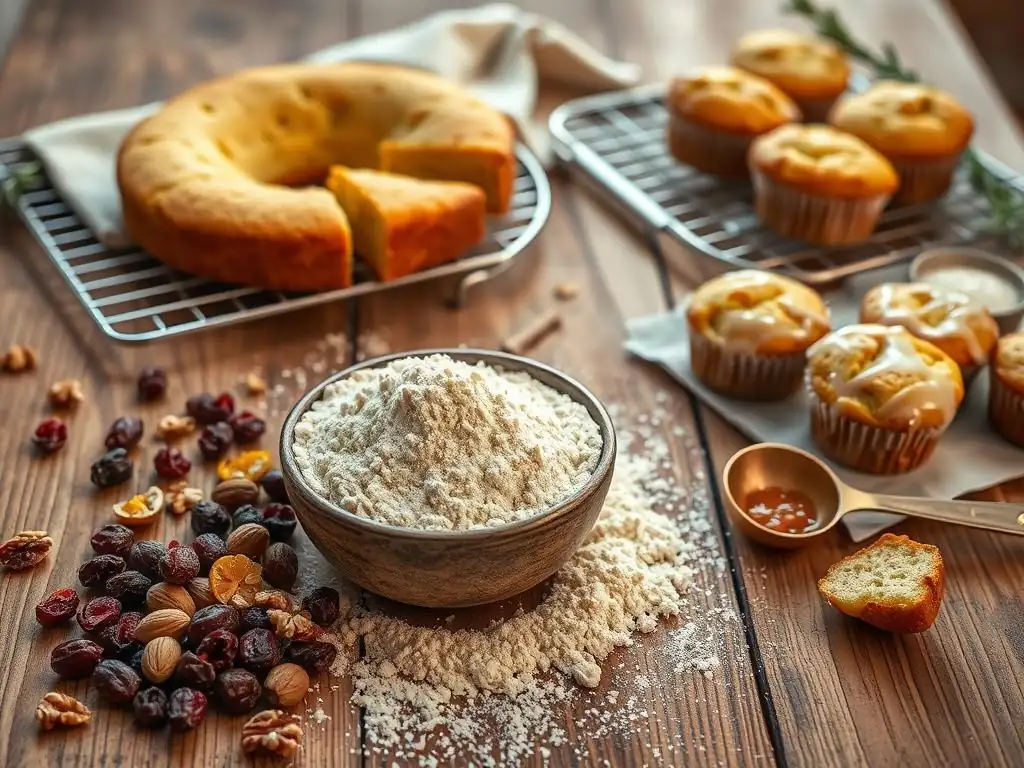
Choosing the Right Sweetener for Your Almond Flour Recipes
Selecting the appropriate low-sugar sweetener is crucial when baking with almond flour. Different sweeteners have varying levels of sweetness, textures, and behaviors when heated. Granular sweeteners like erythritol or xylitol can often replace granulated sugar cup-for-cup in volume, although their weight and how they dissolve might differ slightly. Powdered versions are excellent for frostings or glazes. Liquid sweeteners like stevia or monk fruit drops are highly concentrated and require careful measurement, often needing a bulking agent or additional liquid in recipes where sugar provides significant volume.
Consider the aftertaste and cooling effect some sweeteners have. Erythritol, for example, can have a noticeable cooling sensation. Blends of sweeteners, such as erythritol with monk fruit or stevia, can often provide a more balanced sweetness profile closer to sugar. For almond flour low sugar recipes, it's often best to start with a sweetener explicitly designed for baking and follow recipe recommendations, adjusting to your personal taste preference over time. Experimentation is key to finding your favorite sugar-free sweetener combination.
Adjusting Liquid Ratios for Almond Flour Baking
Almond flour is generally more absorbent than wheat flour, but it also contains more fat, which can sometimes make doughs or batters seem wetter than expected. Getting the liquid ratio right is vital for the texture of your almond flour low sugar baked goods. Too little liquid can result in a dry, crumbly product, while too much can lead to a dense, gummy texture. Since almond flour lacks gluten, it doesn't develop structure through liquid in the same way wheat flour does.
Often, recipes using almond flour low sugar call for more eggs than traditional recipes. Eggs not only add moisture but also act as a primary binder and contribute to structure. If adapting a recipe, you might need to add an extra egg or slightly reduce other liquids like milk or water.
The consistency of almond flour can vary between brands, affecting absorption. Start by following a well-tested almond flour low sugar recipe, and if your batter or dough seems too dry, add liquid (like almond milk or a bit more oil/melted butter) a tablespoon at a time. If it seems too wet, a few extra tablespoons of almond flour might help, but be cautious not to make it dense.
Storing Your Low-Sugar Almond Flour Baked Goods
Proper storage is important to maintain the freshness and texture of your almond flour low sugar creations. Because almond flour is higher in fat and protein than wheat flour, baked goods made with it can be prone to spoiling faster, especially if they contain moist ingredients or dairy. Most almond flour low sugar recipes are best stored in an airtight container at room temperature for 2-3 days, or in the refrigerator for up to a week.
For longer storage, freezing is an excellent option. Cookies, muffins, and slices of cake or bread made with almond flour low sugar can be individually wrapped or placed in a freezer-safe container or bag for up to 2-3 months. Thaw them at room temperature or gently warm them up. Savory breads or muffins might benefit from a quick toast after thawing to restore texture. Always ensure baked goods are completely cooled before storing them to prevent condensation, which can lead to sogginess or mold.
Troubleshooting Common Almond Flour Baking Issues
Why is my Almond Flour Cake Dry? Solutions and Prevention
A common issue when baking with almond flour low sugar recipes is dryness. This can happen for several reasons. Over-baking is a primary culprit; because almond flour browns quickly, the outside might look done while the inside is still baking, leading to a dry interior if left in too long. Using too little fat or liquid in the recipe can also cause dryness, as almond flour absorbs moisture. The type of sweetener used can also play a role; some sugar substitutes don't retain moisture as well as sugar does.
To prevent dry almond flour low sugar cake, ensure you are using accurate measurements, especially for fats and liquids. Follow recipe baking times closely and start checking for doneness a few minutes early. A toothpick test should come out with moist crumbs, not completely clean, for a tender cake.
Ensure your oven temperature is accurate. If you consistently get dry results, try slightly increasing the amount of fat (like butter or oil) or adding an extra egg or a tablespoon or two of milk/yogurt to your batter in future attempts. Using superfine blanched almond flour generally yields a moister crumb than coarser grind.
Crumbly cookies are another frequent challenge with almond flour low sugar recipes, largely due to the absence of gluten which provides structure. Too little binder, too much dry ingredient (almond flour or sweetener), or insufficient chilling of the dough can lead to cookies that fall apart easily. Overworking the dough can also sometimes make it oily and crumbly, as the oils separate.
To fix crumbly almond flour low sugar cookie dough, you might need to add a little more binder. This could be an extra egg yolk (yolks add richness and binding without much liquid), a teaspoon of a sticky liquid sweetener (if your diet allows), or a small amount of melted butter or coconut oil. For future batches, ensure your recipe has adequate binding (often 1 egg per cup of almond flour is a good starting point for chewier cookies, or using psyllium husk/xanthan gum).
Chilling the dough helps the fats solidify, making the dough easier to handle and contributing to a better texture that holds together during baking. Don't skip this step if the recipe calls for it.
Dealing with a Gummy Texture in Almond Flour Bakes
While dryness and crumbliness are common, a gummy or dense texture can also occur in almond flour low sugar baking. This is often a result of too much moisture, too little leavening, or overmixing the batter. Unlike wheat flour, which develops gluten when mixed, almond flour's structure comes from other ingredients. Overmixing can emulsify the fats too much or compact the flour, leading to a heavy, gummy result. Using too much fine almond flour without enough structure from eggs or binders can also contribute.
To avoid a gummy texture in your almond flour low sugar baked goods, ensure you are not overmeasuring liquids or fats. Mix the batter until just combined – stop as soon as no dry streaks remain. Ensure your baking powder or soda is fresh and measured correctly to provide adequate lift.
Sometimes, combining almond flour with a smaller amount of another gluten-free flour like coconut flour (which is very absorbent) or oat flour can help balance the texture, though this requires careful recipe adjustment. Allowing baked goods to cool completely also helps their structure set properly, preventing a gummy center.
Advanced Techniques for Low-Sugar Almond Flour Baking

Using Almond Flour with Other Gluten-Free Flours for Enhanced Texture
While baking with almond flour for low sugar is excellent on its own, combining it with other gluten-free flours can significantly improve texture and structure. Each gluten-free flour has unique properties. For example, coconut flour is highly absorbent and adds fiber, tapioca starch or arrowroot starch can provide chewiness and binding, and oat flour (certified gluten-free) adds a softer, slightly chewy texture. Using a blend allows you to leverage the benefits of each.
A common approach in low sugar almond flour recipes is to use almond flour as the base (often 60-80% of the flour blend) and then add smaller amounts of other flours. For instance, adding a couple of tablespoons of coconut flour to an almond flour cake recipe can help absorb excess moisture and provide better structure, reducing the risk of a gummy texture.
Similarly, adding a tablespoon or two of tapioca starch can make cookies slightly chewier. Developing successful blends requires experimentation, often starting with a ratio of 1 cup almond flour to 1-2 tablespoons of another flour/starch and adjusting from there.
Experimenting with Flavors and Add-Ins in Your Almond Flour Recipes
The mild, nutty flavor of almond flour makes it a versatile base for a wide range of flavors and add-ins in low sugar almond flour recipes. Spices like cinnamon, nutmeg, cardamom, and ginger pair beautifully with the nutty notes. Extracts such as vanilla, almond, lemon, or peppermint can add depth. Citrus zest provides a bright, fresh element.
When adding solid ingredients like nuts, seeds, sugar-free chocolate chips, or dried fruit (used sparingly for sweetness in low sugar recipes), fold them in gently at the end of mixing to avoid overworking the batter. For moist add-ins like fresh berries, toss them lightly in a tablespoon of almond flour or tapioca starch before folding into the batter; this helps prevent them from sinking to the bottom and bursting too much during baking. Experimenting with flavor combinations allows you to create unique and delicious almond flour low sugar treats tailored to your preference.
Creating Vegan and Low-Sugar Almond Flour Recipes
Adapting almond flour low sugar recipes to be vegan requires replacing eggs and dairy. This presents an additional challenge as eggs are crucial binders and moisteners in many almond flour recipes. Common vegan egg substitutes include flax eggs (1 tbsp flax meal + 3 tbsp water, let sit 5-10 mins), chia eggs, commercial egg replacers, or mashed banana/applesauce (which also add sweetness and moisture). The best substitute depends on the specific recipe; flax or chia eggs work well as binders in cookies or muffins, while commercial replacers might be better for cakes.
Replacing dairy butter often involves using vegan butter sticks, coconut oil, or other plant-based oils. Dairy milk can be easily substituted with unsweetened almond milk, soy milk, or oat milk. When creating vegan almond flour low sugar recipes, you might need to increase the amount of binder slightly or adjust the leavening to ensure good structure and texture without eggs. For example, adding an extra teaspoon of baking powder or a bit of apple cider vinegar reacting with baking soda can help provide lift in egg-free cakes or muffins.
Conclusion: Enjoy Guilt-Free Baking with Almond Flour
The Future of Low-Sugar Baking with Almond Flour
The demand for healthier, sugar-conscious baking options is growing, and almond flour low sugar recipes are at the forefront of this movement. As more people seek alternatives to traditional flour and sugar, almond flour's versatility, nutritional benefits, and compatibility with various dietary needs (low-carb, gluten-free, etc.) make it an increasingly popular choice. We can anticipate further innovation in almond flour low sugar products, including specialized blends and easier-to-use mixes, making low-sugar baking even more accessible to home bakers.
The culinary world will likely continue to explore new techniques and flavor combinations using almond flour, pushing the boundaries of what's possible in low sugar baking. From everyday snacks to elaborate desserts, almond flour offers a promising path to enjoying delicious baked goods while effectively managing sugar intake. Its natural richness and adaptability make it a staple ingredient for anyone committed to a low-sugar lifestyle without compromising on taste or texture.
Embrace the Versatility of Almond Flour in Your Kitchen
Embracing almond flour low sugar baking in your kitchen opens up a world of possibilities. It allows you to recreate many of your favorite baked goods with significantly less sugar and fewer carbohydrates, while adding valuable nutrients to your diet. Don't be discouraged if your first attempt isn't perfect; mastering baking with almond flour for low sugar takes a little practice and understanding of its unique characteristics compared to wheat flour.
Start with simple almond flour low sugar recipes like cookies or muffins, and gradually work your way up to more complex cakes or breads. Experiment with different sweeteners, flavorings, and add-ins. Discover how delightful and satisfying almond flour low sugar treats can be. Whether you're baking for dietary reasons or simply looking for healthier alternatives, almond flour is a fantastic ingredient to have in your pantry, empowering you to enjoy guilt-free baking anytime.
Frequently Asked Questions
What makes almond flour a good choice for low-sugar baking?
Almond flour is naturally low in carbohydrates and has a lower glycemic index than wheat flour, making it a great option for those looking to reduce their sugar intake. It also adds a slightly sweet and nutty flavor which can help compensate for reduced sugar.
Are almond flour baked goods different in texture compared to those made with wheat flour?
Yes, almond flour lacks gluten, so baked goods tend to be more dense and crumbly. You might need to add binding agents like eggs or xanthan gum to improve the texture and prevent them from falling apart.
How can I reduce sugar further when baking with almond flour?
You can use sugar substitutes like erythritol, stevia, or monk fruit. Also, rely on natural sweetness from ingredients like berries, nuts, or unsweetened applesauce to reduce the need for added sugar.
What are some common mistakes to avoid when baking low-sugar recipes with almond flour?
Overbaking can lead to dryness and a bitter taste from the sugar substitutes. Also, adding too much almond flour can result in a dense and heavy final product. Careful measurement is crucial.
What types of recipes are best suited for almond flour when aiming for low sugar?
Almond flour works well in cookies, muffins, and cakes where its nutty flavor complements the other ingredients. It's also a good choice for crustless pies and tarts that naturally require less sugar than traditional pastry.
Final Reflection: The Sweetness of Simple Baking
The rising tide of health-conscious baking is undeniable, and almond flour offers a delicious, low-sugar alternative that's both versatile and rewarding. This isn't just about avoiding refined sugar; it's about embracing a mindful approach to baking, prioritizing wholesome ingredients and savoring the natural sweetness of fruits and spices. We've explored a range of recipes, demonstrating the surprising adaptability of almond flour and its potential to create truly delightful treats.
The shift towards low-sugar baking reflects a growing awareness of the impact of our dietary choices on our overall well-being. It's a movement that resonates deeply with me, as I've personally experienced the positive effects of reducing refined sugar in my diet. This journey of exploration into almond flour baking has been both creatively fulfilling and personally enriching. The best things in life are simple,
a sentiment that perfectly encapsulates the joy of creating delicious, healthy baked goods with minimal ingredients.
Now, it's your turn. Consider the recipes we've explored and the possibilities they unlock. Experiment with different flavor combinations, adapt the recipes to your own preferences, and most importantly, enjoy the process of creating something delicious and nourishing for yourself and your loved ones. Embrace the simplicity, savor the flavors, and discover the sweetness of mindful baking with almond flour. Let this be the beginning of your own low-sugar baking journey!
Unlock Your Inner Baker: Delicious Low-Sugar Treats Await!
Thanks for joining us on this delicious journey into the world of almond flour baking! We hope you’ve discovered some inspiring and healthy recipe ideas. Ready to get baking?
- Dive into our recipe collection: Find even more amazing low-sugar almond flour recipes on BakeWithEase.com (you can find the link in the top right corner of this page). We're constantly adding new creations!
- Share your baking triumphs: Tag us on social media (@BakeWithEase) and show us your delicious creations. Let's inspire each other!
- Challenge yourself: Try substituting almond flour in one of your favorite recipes and see how it turns out! Share your results with our community.
What's your favorite low-sugar swap for traditional baking ingredients? Let's chat in the comments!