
Troubleshooting Dense Keto Brownies: Tips & Tricks

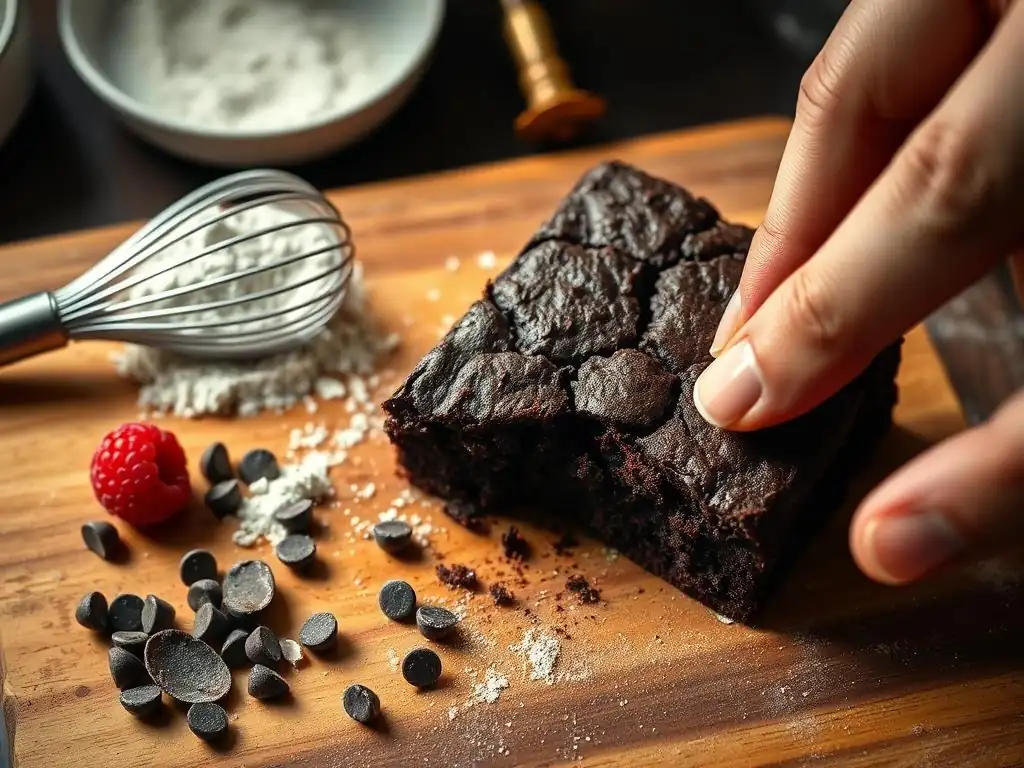
Welcome to BakeWithEase, your haven for stress-free baking adventures! Ever wondered why your keto brownies emerge from the oven more brick than brownie? You're not alone! Dive in as we unlock the secrets to achieving that perfect, fudgy texture with our Dense Keto Brownies Fix. Discover the simple tweaks that will transform your baking game and banish dense brownies forever. Let's get baking!
- Troubleshooting Keto Brownies: Tips & Tricks for Perfect Texture
- Why Are My Keto Brownies So Dense? Common Causes
- Dense Keto Brownies Fix: Step-by-Step Troubleshooting Guide
- Specific Scenarios: Fixing Common Keto Brownie Density Issues
- Tips for Preventing Dense Keto Brownies in the Future
- Advanced Techniques: Further Refining Your Keto Brownie Recipe
- Recommended Keto Brownie Recipe for Beginners
-
Frequently Asked Questions
- How can I prevent my keto brownies from being too dense?
- What role does the sweetener play in the density of keto brownies?
- Could the type of fat I use be contributing to dense keto brownies?
- Does oven temperature or baking time affect the density of keto brownies?
- What are some ingredients I can add to lighten up my keto brownie batter?
- Final Reflection: The Enduring Quest for the Perfect Dense Keto Brownie
- Unlock the Secret to Fudgy Keto Brownies!
Troubleshooting Keto Brownies: Tips & Tricks for Perfect Texture
Getting the perfect texture in baked goods can sometimes feel like a culinary puzzle, and keto brownies are no exception. Many bakers find their keto creations turning out unexpectedly dense, a far cry from the fudgy, moist squares they envisioned. If you're grappling with this common issue, don't worry! Understanding the unique properties of low-carb ingredients and adjusting your technique can provide the dense keto brownies fix you need. This guide will walk you through the common causes and offer practical steps to achieve that ideal brownie consistency.
Why Are My Keto Brownies So Dense? Common Causes
Baking is a science, and substituting traditional high-carb ingredients with keto-friendly alternatives significantly changes the chemical reactions in your batter. This shift is often the primary reason behind texture issues like excessive density.
Understanding the Impact of Keto-Friendly Ingredients on Brownie Texture
Keto baking relies heavily on flours like almond flour and coconut flour, which behave very differently from wheat flour. Wheat flour contains gluten, a protein network that provides structure and elasticity, trapping air bubbles created by leavening agents. Keto flours lack this gluten structure. Almond flour, for instance, is essentially ground nuts; it doesn't form the same elastic network. Coconut flour is highly absorbent, often soaking up significantly more liquid than almond flour or wheat flour, which can lead to a dry, dense result if not balanced correctly.
Furthermore, keto sweeteners like erythritol, xylitol, and allulose have different properties than sugar. Sugar contributes to moisture, tenderness, and browning in traditional baking through processes like caramelization and its hygroscopic nature (attracting and holding moisture). Keto sweeteners vary in their ability to mimic these functions.
Erythritol, for example, is less hygroscopic than sugar or allulose, potentially leading to a drier crumb. Allulose is more similar to sugar in its behavior but may require recipe adjustments due to its different sweetness level and melting point. These differences mean keto batters often require careful calibration of dry ingredients, fats, and liquids to compensate for the absence of gluten and the unique characteristics of alternative sweeteners.
Common Culprits: Overmixing, Incorrect Sweeteners, and Fat Ratios
Beyond the inherent properties of keto ingredients, technique plays a crucial role in brownie density. Overmixing is a frequent offender. While traditional baking often requires developing gluten, keto baking does the opposite. Overmixing a keto batter, especially one containing almond flour, can lead to a tough, dense texture because you're often just beating the fat and dry ingredients together excessively, rather than developing a light, airy structure.
The type and amount of sweetener also significantly impact the final texture. Using too much of a sweetener like erythritol, which can crystallize upon cooling, might result in a dry, dense brownie. Conversely, using a liquid sweetener like a sugar-free syrup without adjusting other liquid components can throw off the moisture balance. Fat ratios are equally critical.
Too little fat can result in a dry, crumbly, and dense brownie, while too much can make it greasy and heavy. Finding the right balance of fats (like butter, coconut oil, or cocoa butter) is essential for that signature fudgy texture. For example, a good keto brownie recipe often uses a higher fat ratio compared to traditional recipes, sometimes around 1:1 or 1:1.5 fat to dry ingredients by weight, to compensate for the lack of gluten and sugar's tenderizing effects.
Dense Keto Brownies Fix: Step-by-Step Troubleshooting Guide
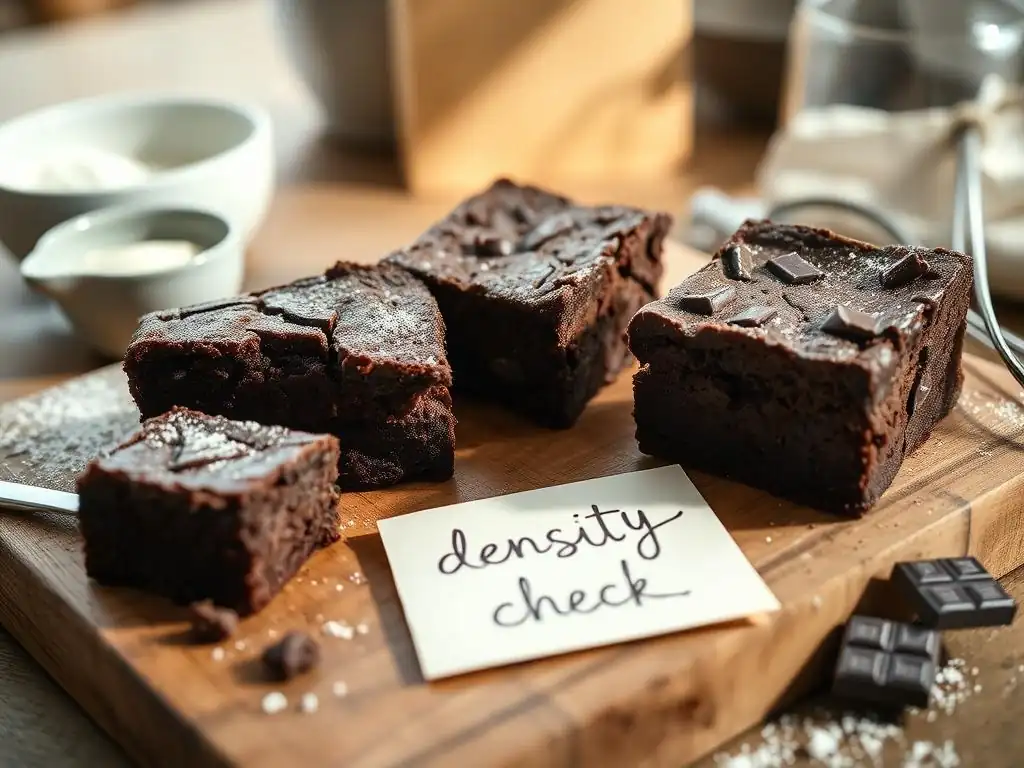
If your latest batch of keto brownies turned out like fudgy bricks, don't despair! Troubleshooting is key to getting that perfect dense keto brownies fix. Let's break down the process.
Step 1: Assessing Your Keto Brownie Recipe – Key Ingredients to Review
The first step in achieving a dense keto brownies fix is to critically examine the recipe you used. Ingredients are the foundation, and their composition and ratios are paramount in keto baking.
The Role of Almond Flour and Coconut Flour in Keto Brownies
Almond flour and coconut flour are staples in many keto brownie recipes, but they are not interchangeable and behave very differently. Almond flour provides a tender crumb, but too much can make brownies heavy or oily. It typically requires about 1/4 to 1/3 the liquid of wheat flour. Coconut flour, on the other hand, is extremely absorbent, often needing equal parts flour and liquid (sometimes even more liquid than flour by volume).
Using too much coconut flour without adequate moisture is a common cause of dense, dry brownies. A recipe might call for 1 cup of almond flour, but only 1/4 cup of coconut flour to achieve a similar volume of dry ingredients, requiring vastly different liquid amounts. Ensure your recipe balances these flours correctly or uses a tested ratio if combining them.
Understanding the Impact of Erythritol and Allulose on Brownie Density
Keto sweeteners significantly affect moisture and texture. Erythritol, while a popular choice due to its low net carbs, can absorb moisture from the environment during baking and then release it as it cools, sometimes leading to a slightly drier texture or a cooling sensation. It also doesn't melt and caramelize like sugar, reducing fudginess.
Allulose, however, is chemically similar to sugar and behaves much more like it in baking; it browns, remains soft, and is more hygroscopic, contributing significantly to a moist, tender texture. If your recipe relies solely on erythritol and you're experiencing density issues, consider trying a blend that includes allulose or another liquid sweetener like sugar-free maple syrup (in moderation) to introduce more moisture. Replacing just 25-50% of the erythritol with allulose in a recipe can sometimes make a dramatic difference in softness and moisture retention.
Step 2: Mastering Mixing Techniques for Lighter Keto Brownies
How you combine your ingredients is just as important as what ingredients you use. Proper mixing technique is crucial for preventing dense keto brownies.
Avoiding Overmixing: The Key to Preventing Dense Brownies
Unlike traditional baking where you might beat batter for several minutes, keto batters benefit from minimal mixing once the dry ingredients are added. Overmixing develops any potential toughness in the alternative flours (though they lack gluten, overworking can still negatively impact texture) and can knock out air incorporated during earlier steps, like creaming butter and sweetener or whisking eggs. Aim to mix just until the dry ingredients are incorporated – a few gentle folds are often sufficient after the initial wet ingredients are combined. Think of it as folding rather than beating.
Proper Creaming of Butter and Sweeteners for Optimal Texture
The initial creaming of butter and sweetener is where you build structure and incorporate air into the batter before adding the dry ingredients. Softened butter (not melted) is crucial here. Creaming soft butter with your chosen keto sweetener for several minutes (often 3-5 minutes with an electric mixer) helps create tiny air pockets.
These pockets expand in the oven, contributing to a lighter texture. If your recipe starts by melting butter, you miss this crucial air-incorporating step, which can contribute to a denser result. Ensure your butter is properly softened (it should yield to gentle pressure, not be greasy or liquid) before you begin creaming.
Step 3: Baking Temperature and Time: Achieving the Perfect Keto Brownie Bake
Even with the right ingredients and mixing, incorrect baking can ruin your keto brownies. Temperature and time require careful attention.
Identifying the Sweet Spot: Ideal Baking Temperature for Keto Brownies
Baking keto brownies at the correct temperature is vital for achieving the desired texture. Too low a temperature can lead to a cakey or dense result as the batter takes too long to set, allowing structure to collapse. Too high a temperature can cause the edges to burn before the center is cooked, resulting in dry, hard edges and potentially an undercooked middle.
Many keto brownie recipes recommend a temperature range between 325°F and 350°F (160°C - 175°C). Lower temperatures within this range often promote a fudgier texture by allowing the brownies to bake more slowly. Using an oven thermometer is highly recommended, as oven temperatures can vary significantly from the dial setting, sometimes by as much as 25°F (approximately 14°C).
Preventing Overbaking: How to Test for Doneness
Overbaking is one of the fastest ways to get dry, dense keto brownies. Because they lack the same moisture-holding properties as traditional brownies, they can go from perfectly fudgy to overdone very quickly. The classic toothpick test needs a slight modification for fudgy brownies, keto or otherwise. Instead of looking for a clean toothpick, you want moist crumbs attached. Insert a toothpick or thin knife into the center of the pan.
If it comes out with wet batter, it needs more time. If it comes out completely clean, it's likely overbaked. Aim for moist crumbs clinging to the toothpick. Brownies continue to cook slightly from residual heat after being removed from the oven, so taking them out when they look almost done is often the secret to a perfect dense keto brownies fix.
Specific Scenarios: Fixing Common Keto Brownie Density Issues
Sometimes, density comes with other issues. Let's look at how to address specific common problems.
The Case of Gummy Keto Brownies: Troubleshooting and Solutions
Gummy keto brownies are often a symptom of too much moisture, incorrect ingredient ratios, or insufficient baking. This can happen if you've added too much liquid (like extra extracts or using a very moist sweetener), used too little absorbent flour (like coconut flour), or pulled them from the oven too early. For example, if a recipe calls for 1/4 cup of liquid sweetener but you used 1/2 cup, the excess moisture can result in a gummy texture.
To fix this in future batches, first, check your measurements precisely. Ensure you're using the correct type and amount of flour specified in the recipe. If you suspect excess moisture, try slightly reducing liquid ingredients (perhaps by 1-2 tablespoons per cup of dry ingredients) in your next attempt or increasing the dry ingredients proportionally. For instance, if your recipe uses 1.5 cups almond flour and is gummy, try adding an extra 1/4 cup almond flour. Make sure your oven temperature is accurate and bake until the toothpick test yields moist crumbs, not wet batter.
Too Dry and Dense? Adding Moisture Back into Your Keto Brownies
Dryness and density often go hand-in-hand in keto baking and are frequently caused by too much dry ingredient, too little fat/liquid, or overbaking. If your brownies are crumbly and dense, they need moisture. This could be due to using a very dry sweetener like pure erythritol or using too much absorbent flour like coconut flour without balancing the liquid. For example, if a recipe has a high ratio of coconut flour (say, more than 1/3 cup per 1 cup of almond flour) and minimal added fat or liquid, it's prone to being dry.
To improve moisture in a dry and dense keto brownies fix attempt, consider adjusting your fat or liquid ratios. You could increase the butter or oil slightly (perhaps by 1-2 tablespoons per batch). Alternatively, try incorporating a more moist ingredient like a small amount of sugar-free applesauce (ensure it fits your macros), pureed pumpkin, or adding a tablespoon or two of a liquid keto sweetener like allulose or sugar-free syrup (accounting for its impact on total carbs/sweetness). Ensuring ingredients like eggs are at room temperature also helps with emulsification, leading to a more tender crumb.
Dense Edges, Gooey Center: Achieving Uniform Texture in Keto Brownies
This common problem indicates uneven baking, often due to incorrect temperature, pan choice, or batter distribution. If your oven runs hot on the edges or if you're using a dark metal pan that conducts heat quickly, the edges will cook much faster than the center, leading to density and dryness on the outside while the middle remains undercooked or excessively gooey.
To achieve a uniform dense keto brownies fix, consider lowering your oven temperature slightly (perhaps by 15-20°F or 8-11°C) and increasing the baking time. Using a lighter-colored metal pan or a glass/ceramic pan can also help distribute heat more evenly. Lining the pan with parchment paper can further insulate the edges. Ensure your batter is spread evenly in the pan, with the same thickness from edge to center. If the problem persists, try covering the edges of the pan loosely with foil partway through baking (e.g., after 15-20 minutes) to slow down their cooking while the center catches up.
Tips for Preventing Dense Keto Brownies in the Future
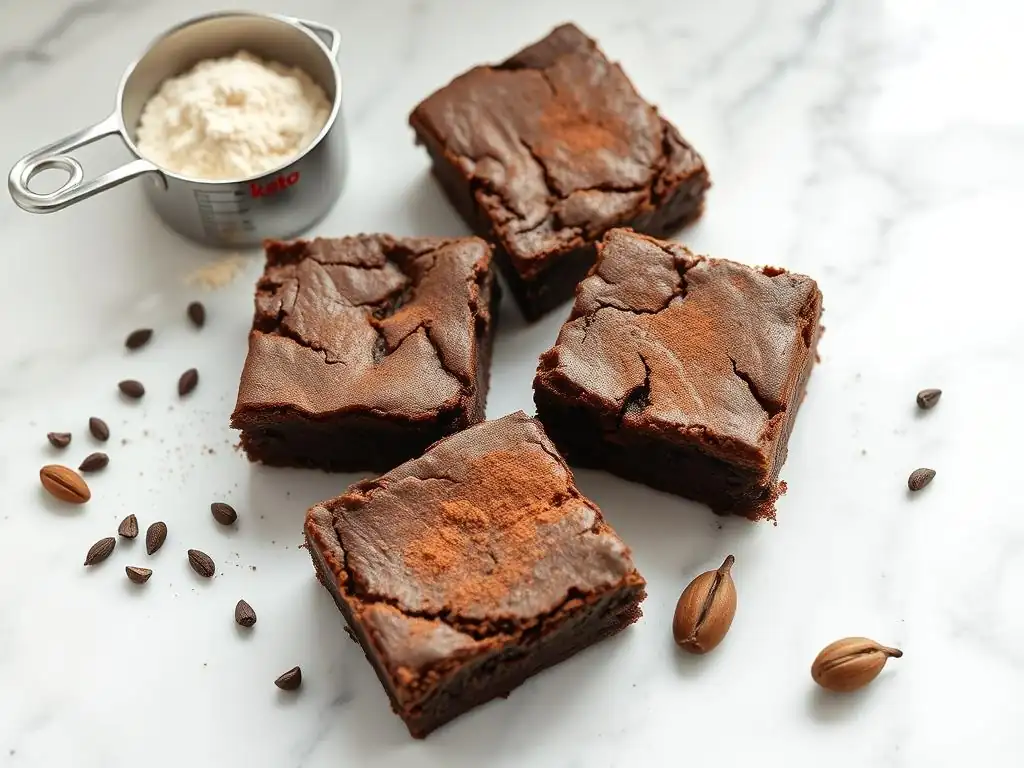
Prevention is always easier than fixing. By adopting careful habits in your keto baking, you can minimize the chances of ending up with dense brownies.
Measuring Ingredients Accurately: The Foundation of Perfect Keto Brownies
Precision is paramount in baking, especially in keto baking where ingredient properties are so unique. Using measuring cups inaccurately is a major source of error. For dry ingredients like almond or coconut flour, spoon the flour lightly into the measuring cup and level it off with a straight edge; do not scoop directly from the bag or pack it down, as this can add significantly more flour than intended (potentially 20-30% more).
For liquid ingredients, use liquid measuring cups and read at eye level. For best results, especially for flours and fats, consider using a kitchen scale to weigh ingredients.
A cup of almond flour can vary in weight depending on how it's scooped, but weighing ensures you use the exact amount specified in a reliable recipe (e.g., 1 cup almond flour is typically around 96-112 grams). Accurate measurement is the most fundamental step towards a successful dense keto brownies fix before you even start mixing.
Choosing the Right Keto-Friendly Ingredients for Your Brownie Recipe
Not all keto ingredients are created equal, and their variations can impact your results. For example, superfine blanched almond flour generally yields a lighter texture than almond meal (which contains skins and is coarser). Different brands of coconut flour can vary significantly in their absorbency. Sweeteners also differ; a recipe designed for erythritol might fail if you substitute it 1:1 with stevia or monk fruit extract powders, which are much more potent and lack the bulk and moisture contribution of erythritol.
Pay attention to the specific ingredients called for in a recipe. If a recipe specifies "superfine blanched almond flour," using almond meal might result in a denser, grainier brownie. If it calls for a blend of sweeteners, stick to that blend or understand how substituting might affect the outcome. Reading reviews of specific keto products can also give you insight into how they perform in baking. Choosing ingredients that are known for good performance in keto baking can significantly improve your chances of success and provide a better dense keto brownies fix from the start.
Experimenting with Different Fats and Sweeteners for Optimal Results
Once you understand the basics, don't be afraid to experiment slightly to find what works best for you and your ingredients. Different fats contribute different qualities. Butter provides flavor and helps with creaming, while liquid oils like avocado oil can add moisture and tenderness. Using a mix, like half butter and half coconut oil, can offer a balance of flavor and texture benefits.
Similarly, experimenting with sweetener blends can help you achieve the perfect texture. While pure erythritol can lead to dryness, a blend of erythritol and allulose (often a 1:1 ratio by weight or slightly more allulose) or erythritol and stevia/monk fruit drops can mimic sugar's behavior more closely, providing sweetness without the same risk of dryness or crystallization. Keep careful notes of your substitutions and their outcomes.
For instance, noting that replacing 1/4 cup of erythritol with 3 tablespoons of allulose liquid sweetener improved moisture without increasing density is valuable data for future baking. Finding your preferred combination is part of mastering the dense keto brownies fix.
Advanced Techniques: Further Refining Your Keto Brownie Recipe
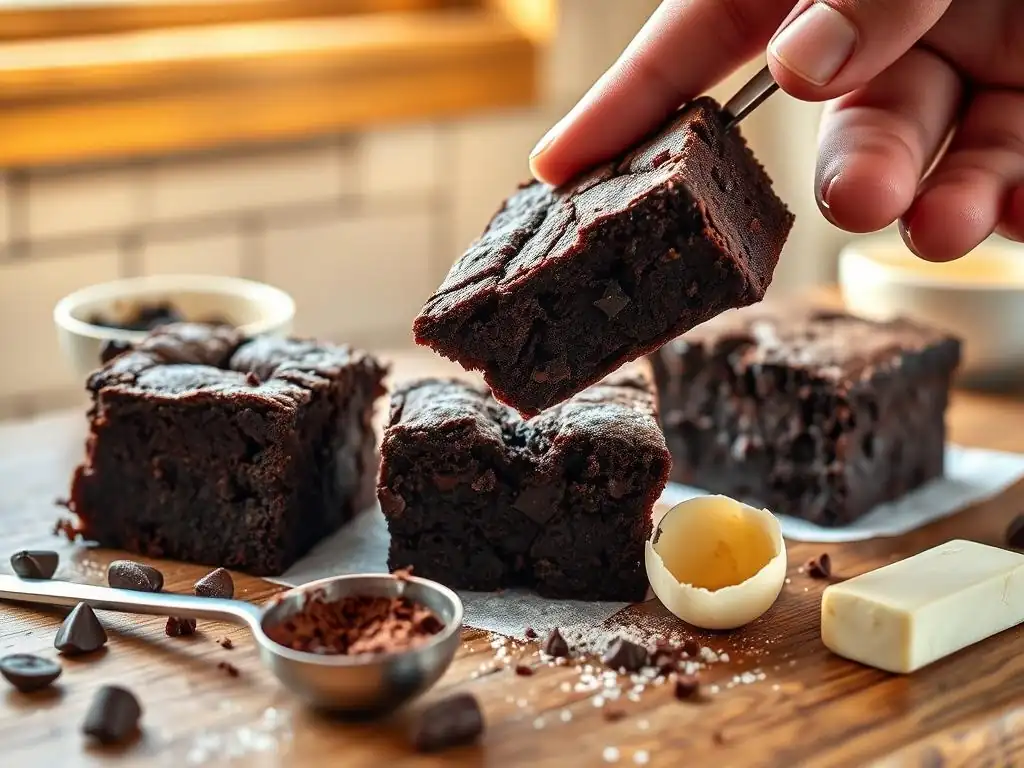
For those looking to go beyond the basics and truly perfect their keto brownies, these advanced techniques can help achieve an even lighter, more desirable texture.
Adding Airiness: Incorporating Whipped Egg Whites or Baking Powder
While minimal mixing is key after adding dry ingredients, incorporating air before can dramatically improve lightness. One effective technique is whipping egg whites to stiff peaks separately and then gently folding them into the batter as the final step. The protein structure in the whipped whites traps air, which expands during baking, resulting in a lighter, less dense crumb. For example, separating the eggs, whisking the yolks with the wet ingredients, and then folding in whites whipped from 2-3 eggs can transform a dense batter.
Another approach is the strategic use of leavening agents like baking powder. Although not always necessary for fudgy brownies, a small amount (e.g., 1/2 to 1 teaspoon per batch) can provide a gentle lift, counteracting the heaviness of keto flours. Ensure your baking powder is fresh for maximum effectiveness. Using baking powder in recipes with acidic ingredients (like cocoa powder or vinegar) can also help activate it fully, producing carbon dioxide gas that lightens the batter.
The Importance of Resting the Batter: Allowing almond flour to hydrate, improving texture.
This simple step is often overlooked but can make a significant difference, especially when using almond flour. Allowing the batter to rest for 10-15 minutes before baking gives the almond flour time to absorb moisture from the wet ingredients. This hydration process helps the flour soften and swell slightly, leading to a more uniform texture and reducing the chance of a gritty or dense result.
During this resting period, the flavors also have a chance to meld. While it might feel counterintuitive to wait, particularly with keto batters that don't rely on gluten development, this brief rest allows the dry components to fully integrate with the wet, leading to a more cohesive batter that bakes more evenly. Think of it as giving the ingredients a moment to get acquainted before hitting the heat.
Adjusting the Liquid Ratio: Adding more liquid can counteract dryness and density.
If you consistently find your keto brownies too dry and dense, a slight adjustment to the liquid ratio might be necessary. This is particularly true if you've made substitutions or are using a recipe that leans towards a drier texture. Carefully adding a small amount of extra liquid – perhaps a tablespoon or two of a neutral oil, melted butter, or a liquid keto sweetener like allulose syrup – can increase moisture content without thinning the batter too much.
The goal is to achieve a thick, fudgy batter consistency, not a thin, cake-like one. The exact amount depends heavily on the recipe and ingredients used, but a good starting point is adding just one tablespoon at a time and gently folding it in until you reach a consistency that seems more moist but still holds its shape. This iterative process is key to finding the perfect balance and achieving that elusive dense keto brownies fix.
Recommended Keto Brownie Recipe for Beginners
Starting with a reliable recipe is the best way to avoid common pitfalls and achieve a great dense keto brownies fix from your very first attempt.
Easy Keto Brownies: A simple recipe using almond flour, cocoa powder, and erythritol.
This simple recipe is designed to be straightforward for beginners while still delivering delicious, fudgy results. It typically uses readily available ingredients like blanched almond flour, unsweetened cocoa powder, eggs, butter, and a granulated keto sweetener like erythritol or a blend. A basic recipe might call for creaming softened butter and sweetener, beating in eggs and vanilla, then gently folding in the cocoa powder, almond flour, baking powder (optional, for a slight lift), and salt.
The key is often the ratio: a standard successful recipe might use around 1.5 cups of almond flour, 1/2 cup cocoa powder, 1 cup of sweetener, 1/2 cup melted butter, and 2-3 eggs. Baking at 325°F (160°C) for 25-30 minutes is a common guideline to prevent overbaking and achieve a fudgy center.
The simplicity of this type of recipe minimizes complexity, making it easier to identify if technique (like overmixing or overbaking) is the issue rather than ingredient compatibility. It provides a solid foundation upon which you can later experiment with different sweeteners, fats, or flavorings as you become more comfortable with keto baking principles.
Downloadable Recipe Card: [Link to a downloadable recipe card]
Note: A downloadable recipe card link would be placed here.
Frequently Asked Questions
How can I prevent my keto brownies from being too dense?
Dense keto brownies often result from using too much almond flour or overmixing the batter. Try reducing the almond flour quantity or using a finer grind, and mix only until just combined.
What role does the sweetener play in the density of keto brownies?
The type and amount of sweetener can significantly impact the texture. Too much sweetener can lead to a heavier, denser brownie. Adjust the sweetener quantity or try a different type, like erythritol or monk fruit.
Could the type of fat I use be contributing to dense keto brownies?
Yes, the type of fat matters. Using too much butter or coconut oil can make the brownies dense. Reduce the amount of fat or try incorporating a lighter oil like MCT oil.
Does oven temperature or baking time affect the density of keto brownies?
Absolutely! Overbaking will dry out the brownies and make them dense. Monitor the brownies closely and use a toothpick to check for doneness, removing them when it comes out with moist crumbs.
What are some ingredients I can add to lighten up my keto brownie batter?
Consider adding ingredients that introduce air and moisture. Adding whipped egg whites or a small amount of psyllium husk powder can help create a lighter, less dense texture.
Final Reflection: The Enduring Quest for the Perfect Dense Keto Brownie
The pursuit of the ideal dense keto brownie isn't just a culinary challenge; it's a testament to our unwavering desire for delicious, guilt-free indulgence. This article explored the common pitfalls in keto baking, specifically focusing on achieving that coveted dense, fudgy texture without sacrificing the low-carb lifestyle. From understanding the role of fat and protein to mastering the art of proper baking techniques, we've journeyed through the trials and triumphs of creating the perfect keto brownie.
The quest for the perfect dense keto brownie reflects a broader cultural shift towards mindful indulgence. We're increasingly seeking healthier alternatives without compromising on taste, and the keto diet, with its emphasis on healthy fats and minimal carbs, has become a significant part of this movement. The best things in life are worth fighting for,
and the perfect dense keto brownie, free from guilt and brimming with rich chocolate flavor, is certainly one of those things. This pursuit speaks to our desire for balance and satisfaction, a harmony between health and pleasure.
Now, it's your turn. Don't let a few failed attempts discourage you. Take the knowledge gained from this article, experiment with different ingredients and techniques, and embrace the process of perfecting your own signature dense keto brownie recipe. Remember, each failed batch brings you closer to that moment of blissful satisfaction when you finally bite into the rich, decadent perfection you've been striving for. The journey, with all its challenges and triumphs, is as rewarding as the destination itself.
Unlock the Secret to Fudgy Keto Brownies!
Thanks for taking the time to explore the world of deliciously dense keto brownies! You’ve learned valuable tips and tricks to avoid common pitfalls – now it's time to put your newfound knowledge into practice.
- Bake your perfect batch: Grab your ingredients and follow your favorite recipe (or try a new one!) Remember those tips about proper mixing and baking times for the best results.
- Share your success (or questions!): Tell us about your brownie baking adventure in the comments below! What worked best for you? What challenges did you overcome?
- Explore more keto baking magic: Dive deeper into our other keto recipes to discover even more delicious low-carb treats.
Ready to create your dream keto brownie? What's your go-to ingredient for achieving that ultimate fudgy texture?