
Bake Deliciously LowSugar Cookies: Simple Recipes That Delight

Welcome to BakeWithEase!
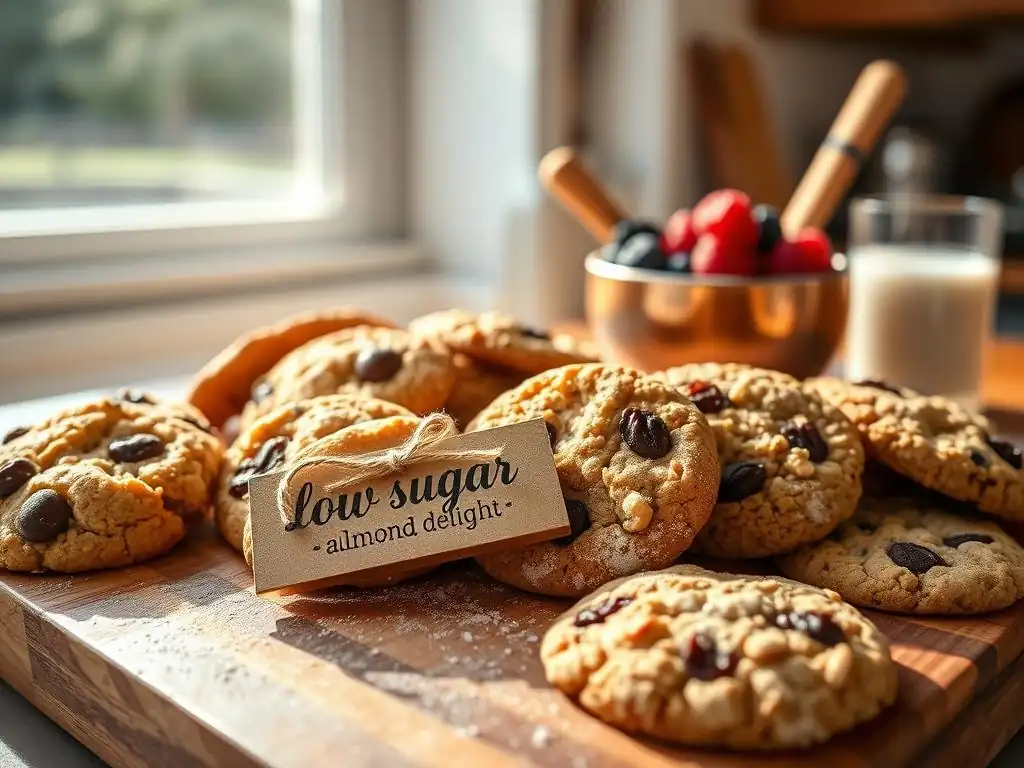
Craving a sweet treat without the sugar rush? You've come to the right place. Discover the secrets to baking irresistibly delicious low sugar cookies that don't compromise on flavor. We're diving deep into simple recipes and clever techniques perfect for anyone looking to indulge a little healthier. Ready to unlock the joy of guilt-free baking? Let's get started!
- Introduction to Low-Sugar Cookie Baking with BakeWithEase
- Understanding Low-Sugar Baking Ingredients for Cookies
- Three Delicious Low-Sugar Cookie Recipes to Try Today
- Tips and Tricks for Successful Low-Sugar Cookie Baking
- Troubleshooting Common Low-Sugar Cookie Baking Problems
- The Future of Low-Sugar Baking: Innovations and Trends
- Conclusion: Enjoy Guilt-Free Cookie Baking with BakeWithEase
-
Frequently Asked Questions
- What exactly are low sugar cookie recipes, and how do they differ from regular cookie recipes?
- Are low sugar cookies still as tasty as regular cookies?
- What are some common sugar substitutes used in low sugar cookie recipes?
- Can I use low sugar cookie recipes even if I'm not specifically trying to reduce my sugar intake?
- Where can I find reliable and easy-to-follow low sugar cookie recipes for beginners?
- Final Reflection: The Sweetness of Moderation
- Unlock Your Inner Baker: Delightfully Low-Sugar Cookie Adventures Await!
Choosing low-sugar cookie recipes isn't just a trend; it's a pathway to enjoying your favorite treats while being mindful of your health. Excessive sugar consumption has been linked to various health issues, including weight gain, increased risk of type 2 diabetes, heart disease, and dental problems. By opting for low-sugar alternatives, you can significantly reduce your daily sugar intake without sacrificing the joy of biting into a warm, freshly baked cookie. This approach allows you to manage blood sugar levels more effectively, which is particularly important for individuals monitoring glucose, but beneficial for everyone seeking a balanced diet.
Beyond the direct health benefits, reducing sugar in your low-sugar cookie recipes can actually enhance the flavors of the other ingredients. When less sugar is present, the natural tastes of butter, vanilla, chocolate, nuts, or fruit can shine through more prominently. This often results in a more complex and satisfying flavor profile.
Furthermore, many people find that reducing sugar helps curb cravings for overly sweet foods, leading to a more balanced palate over time. Embracing low-sugar cookie recipes means you don't have to miss out on celebrating holidays, comforting moments, or simple daily pleasures with a delicious cookie; you just enjoy them in a way that supports your well-being.
At BakeWithEase, we believe that baking should be accessible, enjoyable, and adaptable to various dietary needs and preferences. We understand that navigating the world of low-sugar baking can sometimes feel daunting, with questions about ingredient substitutions, textures, and achieving the right level of sweetness. That's why we've curated simple, reliable low-sugar cookie recipes and comprehensive guides to help you succeed. Our goal is to empower you with the knowledge and confidence to create delicious treats that fit seamlessly into a low-sugar lifestyle.
We provide clear, step-by-step instructions, explain the function of different ingredients, and offer practical tips honed from extensive baking experience. Whether you're a complete beginner or an experienced baker looking to expand your repertoire, BakeWithEase is here to support your journey into guilt-free cookie indulgence. Our focus on simple, effective techniques ensures that your baking endeavors result in consistently delightful low-sugar cookie recipes that you and your loved ones will adore.
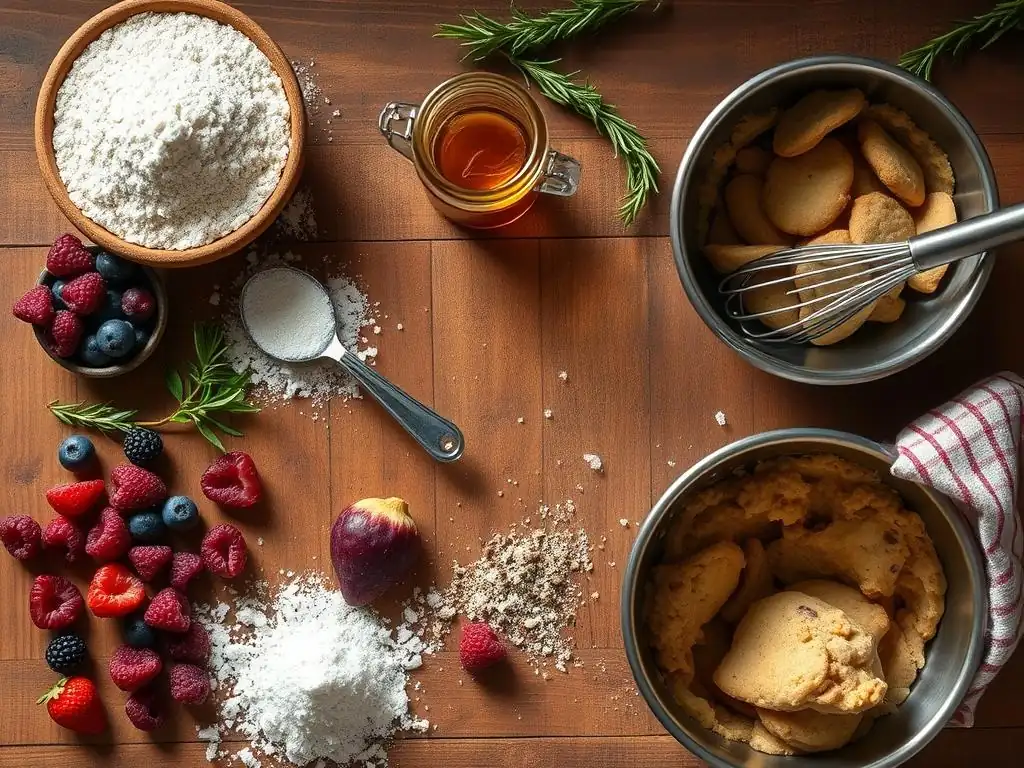
Selecting the right sugar substitute is crucial for successful low-sugar cookie recipes, as different options behave differently in baking. Granulated sugar provides sweetness but also contributes to texture, moisture, and browning. Substitutes need to mimic these properties as much as possible. Common choices include natural sweeteners like stevia, monk fruit, and erythritol, as well as sugar alcohols like xylitol (use with caution around pets). Each has a unique sweetness profile, conversion ratio to sugar, and potential impact on the final product's texture and moisture content. Understanding these differences is key to achieving delicious results.
For instance, stevia and monk fruit are intensely sweet and typically used in much smaller quantities than sugar, which means they don't provide the bulk that sugar does. This lack of bulk can affect the cookie's structure and spread. Erythritol, a sugar alcohol, offers more bulk and has about 70% of the sweetness of sugar, making it easier to substitute volume-wise, though it can sometimes leave a cooling sensation in the mouth. Blends of these sweeteners are often used to balance sweetness and minimize off-flavors, providing a versatile option for many low-sugar cookie recipes.
Natural Sweeteners: Stevia, Monk Fruit, and Erythritol in Cookie Dough
Stevia and monk fruit are popular natural, zero-calorie sweeteners derived from plants. They are significantly sweeter than sugar – stevia can be 200-400 times sweeter, and monk fruit 150-200 times. This potency means only tiny amounts are needed, which is great for calorie reduction but challenging for volume-based recipes like many low-sugar cookie recipes. When using pure extracts, you'll need to compensate for the lost bulk by potentially adding more flour or other dry ingredients, or by using a blend that includes a bulking agent like erythritol or fiber.
Erythritol is a sugar alcohol produced by fermenting glucose. It's a popular choice for low-sugar cookie recipes because it provides more bulk than stevia or monk fruit alone and doesn't significantly impact blood sugar levels. It is typically used in a 1:1 ratio by volume with sugar in many recipes, although its sweetness level means you might need slightly more or a blend to match sugar's sweetness exactly.
One potential issue with erythritol is that it doesn't caramelize like sugar, which can affect browning and chewiness in cookies. Blending erythritol with other sweeteners often yields the best results for taste and texture.
Alternative Flours for Reduced Sugar Impact: Almond Flour, Coconut Flour
While not strictly sugar substitutes, the type of flour used in low-sugar cookie recipes can influence the overall glycemic impact and texture. Traditional all-purpose flour is high in carbohydrates, which convert to sugar in the body. Using alternative flours like almond flour or coconut flour can lower the net carb content and, consequently, the potential impact on blood sugar levels. Almond flour, made from ground almonds, is lower in carbs and higher in protein and fiber than wheat flour. It imparts a lovely, slightly nutty flavor and moist texture to cookies.
Coconut flour is even lower in carbs and significantly higher in fiber than almond flour or wheat flour. However, it is extremely absorbent, requiring significantly more liquid and often more eggs or binding agents in low-sugar cookie recipes. You cannot typically substitute coconut flour 1:1 for wheat or almond flour; you often need only about 1/4 to 1/3 cup of coconut flour for every cup of wheat flour.
Recipes specifically developed for these flours are usually the most successful. Combining alternative flours or using them in conjunction with a small amount of regular flour can also help achieve desired textures in low-sugar cookie recipes.
Adjusting sweetness when using sugar substitutes requires careful experimentation. Unlike sugar, which has a predictable sweetness curve during baking, substitutes can sometimes become less sweet or develop off-flavors when heated. Start by using a reputable low-sugar cookie recipe that has been tested with the specific substitute you plan to use. If adapting a traditional recipe, begin by substituting the sugar according to the manufacturer's guidelines for your chosen sweetener (e.g., if the package says 1/2 cup substitute = 1 cup sugar, start there).
Taste your cookie dough before baking (if it doesn't contain raw eggs or is safe to taste). While raw dough taste isn't identical to baked, it gives you an initial indication of sweetness. For baked cookies, make a small test batch (e.g., 2-3 cookies) to evaluate the sweetness and texture. If they aren't sweet enough, note that adding more dry sweetener might require slightly more liquid to balance the dough consistency. Keep meticulous notes on your adjustments – amounts of sweetener, flour, liquid, and baking time – so you can replicate successful results for your favorite low-sugar cookie recipes.
These low-sugar cookie recipes deliver classic peanut butter flavor with a tender, chewy texture. They are incredibly simple to make and require minimal ingredients, making them perfect for a quick baking session. The natural fats in peanut butter contribute to moisture and richness, helping to compensate for the lack of sugar's structural contribution.
Ingredients for Low-Sugar Peanut Butter Cookies
- 1 cup (240g) natural creamy peanut butter (ensure it's just peanuts and salt, no added sugar)
- 1 large egg
- 1/2 cup (approx. 80g) erythritol or a low-sugar sweetener blend equivalent to 1/2 cup sugar
- 1 teaspoon vanilla extract
- 1/2 teaspoon baking soda
- Optional: 1/4 cup sugar-free chocolate chips or chopped peanuts
Step-by-Step Baking Instructions
- Preheat your oven to 350°F (175°C). Line a baking sheet with parchment paper.
- In a medium bowl, combine the peanut butter, egg, erythritol (or sweetener blend), vanilla extract, and baking soda.
- Mix until all ingredients are thoroughly combined and form a cohesive dough. If using, stir in chocolate chips or chopped peanuts.
- Roll the dough into 1-inch balls. Place them on the prepared baking sheet, leaving about 2 inches between cookies.
- Using a fork, gently press down on each ball to create the traditional crosshatch pattern.
- Bake for 10-12 minutes, or until the edges are lightly golden and the centers appear set but not hard. They will firm up as they cool.
- Let the cookies cool on the baking sheet for 5 minutes before transferring them to a wire rack to cool completely.
Tips for Perfect Peanut Butter Cookie Texture
Using natural peanut butter is key for these low-sugar cookie recipes; conventional peanut butter often contains added sugars and oils that can alter the texture. Ensure your peanut butter is well-stirred if it has separated. For the iconic crosshatch, dip your fork in the sweetener or a little water between pressing each cookie to prevent sticking. Don't overbake these cookies; slightly underbaked centers will result in that desirable soft and chewy texture after cooling. If they look slightly puffed and the edges are just starting to color, they are likely done.
A beloved classic gets a low-sugar makeover! These cookies use almond flour for a tender crumb and reduced carb count, paired with sugar-free chocolate chips for that essential chocolatey goodness. They are slightly more delicate than traditional cookies due to the almond flour but incredibly satisfying.
Ingredients for Low-Sugar Almond Flour Chocolate Chip Cookies
- 1/2 cup (113g) unsalted butter, softened
- 1/2 cup (approx. 80g) erythritol or a low-sugar sweetener blend equivalent to 1/2 cup sugar
- 1 large egg
- 1 teaspoon vanilla extract
- 1 3/4 cups (196g) blanched almond flour
- 1/2 teaspoon baking soda
- 1/4 teaspoon salt
- 1/2 cup (90g) sugar-free chocolate chips
Baking Process for Almond Flour Chocolate Chip Cookies
- Preheat oven to 350°F (175°C). Line baking sheets with parchment paper.
- In a large bowl, cream together the softened butter and erythritol (or sweetener) until light and fluffy, about 2-3 minutes using an electric mixer or whisk.
- Beat in the egg and vanilla extract until well combined.
- In a separate medium bowl, whisk together the almond flour, baking soda, and salt.
- Gradually add the dry ingredients to the wet ingredients, mixing on low speed or by hand until just combined. Do not overmix.
- Stir in the sugar-free chocolate chips.
- Drop rounded tablespoons of dough onto the prepared baking sheets. These cookies won't spread as much as traditional ones, so you can gently flatten them slightly if you prefer a flatter cookie.
- Bake for 12-15 minutes, or until the edges are golden brown and the centers look set.
- Let cool on the baking sheet for 10 minutes before carefully transferring to a wire rack.
Customizing Your Chocolate Chip Cookies: Sugar-Free Add-ins
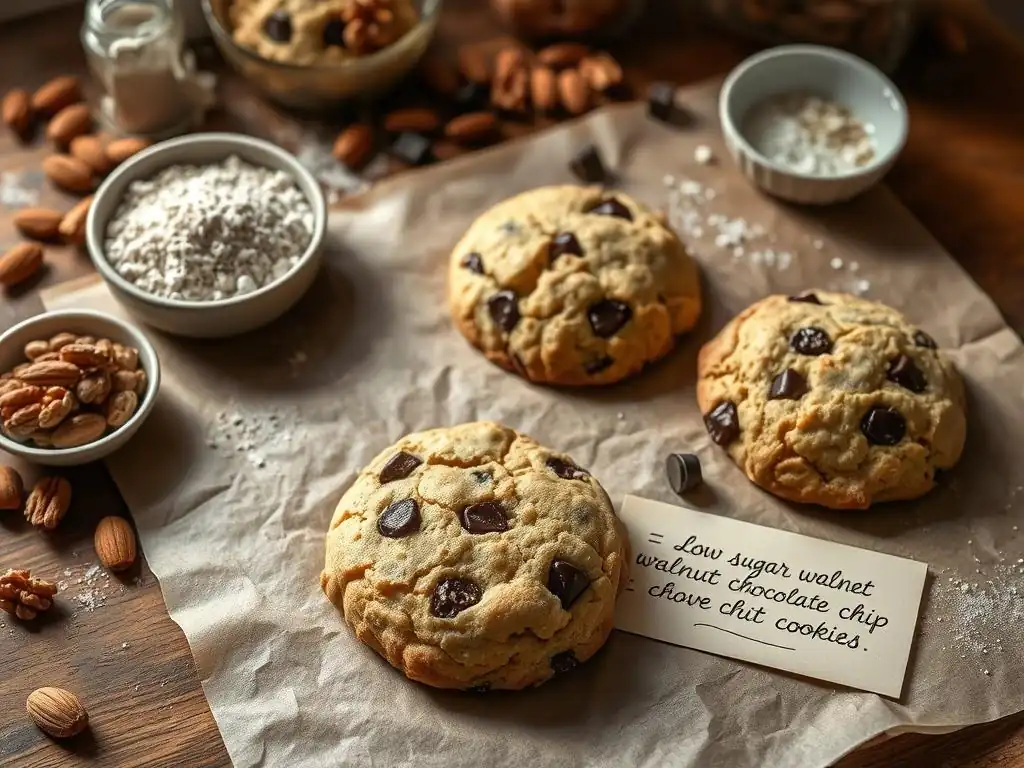
These low-sugar cookie recipes are wonderfully adaptable. Instead of or in addition to sugar-free chocolate chips, consider adding other low-sugar friendly mix-ins. Chopped nuts like walnuts, pecans, or macadamia nuts add great flavor and crunch. Sugar-free dried cranberries or blueberries can add a chewy texture and tartness (check labels for added sugar). A sprinkle of flaky sea salt on top of the warm cookies enhances the chocolate flavor beautifully. Just ensure any additions fit within your low-sugar goals when customizing these delightful low-sugar cookie recipes.
Bright and flavorful, these low-sugar cookie recipes offer a refreshing change of pace. The combination of lemon zest and poppy seeds creates a delightful aroma and texture, while the low-sugar approach keeps them guilt-free.
Ingredients for Low-Sugar Lemon Poppy Seed Cookies
- 1/2 cup (113g) unsalted butter, softened
- 1/2 cup (approx. 80g) erythritol or a low-sugar sweetener blend equivalent to 1/2 cup sugar
- 1 large egg
- 1 teaspoon vanilla extract
- Zest of 1 large lemon
- 1 3/4 cups (220g) all-purpose flour (or a low-carb blend like a mix of almond/coconut flour with a binder)
- 1 teaspoon baking powder
- 1/4 teaspoon salt
- 2 tablespoons poppy seeds
- 1-2 tablespoons lemon juice (optional, for dough consistency)
Baking Techniques for Light and Flavorful Lemon Cookies
For the best lemon flavor in these low-sugar cookie recipes, make sure to use fresh lemon zest. Zest contains the oils that carry the most intense flavor. When creaming the butter and sweetener, ensure it's light and fluffy – this incorporates air, which helps with the cookies' texture. Be careful not to overmix once the flour is added; overmixing can develop gluten and lead to tougher cookies, especially if using wheat-based flour. If the dough seems a little dry, add a teaspoon of lemon juice or milk at a time until it comes together.
Bake these cookies until the edges are set and just starting to turn a very pale gold. They won't get deeply brown like some cookies. The centers should look dry, not wet. Overbaking will result in a dry, crumbly cookie. Letting them cool completely on the baking sheet helps them firm up without breaking. These low-sugar cookie recipes are best enjoyed fresh, but store well in an airtight container.
Variations: Adding Glaze or Frosting (Low-Sugar Options)
To enhance the lemon flavor or add a decorative touch to these low-sugar cookie recipes, you can add a low-sugar glaze. A simple glaze can be made by whisking together 1/4 cup powdered erythritol (or a powdered low-sugar sweetener blend) with 1-2 tablespoons of fresh lemon juice or milk until you reach a pourable consistency. Drizzle this over the cooled cookies.
For a thicker frosting, you can cream together softened butter, powdered low-sugar sweetener, a splash of lemon juice, and a little low-sugar friendly milk alternative until fluffy. Ensure your cookies are completely cool before applying any glaze or frosting to prevent it from melting.
One common challenge with low-sugar cookie recipes, particularly those using alternative flours or certain sugar substitutes, is dryness. Sugar contributes moisture, and when it's reduced, other ingredients need to pick up the slack. Using fats like softened butter, coconut oil, or nut butters generously can help. Adding ingredients like eggs, egg yolks, sour cream, yogurt, or unsweetened applesauce can also increase moisture.
Another strategy is to ensure your dry ingredients aren't absorbing too much liquid. Alternative flours like coconut flour are particularly absorbent. If adapting a recipe, you may need to slightly increase the liquid component (milk, plant-based milk, extra egg) or slightly decrease the dry ingredients. Allowing the dough to rest in the refrigerator for 30 minutes to an hour before baking can also help hydrate the dry ingredients evenly and improve texture in your low-sugar cookie recipes.
Achieving the Right Texture: Adjusting Baking Time and Temperature
Getting the texture right in low-sugar cookie recipes often requires slight adjustments to baking time and temperature compared to traditional recipes. Sugar not only adds sweetness but also affects spread and browning. Cookies made with sugar substitutes might not spread as much or brown as deeply. Baking at a slightly lower temperature (e.g., 325°F or 335°F instead of 350°F) can help prevent the edges from getting too hard before the center is cooked through, promoting a more even texture.
Watch your cookies closely as they bake. Relying solely on visual cues like golden brown edges might not be accurate for low-sugar cookie recipes. Look for signs that the center is set and no longer looks wet or overly shiny.
Often, low-sugar cookies will still look slightly soft in the middle when you take them out; they will continue to cook and firm up as they cool on the hot baking sheet. If your cookies are consistently too hard or dry, try reducing the baking time by 1-2 minutes. If they are too soft or crumbling, increase the time by a minute or two, or slightly increase the temperature.
Proper storage is essential to maintain the texture and flavor of your low-sugar cookie recipes. Once completely cooled, store cookies in an airtight container at room temperature. Ensure they are fully cooled before storing to prevent condensation, which can make them soggy. If stacking different types of cookies, you can place a piece of parchment paper between layers.
Most low-sugar cookies will stay fresh for 3-5 days at room temperature. For longer storage, they can be refrigerated for up to a week or frozen for up to 2-3 months. To freeze, place cooled cookies in a single layer on a baking sheet and freeze until solid, then transfer to a freezer-safe bag or container, removing as much air as possible. Thaw frozen cookies at room temperature. Properly stored low-sugar cookie recipes will retain their deliciousness for days, allowing you to enjoy them whenever a craving strikes.
If your low-sugar cookie recipes are spreading too much and becoming thin and crispy when you intended a thicker cookie, several factors could be at play. Too much butter or fat is a common culprit; ensure your butter is softened, not melted. Using a sugar substitute that doesn't provide enough structure can also cause excessive spread. Some recipes benefit from adding a small amount of additional flour (start with 1-2 tablespoons per batch) or using a binder like xanthan gum (often 1/4 to 1/2 teaspoon per cup of flour, especially with alternative flours).
Chilling the dough is a highly effective technique for preventing spread in low-sugar cookie recipes. After preparing the dough, form it into balls or log shapes and refrigerate for at least 30 minutes, or up to 2-3 days. Baking chilled dough helps the cookies hold their shape better in the initial stages of baking before the fat fully melts. Ensure your oven temperature is accurate; an oven that's too low can also contribute to over-spreading.
Dry or crumbly low-sugar cookie recipes are often a result of insufficient moisture or binding. This can happen when using very absorbent flours (like coconut flour) or when sugar is significantly reduced without compensating liquids or fats. Ensure you are measuring ingredients accurately, particularly flour. If using cup measures, spoon the flour into the cup and level it off; scooping directly from the bag can pack it down and add too much.
Adding an extra egg yolk (which contains fat and lecithin for binding) or a tablespoon of milk, cream, or a plant-based alternative can significantly improve moisture and binding in low-sugar cookie recipes. Using a small amount of applesauce, mashed banana, or pumpkin puree can also add moisture and tenderness, though these will slightly alter the flavor profile. For alternative flours, incorporating binders like xanthan gum or psyllium husk powder (used sparingly, as they are very absorbent) can help hold the cookies together.
Getting the sweetness level just right in low-sugar cookie recipes can be tricky due to the varying potency and flavor profiles of sugar substitutes. If your baked cookies aren't sweet enough, resist the urge to simply double the substitute next time without considering the impact on other ingredients. Too much of some sweeteners can cause digestive upset or introduce off-flavors (like bitterness or a cooling sensation).
If you're using a specific low-sugar cookie recipe, first ensure you used the correct amount of the specified sweetener. If you need more sweetness, try using a blend of sweeteners, which can often provide a more balanced sweetness profile than relying on just one. For example, combining erythritol with a small amount of potent stevia or monk fruit extract can increase overall sweetness without adding too much erythritol bulk or cooling effect. Make small adjustments in subsequent batches (e.g., increase the sweetener by 10-15%) and test bake until you achieve your desired sweetness level in your low-sugar cookie recipes.
The Future of Low-Sugar Baking: Innovations and Trends
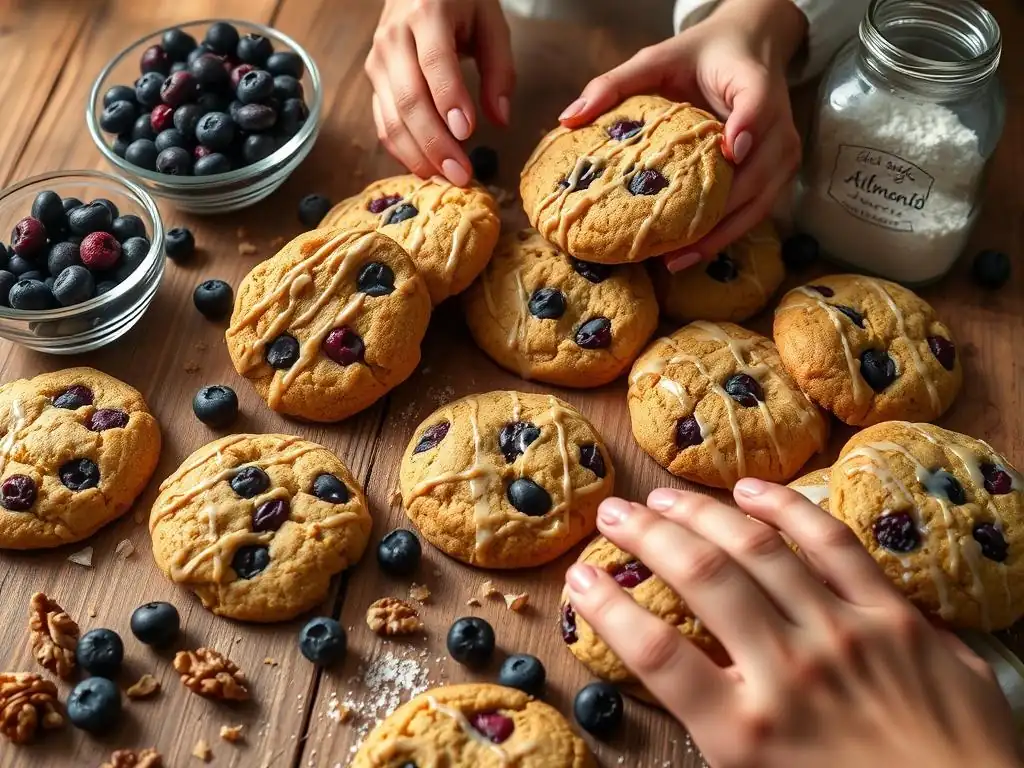
The landscape of low-sugar baking is constantly evolving with new innovations in sugar alternatives. Scientists and food technologists are developing novel sweeteners and sweetener blends that aim to replicate the taste and functional properties of sugar more closely, without the negative health impacts. Ingredients like allulose, a rare sugar that tastes very much like sugar but isn't metabolized in the same way, are becoming more available.
Other developments include tailored sweetener blends that mimic sugar's bulk and crystallization properties, making them easier to use in existing recipes without major modifications. Research is also ongoing into natural compounds from plants that can enhance sweetness or block bitter receptors, allowing for lower concentrations of primary sweeteners. These advancements promise to make creating delicious low-sugar cookie recipes even easier and more satisfying in the future.
Low-Sugar Baking for Specific Dietary Needs: Gluten-Free, Vegan, etc.
Low-sugar baking is increasingly intersecting with other dietary requirements, leading to innovative low-sugar cookie recipes catering to multiple needs. For instance, combining low-sugar principles with gluten-free baking often involves using nut flours or seed flours, which are naturally lower in carbs and higher in fiber than wheat flour. This synergy creates cookies that are both low in sugar and free from gluten.
Similarly, developing vegan low-sugar cookie recipes requires finding plant-based substitutes for eggs and dairy while also reducing sugar. This often involves using ingredients like flax eggs, chia eggs, aquafaba, or commercial egg replacers for binding, and plant-based butters or oils for fat, combined with low-sugar sweeteners. The focus is on creating delicious, inclusive recipes that allow individuals with various dietary restrictions to enjoy delightful low-sugar cookie recipes.
Embracing low-sugar cookie recipes opens up a world of delicious possibilities that align with a health-conscious lifestyle. You don't have to choose between enjoying a beloved treat and maintaining your well-being. With the right ingredients, techniques, and reliable low-sugar cookie recipes, you can bake cookies that are incredibly satisfying, full of flavor, and significantly lower in sugar.
At BakeWithEase, we are committed to providing you with the resources and inspiration to confidently explore low-sugar baking. From understanding the best sugar substitutes to mastering simple, delightful low-sugar cookie recipes, we are here to guide you every step of the way. So preheat your oven, gather your ingredients, and get ready to enjoy the sweet rewards of guilt-free baking. Happy baking!
Frequently Asked Questions
Low sugar cookie recipes are designed to reduce the amount of refined sugar compared to standard recipes. This often involves using alternative sweeteners or simply reducing the quantity of sugar traditionally used.
Yes! With the right techniques and ingredients, low sugar cookies can be just as delicious. Using natural sweeteners like fruit purees or sugar alternatives can add complex flavors.
Common substitutes include stevia, erythritol, monk fruit, and applesauce. The best choice depends on the recipe and your personal taste preferences.
Absolutely! These recipes are a great way to enjoy a treat with less processed sugar. They can also be a good starting point for experimenting with healthier baking alternatives.
Websites like BakeWithEase.com are excellent resources. Look for recipes with step-by-step instructions and easy-to-find ingredients to ensure success.
Final Reflection: The Sweetness of Moderation
The pursuit of healthier baking isn't about deprivation; it's about mindful indulgence. Delicious, low-sugar cookies are not a compromise, but a celebration of flavor achieved through clever techniques and ingredient choices. This isn't just a trend; it's a shift towards a more balanced and enjoyable approach to baking and eating.
The journey of creating these recipes has been a personal exploration of how sweetness can be redefined. I've learned that the intense, sometimes overwhelming sweetness of traditional cookies often masks the subtle nuances of other flavors. By reducing sugar, we unlock the potential for a richer, more complex taste experience. The best things in life are simple.
This adage rings true in baking, especially when we focus on quality ingredients and thoughtful preparation rather than relying solely on excessive sugar to create a satisfying treat.
Now, it's your turn. Experiment with these recipes, adapt them to your preferences, and discover the joy of baking delicious cookies without the sugar overload. Don't be afraid to explore different spices, extracts, and fruits to create your signature low-sugar masterpiece. The kitchen is your canvas; let your creativity shine, and savor the sweetness of moderation.
Thanks for joining us on this delicious journey into the world of low-sugar baking! We hope you've discovered some inspiring new recipes and techniques. Now it's time to put your newfound knowledge into practice!
- Bake your favorite recipe today! Grab your ingredients and get baking. We can't wait to see your creations! (Share them on social media using #BakeWithEaseLowSugar!)
- Experiment with different flavor combinations. Let your creativity run wild and adapt the recipes to your personal preferences. What unique twist will you add?
- Join our baking community! Share your experiences, tips, and photos in the comments below. Let's inspire each other!
Ready to create your own low-sugar masterpiece? What delicious flavor adventure will you embark on next?