
Baking with Stevia: Pros, Cons, and How to Use It Right

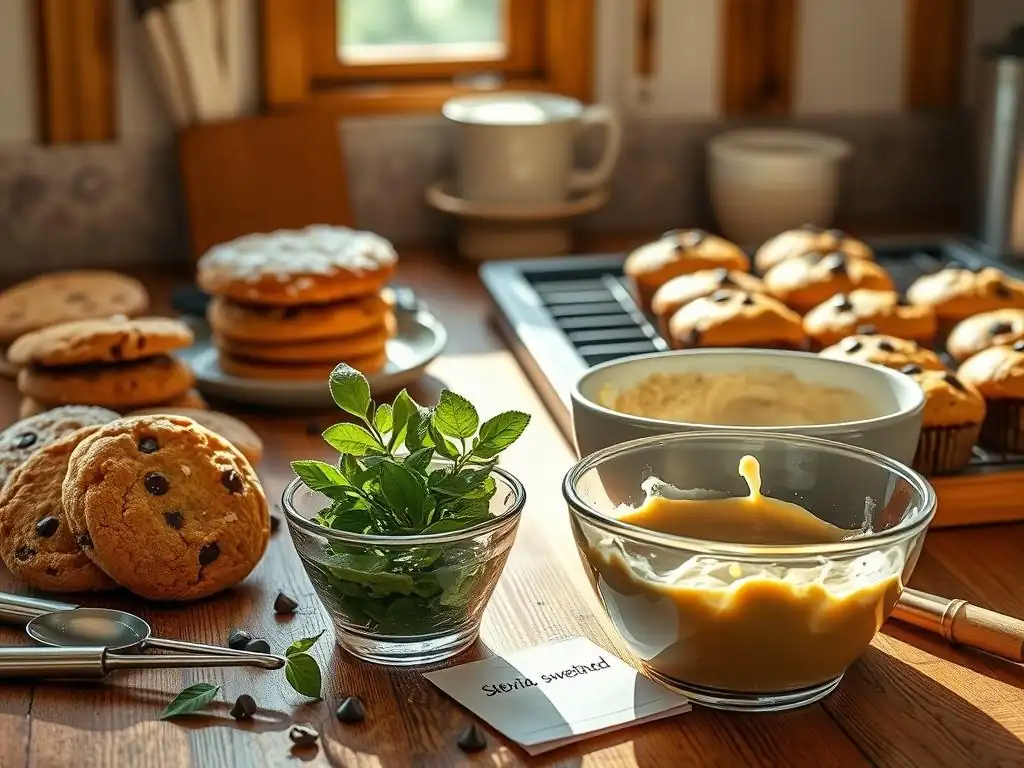
Welcome to BakeWithEase!
Discover the sweet secrets of baking without the sugar rush. Are you curious about using Stevia in your favorite treats? BakeWithEase is here to guide you through the world of Stevia baking recipes, offering easy-to-follow instructions and insights into the pros and cons of this popular sugar alternative. Ready to create delicious, guilt-free goodies? Let's get baking!
- Baking with Stevia: A Comprehensive Guide
- Understanding Stevia for Baking
-
The Pros of Stevia Baking
- Reduced Sugar Intake: Healthier Baking Options
- Calorie Control: Delicious Treats Without the Guilt
- Blood Sugar Impact: A Baker's Perspective
- Flavor Enhancement: Complementing Flavors with Stevia
- Aftertaste: Minimizing Bitterness
- Texture Differences: Adjusting Recipes
- Measuring Stevia: Accurate Conversions
- Cost Considerations: Economical Baking?
- Mastering Stevia Baking: Tips and Techniques
- Troubleshooting Common Stevia Baking Problems
- Advanced Stevia Baking Techniques
- Final Thoughts on Baking with Stevia
-
Frequently Asked Questions
- What are the main benefits of using Stevia in baking, according to BakeWithEase?
- What are some potential drawbacks or cons when using Stevia in baking, as highlighted by BakeWithEase?
- Where can I find easy Stevia baking recipes on BakeWithEase.com?
- How does the texture of baked goods change when using Stevia instead of sugar, according to BakeWithEase?
- What kind of adjustments does BakeWithEase recommend to successfully bake with Stevia?
- Final Reflection: The Sweet Truth About Baking with Stevia
- Unlock Your Sweetest Creations with Stevia!
Baking with Stevia: A Comprehensive Guide
Understanding Stevia for Baking
What is Stevia and Why Use It?
Stevia is a natural sweetener derived from the leaves of the Stevia rebaudiana plant, native to South America. The sweet compounds found in the leaves are called steviol glycosides, primarily stevioside and rebaudioside A (often called Reb A). These glycosides are extracted and purified to create the stevia sweeteners found in grocery stores.
Unlike traditional sugar (sucrose), stevia contains virtually no calories and does not significantly impact blood sugar levels, making it an attractive option for individuals managing diabetes, following low-carbohydrate diets, or simply looking to reduce their sugar intake for general health. Its intense sweetness, often cited as being 200 to 400 times sweeter than sugar, means only a tiny amount is needed to achieve the desired level of sweetness in easy stevia baking recipes and more complex creations.
The growing interest in healthier lifestyles and managing conditions like type 2 diabetes and obesity has driven the popularity of sugar alternatives like stevia. For bakers, this presents an opportunity to create delicious treats that align with dietary goals. Choosing stevia allows for the enjoyment of baked goods without the caloric load or glycemic response associated with sugar.
This is particularly appealing for crafting stevia baking recipes easy enough for everyday enjoyment or for special occasions where dietary needs are a consideration. Understanding the source and properties of stevia is the first step in successfully incorporating it into your baking repertoire.
Stevia vs. Sugar: A Baker's Comparison
Comparing stevia and sugar in baking goes beyond mere sweetness. Sugar provides structure, moisture, browning, and volume to baked goods – properties that stevia, as a high-intensity sweetener, does not replicate on its own. Sugar caramelizes when heated, contributing to the golden-brown crust of cookies and cakes, a reaction stevia cannot perform.
Furthermore, sugar is a bulking agent, adding volume and tenderness, whereas the minute amount of stevia needed offers no such structural contribution. This fundamental difference is why simply substituting sugar with stevia in a 1:1 ratio, as you might in a beverage, will likely result in a flat, dry, and perhaps bitter-tasting baked item.
Consider a standard chocolate chip cookie recipe. Sugar contributes to the spread, chewiness, and browning of the cookie. Replacing 1 cup of sugar with just a quarter teaspoon (or less) of pure stevia extract will make the cookie sweet, but it will lack spread, be dense, and remain pale.
Successfully using stevia in easy stevia baking requires understanding these functional differences and employing techniques, such as adding bulking agents (like applesauce, yogurt, or specialized baking blends) and potentially adjusting leavening or hydration, to compensate for sugar's missing attributes. This isn't just about sweetness; it's about managing the entire physical structure and appearance of the final product.
The Pros of Stevia Baking
Reduced Sugar Intake: Healthier Baking Options
One of the most significant advantages of using stevia in baking is the substantial reduction in added sugar. A typical chocolate chip cookie recipe might call for 1 cup of granulated sugar, which contains roughly 200 grams of sugar. Replacing this with a tiny amount of stevia can eliminate nearly all of that added sugar.
This is particularly beneficial given public health recommendations to limit added sugars, which are linked to various health issues including weight gain, type 2 diabetes, and heart disease. By choosing stevia, bakers can create treats that align with these health goals, making stevia baking recipes easy to fit into a balanced diet.
For individuals actively trying to lower their sugar consumption, baking with stevia offers a way to still enjoy sweet treats without derailing their efforts. Whether it's a simple muffin or a more elaborate cake, the ability to drastically cut down on sugar content while maintaining sweetness is a major draw. This opens up possibilities for creating healthier versions of classic desserts, making them accessible to a wider audience, including those managing specific health conditions. The focus shifts from sugar-laden indulgence to mindful enjoyment of baked goods with a significantly lower impact on sugar intake.
Calorie Control: Delicious Treats Without the Guilt
Stevia is often marketed as a zero-calorie sweetener, and while pure steviol glycosides are technically calorie-free, commercial products may contain negligible calories due to fillers. Compared to sugar, which contains about 16 calories per teaspoon (or approximately 770 calories per cup), the calorie reduction when using stevia is immense. Replacing a cup of sugar in a recipe could potentially save hundreds of calories, depending on the recipe and the amount of sugar replaced. This makes easy stevia baking an excellent strategy for calorie management without feeling deprived of dessert.
For someone trying to maintain or lose weight, incorporating stevia into baking allows for the enjoyment of sweet treats within their calorie budget. A slice of cake made with stevia instead of sugar could have significantly fewer calories, making it a guilt-free option. This calorie control aspect is a powerful motivator for many people exploring sugar alternatives. It means you can potentially enjoy a larger portion or simply reduce the overall calorie density of your favorite baked goods, making stevia baking recipes easy to integrate into a calorie-conscious lifestyle.
Blood Sugar Impact: A Baker's Perspective
A key benefit of stevia, particularly for individuals with diabetes or insulin resistance, is its minimal impact on blood sugar levels. Unlike sugar, which is rapidly absorbed and causes a spike in blood glucose and insulin, stevia is not metabolized for energy and passes through the body without significantly affecting blood sugar. This makes stevia baking recipes easy options for those who need to carefully manage their carbohydrate and sugar intake. Being able to enjoy a sweet baked good without the subsequent blood sugar roller coaster is a significant advantage for this demographic.
From a baker's perspective, understanding this impact is crucial when baking for specific dietary needs. Offering easy stevia baking options means providing delicious treats that are safe and enjoyable for people who might otherwise have to avoid baked goods altogether. While it's important to remember that other ingredients in a recipe (like flour or fats) will still contribute carbohydrates and calories, replacing sugar with stevia eliminates the most direct source of blood sugar elevation from the sweetener itself. This allows for greater flexibility and inclusion in dietary planning.
Flavor Enhancement: Complementing Flavors with Stevia
While stevia's primary role is sweetness, it can also subtly interact with other flavors in baked goods. Pure steviol glycosides, particularly rebaudioside M (Reb M) which is considered the most sugar-like, can enhance the perception of flavors like vanilla, chocolate, and fruit. Unlike some artificial sweeteners that can have a cloying or chemical taste, high-quality stevia extracts can provide a clean sweetness that allows the other ingredients to shine. This can lead to a more balanced and nuanced flavor profile in your baked creations.
Experimenting with different types and concentrations of stevia can help you discover how it best complements specific flavors. For instance, a small amount of stevia might enhance the richness of cocoa in a chocolate cake or brighten the natural sweetness of berries in a muffin. While some forms of stevia can introduce an aftertaste (which we'll discuss later), using the right type and amount can actually lift and improve the overall flavor experience, making your stevia baking recipes easy to enjoy for their full flavor complexity, not just their lack of sugar.
Aftertaste: Minimizing Bitterness
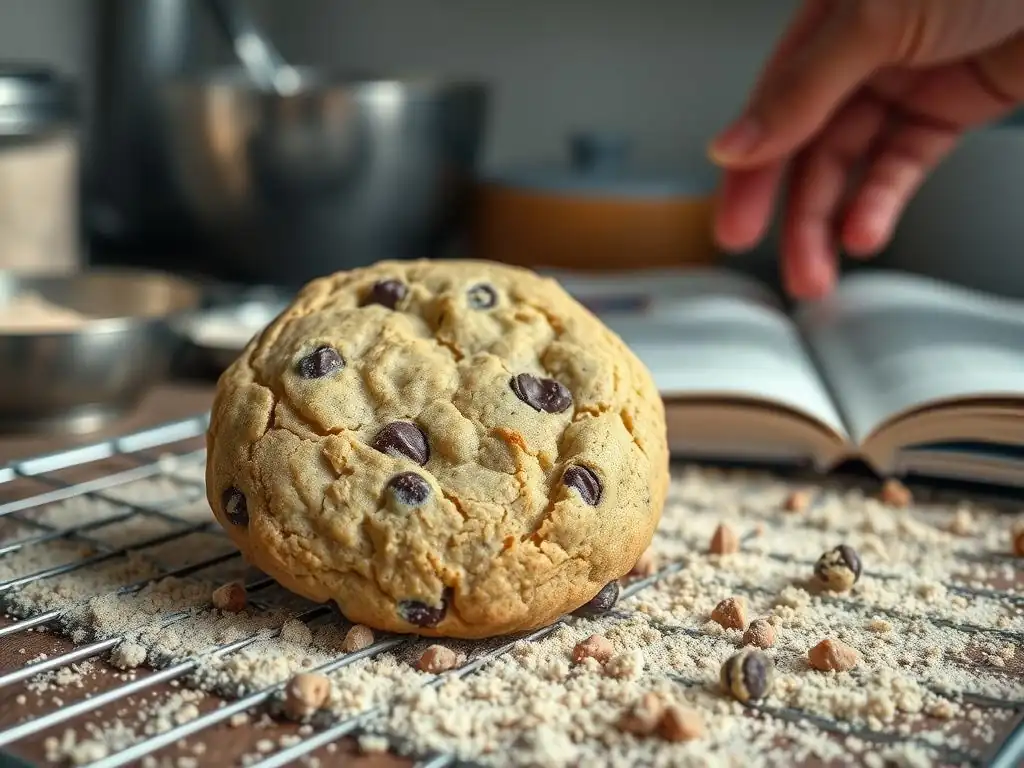
One of the most commonly cited drawbacks of baking with stevia is the potential for a bitter or licorice-like aftertaste. This is primarily associated with certain steviol glycosides, particularly stevioside and Reb A, and the intensity of the aftertaste can vary significantly among individuals. Using too much stevia in a recipe is the most frequent cause of this off-flavor; because it is so much sweeter than sugar, even slightly exceeding the required amount can result in an unpleasant taste. This can be a major hurdle when adapting traditional easy stevia baking recipes.
Minimizing the aftertaste requires careful consideration of the type of stevia used and the quantity. Newer generations of stevia sweeteners, like those high in Reb M or Reb D, are often reported to have a cleaner taste profile with less aftertaste compared to older Reb A-dominant products.
Additionally, combining stevia with other sweeteners (like erythritol or allulose) in a blend can help mask any potential off-flavors and provide a more sugar-like taste experience. Starting with a conservative amount of stevia and tasting as you go (if possible in the raw batter, though not always advisable) can help prevent using too much.
Texture Differences: Adjusting Recipes
As mentioned earlier, sugar plays a crucial role in the texture of baked goods, contributing moisture, tenderness, and volume. When sugar is removed and replaced solely by a high-intensity sweetener like stevia, these textural contributions are lost. This often results in baked goods that are drier, denser, less tender, and lack the desired spread (in cookies) or rise (in cakes). A batch of cookies made by simply swapping sugar for stevia might come out looking like pale, puffy disks rather than flat, slightly chewy rounds. Adapting stevia baking recipes easy to manage texture is key.
To counteract these textural issues, bakers often need to introduce other ingredients that can provide bulk and moisture. Common additions include unsweetened applesauce, mashed banana, pumpkin puree, yogurt, or even increased amounts of eggs or butter/oil. Specialized low-carbohydrate flours or blends designed for baking can also help. Sometimes, simply increasing the liquid content slightly is necessary. Mastering easy stevia baking involves understanding how to reintroduce the lost structure and moisture to achieve a desirable texture that mimics sugar-based baked goods.
Measuring Stevia: Accurate Conversions
Accurately measuring stevia can be challenging because it is significantly sweeter than sugar, and the sweetness concentration varies greatly depending on the product. Pure stevia extract powder is incredibly potent, often requiring measurements as small as 1/32nd of a teaspoon to replace a tablespoon of sugar. Granulated stevia products, which are often blends with fillers like erythritol or dextrose, are designed to measure more like sugar (e.g., 1:1 or 1:2 sugar ratio), but their sweetness can still vary between brands. This variability makes converting traditional recipes tricky.
Using too little stevia results in under-sweetened baked goods, while using too much exacerbates the aftertaste and can ruin the flavor. Reliance on precise measuring spoons, like those for tiny increments (1/8 tsp, 1/16 tsp), is often necessary when working with pure extracts.
When using blended products, it's essential to check the specific conversion instructions provided by the manufacturer, as a 1:1 blend from one brand might not have the same sweetness as a 1:1 blend from another. This need for precise measurement and understanding product variations adds a layer of complexity compared to simply scooping sugar, impacting how stevia baking recipes easy can be adapted.
Cost Considerations: Economical Baking?
The perceived cost of stevia can sometimes be a barrier for bakers. While a bag of granulated sugar might seem inexpensive compared to a small packet or jar of stevia powder or liquid extract, a direct price comparison per gram is misleading. Because stevia is so much sweeter, you use drastically less of it. For example, a 1-ounce packet of pure stevia extract powder, costing around $10-20, might provide the sweetness equivalent of several pounds of sugar. In terms of cost per unit of sweetness, high-quality, concentrated stevia can actually be quite economical in the long run.
However, the upfront cost of purchasing stevia can be higher, especially for specialized blends or liquid extracts. Furthermore, if you are using a stevia blend that measures cup-for-cup like sugar but is less sweet than pure extract (meaning you still use a significant volume), the cost might be closer to or even exceed that of sugar depending on the blend and brand.
Evaluating the true cost requires considering how much sweetness you get for the price, rather than just the price per package. While easy stevia baking might save on sugar costs, the investment in quality stevia can be notable initially.
Mastering Stevia Baking: Tips and Techniques
Converting Sugar to Stevia: A Conversion Guide
Converting traditional recipes to use stevia requires more than a simple substitution, but with a basic understanding, you can make stevia baking recipes easy to adapt. Pure stevia extract powder is extremely potent. A common guideline is that 1 cup of sugar is roughly equivalent in sweetness to 1/4 to 1/2 teaspoon of pure stevia extract powder.
However, this varies significantly based on the specific product's concentration and your personal preference for sweetness. It's always best to start with the lower end of the conversion range and add more if needed, especially when first trying a new recipe or product.
Many commercially available stevia products are blends designed to measure more like sugar. These often combine stevia with bulking agents like erythritol, dextrose, or maltodextrin. For these blends, check the manufacturer's packaging for their recommended conversion ratio, which might be 1:1 (cup for cup) or 1:2 (half a cup of blend for one cup of sugar).
Remember that even 1:1 blends might not provide the exact sweetness or bulk of sugar, so adjustments to other ingredients might still be necessary to achieve the desired texture and moisture in your easy stevia baking. Keeping a log of your successful conversions can be very helpful.
Choosing the Right Type of Stevia
The type of stevia you choose significantly impacts the outcome of your baking. Stevia products vary based on the concentration and type of steviol glycosides (Reb A, Reb M, etc.) and whether they contain fillers or other sweeteners. Pure stevia extract (often labeled as 100% stevia or highly concentrated) is the most potent and requires very small measurements, making accurate dosing critical to avoid bitterness. It provides sweetness without adding bulk or moisture.
Stevia blends, often labeled as "baking blends" or "granulated stevia," combine stevia extract with bulking agents like erythritol, xylitol, or inulin. These are designed to measure more like sugar and provide some of the missing bulk, which can improve texture. Some blends also include other sugar alcohols or fibers to enhance flavor and function.
Liquid stevia drops, often flavored, are convenient for beverages but less common for baking large quantities due to the small volumes needed and potential for uneven distribution. For easy stevia baking recipes, a granulated blend that measures similarly to sugar is often the most straightforward option, though pure extract offers maximum control over ingredients. Experimenting with different types will help you find your preference.
Stevia Blends: Combining Sweeteners
Using stevia in combination with other sweeteners is a popular technique to achieve a more sugar-like taste and texture and minimize the potential for aftertaste. Blends often combine stevia with sugar alcohols like erythritol or xylitol, or with newer sweeteners like allulose. Erythritol and xylitol provide bulk and a granular texture similar to sugar, and they also contribute to browning in some cases, although not as effectively as sugar. Allulose, a rare sugar, functions very similarly to sugar in baking, providing bulk, browning, and moisture, and is often used in low-carb baking.
Commercial stevia blends are readily available, but you can also create your own by combining pure stevia extract powder with another bulk sweetener like erythritol. A common homemade blend ratio might be 1/4 to 1/2 teaspoon of pure stevia extract per cup of erythritol, though this requires testing. Using blends leverages the intense sweetness of stevia while utilizing the functional properties (bulk, texture, browning) of the other sweeteners. This approach often yields baked goods with a better texture and a cleaner flavor profile than using stevia alone, making stevia baking recipes easy to perfect in terms of overall appeal.
Adjusting Baking Times and Temperatures
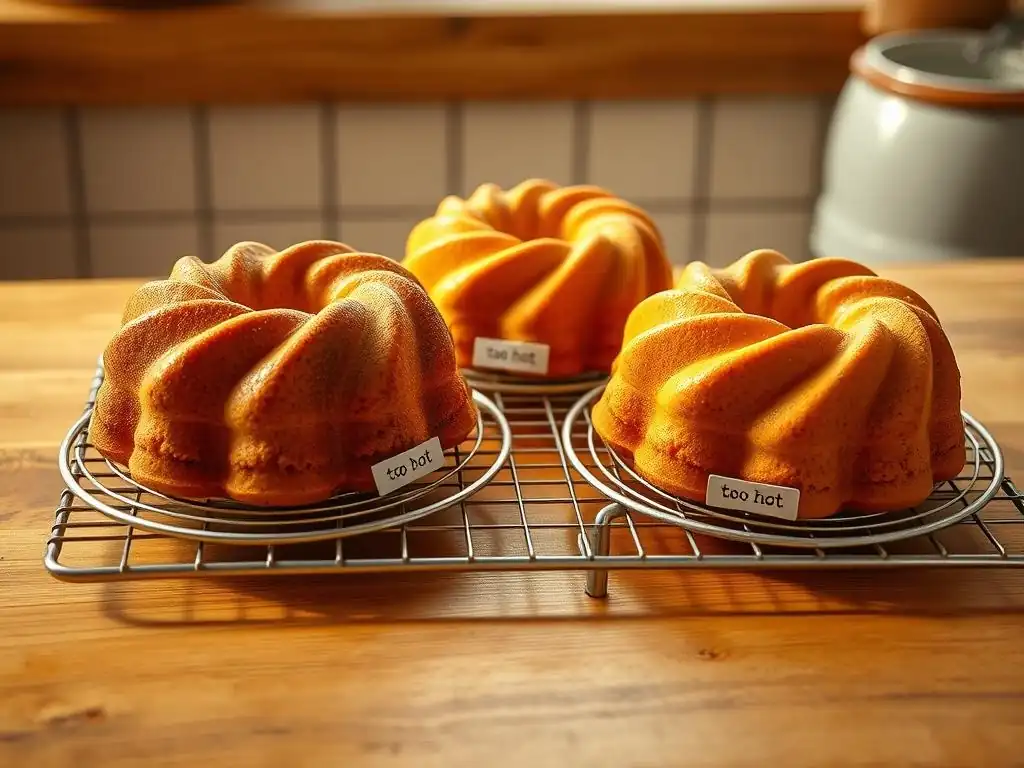
Because stevia does not caramelize or brown like sugar, baked goods made with stevia alone may require adjustments to baking time and temperature. Recipes might need to bake at a slightly lower temperature for a longer period to ensure they cook through without drying out, especially if you've added extra moisture.
The visual cues for doneness, such as golden-brown edges or tops, might also be less pronounced or absent. This requires bakers to rely more on other indicators, such as the firmness of the cake when gently pressed, a toothpick inserted into the center coming out clean, or the edges pulling away from the pan.
For cookies, which rely heavily on sugar for spread and browning, using stevia can result in thicker, paler cookies. You might need to slightly flatten them before baking or increase the baking time to achieve a firmer texture, even if they don't change color significantly.
When adapting easy stevia baking recipes, pay close attention to the visual cues that indicate doneness for sugar-free baked goods and be prepared to adjust baking times based on your oven and the specific recipe. Using a thermometer to check the internal temperature (though less common for simple baked goods like cookies) can also be helpful for larger items like cakes or bread.
Adding Bulking Agents: Overcoming Texture Issues
Successfully replacing sugar's structural role is critical for good texture in stevia baking recipes easy. Since stevia doesn't provide bulk, you need to add ingredients that do. Common bulking agents include unsweetened applesauce, mashed ripe bananas, pumpkin puree, plain yogurt, or pureed cooked sweet potato. These add moisture and volume and can also contribute subtle flavors that complement the baked good. For example, applesauce works well in muffins or quick breads, while yogurt can add tenderness to cakes.
Other options include increasing the amount of flour slightly (though this adds carbs), adding protein powder (which can absorb moisture), or using specialized low-carb baking flours that contain added fibers or gums for structure. If using a stevia blend with a bulking agent like erythritol, you may still need to add additional moisture or a small amount of another ingredient like unsweetened applesauce depending on the recipe's original moisture content and structure. The goal is to replace the volume and moisture lost by removing sugar, ensuring your easy stevia baking results in tender, moist, and properly structured treats.
Troubleshooting Common Stevia Baking Problems
Dry Baked Goods: Hydration Strategies
One of the most common complaints about stevia baking recipes easy is that the resulting baked goods can be dry. This dryness stems directly from the absence of sugar, which is hygroscopic, meaning it attracts and retains moisture. When sugar is removed, that source of moisture is gone, and the baked item loses a key component of its tenderness and moistness. Simply swapping sugar for stevia without adding extra liquid or moisture-rich ingredients almost guarantees a dry outcome.
To combat dryness, increase the hydration in your recipe. This can be done by adding moisture-rich bulking agents like unsweetened applesauce, mashed banana, yogurt, or pumpkin puree, as discussed earlier. You can also slightly increase the amount of liquid called for in the recipe, such as milk, buttermilk, or oil. Using ingredients that retain moisture well, like almond flour or coconut flour (if suitable for the recipe), can also help. Sometimes, simply reducing the baking time slightly can prevent over-drying. For easy stevia baking, proactively adding moisture is a critical step.
Lack of Browning: Achieving Golden-Brown Perfection
Sugar caramelizes when heated, creating the desirable golden-brown crust on cookies, cakes, and other baked goods. Stevia does not caramelize, so baked items made solely with stevia will often remain pale, even when fully cooked. This can affect the visual appeal and also subtly impact the flavor, as caramelization contributes complex notes. Achieving a golden-brown exterior in stevia baking recipes easy requires alternative strategies, especially if visual appeal is important.
One method is to use a stevia blend that contains a small amount of a sugar alcohol like erythritol or xylitol, which can contribute some surface browning, though typically less intensely than sugar. Another approach is to brush the surface of cakes or muffins with a little milk, egg wash, or melted butter before baking; this can help promote browning.
For cookies, baking on a darker baking sheet can sometimes encourage more color development on the bottom. While you may not achieve the deep caramelization of sugar-based goods, these techniques can help add some appealing color to your easy stevia baking.
Sinking Cakes: Preventing Cake Collapse
Cakes made with stevia can sometimes sink in the center, particularly if the recipe hasn't been properly adjusted for the lack of sugar's structure and bulk. Sugar provides volume and stability by interfering with gluten development and protein coagulation, creating a tender crumb. Without sugar, the structure can be weaker, and the cake may lack the support needed to hold its rise, leading to collapse after removal from the oven. This is a frustrating issue when attempting easy stevia baking recipes.
Preventing sinking requires ensuring adequate structure and leavening. Make sure you are using the correct amount of leavening agents (baking powder and/or baking soda) and that they are fresh. Adding bulking agents like yogurt or applesauce can help provide some of the missing volume and moisture, contributing to a more stable structure.
Using a combination of flours, including those with more protein, might also help. Avoid overmixing the batter, which can develop too much gluten and lead to a tough texture and potential sinking. Baking at the correct temperature and avoiding opening the oven door too early are also crucial steps for any cake, including those made with stevia.
Advanced Stevia Baking Techniques
Stevia in Sourdough Bread
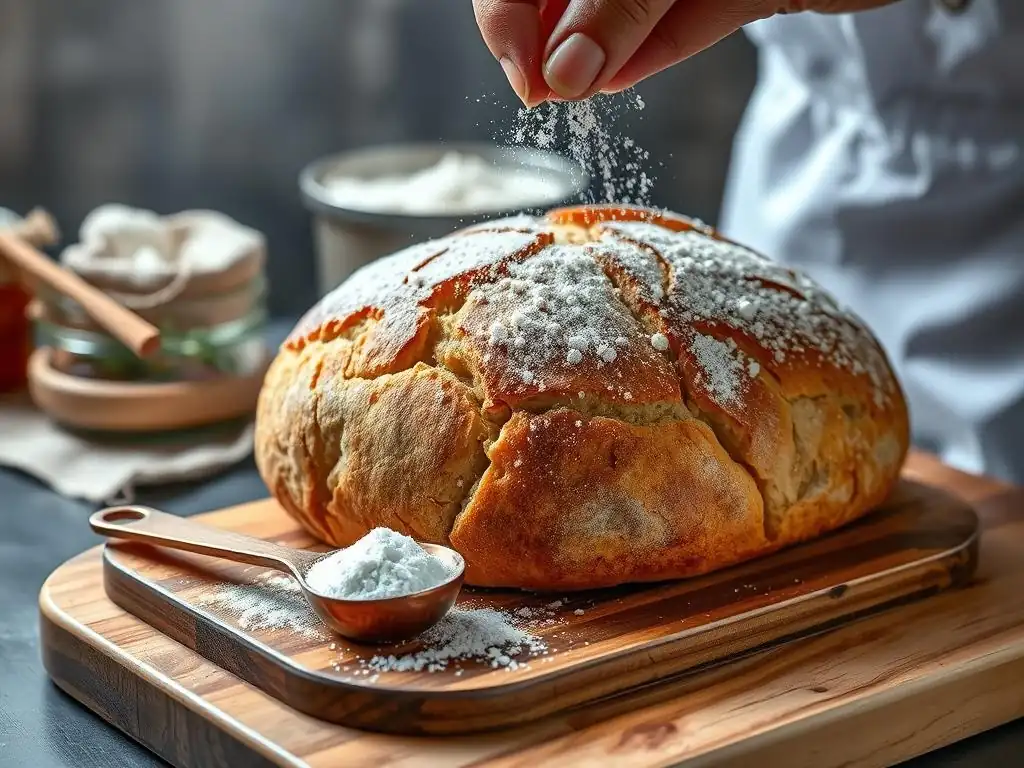
Using stevia in sourdough bread presents unique considerations, primarily because sourdough relies on fermentation by wild yeast and lactic acid bacteria, which primarily feed on sugars and starches. While a small amount of sweetness might be desired in some enriched sourdoughs (like sweet rolls or challah), replacing the sugar that feeds the yeast with a non-caloric sweetener like stevia will not work for the leavening process itself. The yeast needs actual sugar (or readily available carbohydrates from flour) to produce the carbon dioxide that makes the bread rise.
However, if a recipe calls for a small amount of added sugar for flavor or slight tenderness in an otherwise savory sourdough, you could potentially replace that specific amount with stevia for sweetness, provided you understand the functional loss (no browning from the stevia, no yeast-feeding from the stevia). For truly sweet sourdough applications where a significant amount of sugar is used (e.g., cinnamon rolls), replacing all of it with stevia would require substantial recipe reformulation, likely involving adding other sweeteners that the yeast can consume (like a small amount of honey or sugar for proofing, alongside stevia for overall sweetness) and significant bulking agents.
This moves beyond easy stevia baking into more complex adaptation.
Stevia and Yeast: Understanding the Interaction
Yeast fermentation is a biological process where yeast consumes sugars and produces carbon dioxide and alcohol. Stevia, being a non-caloric, non-fermentable sweetener, cannot be consumed by yeast. Therefore, if a recipe relies on sugar to activate or feed yeast for leavening (common in many yeast breads, dinner rolls, and some enriched doughs), replacing that sugar entirely with stevia will result in a dough that does not rise. The yeast will simply have no food source to perform its function.
If you are adapting a recipe that uses a small amount of sugar specifically to "proof" the yeast (e.g., dissolving yeast in warm water with a pinch of sugar), you cannot use stevia for this initial step. A small amount of real sugar (or honey, molasses, etc.) is necessary to wake up the yeast and ensure it's active.
In recipes where sugar is added later for flavor and tenderness (like brioche or cinnamon rolls), you could replace a portion of that sugar with stevia for sweetness, but you would need to retain enough fermentable sugar to allow the yeast to continue working and contribute to the dough's structure and flavor development. This interaction is a key limitation when applying easy stevia baking principles to yeast-leavened goods.
Complex Flavors with Stevia and Extracts
Stevia's clean sweetness profile, especially with high-quality extracts, makes it an excellent base for building complex flavors using extracts and spices. Since stevia doesn't overpower other flavors like large amounts of sugar can, you can often use less extract while still achieving a vibrant taste. Vanilla extract is a classic companion, complementing stevia's sweetness and helping to mask any subtle off-notes. Almond extract pairs wonderfully in baked goods like muffins or quick breads.
Spices such as cinnamon, nutmeg, ginger, and cardamom also work harmoniously with stevia, adding warmth and depth without needing extra sugar. Citrus zests (lemon, orange, lime) can brighten the flavor profile and balance the sweetness. Chocolate and cocoa powder's natural bitterness is often well-balanced by stevia. When working on easy stevia baking recipes, don't hesitate to experiment with different flavor pairings. Start with slightly less extract than you might in a sugar-based recipe and adjust to taste, as stevia allows the nuances of these added flavors to come through more clearly.
Final Thoughts on Baking with Stevia
Baking with stevia offers a fantastic way to enjoy sweet treats while significantly reducing sugar and calorie intake, making stevia baking recipes easy to incorporate into various dietary plans. While it presents unique challenges compared to sugar, such as managing texture, potential aftertaste, and the need for accurate measurement, these hurdles are easily overcome with knowledge and practice. Understanding that stevia is a high-intensity sweetener and not a direct structural replacement for sugar is the first step towards success.
By employing techniques like using bulking agents, choosing appropriate stevia types and blends, and adjusting baking methods, you can create delicious, moist, and satisfying baked goods. Don't be discouraged by initial trials that might not turn out perfectly. Baking is an art and a science, and adapting recipes takes experimentation. With a little patience and willingness to learn, you'll find that easy stevia baking is not only possible but can become a rewarding part of your low-sugar baking journey, allowing you to recreate your favorite treats in a healthier format.
Frequently Asked Questions
What are the main benefits of using Stevia in baking, according to BakeWithEase?
Stevia offers several benefits, including being a zero-calorie sweetener. It's also a natural alternative to sugar and can be suitable for people managing blood sugar levels.
What are some potential drawbacks or cons when using Stevia in baking, as highlighted by BakeWithEase?
Stevia can sometimes leave a bitter aftertaste or have a cooling effect in baked goods. It also doesn't provide the same browning or moisture as sugar, requiring adjustments.
Where can I find easy Stevia baking recipes on BakeWithEase.com?
BakeWithEase.com provides step-by-step guides and recipes specifically designed for baking with Stevia. Look for recipes tagged as "Stevia baking recipes easy" for beginner-friendly options.
How does the texture of baked goods change when using Stevia instead of sugar, according to BakeWithEase?
Stevia doesn't contribute to moisture or structure like sugar, so baked goods might be drier or more crumbly. BakeWithEase recommends adding extra moisture like applesauce or yogurt.
What kind of adjustments does BakeWithEase recommend to successfully bake with Stevia?
BakeWithEase suggests using Stevia blends designed for baking and adjusting liquid ingredients to compensate for the lack of moisture. You might also need to experiment with baking times and temperatures for optimal results.
Final Reflection: The Sweet Truth About Baking with Stevia
The search for healthier baking alternatives is more relevant than ever, and stevia, with its intense sweetness and low-calorie profile, sits at the forefront of this movement. While not a perfect replacement for sugar, understanding its nuances unlocks a world of delicious, guilt-free baking possibilities. This exploration into stevia's pros and cons, coupled with practical application tips, empowers home bakers to make informed choices in the kitchen.
Stevia's impact extends beyond simple calorie reduction; it represents a shift in our relationship with sweetness. It challenges the ingrained notion that indulgence must come at a cost, prompting us to reconsider our baking habits and explore healthier alternatives. The best way to find yourself is to lose yourself in the service of others.
While not directly about stevia, this quote speaks to the broader impact of mindful food choices – a consideration that extends to the ingredients we select. The journey of discovering the right balance with stevia, and indeed with all ingredients, is a personal one, reflecting our evolving understanding of health and well-being.
Now, it's your turn. Consider the recipes you've baked, the ingredients you've chosen, and the impact those choices have had on your health and enjoyment. Don't be afraid to experiment with stevia – find your perfect balance, adapt the recipes presented here, and discover the joy of creating delicious and healthier treats. Embrace the challenge, refine your technique, and unlock the sweet potential of stevia in your own baking journey.
Unlock Your Sweetest Creations with Stevia!
Thanks for exploring the world of stevia with us! We hope you now feel empowered to make healthier, delicious baking choices. Ready to put your newfound knowledge into practice?
- Dive into our Stevia Recipe Collection: We've curated a selection of amazing recipes specifically designed to showcase stevia's versatility. Find your next favorite treat!
- Share your Stevia baking successes (or questions!) with our community: Join the conversation in the comments below – let's inspire each other!
- Experiment with different stevia types: Try baking with granular, liquid, or powdered stevia to find your perfect match. Which one will become your go-to?
What exciting stevia-sweetened creation will you bake first?