
Vegan Oatmeal Raisin Cookies Without Nuts or Dairy

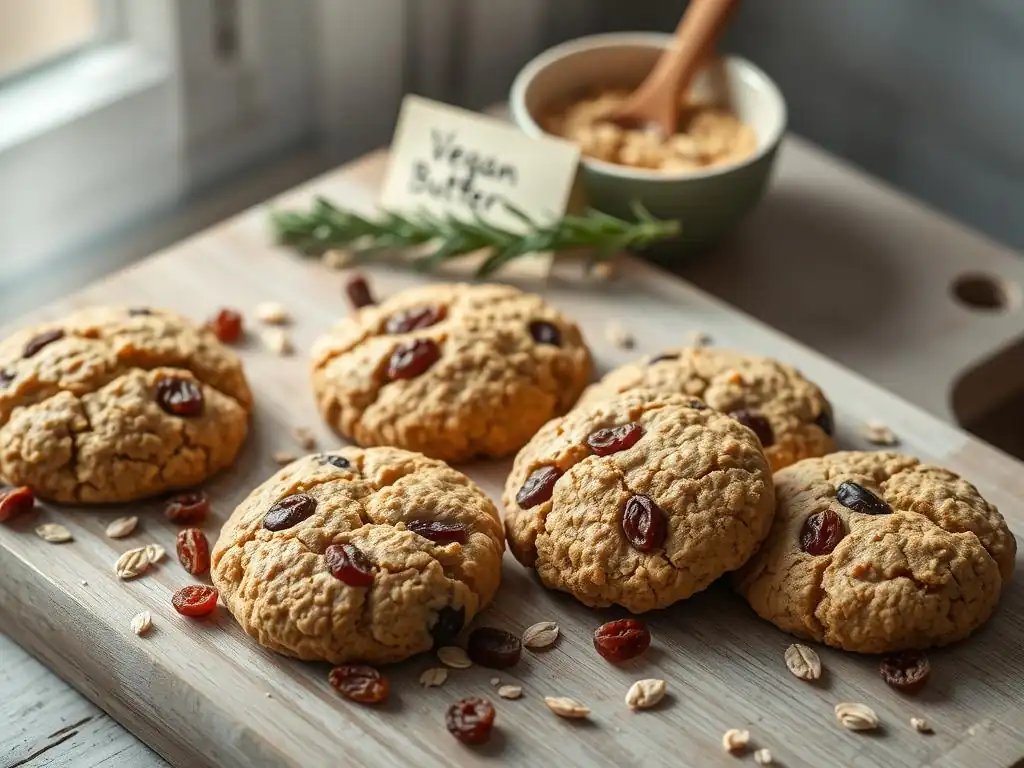
Welcome to BakeWithEase, where baking becomes a joy! Ever wondered if you could enjoy a classic, comforting cookie without the dairy or nuts? We're about to unlock the secret. Dive into our article and discover a delightful vegan oatmeal raisin cookies recipe that's surprisingly simple and utterly delicious. Get ready to bake a batch that everyone will love – the perfect treat awaits!
- Vegan Oatmeal Raisin Cookies: Classic Comfort, Plant-Based Delight
- Introduction to Vegan Oatmeal Raisin Cookies: A Timeless Treat, Reimagined
- Why Choose This Vegan Oatmeal Raisin Cookie Recipe?
- The Essential Vegan Oatmeal Raisin Cookie Recipe: Ingredients List
- Step-by-Step Guide: Crafting Dairy-Free and Egg-Free Vegan Oatmeal Raisin Cookies
- Tips and Tricks for Exceptional Vegan Oatmeal Raisin Cookies
- Troubleshooting Common Vegan Oatmeal Raisin Cookie Challenges
- Vegan Oatmeal Raisin Cookies: Nutritional Highlights
- More Plant-Based Cookie Recipes to Explore
- Conclusion: Savor the Warmth of Homemade Vegan Oatmeal Raisin Cookies!
-
Frequently Asked Questions
- How do I substitute the butter in this Vegan Oatmeal Raisin Cookies recipe?
- Can I use regular milk instead of a plant-based milk?
- What makes these oatmeal raisin cookies different from other recipes?
- What kind of oats should I use for the Vegan Oatmeal Raisin Cookies Without Nuts or Dairy recipe?
- How do I prevent the cookies from spreading too thin during baking?
- Final Reflection: The Sweetness of Simple Vegan Baking
- Unleash Your Inner Baker: Vegan Oatmeal Raisin Cookie Magic!
Oatmeal raisin cookies hold a special place in the hearts of many, evoking feelings of warmth, comfort, and nostalgia. Their classic combination of chewy oats and sweet, plump raisins is universally loved. However, for those navigating dietary restrictions or choosing a plant-based lifestyle, the traditional recipe presents a challenge due to its reliance on dairy butter and eggs. This has led to a wonderful culinary evolution: the creation of delicious vegan versions that retain all the beloved characteristics of the original while being entirely plant-based and often free from common allergens like dairy and eggs.
Crafting a great vegan oatmeal raisin cookies recipe involves understanding how plant-based ingredients can replicate the functions of their animal-derived counterparts. Vegan butter substitutes provide richness and structure, while ingredients like applesauce or mashed banana act as binders and add moisture, replacing eggs. The goal is to achieve that perfect balance of a slightly crisp edge and a soft, chewy center that defines a truly great oatmeal raisin cookie. Whether you're a seasoned baker or new to the kitchen, mastering a reliable vegan oatmeal raisin cookies recipe is a rewarding endeavor that allows everyone to enjoy this timeless treat.
Allergy-Friendly: Dairy-Free and Egg-Free
This particular vegan oatmeal raisin cookies recipe is specifically designed to be free from both dairy and eggs, two of the most common food allergens. According to a 2020 study published in the Journal of Allergy and Clinical Immunology, cow's milk allergy is one of the most prevalent allergies in infants and young children, while egg allergy is also significant, affecting approximately 1-2% of children. By eliminating these ingredients, this recipe opens the door for many individuals with these sensitivities to safely enjoy homemade cookies.
Beyond just avoiding allergens, using plant-based alternatives often introduces new textures and flavors. Vegan butter, typically made from vegetable oils, provides a creamy richness without lactose or casein. Egg substitutes like applesauce or flax egg contribute moisture and help bind the ingredients, resulting in a cookie that is not only safe for those with allergies but also boasts a delightfully soft and chewy texture that many find preferable. This focus on allergen-friendly ingredients ensures that the joy of warm, freshly baked vegan oatmeal raisin cookies can be shared widely.
Wholesome and Delicious: A Guilt-Free Indulgence
This vegan oatmeal raisin cookies recipe emphasizes wholesome ingredients, making it a more nourishing treat compared to many traditional cookie recipes loaded with refined sugars and saturated animal fats. Oats themselves are a fantastic source of dietary fiber, particularly beta-glucan, which is known for its potential to help lower cholesterol levels and improve digestive health. A typical serving of oats (about 1/2 cup dry) contains around 4 grams of fiber.
While still a dessert, incorporating whole grain oats and natural sweeteners like maple syrup or brown sugar in moderation provides a better nutritional profile. Raisins contribute natural sweetness along with antioxidants and some vitamins and minerals, such as potassium and iron. By substituting dairy and eggs with plant-based alternatives, the recipe often contains less saturated fat and no cholesterol, aligning with dietary recommendations for heart health. Enjoying these delicious vegan oatmeal raisin cookies means you can indulge your sweet tooth while benefiting from the goodness of plant-based ingredients.
Simple and Accessible: Perfect for Beginner Bakers
One of the greatest advantages of this vegan oatmeal raisin cookies recipe is its straightforward nature, making it an excellent starting point for those new to baking or vegan baking. The process typically involves simple mixing steps that don't require complex techniques like creaming butter and sugar extensively or tempering eggs. Most ingredients are readily available in standard grocery stores, from rolled oats and raisins to vegan butter and applesauce.
The steps are designed to be easy to follow, often involving mixing wet ingredients in one bowl and dry in another before combining them. There's no need for fancy equipment; a couple of mixing bowls, a whisk, a spatula, and a baking sheet are usually sufficient. This accessibility lowers the barrier to entry, encouraging anyone to try their hand at baking these delightful cookies. The forgiving nature of many vegan cookie doughs also means that minor imperfections are unlikely to ruin the final product, boosting confidence for novice bakers.
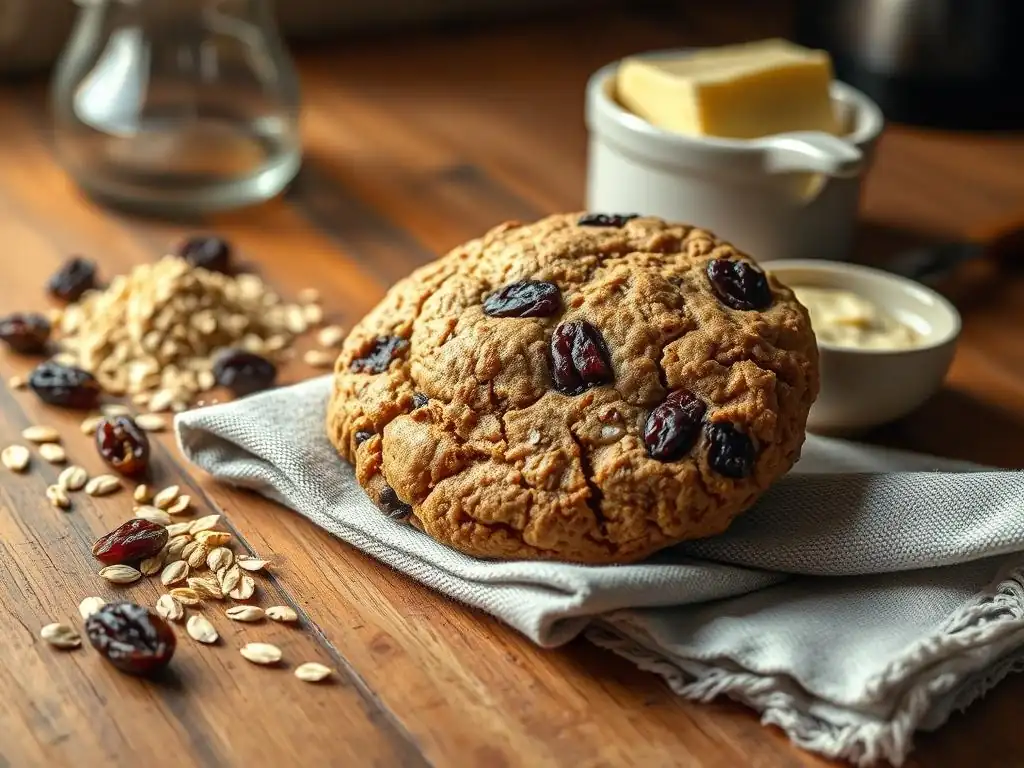
Crafting the perfect vegan oatmeal raisin cookies requires a thoughtful selection of ingredients that work together to achieve the desired texture and flavor without relying on animal products. The foundation typically includes rolled oats, flour, sugar, leavening agents, and spices. The magic happens when plant-based ingredients step in for butter and eggs, providing moisture, binding, and richness. A reliable vegan oatmeal raisin cookies recipe balances these elements to create a cookie that is both satisfyingly chewy and bursting with flavor.
Getting the proportions right is key. For instance, a standard batch yielding about 2 dozen cookies might use around 1 and 1/2 cups of flour, 1 cup of rolled oats, 3/4 cup of sugar (a mix of brown and granulated works well), 1/2 cup of vegan butter, and about 1/4 cup of an egg substitute like applesauce. Leavening is typically achieved with baking soda and a pinch of salt. Spices like cinnamon and vanilla extract are essential for that classic oatmeal cookie taste.
Oat Selection: Rolled Oats for Optimal Texture
Choosing the right type of oats is crucial for achieving the signature chewy texture of vegan oatmeal raisin cookies. Rolled oats, also known as old-fashioned oats, are the preferred choice for this vegan oatmeal raisin cookies recipe. These oats are whole oat groats that have been steamed and then rolled into flat flakes. This process allows them to absorb moisture during baking without becoming mushy, providing that desirable hearty chew.
Quick oats, which are cut smaller and rolled thinner, cook faster and can result in a softer, sometimes less distinct texture in cookies. Steel-cut oats, being much less processed, require significantly more liquid and cooking time and are not suitable for standard cookie recipes. Using rolled oats ensures that the cookies have visible oat flakes and a robust texture that stands up to the other ingredients and baking process, delivering the classic mouthfeel expected from a great oatmeal raisin cookie.
Raisin Hydration: Plump Raisins for Enhanced Flavor
While you can certainly use raisins straight from the box, taking a moment to hydrate them can make a significant difference in the final vegan oatmeal raisin cookies. Dry raisins can sometimes be tough and can even draw moisture out of the cookie dough during baking, potentially leading to a drier cookie. Plumping the raisins ensures they are soft, juicy, and distribute their sweet flavor more effectively throughout each bite.
A simple way to hydrate raisins is to soak them in hot water or even a bit of warm juice (like apple juice for extra flavor) for about 10-15 minutes. After soaking, drain them thoroughly and pat them dry with a paper towel before adding them to the dough. This small extra step adds bursts of moist, sweet flavor to the vegan oatmeal raisin cookies, enhancing the overall sensory experience. For a batch using 1 cup of raisins, soaking them in approximately 1 cup of hot water is usually sufficient.
Plant-Based Sweeteners: Brown Sugar and Maple Syrup Harmony
The combination of brown sugar and maple syrup creates a wonderful depth of flavor and contributes significantly to the texture of these vegan oatmeal raisin cookies. Brown sugar, with its molasses content, provides moisture and chewiness, which is vital for a soft oatmeal cookie. It also adds a slightly caramel-like note that complements the oats and raisins beautifully. Using roughly equal parts packed light or dark brown sugar alongside granulated sugar is common, though some vegan recipes lean more heavily on brown sugar for chewiness.
Maple syrup, another excellent plant-based sweetener, adds a distinct warmth and moisture. While it can be used as the primary sweetener, in this recipe, it often works best in combination with brown sugar. A touch of maple syrup (perhaps 1-2 tablespoons per batch) can enhance the overall sweetness profile and contribute to a slightly softer interior. This blend of sweeteners not only ensures the cookies are perfectly sweet but also helps achieve that desirable balance between a slightly crisp edge and a soft, tender center in your vegan oatmeal raisin cookies.
Binding Agent: Applesauce for Moisture and Structure
In vegan baking, finding effective egg substitutes is key, and unsweetened applesauce is a fantastic option for this vegan oatmeal raisin cookies recipe. Eggs serve multiple purposes in traditional baking: they bind ingredients together, add moisture, contribute to leavening, and provide richness. Applesauce primarily functions as a binder and a source of moisture, helping to hold the cookie dough together without the need for eggs.
Using applesauce (typically 1/4 cup per "egg" replaced) adds natural sweetness and moisture, resulting in a soft, tender cookie. It contributes minimal fat, making it a lighter binder compared to some other options. While it doesn't provide the same level of leavening as eggs, this is compensated for by the use of baking soda and sometimes baking powder in the recipe. Ensure you use unsweetened applesauce to control the sugar levels in your vegan oatmeal raisin cookies and avoid an overly sweet result.
Crafting delicious vegan oatmeal raisin cookies is a rewarding process that involves a few simple steps. Following these instructions carefully will help you achieve that perfect balance of flavor and texture without any dairy or eggs. This vegan oatmeal raisin cookies recipe is designed for clarity and ease, making it accessible for bakers of all levels.
Let's break down the process into manageable steps. You'll start by preparing your dry and wet ingredients separately, then combine them, incorporate the flavorful additions, and finally, bake the dough to golden perfection. Paying attention to details like ingredient measurements and baking time is crucial for the best results.
Step 1: Combining Wet and Dry Ingredients
The initial stage of making your vegan oatmeal raisin cookies involves preparing the foundation of the dough by combining the dry and wet components. This ensures that the leavening agents are evenly distributed and the fat and sugars are properly incorporated before everything comes together. This separation helps prevent overmixing once the wet and dry ingredients are combined, which can lead to tough cookies.
Using two separate bowls for this step is recommended. One bowl will hold the dry ingredients, and the other will be used for the wet ingredients. This standard baking practice is essential for achieving the correct chemical reactions and structure in your vegan oatmeal raisin cookies.
Mixing Dry Ingredients: Flour, Oats, Spices, and Leavening Agents
In a medium bowl, whisk together the all-purpose flour (or a gluten-free blend if needed), rolled oats, baking soda, salt, and any dry spices like cinnamon or nutmeg. Ensure these ingredients are thoroughly combined. The baking soda is a key leavening agent, typically reacting with the acid present in brown sugar or other wet ingredients to create lift and spread during baking.
- [ ] Measure flour accurately (spoon into cup and level off).
- [ ] Add rolled oats.
- [ ] Add baking soda and salt.
- [ ] Whisk in cinnamon and any other dry spices.
- [ ] Ensure all dry ingredients are homogenous.
This step ensures that the leavening is evenly distributed throughout the dough, which is vital for consistent cookie texture and rise. If the baking soda isn't mixed well, some cookies might spread too much while others don't spread enough. For a typical batch size, you might use around 1 teaspoon of baking soda and 1/2 teaspoon of salt.
Creaming Wet Ingredients: Vegan Butter, Sugar, and Applesauce
In a larger bowl, using an electric mixer or a sturdy whisk, cream together the softened vegan butter and sugars (brown and granulated). This step incorporates air into the mixture and dissolves the sugar slightly, contributing to the cookie's texture. Cream until the mixture is light and fluffy, which might take 2-3 minutes with an electric mixer. The softened vegan butter should be pliable but not melted.
Next, add the applesauce (acting as the egg substitute) and vanilla extract to the creamed mixture. Mix until just combined. Do not overmix after adding the applesauce, as you want to maintain the air pockets created during the creaming process. The goal here is to create a smooth, well-combined wet base ready to accept the dry ingredients for your vegan oatmeal raisin cookies.
Step 2: Incorporating Raisins and Flavor Enhancers
Once the basic dough is formed by combining the wet and dry ingredients, it's time to add the stars of the show: the raisins, along with other key flavor enhancers like vanilla extract and cinnamon (if not already added to the dry mix). This step brings the signature taste and texture to your vegan oatmeal raisin cookies.
Gentle handling is important during this phase to avoid overworking the dough. Overworking can develop the gluten in the flour too much, leading to tougher cookies. The goal is to distribute the raisins and flavors evenly throughout the dough.
Folding in Raisins for Even Distribution
Add the prepared raisins (plumped and drained, if you opted for that step) to the dough. Use a spatula or a wooden spoon to gently fold the raisins into the mixture. The folding technique involves cutting down through the center of the dough, scraping the bottom, and lifting it over the top, turning the bowl as you go. Repeat until the raisins are evenly distributed throughout the dough.
Avoid using an electric mixer for this step, as it can break down the raisins and overmix the dough. The aim is to have raisins in every bite of your vegan oatmeal raisin cookies, ensuring a burst of sweetness and chewiness with each cookie. For a standard recipe using 1 cup of raisins, this folding process typically takes less than a minute.
Enhancing Flavor with Vanilla Extract and Cinnamon
While cinnamon is often included in the dry ingredients, vanilla extract is typically added with the wet ingredients after creaming the butter and sugar. However, a final check to ensure these flavor powerhouses are adequately incorporated is essential. Good quality vanilla extract provides a warm, aromatic depth that complements the oats and raisins beautifully.
If you didn't add cinnamon to the dry mix, or if you want an extra punch of spice, you can gently fold it in with the raisins. A typical recipe calls for 1 to 1.5 teaspoons of vanilla extract and 1 to 2 teaspoons of ground cinnamon. These spices are fundamental to the classic taste of vegan oatmeal raisin cookies, so don't skimp on them!
Step 3: Baking for the Perfect Texture
Baking is where the magic truly happens, transforming the raw dough into warm, golden-brown vegan oatmeal raisin cookies. The correct oven temperature and baking time are critical to achieving that ideal balance of a slightly crisp edge and a soft, chewy center. Over-baking is the most common mistake that leads to dry, hard cookies.
Preheating your oven properly is the first crucial step. Ensure it reaches the target temperature before placing the cookies inside. Using parchment paper or a silicone baking mat on your baking sheets will prevent sticking and ensure even heating from the bottom.
Optimal Oven Temperature and Baking Duration
For most vegan oatmeal raisin cookies recipes, a baking temperature of 350°F (175°C) is ideal. This temperature allows the cookies to spread slightly and bake through evenly without burning the edges before the center is set. Temperatures that are too high can lead to burnt bottoms and undercooked centers, while temperatures that are too low might result in cookies that don't spread properly and remain pale.
The baking duration typically ranges from 10 to 14 minutes, depending on the size of your cookies and your oven's calibration. Cookies baked on the middle rack of the oven tend to bake most evenly. It's helpful to rotate the baking sheet halfway through the baking time (around the 5-7 minute mark) to ensure uniform browning. Keep a close eye on them as the baking time nears its end.
Monitoring for Golden-Brown Perfection
Knowing when your vegan oatmeal raisin cookies are done requires visual cues more than strict adherence to a timer. Look for the edges of the cookies to be set and lightly golden brown. The centers should still look slightly soft or underbaked when you take them out of the oven. Cookies continue to bake for a minute or two on the hot baking sheet after being removed from the oven.
If the centers look fully set and dry while still in the oven, they are likely already over-baked. A slightly underbaked center is key to achieving that desirable chewy texture once cooled. Don't wait for the entire cookie to turn deep brown; the edges are your primary indicator. This visual check is vital for perfect vegan oatmeal raisin cookies every time.
Step 4: Cooling and Storage for Lasting Freshness
Once your delicious vegan oatmeal raisin cookies are out of the oven, the process isn't quite finished. Proper cooling is essential for them to set up correctly and develop their final texture. Rushing this step can result in cookies that break apart or become too soft.
How you store your cookies also plays a significant role in maintaining their freshness and chewiness over time. An airtight environment is key to preventing them from drying out or becoming stale.
Allowing Cookies to Set on a Wire Rack
Immediately after removing the baking sheet from the oven, let the cookies rest on the hot sheet for 1-2 minutes. This brief period allows them to firm up slightly before being moved. They are still quite delicate at this stage.
After the initial resting period, carefully transfer the cookies using a spatula to a wire cooling rack. Arrange them in a single layer, ensuring there is space between each cookie for air circulation. Allow them to cool completely on the rack. This allows air to circulate around the entire cookie, facilitating even cooling and preventing condensation, which can make the bottoms soggy. Proper cooling on a wire rack is essential for achieving the desired chewy texture in your vegan oatmeal raisin cookies.
Preserving Freshness in an Airtight Container
Once the cookies are completely cooled to room temperature, transfer them to an airtight container for storage. A plastic container with a tight-fitting lid or a cookie tin with a secure seal works well. Ensure the container is clean and dry before adding the cookies.
Store the container at room temperature. If you need to stack layers of cookies, you can place a sheet of parchment paper between the layers to prevent them from sticking together. Stored properly, vegan oatmeal raisin cookies will typically maintain their freshness and best texture for 3-5 days. For longer storage, they can be frozen in an airtight container or freezer bag for up to 3 months.
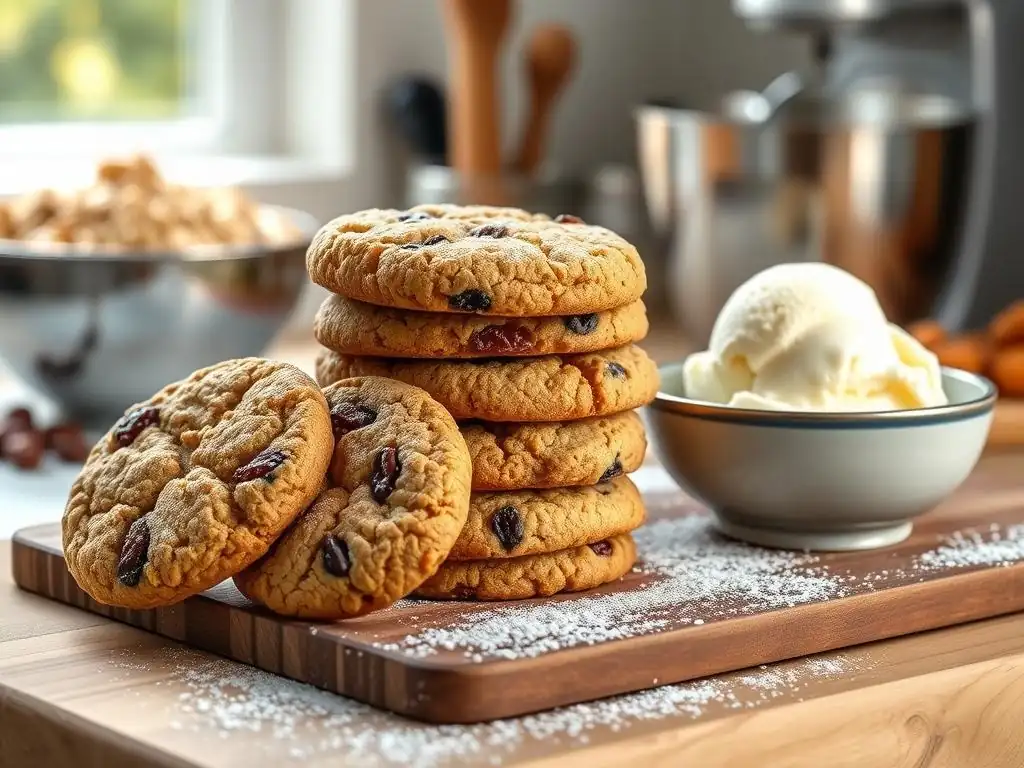
Elevating a good vegan oatmeal raisin cookies recipe to an exceptional one often comes down to a few simple techniques and considerations. These tips can help you troubleshoot common issues and customize your cookies to your personal preference, ensuring consistently delicious results.
From achieving the perfect chewiness to adding unique flavor twists, paying attention to these details can significantly improve your baking outcomes.
Achieving a Soft and Chewy Texture
The hallmark of a great oatmeal raisin cookie is its soft and chewy texture, and this is particularly achievable with a well-formulated vegan oatmeal raisin cookies recipe. One key factor is the ratio of wet to dry ingredients; ensuring enough moisture from sources like vegan butter, applesauce, and brown sugar is crucial. Using rolled oats also contributes significantly to the chewiness.
Another excellent tip is slightly under-baking the cookies. As mentioned earlier, removing them from the oven when the edges are set but the centers still look soft allows them to finish baking on the hot tray without drying out. Furthermore, chilling the dough before baking can also help. Chilling the dough for at least 30 minutes (or even up to 2-3 days) solidifies the fat, which leads to less spread during baking and a thicker, chewier cookie.
Preventing Over-Baking and Dryness
Over-baking is the primary culprit behind hard, dry vegan oatmeal raisin cookies. It's easy to do, especially if you're used to baking non-vegan cookies, as the visual cues can be slightly different. Vegan cookies often don't brown as much as those made with dairy and eggs.
Relying on the edges as your indicator is key. Once the edges appear set and just slightly golden, they are ready to come out, even if the centers seem quite soft. Using an oven thermometer can also help ensure your oven temperature is accurate, as inaccurate ovens are a common cause of baking mishaps. If your cookies consistently bake unevenly, rotating the baking sheet halfway through is a simple but effective solution.
This vegan oatmeal raisin cookies recipe provides a fantastic base, but it's also wonderfully adaptable to personal tastes and dietary needs. Once you have the core recipe down, feel free to experiment with different additions and substitutions to make them uniquely yours.
Customization allows you to explore various flavor profiles and textures, keeping the baking experience exciting. Whether you prefer more spice, different types of sweetness, or extra decadent additions, the base vegan oatmeal raisin cookies recipe is forgiving enough to handle creative modifications.
Spice Variations: Adding a Touch of Nutmeg or Allspice
While cinnamon is traditional, adding other warm spices can bring extra depth to your vegan oatmeal raisin cookies. A pinch of ground nutmeg complements cinnamon beautifully and adds a subtle nutty undertone. Approximately 1/4 to 1/2 teaspoon of nutmeg can be added to the dry ingredients along with the cinnamon.
Allspice, with its notes of cinnamon, cloves, and nutmeg, is another excellent addition. A small amount, like 1/2 teaspoon, can provide a complex warmth. Consider adding a tiny pinch of ground cloves for a spicier cookie, but use sparingly as cloves are quite potent. These spice variations allow you to tailor the classic vegan oatmeal raisin cookies flavor to your preference.
Sweetener Alternatives: Coconut Sugar for a Unique Flavor
If you're looking for an alternative to brown and granulated sugar or want a different flavor profile, coconut sugar is a popular option in vegan baking. Coconut sugar is made from the sap of the coconut palm and has a slightly caramel-like, less intense sweetness than brown sugar. It also retains some trace minerals.
You can often substitute coconut sugar cup-for-cup for brown sugar in cookie recipes. Using it will likely result in a slightly less moist and chewy cookie compared to using brown sugar, but it offers a distinct flavor and is considered by some to be a more natural sweetener. Experimenting with using coconut sugar in place of half or all of the brown sugar will give your vegan oatmeal raisin cookies a unique twist.
Adding Chocolate Chips: Dark Chocolate for Extra Indulgence
While classic oatmeal raisin cookies don't typically include chocolate, adding vegan dark chocolate chips is a popular and delicious modification. The slight bitterness of dark chocolate pairs wonderfully with the sweetness of the raisins and the warmth of the spices.
Ensure you use certified vegan chocolate chips, as some dark chocolates can contain dairy. Adding about 1/2 to 3/4 cup of dark chocolate chips along with the raisins during the folding step will transform your vegan oatmeal raisin cookies into a more decadent treat. The chocolate will melt slightly during baking, creating gooey pockets of deliciousness.
Even with a great vegan oatmeal raisin cookies recipe, baking can sometimes present unexpected challenges. Understanding common issues and how to address them can save you frustration and ensure your cookies turn out perfectly every time.
From cookies that spread too much to those that bake unevenly, minor adjustments in technique or ingredients can often solve the problem.
For even baking and a professional look, aiming for uniform cookie size is important. Unevenly sized cookies will bake at different rates, leading to some being over-baked while others are undercooked on the same tray.
Using a cookie scoop is the easiest and most consistent way to achieve uniform size. Standard cookie scoops come in various sizes, but a 1.5 or 2-tablespoon scoop is typical for this type of cookie. If you don't have a scoop, use a measuring spoon or simply roll consistent-sized balls of dough by hand, using a kitchen scale to weigh them if you want absolute precision. Aim for dough balls that are roughly the same diameter and height before placing them on the baking sheet for your vegan oatmeal raisin cookies.
Cookies spreading too much during baking is a common issue. Several factors can contribute to this in a vegan oatmeal raisin cookies recipe. The temperature of the dough is key; warm dough spreads more readily. Chilling the dough before baking is one of the most effective ways to prevent excessive spread.
Other factors include using too much vegan butter or a vegan butter substitute with a low melting point, not using enough flour, or an oven temperature that is too low. Ensure you measure your flour correctly (don't scoop directly from the bag, spoon it into the cup and level) and use softened, but not melted, vegan butter. If your cookies consistently spread too thin, try adding 1-2 tablespoons more flour to the dough in subsequent batches.
Ensuring Even Baking and Doneness
Even baking is crucial for consistent texture. If your cookies are browning unevenly across the baking sheet, your oven likely has hot spots. As mentioned before, rotating the baking sheet halfway through the baking time (e.g., at the 5-7 minute mark for a 10-14 minute bake) is the simplest solution.
Also, avoid overcrowding the baking sheet. Leave enough space between the cookies (typically 2 inches) to allow for proper air circulation and spread. Baking too many cookies at once on a single sheet can trap heat and lead to uneven results. Using parchment paper also promotes more even baking across the bottom of the cookies. Paying attention to these details will help you achieve consistently perfect vegan oatmeal raisin cookies.
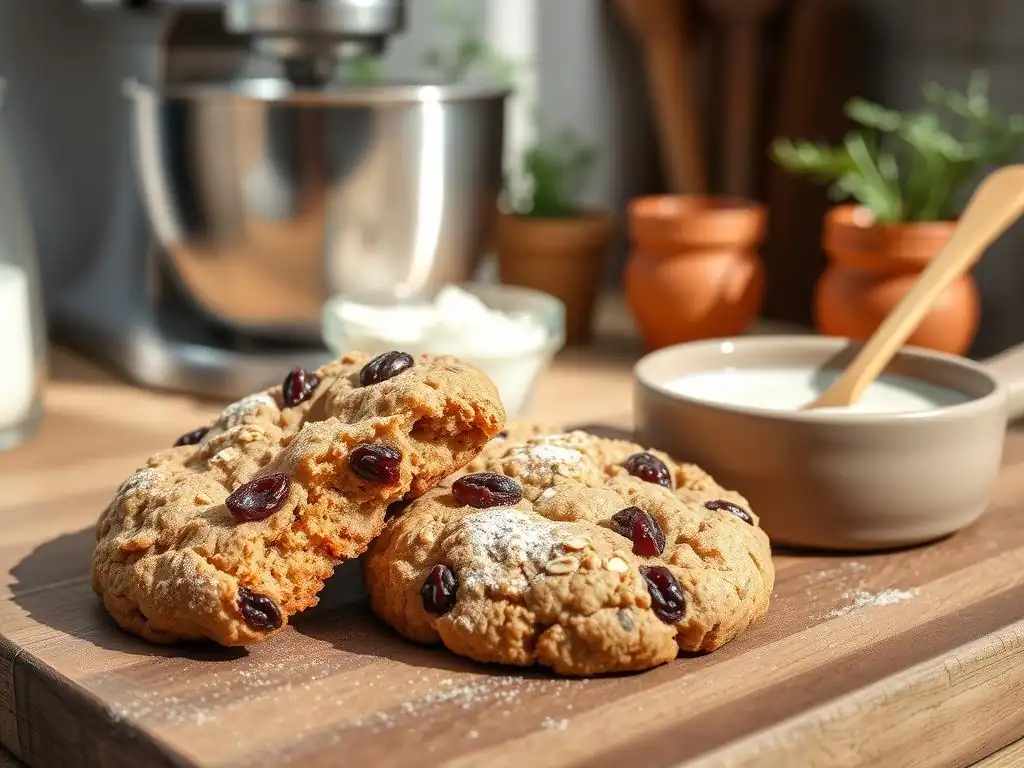
While they are a treat, vegan oatmeal raisin cookies made with whole ingredients offer some notable nutritional benefits compared to many other desserts. Understanding these highlights can make enjoying them even sweeter.
The primary ingredients, oats and raisins, contribute positively to the nutritional profile, offering fiber and natural energy.
Fiber Content and Digestive Benefits
Oats are an excellent source of dietary fiber, particularly soluble fiber known as beta-glucan. A standard serving of oats (about 40-50g dry) contains around 3-4 grams of fiber. Since this vegan oatmeal raisin cookies recipe uses a significant amount of rolled oats (often 1 cup or more per batch), each cookie contributes a portion of this beneficial fiber.
Fiber is essential for digestive health, promoting regular bowel movements and potentially supporting a healthy gut microbiome. Beta-glucan, specifically, is known for its ability to form a gel-like substance in the digestive tract, which can help slow digestion, contribute to feelings of fullness, and help regulate blood sugar levels. Including oats in your vegan oatmeal raisin cookies adds a genuine health benefit often lacking in standard cookie recipes.
Natural Sweetness and Energy Boost
Raisins provide natural sweetness primarily from fructose and glucose, which are simple sugars. While they are a source of sugar, raisins also contain fiber and antioxidants, which can mitigate the impact compared to consuming refined sugar alone. A quarter cup of raisins contains approximately 15-20 grams of sugar but also about 1.5 grams of fiber.
Combined with the complex carbohydrates from the oats, the sugars from the raisins offer a quick source of energy. This makes vegan oatmeal raisin cookies a decent snack option for a pre-workout boost or a mid-afternoon pick-me-up, provided they are consumed in moderation as part of a balanced diet. The natural sweetness from the raisins also allows for potentially reducing the amount of added sugar needed in the vegan oatmeal raisin cookies recipe.
Looking to expand your repertoire of plant-based treats? The world of vegan cookies is vast and exciting! Once you've mastered the vegan oatmeal raisin cookies recipe, many other delicious options await.
From classic chocolate chip to innovative flavor combinations, vegan baking offers endless possibilities for satisfying your sweet cravings without dairy or eggs.
- Vegan Chocolate Chip Cookies
- Vegan Peanut Butter Cookies
- Vegan Sugar Cookies
- Vegan Double Chocolate Cookies
- Vegan Snickerdoodles
Experimenting with different flours, fats, and binders can lead to discovering new favorites that are both delicious and align with a plant-based lifestyle. Each recipe presents unique challenges and rewards, building upon the foundational skills learned from making vegan oatmeal raisin cookies.
Creating your own batch of vegan oatmeal raisin cookies is a deeply satisfying experience. From measuring the simple plant-based ingredients to watching them bake to golden perfection, the process is as enjoyable as eating the final product. This vegan oatmeal raisin cookies recipe proves that you don't need dairy or eggs to achieve that classic, comforting flavor and chewy texture that makes this cookie a timeless favorite.
Whether you're baking for dietary reasons, exploring a plant-based lifestyle, or simply love a delicious cookie, this recipe delivers. The combination of wholesome oats, sweet raisins, and warm spices, all held together by simple vegan binders, results in a treat that everyone can enjoy. So preheat your oven, gather your ingredients, and get ready to fill your home with the irresistible aroma of freshly baked vegan oatmeal raisin cookies. Happy baking!
Frequently Asked Questions
You can substitute butter with vegan butter sticks or refined coconut oil. These options offer similar texture and fat content, essential for a chewy cookie.
Can I use regular milk instead of a plant-based milk?
No, this recipe is specifically designed to be vegan and dairy-free. Using regular milk will introduce animal products and alter the cookie's texture.
This recipe is vegan, nut-free, and dairy-free, catering to specific dietary needs. It also focuses on simple ingredients for ease of baking.
Use rolled oats (also known as old-fashioned oats). These provide the best texture and chewiness for the cookies.
Make sure your vegan butter is cold, and chill the dough for at least 30 minutes before baking. This helps the ingredients solidify and prevents excessive spreading.
Final Reflection: The Sweetness of Simple Vegan Baking
The accessibility of delicious, wholesome food is a fundamental right, and this simple vegan oatmeal raisin cookie recipe proves that indulgence doesn't require compromise. These cookies, free from nuts and dairy, demonstrate that creating comforting classics can be both easy and ethically conscious, opening up the joy of baking to a wider audience.
This recipe, more than just a collection of ingredients and instructions, represents a shift in culinary perspectives. It highlights the power of plant-based cooking to deliver familiar flavors and textures without relying on potentially allergenic or ethically questionable ingredients. The best things in life are simple,
a phrase often heard, rings especially true when considering the pure satisfaction derived from a warm, homemade oatmeal raisin cookie, regardless of dietary restrictions. The recipe's simplicity allows for creativity and adaptation, encouraging experimentation and a deeper connection to the baking process.
Now, I invite you to roll up your sleeves and try this recipe. Don't be intimidated by the "vegan" label; it simply means embracing a kinder, more sustainable approach to baking. Let the aroma of warm spices and the comforting chewiness of these cookies fill your kitchen, and share the joy with friends and family. This recipe is more than just a recipe; it's a testament to the power of mindful eating and the boundless possibilities of plant-based cuisine. Bake, share, and savor the sweetness.
Thanks for joining us on this delicious journey into nut-free, dairy-free vegan oatmeal raisin cookies! We hope you’ve gained some new baking inspiration and confidence. Ready to take your skills to the next level?
- Bake a batch today! Use our recipe as a springboard – experiment with different spices or add-ins to make them your own.
- Share your creations! Show us your perfectly baked cookies on social media using #BakeWithEaseVeganCookies. We’d love to see your results!
- Challenge a friend to bake along with you and compare notes. Whose cookies are the fluffiest?
So, tell us… what exciting ingredient will you try in your next batch of vegan oatmeal raisin cookies?