
LowSugar Fruit Desserts: Enjoy Sweetness Without the Sugar Rush

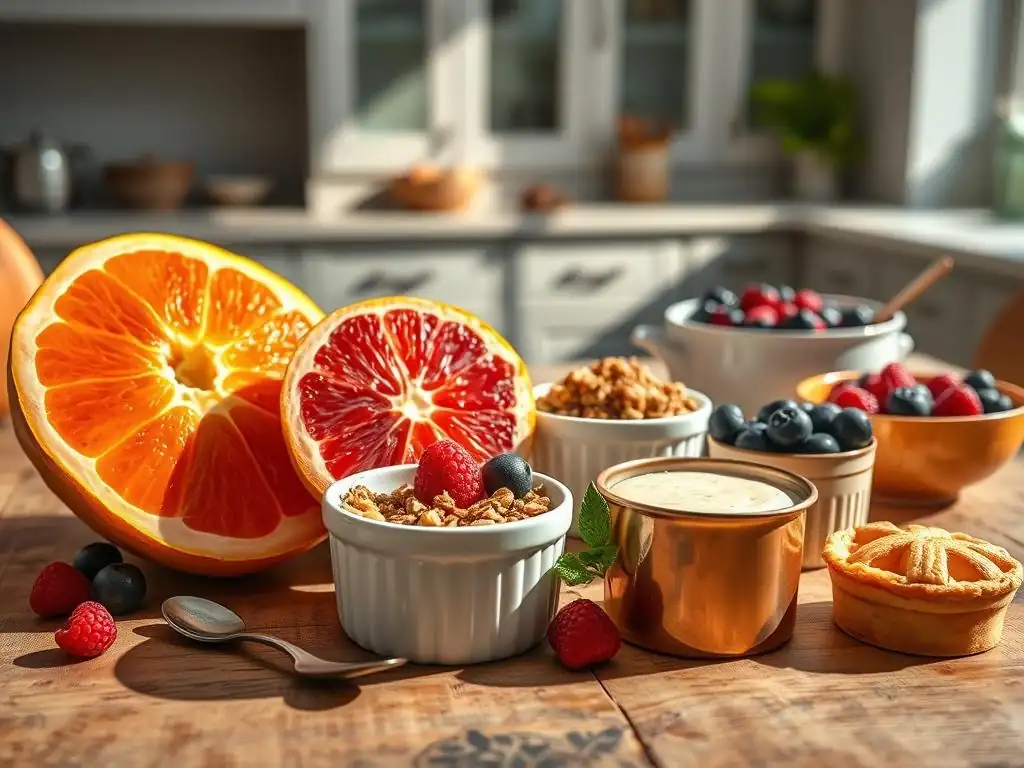
Welcome to BakeWithEase, your kitchen companion for effortlessly delicious baking!
Are you craving a guilt-free indulgence? Discover a world of flavorful possibilities with our collection of easy low sugar fruit desserts. We'll show you how to create stunning treats that satisfy your sweet tooth without the sugar rush, all while keeping it simple and fun. Ready to bake smarter, not harder? Let's get started!
- Easy Low Sugar Fruit Desserts: Enjoy Sweetness Without the Sugar Rush
- Introduction to Guilt-Free Indulgence: Low Sugar Fruit Desserts
- Understanding Sugar in Desserts: A Baker's Perspective
- Key Ingredients for Low Sugar Fruit-Based Desserts
- Recipe 1: Baked Apples with Cinnamon and Walnuts (Naturally Sweetened)
- Recipe 2: Berry Crumble with Oat Topping (Low Sugar and Gluten-Free Option)
- Recipe 3: Sugar-Free Peach Cobbler (A Summer Delight)
- Recipe 4: No-Bake Strawberry Mousse (Quick & Easy)
- Tips and Tricks for Successful Low Sugar Fruit Desserts
- Troubleshooting Common Baking Issues in Low Sugar Desserts
- Exploring Variations and Adaptations of Low Sugar Fruit Desserts
- Conclusion: Embrace a Healthier Sweet Life with Easy Low Sugar Fruit Desserts
- Frequently Asked Questions
- Final Reflection: A Sweeter Future, Naturally
- Unleash Your Inner Pastry Chef: Bake Guilt-Free Goodness!
Easy Low Sugar Fruit Desserts: Enjoy Sweetness Without the Sugar Rush
Introduction to Guilt-Free Indulgence: Low Sugar Fruit Desserts
Embarking on a baking journey often brings joy, but for many, the high sugar content in traditional desserts can be a concern. The good news? You don't have to sacrifice deliciousness to reduce sugar. Easy low sugar fruit desserts offer a fantastic way to satisfy your sweet tooth while prioritizing your well-being. These delightful treats leverage the natural sweetness of fruits, minimizing or eliminating added refined sugars, making them a smart choice for anyone watching their sugar intake.
This guide from BakeWithEase is designed to show you just how simple and rewarding it is to create delectable, low-sugar fruit-based treats. We'll explore why choosing lower sugar options is beneficial, dive into the best ingredients for success, and provide straightforward recipes that are perfect for bakers of all skill levels. Get ready to discover the world of easy low sugar fruit desserts that are both healthy and incredibly tasty.
Why Choose Low Sugar Desserts? Health Benefits and Beyond
Choosing low sugar desserts goes beyond just cutting calories; it's about promoting overall health and maintaining stable energy levels. Consuming excessive amounts of refined sugar can lead to rapid spikes and crashes in blood sugar, which can impact mood, concentration, and long-term health.
By opting for easy low sugar fruit desserts, you help mitigate these fluctuations. For instance, a typical slice of apple pie can contain upwards of 30-40 grams of sugar, while a baked apple naturally sweetened with cinnamon and a touch of maple syrup might have less than half that amount of added sugar, relying instead on the fruit's inherent sweetness and fiber.
Beyond blood sugar management, reducing sugar intake can contribute to weight management goals and improve dental health. High sugar consumption is linked to an increased risk of cavities. Shifting towards desserts that use less added sugar and more natural sweetness from fruits means you're enjoying a treat that's not only delicious but also kinder to your body.
Think of a simple berry crumble using oats and a small amount of a sugar substitute; it offers fiber and antioxidants from the berries and oats, a stark contrast to the nutritional profile of a conventional sugar-laden pastry. Embracing easy low sugar fruit desserts is a step towards a more balanced and health-conscious lifestyle without missing out on the pleasure of dessert.
BakeWithEase: Your Guide to Healthier Baking
At BakeWithEase, our mission is to make baking accessible and enjoyable for everyone, regardless of dietary needs or preferences. We understand that navigating the world of low-sugar baking can seem daunting at first, but it doesn't have to be complicated. Our approach focuses on simplifying techniques and highlighting ingredients that make healthier baking both possible and pleasurable. We believe that creating easy low sugar fruit desserts should be a stress-free experience, resulting in treats you can feel good about eating and sharing.
We provide clear, step-by-step instructions and helpful tips tailored for the home baker. Whether you're making your first low-sugar berry crumble or experimenting with sugar substitutes in a peach cobbler, we're here to guide you. Our recipes are tested to ensure they deliver on flavor and texture, proving that reducing sugar doesn't mean compromising on taste. Join us in exploring the delicious possibilities of easy low sugar fruit desserts and discover how simple adjustments can lead to healthier, equally satisfying results.
Understanding Sugar in Desserts: A Baker's Perspective
From a baker's viewpoint, sugar isn't just about sweetness; it plays multiple roles in a dessert. It contributes to texture, aids in browning, provides moisture, and can even act as a leavening agent in some recipes. Understanding these functions is crucial when attempting to reduce or replace sugar, especially when creating easy low sugar fruit desserts. Simply removing sugar without accounting for its other roles can lead to changes in the final product's structure and appearance.
When we talk about sugar, we often mean granulated white sugar, but many desserts also use brown sugar, powdered sugar, or liquid sweeteners like honey and maple syrup. While some of these might offer trace nutrients, their primary component is still sugar, impacting blood glucose levels similarly to white sugar. For easy low sugar fruit desserts, the goal is often to reduce added sugars, relying more on the natural sugars present in the fruit and potentially incorporating low-calorie or zero-calorie sweeteners that mimic sugar's taste but have minimal metabolic impact.
The Impact of Sugar on Blood Sugar Levels
When you consume foods high in refined sugar, your body quickly breaks it down into glucose, which enters your bloodstream. This causes a rapid rise in blood sugar levels, known as a blood sugar spike. In response, your pancreas releases insulin, a hormone that helps transport glucose from the blood into your cells for energy or storage. A large influx of sugar requires a significant insulin response, which can sometimes lead to blood sugar levels dropping too low afterward, causing a "sugar crash" characterized by fatigue, irritability, or difficulty concentrating.
Regularly experiencing these spikes and crashes can contribute to insulin resistance over time, a precursor to type 2 diabetes. By choosing easy low sugar fruit desserts, you consume less added sugar, leading to smaller, more gradual increases in blood sugar. Fruits contain natural sugars, but they also come packaged with fiber, which helps slow down the absorption of sugar into the bloodstream, resulting in a more stable energy release. This makes desserts sweetened primarily by fruit a much gentler option for your metabolic system compared to those loaded with refined sugar.
Natural Sweeteners vs. Refined Sugar: Making Informed Choices
When baking easy low sugar fruit desserts, you might encounter various sweeteners. Refined sugar (like white granulated sugar) is highly processed, stripping away any natural minerals or fiber. It provides quick energy but little else nutritionally. Natural sweeteners like honey, maple syrup, or agave are often perceived as healthier because they are less processed and may contain trace nutrients, but they are still concentrated sources of sugar and will affect blood sugar levels similarly to refined sugar, though perhaps slightly slower due to composition.
On the other hand, sugar substitutes fall into different categories:
- Sugar Alcohols (like Erythritol, Xylitol): These are carbohydrates with a chemical structure similar to sugar but are not fully absorbed by the body, resulting in fewer calories and less impact on blood sugar. Erythritol, for example, has almost zero calories per gram compared to sugar's 4 calories per gram and has a glycemic index near zero.
- High-Intensity Sweeteners (like Stevia, Monk Fruit, Sucralose): These are many times sweeter than sugar and are used in very small amounts. They provide virtually no calories or carbohydrates and generally do not affect blood sugar levels. Stevia, derived from the Stevia rebaudiana plant, and Monk Fruit, from a small round fruit, are popular natural-source options for those making easy low sugar fruit desserts.
Choosing between refined sugar, natural caloric sweeteners, and sugar substitutes depends on your specific health goals and how you want to manage sugar intake. For truly easy low sugar fruit desserts, relying heavily on the fruit's sweetness and supplementing with zero or low-calorie substitutes is often the most effective strategy to significantly reduce added sugar content.
Key Ingredients for Low Sugar Fruit-Based Desserts
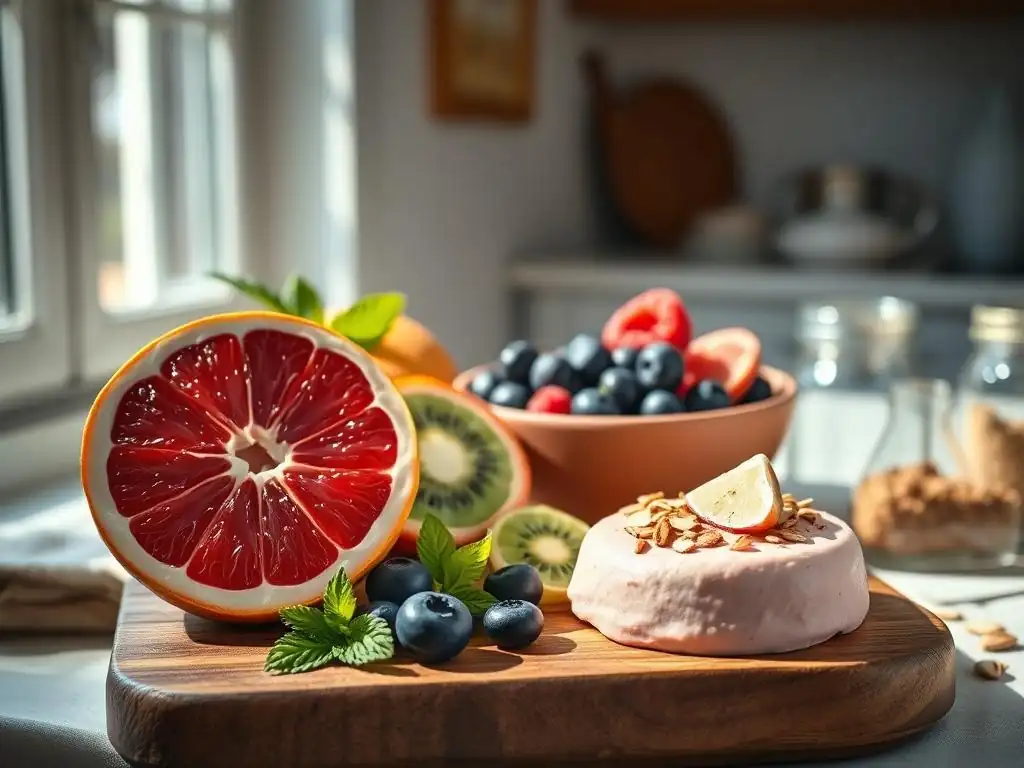
Creating delicious easy low sugar fruit desserts starts with selecting the right ingredients. The goal is to maximize flavor and sweetness using natural sources while minimizing added sugars. This involves carefully choosing fruits that provide natural sweetness and structure, selecting appropriate sugar substitutes if needed, and incorporating other elements that enhance taste and texture without adding unwanted sugar.
A well-stocked low-sugar pantry for baking might include items like various berries, apples, pears, and peaches, along with alternative flours, spices, and zero or low-calorie sweeteners. These ingredients work together to create desserts that are both satisfying and aligned with a low-sugar approach. Knowing how each ingredient functions is key to successful low-sugar baking, ensuring your easy low sugar fruit desserts turn out perfectly every time.
Naturally Sweet Fruits: Berries, Apples, Pears, Peaches
Fruits are the stars of easy low sugar fruit desserts, providing natural sweetness, moisture, and vibrant flavors. Different fruits offer varying levels of sweetness and different nutritional profiles. Berries like strawberries, blueberries, raspberries, and blackberries are excellent choices as they are relatively lower in natural sugars compared to some other fruits, yet packed with antioxidants and fiber. A cup of raspberries, for instance, contains about 5 grams of natural sugar and 8 grams of fiber, making them a fantastic base for crumbles, mousses, or simple compotes.
Apples and pears, especially when baked, develop a wonderful, concentrated sweetness. Certain varieties like Fuji or Honeycrisp apples tend to be sweeter than Granny Smith. Baking also softens their texture and caramelizes some of their natural sugars. Peaches and other stone fruits like plums and cherries are also great for easy low sugar fruit desserts, offering juicy sweetness, particularly when ripe. A medium peach contains roughly 13 grams of natural sugar and about 2 grams of fiber. Utilizing the inherent sweetness of these fruits means you'll need significantly less (or no) added sugar in your recipes.
Sugar Substitutes for Baking: Erythritol, Stevia, Monk Fruit
When the natural sweetness of fruit isn't quite enough, sugar substitutes can bridge the gap in easy low sugar fruit desserts. Erythritol is a popular sugar alcohol that measures cup-for-cup like sugar, making it easy to substitute in recipes. It has very few calories (about 0.2 calories per gram) and doesn't typically cause digestive upset in moderate amounts, unlike some other sugar alcohols. However, it doesn't caramelize or brown like sugar, which is something to consider for certain baked goods.
Stevia and Monk Fruit sweeteners are much sweeter than sugar, so you only need a tiny amount. They are often available in liquid, powder, or granulated forms, sometimes blended with erythritol or other carriers to make them measure more like sugar. A small packet of Stevia powder (about 1 gram) can be as sweet as two teaspoons of sugar (about 8 grams).
These sweeteners are virtually calorie-free and have no impact on blood sugar. When using them in easy low sugar fruit desserts, it's crucial to follow recipe guidelines carefully or start with a small amount and taste, as using too much can result in an off-flavor or bitterness. They also don't provide the bulk or moisture that sugar does, which might require adjustments in liquid or flour content in some recipes.
Other Essential Ingredients: Almond Flour, Oats, Cinnamon, Vanilla Extract
Beyond fruits and sweeteners, several other ingredients play a crucial role in enhancing the flavor and texture of easy low sugar fruit desserts. Almond flour is a fantastic gluten-free alternative to wheat flour and adds a slightly nutty flavor and tender texture. It's lower in carbohydrates and higher in healthy fats and protein compared to all-purpose flour. About a quarter cup of almond flour contains roughly 6 grams of carbs and 3 grams of fiber.
Rolled oats are another staple, particularly for crumbles and crisp toppings. They provide fiber and a hearty texture. A half cup of dry rolled oats has about 27 grams of carbs and 4 grams of fiber.
Both almond flour and oats are excellent bases for low-sugar crumble toppings, often combined with a little butter or coconut oil and a sugar substitute. Spices like cinnamon, nutmeg, and allspice are incredibly important; they enhance the perception of sweetness and add warmth and depth of flavor, making easy low sugar fruit desserts more satisfying without relying on sugar. Vanilla extract is another flavor enhancer that complements fruit and can make desserts taste richer and sweeter.
Recipe 1: Baked Apples with Cinnamon and Walnuts (Naturally Sweetened)
This recipe for Baked Apples is a prime example of an easy low sugar fruit dessert that relies almost entirely on the fruit's natural sweetness. It's simple, comforting, and requires minimal added sweetener, making it a perfect guilt-free treat. The baking process softens the apples and concentrates their sugars, while cinnamon adds warmth and walnuts provide a delightful crunch and healthy fats.
This dessert is naturally gluten-free and can easily be made vegan by using a plant-based butter alternative or coconut oil. It's quick enough for a weeknight dessert but elegant enough for a casual gathering. By choosing naturally sweet apples like Honeycrisp or Fuji, you maximize the dessert's inherent sweetness without needing much, if any, added sugar.
Ingredients for Baked Apples
Here’s what you’ll need to make this simple and delicious easy low sugar fruit dessert:
- 4 medium-sized baking apples (such as Honeycrisp, Fuji, Gala, or even Braeburn), cored
- 2 tablespoons chopped walnuts or pecans
- 1 tablespoon raisins or dried cranberries (optional, adds natural sweetness)
- 1 teaspoon ground cinnamon
- 1/4 teaspoon ground nutmeg (optional)
- 1-2 teaspoons maple syrup or a sugar substitute equivalent to 1-2 tsp sugar (optional, depending on apple sweetness)
- 1 tablespoon butter or coconut oil, cut into small pieces
- 1/4 cup hot water
Step-by-Step Baking Instructions
Follow these steps for perfect baked apples, a truly easy low sugar fruit dessert:
- [ ] Preheat your oven to 375°F (190°C).
- [ ] Wash and core the apples, leaving about a half-inch at the bottom so the filling doesn't fall through. You can peel the top third of the apple skin for a neater look, but it's not necessary.
- [ ] In a small bowl, mix together the chopped nuts, raisins (if using), cinnamon, and nutmeg (if using).
- [ ] In a separate tiny bowl, mix the optional maple syrup or sugar substitute with the hot water.
- [ ] Place the cored apples in a small baking dish that fits them snugly.
- [ ] Divide the nut and spice mixture evenly among the apple cavities, packing it lightly.
- [ ] Drizzle the optional sweetened water mixture over the filling and into the dish.
- [ ] Dot the top of each apple with small pieces of butter or coconut oil.
- [ ] Pour the remaining 1/4 cup hot water into the bottom of the baking dish.
- [ ] Bake for 30-45 minutes, or until the apples are tender when pierced with a fork. Baking time will vary depending on the type and size of apples.
- [ ] Baste the apples with the pan juices halfway through baking if desired.
- [ ] Carefully remove from the oven and let cool slightly before serving.
Tips for Perfect Baked Apples
Achieving the best baked apples for this easy low sugar fruit dessert is simple with a few pointers. Firstly, choosing the right apple variety is key; firmer apples that hold their shape well during baking are ideal. While sweet varieties minimize the need for added sugar, tarter apples like Granny Smith can also work if you prefer a less sweet outcome or plan to use a bit more sweetener.
Another tip is to ensure the apple is cored properly, removing the seeds and core but leaving the base intact to hold the filling. Don't make the hole too wide, or the filling will spill out. You can score the skin around the apple's circumference about halfway down; this helps prevent the skin from bursting during baking and allows the apple to soften evenly.
For added flavor, you can include a pinch of ground cloves or cardamom in the spice mix. Serving warm, perhaps with a dollop of sugar-free whipped cream or Greek yogurt, elevates this simple, easy low sugar fruit dessert.
Recipe 2: Berry Crumble with Oat Topping (Low Sugar and Gluten-Free Option)
Berry crumble is a quintessential comfort dessert, and this version makes it an easy low sugar fruit dessert that's also adaptable for gluten-free diets. It celebrates the natural tang and sweetness of mixed berries, topped with a wholesome crumble made from oats and almond flour, sweetened minimally with a sugar substitute. This recipe is versatile – use whatever berries are in season or readily available, fresh or frozen.
The beauty of a crumble lies in its simplicity. It requires no pastry skills, just mixing and baking. The combination of warm, slightly bubbling berries and the crisp, buttery oat topping is incredibly satisfying. This recipe proves that easy low sugar fruit desserts can be just as comforting and delicious as their traditional counterparts.
Ingredients for Berry Crumble
Here’s what you’ll need for this delightful easy low sugar fruit dessert:
- 4 cups mixed berries (such as blueberries, raspberries, strawberries, blackberries), fresh or frozen
- 1 tablespoon cornstarch or arrowroot starch (if using frozen berries, may need slightly more)
- 1-2 tablespoons lemon juice
- 1/4 cup granulated sugar substitute (like erythritol blend or monk fruit blend), or to taste
- 1/2 cup rolled oats (certified gluten-free if needed)
- 1/2 cup almond flour
- 1/4 cup chopped nuts (pecans, almonds, or walnuts) (optional)
- 1/2 teaspoon ground cinnamon
- 1/4 cup cold unsalted butter or coconut oil, cut into small cubes
Preparing the Oat Crumble Topping
The crumble topping is what gives this easy low sugar fruit dessert its signature texture. It's simple to prepare and can be made gluten-free by using certified gluten-free oats and almond flour.
- [ ] In a medium bowl, combine the rolled oats, almond flour, chopped nuts (if using), and ground cinnamon.
- [ ] Add the cold butter or coconut oil cubes to the dry ingredients.
- [ ] Use your fingertips, a pastry blender, or a fork to cut the butter/oil into the dry ingredients until the mixture resembles coarse crumbs with some larger pea-sized pieces. Avoid overworking the mixture; you want distinct pieces of fat to create a crisp topping.
- [ ] If you are using a sugar substitute that measures cup-for-cup like sugar, you can add 1-2 tablespoons to the crumble mixture for extra sweetness, although the focus is on sweetening the fruit base. Set the crumble mixture aside.
Baking the Berry Crumble
Assembling and baking this easy low sugar fruit dessert is quick and straightforward.
- [ ] Preheat your oven to 375°F (190°C).
- [ ] If using frozen berries, there's no need to thaw them first. In a large bowl, combine the mixed berries, cornstarch or arrowroot starch, lemon juice, and granulated sugar substitute. Toss gently to coat the berries evenly. The starch helps thicken the berry juices as they bake.
- [ ] Pour the berry mixture into an 8x8 inch baking dish or a similar-sized oven-safe dish.
- [ ] Evenly sprinkle the prepared oat crumble topping over the berry layer, covering the fruit completely.
- [ ] Place the baking dish on a baking sheet to catch any potential drips from the bubbling fruit.
- [ ] Bake for 35-45 minutes, or until the crumble topping is golden brown and the berry filling is bubbling around the edges.
- [ ] Remove from the oven and let it cool for at least 10-15 minutes before serving. This allows the filling to set slightly. Serve warm.
Recipe 3: Sugar-Free Peach Cobbler (A Summer Delight)
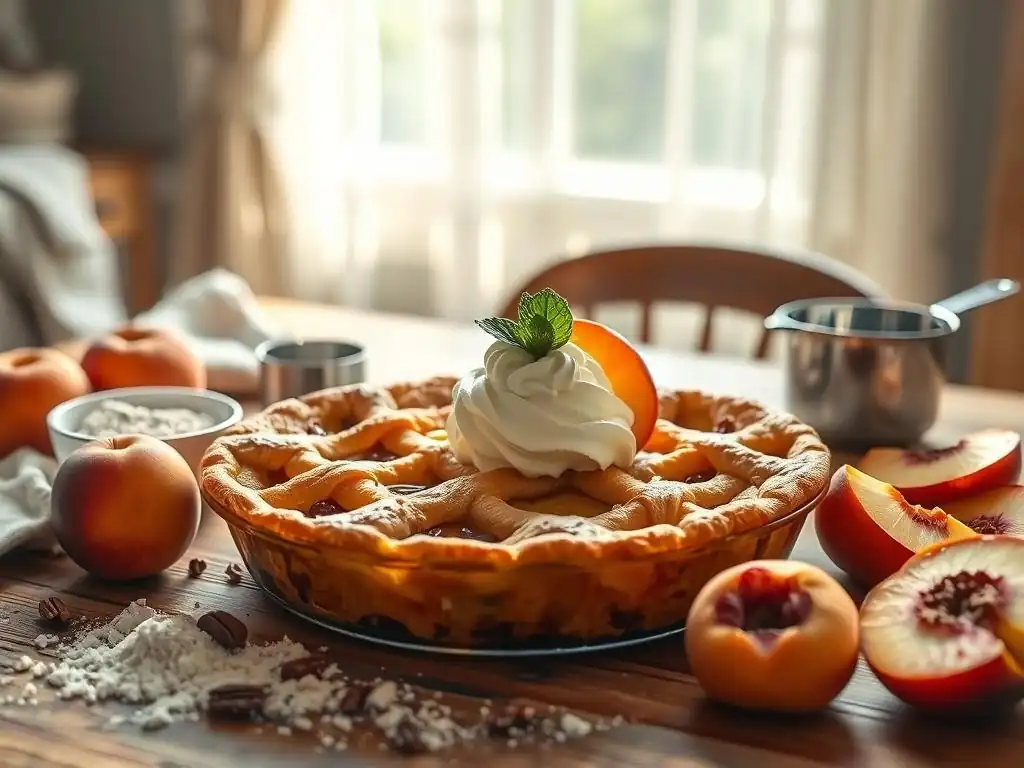
Peach cobbler is a classic summer treat, and adapting it into a sugar-free version makes it an easy low sugar fruit dessert perfect for enjoying peak-season peaches without the added sugar load. This recipe focuses on the sweet, juicy flavor of ripe peaches, complemented by a simple, tender biscuit-like topping sweetened with a sugar substitute.
Using fresh, ripe peaches is key to maximizing natural sweetness. If fresh peaches aren't available, unsweetened frozen or canned peaches (drained) can also work. This cobbler provides the comforting warmth and texture of a traditional cobbler, making it a satisfying easy low sugar fruit dessert for any occasion.
Ingredients for Peach Cobbler
To make this delightful easy low sugar fruit dessert, you'll need:
- 6-8 ripe peaches, peeled, pitted, and sliced (about 6 cups)
- 1 tablespoon lemon juice
- 1 teaspoon ground cinnamon
- 1/4 teaspoon ground nutmeg (optional)
- 1/4 cup granulated sugar substitute (like erythritol blend or monk fruit blend), or to taste
- 1 cup all-purpose flour (or a gluten-free blend)
- 2 tablespoons granulated sugar substitute
- 1.5 teaspoons baking powder
- 1/4 teaspoon salt
- 1/4 cup cold unsalted butter, cut into small cubes
- 1/2 cup unsweetened almond milk or dairy milk
Assembling the Peach Cobbler
Putting together this easy low sugar fruit dessert is straightforward, creating distinct layers of fruit and topping.
- [ ] Preheat oven to 375°F (190°C).
- [ ] In a large bowl, gently toss the sliced peaches with lemon juice, cinnamon, nutmeg (if using), and 1/4 cup granulated sugar substitute.
- [ ] Pour the peach mixture into an 8x8 or 9x9 inch baking dish. Spread the peaches evenly.
- [ ] In a separate medium bowl, whisk together the flour, 2 tablespoons granulated sugar substitute, baking powder, and salt for the topping.
- [ ] Cut in the cold butter using a pastry blender or your fingers until the mixture resembles coarse crumbs.
- [ ] Pour in the milk and stir just until the dry ingredients are moistened and a soft dough forms. Do not overmix.
- [ ] Drop spoonfuls of the dough evenly over the top of the peach layer. The topping doesn't need to cover the peaches completely; it will spread slightly as it bakes.
Baking to Golden Perfection
Baking transforms the simple ingredients into a warm, bubbly easy low sugar fruit dessert.
- [ ] Place the baking dish on a baking sheet to catch any overflow.
- [ ] Bake for 35-45 minutes, or until the peach filling is bubbly and the biscuit topping is golden brown and cooked through.
- [ ] Check the topping for doneness; it should be firm to the touch in the center.
- [ ] Remove from the oven and let cool for at least 10-15 minutes before serving. This allows the filling to thicken slightly. Serve warm, perhaps with a sugar-free vanilla ice cream or whipped topping.
Recipe 4: No-Bake Strawberry Mousse (Quick & Easy)
For those times when you want a sweet treat without turning on the oven, this No-Bake Strawberry Mousse is a perfect easy low sugar fruit dessert. It's light, airy, and bursting with fresh strawberry flavor, sweetened minimally with a sugar substitute. This recipe is incredibly simple and requires just a few ingredients and a blender or food processor.
This mousse highlights the fresh, vibrant taste of strawberries, making it an ideal dessert for warmer weather. It's naturally low in sugar and can be adapted to be dairy-free by using coconut cream. Its ease of preparation makes it a go-to option when you need a quick and delightful easy low sugar fruit dessert.
Ingredients for Strawberry Mousse
Here’s what you’ll need for this quick and easy low sugar fruit dessert:
- 2 cups fresh or frozen strawberries, hulled
- 1/4 cup granulated sugar substitute (or to taste)
- 1 tablespoon lemon juice
- 1 cup heavy whipping cream (or full-fat coconut cream for dairy-free)
- 1/2 teaspoon vanilla extract
Blending and Chilling for the Perfect Texture
Achieving the light, airy texture of mousse is simple with these steps for this easy low sugar fruit dessert.
- [ ] If using frozen strawberries, allow them to thaw partially at room temperature for about 15-20 minutes.
- [ ] In a blender or food processor, combine the strawberries, granulated sugar substitute, and lemon juice. Blend until completely smooth. Taste and adjust sweetness if needed.
- [ ] In a separate medium bowl, whip the heavy cream (or chilled coconut cream) with the vanilla extract using an electric mixer or whisk until medium peaks form. Be careful not to over-whip into butter.
- [ ] Gently fold the strawberry puree into the whipped cream until just combined and no streaks remain. Do not overmix, or the mousse will lose its airy texture.
- [ ] Pour or spoon the mousse into individual serving glasses or a larger dessert dish.
- [ ] Cover and chill in the refrigerator for at least 2-3 hours, or until set. Chilling is crucial for the mousse to firm up properly.
Serving Suggestions and Garnishes
Serving this easy low sugar fruit dessert can be simple yet elegant.
- Serve chilled straight from the refrigerator.
- Garnish with a few fresh strawberry slices or whole berries.
- A sprig of fresh mint adds a nice touch of color and aroma.
- For a bit of texture, sprinkle a few chopped nuts or a tiny amount of sugar-free chocolate shavings on top just before serving.
- A small dollop of sugar-free whipped cream can also be added.
- This mousse can be served in small shot glasses for a party or in larger bowls for a more substantial dessert.
Tips and Tricks for Successful Low Sugar Fruit Desserts
Mastering easy low sugar fruit desserts involves a few key techniques. The primary challenge is often achieving the right level of sweetness and ensuring the texture is pleasing without the structural contributions of sugar. Paying attention to the inherent sweetness of your fruit and understanding how sugar substitutes behave are fundamental steps toward consistent success.
Experimentation is also important. Don't be afraid to try different fruits or adjust the amount and type of sugar substitute used based on your personal preference. Remember that the goal is to enjoy a delicious treat that aligns with a lower sugar lifestyle, and personal taste plays a big role in that enjoyment.
Controlling Sweetness Levels: Taste as You Go
One of the most important tips when making easy low sugar fruit desserts is to taste and adjust the sweetness before baking or chilling. The sweetness of fruit can vary significantly depending on ripeness, variety, and whether it's fresh or frozen. For example, perfectly ripe peaches will require much less added sweetener than slightly underripe ones.
When adding sugar substitutes to fruit fillings or batters, start with the amount suggested in the recipe, but then taste the mixture (if safe to do so, e.g., fruit fillings) and add more substitute gradually until you reach your desired level of sweetness. Remember that some sugar substitutes can have an aftertaste if used in excess, so it's better to add a little at a time.
For recipes that can't be tasted raw (like batters), consider making a very small test batch or relying on tested recipes from trusted sources like BakeWithEase. Learning to gauge the sweetness of your fruit is a skill that develops with practice, leading to perfectly balanced easy low sugar fruit desserts.
Adjusting Recipes for Sugar Substitutes
Substituting sugar in traditional recipes requires more than just a one-to-one swap, especially when making easy low sugar fruit desserts. Sugar adds bulk, moisture, and aids in browning and structure. When using high-intensity sweeteners like Stevia or Monk Fruit, which are used in tiny amounts, you lose the bulk that sugar provides. This might not be a major issue in a fruit filling, but in a cake or cookie batter, it can affect the final volume and texture.
For recipes where bulk is important, using a sugar alcohol like Erythritol, which measures more like sugar, can be helpful. However, Erythritol doesn't dissolve or brown exactly like sugar and can sometimes create a cooling sensation. Blends of sugar substitutes are often formulated to mimic sugar's properties more closely. When adapting a recipe for easy low sugar fruit desserts, be prepared that the baking time or temperature might need slight adjustment, and the final texture or browning might differ from a sugar-sweetened version. Consulting guides on specific sugar substitutes and their baking properties is highly recommended.
Storing Your Low Sugar Creations
Proper storage is essential to keep your easy low sugar fruit desserts fresh and delicious. Because they contain fruit, they are generally best stored in the refrigerator. Baked goods like crumbles and cobblers can be stored in an airtight container in the fridge for 3-4 days. Reheating gently in the oven or microwave can restore some of their warmth and texture.
No-bake desserts like mousses or fruit parfaits must be kept refrigerated and are typically best consumed within 2-3 days. Fruit fillings or compotes made for easy low sugar fruit desserts can often be made ahead of time and stored in the fridge for up to a week. Freezing is also an option for many baked fruit desserts like crumbles or cobblers. Allow the dessert to cool completely, then wrap tightly in plastic wrap and foil before freezing for up to 2-3 months. Thaw in the refrigerator and reheat as needed.
Troubleshooting Common Baking Issues in Low Sugar Desserts
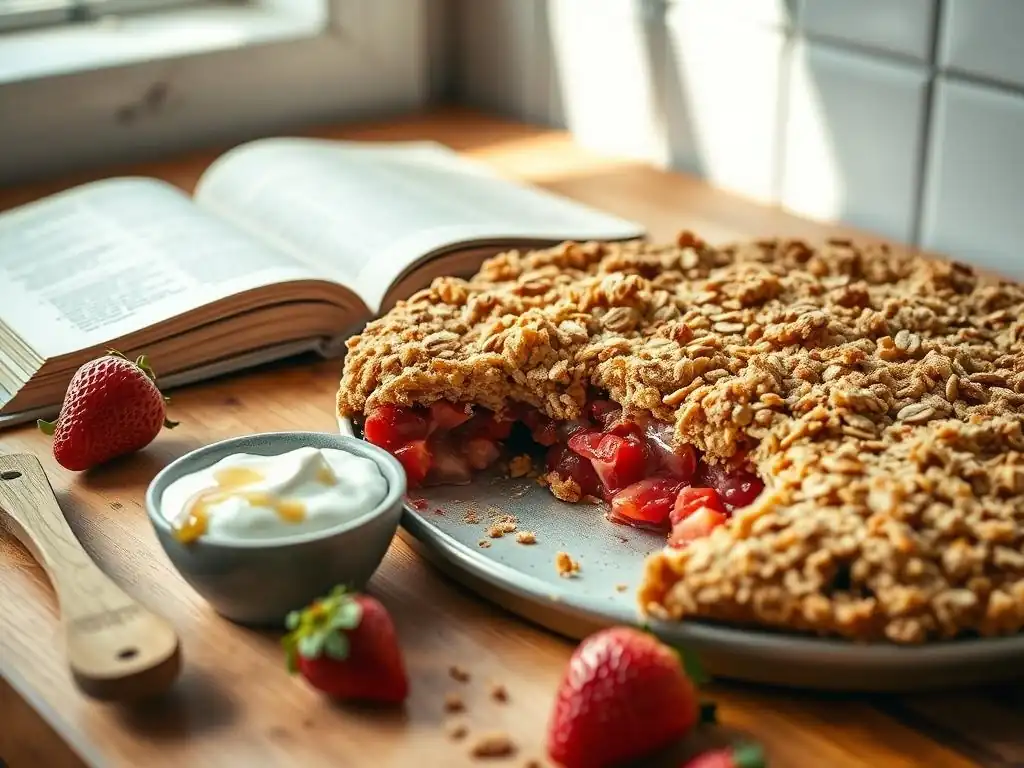
Even with tested recipes, sometimes things don't go exactly as planned when baking easy low sugar fruit desserts. Understanding common issues and how to address them can save your dessert and help you learn for next time. Issues often revolve around texture, browning, and sweetness balance, largely because sugar plays such a multifaceted role in traditional baking.
Don't get discouraged if your first attempt isn't perfect. Low-sugar baking is a skill that improves with practice. Identifying the problem is the first step to finding a solution, allowing you to confidently tackle any challenges when making easy low sugar fruit desserts.
Dryness and Texture Problems: How to Fix Them
One common issue in low-sugar baking, particularly when using sugar substitutes that don't retain moisture like sugar does, is dryness or a crumbly texture. Sugar contributes significantly to the moisture and tenderness of baked goods. If your easy low sugar fruit desserts like cobbler topping or crumble feel too dry, it might be due to the type of sugar substitute used or insufficient fat/liquid.
- Solution: Ensure you're using a sugar substitute appropriate for baking; some are better than others. You might need to slightly increase the amount of liquid (like milk or yogurt) or fat (butter, oil, or applesauce) in the recipe to compensate for the lost moisture from sugar. Adding ingredients like applesauce, mashed banana (in small amounts, as they add sugar), or Greek yogurt can also help add moisture and improve texture in batters. For crumbles, ensure the fat is properly cut into the dry ingredients to create pockets that steam and tenderize during baking.
Browning Issues: Achieving the Perfect Golden Color
Sugar caramelizes when heated, contributing to the golden-brown color of many baked goods. Sugar substitutes generally do not caramelize in the same way. This can result in easy low sugar fruit desserts that look pale even when fully cooked.
- Solution: While you might not get the deep caramelization of sugar, you can encourage browning through other means. Using a sugar substitute blend that includes a small amount of a browning agent can help. Alternatively, you can brush the top of crusts or cobbler toppings with a little milk or a tiny amount of melted butter before baking. Sometimes, simply baking slightly longer at a slightly lower temperature can help achieve a more golden hue without burning. Keep in mind that the inside is what matters most – focus on the filling being bubbly and the topping being cooked through, even if the color isn't exactly the same as a traditional dessert.
Sweetness Imbalance: Adjusting Flavors
Sometimes, despite your best efforts, your easy low sugar fruit desserts might turn out too sweet, not sweet enough, or have an off-flavor from the sugar substitute. This is a common hurdle when first experimenting with low-sugar baking.
- Solution: If the dessert isn't sweet enough, remember you can often adjust sweetness when serving. A sprinkle of powdered sugar substitute, a drizzle of sugar-free syrup, or serving with naturally sweet accompaniments like fresh berries or unsweetened whipped cream can help. If it's too sweet or has an off-taste from the substitute, a squeeze of lemon juice or a pinch of salt can help balance the flavors. Adding spices like cinnamon, nutmeg, or ginger, or flavorings like vanilla or almond extract, can also enhance the perceived sweetness and mask any off-notes from substitutes. For future baking, carefully measure your substitute and taste the raw components (like fruit filling) when possible to adjust before baking.
Exploring Variations and Adaptations of Low Sugar Fruit Desserts
One of the joys of making easy low sugar fruit desserts is their incredible adaptability. You can easily modify these recipes to fit various dietary needs or simply to use seasonal produce. Whether you're looking for vegan options, need to bake gluten-free, or want to make the most of the fruits currently in season, the principles of low-sugar baking can be applied creatively.
These variations ensure that everyone can enjoy delicious, healthier desserts. Learning how to make simple swaps opens up a world of possibilities for your low-sugar baking repertoire, keeping your desserts exciting and catering to diverse preferences.
Vegan Low Sugar Fruit Desserts: Plant-Based Alternatives
Making easy low sugar fruit desserts vegan primarily involves replacing dairy and eggs. In the recipes shared, this is quite straightforward. For baked goods like crumbles and cobblers, simply swap butter for a plant-based butter alternative or coconut oil. Ensure your sugar substitute is also vegan-friendly (most are, but check labels).
For the No-Bake Strawberry Mousse, heavy whipping cream can be easily replaced with chilled full-fat coconut cream (the solid part from a can of coconut milk that has been refrigerated overnight), whipped to stiff peaks. Some recipes might use eggs for richness or binding; in easy low sugar fruit desserts focused on fruit, eggs are less common, but if encountered, alternatives like applesauce, mashed banana, flax eggs (1 tbsp flax meal + 3 tbsp water), or commercial egg replacers can often be used, although they might slightly alter texture.
Gluten-Free Low Sugar Fruit Desserts: Flour Substitutions
Adapting easy low sugar fruit desserts to be gluten-free often involves substituting wheat flour in toppings or crusts. As seen in the Berry Crumble recipe, using certified gluten-free rolled oats and almond flour is an excellent way to create a delicious, naturally gluten-free topping.
For cobbler toppings or other recipes requiring flour, a good quality gluten-free all-purpose baking blend can be used as a direct substitute for wheat flour. These blends are typically made from a mix of rice flour, potato starch, tapioca starch, and sometimes xanthan gum to help with structure. Another option is to use alternative flours like oat flour, coconut flour, or a mix, though these often require specific liquid ratios and recipe adjustments. When making easy low sugar fruit desserts gluten-free, pay attention to the texture of your doughs and batters, as gluten-free flours can absorb liquid differently.
Seasonal Fruit Desserts: Adapting to Available Produce
One of the best ways to make easy low sugar fruit desserts is to use fruit that is in season. Seasonal fruit is often more flavorful, naturally sweeter, and less expensive. The recipes provided are highly adaptable to different fruits.
- Spring: Rhubarb (often needs more sweetener, but pairs well with strawberries), cherries.
- Summer: Peaches, berries (all kinds), plums, apricots, nectarines.
- Fall: Apples, pears, cranberries (tart, need more sweetener).
- Winter: Pears, citrus fruits (less common in baked desserts, but can be used in sauces or compotes).
You can swap the fruit in the crumble or cobbler recipes based on what's available. For example, use a mix of apples and cranberries in the fall, or plums and cherries in the summer. Adjust the amount of added sugar substitute based on the sweetness of the fruit you are using (e.g., tarter fruits like rhubarb or cranberries will need more than sweet peaches or ripe berries). This keeps your easy low sugar fruit desserts varied and delicious throughout the year.
Conclusion: Embrace a Healthier Sweet Life with Easy Low Sugar Fruit Desserts
You've explored the world of easy low sugar fruit desserts, learning why they are a great choice for your health, discovering key ingredients, and trying out simple, delicious recipes. From warm baked apples to refreshing strawberry mousse, these desserts demonstrate that reducing sugar doesn't mean reducing enjoyment. By focusing on the natural sweetness of fruits and using mindful amounts of alternative sweeteners, you can create treats that satisfy your cravings while supporting a balanced diet.
Baking easy low sugar fruit desserts is a rewarding experience. It allows you to take control of the ingredients you use and tailor desserts to your taste and health needs. These recipes are just the beginning; the principles of low-sugar baking can be applied to countless other fruit-based creations. Embrace the simplicity and deliciousness of these healthier options and make them a regular part of your baking routine.
BakeWithEase: Continuing Your Low-Sugar Baking Journey
At BakeWithEase, we are committed to helping you succeed in all your baking endeavors, including making delicious easy low sugar fruit desserts. We hope this article has inspired you to try these recipes and explore further into the world of low-sugar baking. Our website offers a growing collection of recipes and guides designed to make healthier baking accessible and enjoyable for bakers of all levels.
We encourage you to revisit the tips on ingredient substitution and sweetness adjustment as you experiment with different fruits and recipes. Baking is a journey of learning and discovery, and adapting traditional recipes to be lower in sugar is a valuable skill. Continue to explore our resources and feel confident in creating wonderful treats that you can feel good about sharing with friends and family. Making easy low sugar fruit desserts is not about deprivation; it's about discovering new, healthier ways to enjoy the sweet moments in life.
Resources for Further Exploration: Recipe Websites, Nutrition Blogs, Cookbooks
To deepen your understanding and expand your repertoire of easy low sugar fruit desserts, consider exploring additional resources. Many reputable recipe websites and food blogs offer dedicated sections for low-sugar or sugar-free baking, providing a wealth of new ideas and tested recipes. Look for sites that explain their approach to sugar reduction and offer tips on working with different sweeteners.
Nutrition blogs and websites can provide valuable insights into the impact of sugar on health and the benefits of reducing intake, reinforcing the positive reasons for choosing easy low sugar fruit desserts. They often offer nutritional comparisons of ingredients and sweeteners. Cookbooks specifically focused on low-sugar, diabetic-friendly, or whole-food baking can also be excellent investments, providing structured recipes and foundational knowledge. Utilizing these resources will help you continue to confidently create delicious and healthy easy low sugar fruit desserts and other baked goods.
Frequently Asked Questions
What makes a dessert "low sugar"?
A low-sugar dessert typically relies on natural sweeteners or sugar substitutes to reduce the amount of refined sugar, focusing on the inherent sweetness of fruits.
Can I really enjoy a dessert without a lot of sugar?
Absolutely! By utilizing ripe fruits and complementing them with spices or low-sugar alternatives, you can create satisfying desserts that are flavorful and naturally sweet, providing a guilt-free indulgence.
What kind of fruits are best for low-sugar desserts?
Berries like strawberries, blueberries, and raspberries are excellent choices due to their naturally lower sugar content. Other great options include apples, pears, and peaches, especially when ripe.
Are artificial sweeteners the only way to make a low-sugar fruit dessert?
No, there are many natural alternatives such as stevia, erythritol, and monk fruit, which can be used in moderation. You can also use fruit purees to add sweetness and moisture.
Where can I find easy recipes for low-sugar fruit desserts?
Websites like BakeWithEase.com offer a variety of simple recipes specifically designed for low-sugar baking, including step-by-step guides and easy-to-find ingredients for fruit desserts.
Final Reflection: A Sweeter Future, Naturally
The pursuit of healthier, delicious desserts is no longer a niche interest; it's a mainstream movement. The rising awareness of sugar's impact on our health has fueled a demand for alternatives that don't compromise on taste. This article explored the exciting world of easy, low-sugar fruit desserts, proving that sweetness can be found naturally, without the subsequent energy crash and potential health consequences.
The shift towards mindful indulgence is profoundly impacting our cultural landscape. We're moving away from the processed, heavily-sweetened norms of the past, embracing a more conscious relationship with food. The food you eat can be either the safest and most powerful form of medicine or the slowest form of poison.
This quote, often attributed to Hippocrates, resonates deeply with the core message of this article: that we have the power to choose nourishment over mere fleeting pleasure. The increasing popularity of low-sugar recipes, from simple fruit salads to elegant tarts, reflects a collective desire for both deliciousness and well-being.
Now, consider your own dessert choices. What small changes can you make to incorporate more fruit-based sweetness into your life? Perhaps you'll experiment with a new recipe this week, or simply swap out a sugary treat for a refreshing bowl of berries. Remember, the journey to a healthier, happier relationship with food is a personal one, filled with small, delicious steps. Embrace the sweetness of nature, and savor the journey.
Unleash Your Inner Pastry Chef: Bake Guilt-Free Goodness!
Thanks for exploring the world of low-sugar fruit desserts with us! We hope you've discovered delicious ways to satisfy your sweet tooth without the sugar crash. Ready to put your newfound knowledge into practice?
- Bake your favorite fruit dessert recipe, adapted for lower sugar. Start with one recipe and see how easy it is to reduce the sugar while maintaining delicious flavor! This is your chance to shine!
- Share your low-sugar baking creations on social media and inspire others. Use #BakeWithEaseLowSugar to connect with our community!
- Explore more low-sugar recipes on our website for endless baking inspiration. You might discover your new signature dessert!
What delicious low-sugar treat will you bake first?