
Sweet Secrets Unlocked: Choosing the Best Sugar Substitutes for Baking

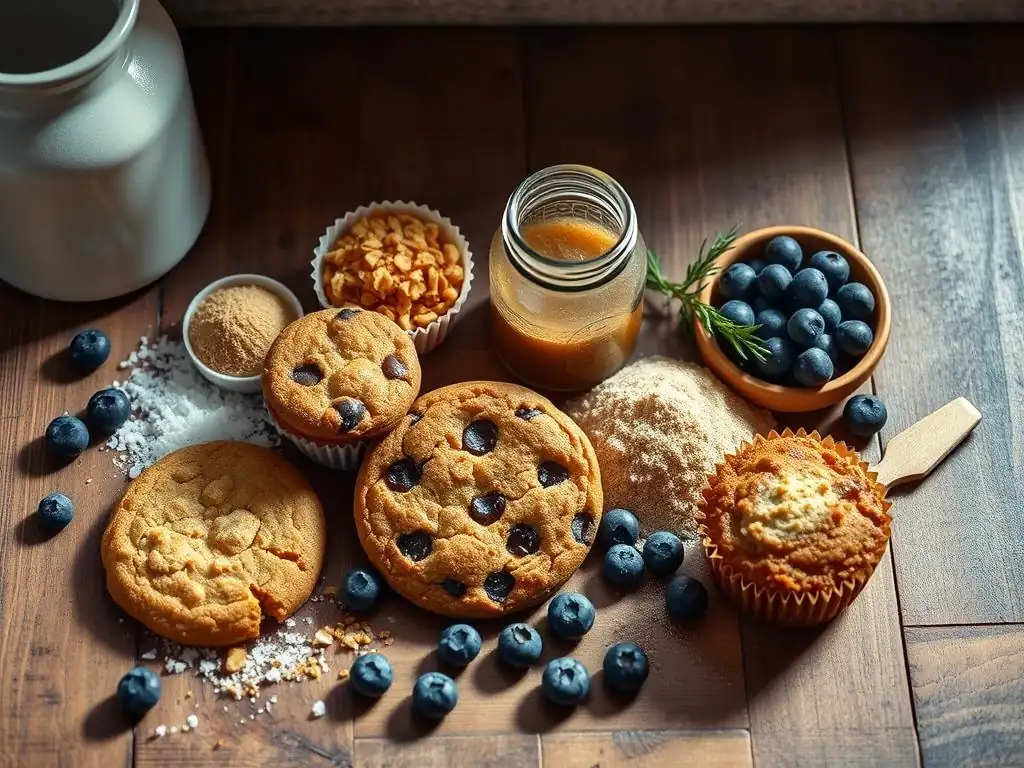
Welcome to BakeWithEase, your trusted guide to a world of delicious possibilities!
Ever wondered if you could enjoy your favorite baked goods without the guilt? Dive into our latest exploration of best sugar substitutes baking and unlock a new realm of flavor and health-conscious choices. Discover the sweet secrets to creating delectable treats that cater to your dietary needs and preferences. Ready to bake smarter, not harder? Let's get started!
- Guilt-Free Goodness: Choosing Sugar Substitutes for Baking
- BakeWithEase Presents: A Guide to Sugar Substitutes in Baking
- Understanding Sugar's Role in Baking and Why Substitute
- The Best Sugar Substitutes for Baking: A Comprehensive Comparison
-
Baking with Sugar Substitutes: Tips and Tricks for Success
- Adjusting Recipes for Sugar Substitutes: A Step-by-Step Guide
- Understanding Sweetness Levels: Conversion Charts for Stevia, Erythritol, and Monk Fruit
- Moisture Considerations: How Sugar Substitutes Affect Texture
- Browning and Caramelization: Achieving Golden-Brown Results
- The Impact of Sugar Substitutes on Leavening
- Recipe Adaptations: Baking Classic Treats with Sugar Substitutes
- Choosing the Right Sugar Substitute for Your Baking Needs
- Debunking Myths About Sugar Substitutes in Baking
- Mastering Low-Sugar Baking: Resources and Further Reading
-
Frequently Asked Questions
- What are the benefits of using sugar substitutes in baking?
- Are all sugar substitutes suitable for all types of baking recipes?
- How do I adjust my recipes when using sugar substitutes?
- What are some popular sugar substitutes for baking?
- Can sugar substitutes affect the taste and texture of my baked goods?
- Final Reflection: The Sweet Truth About Baking Better
- Unlock Your Baking Potential: Sweeten Your Success!
Guilt-Free Goodness: Choosing Sugar Substitutes for Baking
BakeWithEase Presents: A Guide to Sugar Substitutes in Baking
Baking is a delightful activity, but traditional recipes often call for significant amounts of sugar. For those looking to reduce their sugar intake for health reasons or dietary preferences, finding the best sugar substitutes baking can feel like a complex challenge. At BakeWithEase, we believe everyone should enjoy delicious baked goods, which is why we've put together this comprehensive guide to navigating the world of sugar alternatives.
Understanding how sugar works in baking is the first step to successfully substituting it. Sugar isn't just about sweetness; it plays multiple crucial roles that affect the final outcome of your cakes, cookies, and breads. By learning about these functions and exploring various substitutes, you can confidently adapt your favorite recipes for low-sugar baking.
Understanding Sugar's Role in Baking and Why Substitute
Sugar is far more than just a sweetener in baked goods. It's a workhorse ingredient that impacts texture, moisture, color, and even structure. When you remove sugar from a recipe, you're not just losing sweetness; you're altering the fundamental chemistry of the bake.
Beyond its functional roles, health considerations are a primary reason many bakers seek the best sugar substitutes baking. High consumption of added sugars is linked to various health issues, prompting a desire for healthier alternatives that still deliver on taste and texture.
The Many Functions of Sugar in Baked Goods
Sugar performs several vital functions in baking that go beyond simply making things sweet. Firstly, sugar is hygroscopic, meaning it attracts and retains moisture. This is why cakes made with sugar stay moist and tender for longer compared to those made without it; the sugar molecules bind water, preventing the baked goods from drying out quickly. This moisture retention also contributes to a softer crumb texture.
Secondly, sugar plays a critical role in browning. During baking, sugar undergoes caramelization at high temperatures, and it also participates in the Maillard reaction with proteins. These processes create the desirable golden-brown crust on cookies, cakes, and breads, contributing appealing color and complex flavors. Without sugar or a suitable substitute that aids browning, baked goods can appear pale and lack that signature caramelized depth of flavor. Sugar also contributes to spread in cookies, helps stabilize meringues, and provides bulk and structure to batters and doughs.
Health Considerations: Why Reduce Sugar Intake?
Reducing added sugar intake is a widely recommended dietary goal due to its association with various health concerns. Excessive consumption of added sugars has been linked to an increased risk of conditions such as type 2 diabetes, heart disease, obesity, and dental cavities. Many health organizations, like the American Heart Association, provide guidelines suggesting limits on daily added sugar intake, often recommending figures significantly lower than what the average person consumes.
Choosing the best sugar substitutes baking allows individuals to enjoy sweet treats while potentially mitigating some of these health risks. For those managing blood sugar levels, such as individuals with diabetes, sugar substitutes that have a minimal impact on glycemic response are particularly beneficial. Furthermore, many sugar substitutes are lower in calories than traditional sugar, which can be helpful for weight management goals. Exploring low-sugar baking options is a proactive step towards a healthier lifestyle without completely sacrificing the joy of baking and eating delicious desserts.
Exploring Low-Sugar Baking Options for Healthier Treats
Low-sugar baking involves adapting traditional recipes or using specially designed recipes that utilize alternative sweeteners instead of granulated sugar, brown sugar, or powdered sugar. The goal is to create baked goods that are lower in calories and have less impact on blood glucose levels, while still achieving desirable taste and texture. This approach often requires experimentation, as different sugar substitutes behave differently in the oven.
Successfully navigating low-sugar baking means understanding the properties of various sugar alternatives – their sweetness intensity, how they affect moisture, browning, and structure. It might involve combining different substitutes to achieve a balanced result or incorporating ingredients like applesauce, pumpkin puree, or yogurt to add moisture and body that sugar would typically provide. Mastering low-sugar baking opens up a world of possibilities for enjoying healthier versions of classic treats, making it easier to stick to dietary goals without feeling deprived.
The Best Sugar Substitutes for Baking: A Comprehensive Comparison
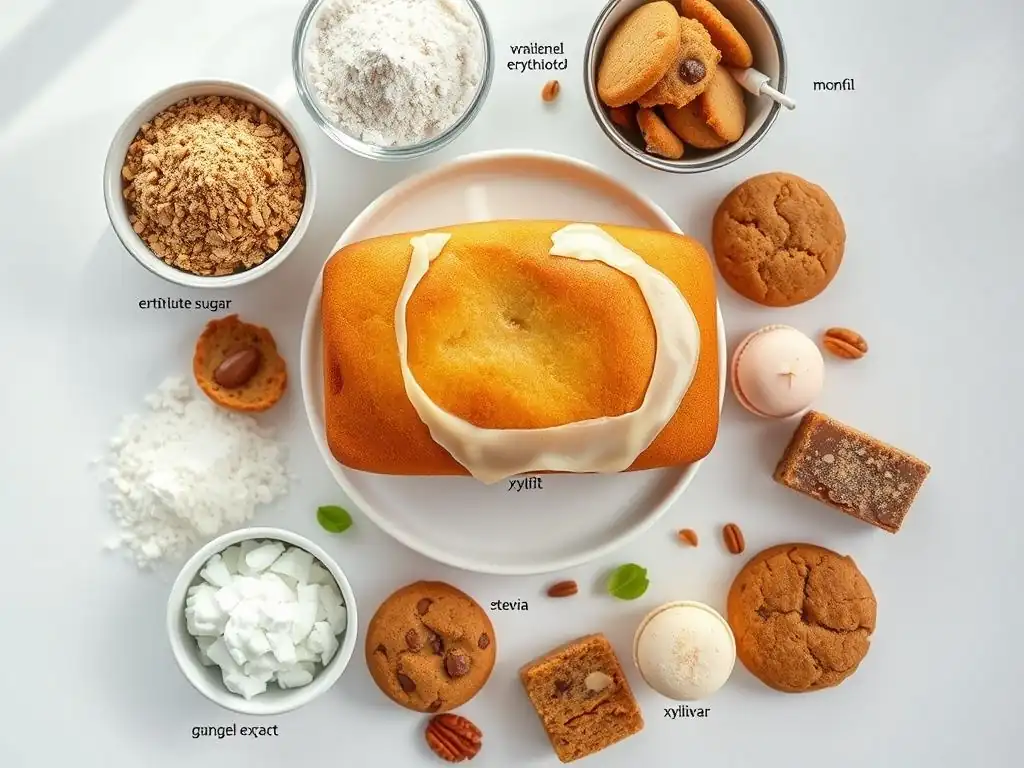
When searching for the best sugar substitutes baking, you'll encounter a wide array of options, each with unique characteristics. These can broadly be categorized as natural alternatives, artificial sweeteners, and some less common choices. Understanding the pros and cons of each is key to making informed decisions for your specific baking needs.
The effectiveness of a sugar substitute in baking depends heavily on the type of baked good you're making and the specific role sugar plays in that recipe. Some substitutes are excellent for simple sweetness but fail to provide structure or browning, while others mimic sugar's functions more closely. Let's break down some of the most popular and effective options.
Natural Sugar Alternatives for Baking
Natural sugar alternatives are often derived from plants and are sometimes perceived as a healthier choice. They vary widely in sweetness, caloric content, and how they perform in baking.
Stevia: A Zero-Calorie Option for Sweetness
Stevia is a natural sweetener derived from the leaves of the Stevia rebaudiana plant. Its sweet compounds, called steviol glycosides, are incredibly potent, often cited as being 200-400 times sweeter than table sugar. This means only a tiny amount is needed to achieve the desired sweetness, making it a zero-calorie option.
In baking, Stevia provides sweetness but does not contribute to moisture, browning, or structure like sugar does. Baked goods made solely with Stevia may be paler, drier, and less tender. It can also sometimes have a slightly bitter or licorice-like aftertaste, particularly when used in large quantities. Many bakers find success using Stevia in combination with other low-calorie sweeteners or bulking agents to improve texture and mitigate the aftertaste.
Monk Fruit Sweetener: Another Natural, Low-Calorie Choice
Monk fruit sweetener is extracted from the small, round monk fruit (also known as luo han guo) native to Southeast Asia. Like Stevia, the sweet compounds (mogrosides) are much sweeter than sugar, typically 150-200 times sweeter. This potency results in a zero-calorie sweetener that doesn't affect blood sugar levels.
Monk fruit sweetener performs similarly to Stevia in baking; it provides sweetness but lacks the functional properties of sugar regarding moisture, browning, and structure. It generally has a cleaner taste than Stevia, with less of an aftertaste, although some people can detect a slight flavor. It is often blended with other sweeteners like erythritol to create cup-for-cup sugar substitutes that are easier to measure and handle in recipes.
Erythritol: A Sugar Alcohol with Minimal Impact on Blood Sugar
Erythritol is a sugar alcohol that occurs naturally in some fruits and fermented foods. It is produced commercially through the fermentation of glucose. Erythritol is unique among sugar alcohols because it is mostly absorbed in the bloodstream and excreted in urine, meaning it has very few calories (about 0.2 calories per gram compared to sugar's 4 calories per gram) and generally does not cause the digestive distress often associated with other sugar alcohols like xylitol or maltitol, especially when consumed in moderate amounts.
Erythritol is about 60-80% as sweet as table sugar. In baking, it provides bulk and some texture similar to sugar, but it does not brown. It can also have a cooling sensation in the mouth, which is noticeable in some applications. Erythritol is often used as the base in blended sugar substitutes (like those combining it with Stevia or monk fruit) because it measures closer to sugar volumetrically and provides some of the physical properties missing from high-intensity sweeteners alone.
Allulose: A Rare Sugar with a Similar Taste to Sugar
Allulose is a "rare sugar" that is found naturally in small amounts in foods like wheat, figs, and raisins. It has a chemical structure similar to fructose but is metabolized differently by the body, resulting in very few calories (about 0.4 calories per gram) and minimal impact on blood sugar levels. Allulose is about 70% as sweet as table sugar.
One of the significant advantages of Allulose in baking is that it behaves much more like sugar than other low-calorie sweeteners. It provides bulk, contributes to moisture and tenderness, and even participates in browning reactions, albeit at slightly different temperatures than sugar. It dissolves well and generally lacks the cooling effect or aftertaste associated with some other sugar alcohols or high-intensity sweeteners. This makes Allulose a promising option for achieving results closer to traditional baked goods, although it can be more expensive and less widely available than other substitutes.
Artificial Sweeteners: Baking with Lower-Calorie Options
Artificial sweeteners are synthetic compounds that provide intense sweetness with few or no calories. They are generally much sweeter than sugar and are approved for use by regulatory bodies. Their suitability for baking varies significantly based on their heat stability and how their flavor changes when heated.
Sucralose: Heat Stable and Versatile for Baking
Sucralose is an artificial sweetener derived from sucrose (table sugar) by replacing three hydrogen-oxygen groups on the sugar molecule with chlorine atoms. It is about 600 times sweeter than sugar and is calorie-free. Sucralose is known for its high heat stability, making it one of the most versatile artificial sweeteners for baking.
Because it is heat stable, Sucralose retains its sweetness during the baking process. However, like high-intensity natural sweeteners, it does not provide bulk, moisture, or aid in browning. Recipes using Sucralose often need adjustments to account for the missing volume and functional properties of sugar. It is often sold in blends with bulking agents (like maltodextrin) to make it measure cup-for-cup like sugar, but these blends will add calories and carbohydrates.
Aspartame: Not Recommended for Baking Due to Flavor Changes
Aspartame is an artificial sweetener composed of two amino acids, aspartic acid and phenylalanine. It is about 200 times sweeter than sugar and contains minimal calories. While widely used in cold beverages and other foods, Aspartame is generally not recommended for baking.
The reason Aspartame is unsuitable for baking is its lack of heat stability. At high temperatures, Aspartame can break down, losing its sweetness and sometimes developing an unpleasant off-flavor. Therefore, using Aspartame in recipes that require baking would likely result in a finished product that is not adequately sweet and may have an undesirable taste. It is not among the best sugar substitutes baking applications that require heat.
Saccharin: An Older Sweetener with a Distinctive Taste
Saccharin is one of the oldest artificial sweeteners, discovered in the late 19th century. It is typically 200-700 times sweeter than sugar and is calorie-free. Saccharin is relatively heat stable, meaning it can be used in some baked goods.
However, Saccharin is known for having a distinct, sometimes metallic or bitter aftertaste, which can become more pronounced when heated or used in larger quantities. While it can provide sweetness in baking, its flavor profile makes it less popular for many applications compared to newer sweeteners. Like other high-intensity sweeteners, it does not contribute to the physical structure, moisture, or browning of baked goods.
Less Common Sugar Substitutes for Baking
Beyond the most popular choices, there are other sweeteners available that some bakers explore. These options may have unique properties or require specific considerations.
Xylitol: Caution Advised (Toxic to Pets)
Xylitol is a sugar alcohol found in many fruits and vegetables. It is about as sweet as sugar (roughly 95-100% sweetness) and has about 2.4 calories per gram. Xylitol is unique among sugar alcohols for its dental benefits, as it is not metabolized by oral bacteria. It performs relatively well in baking, providing bulk and sweetness, although it also has a cooling sensation and does not brown like sugar.
- Xylitol is highly toxic to dogs and some other animals. Even small amounts can cause a dangerous drop in blood sugar or liver failure.
- Due to this severe risk, extreme caution must be exercised when using Xylitol in a household with pets. Ensure baked goods containing Xylitol are stored securely and any spills are cleaned up immediately.
Yacon Syrup: A Fructose-Rich Option with a Unique Flavor
Yacon syrup is extracted from the roots of the Yacon plant, native to the Andes mountains. It contains a significant amount of fructooligosaccharides (FOS), a type of fiber that is not digested in the upper gut but fermented by beneficial bacteria in the colon. Yacon syrup is about half as sweet as sugar and has a dark color and a flavor often compared to molasses or caramel. It contains about 20-30% the calories of sugar per serving.
In baking, Yacon syrup provides some sweetness and moisture, similar to other liquid sweeteners like maple syrup or honey. However, its distinct flavor profile may not be suitable for all recipes, and its high FOS content can cause digestive distress in some individuals if consumed in large quantities. It can be used in recipes where its unique flavor is complementary, such as in darker baked goods like gingerbread or certain muffins.
Baking with Sugar Substitutes: Tips and Tricks for Success
Successfully using the best sugar substitutes baking often requires more than a simple 1:1 swap. Because sugar plays so many roles beyond sweetness, its absence can significantly alter the outcome of a recipe. Understanding these potential changes and knowing how to compensate for them is key to achieving delicious low-sugar baked goods.
Adapting recipes and mastering the nuances of different substitutes will empower you to create treats that meet your dietary needs without compromising on quality. Here are some essential tips and tricks to help you succeed in low-sugar baking.
Adjusting Recipes for Sugar Substitutes: A Step-by-Step Guide
Adapting a traditional recipe to use sugar substitutes requires careful consideration of the substitute's properties.
- Determine Sweetness Level: Compare the sweetness of your chosen substitute to sugar. High-intensity sweeteners like Stevia or Monk Fruit are much sweeter, requiring only a tiny amount. Bulked substitutes (like Erythritol or blends) are often designed to measure closer to sugar volumetrically.
- Account for Bulk: If using a high-intensity sweetener that provides no bulk, you'll need to add a bulking agent to maintain the recipe's structure and volume. This could be extra flour, a small amount of a low-calorie bulk sweetener like Erythritol, or even ingredients like applesauce or yogurt.
- Adjust Liquid Content: Sugar holds moisture. When you remove sugar, your baked goods can become dry. You might need to increase the liquid ingredients slightly (milk, oil, eggs) or add moist ingredients like fruit purees (unsweetened applesauce, mashed banana) or yogurt to compensate.
- Consider Browning: Most sugar substitutes do not brown like sugar. For recipes where a golden crust is desired, you might need to bake at a slightly higher temperature for a shorter time (monitor closely to prevent burning) or incorporate ingredients that promote browning, like a small amount of molasses (which adds sugar but also flavor) or using recipes designed for low-sugar that account for this.
- Monitor Baking Time: Baked goods made with substitutes might bake faster or slower than traditional recipes. Start checking for doneness a few minutes earlier than the recipe suggests.
- Texture Adjustments: Sugar contributes to tenderness. Without it, baked goods can be tougher. Adding extra fat (like butter or oil) or ingredients like sour cream or cream cheese can help improve tenderness.
Understanding Sweetness Levels: Conversion Charts for Stevia, Erythritol, and Monk Fruit
Converting sugar measurements to sugar substitutes can be tricky because their sweetness intensity varies greatly. Here's a general idea of conversions, but always check the specific product packaging as concentrations can differ:
- Stevia: Typically 200-400 times sweeter than sugar. A tiny pinch might replace a tablespoon of sugar. For powdered or granulated Stevia blends (often with Erythritol), the conversion is usually 1:1 with sugar by volume (cup-for-cup), but check the label.
- Erythritol: Approximately 70% as sweet as sugar. If a recipe calls for 1 cup of sugar, you might use about 1 and 1/3 cups of Erythritol.
- Monk Fruit Sweetener: Pure extract is 150-200 times sweeter than sugar. Like Stevia, it's usually sold in blends (often with Erythritol) that measure cup-for-cup with sugar.
Remember that these are approximations, and your personal preference for sweetness will influence the exact amount you use. It's often best to start with the recommended conversion on the substitute's packaging and adjust in future batches based on taste.
Moisture Considerations: How Sugar Substitutes Affect Texture
As mentioned earlier, sugar is hygroscopic, meaning it attracts and holds water. This property is crucial for keeping baked goods moist and tender over time. When you replace sugar with substitutes that lack this property, the resulting baked goods can be drier and may stale more quickly.
To combat dryness when baking with sugar substitutes, consider incorporating ingredients that add moisture. Examples include unsweetened applesauce, mashed bananas, pumpkin puree, yogurt, sour cream, or even slightly increasing the amount of liquid called for in the recipe (like milk or oil). Using fats like butter or oil also helps to tenderize the crumb and improve moisture retention. Experimentation is key to finding the right balance for your specific recipe and chosen substitute.
Browning and Caramelization: Achieving Golden-Brown Results
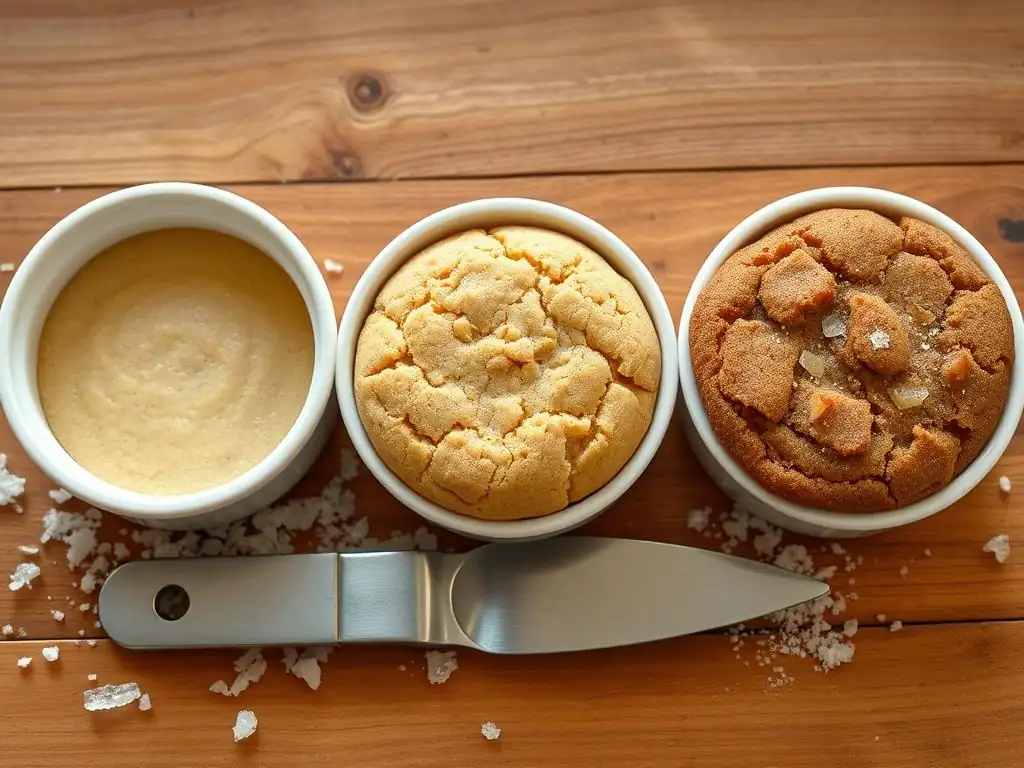
Sugar is essential for the Maillard reaction and caramelization, the processes that create the appealing golden-brown color and complex flavors on the surface of baked goods. Most sugar substitutes, particularly high-intensity ones and sugar alcohols like Erythritol, do not undergo these reactions at typical baking temperatures. This often results in paler cookies, cakes, and muffins.
To encourage browning in low-sugar baking, you can try a few techniques. Baking at a slightly higher temperature (while carefully watching to prevent burning) can sometimes help. Adding a small amount of molasses, brown sugar substitute (often a blend with added color), or using a substitute like Allulose which does brown can also improve color. In some cases, accepting a lighter color while focusing on achieving the right texture and flavor is the practical approach.
The Impact of Sugar Substitutes on Leavening
Sugar interacts with leavening agents like baking soda and baking powder in several ways. It provides bulk, which helps create the structure that traps air bubbles produced by leavening. In some recipes, sugar also interacts with baking soda, especially in conjunction with acidic ingredients like buttermilk or brown sugar (which contains molasses).
When using sugar substitutes, especially high-intensity ones that provide no bulk, you might notice slightly less volume or a different crumb structure. Substitutes that offer some bulk, like Erythritol or Allulose, tend to perform better in this regard. For recipes heavily reliant on sugar's interaction with leavening, you might need to slightly adjust the amount of baking powder or baking soda or incorporate ingredients that help provide structure and lift, such as eggs or gluten development (in flour-based recipes).
Recipe Adaptations: Baking Classic Treats with Sugar Substitutes
Adapting classic recipes is a rewarding way to explore low-sugar baking. By applying the tips and tricks discussed, you can transform your favorite treats into healthier versions. Let's look at how you might approach adapting some popular baked goods using the best sugar substitutes baking.
Keep in mind that the results may not be identical to the original, but with practice, you can achieve delicious outcomes that satisfy your sweet cravings while aligning with your dietary goals.
Traditional chocolate chip cookies rely heavily on sugar for sweetness, spread, tenderness, and browning. Adapting them requires careful substitution. A common approach at BakeWithEase is to use a blend of sugar substitutes. For instance, you might replace granulated sugar with a cup-for-cup Erythritol/Monk Fruit blend and brown sugar with a low-sugar brown sugar substitute.
To address the lack of spread and moisture, you might slightly increase the butter or add a tablespoon of applesauce. Since these substitutes don't brown well, the cookies might remain pale even when fully baked; you'll need to rely on cues like the edges firming up rather than color alone. The texture will likely be less chewy and potentially more crumbly than traditional cookies, but adjusting fat content can help improve this. Using sugar-free chocolate chips is also essential for a truly low-sugar cookie.
Sugar-Free Banana Bread: A Healthier Twist on a Classic
Banana bread often gets significant sweetness from ripe bananas, which is a great head start for reducing added sugar. For the sugar that is typically added, you can use a low-calorie substitute like a Stevia/Erythritol blend or Allulose. Since bananas provide moisture and some sweetness, adapting banana bread is often less challenging than adapting cookies or cakes where sugar plays a more dominant structural role.
When adapting, replace the added sugar with your chosen substitute based on sweetness equivalence. Because bananas provide moisture, you might not need to add much extra liquid, but pay attention to the batter consistency. The browning will primarily come from the bananas and the baking process itself, as most substitutes won't contribute significantly. The resulting bread will be moist and flavorful from the bananas, with reduced added sugar.
Keto-Friendly Brownies: A Decadent Low-Carb Treat
Keto brownies require not only sugar substitutes but also low-carb flour alternatives like almond flour or coconut flour. For sweetness, popular choices include Erythritol, Monk Fruit, Stevia, or Allulose, often used in combination to achieve a balanced flavor profile and texture. Since cocoa powder is used, the lack of browning from sugar is less noticeable in dark brownies.
In keto brownie recipes, the fat content (butter, oil, or cream cheese) is typically high, which helps compensate for the moisture and tenderness that sugar would provide. Eggs also play a crucial role in structure. The choice of sweetener affects texture; Erythritol can sometimes crystallize, while Allulose tends to create a fudgier texture more akin to traditional brownies. Using sugar-free chocolate or cocoa powder is necessary to keep the carbohydrate count low.
Choosing the Right Sugar Substitute for Your Baking Needs
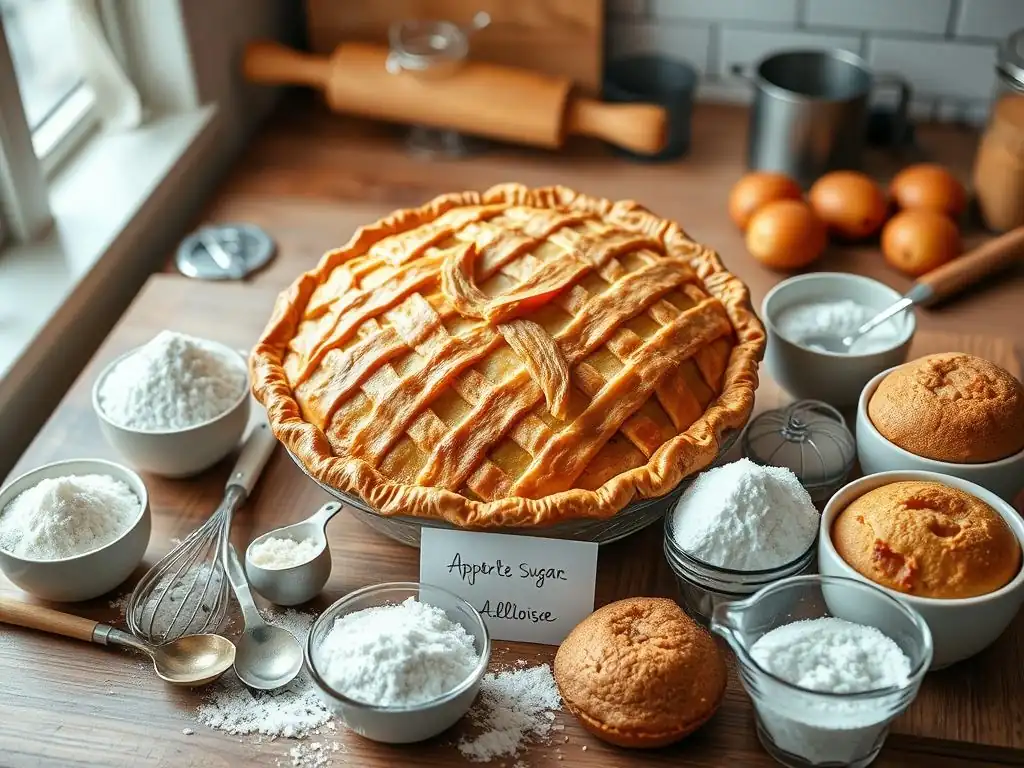
Selecting the best sugar substitutes baking is a personal process that depends on various factors. There isn't a single "best" substitute for everyone or every recipe. By considering your health goals, taste preferences, and the specific requirements of the recipe you're adapting, you can make the most informed choice.
Don't be afraid to experiment! What works perfectly in one recipe might not be ideal in another. Keeping a baking journal to note your substitutions and results can be incredibly helpful.
Factors to Consider: Taste, Texture, and Health Goals
When choosing a sugar substitute, consider these key factors:
- Taste: Do you detect an aftertaste? Is the sweetness profile pleasant? Some substitutes have a distinct flavor (like the cooling effect of Erythritol or the potential bitterness of Stevia/Saccharin).
- Texture: How does the substitute affect the final texture of your baked goods? Does it contribute to moisture and tenderness, or does it make them dry or crumbly? Does it dissolve properly, or does it leave a grainy texture?
- Health Goals: Are you looking for zero calories, minimal impact on blood sugar (low glycemic index), or simply reducing overall added sugar? Some substitutes are better suited for specific dietary needs like keto or diabetes management.
- Baking Application: Is the substitute heat stable? Does the recipe require browning or structure that the substitute might not provide? A substitute great for no-bake items might fail in a cake.
- Availability and Cost: How easy is it to find the substitute in your local stores, and does the cost fit your budget?
Identifying Allergies and Sensitivities to Sweeteners
While generally recognized as safe (GRAS) by regulatory bodies, some individuals may experience sensitivities or adverse reactions to certain sugar substitutes. Sugar alcohols, like Erythritol, Xylitol, Maltitol, and Sorbitol, can cause digestive issues such as bloating, gas, and diarrhea in some people, especially when consumed in large quantities. Erythritol is often better tolerated than others, but sensitivity varies.
Although rare, allergic reactions to other sweeteners are also possible. If you have known allergies or sensitivities, or if you experience adverse symptoms after consuming baked goods made with a particular substitute, consult with a healthcare professional. Always read ingredient labels carefully, especially if using blended sweeteners, to be aware of all components.
Addressing Aftertaste Concerns with Stevia and Monk Fruit
One of the most common complaints about high-intensity sweeteners like Stevia and Monk Fruit is the potential for an unpleasant aftertaste – often described as bitter, metallic, or licorice-like. This aftertaste is more noticeable in some people than others and can be more pronounced when larger amounts are used or in certain types of recipes.
To minimize aftertaste when using Stevia or Monk Fruit:
- Use the minimum amount necessary to achieve the desired sweetness.
- Consider using a blend of sweeteners (e.g., Stevia with Erythritol, or Monk Fruit with Allulose) as combining different sweeteners can sometimes reduce the intensity of any single aftertaste.
- Pair the sweeteners with flavors that complement or mask the aftertaste, such as vanilla, chocolate, or spices like cinnamon.
- Ensure the sweetener is fully dissolved and evenly distributed in the batter or dough.
Debunking Myths About Sugar Substitutes in Baking
The world of sugar substitutes is often surrounded by misconceptions. It's important to separate fact from fiction when choosing the best sugar substitutes baking to make informed decisions about your baking and health.
Let's address some common myths and look at the reality based on current understanding and usage in baking.
Myth: Sugar Substitutes Are Always Unhealthy
This is a broad generalization that doesn't hold true. The health impact of sugar substitutes varies depending on the specific type of sweetener and the individual's health status and consumption patterns. Regulatory bodies like the FDA have approved many sugar substitutes as safe for general consumption within acceptable daily intake levels.
Reality: Many Offer Health Benefits and Reduced Calorie Intake
Many sugar substitutes offer clear benefits, particularly for individuals looking to manage blood sugar levels or reduce calorie intake. Zero or low-calorie sweeteners do not significantly impact blood glucose, making them valuable tools for people with diabetes or insulin resistance. Replacing sugar with these alternatives can help reduce the overall caloric density of baked goods, supporting weight management efforts. Some, like Xylitol and Erythritol, may even have dental benefits by not feeding cavity-causing bacteria. Like any food component, moderation and considering the overall diet are key.
Myth: Sugar Substitutes Don't Taste Good
While some sugar substitutes have a distinct flavor or aftertaste that differs from sugar, claiming they never taste good is inaccurate. The perception of taste is highly individual, and different substitutes have varying flavor profiles.
Reality: Taste Varies, and Many Are Delicious When Used Correctly
The taste of baked goods made with sugar substitutes depends heavily on the specific substitute used, the recipe, and how well the substitute is incorporated. Many popular substitutes like Erythritol, Monk Fruit, and Allulose are praised for having a clean taste profile, especially when used in well-formulated recipes. Blending different sweeteners can often create a more sugar-like taste. As the market for low-sugar products grows, manufacturers are continually improving the taste and performance of sugar substitutes, making it easier to bake truly delicious treats without added sugar.
Mastering Low-Sugar Baking: Resources and Further Reading
Embarking on the journey of low-sugar baking is exciting! To continue honing your skills and discovering new recipes, exploring dedicated resources is highly recommended. The BakeWithEase community is also here to support you every step of the way.
Accessing reliable information and connecting with fellow low-sugar bakers can provide inspiration, practical tips, and solutions to common challenges you might encounter when working with the best sugar substitutes baking.
Recommended Books and Websites for Low-Sugar Recipes
There are many excellent resources available specifically for low-sugar, sugar-free, or keto baking. Look for cookbooks or websites that focus on these dietary approaches, as they often provide recipes specifically developed and tested with sugar substitutes. These resources typically offer detailed guidance on which substitutes work best for different types of baked goods and provide conversion tips. Searching online for terms like "low-sugar baking recipes," "keto desserts," or "sugar-free treats" will yield numerous blogs and recipe sites dedicated to this niche.
Joining the BakeWithEase Community for Support and Inspiration
Connect with other baking enthusiasts who are also exploring low-sugar options by joining the BakeWithEase community. Sharing your experiences, asking questions, and seeing what others are baking can provide invaluable support and inspiration. Online forums, social media groups, or comment sections on baking blogs (like ours!) are great places to connect, troubleshoot recipes, and celebrate your low-sugar baking successes. Learning from others who are also navigating the world of the best sugar substitutes baking can make the process much more enjoyable and less daunting.
Frequently Asked Questions
What are the benefits of using sugar substitutes in baking?
Sugar substitutes can offer several benefits, including reduced calorie intake and improved blood sugar control, making them suitable for individuals with dietary restrictions or health concerns. Some also impart unique flavors or textures to baked goods.
Are all sugar substitutes suitable for all types of baking recipes?
No, not all sugar substitutes are created equal. Some are better suited for certain recipes than others due to their different baking properties and heat stability. For example, some may not caramelize or provide the same structure as sugar.
How do I adjust my recipes when using sugar substitutes?
Adjusting recipes requires careful consideration of the substitute's sweetness level and moisture content. You may need to experiment with different ratios and add binders or moisture to compensate for sugar's absence.
What are some popular sugar substitutes for baking?
Popular options include stevia, erythritol, monk fruit, and allulose. Each has its own unique flavor profile and baking characteristics, so research is key.
Can sugar substitutes affect the taste and texture of my baked goods?
Yes, using sugar substitutes can definitely impact the taste and texture. Some substitutes may have a distinct aftertaste, while others may result in a drier or less chewy final product.
Final Reflection: The Sweet Truth About Baking Better
The quest for healthier baking is no longer a niche pursuit; it's a mainstream movement. Finding delicious and effective sugar substitutes is crucial, not just for those with dietary restrictions, but for anyone seeking to reduce refined sugar intake and improve their overall well-being. The impact of this choice extends far beyond individual health, influencing the entire food industry and our collective approach to sweetness.
This exploration into the world of sugar substitutes has been a journey of discovery, highlighting the vast array of options available and the nuanced differences in their application. The subtle art of baking, so often reliant on the precise balance of ingredients, is profoundly affected by the choice of sweetener. The best substitute is the one that works best for you and your recipe,
a baker once told me, and that sentiment rings truer than ever. Understanding the unique properties of each substitute – from the subtle sweetness of stevia to the familiar texture of erythritol – empowers us to make informed choices and achieve baking success.
Now, it's your turn. Consider the recipes you cherish, the sweet treats you crave, and the health goals you aspire to. Experiment with different sugar substitutes, mindful of their individual characteristics. Don't be afraid to fail; each attempt is a step towards mastering the art of healthier baking, a journey that promises delicious discoveries and a sweeter, healthier future. Embrace the challenge, and unlock your own sweet secrets.
Unlock Your Baking Potential: Sweeten Your Success!
Thanks for exploring the world of sugar substitutes with us! We hope you now feel confident in choosing the perfect sweetener for your next baking masterpiece. Ready to put your newfound knowledge into action?
- Experiment with a new recipe: Try substituting your favorite sugar with one of the alternatives we discussed – and share your results with us! (Primary Action)
- Dive deeper into our resource library: Explore more baking tips and tricks to elevate your skills further.
- Join our baking community: Share your baking journey and inspire others with your creations on our social media channels.
What sweet treat will you bake first using your newfound sugar-substitution superpowers?