
15 NutFree Cookie Recipes: From Soft Chewy to Crisp Delights

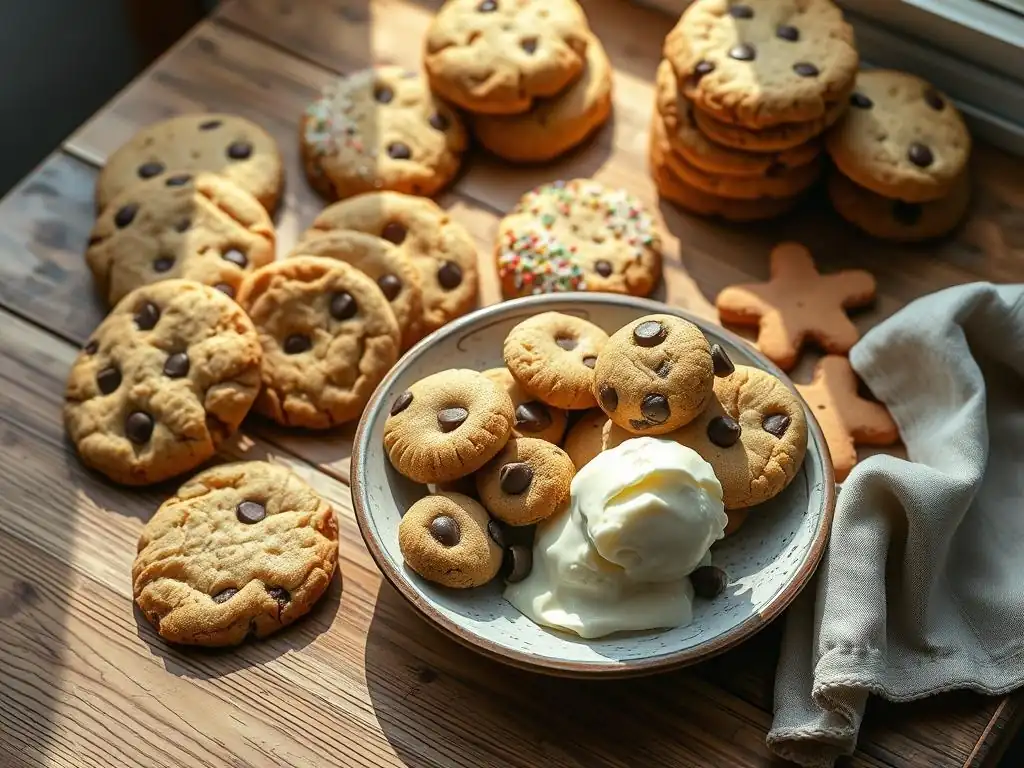
Welcome to BakeWithEase, your haven for effortless baking! Ever dreamed of creating the perfect batch of NutFree Soft Chewy Cookies that melt in your mouth? Dive into our collection of 15 delightful recipes and discover how easy it is to bake allergy-friendly treats without sacrificing flavor. Curious about the secret to achieving that perfect chew? Let's get baking!
- Introduction to Nut-Free Baking with BakeWithEase
- Mastering the Art of Nut-Free Soft & Chewy Cookies
- Top 5 Nut-Free Soft & Chewy Cookie Recipes
- Exploring Nut-Free Crisp Cookie Recipes
- Top 5 Nut-Free Crisp Cookie Recipes
- Expanding Your Nut-Free Cookie Repertoire
- Top 5 Unique Nut-Free Cookie Recipes
- Essential Tips for Safe Nut-Free Baking
- Conclusion: Enjoy Delicious Nut-Free Cookies with Confidence
- Frequently Asked Questions
- Final Reflection: The Enduring Sweetness of Inclusion
- Unleash Your Inner Baker: Nut-Free Cookie Creations Await!
Introduction to Nut-Free Baking with BakeWithEase
Welcome to BakeWithEase, where we believe everyone should experience the joy of baking delicious treats, regardless of dietary needs or allergies. For many, navigating the world of baking requires careful attention to ingredients, especially when dealing with nut allergies. This is why nut-free baking is so important. Creating delightful cookies that are completely free from nuts ensures that friends, family, and loved ones with allergies can safely enjoy a sweet treat without worry. It opens up a world of possibilities for shared moments and happy memories around the cookie jar.
Baking nut-free doesn't mean sacrificing flavor or texture. In fact, it encourages creativity and exploration of alternative ingredients that can yield equally, if not more, satisfying results. From cookies that are wonderfully soft and chewy to those with a delightful crisp snap, the possibilities are vast. At BakeWithEase, we're here to guide you through selecting safe ingredients, adapting recipes, and mastering techniques to bake with confidence and ease, ensuring every cookie is not only delicious but also safe for everyone to enjoy.
Why Nut-Free Baking is Essential for Many
Nut allergies are among the most common food allergies, and reactions can range from mild discomfort to severe, life-threatening anaphylaxis. According toFARE (Food Allergy Research & Education), approximately 32 million Americans have food allergies, including 5.6 million children. Peanut and tree nut allergies are particularly prevalent and often lifelong. This makes providing safe, nut-free options not just a convenience but a necessity for inclusion and safety in many social settings, schools, and homes.
Beyond severe allergies, many individuals choose to avoid nuts due to sensitivities, dietary preferences, or baking for environments where nuts are prohibited, like many schools and childcare centers. Mastering nut-free baking techniques allows you to bake for a wider audience and ensures peace of mind. It requires diligence in ingredient selection and preventing cross-contamination, but the reward of creating safe, delicious baked goods that everyone can enjoy is immense. Our goal at BakeWithEase is to make this process approachable and enjoyable for every baker.
Achieving that coveted soft and chewy texture in nut-free cookies relies heavily on the right balance of ingredients, particularly fats, sugars, and leavening agents. Butter, or a high-quality nut-free butter substitute, is crucial for tenderness and flavor. Using a combination of granulated sugar and brown sugar is key; brown sugar's molasses content adds moisture, contributing significantly to the chewy texture. Many successful nut-free soft chewy cookies recipes call for a higher ratio of brown sugar to white sugar, sometimes as much as 2:1.
Leavening agents like baking soda react with acidic ingredients (often brown sugar or cream of tartar) to create lift and spread. Using baking soda often results in a softer, chewier cookie compared to baking powder, which typically yields a puffier, cake-like texture. Eggs provide structure and richness; using one whole egg plus an extra egg yolk, for instance, can increase chewiness and richness without making the cookie cakey. Flour type also matters; using all-purpose flour is standard, but measuring it correctly (spooned and leveled) prevents a tough cookie.
Tips for Achieving the Perfect Chewy Texture (Nut-Free)
Baking technique plays a vital role in producing nutfree soft chewy cookies. One primary tip is to avoid overmixing the dough once the flour is added. Overmixing develops gluten, which can lead to a tougher cookie. Mixing just until the ingredients are combined is usually sufficient. Another crucial factor is the baking temperature and time. Baking at a slightly lower temperature (around 350°F or 175°C) for a shorter time helps keep the center soft. Cookies are often done when the edges are set and lightly golden, but the centers still look slightly underbaked.
Allowing the cookies to cool on the baking sheet for a few minutes before transferring them to a wire rack is also beneficial. This allows them to continue cooking slightly from the residual heat and set without becoming brittle. For ultimate chewiness, some recipes recommend chilling the dough for at least 30 minutes, or even overnight. Chilling solidifies the fat, leading to less spread during baking and a thicker, chewier cookie. Experimenting with these variables will help you perfect your preferred level of chewiness for nutfree soft chewy cookies.
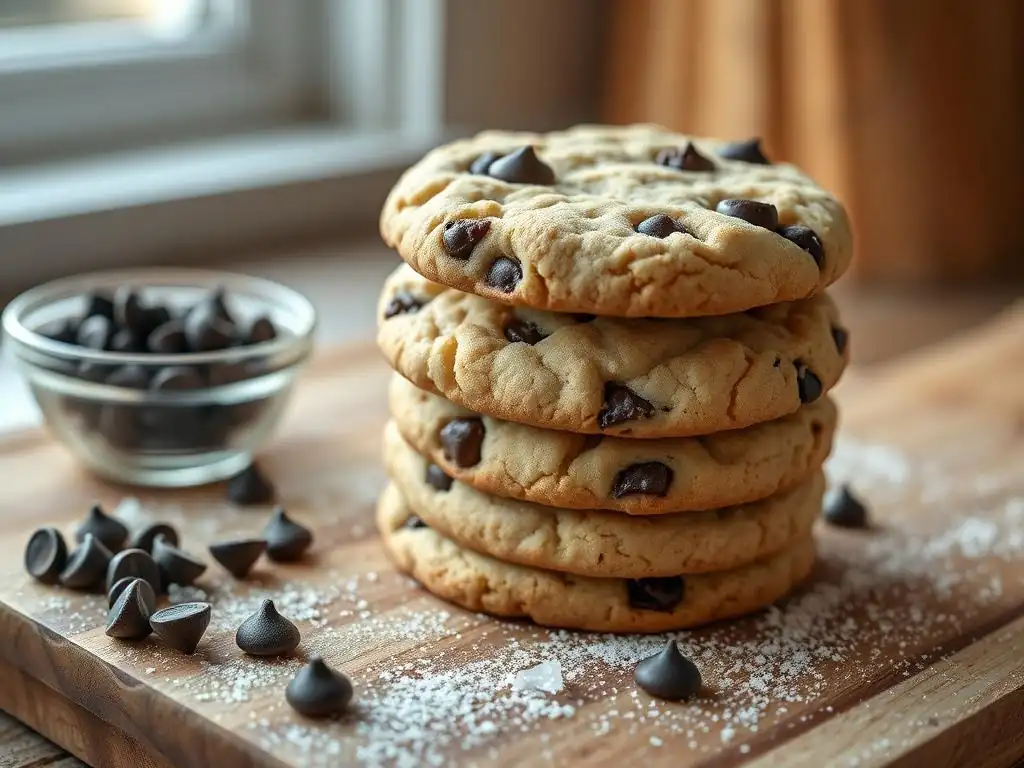
This recipe is a timeless favorite, adapted to be completely nut-free while maintaining that perfect soft, chewy texture. It typically starts with creaming softened nut-free butter (or a dairy-free alternative) with a mix of brown and granulated sugars until light and fluffy. Adding eggs and vanilla extract follows, then the dry ingredients (all-purpose flour, baking soda, salt) are gently mixed in. The final step is folding in plenty of nut-free chocolate chips. Using a mix of milk and semi-sweet chocolate chips can add complexity.
Baking these at 350°F (175°C) for about 9-11 minutes usually yields cookies that are slightly golden at the edges but still soft in the center. Allowing them to rest on the baking sheet for 5 minutes before moving them helps achieve maximum chewiness. A batch using 1 cup of butter, 1 cup brown sugar, and 1/2 cup granulated sugar often yields about 2-3 dozen cookies, perfect for sharing (or not!). These classic nutfree soft chewy cookies are a guaranteed crowd-pleaser.
SunButter, a spread made from roasted sunflower seeds, is an excellent nut-free substitute for peanut butter, offering a similar creamy texture and rich flavor profile. Nut-free SunButter soft cookies often follow a structure similar to peanut butter cookies, using SunButter as a primary fat source alongside butter or shortening. The dough is typically rich and slightly sticky.
These cookies often feature the classic criss-cross pattern pressed with a fork, though this is optional. Baking time is crucial to keep them soft; around 10-12 minutes at 350°F (175°C) is common, pulling them out when they are set but not overly browned. The sunflower seed base gives these nutfree soft chewy cookies a unique, slightly toasty flavor that is both delicious and safe for those avoiding nuts. A standard recipe using 1/2 cup butter and 1 cup SunButter might yield around 2 dozen cookies.
For many, oatmeal raisin cookies must be soft and chewy, and achieving this without nuts is straightforward. The key ingredients are rolled oats (ensure they are certified gluten-free if needed for additional dietary considerations, though this doesn't affect nut-freeness), flour, butter, sugars (primarily brown sugar), eggs, and raisins. The oats provide structure and chewiness.
Adding an extra egg yolk can enhance the chewiness of these nutfree soft chewy cookies. Spices like cinnamon and a pinch of nutmeg are often included for warm flavor. Baking times are similar to chocolate chip cookies, aiming for edges that are set but centers still soft. Using plump, moist raisins makes a difference in the final texture. A typical recipe using 1 cup butter, 1.5 cups flour, and 2 cups rolled oats can produce around 3 dozen satisfyingly soft and chewy nut-free oatmeal raisin cookies.
While often associated with cutout shapes and crisp edges, sugar cookies can absolutely be made wonderfully soft and chewy. The secret lies in the ingredient ratios and minimal handling. Using more butter and less flour than a crisp sugar cookie recipe, along with a higher proportion of brown sugar compared to granulated sugar, helps retain moisture and promote chewiness.
These nutfree soft chewy cookies are often baked as drop cookies rather than rolled and cut, which also contributes to a softer texture. Adding a touch of cream cheese or sour cream to the dough is another trick sometimes used to enhance softness and richness. Baking until just the edges are barely golden ensures the centers remain tender. Simple yet satisfying, these soft sugar cookies are perfect for decorating or enjoying plain. A recipe using 1 cup butter and 1.5 cups sugar might yield 2-3 dozen cookies.
For the serious chocolate lover, a soft and chewy double chocolate cookie is a must-have. This recipe incorporates cocoa powder into the dough itself, along with plenty of chocolate chips or chunks. Using Dutch-process cocoa powder can provide a deeper, richer chocolate flavor compared to natural cocoa. The key to a soft texture here is often a slightly higher fat content and careful baking.
Ensuring the dry ingredients (flour, cocoa powder, baking soda, salt) are well-mixed before adding to the wet ingredients prevents streaks and promotes even leavening. Folding in a generous amount of nut-free chocolate chips (dark, milk, or white) adds extra pockets of melted chocolate, enhancing both flavor and chewiness. Baking until the edges are set but the centers still look slightly moist is essential for these decadent nutfree soft chewy cookies. A batch using 1/2 cup cocoa powder and 1 cup chocolate chips often produces around 2.5 dozen intensely chocolatey cookies.
Moving from soft and chewy to delightfully crisp requires a different approach to ingredients and technique in nut-free baking. Crisp cookies typically have a lower moisture content than their soft counterparts. This is often achieved by using a higher ratio of sugar to flour, and sometimes a higher proportion of granulated sugar compared to brown sugar, as granulated sugar contributes to spread and crispness upon cooling.
Baking time and temperature are also critical. Crisp cookies are usually baked longer and sometimes at a slightly lower temperature than soft cookies, allowing more moisture to evaporate and the sugars to caramelize, which creates that desirable snap. Cooling completely on a wire rack is essential; trapping steam by cooling on a solid surface can make them chewy. Ensuring the dough is not too thick helps them bake through evenly and crisp up properly.
Several ingredients are particularly helpful in creating a crisp nut-free cookie. Butter is fundamental, as its melting and spreading during baking helps create a thin cookie that can crisp up. Using melted butter instead of softened butter can sometimes lead to a crispier edge. Granulated sugar is often the primary sweetener, contributing to spread and caramelization. Some recipes for crisp cookies use shortening, which can prevent excessive spread and lead to a more uniform crispness.
Leavening agents like baking powder, or sometimes a combination of baking soda and baking powder, are used to provide lift and structure, but in amounts that don't result in a cakey texture. Flour is the structural base; ensuring accurate measurement is key. For cookies like shortbread, a higher fat-to-flour ratio and minimal leavening are used to create a tender yet crisp crumb. Vanilla extract and other flavorings are added, but liquids are generally kept to a minimum.
Gingerbread cookies are often loved for their spicy flavor and crisp texture, making them perfect for cutting into festive shapes. A crisp nut-free gingerbread recipe typically uses molasses, which adds color, flavor, and contributes to crispness when baked. Butter, granulated and brown sugars, flour, and a blend of spices like ginger, cinnamon, cloves, and nutmeg are standard.
Rolling the dough thinly (often 1/8 to 1/4 inch) is essential for achieving crispness. Baking time is usually around 10-12 minutes at 350°F (175°C) or slightly lower, until the edges are firm and the surface looks dry. Cooling completely on a wire rack allows them to firm up and develop their characteristic snap. A recipe using 1/2 cup molasses and a few tablespoons of ground ginger can yield several dozen cookies depending on the cutter size.
Classic shortbread is the epitome of a simple, crisp, buttery cookie. Traditionally made with just three ingredients – butter, sugar, and flour – it is naturally nut-free (assuming no cross-contamination). The key to its crisp, melt-in-your-mouth texture is the high butter content and minimal handling.
Shortbread dough is often pressed into a pan or shaped into logs and sliced, rather than dropped. Baking is done at a lower temperature (around 300-325°F or 150-160°C) for a longer time (20-30 minutes or more), allowing the cookie to bake through and crisp up without browning excessively. A standard ratio is 1 part sugar, 2 parts butter, 3 parts flour by weight. A recipe using 1 cup (2 sticks) of butter might yield 16-24 shortbread fingers.
While some prefer soft snickerdoodles, many enjoy them with a slight crisp edge and a chewy center. To lean towards crispness in a nut-free snickerdoodle, you might slightly reduce the cream of tartar (which contributes to chewiness) or increase the baking time slightly. The signature coating of cinnamon sugar is applied before baking.
The dough is typically a simple blend of butter, sugar (often granulated), eggs, flour, and baking soda, with cream of tartar being the distinctive ingredient. Rolling the dough balls generously in cinnamon sugar before baking is key. Baking at 350°F (175°C) for 10-13 minutes, until the edges are set and slightly cracked, will yield a cookie with a satisfying crisp-chewy contrast. A recipe using 1 cup butter and 1.5 cups sugar often yields about 3 dozen cookies.
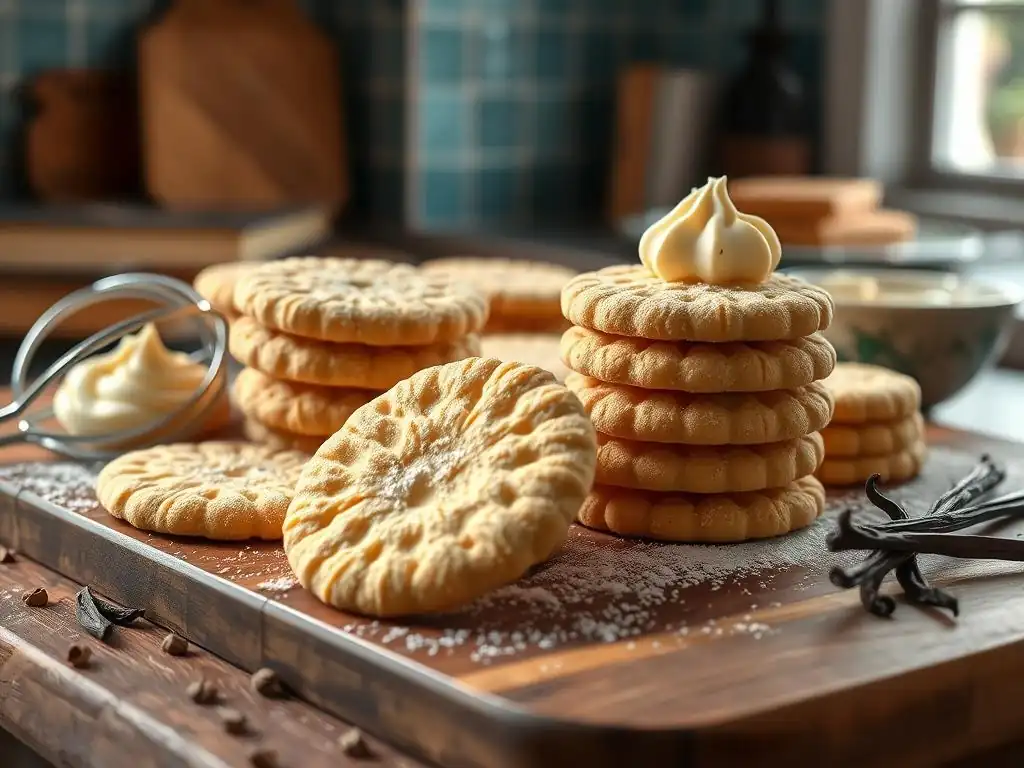
Thin, crisp vanilla wafers are incredibly versatile, perfect for snacking or using in desserts. A nut-free version focuses on achieving a very thin cookie that bakes up light and crisp. Key ingredients include butter, granulated sugar, eggs, flour, and a generous amount of vanilla extract.
The batter is often quite thin, sometimes even dropped by spoonfuls and allowed to spread significantly, or spread thinly on a baking sheet. Baking at around 350°F (175°C) for a short time, perhaps 8-10 minutes, until uniformly golden brown, is essential for crispness. They must be cooled completely to achieve their snap. A recipe using 1/2 cup butter and 1 cup sugar might produce 4-5 dozen small, crisp wafers.
Similar to shortbread but often thinner and potentially using some leavening for a lighter texture, nut-free butter crisp cookies emphasize rich butter flavor and a delicate snap. These often use a simple dough of butter, sugar, flour, and vanilla. Some recipes might include a small amount of baking powder.
The dough is typically rolled or shaped thinly. Baking is done until they are a light golden color throughout, ensuring all moisture has evaporated for maximum crispness. Cooling on a wire rack is crucial. These cookies are wonderfully simple and allow the pure flavor of butter and vanilla to shine. A recipe using 1 cup butter and 1.5 cups flour might yield 2-3 dozen cookies, depending on size and thickness.
Beyond the classic soft and chewy or crisp varieties, the world of nut-free cookies offers a plethora of unique textures and flavor combinations. Exploring different binders, alternative flours (ensuring they are certified nut-free if cross-contamination is a concern), and flavorings can lead to exciting new favorites. Think about cookies that are naturally moist and dense, light and airy, or uniquely textured.
These variations often utilize ingredients like coconut, dried fruits, seeds (like sunflower or pumpkin seeds, ensuring they are processed in a nut-free facility), or even alternative sweeteners and flours to achieve different results. They provide excellent options for adding variety to your baking list and catering to different preferences, all while maintaining the essential nut-free status.
These cookies offer a bright, citrusy flavor profile. The dough is typically a standard butter-based cookie dough infused with lemon zest and juice, and studded with poppy seeds. They can be made soft and chewy or slightly crisp depending on the baking time and ingredients ratio (more brown sugar for soft, more granulated for crisp).
Poppy seeds add a subtle crunch and visual appeal. Using fresh lemon zest provides the most intense lemon flavor. Baking until the edges are set, often around 10-12 minutes at 350°F (175°C), yields a delightful result. A glaze made from powdered sugar and lemon juice can add an extra layer of flavor once cooled. A recipe using zest and juice from one large lemon and 2 tablespoons of poppy seeds might make 2.5 dozen cookies.
12. Nut-Free Coconut Macaroons
Naturally nut-free (though sometimes confused with almond-based French macarons), coconut macaroons are simple, chewy, and sweet cookies made primarily from shredded coconut, sugar, and egg whites. Some recipes include sweetened condensed milk for added moisture and richness.
The mixture is typically scooped or shaped into mounds and baked until golden brown, often around 15-20 minutes at 325-350°F (160-175°C). The result is a wonderfully chewy interior and a slightly crisp exterior. Dipping the bottoms in melted nut-free chocolate is a popular variation. A recipe using 3 cups of shredded coconut and 4 egg whites can yield around 18-24 macaroons.
Adding dried cranberries and white chocolate chips to a classic cookie dough provides a lovely contrast in flavor and texture. The tartness of the cranberries balances the sweetness of the white chocolate. This recipe can be adapted to create nutfree soft chewy cookies or a slightly crisper version.
Starting with a standard nut-free cookie dough base (butter, sugar, eggs, flour, leavening), you fold in dried cranberries and nut-free white chocolate chips. Baking time and temperature depend on the desired texture, but typically around 10-12 minutes at 350°F (175°C) works well for a slightly soft result. A recipe using 1 cup dried cranberries and 1 cup white chocolate chips might yield 2.5-3 dozen cookies.
14. Nut-Free Biscotti
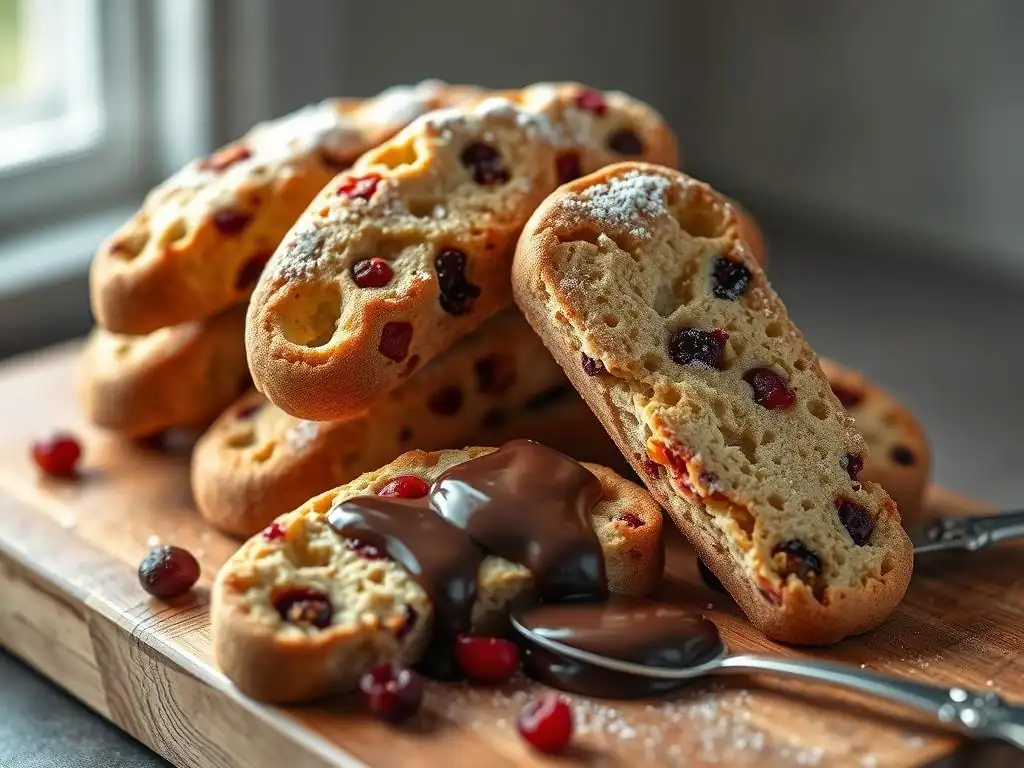
Biscotti, meaning "twice-baked," are known for their dry, crisp texture perfect for dipping in coffee or tea. They are typically made nut-free by omitting nuts and focusing on flour, sugar, eggs, and flavorings like vanilla or anise. Citrus zest is also a common addition.
The dough is shaped into logs, baked until firm, then sliced and baked again at a lower temperature until dry and crisp. This two-step baking process is key to the texture. Common additions include dried fruit or chocolate chips (ensure they are nut-free). A recipe using 3 eggs and 2 cups flour might yield 2-3 dozen biscotti slices.
Light as air and melt-in-your-mouth, meringue cookies are naturally nut-free, made simply from whipped egg whites and sugar, often with vanilla extract. The key is whipping the egg whites to stiff peaks and slowly adding the sugar.
They are baked at a very low temperature (often 200-225°F or 90-110°C) for a long time (60-90 minutes or more) until they are completely dry and crisp throughout. They should cool in the oven after baking. While delicate, they offer a unique, sugar-sweet crunch. A recipe using 3 egg whites and 3/4 cup sugar can produce several dozen small meringue kisses.
Essential Tips for Safe Nut-Free Baking
Preventing Cross-Contamination in Your Kitchen
Ensuring your nut-free cookies are truly safe requires vigilance against cross-contamination. This is the most critical step in nut-free baking. Start by thoroughly cleaning all surfaces, utensils, bowls, and baking sheets that will be used. Even tiny residues of nut proteins can cause a reaction. If you frequently bake with nuts, consider having a separate set of baking tools specifically for nut-free baking.
Carefully check ingredient labels every time you purchase an item, even if it's a product you've used before. Manufacturers can change ingredients or processing methods without notice. Look for "nut-free," "processed in a nut-free facility," or "certified nut-free" labels where possible, especially for ingredients like chocolate chips, sprinkles, flours, and extracts. Avoid bulk bins, as cross-contamination risk is very high. Wash your hands thoroughly before you begin baking and at various stages of the process.
Identifying Nut-Free Ingredients and Substitutes
Identifying safe ingredients is paramount. Flour, sugar, salt, baking soda, baking powder, eggs, butter (dairy), and most oils are typically nut-free, but always check labels. Vanilla extract should be pure vanilla extract, as imitation vanilla can sometimes contain unexpected ingredients (though this is rare). For fats, use butter, vegetable shortening, or oils like canola, sunflower (ensure it's processed nut-free), or coconut oil.
When a recipe calls for nuts or nut butter, use appropriate substitutes. SunButter is a popular and safe alternative to peanut butter for many. For chopped nuts, safe substitutes include roasted seeds (like pumpkin or sunflower seeds from a nut-free facility), toasted coconut flakes (if coconut is not an issue), or even crunchy nut-free cereals crushed up. For flavor, consider using spices, extracts (like maple or almond extract, which is typically synthetic and nut-free, but verify! ), or dried fruit. Be creative and experiment with different safe ingredients to find your favorite flavor and texture combinations.
BakeWithEase: Your Resource for Allergen-Friendly Baking.
Baking nut-free cookies opens up a world of possibilities, allowing everyone to partake in the simple pleasure of a homemade treat. Whether you're craving nutfree soft chewy cookies, delightfully crisp snaps, or something uniquely textured, the recipes and techniques are accessible and rewarding. By understanding the role of ingredients, mastering baking methods, and prioritizing safety through preventing cross-contamination, you can bake delicious cookies that are safe for those with nut allergies.
At BakeWithEase, we are committed to providing you with the knowledge and resources to bake confidently for all dietary needs. Our guides, tips, and recipes are designed to help you navigate allergen-friendly baking with ease and success. From selecting the right nut-free chocolate chips to understanding how to get that perfect chewy texture, we're here to support your baking journey. Enjoy the process, share your creations, and savor the joy of safe, homemade nut-free cookies!
Frequently Asked Questions
Always double-check all ingredient labels to confirm they are produced in a nut-free facility. Cross-contamination is a major concern, so choose products carefully.
Using brown sugar and melted butter contributes to a soft and chewy texture. Also, avoid over-baking; slightly underbaked cookies are softer.
While some substitutions are possible, it’s important to consider how they'll affect the final result. Changing flour types or sugar ratios can impact texture.
Are these recipes suitable for beginners?
Many of the recipes are designed with beginners in mind, focusing on easy-to-follow steps and readily available ingredients. Look for recipes marked as "beginner-friendly."
What are some common nut-free alternatives I can use in baking?
Sunflower seed butter, tahini, and soy butter are common nut-free substitutes for nut butters. Always verify the source and processing to ensure they are truly nut-free.
Final Reflection: The Enduring Sweetness of Inclusion
The demand for nut-free baking isn't just a trend; it's a crucial aspect of ensuring food safety and inclusivity. These fifteen recipes, ranging from soft and chewy to delightfully crisp, represent more than just delicious treats; they represent a commitment to making enjoyment accessible to everyone. The rising awareness of allergies and dietary restrictions underscores the importance of providing delicious alternatives that don't compromise on taste or texture.
Creating these recipes has been a journey of discovery, highlighting the incredible versatility of ingredients often overlooked in traditional baking. The process underscored the importance of careful ingredient selection and precise techniques to achieve the perfect texture and flavor profile, even without nuts. Baking is a labor of love, and the reward is a moment of shared joy.
This sentiment rings especially true when considering the joy these nut-free cookies bring to those with allergies, allowing them to participate fully in the simple pleasure of a delicious cookie.
Now, I invite you to explore the possibilities. Don't just bake these cookies; bake them with intention. Consider the impact of inclusivity, not just in the kitchen, but in all aspects of life. Experiment with the recipes, adapt them to your own preferences, and share the delicious results with friends and family. Let these cookies be a symbol of deliciousness, accessibility, and the enduring power of thoughtful baking.
Thanks for joining us on this delicious journey through the world of nut-free cookies! We hope you've discovered some inspiring new recipes to add to your baking repertoire. Now it's time to get baking!
- Dive into your favorite recipe: Choose one of the 15 delicious nut-free cookie recipes and get baking today! Let the sweet aroma fill your kitchen!
- Share your baking triumph: Show off your cookie creations on social media using #BakeWithEaseNutFree. We’d love to see your delicious results!
- Explore more nut-free treats: Discover even more exciting allergy-friendly recipes on our website – we've got cakes, brownies, and more waiting to be explored!
Ready to transform your kitchen into a haven of delicious, nut-free cookies? What's your favorite type of cookie to bake? Let us know in the comments!