
10 Tips for Moist GlutenFree Vanilla Cake That Rivals WheatBased Recipes

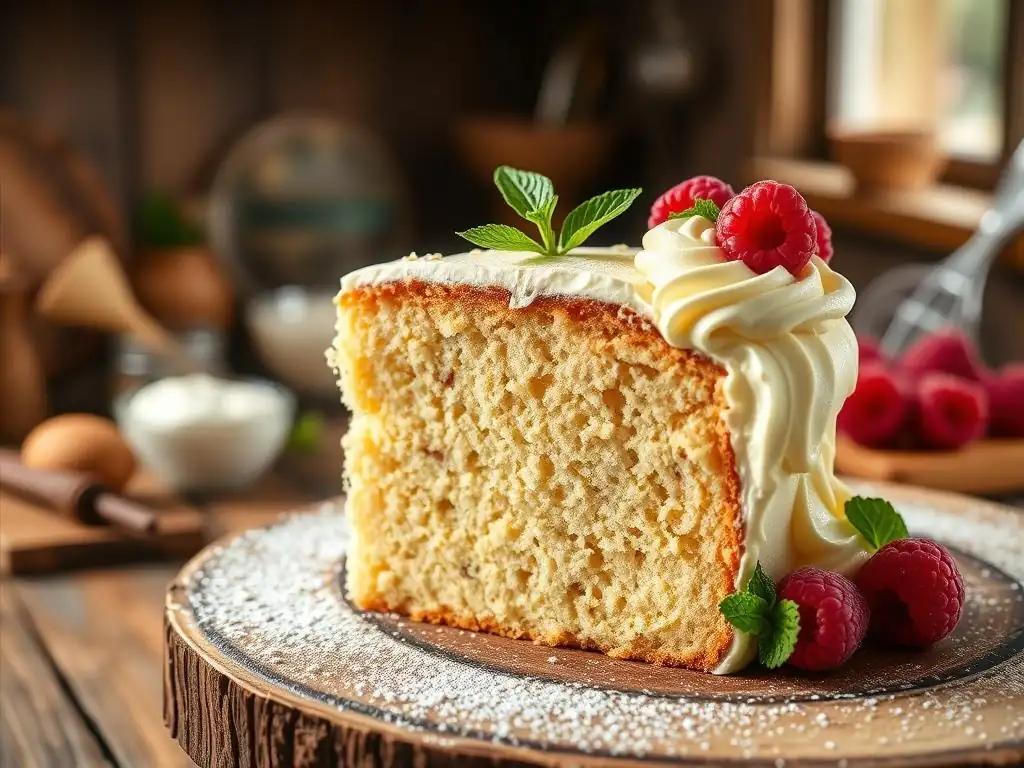
Welcome to BakeWithEase, your haven for baking bliss! Ever dreamt of a perfectly moist gluten-free vanilla cake that rivals the real deal? You're in the right place! We've unlocked the secrets to achieving that delicate crumb and irresistible flavor. Intrigued? Discover our top 10 tips to elevate your gluten-free baking game and create a vanilla cake that will leave everyone craving more! Get ready to bake with ease and brilliance.
- 10 Tips for a Deliciously Moist Gluten-Free Vanilla Cake That Rivals Wheat-Based Recipes
- Introduction: Achieving Gluten-Free Vanilla Cake Perfection
- Tip 1: The Right Gluten-Free Flour Blend is Key for a Moist Texture
- Tip 2: Incorporate Moisture-Boosting Ingredients in Your Gluten-Free Cake Batter
- Tip 3: Don't Overmix Your Gluten-Free Vanilla Cake Batter
- Tip 4: Using the Right Amount of Liquid for a Hydrated Cake
- Tip 5: Bake Low and Slow for Even Cooking and Moisture Retention
- Tip 6: Add a Touch of Fat to Create a Tender Crumb
- Tip 7: Allow the Gluten-Free Vanilla Cake to Cool Completely Before Frosting
- Tip 8: Enhance the Vanilla Flavor for a Richer Taste Experience
- Tip 9: Consider Adding a Simple Syrup for Extra Moisture
- Tip 10: Proper Storage for Maintaining a Moist Gluten-Free Vanilla Cake
-
Frequently Asked Questions
- How can I ensure my gluten-free vanilla cake doesn't turn out dry?
- What types of gluten-free flours work best for a moist vanilla cake?
- Can I substitute regular vanilla extract with something else to enhance the flavor?
- What's the best way to store a gluten-free vanilla cake to keep it moist?
- Why is my gluten-free vanilla cake gummy, and how can I prevent it?
- Final Reflection: The Sweet Triumph of Gluten-Free Baking
- Unlock Your Gluten-Free Baking Potential!
10 Tips for a Deliciously Moist Gluten-Free Vanilla Cake That Rivals Wheat-Based Recipes
Introduction: Achieving Gluten-Free Vanilla Cake Perfection
Baking a truly moist gluten-free vanilla cake can sometimes feel like a challenge. Without the elastic structure provided by gluten, cakes made with alternative flours can often turn out dry, crumbly, or dense. However, with the right techniques and ingredients, it's absolutely possible to create a gluten-free vanilla cake that is not only tender and flavorful but also wonderfully moist – a cake so good, it might just rival its wheat-based counterparts. This guide will walk you through ten essential tips to help you achieve that perfect, moist texture every time you bake a gluten-free vanilla cake.
Many bakers transitioning to gluten-free face frustrations with texture. Standard wheat flour recipes rely on gluten development for structure and crumb. When you remove gluten, you need to find alternative ways to bind ingredients, provide structure, and, crucially, retain moisture. Our goal here is to demystify the process and equip you with practical strategies to ensure your next gluten-free vanilla cake is a resounding success, delivering that desirable moist crumb you've been dreaming of.
Tip 1: The Right Gluten-Free Flour Blend is Key for a Moist Texture
Understanding Gluten-Free Flour Blends for Cakes
Gluten-free baking relies heavily on the specific blend of flours used. A single-ingredient gluten-free flour like rice flour or almond flour alone often won't yield the desired texture for a cake. Effective blends typically combine a mix of starchy flours (like tapioca starch, cornstarch, or potato starch) for tenderness and lightness, with more protein-rich flours (like brown rice flour, sorghum flour, or almond flour) for structure and flavor. The ratio of these components significantly impacts moisture absorption and retention, directly influencing how moist your gluten-free vanilla cake will be.
Different brands and homemade blends vary widely in their composition. Some blends are designed as cup-for-cup replacements for wheat flour, while others require recipe adjustments. A blend that is too high in absorbent flours can lead to a dry cake, while one lacking sufficient starch might result in a dense or gummy texture. Understanding the basic types of flours in your blend – their absorbency and properties – is the first step to troubleshooting or perfecting your moist gluten-free vanilla cake recipe.
Recommended Gluten-Free Flour Blends for Vanilla Cake Recipes
For a reliably moist gluten-free vanilla cake, look for blends that are specifically formulated for cakes or general baking, often labeled as "all-purpose gluten-free blend." Many successful blends include a balance, such as a mix of brown rice flour, white rice flour, tapioca starch, and potato starch. Some popular commercially available blends, like King Arthur Gluten-Free Measure for Measure Flour or Bob's Red Mill 1-to-1 Baking Flour, are often good starting points, as they are designed to mimic wheat flour's behavior closely.
Alternatively, creating your own blend allows for customization. A common ratio might be around 40% whole grain gluten-free flour (like brown rice or sorghum), 40% starchy flour (like tapioca or potato starch), and 20% nut or seed flour (like almond or millet) or a binder like xanthan gum (often included in commercial blends, typically around 0.5-1% by weight). Experimentation with different blends and ratios is key to finding the one that gives you the perfect moist gluten-free vanilla cake.
Tip 2: Incorporate Moisture-Boosting Ingredients in Your Gluten-Free Cake Batter
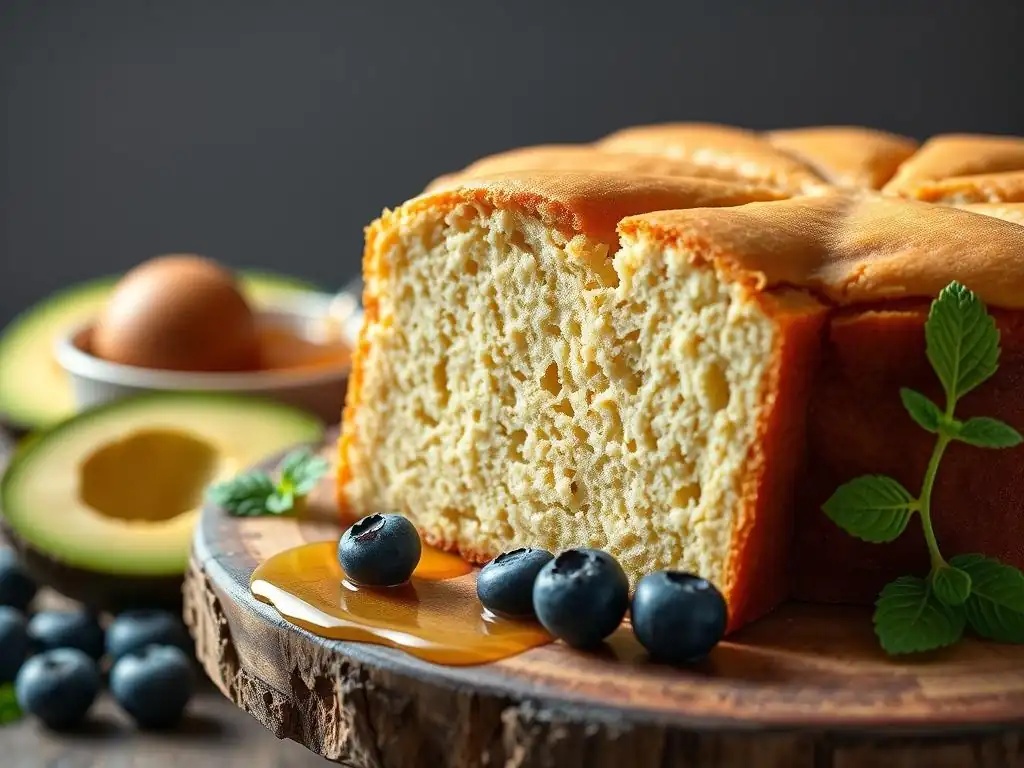
Adding Yogurt or Sour Cream for Enhanced Moistness
Dairy products like yogurt or sour cream are excellent additions to gluten-free cake batter for boosting moisture. Their fat and protein content contribute to a tender crumb, while their acidity helps activate baking soda, leading to a lighter texture. The tanginess also complements the sweetness of a vanilla cake beautifully. Using full-fat plain yogurt or sour cream typically yields the best results for a moist gluten-free vanilla cake.
When substituting, you can often replace some of the liquid or fat called for in a recipe with an equal amount of yogurt or sour cream. For instance, replacing half a cup of milk or a quarter cup of butter with yogurt can make a noticeable difference in the final texture, resulting in a significantly more moist gluten-free vanilla cake. Start with a small amount, perhaps 1/4 to 1/2 cup per standard cake recipe, and observe the results.
Using Applesauce or Mashed Banana in Gluten-Free Vanilla Cake
Fruit purées like unsweetened applesauce or ripe mashed banana are fantastic plant-based options for adding moisture and tenderness to gluten-free cakes. They contribute natural sweetness and fiber, which helps retain moisture during baking. While they can impart a subtle flavor, unsweetened applesauce is relatively neutral and works well in vanilla cake without overpowering the vanilla notes.
These purées can often replace some of the fat (like oil or butter) in a recipe. For example, replacing half the amount of oil with applesauce is a common technique. If a recipe calls for 1/2 cup of oil, you could use 1/4 cup oil and 1/4 cup applesauce. Start with replacing a portion of the fat, as replacing all of it might affect the cake's structure and richness. Using these ingredients is a simple way to ensure a delightfully moist gluten-free vanilla cake.
Tip 3: Don't Overmix Your Gluten-Free Vanilla Cake Batter
The Importance of Gentle Mixing Techniques
Even in gluten-free baking, where gluten development isn't a concern, proper mixing technique is crucial for a tender and moist cake. Overmixing can incorporate too much air initially, leading to a cake that rises too quickly and then collapses, resulting in a dense, dry crumb. It can also overdevelop binders like xanthan gum, making the cake gummy or rubbery. The goal is to mix just until the ingredients are combined and no dry streaks of flour remain.
Use a mixer on a low speed or mix by hand with a whisk or spatula. Add dry ingredients to wet ingredients and mix until just combined. The batter might still look slightly lumpy; that's okay. Gentle mixing ensures that leavening agents work effectively and evenly, contributing to a fine, moist crumb in your gluten-free vanilla cake.
Overmixing and its Impact on Gluten-Free Cake Texture
When gluten-free batter is overmixed, it can lead to several undesirable textures. The most common is a tough or gummy texture, especially if the blend contains xanthan gum or other hydrocolloids that become stringy when agitated excessively. Overmixing also tends to create tunnels or an uneven crumb structure within the cake.
Beyond texture issues, overmixing can impact the cake's ability to retain moisture. An overworked batter bakes differently, potentially drying out faster in the oven. For a truly moist gluten-free vanilla cake, treat the batter gently after the dry ingredients are added. Stop mixing as soon as everything is just incorporated.
Tip 4: Using the Right Amount of Liquid for a Hydrated Cake
Finding the Perfect Liquid-to-Flour Ratio in Gluten-Free Baking
The amount of liquid needed in a gluten-free cake recipe can vary significantly depending on the specific flour blend used. Different gluten-free flours absorb liquid at different rates. For example, brown rice flour tends to be more absorbent than white rice flour or tapioca starch. Generic cup-for-cup ratios might not always translate perfectly, and sometimes a gluten-free recipe requires slightly more liquid than its wheat-based equivalent to achieve a moist batter consistency.
A good starting point for many gluten-free cake batters is a consistency that is thicker than pancake batter but pourable. It should fall easily off a spoon or spatula. If the batter looks very thick or paste-like, it likely needs a touch more liquid (milk, buttermilk, or even water). Adding liquid incrementally, perhaps 1-2 tablespoons at a time, and mixing gently until the desired consistency is reached can prevent a dry, crumbly moist gluten-free vanilla cake.
Adjusting Liquid Levels Based on Flour Blend
Pay attention to the specific gluten-free flour blend you are using. Some blends, especially those high in whole-grain flours or binders, require more hydration time. It can be beneficial to let the batter rest for 5-10 minutes before baking, allowing the flours to fully absorb the liquid. This helps prevent a dry texture and ensures a more evenly baked, moist gluten-free vanilla cake.
If you find your cakes are consistently dry with a particular blend, try increasing the liquid slightly in your next batch. Conversely, if they are too wet or gummy, you might need to slightly reduce the liquid or adjust the flour blend ratio. Keeping notes on your adjustments and results will help you perfect the liquid balance for your preferred moist gluten-free vanilla cake recipe.
Tip 5: Bake Low and Slow for Even Cooking and Moisture Retention
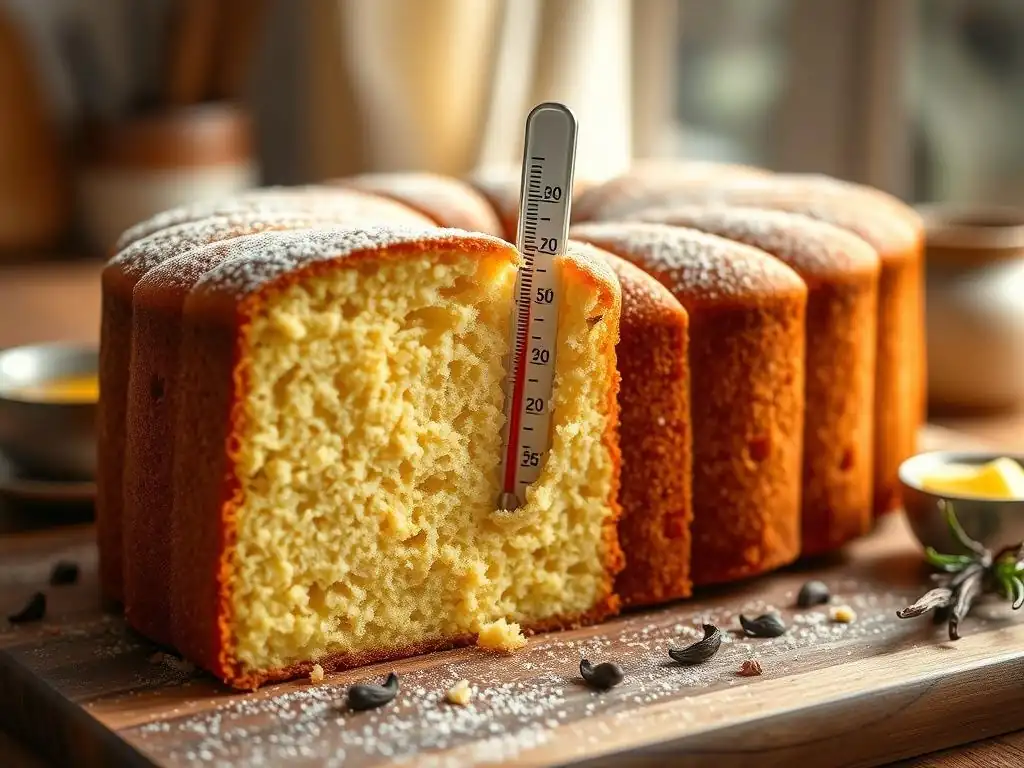
The Benefits of Lower Baking Temperatures
Baking at a slightly lower temperature for a longer time can dramatically improve the moisture content of a gluten-free cake. High temperatures can cause the outside of the cake to set and dry out too quickly before the inside is fully cooked. A lower temperature, such as 325°F to 350°F (160°C to 175°C), allows the cake to bake more evenly from edge to center.
This gentle, slower cooking process gives the moisture within the batter more time to distribute and set within the cake's structure, rather than evaporating rapidly. It helps create a tender crumb and prevents the formation of a thick, dry crust. Baking low and slow is a simple yet effective technique for ensuring a moist gluten-free vanilla cake.
Preventing Dry Edges and a Gummy Center
Baking at too high a temperature or for too long can lead to dry, overcooked edges and potentially an undercooked or gummy center, especially in gluten-free cakes which can be less forgiving. The lower temperature helps mitigate this risk, ensuring the entire cake bakes at a more consistent rate.
Monitor your cake closely during the last 10-15 minutes of baking time. A toothpick inserted into the center should come out with a few moist crumbs, not completely clean (which indicates it might be slightly overbaked) or with wet batter. Adjust baking time based on your oven's calibration and the specific pan size, but prioritizing a lower temperature is key to a beautifully baked, moist gluten-free vanilla cake.
Tip 6: Add a Touch of Fat to Create a Tender Crumb
Choosing the Right Fats: Butter vs. Oil in Gluten-Free Cakes
Fat plays a critical role in tenderizing cakes by coating flour particles and preventing them from forming a tough structure. In gluten-free baking, where there's no gluten network to provide structure, fat is even more important for achieving a tender and moist crumb. Both butter and oil work, but they contribute differently. Butter adds flavor and helps with creaming (incorporating air), contributing to a finer crumb. Oil, being 100% fat (compared to butter's ~80% fat and ~20% water/solids), tends to produce a more consistently moist cake that stays soft longer.
Using a liquid fat like vegetable oil, canola oil, or melted coconut oil in your gluten-free vanilla cake batter can significantly enhance moisture retention. While creaming butter and sugar is a traditional cake method that adds air, incorporating oil often results in a denser, but undeniably more moist, crumb. Many successful moist gluten-free vanilla cake recipes use a combination of butter for flavor and oil for moisture.
The Role of Fat in Gluten-Free Cake Structure
Beyond moisture, fat interferes with the binding action of starches and gums in gluten-free blends. This interference prevents the cake from becoming tough or rubbery, which can be a common issue in gluten-free baking if not enough fat is present or if the batter is overworked. Fat essentially lubricates the structure, making the cake feel more tender and melt-in-your-mouth.
Ensure you use the amount of fat specified in a reliable gluten-free recipe, or consider slightly increasing it if you are adapting a recipe and finding it dry. For instance, if a recipe calls for 1/2 cup of butter, using 1/4 cup butter and 1/4 cup oil might improve moisture while retaining some butter flavor. The right amount and type of fat are non-negotiable for a moist gluten-free vanilla cake.
Tip 7: Allow the Gluten-Free Vanilla Cake to Cool Completely Before Frosting
Preventing Crumbly Cakes with Proper Cooling Techniques
It might be tempting to frost a cake while it's still warm, but this is a recipe for disaster, especially with gluten-free cakes which can be more delicate and prone to crumbling. As the cake cools, its internal structure sets and stabilizes. Attempting to move, handle, or frost a warm gluten-free cake will likely result in it breaking apart or crumbling excessively.
Allowing the cake to cool in the pan for the first 10-15 minutes before inverting it onto a cooling rack is crucial. This initial cooling period in the pan allows the edges to firm up. Once on the cooling rack, the cake needs to cool completely, usually for at least 1-2 hours depending on size, before any frosting or cutting takes place. Patience here is key to a structurally sound and moist gluten-free vanilla cake.
Cooling Rack Essentials for Gluten-Free Baking
Cooling racks are essential because they allow air to circulate around the entire cake, promoting even cooling. Placing a hot cake directly on a solid surface can trap heat and steam, leading to a soggy bottom. For gluten-free cakes, which can sometimes be more delicate, using a sturdy cooling rack prevents the cake from sticking and allows excess moisture (steam) to escape evenly.
Ensure your cooling rack is large enough for the cake layers and placed on a stable surface. Once cooled, the structure of your moist gluten-free vanilla cake will be firm enough to handle frosting without falling apart, resulting in a much better presentation and texture.
Tip 8: Enhance the Vanilla Flavor for a Richer Taste Experience
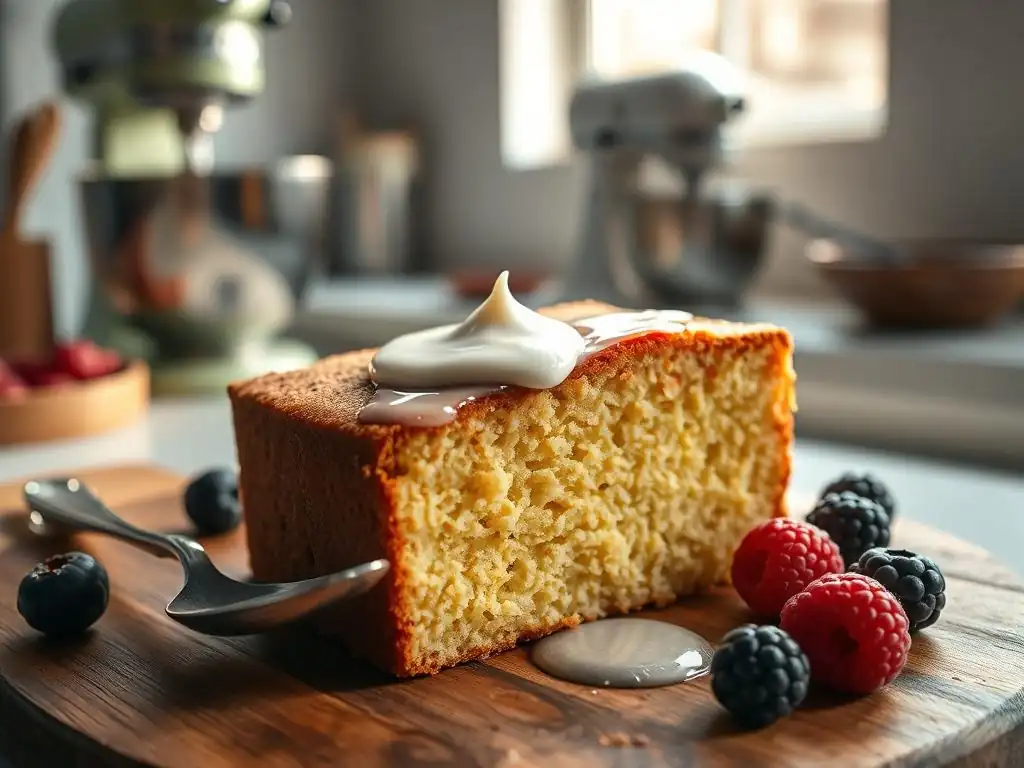
Choosing High-Quality Vanilla Extract
While not directly impacting moisture, using high-quality vanilla extract significantly enhances the overall flavor of your moist gluten-free vanilla cake, making it truly enjoyable. Pure vanilla extract, made from vanilla beans, offers a complex and rich flavor profile compared to artificial vanilla flavoring. The subtle nuances of a good vanilla can transform a plain cake into something special.
Look for pure vanilla extract without added sugars or artificial colors. The origin of the vanilla beans (e.g., Madagascar, Mexican, Tahitian) can also influence the flavor, offering different notes from creamy and sweet to smoky or floral. Experiment to find your preference, but always opt for pure extract for the best results in your moist gluten-free vanilla cake.
Using Vanilla Bean Paste or Vanilla Powder
For an even more intense and authentic vanilla flavor, consider using vanilla bean paste or vanilla powder. Vanilla bean paste contains the seeds of the vanilla bean suspended in a thick syrup, providing visible flecks of vanilla bean and a robust flavor. Vanilla powder, made from dried and ground vanilla beans, offers a concentrated flavor and is ideal when you want to avoid adding extra liquid.
These alternatives provide a deeper, more complex vanilla profile than extract alone. You can often substitute vanilla bean paste 1:1 for extract, while vanilla powder is more potent and requires less (check package instructions). Including these in your recipe ensures that the vanilla flavor shines through in your moist gluten-free vanilla cake.
Tip 9: Consider Adding a Simple Syrup for Extra Moisture
How to Make a Basic Simple Syrup for Cakes
Simple syrup is a baker's secret weapon for adding and preserving moisture in cakes. It's incredibly easy to make: combine equal parts sugar and water in a saucepan (e.g., 1 cup sugar to 1 cup water), heat and stir until the sugar is dissolved, then let it cool completely. For added flavor in a moist gluten-free vanilla cake, you can infuse the syrup with a vanilla bean, lemon zest, or other flavorings while it's heating.
Once cooled, the syrup can be brushed or drizzled onto the cake layers. The sugar in the syrup helps attract and hold onto moisture, preventing the cake from drying out over time. This technique is particularly effective for layer cakes where the syrup can be applied to the cut surfaces.
Applying Simple Syrup to Your Gluten-Free Vanilla Cake
After your gluten-free vanilla cake layers have cooled completely, gently brush or drizzle the cooled simple syrup over the top surface. Use a pastry brush for even coverage or a spoon for a more targeted application. Don't oversaturate the cake; you want it moist, not soggy. A few tablespoons per layer are usually sufficient for a standard 8 or 9-inch cake.
Applying simple syrup is an excellent way to ensure your moist gluten-free vanilla cake stays tender for several days. It works especially well for cakes that will be refrigerated, as refrigeration can sometimes cause cakes to dry out. This step adds an extra layer of insurance for a consistently moist and delicious result.
Tip 10: Proper Storage for Maintaining a Moist Gluten-Free Vanilla Cake
Best Practices for Storing Gluten-Free Cakes
Proper storage is essential for keeping your hard-earned moist gluten-free vanilla cake fresh and tender. Air is the enemy of moisture in baked goods. Once the cake has cooled completely and is frosted (if applicable), store it in an airtight container. A cake dome, a cake carrier with a lid, or even wrapping individual slices tightly in plastic wrap and then placing them in a container can help.
If the cake is unfrosted, you can wrap the layers tightly in plastic wrap before storing them in an airtight container. This minimizes exposure to air and helps retain the internal moisture. Proper storage ensures that the moist texture you achieved through careful baking techniques lasts as long as possible.
Preventing Staling and Drying Out
Storing the cake at room temperature is often best for maintaining a soft, moist texture, provided it doesn't contain highly perishable fillings or frostings that require refrigeration. If refrigeration is necessary (e.g., cream cheese frosting), ensure the cake is well-wrapped to protect it from the drying environment of the refrigerator.
For longer storage, unfrosted gluten-free cake layers can be wrapped tightly in plastic wrap, then foil, and frozen for up to 2-3 months. Thaw them in the refrigerator overnight before bringing them to room temperature to frost. By following these storage tips, you can enjoy a wonderfully moist gluten-free vanilla cake for days after baking.
Frequently Asked Questions
How can I ensure my gluten-free vanilla cake doesn't turn out dry?
To avoid a dry gluten-free vanilla cake, focus on using ingredients that add moisture like applesauce or yogurt. Also, be sure not to overbake the cake.
What types of gluten-free flours work best for a moist vanilla cake?
A blend of gluten-free flours like rice flour, tapioca starch, and almond flour often produces the best results. Using a high-quality blend is key for texture.
Can I substitute regular vanilla extract with something else to enhance the flavor?
Yes, you can use vanilla bean paste or vanilla powder for a more intense vanilla flavor. Also, adding a touch of almond extract complements the vanilla nicely.
What's the best way to store a gluten-free vanilla cake to keep it moist?
Store the cake in an airtight container at room temperature for up to three days. Alternatively, you can freeze it for longer storage, wrapped tightly in plastic wrap.
Why is my gluten-free vanilla cake gummy, and how can I prevent it?
A gummy texture is often caused by using too much starch or not enough binding agents like xanthan gum. Ensure you measure ingredients accurately and use a well-balanced recipe.
Final Reflection: The Sweet Triumph of Gluten-Free Baking
The quest for a truly moist and delicious gluten-free vanilla cake is no longer a culinary challenge; it's a delicious reality. This article has explored ten key techniques that elevate gluten-free baking from a frustrating endeavor to a consistently rewarding experience, proving that a moist, tender cake is achievable without wheat. The recipes and tips shared here empower home bakers to confidently tackle this often-misunderstood area of baking.
The impact of gluten-free baking extends far beyond simply accommodating dietary restrictions. It represents a growing movement towards inclusivity and accessibility in the culinary world, allowing individuals with celiac disease or gluten sensitivities to fully participate in the joy of baking and sharing delicious treats. Baking is at its heart a labor of love. When you share something you've baked, you're sharing a piece of yourself.
This sentiment rings especially true for those who have historically been excluded from the ease and enjoyment of traditional baking. The techniques outlined in this article help bridge that gap, fostering a sense of empowerment and connection through shared culinary experiences.
Now, it's your turn. Consider the tips and techniques you've learned today. Don't be afraid to experiment, to tweak the recipes to your own taste, and to embrace the journey of gluten-free baking. The next time you crave a moist, flavorful vanilla cake, remember the power you hold to create something truly special – something that rivals, and perhaps even surpasses, its wheat-based counterparts. The sweet taste of success awaits!
Unlock Your Gluten-Free Baking Potential!
Thanks for joining us on this delicious journey into the world of moist, gluten-free vanilla cake! We hope you've gained valuable insights and are ready to bake something amazing. Now it's time to put your new knowledge into practice.
- Bake the Perfect Cake: Try out one (or all!) of the tips from the article and let us know how your gluten-free vanilla cake turns out! We're confident you’ll be thrilled with the results.
- Share Your Success: Post a picture of your masterpiece on social media using #BakeWithEaseGlutenFree – we'd love to see it!
- Explore More Gluten-Free Recipes: Dive deeper into our collection of delicious gluten-free recipes on BakeWithEase.com for even more baking inspiration.
What unique twist will you add to your next gluten-free vanilla cake creation? Let's hear about it in the comments below!