
Aquafaba 101: How to Use Chickpea Brine as an Egg Replacement in Baking

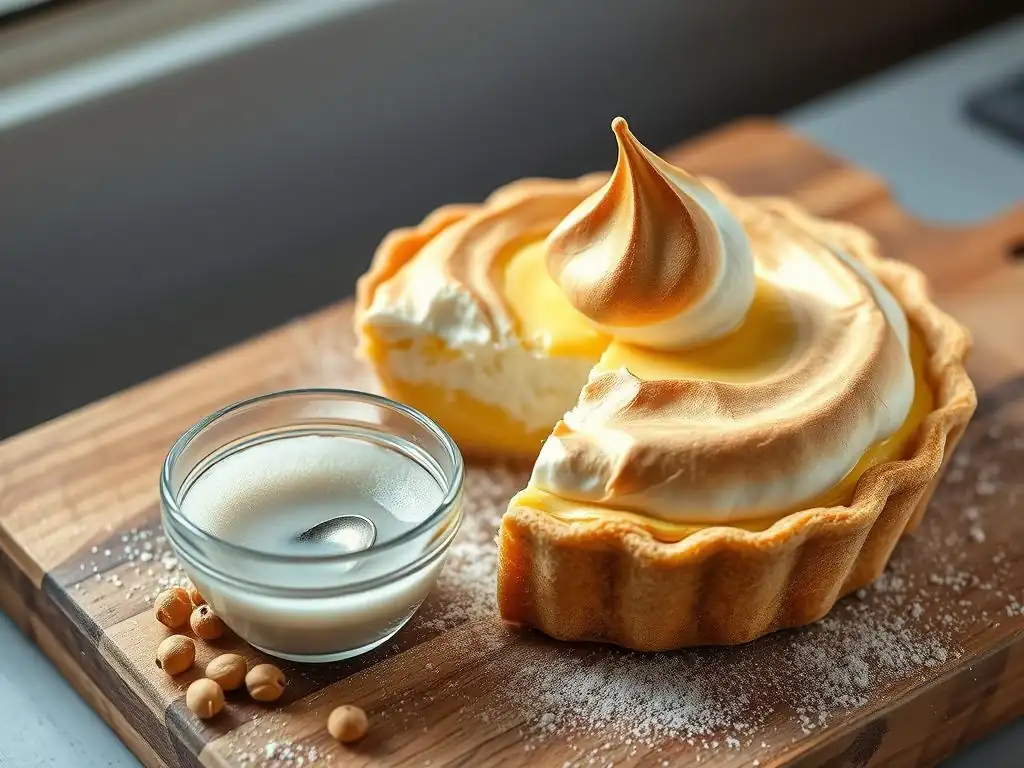
Welcome to BakeWithEase, your partner in culinary adventures! Ever wondered if that liquid from your can of chickpeas could be a secret weapon in your baking arsenal? Prepare to be amazed! Dive into our guide and discover everything you need to know about aquafaba egg replacement baking – a revolutionary technique that's transforming vegan and allergen-friendly treats. Ready to unlock the potential of this surprising ingredient and elevate your baking? Let's get started!
Welcome to the fascinating world of aquafaba! If you're exploring egg-free baking or simply curious about clever culinary hacks, aquafaba is a game-changer. It's the liquid you find in a can of chickpeas or the water leftover from cooking dried chickpeas. This humble brine has incredible properties that make it a surprisingly effective substitute for eggs in many baking applications.
- What is Aquafaba and Why Use it in Baking?
- Making Aquafaba: A Step-by-Step Guide
- Aquafaba Egg Replacement Baking: A Practical Guide
- Aquafaba Baking Recipes: Putting Theory into Practice
- Troubleshooting Aquafaba Baking: Common Issues and Solutions
- Beyond the Basics: Advanced Aquafaba Techniques
- Conclusion: Mastering Aquafaba for Egg-Free Baking
- Frequently Asked Questions
- Final Reflection: Unlocking the Power of the Humble Chickpea Brine
- Unlock the Secrets of Aquafaba Baking!
What is Aquafaba and Why Use it in Baking?
Aquafaba, derived from the Latin words for "water" and "bean," is the viscous liquid left behind after cooking legumes like chickpeas. It gained popularity in the vegan community around 2015 when bakers discovered its remarkable ability to mimic the functional properties of egg whites, particularly its capacity to emulsify, bind, thicken, and, most famously, whip into a stiff foam.
Understanding Aquafaba: The Magic of Chickpea Brine
The magic of aquafaba lies in its composition. It contains a complex mixture of proteins, starches, saponins, and other soluble plant solids that leach into the cooking water from the chickpeas. While the exact composition can vary slightly depending on the type of chickpea and cooking method, these dissolved compounds are what give aquafaba its unique viscosity and foaming ability. It's this intricate mix that allows it to perform functions similar to egg proteins in baked goods, aiding in structure, moisture retention, and leavening.
Think of it as nature's binder and aerator. The starches contribute to its thickening properties, while the proteins and saponins enable it to trap air when whipped, creating stable foams much like meringue made from egg whites. This makes aquafaba a crucial ingredient for successful aquafaba egg replacement baking, opening up possibilities for vegan versions of traditionally egg-heavy recipes. The concentration of these compounds is key, which is why the brine from canned chickpeas, having been reduced during canning, often performs more reliably than home-cooked aquafaba unless the latter is intentionally reduced.
Benefits of Using Aquafaba as an Egg Substitute
Using aquafaba as an egg substitute offers several compelling advantages. Firstly, it's a fantastic option for individuals with egg allergies or sensitivities, providing a safe way to enjoy baked treats. Secondly, it's a staple in vegan baking, allowing for the creation of delicious desserts and savories without animal products. Beyond dietary needs, aquafaba is incredibly cost-effective, essentially utilizing a byproduct that might otherwise be discarded.
Furthermore, aquafaba is relatively neutral in flavor, especially when used in baked goods where other ingredients mask any subtle bean undertones. This makes it versatile for both sweet and savory recipes. Its ability to create stable foams is particularly beneficial for achieving light textures in meringues, mousses, and certain cakes, skills essential for mastering aquafaba egg replacement baking. It also adds moisture and acts as a binder in cookies, brownies, and even some bread recipes.
Aquafaba for Vegan Baking and Allergy-Friendly Recipes
Aquafaba has revolutionized vegan baking. Before its widespread adoption, achieving structures and textures typically reliant on eggs, such as airy meringues or perfectly chewy macarons, was incredibly challenging. Aquafaba provides a direct, plant-based alternative that performs these specific functions. It's become a cornerstone ingredient for many vegan bakers, allowing them to replicate classic recipes with impressive results.
For allergy-friendly baking, aquafaba is a godsend. It offers a readily available and inexpensive option for replacing eggs in a wide range of recipes. Whether you're baking for someone with an egg allergy or simply exploring plant-based options, incorporating aquafaba into your baking repertoire expands the possibilities significantly. From light sponges to rich fudgy brownies, aquafaba egg replacement baking makes delicious treats accessible to more people.
Making Aquafaba: A Step-by-Step Guide
While the most common source of aquafaba is the liquid from canned chickpeas, you can also make it yourself from dried chickpeas. The key is to get the right consistency, as the concentration of starches and proteins is crucial for its performance in baking.
Choosing the Right Chickpeas for Optimal Aquafaba
For the most consistent and reliable aquafaba, many bakers recommend using the liquid from canned chickpeas. Different brands can yield slightly different results, so experimenting might be necessary to find one you prefer. Look for cans where the only ingredients listed are chickpeas, water, and possibly salt. Avoid brands with added thickeners or preservatives if possible, as these can sometimes affect the whipping ability. A standard 15-ounce can of chickpeas typically yields about 1/2 to 3/4 cup of aquafaba.
If you choose to make aquafaba from dried chickpeas, select good quality, dried chickpeas. The process involves soaking and cooking them until very tender. The resulting cooking liquid, after cooling and potentially reducing, will be your aquafaba. This method gives you control over the process, but consistency can vary more than with canned versions. Regardless of the source, the goal is a liquid that is slightly viscous, not watery.
The Process: From Chickpeas to Aquafaba
If using canned chickpeas, the process is simple:
- Open a can of unsalted or lightly salted chickpeas.
- Drain the liquid into a clean bowl or container. This liquid is your aquafaba.
- The chickpeas can be used for other purposes, like hummus or salads.
If making from dried chickpeas:
- Rinse 1 cup of dried chickpeas.
- Soak them in plenty of water overnight, or use a quick-soak method (cover with water, bring to a boil, simmer for 5 minutes, let stand for 1 hour).
- Drain the soaking water and rinse the chickpeas.
- Place the rinsed chickpeas in a pot and cover with fresh water, ensuring the water level is several inches above the chickpeas (e.g., about 4 cups of water for 1 cup dried chickpeas).
- Bring to a boil, then reduce heat and simmer gently until the chickpeas are very tender, which can take 1-2 hours. Do not add salt until after cooking if you plan to use the liquid for aquafaba.
- Let the chickpeas cool completely in their cooking liquid.
- Drain the liquid into a container. This is your aquafaba.
Reducing Aquafaba for Concentrated Egg Replacement
Sometimes, particularly when making aquafaba from scratch or if canned aquafaba seems too watery, you might need to reduce it to concentrate the solids. This step is crucial for achieving stiff peaks, especially for meringues or macarons, making your aquafaba egg replacement baking more successful.
To reduce aquafaba:
- Pour the aquafaba into a saucepan.
- Bring it to a gentle simmer over medium heat.
- Simmer uncovered, stirring occasionally, until the volume is reduced by about 25-30%. Be careful not to scorch it. For example, if you start with 1 cup, aim to reduce it to about 3/4 cup.
- Let the reduced aquafaba cool completely before using it. It will thicken slightly as it cools.
This reduction process increases the ratio of starches and proteins to water, resulting in a more stable and effective aquafaba for whipping and binding in aquafaba egg replacement baking.
Storing Aquafaba: Tips for Freshness and Longevity
Proper storage ensures your aquafaba stays fresh and ready for your next baking project.
- Refrigeration: Store aquafaba in an airtight container in the refrigerator for up to 5-7 days. Labeling with the date is a good practice.
- Freezing: For longer storage, aquafaba freezes beautifully. You can freeze it in ice cube trays (a standard cube is often around 1-2 tablespoons, useful for measuring), then transfer the frozen cubes to a freezer bag or container. Frozen aquafaba can last for several months. Thaw it in the refrigerator before use.
Having a stash of aquafaba readily available makes impromptu aquafaba egg replacement baking much easier! Just remember to give it a quick whisk or shake after thawing or storing, as some solids might settle.
Aquafaba Egg Replacement Baking: A Practical Guide
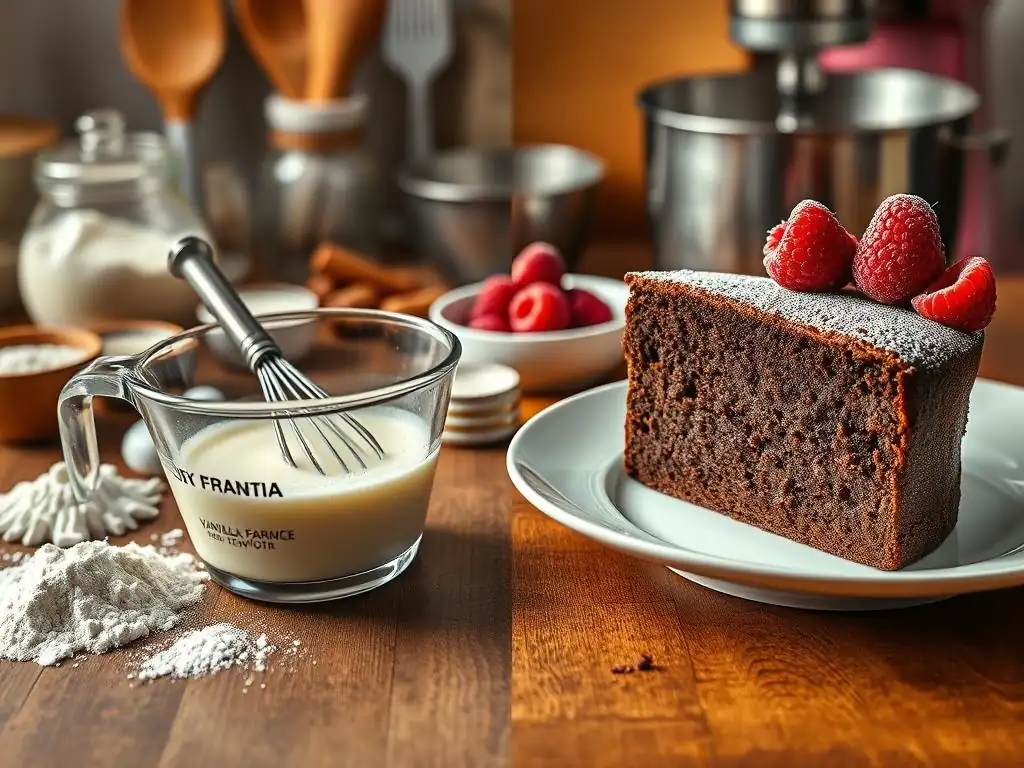
Using aquafaba in baking requires understanding its properties and how they compare to eggs. While it can mimic many egg functions, it's not a perfect 1:1 substitute in every recipe without modification. Success in aquafaba egg replacement baking often comes down to using the right ratios and techniques.
Aquafaba to Egg Conversion: Getting the Ratios Right
A general rule of thumb for aquafaba egg replacement baking is:
- 1 whole egg: Approximately 3 tablespoons (45ml) of aquafaba. This amount provides binding and some moisture.
- 1 egg white: Approximately 2 tablespoons (30ml) of aquafaba. This is particularly useful for recipes where the egg white's binding and leavening properties are key.
- 1 egg yolk: Aquafaba doesn't perfectly replace the richness, emulsifying power, or color of a yolk. For recipes needing yolk function, you might need a different substitute like mashed banana, applesauce, or commercial egg replacers, possibly combined with aquafaba for lift.
These are starting points, and slight adjustments might be needed based on the specific recipe and the consistency of your aquafaba. For instance, in a dense brownie recipe, 3 tablespoons might be perfect, but in a delicate cake, you might need slightly less to avoid excess moisture.
Whipping Aquafaba: Achieving Stiff Peaks for Meringues and More
One of the most exciting applications of aquafaba is whipping it into a foam, just like egg whites. This is fundamental for vegan meringues, mousses, and light sponges in aquafaba egg replacement baking.
Steps for whipping aquafaba:
- Start with chilled aquafaba for best results.
- Pour the aquafaba into a very clean, grease-free bowl (metal or glass works well). Even a tiny bit of grease can prevent whipping.
- Use an electric mixer (handheld or stand mixer) fitted with a whisk attachment.
- Begin whipping on medium speed. The aquafaba will become frothy, then start to form soft peaks. This usually takes 3-5 minutes.
- For stiff peaks suitable for meringues, continue whipping on medium-high speed. This can take anywhere from 6 to 15 minutes, depending on your mixer and the aquafaba concentration.
- You'll know it's ready when it holds stiff peaks that don't droop and the foam is glossy. Adding a stabilizer like cream of tartar (about 1/4 teaspoon per 1/2 cup aquafaba) or a pinch of xanthan gum can help achieve and maintain stiff peaks more quickly and reliably.
Aquafaba in Cakes: Achieving Light and Fluffy Results
In cakes, eggs provide structure, moisture, and contribute to leavening. Aquafaba can help achieve similar results in aquafaba egg replacement baking. Using 3 tablespoons of aquafaba per egg replaced is a standard starting point.
- Structure: Aquafaba's proteins help build structure, though often vegan cake recipes using aquafaba also rely on other leaveners like baking soda and vinegar or baking powder for sufficient lift.
- Moisture: It adds moisture without the fat found in egg yolks.
- Binding: It helps bind ingredients together, preventing the cake from being crumbly.
For a lighter texture, you can sometimes whip the aquafaba slightly before incorporating it, especially in recipes that call for whipping eggs. However, simply adding the liquid aquafaba along with other wet ingredients is often sufficient in standard cake recipes.
Cookies often use eggs for binding, moisture, and sometimes chewiness or lift. In aquafaba egg replacement baking for cookies, aquafaba primarily serves as a binder and adds moisture.
- Binding: The starches and proteins in aquafaba help hold the cookie dough together, preventing spreading too much during baking and resulting in a cohesive cookie.
- Moisture: It contributes to a softer, chewier texture in some cookie types.
Replace each egg in a cookie recipe with about 2-3 tablespoons of liquid aquafaba. For chewier cookies, leaning towards 3 tablespoons might be beneficial. For crispier cookies, 2 tablespoons might be enough binding without adding excess moisture. Creaming the aquafaba with sugar and fat, similar to how you would cream butter and sugar with eggs, can also help incorporate air and create a slightly lighter texture.
Aquafaba in Bread: Enhancing Texture and Rise
While eggs aren't always essential in bread, they can add richness, color, and contribute to a softer crumb and better rise in enriched breads like challah or brioche. Aquafaba can play a role in aquafaba egg replacement baking for these types of loaves.
- Binding and Structure: Aquafaba can help bind the dough and add some structural support.
- Moisture: It adds moisture, contributing to a softer crumb.
- Color and Shine: Brushing the top of a loaf with aquafaba (sometimes mixed with a little plant milk or oil) before baking can give it a lovely golden color and slight shine, similar to an egg wash.
In enriched bread recipes, replace each egg with approximately 3 tablespoons of liquid aquafaba. You might notice a slightly different texture compared to egg-based bread, but it can still yield a delicious and well-risen loaf. Experimentation is key to finding the perfect balance for your specific bread recipe.
Aquafaba Baking Recipes: Putting Theory into Practice

Let's get practical! Here are a few examples of how aquafaba shines in specific recipes, demonstrating its versatility in aquafaba egg replacement baking.
Classic Vegan Meringue Recipe using Aquafaba
This is where aquafaba truly performs magic, creating light, crisp meringues identical in texture to those made with egg whites.
Ingredients:
- 1/2 cup (approx. 120ml) chilled aquafaba (preferably reduced or from a good canned brand)
- 1/4 teaspoon cream of tartar (optional, but recommended for stability)
- 1/2 cup (100g) superfine sugar (caster sugar)
- 1/2 teaspoon vanilla extract
Instructions:
- Preheat oven to the lowest possible setting, typically 200°F (90°C). Line a baking sheet with parchment paper.
- In a very clean bowl, whisk the aquafaba and cream of tartar (if using) with an electric mixer on medium speed until soft peaks form, about 3-5 minutes.
- Gradually add the sugar, one tablespoon at a time, while continuing to whisk on medium-high speed. Scrape down the sides of the bowl as needed.
- Continue whisking until stiff, glossy peaks form and the sugar is fully dissolved (rub a little mixture between your fingers – it should feel smooth). This can take 8-15 minutes. Add the vanilla extract during the last minute of whipping.
- Spoon or pipe the meringue onto the prepared baking sheet.
- Bake for 1.5 to 2 hours, or until the meringues are dry and crisp. Turn off the oven and let them cool inside the oven with the door slightly ajar.
Aquafaba Chocolate Cake: A Deliciously Egg-Free Treat
Aquafaba helps create a moist and tender crumb in vegan chocolate cakes.
Approximate Aquafaba Use: For a standard 8 or 9-inch round cake, you might use the equivalent of 2-3 eggs, meaning about 6-9 tablespoons (90-135ml) of liquid aquafaba incorporated into the wet ingredients.
The aquafaba acts as a binder and contributes to the cake's structure and moisture. Combined with chemical leaveners like baking soda and vinegar (often used in vegan chocolate cakes to react with cocoa powder), it helps achieve a good rise. Some recipes might call for whipping the aquafaba first for extra lift, but often simply adding the liquid is sufficient for a dense, fudgy chocolate cake.
Aquafaba Macarons: Achieving Perfect Texture
Making macarons is notoriously tricky, and vegan versions using aquafaba are no exception, but achievable! The whipped aquafaba creates the necessary stable foam for the macaron shells.
Approximate Aquafaba Use: A typical batch of aquafaba macarons (yielding 30-40 shells) might use around 1/2 cup (120ml) of carefully reduced and strongly whipped aquafaba.
The process closely mirrors traditional macaron making, requiring whipping aquafaba to very stiff, glossy peaks with sugar, then folding in powdered sugar and almond flour (the "macaronage"). The stability of the aquafaba meringue is paramount for achieving the characteristic "feet" and delicate texture of macarons. This recipe truly tests your aquafaba whipping skills!
Aquafaba Brownies: Fudgy and Delicious
Aquafaba is excellent in brownies, contributing to a desirable fudgy texture without the need for eggs.
Approximate Aquafaba Use: For an 8x8 inch pan of brownies, you might use the equivalent of 2 eggs, which is about 6 tablespoons (90ml) of liquid aquafaba.
In brownies, aquafaba primarily functions as a binder and adds moisture. It helps hold the rich, dense batter together. Unlike cakes or meringues, you typically don't need to whip the aquafaba for brownies; simply whisking it with the other wet ingredients (like melted vegan butter or oil, sugar, vanilla) is sufficient before combining with the dry ingredients. The result is a satisfyingly dense and fudgy brownie perfect for aquafaba egg replacement baking.
Troubleshooting Aquafaba Baking: Common Issues and Solutions
Even with the magic of aquafaba, sometimes things don't go exactly as planned. Here are a few common issues encountered in aquafaba egg replacement baking and how to address them.
Aquafaba Not Whipping? Tips for Success
If your aquafaba isn't whipping into a stable foam, several factors could be at play:
- Grease Contamination: This is the most common culprit. Ensure your bowl and whisk attachment are spotlessly clean and completely free of any grease or oil residue. Wash them thoroughly with hot, soapy water and dry them completely.
- Aquafaba Consistency: The aquafaba might be too watery. Try reducing it slightly on the stovetop to concentrate the solids (as described in the "Reducing Aquafaba" section). Canned aquafaba from different brands can vary; some are naturally thicker than others.
- Temperature: While not always strictly necessary, chilled aquafaba often whips up more easily and stably.
- Whipping Time/Speed: Be patient! It can take longer to whip aquafaba to stiff peaks than egg whites, sometimes up to 15 minutes or more depending on your mixer's power. Ensure you're using medium to medium-high speed once it starts to foam.
- Adding Stabilizers: A pinch of cream of tartar or a tiny amount of xanthan gum (e.g., 1/8 to 1/4 teaspoon per 1/2 cup aquafaba) can significantly improve whipping success and stability.
Flat Meringues: Stabilizing Aquafaba with Cream of Tartar
Flat or weeping meringues are often a sign that the aquafaba foam wasn't stable enough or the sugar wasn't fully dissolved, a common challenge in aquafaba egg replacement baking for meringues.
- Use Cream of Tartar: Adding about 1/4 teaspoon of cream of tartar per 1/2 cup of aquafaba before you start whipping helps acidify the liquid, strengthening the protein structure and making the foam more stable and less likely to collapse.
- Whip Long Enough: Ensure you whip the aquafaba until it reaches very stiff, glossy peaks and the sugar is completely dissolved. This creates a strong matrix to hold the air.
- Gradually Add Sugar: Add the sugar slowly, one tablespoon at a time, allowing it to incorporate fully before adding more. This helps dissolve the sugar properly without deflating the foam.
- Low and Slow Baking: Meringues need to dry out rather than bake. Ensure your oven temperature is very low (200°F / 90°C or less) and bake them for a sufficient amount of time. Letting them cool completely in the turned-off oven also helps prevent cracking and weeping.
Achieving the Right Consistency: Finding the Balance
Sometimes, baked goods made with aquafaba can turn out too dense, too crumbly, or too wet. Finding the right balance is key in aquafaba egg replacement baking.
- Ratio Adjustment: The standard 3 tablespoons per egg is a guideline. If a recipe consistently turns out too wet or dense, try slightly reducing the amount of aquafaba next time (e.g., use 2.5 tablespoons). If it's too dry or crumbly, increase it slightly (e.g., use 3.5 tablespoons).
- Recipe Type: Aquafaba works best in recipes where the egg's primary role is binding and/or leavening (via whipping). It's less effective at replacing the richness and emulsifying power of egg yolks in recipes heavily reliant on them (like custards or some sauces, though aquafaba can be used for vegan mayo).
- Combination Substitutes: For some recipes, a combination of aquafaba and another egg replacer (like applesauce for moisture, flax egg for binding) might yield better results than aquafaba alone.
- Don't Overmix: As with any baking, overmixing dough or batter after adding dry ingredients can develop gluten unnecessarily, leading to tough results. Mix just until combined.
Beyond the Basics: Advanced Aquafaba Techniques
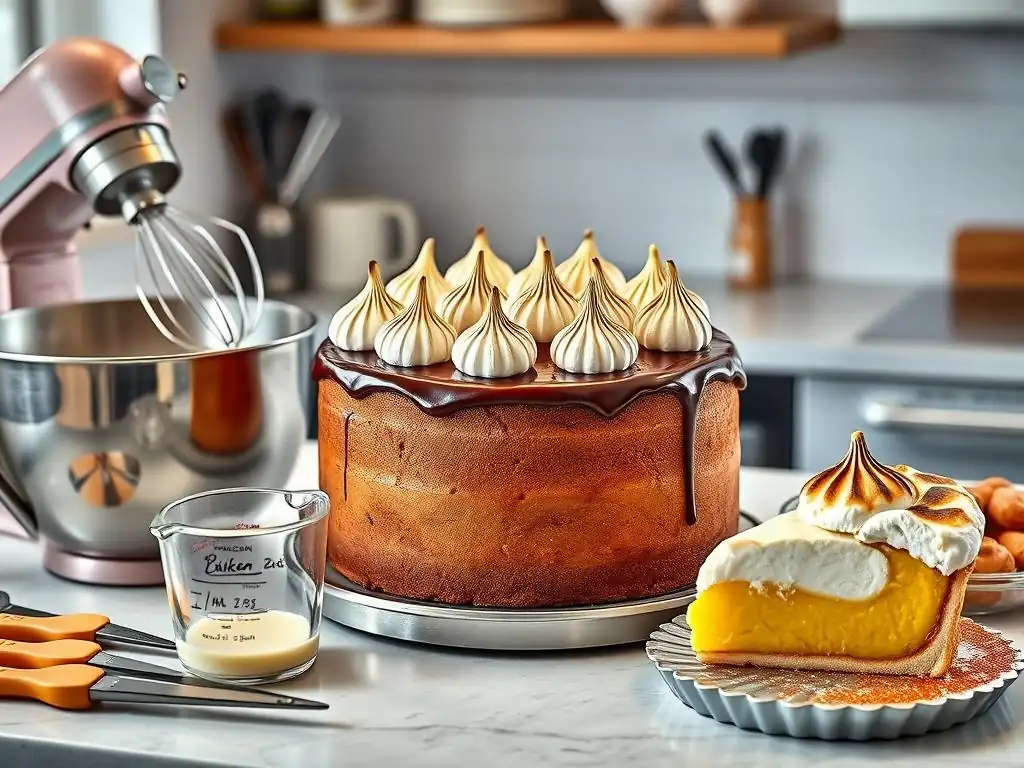
Once you've mastered the fundamentals of aquafaba egg replacement baking, you can explore more advanced techniques and applications.
Aquafaba Mayonnaise and Other Savory Applications
Aquafaba's emulsifying properties make it an excellent base for vegan mayonnaise and other creamy dressings and sauces.
- Vegan Mayonnaise: By slowly drizzling oil into whipped or blended aquafaba while mixing, you create a stable emulsion, resulting in a creamy mayonnaise. A typical recipe might use 1/4 cup aquafaba, 1 teaspoon Dijon mustard, 1 tablespoon lemon juice or vinegar, and gradually whisk in 3/4 to 1 cup of neutral oil. Seasoning with salt is essential.
- Other Sauces: Aquafaba can be used to thicken creamy sauces or add richness to soups and stews without adding dairy or eggs. Its neutral flavor makes it adaptable.
These savory uses highlight aquafaba's versatility beyond just sweet aquafaba egg replacement baking.
Flavoring Aquafaba: Adding Extracts and Spices
Just like egg whites, aquafaba can take on flavors beautifully. This is particularly useful when making meringues or other delicate foams.
- Sweet Foams: Add vanilla extract, almond extract, peppermint extract, or citrus zest after the aquafaba has reached soft peaks but before adding sugar. The alcohol in extracts can sometimes inhibit whipping if added too early.
- Savory Foams: For savory applications, you can incorporate garlic powder, onion powder, nutritional yeast, or even a pinch of turmeric for color into the aquafaba before or after whipping, depending on the desired consistency and intensity.
Experimenting with flavorings allows you to customize your aquafaba creations in both sweet and savory aquafaba egg replacement baking.
Experimenting with Different Bean Brines: Expanding Your Aquafaba Horizons
While chickpea aquafaba is the most popular and reliable for whipping, the liquid from other canned or cooked beans can also have useful properties for baking and cooking.
- White Bean Brine: The brine from cannellini or navy beans can also whip, though often not as stably or to the same volume as chickpea aquafaba. It can still be used as a binder or moisture source in recipes like muffins or quick breads.
- Kidney Bean Brine: This brine is usually darker and has a stronger flavor, making it less suitable for delicate meringues but potentially usable as a binder in darker, more robust baked goods like chocolate cakes or brownies, where its color and flavor won't be out of place.
Exploring different bean brines can lead to new discoveries in your aquafaba egg replacement baking adventures, but always test a small amount first to check its whipping ability and flavor profile.
Conclusion: Mastering Aquafaba for Egg-Free Baking
Aquafaba is truly a marvel ingredient in the world of egg-free and vegan baking. What was once considered a waste product has proven to be an incredibly versatile and effective substitute for eggs in a surprising variety of applications. From creating ethereal meringues to adding essential binding and moisture to cakes and cookies, aquafaba egg replacement baking has opened up a whole new realm of possibilities for bakers of all levels.
The Future of Aquafaba in Baking
As more home bakers and professional chefs experiment with this ingredient, we can expect to see even more innovative uses for aquafaba. Research into standardizing its properties and optimizing its performance continues, potentially leading to more consistent results regardless of the source. Aquafaba is more than just a trend; it has become a legitimate, accessible, and effective tool in the modern baker's pantry, especially for those focusing on dietary and allergen-specific needs. Its sustainability as a byproduct also aligns with growing interests in reducing food waste.
Embrace Egg-Free Baking with Aquafaba
Don't be intimidated by aquafaba! Start with simple recipes like meringues or using it as a binder in cookies to get a feel for its texture and behavior. With a little practice and patience, you'll discover just how powerful and adaptable this humble bean liquid can be. Aquafaba egg replacement baking is not only a practical skill for dietary needs but also a fun way to explore creative new techniques in the kitchen. So, next time you open a can of chickpeas, save that liquid – your baking adventures await!
Frequently Asked Questions
What is Aquafaba and how is it used in baking?
Aquafaba is the liquid from canned chickpeas, often discarded. It can be used as an egg replacement in baking due to its protein and starch content, which allows it to whip and bind ingredients.
What are the benefits of using aquafaba as an egg replacement?
Using aquafaba is beneficial for those with egg allergies or following a vegan diet. It also adds a unique, subtle flavor and can contribute to a lighter texture in baked goods.
In what types of recipes can I successfully substitute aquafaba for eggs?
Aquafaba works well in recipes like meringues, macarons, cakes, and cookies. Recipes that rely heavily on eggs for structure may require some experimentation and adjustments.
How much aquafaba should I use to replace one egg?
Generally, 3 tablespoons of aquafaba replaces one whole egg, and 2 tablespoons replaces one egg white. Adjustments might be needed depending on the specific recipe.
Does aquafaba impart a chickpea flavor to baked goods?
When used correctly, aquafaba should not impart a strong chickpea flavor. The subtle flavor typically disappears during the baking process, especially when combined with other ingredients.
Final Reflection: Unlocking the Power of the Humble Chickpea Brine
The versatility of aquafaba, once a discarded byproduct, is revolutionizing baking, offering a sustainable and accessible egg replacement for a growing number of people. This simple chickpea brine is proving to be a powerful tool, not just for vegans and those with egg allergies, but for anyone seeking to reduce their environmental impact and explore innovative culinary techniques. Its potential is truly remarkable.
The impact of aquafaba extends beyond mere ingredient substitution; it represents a shift in our relationship with food waste and a broader embrace of resourceful cooking. It's a testament to the ingenuity of culinary innovation, transforming something often overlooked into a valuable resource. Waste not, want not
– this age-old adage finds new meaning in the surprising capabilities of aquafaba. The journey of discovery surrounding this humble ingredient highlights the importance of looking beyond the obvious and embracing unexpected solutions.
Now, consider your own baking adventures. Will you embrace the challenge of incorporating aquafaba into your next recipe? Experiment with its unique properties, explore its potential, and discover the delicious possibilities that await. Don't be afraid to get creative – the world of aquafaba baking is vast and waiting to be explored. Let this simple ingredient inspire you to rethink your approach to baking, to reduce waste, and to create delicious, innovative treats.
Unlock the Secrets of Aquafaba Baking!
Thanks for exploring the amazing world of aquafaba! You've now learned how this simple chickpea brine can revolutionize your baking. Ready to put your new knowledge into practice?
- Try your hand at a simple aquafaba meringue: It’s easier than you think, and the results are unbelievably light and airy. This will be your first step toward mastering this versatile ingredient.
- Share your baking creations: Post a picture of your aquafaba masterpiece on social media and tag us - we’d love to see what you've made!
- Explore other aquafaba recipes: Search for "aquafaba" online to find countless delicious ways to use this surprising ingredient.
Ready to whip up some incredible vegan treats? What's your first aquafaba recipe going to be?