
Japanese Matcha Roll Cake: Light, Airy, and GlutenFree

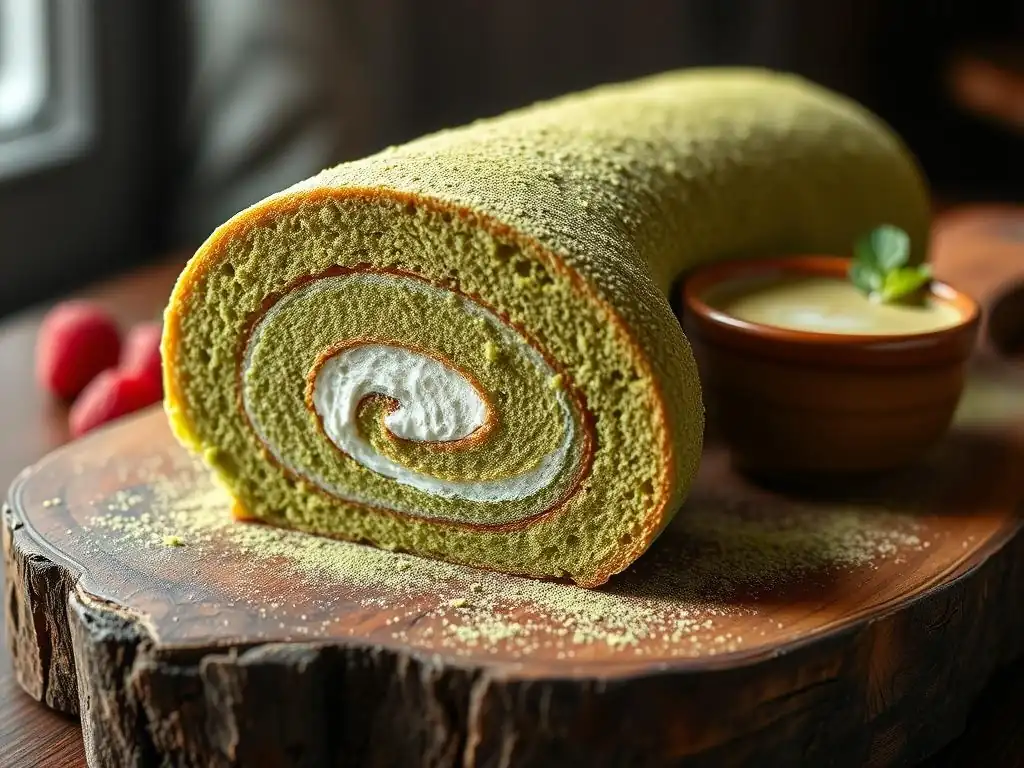
Welcome to BakeWithEase, your kitchen companion on the journey to baking bliss! Ever dreamt of creating a visually stunning and irresistibly delicious dessert that caters to specific dietary needs? Then prepare to be captivated! Dive into our guide on crafting a light, airy, and completely Gluten-Free Matcha Roll Cake, a Japanese-inspired delight that's surprisingly simple to master. Intrigued to learn how we achieve that perfect green hue and delicate texture without gluten? Read on to unlock the secrets!
- Sweet Escapes Bakery Presents: The Ultimate Gluten-Free Matcha Roll Cake Recipe
- Understanding Gluten-Free Baking for Matcha Roll Cake Success
- Mastering the Matcha Flavor in Your Gluten-Free Roll Cake
- Step-by-Step Guide to Baking a Light and Airy Gluten-Free Matcha Roll Cake
- Tips for a Perfect Gluten-Free Matcha Roll Cake Every Time
- Variations and Adaptations for Your Gluten-Free Matcha Roll Cake
- Troubleshooting Common Gluten-Free Matcha Roll Cake Problems
- Enjoy Your Delicious and Easy Gluten-Free Matcha Roll Cake!
- Frequently Asked Questions
- Final Reflection: The Enduring Allure of Gluten-Free Baking
- Unleash Your Inner Pastry Chef: Bake Your Own Matcha Magic!
Sweet Escapes Bakery Presents: The Ultimate Gluten-Free Matcha Roll Cake Recipe
Welcome to BakeWithEase, where we believe everyone can master delicious baking, including creating stunning gluten-free treats! Today, we're diving into the world of Japanese patisserie with a recipe for a light, airy, and utterly delightful Glutenfree matcha roll cake. This delicate sponge cake, infused with vibrant green tea flavor and filled with a cloud-like cream, is a true showstopper. Whether you're navigating dietary restrictions or simply love the unique taste of matcha, this guide will walk you through each step to ensure your success.
Crafting a beautiful Glutenfree matcha roll cake might seem intimidating, especially when dealing with gluten-free flours, but it's entirely achievable with the right techniques and ingredients. We've simplified the process, focusing on creating a tender sponge that rolls without cracking and a perfectly balanced matcha cream. Get ready to impress your friends and family (or just treat yourself!) with this elegant and flavorful dessert.
Understanding Gluten-Free Baking for Matcha Roll Cake Success
Gluten-free baking presents unique challenges, particularly when attempting delicate structures like a roll cake sponge. Understanding why gluten-free flours behave differently is the first step to mastering this delicious Glutenfree matcha roll cake. Unlike wheat flour, which contains gluten proteins that form an elastic network when mixed with liquid, gluten-free blends rely on a combination of ingredients to mimic structure, binding, and tenderness.
Achieving the signature light and airy texture of a roll cake sponge without gluten requires careful attention to ingredient ratios and mixing techniques. Over-mixing can lead to a tough or gummy texture, while insufficient binding agents can result in a crumbly cake that's impossible to roll. Our approach focuses on using specific gluten-free flours and a meringue method to introduce stability and airiness, ensuring your Glutenfree matcha roll cake is both pliable and delicate.
The Challenge of Gluten-Free Roll Cakes: Achieving the Right Texture
The primary hurdle in baking a successful gluten-free roll cake sponge is replicating the elasticity and structure provided by gluten. Wheat gluten allows a cake batter to stretch and hold air bubbles during baking, resulting in a light, flexible crumb that can be rolled without breaking. Gluten-free flours, lacking this protein network, tend to be more fragile and prone to crumbling or becoming dense if not handled correctly.
For instance, a typical wheat sponge cake batter might contain around 10-13% protein from cake flour, which contributes significantly to its structural integrity. Gluten-free blends often have a lower protein content, sometimes as low as 1-3%, depending on the mix composition. This difference means we need to rely more heavily on starches for tenderness and binders like xanthan gum (though we'll minimize its use in this specific recipe by focusing on meringue structure) or egg proteins to hold the cake together and prevent it from cracking when rolled.
Essential Gluten-Free Flour Blend: Rice Flour, Tapioca Starch, and Potato Starch
A well-balanced gluten-free flour blend is crucial for a successful Glutenfree matcha roll cake. While many commercial blends exist, understanding the role of individual flours helps. A common and effective combination includes rice flour, tapioca starch, and potato starch. Rice flour (both white and brown) provides structure but can be slightly gritty; fine white rice flour is preferred for cakes. Tapioca starch, derived from the cassava root, adds chewiness and helps bind ingredients together, contributing to flexibility. Potato starch provides tenderness and a fine crumb structure.
A typical ratio for a versatile gluten-free cake flour blend might be approximately 60-70% rice flour, 15-20% tapioca starch, and 10-15% potato starch. This specific recipe might adjust these slightly to optimize for the roll cake's need for flexibility. Using this blend, along with precise measurements and techniques like separating eggs and whipping whites into a meringue, helps create a sponge that is both tender and pliable enough to roll without excessive cracking, making your Glutenfree matcha roll cake dreams a reality.
Mastering the Matcha Flavor in Your Gluten-Free Roll Cake
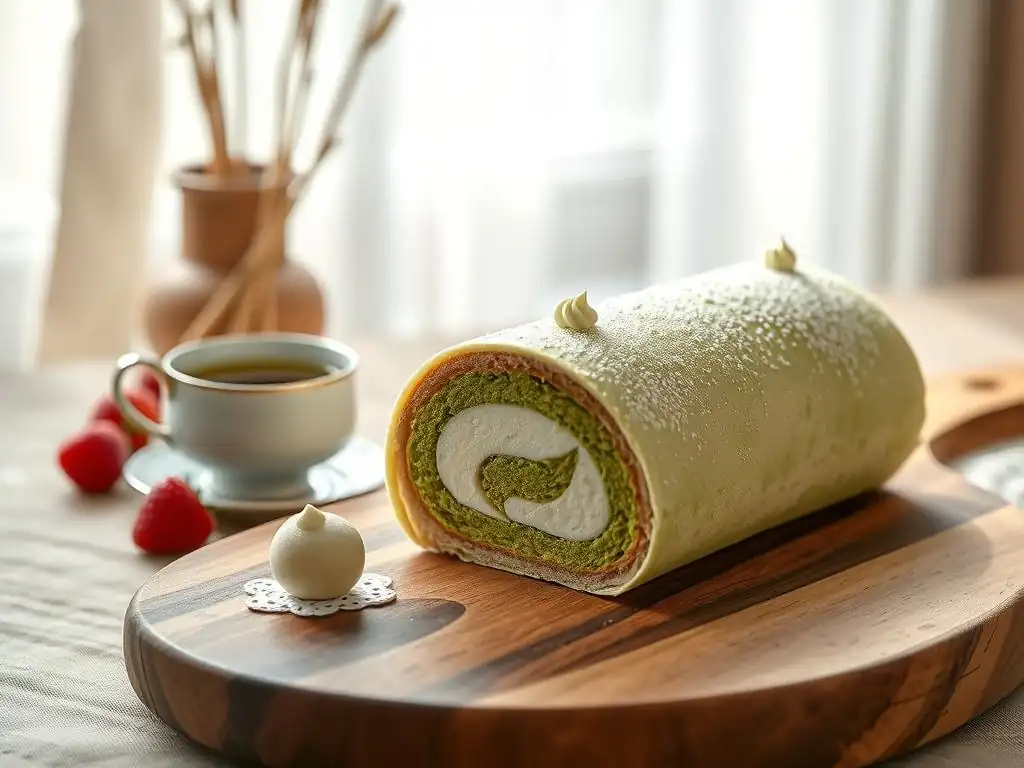
The signature flavor of a Glutenfree matcha roll cake comes from high-quality matcha powder. Selecting the right type and understanding how to best incorporate it into your batter and filling are key to achieving that perfect balance of earthy bitterness and sweet creaminess. Poor quality matcha can result in a dull color and an overly bitter or fishy taste, detracting significantly from your final dessert.
Matcha is not just green tea powder; it's finely ground green tea leaves that are shade-grown before harvest, which increases chlorophyll and amino acid content. This process gives matcha its vibrant green color and unique umami flavor profile. For our Glutenfree matcha roll cake, we want a pleasant, slightly bitter note that complements the sweet cream, not one that overpowers or tastes burnt.
Selecting the Best Matcha Powder: Culinary Grade vs. Ceremonial Grade
Matcha is generally categorized into ceremonial grade and culinary grade. Ceremonial grade is considered the highest quality, made from the youngest tea leaves, and is typically used for traditional tea ceremonies where it's whisked with hot water and drunk straight. It has a very fine texture, vibrant green color, and a smooth, slightly sweet flavor with minimal bitterness. While you can use ceremonial grade for baking, it's significantly more expensive and some of its nuanced flavor can be lost when mixed with other ingredients and baked.
Culinary grade matcha is specifically produced for use in cooking and baking. It's made from slightly older leaves but should still be stone-ground to a fine powder. Good culinary grade matcha will have a bright green color (avoid muddy or yellowish-green), a fresh, grassy aroma, and a balanced flavor that holds up well when combined with fats and sugars.
For a Glutenfree matcha roll cake, a high-quality culinary grade or a lower-grade ceremonial matcha offers the best balance of vibrant color, good flavor, and reasonable cost. Look for brands that specify origin (like Uji or Nishio in Japan) and freshness.
Intensifying the Matcha Flavor: Tips and Tricks
Incorporating matcha correctly is vital for a beautiful and flavorful Glutenfree matcha roll cake. Simply dumping the powder into the batter or cream can lead to clumps and uneven color or flavor distribution. A common technique is to "bloom" the matcha first. This involves whisking the matcha powder with a small amount of warm liquid (water or milk, depending on the recipe component) to form a smooth paste before adding it to the main mixture. This dissolves the powder evenly and helps release its full flavor and color potential.
Another tip is to sift the matcha powder, especially if it seems clumpy. Matcha is very fine and can easily clump due to static electricity or moisture. Sifting ensures it disperses smoothly.
When adding matcha to the cake batter, incorporating it carefully during the final mixing stages prevents overmixing. For the cream filling, ensure the matcha paste is fully integrated before whipping. You can also adjust the amount of matcha slightly based on its quality and your preference, but adding too much can introduce excessive bitterness, which might require increasing the sugar in the recipe to balance, potentially affecting the texture of your Glutenfree matcha roll cake.
Step-by-Step Guide to Baking a Light and Airy Gluten-Free Matcha Roll Cake
Baking a successful Glutenfree matcha roll cake is all about precision and technique, especially with a gluten-free sponge. Follow these steps carefully to achieve that coveted light and airy texture that rolls beautifully. We'll break down the process from preparing the batter to assembling the final cake.
Success hinges on creating a stable sponge that isn't too dry or too wet, and one that is flexible enough to handle rolling. This requires careful measurement of ingredients, proper mixing to incorporate air without developing toughness, and baking at the correct temperature for the right amount of time. Let's get started on crafting your perfect Glutenfree matcha roll cake.
Preparing the Gluten-Free Matcha Cake Batter
The foundation of your Glutenfree matcha roll cake is the sponge. We'll use a method that relies heavily on whipped egg whites for structure and lightness, similar to a Swiss roll or génoise sponge. This helps compensate for the lack of gluten structure.
Ingredients for the Perfect Gluten-Free Matcha Sponge
100gGluten-Free Flour Blend (approx. 65g fine white rice flour, 20g tapioca starch, 15g potato starch)15gHigh-quality Culinary Grade Matcha Powder5gBaking Powder1/4 tspSalt4 Large Eggs, separated, at room temperature100gGranulated Sugar, divided (50gfor yolks,50gfor whites)60mlMilk (dairy or unsweetened plant-based), at room temperature30mlNeutral Oil (like canola or grapeseed)1 tspVanilla Extract
These specific quantities are calibrated to yield a sponge of the right thickness and flexibility for rolling in a standard jelly roll pan (approx. 10x15 inches or 25x38 cm). Using room temperature ingredients is crucial for emulsification and achieving maximum volume in the batter.
Mixing Techniques: Swiss Meringue Method
- Prepare the dry ingredients: Sift together the gluten-free flour blend, matcha powder, baking powder, and salt in a bowl. Sifting the matcha is particularly important to avoid clumps.
- Mix the wet ingredients (yolks): In a separate large bowl, whisk the egg yolks with
50gof the granulated sugar until pale yellow and slightly thickened. Whisk in the milk, oil, and vanilla extract until well combined. - Make the meringue: In a clean, dry bowl, beat the egg whites with an electric mixer on medium speed until soft peaks form. Gradually add the remaining
50gof granulated sugar, one tablespoon at a time, beating on high speed until stiff, glossy peaks form. This process incorporates significant air, which is vital for the lightness of your Glutenfree matcha roll cake sponge. - Combine: Gently fold the dry ingredients into the yolk mixture until just combined. Do not overmix. Then, carefully fold about one-third of the meringue into the batter to lighten it. Finally, gently fold in the remaining meringue in two additions, being careful not to deflate the mixture. Use a spatula and a cutting and folding motion. The batter should be light and airy.
Baking the Gluten-Free Matcha Sponge Cake
Proper baking ensures the sponge is cooked through but remains moist and flexible. An overbaked sponge will be dry and crack easily when rolled, ruining your Glutenfree matcha roll cake.
Oven Temperature and Baking Time for Optimal Results
Preheat your oven to 325°F (160°C). This slightly lower temperature compared to some sponge recipes helps prevent the edges from drying out too quickly before the center is cooked. Line a 10x15 inch (25x38 cm) jelly roll pan with parchment paper, leaving some overhang on the sides to help lift the cake later. Lightly grease the parchment paper.
Pour the batter evenly into the prepared pan and spread it gently with an offset spatula to ensure an even thickness. Tap the pan lightly on the counter to remove any large air bubbles. Bake for approximately 12-15 minutes. The exact time will vary depending on your oven.
Checking for Doneness: The Toothpick Test
The cake is done when the edges are set and just pulling away slightly from the sides of the pan, and the center springs back lightly when gently pressed. A reliable way to check is the toothpick test: insert a toothpick into the center of the cake. It should come out clean with no wet batter attached.
Be careful not to overbake. Even an extra minute or two can dry out a thin sponge. The surface should be a vibrant green. Remove the cake from the oven and immediately transfer it, still on the parchment paper, to a wire rack to cool slightly. This quick cooling is crucial for the next step in making your Glutenfree matcha roll cake.
Making the Matcha Cream Filling
A luscious, creamy filling is the perfect complement to the light matcha sponge. We'll make a simple whipped cream frosting infused with matcha.
Ingredients for the Creamy Matcha Filling
240mlHeavy Cream (cold)50gPowdered Sugar1-2 tspVanilla Extract5-10gHigh-quality Culinary Grade Matcha Powder (depending on desired intensity)1 tbspHot Water or Milk
These quantities yield enough filling for a generous layer in your Glutenfree matcha roll cake. Ensure your heavy cream is very cold, as this helps it whip properly and hold its shape.
Whipping the Cream to Perfection
- Prepare the matcha: In a small bowl, whisk the matcha powder with the hot water or milk until a smooth, lump-free paste forms. Let it cool slightly.
- Whip the cream: In a large, chilled bowl, pour the cold heavy cream. Start beating on low speed, gradually increasing to medium-high speed.
- Add remaining ingredients: Once the cream starts to thicken and soft peaks begin to form, gradually add the powdered sugar and vanilla extract. Continue beating until medium-stiff peaks form.
- Incorporate matcha: Add the cooled matcha paste to the whipped cream. Beat on medium-high speed just until the matcha is evenly distributed and the cream holds stiff peaks. Be careful not to overbeat, or the cream will become grainy. The finished cream should be stable enough to hold its shape when spread and rolled inside the Glutenfree matcha roll cake.
Assembling Your Gluten-Free Matcha Roll Cake
Now for the exciting part – assembling your beautiful Glutenfree matcha roll cake! Proper cooling and rolling technique are key to preventing cracks and achieving a neat spiral.
Cooling and Preparing the Sponge Cake
Once the cake has cooled on the wire rack for about 5-10 minutes (it should still be warm, but not hot), place a clean kitchen towel or a new sheet of parchment paper over the top of the cake. Carefully invert the cake onto the towel/new parchment. Gently peel off the original parchment paper that was used for baking. If the cake stuck at all, peel slowly.
While the cake is still warm, but cool enough to handle, roll the cake up tightly from one short end, using the towel or parchment paper to help guide it. Roll it without any filling inside yet. Let it cool completely in this rolled-up shape on the wire rack. This "training" roll helps the cake set in a curved shape, making the final filled roll much easier and less prone to cracking. Allow it to cool for at least 1 hour, or until completely cool to the touch.
Spreading the Matcha Cream Filling Evenly
Once the cake is completely cool, gently unroll it. It should lie relatively flat or have a gentle curve. If it springs back too much, you can carefully flatten it slightly, but avoid forcing it.
Using an offset spatula, spread the prepared matcha cream filling evenly over the entire surface of the cake, leaving a border of about 1-2 cm (approx. 1/2 inch) along the edges. This prevents the cream from squeezing out excessively when you roll the Glutenfree matcha roll cake. Ensure the cream is spread in a consistent layer for an even spiral.
Rolling the Cake: A Step-by-Step Demonstration
- Start rolling: Begin rolling the cake tightly from the same short end you started with during the initial cooling roll. Use the parchment paper underneath to help you lift and guide the cake as you roll.
- Keep it tight: Tuck the edge of the cake under the filling and roll forward, applying gentle, even pressure. The goal is to create a tight spiral in the center.
- Use the paper: As you roll, the parchment paper will naturally peel away from the cake and roll up with the cake. Use the paper to help maintain tension and shape.
- Finish the roll: Continue rolling until the entire cake is rolled into a log shape. The seam should be on the bottom.
- Wrap and chill: Wrap the finished Glutenfree matcha roll cake tightly in the parchment paper, then wrap it again in plastic wrap. Refrigerate for at least 1-2 hours (or preferably longer) to allow the cake and filling to firm up, making it easier to slice cleanly.
Tips for a Perfect Gluten-Free Matcha Roll Cake Every Time
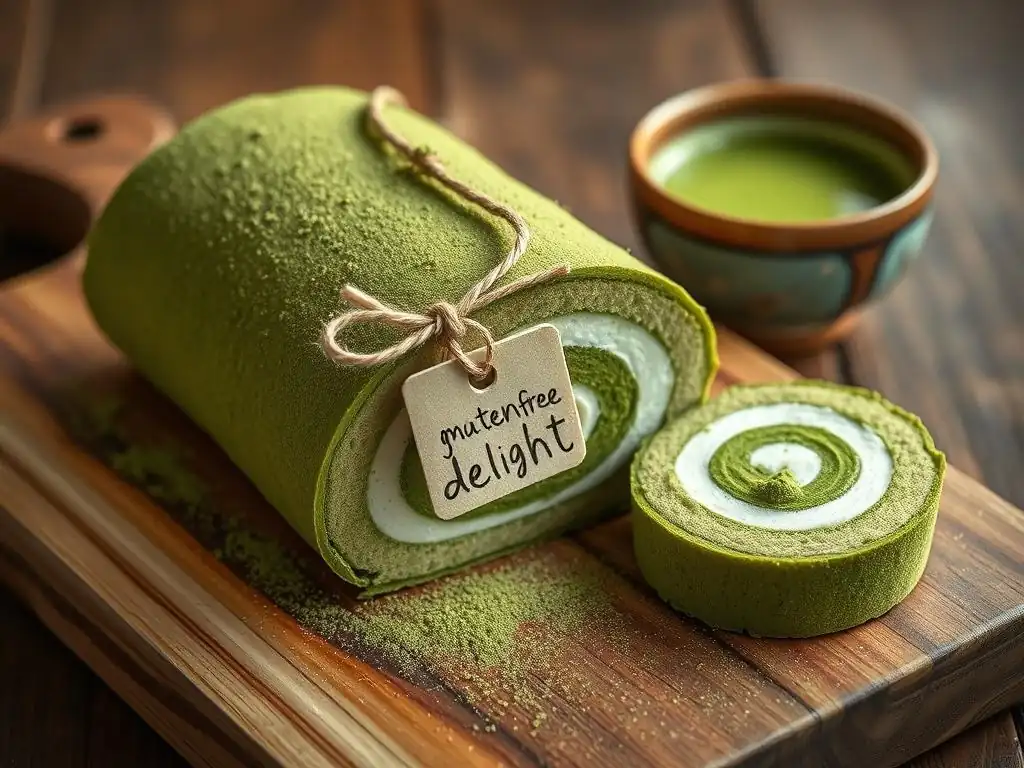
Achieving a consistently perfect Glutenfree matcha roll cake involves more than just following the steps; it's also about understanding common pitfalls and how to avoid them. Here are some expert tips to help you succeed.
Even experienced bakers can encounter issues like cracks or uneven rolls, especially when working with gluten-free flours. Paying attention to small details can make a big difference in the final appearance and texture of your Glutenfree matcha roll cake.
Preventing Cracks in Your Roll Cake
Cracking is one of the most common frustrations when making a roll cake. The primary culprits are usually overbaking (which dries out the sponge) or trying to roll the cake when it's too cool or not cool enough. The crucial step is rolling the cake while it's still warm after its initial brief cooling period out of the oven. This "training" roll sets the shape.
Furthermore, avoid overmixing the batter, as this can develop the starches in the gluten-free flour blend too much, leading to a tougher, less pliable cake. Ensure your ingredients are at room temperature for better emulsion and a more tender crumb. Finally, don't overload the cake with too much filling, as excessive pressure during rolling can cause the sponge to split. Aim for an even, moderate layer of cream across the entire surface of the Glutenfree matcha roll cake before rolling.
Achieving a Smooth and Even Roll
A smooth and even spiral in your Glutenfree matcha roll cake is aesthetically pleasing and ensures each slice has a good cake-to-filling ratio. The "training" roll while the cake is warm is the most important technique here; it pre-shapes the sponge and makes the final roll much easier.
When spreading the filling, ensure it's an even thickness across the entire surface, stopping about 1-2 cm from the edges. When you start rolling, tuck the starting edge snugly against the filling to create a tight center spiral. Use the parchment paper underneath the cake to help lift and guide the cake as you roll, applying gentle, consistent pressure. Don't rush the process. Rolling tightly and evenly from the start will result in a beautiful, uniform spiral in your finished Glutenfree matcha roll cake.
Storing Your Gluten-Free Matcha Roll Cake for Maximum Freshness
Proper storage is essential to keep your Glutenfree matcha roll cake tasting fresh and maintaining its texture. After rolling and chilling, the cake is best stored in the refrigerator. Keep it wrapped tightly in plastic wrap (and optionally aluminum foil) to prevent it from drying out and absorbing odors from the fridge.
Stored correctly in the refrigerator, a Glutenfree matcha roll cake is typically best enjoyed within 2-3 days. The sponge can start to dry out after this time, and the cream filling's quality may diminish. For longer storage, you can freeze slices or the entire cake (well-wrapped) for up to 1-2 months. Thaw frozen cake overnight in the refrigerator before serving. Slicing just before serving also helps maintain freshness and prevents the cut edges from drying out.
Variations and Adaptations for Your Gluten-Free Matcha Roll Cake
While the classic Glutenfree matcha roll cake with matcha cream is wonderful on its own, there are many ways to adapt the recipe to add new flavors and textures. Don't be afraid to experiment once you've mastered the basic technique!
These variations can add complementary flavors that pair beautifully with the earthy notes of matcha, offering exciting twists on the traditional Glutenfree matcha roll cake.
Adding Strawberries to Your Matcha Roll Cake
Fresh strawberries are a classic pairing with matcha in Japanese desserts. Their sweetness and slight tartness provide a lovely contrast to the earthy matcha and rich cream. To incorporate strawberries, slice them thinly and arrange them in a single layer over the matcha cream filling before rolling the cake.
Use approximately 1-2 cups of sliced strawberries, depending on the size of your cake and how densely you layer them. Ensure the slices aren't too thick, as this can make the cake harder to roll and cause bulges. The moisture from the strawberries can also slightly soften the cake over time, adding a pleasant texture contrast. This addition turns your Glutenfree matcha roll cake into a delightful fruit and tea combination.
Experimenting with Different Cream Flavors: Azuki Bean Paste
While matcha cream is traditional, you can easily swap or combine fillings. Azuki (sweet red bean) paste is another traditional Japanese ingredient that pairs exceptionally well with matcha. You can spread a thin layer of smooth azuki paste over the cake before adding the matcha cream, or even swirl some azuki paste into the matcha cream before spreading.
Using a store-bought smooth (koshi-an) or chunky (tsubu-an) azuki paste works well. Approximately 1/2 cup to 1 cup of paste is usually sufficient, depending on how prominent you want the flavor. This variation adds a different kind of sweetness and a rich, slightly earthy depth that complements the matcha beautifully, creating a more complex Glutenfree matcha roll cake experience.
Making a Dairy-Free Gluten-Free Matcha Roll Cake
Adapting this recipe to be dairy-free is straightforward. Replace the dairy milk in the sponge batter with an unsweetened plant-based milk like almond, soy, or oat milk. For the cream filling, use a high-fat dairy-free alternative to heavy cream.
Options for dairy-free cream include canned full-fat coconut cream (chilled overnight, then whip the solid part), or commercial dairy-free whipping creams made from soy, oat, or nut bases. Ensure the dairy-free cream is specifically designed for whipping and is very cold for best results. Use dairy-free powdered sugar (check labels, though most are fine) and proceed with the whipping method. This allows everyone to enjoy a delicious Glutenfree matcha roll cake regardless of dairy restrictions.
Troubleshooting Common Gluten-Free Matcha Roll Cake Problems
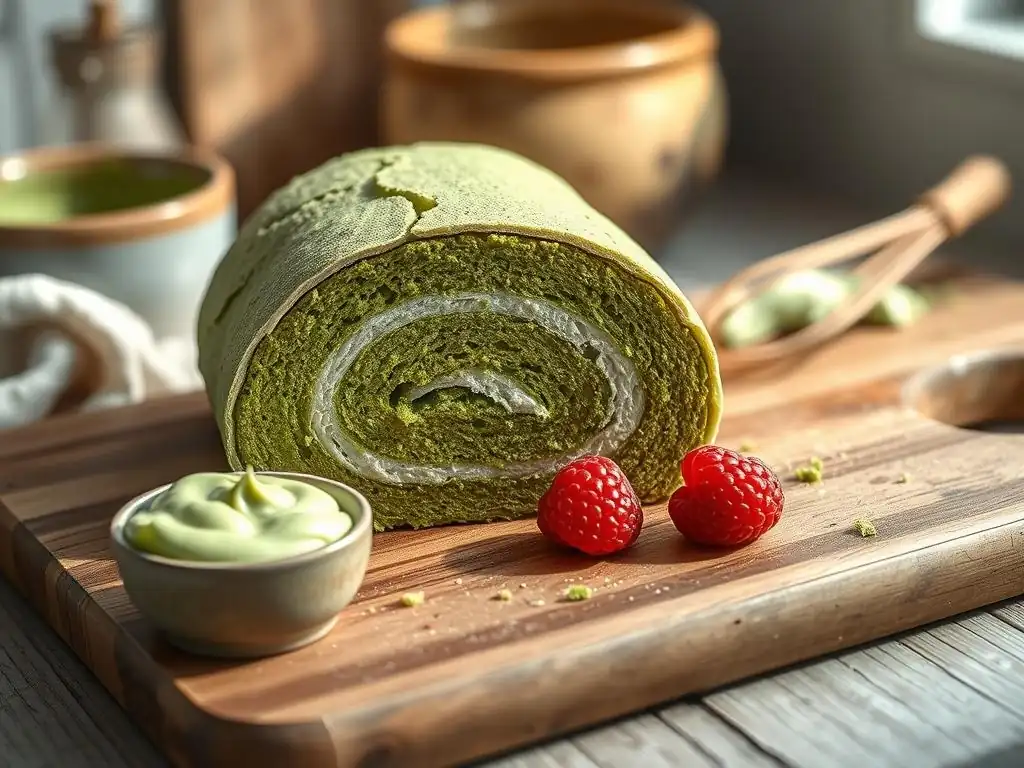
Even with careful attention, baking a Glutenfree matcha roll cake can sometimes present challenges. Knowing how to identify and address common issues can help you salvage a bake or improve your technique for next time.
Don't get discouraged if your first attempt isn't perfect. Gluten-free baking often involves a bit of trial and error. Understanding the reasons behind common problems will empower you to adjust and succeed in creating a beautiful Glutenfree matcha roll cake.
Cake is Too Dry: Causes and Solutions
A dry gluten-free sponge is a common issue, often leading to cracking when rolling. The most frequent cause is overbaking. Because gluten-free cakes lack gluten, they can dry out very quickly once they are cooked through. Baking at too high a temperature can also contribute by cooking the edges too fast.
Ensure you are using the correct oven temperature (around 325°F - 350°F or 160°C - 175°C for a thin sponge) and check for doneness at the minimum baking time specified (e.g., 12 minutes). The cake should be set and spring back slightly, but not feel hard or look overly browned around the edges. If your oven runs hot, consider using an oven thermometer or slightly reducing the temperature. Using room temperature ingredients and measuring accurately (preferably by weight) also helps maintain the correct moisture balance in the batter for a tender Glutenfree matcha roll cake.
Cake is Too Dense: How to Fix It
Density in a gluten-free sponge can result from several factors, including incorrect leavening, overmixing, or deflating the whipped egg whites. Baking powder helps create lift, so ensure yours is fresh and measured correctly.
Overmixing the batter after adding the dry ingredients can overdevelop the starches in the gluten-free blend, leading to a gummy or dense texture. Fold gently until just combined. Most importantly, the lightness of this specific Glutenfree matcha roll cake recipe comes from the properly whipped egg whites (meringue). Ensure your egg whites reach stiff, glossy peaks and that you fold them into the batter gently in stages, preserving as much air as possible. If the oven temperature is too low, the cake may not rise properly before setting, also resulting in density.
Roll Cake is Cracking: Prevention Strategies
As mentioned earlier, cracking is often linked to dryness or rolling a cake that isn't at the right temperature. The most effective prevention strategy is the "training roll" method: roll the warm cake (after a brief cooling period) in a towel or parchment paper while it's still pliable. Let it cool completely in this shape before unrolling and filling.
Another cause can be using too little moisture in the batter (check your ingredient measurements!) or having a flour blend that is too high in absorbent flours without enough starch or binder. Ensure you spread the filling evenly and avoid pressing down too hard when rolling. If you do get small cracks, don't despair! The filling and the final wrapping/chilling often help to "glue" minor cracks together. A dusting of powdered sugar can also beautifully hide imperfections on your Glutenfree matcha roll cake.
Enjoy Your Delicious and Easy Gluten-Free Matcha Roll Cake!
Congratulations! You've successfully baked a beautiful and delicious Glutenfree matcha roll cake. This elegant dessert, with its delicate green tea sponge and creamy filling, is a testament to the fact that gluten-free baking can be just as rewarding and delicious as traditional methods. The light, airy texture of the sponge combined with the unique flavor of matcha makes for a truly special treat.
Slice your chilled roll cake with a sharp knife for clean cuts, revealing the lovely spiral. Serve it chilled alongside a cup of tea or coffee. Whether you made the classic version or experimented with strawberries or azuki bean paste, this Glutenfree matcha roll cake is sure to impress. We hope this detailed guide has empowered you to bake with ease and confidence!
Frequently Asked Questions
What makes this Matcha Roll Cake Gluten-Free?
We use a blend of gluten-free flours, such as rice flour and tapioca starch, to replace traditional wheat flour, making it suitable for those with gluten sensitivities or celiac disease. This ensures the cake is still light and airy.
Can I substitute the Matcha powder with something else?
While Matcha gives the cake its distinct flavor and color, you can substitute it. However, the result will be different. You could try a fruit powder or a small amount of cocoa powder for a different flavor profile.
What's the best way to prevent the cake from cracking when rolling?
The secret is to roll the cake while it's still slightly warm and pliable. Also, don't overbake it! Overbaking leads to a dry cake that is prone to cracking.
What kind of filling works best for a Matcha Roll Cake?
A light and creamy filling is ideal. Consider a whipped cream filling, a matcha-infused cream cheese frosting, or even a sweetened red bean paste (anko) for a more traditional Japanese flavor.
How long does this Gluten-Free Matcha Roll Cake last?
The cake is best enjoyed within 2-3 days of baking. Store it in an airtight container in the refrigerator to maintain its freshness and prevent it from drying out.
Final Reflection: The Enduring Allure of Gluten-Free Baking
The pursuit of delicious, healthy, and inclusive desserts is more relevant than ever. The rise in gluten-free diets, driven by both necessity and choice, demands innovative and satisfying alternatives, and the gluten-free matcha roll cake stands as a testament to the delicious possibilities. This delicate dessert proves that dietary restrictions needn't compromise on flavor or texture.
Creating this recipe was a journey of experimentation and refinement, highlighting the surprising versatility of gluten-free baking. It underscores the importance of finding creative solutions to meet diverse dietary needs, fostering a more inclusive culinary landscape. The best things in life are unexpected,
a sentiment that perfectly captures the delightful surprise of a perfectly light and airy gluten-free matcha roll cake. The recipe's success demonstrates that adapting classic recipes for specific dietary needs can lead to exciting new culinary frontiers.
Now, it's your turn. Consider the possibilities this recipe unlocks. Perhaps you'll experiment with different flavor combinations, or maybe you'll be inspired to adapt other beloved desserts to be gluten-free. Don't be afraid to embrace the challenge; the reward of a delicious and inclusive dessert awaits. Let the journey of gluten-free baking begin!
Unleash Your Inner Pastry Chef: Bake Your Own Matcha Magic!
Thanks for joining us on this delightful journey into the world of gluten-free matcha roll cake! We hope you've gained some valuable baking tips and inspiration. Now it's time to put your newfound skills to the test!
- Master the Matcha Roll: Dive straight in and try our recipe! We've made it super easy to follow, even for beginner bakers. This is your chance to create a show-stopping dessert.
- Share Your Creation: Snap a picture of your beautiful matcha roll cake and share it on social media using #BakeWithEaseMatcha. Let's inspire each other!
- Explore More Gluten-Free Delights: Discover more amazing recipes on BakeWithEase.com – we have a whole collection of gluten-free treats just waiting for you to explore!
Ready to transform your kitchen into a matcha paradise? What unique twist will you add to your own perfect matcha roll cake?