
The Ultimate Keto Cake Base: From Red Velvet to Vanilla

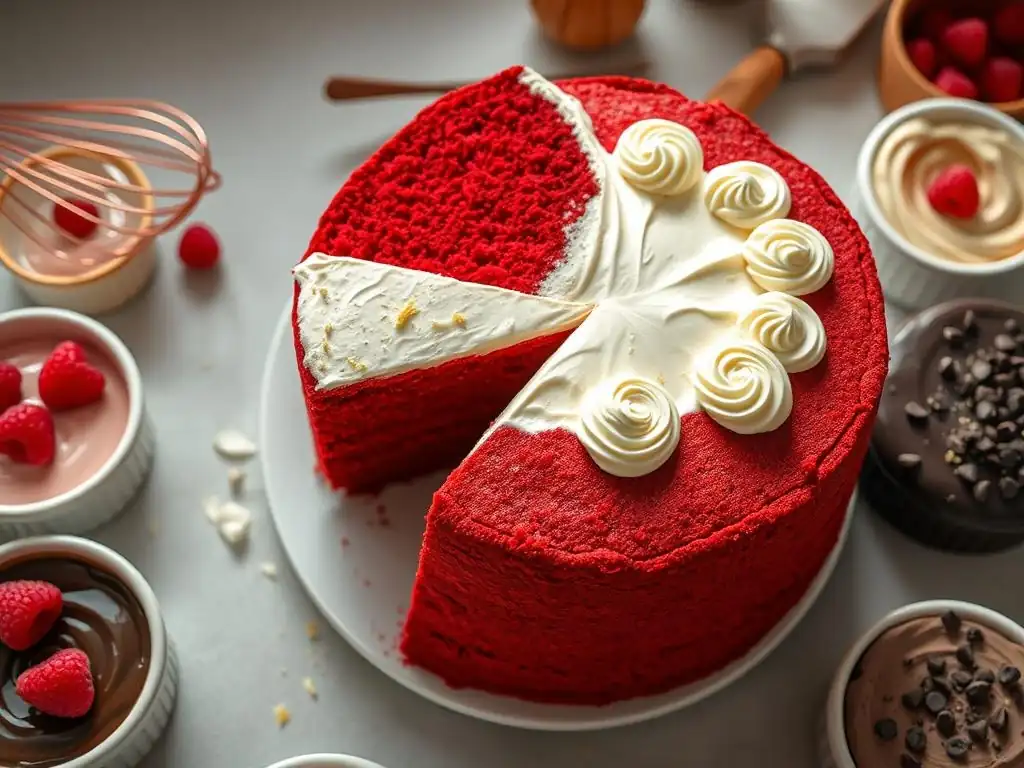
Welcome to BakeWithEase, your guide to baking bliss! Ever dreamt of a delicious cake that aligns with your dietary needs? Dive in and unlock the secrets to crafting the ultimate Keto cake base recipe. We'll show you how to create a versatile foundation, perfect for everything from a decadent red velvet to a classic vanilla dream. Curious how it's done? Let's get baking!
- The Ultimate Keto Cake Base: From Vanilla to Chocolate
- Keto Kitchen's Guide to the Perfect Keto Cake Base Recipe
- Understanding the Fundamentals of a Keto Cake Base
- Crafting the Perfect Keto Cake Base: Step-by-Step Instructions
- Keto Cake Base Recipe Variations: Unleash Your Creativity
- Troubleshooting Your Keto Cake Base: Common Problems and Solutions
- Tips and Tricks for Enhancing Your Keto Cake Base
- Keto Cake Base vs. Traditional Cake Base: A Comparison
- Keto Cake Base: Frequently Asked Questions
- Beyond the Base: Building Your Dream Keto Cake
- Frequently Asked Questions
- Final Reflection: Baking Freedom on the Keto Journey
- Unlock Your Keto Baking Potential!
The Ultimate Keto Cake Base: From Vanilla to Chocolate
Keto Kitchen's Guide to the Perfect Keto Cake Base Recipe
Welcome to the world of keto baking! Creating delicious treats that fit a low-carb lifestyle can seem daunting, but with the right foundation, it's entirely achievable. A great keto cake base recipe is your starting point for countless sugar-free, low-carb desserts, from simple vanilla layers to rich chocolate creations. This guide will walk you through the essential ingredients, techniques, and variations to master the art of baking a fantastic keto cake base right in your own kitchen.
Whether you're just beginning your keto journey or looking to perfect your sugar-free baking skills, understanding the science behind a good keto cake base is key. Unlike traditional cakes relying on wheat flour and sugar for structure and moisture, keto versions utilize alternative flours, sweeteners, and binding agents. This requires a slightly different approach, but the results can be just as satisfying, yielding moist, tender cakes that won't derail your dietary goals. Let's dive into crafting your ultimate keto cake base recipe!
Mastering the Art of Keto Baking: Your Starting Point
Embarking on the journey of keto baking opens up a world of possibilities for enjoying sweet treats while maintaining a low-carb lifestyle. The cornerstone of many keto desserts, particularly cakes, is a reliable and delicious keto cake base recipe. This foundation is crucial because it dictates the texture, moisture, and overall success of your final creation. Unlike traditional baking where gluten provides structure and sugar adds moisture and tenderness, keto baking relies on different ingredients that behave uniquely, requiring a shift in technique and understanding.
Developing proficiency in keto baking involves becoming familiar with alternative flours like almond and coconut flour, understanding the properties of various keto-friendly sweeteners, and learning how different binding agents work. For instance, using too much coconut flour without adequate liquid can result in a dry, crumbly cake, while an incorrect ratio of sweetener might lead to an unpleasant aftertaste. Mastering the basics of a solid keto cake base recipe provides the knowledge and confidence to experiment with flavors, layers, and frostings, transforming simple ingredients into impressive, low-carb masterpieces that rival their traditional counterparts in taste and texture.
Understanding the Fundamentals of a Keto Cake Base
Creating a successful keto cake base recipe begins with a thorough understanding of what makes a cake keto-friendly and the specific roles key ingredients play. It's not just about removing sugar and wheat flour; it's about substituting them with alternatives that provide similar structure, moisture, and flavor without the high carbohydrate count. This section breaks down the core components you'll need to build your perfect low-carb cake foundation.
From the type of flour you choose to the sweetener you prefer, each ingredient in a keto cake base recipe contributes significantly to the final outcome. Knowing how almond flour differs from coconut flour in terms of absorption, or how erythritol compares to monk fruit extract in sweetness and texture contribution, is vital. This knowledge empowers you to troubleshoot issues and adapt recipes to your preferences, ensuring your keto cake base is always moist, tender, and perfectly baked.
What Makes a Cake Keto-Friendly? Key Ingredients Explained
A cake qualifies as keto-friendly primarily based on its macronutrient profile, specifically its low net carbohydrate content. Traditional cakes are high in carbs due to wheat flour and sugar. To make a cake keto, these high-carb ingredients are replaced with low-carb alternatives.
For example, instead of using all-purpose flour which contains roughly 76 grams of net carbs per 100 grams, keto recipes utilize flours like almond flour (around 10-12 grams net carbs per 100 grams) or coconut flour (around 20-25 grams net carbs per 100 grams, but used in much smaller quantities). Similarly, granulated sugar, with its 100 grams of net carbs per 100 grams, is swapped for non-caloric or low-impact sweeteners such as erythritol, stevia, or monk fruit extract, which have zero or negligible net carbs.
Beyond just replacing flour and sugar, a keto cake base recipe often incorporates healthy fats like butter, coconut oil, or cream cheese, which are staples of the keto diet and contribute to moisture and richness. Eggs are crucial not only as a binding agent but also for adding protein and fat, contributing to the cake's structure and nutrient density.
Ingredients like baking powder or baking soda are used for leavening, just like in traditional cakes, helping the keto cake base rise and become light. Understanding the function and carb count of each ingredient is essential for formulating or modifying a keto cake base recipe that meets your dietary needs and taste preferences.
Essential Keto Baking Ingredients for Cake Bases
Crafting a successful keto cake base recipe relies on a specific set of ingredients that provide structure, sweetness, and moisture without the high carbohydrate load of traditional baking. Becoming familiar with these staples is the first step towards mastering low-carb baking.
These ingredients are chosen for their low net carb count and their ability to mimic the functions of wheat flour and sugar in standard cake recipes. Getting the ratios right is crucial, as these alternative ingredients behave differently, particularly in how they absorb liquids.
Almond Flour: The Cornerstone of Keto Cakes
Almond flour is arguably the most popular flour alternative in keto baking, and for good reason. It's made from ground blanched almonds, offering a mild, slightly nutty flavor and a texture that works well in many baked goods. On average, 1/4 cup (about 28 grams) of almond flour contains around 3 grams of net carbs, significantly lower than wheat flour. It provides a tender crumb and structure to a keto cake base recipe.
When using almond flour, it's important to use superfine blanched almond flour for the best texture, avoiding almond meal, which includes the skins and results in a coarser, denser cake. While almond flour is versatile, it doesn't absorb as much liquid as wheat flour, so recipes often require more eggs or other binders to achieve the desired consistency and prevent crumbling. It's a fantastic base for a wide variety of keto cake base recipe variations.
Coconut Flour: Adding Structure and Moisture
Coconut flour is another prevalent ingredient in keto cake base recipes, known for its high absorbency and distinct coconut flavor (though often subtle in baked goods). Made from dried, defatted coconut meat, it's much more fibrous than almond flour. A little goes a long way; you typically use only about 1/4 to 1/3 the amount of coconut flour compared to almond flour. For instance, a recipe might call for 1 cup of almond flour but only 1/4 cup of coconut flour.
Coconut flour is very high in fiber, which contributes to its absorbency. This means it requires a significant amount of liquid and eggs to prevent a dry cake. A typical ratio might be 1/4 cup coconut flour to 2 eggs and 1/2 cup liquid. While it adds structure, using too much can result in a dense, dry texture. It's often used in combination with almond flour in a keto cake base recipe to balance texture and moisture.
Sweeteners: Keto-Approved Alternatives to Sugar
Replacing sugar is fundamental to any keto cake base recipe. Keto-friendly sweeteners offer sweetness without impacting blood sugar levels significantly. The most common options include erythritol, stevia, monk fruit extract, and blends of these. Erythritol is a sugar alcohol that provides about 70% of the sweetness of sugar with minimal calories and carbs (often listed as 0 net carbs). It can sometimes cause a cooling sensation.
Stevia and monk fruit extracts are natural, high-intensity sweeteners used in very small amounts. They are often blended with erythritol or other carriers to make them easier to measure and use cup-for-cup like sugar. For instance, a cup-for-cup sweetener blend might contain erythritol, stevia, and/or monk fruit. It's important to choose a sweetener you like the taste of, as some can have aftertastes. Experimenting with different brands and types is often necessary to find your preferred sweetener for your keto cake base recipe.
Binding Agents: Eggs, Xanthan Gum, and Psyllium Husk
Because keto flours lack gluten, which provides elasticity and structure in traditional baking, additional binding agents are often necessary in a keto cake base recipe. Eggs are paramount; they provide structure, moisture, and richness. Many keto cake recipes use more eggs than their traditional counterparts to compensate for the lack of gluten and high-absorption flours.
Xanthan gum is a common food additive that acts as a thickener and stabilizer. Used in small amounts (often 1/4 to 1/2 teaspoon per cup of low-carb flour blend), it helps mimic the elasticity of gluten, preventing the cake from being too crumbly. Psyllium husk, another fiber-rich ingredient, can also be used as a binder and helps retain moisture, giving the cake a slightly chewier texture. Using the correct amount of these binders is crucial for achieving a cohesive and pleasant texture in your keto cake base.
Crafting the Perfect Keto Cake Base: Step-by-Step Instructions
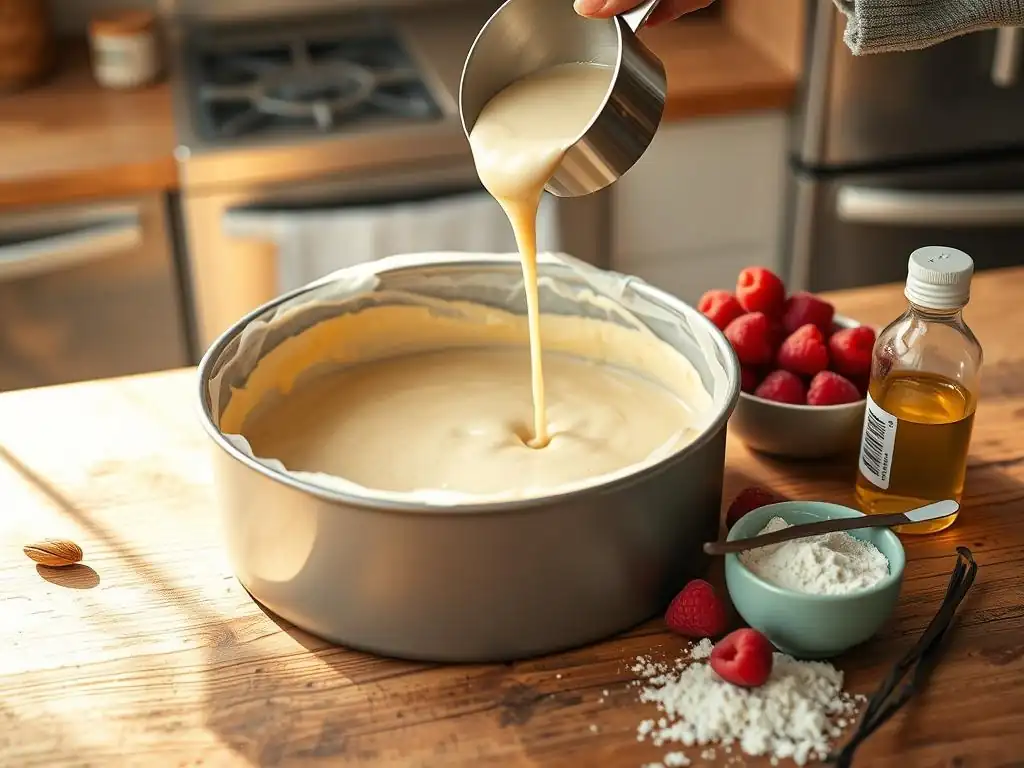
Once you understand the key ingredients, the next step is to bring them together to create your keto cake base recipe. The process is similar to traditional baking in many ways, involving combining dry and wet ingredients and careful baking. However, attention to specific details related to keto ingredients is essential for success.
Following a reliable step-by-step guide ensures that ingredients are incorporated correctly, minimizing common keto baking pitfalls like dryness or density. From accurately measuring your low-carb flours to understanding the visual cues for doneness, each step plays a role in achieving a tender, moist, and flavorful keto cake base.
Preparing Your Keto Cake Base: A Detailed Guide
Let's walk through the process of preparing a standard keto cake base recipe. While specific amounts will vary depending on the recipe and desired yield, the general steps involve careful measurement and mixing to ensure all ingredients are properly combined and activated.
Accuracy in measuring low-carb flours and sweeteners is particularly important, as even slight variations can impact the final texture and sweetness. Using kitchen scales for flour and sweetener can provide more consistent results than volume measurements.
Combining Dry Ingredients for Optimal Texture
The first step in most keto cake base recipes is to whisk together the dry ingredients. This typically includes your chosen low-carb flour(s) (like almond flour or a blend with coconut flour), keto-friendly sweetener, baking powder or baking soda, and salt. Sifting ingredients like almond flour can help remove lumps and aerate the mixture, contributing to a lighter crumb, although superfine almond flour often doesn't strictly require sifting.
Whisking ensures that the leavening agents and salt are evenly distributed throughout the flour mixture. This uniform distribution is critical for an even rise and consistent flavor in your keto cake base. For example, if baking powder isn't evenly mixed, parts of the cake might not rise properly. If using xanthan gum or psyllium husk, they are usually added to the dry ingredients at this stage. Ensure everything is thoroughly combined before moving on.
Incorporating Wet Ingredients for a Smooth Batter
Next, the wet ingredients are typically mixed separately and then combined with the dry ingredients. Wet ingredients for a keto cake base recipe usually include eggs, melted butter or oil, liquid (like unsweetened almond milk, coconut milk, or heavy cream), and vanilla extract or other flavorings. Eggs should ideally be at room temperature for better emulsification.
When combining the wet and dry mixtures, mix until just combined. Overmixing can develop any potential toughness (though less of a concern than with gluten), and it can also deflate the batter, leading to a denser cake. For instance, mix until no dry streaks of flour remain, but avoid vigorous beating for an extended period. The batter consistency for a keto cake base might be slightly thicker than traditional cake batter due to the absorbency of the low-carb flours.
Baking Time and Temperature: Achieving the Ideal Result
Baking time and temperature are critical for a perfectly cooked keto cake base. Most keto cakes bake well at slightly lower temperatures than traditional cakes, typically between 325°F (160°C) and 350°F (175°C). This helps prevent the edges from browning too quickly before the center is cooked through. The baking time will vary significantly based on the size and depth of the cake pan; a thin sheet cake will bake much faster than a tall layer cake.
For a typical 8 or 9-inch round keto cake base, baking might take anywhere from 25 to 35 minutes. You can check for doneness by inserting a toothpick into the center; it should come out clean. The edges should look set and slightly golden, and the top might spring back gently when lightly pressed. Be mindful that keto cakes can sometimes brown faster due to ingredients like almond flour or butter, so keep an eye on it, especially towards the end of the baking time.
Keto Cake Base Recipe Variations: Unleash Your Creativity
The beauty of mastering a basic keto cake base recipe is the ability to easily adapt it into a multitude of flavors. By adding just a few extra ingredients, you can transform a simple vanilla base into something entirely new and exciting. This section explores some popular variations to get your creative juices flowing.
These variations demonstrate how versatile a single keto cake base recipe can be, allowing you to cater to different cravings and occasions while staying true to your low-carb goals. Each variation requires specific additions that complement the base structure.
Vanilla Keto Cake Base: A Classic Foundation
The vanilla keto cake base is the quintessential starting point. Its simple, clean flavor makes it incredibly versatile, serving as the perfect canvas for various frostings and fillings. A standard vanilla keto cake base recipe typically includes almond flour, sweetener, eggs, butter, baking powder, and a generous amount of vanilla extract.
Using high-quality vanilla extract is key here. Pure vanilla extract offers a richer, more complex flavor than imitation vanilla. For an extra layer of flavor, consider adding vanilla bean powder or the seeds from half a vanilla bean pod to the batter. This classic keto cake base recipe is ideal for layer cakes, cupcakes, or even just a simple snack cake.
Chocolate Keto Cake Base: Rich and Decadent
Transforming your keto cake base into a rich chocolate version is simple and incredibly rewarding. This variation typically involves adding unsweetened cocoa powder to the dry ingredients. For instance, replacing about 1/4 cup of almond flour with 1/4 cup of unsweetened cocoa powder per cup of total flour blend works well.
Using Dutch-processed cocoa powder can yield a darker, less acidic chocolate flavor compared to natural cocoa powder. Adding a small amount of instant espresso powder (about 1 teaspoon) can also deepen and enhance the chocolate flavor without adding a coffee taste. This chocolate keto cake base recipe pairs wonderfully with sugar-free chocolate ganache or cream cheese frosting.
Peanut Butter Keto Cake Base: A Nutty Delight
For peanut butter lovers, incorporating this favorite flavor into a keto cake base recipe is a game-changer. This is often achieved by adding natural, sugar-free peanut butter (or other nut/seed butter like almond butter or sunflower seed butter) to the wet ingredients. Ensure your peanut butter contains only peanuts and salt, or just peanuts.
The amount of peanut butter added needs to be balanced, as it can affect the cake's texture and moisture. Adding around 1/4 to 1/2 cup of creamy peanut butter to a standard keto cake base recipe works well, potentially slightly reducing the amount of butter or oil to maintain the right consistency. This variation is excellent with a sugar-free chocolate or peanut butter frosting.
Strawberry Keto Cake Base: Fruity and Fresh
Adding fruit flavor to a keto cake base requires a slightly different approach since whole fruits contain carbs. For a strawberry keto cake base, you can use freeze-dried strawberry powder or a small amount of sugar-free strawberry extract. Freeze-dried strawberry powder offers intense flavor and color without excess moisture or carbs; about 2-3 tablespoons per batch is usually sufficient.
Alternatively, a concentrated sugar-free strawberry extract provides flavor without adding bulk or carbs. Be mindful that extracts can be potent, so start with a smaller amount and add more to taste. This fruity keto cake base recipe is lovely topped with fresh strawberries (in moderation) and sugar-free whipped cream or cream cheese frosting.
Coffee Keto Cake Base: Bold and Aromatic
A coffee-flavored keto cake base is perfect for pairing with chocolate or caramel notes. This is easily achieved by adding instant espresso powder or strong brewed coffee to the batter. Dissolving instant espresso powder in a small amount of the liquid ingredient (like almond milk) before adding it to the wet mixture ensures even distribution.
Using about 1-2 tablespoons of instant espresso powder or replacing some of the liquid with strong brewed coffee works well. If using brewed coffee, ensure the total liquid amount in the recipe remains balanced. This coffee keto cake base recipe is fantastic for tiramisu-inspired desserts or simply enjoyed with a cup of coffee.
Troubleshooting Your Keto Cake Base: Common Problems and Solutions
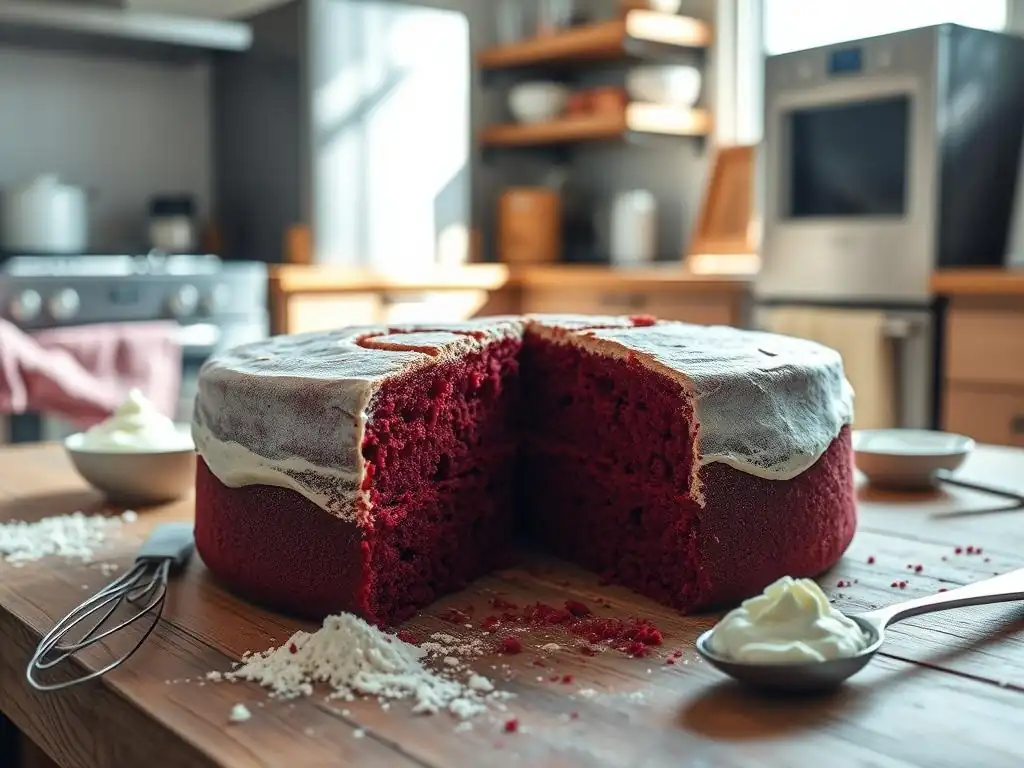
Even with a reliable keto cake base recipe, you might encounter issues during baking. Understanding common problems and how to fix them is part of mastering keto baking. Let's look at some frequent challenges and practical solutions.
Addressing these issues often involves adjusting ingredient ratios, mixing techniques, or baking parameters. Learning to identify the cause of a problem helps you avoid it in future attempts at your keto cake base recipe.
Dry and Crumbly Cake: Hydration Tips for Keto Baking
A common complaint about keto cakes is dryness or a crumbly texture. This often happens because low-carb flours, particularly coconut flour, are very absorbent and require sufficient moisture. If your keto cake base is dry, it could be due to too much flour, too little liquid (eggs, milk, oil), or overbaking.
To combat dryness, ensure you are accurately measuring your flours, perhaps using a scale. Increase the amount of liquid slightly in your next attempt, or add an extra egg yolk for richness and moisture. Using full-fat dairy (like heavy cream) or adding ingredients like sour cream or cream cheese can also boost moisture. Avoid overbaking; check for doneness at the lower end of the suggested baking time.
Dense and Heavy Cake: Lightening Up Your Keto Cake Base
If your keto cake base turns out dense or heavy, it might be because of insufficient leavening, overmixing, or too much binding agent. Low-carb flours don't provide the same lift as wheat flour, so proper leavening is crucial.
Ensure your baking powder or baking soda is fresh. Check the expiration date, as old leavening agents lose their potency. Make sure you are using the correct amount specified in the keto cake base recipe. Avoid overmixing the batter once wet and dry ingredients are combined; mix only until just incorporated. Reducing the amount of xanthan gum or psyllium husk slightly might also help if you suspect too much binder is contributing to density.
Uneven Baking: Ensuring Consistent Results
Uneven baking, where the edges are done but the center is undercooked, or vice-versa, can be frustrating. This is often caused by incorrect oven temperature, uneven heat distribution, or placing the cake pan incorrectly in the oven.
First, verify your oven temperature with an oven thermometer, as oven thermostats can be inaccurate, sometimes by as much as 25-50°F (15-30°C). Ensure the oven is fully preheated before placing the cake inside. Position the cake pan in the center of the middle rack for the most even heat distribution. If using multiple pans, ensure there is enough space for air to circulate around them. Rotating the pan halfway through the baking time can also help promote even cooking.
Tips and Tricks for Enhancing Your Keto Cake Base
Beyond the basic recipe, a few simple techniques and additions can elevate your keto cake base from good to great. These tips focus on enhancing flavor, texture, and overall appeal.
These small adjustments can make a big difference in the quality and enjoyment of your keto cake base recipe. They allow for personalization and extra layers of deliciousness.
Adding Flavor Extracts and Zest for Depth
Flavor extracts and fresh citrus zest are excellent ways to add complexity and brightness to your keto cake base without adding carbs. While vanilla extract is standard, don't hesitate to experiment with others like almond extract, lemon extract, or even a few drops of peppermint extract (especially with a chocolate base).
Freshly grated lemon or orange zest contains flavorful oils that infuse the cake with a vibrant, natural aroma and taste. Add zest to the wet ingredients or rub it into the sweetener before mixing to release its oils. Using extracts in combination with vanilla can create more nuanced flavors in your keto cake base.
Incorporating Keto-Friendly Frostings and Fillings
A keto cake base is just the beginning! Pairing it with delicious keto-friendly frostings and fillings is essential for a complete dessert. Common options include cream cheese frosting made with butter, cream cheese, sweetener, and vanilla; whipped ganache made from sugar-free chocolate and heavy cream; or simple sugar-free whipped cream.
Ensure your frosting and filling recipes also use keto-approved sweeteners and ingredients to keep the overall dessert low-carb. These additions not only enhance flavor but also contribute moisture and richness, complementing the texture of the keto cake base.
Storing Your Keto Cake Base: Maintaining Freshness
Proper storage is crucial for keeping your keto cake base fresh and moist. Because keto cakes often contain more moisture and fats than traditional cakes, they can spoil faster if not stored correctly.
Once cooled completely, store the keto cake base in an airtight container at room temperature for 1-2 days. For longer storage, refrigerate the cake for up to a week. For extended freshness, wrap individual slices or the entire cooled cake tightly in plastic wrap, then in foil, and freeze for up to 2-3 months. Thaw in the refrigerator before serving. Proper storage helps maintain the texture you worked hard to achieve with your keto cake base recipe.
Keto Cake Base vs. Traditional Cake Base: A Comparison
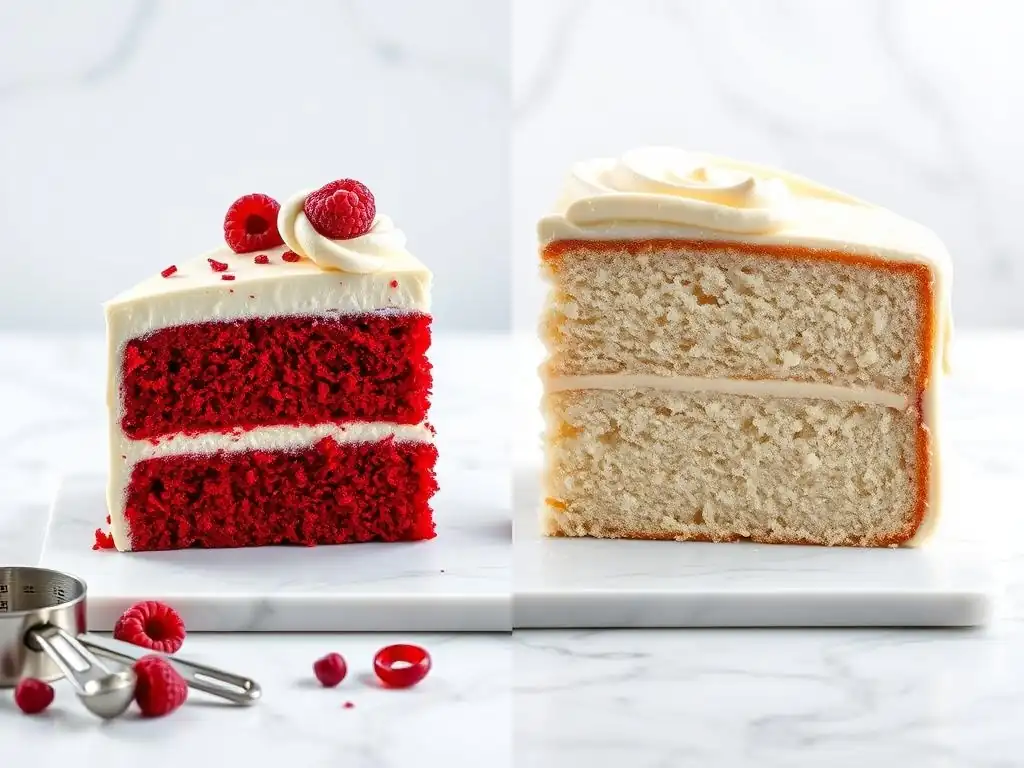
Understanding the differences between a keto cake base and a traditional cake base highlights why different ingredients and techniques are used. While both aim for a delicious outcome, their composition and properties are fundamentally different.
This comparison helps set expectations regarding texture, taste, and nutritional impact when switching from traditional baking to a keto cake base recipe.
Nutritional Differences: Keto vs. Standard Cakes
The most significant difference lies in the nutritional profile. A traditional cake base made with wheat flour and sugar is high in carbohydrates and calories, primarily from sugar and refined grains. A standard slice of vanilla cake might contain upwards of 40-50 grams of net carbs and a significant amount of sugar.
In contrast, a keto cake base recipe is designed to be very low in net carbs and sugar. A similar-sized slice of vanilla keto cake base made with almond flour and erythritol might contain only 3-5 grams of net carbs. While the calorie count might be similar or even higher due to the use of fats like butter and eggs, the drastic reduction in digestible carbohydrates is the defining characteristic, making it suitable for a ketogenic diet.
Texture and Taste Considerations: What to Expect
Texture and taste are where keto cakes often differ most noticeably from traditional ones. Traditional cakes, thanks to gluten, typically have a light, airy, and elastic crumb. Sugar contributes to a moist, tender texture and classic sweetness.
A keto cake base made with almond flour tends to have a slightly denser, more tender, and sometimes slightly crumbly texture compared to wheat-based cakes. Coconut flour cakes can be even denser and more prone to dryness if not formulated correctly. The sweetness comes from alternative sweeteners, which can sometimes have a different mouthfeel or a slight aftertaste depending on the type and brand. However, a well-made keto cake base recipe can achieve a wonderfully moist and satisfying result, although the texture will likely be different from what you're used to with traditional cakes.
Baking Process and Outcome: Key Differences Explained
The baking process for a keto cake base recipe is largely similar to traditional baking – mixing dry and wet ingredients, pouring into a pan, and baking in an oven. However, there are subtle differences. Keto batters can sometimes be thicker. They may brown faster on the edges due to higher fat content.
Checking for doneness requires attention; the toothpick test is reliable, but visual cues might vary slightly. The cooling process is also important; allowing the keto cake base to cool fully in the pan for a bit before transferring helps prevent it from breaking, as the structure might be more delicate than a gluten-based cake while warm. Understanding these nuances leads to better results with your keto cake base.
Keto Cake Base: Frequently Asked Questions
As you explore making your own keto cake base recipe, you might have specific questions. Here are answers to some common queries to help you on your baking journey.
These answers address practical aspects of keto baking and substituting ingredients, providing clarity for common dilemmas faced when making a keto cake base.
Can I use Whey Protein in my Keto Cake Base?
Yes, whey protein isolate can sometimes be used in a keto cake base recipe, but it should be done cautiously and often in combination with other flours. Whey protein is low in carbs but is very absorbent and can lead to a dry or rubbery texture if used in large amounts.
It's generally not recommended to substitute all the low-carb flour with whey protein. Some recipes might use a small amount (e.g., 1-2 tablespoons per cup of flour blend) to add protein and improve texture slightly, but using it as the primary flour substitute in a keto cake base is usually not successful for achieving a cake-like texture.
How do I adapt my favorite cake recipe to be Keto?
Adapting a traditional cake recipe to be keto is possible but requires more than just simple substitutions. You need to replace wheat flour with a low-carb blend (like almond and coconut flour, adjusting ratios carefully due to absorbency), replace sugar with a keto-friendly sweetener (adjusting amount for equivalent sweetness), and often increase the amount of eggs or add binders like xanthan gum to compensate for the lack of gluten.
Fats might need adjustment depending on the original recipe. It's best to start with a proven keto cake base recipe and then experiment with minor adjustments or flavorings, rather than trying to convert a traditional recipe ingredient-by-ingredient, which often requires significant rebalancing.
Can I substitute Erythritol with Monk Fruit?
Yes, you can generally substitute erythritol with a monk fruit sweetener blend in a keto cake base recipe, provided the monk fruit blend is formulated to be a cup-for-cup replacement for sugar or erythritol. Pure monk fruit extract is much sweeter than sugar or erythritol and is used in tiny amounts, so you would need a blend that bulks it up for baking.
Check the packaging of your monk fruit sweetener blend to understand its sweetness equivalence to sugar or erythritol and use the appropriate amount specified in the keto cake base recipe. Be aware that different sweeteners can affect texture and moisture slightly.
Beyond the Base: Building Your Dream Keto Cake
With a perfect keto cake base recipe in hand, the fun really begins! The base is just the foundation for creating stunning and delicious keto desserts. Let's explore how to complete your keto cake masterpiece.
These final touches transform your simple keto cake base into a celebration-worthy dessert, proving that keto baking can be both delicious and visually appealing.
Keto Frosting Recipes to Complement Your Cake Base
Choosing the right frosting is key to completing your keto cake. A classic choice is sugar-free cream cheese frosting, made by whipping together softened cream cheese, butter, keto sweetener (like powdered erythritol or a blend), and vanilla extract until smooth and fluffy.
Another popular option is a sugar-free chocolate avocado frosting, which uses ripe avocados for creaminess and cocoa powder for flavor. Sugar-free whipped cream, stabilized with a bit of cream cheese or gelatin, is also a light and airy topping. Ensure your frosting recipe uses powdered sweetener to avoid a gritty texture.
Ideas for Keto Cake Decorations and Garnishes
Decorating your keto cake base adds visual appeal. Keep decorations low-carb. Fresh berries like raspberries, strawberries, or blueberries (used sparingly due to carb count) are beautiful and add a touch of freshness. Sugar-free chocolate shavings made from keto-friendly chocolate bars work well on chocolate cakes.
Toasted shredded coconut, chopped keto-friendly nuts (like pecans, walnuts, or almonds), or a dusting of cocoa powder or powdered sweetener through a stencil can also add simple elegance. Edible flowers or sugar-free sprinkles (check carb count) can also be used for special occasions.
Keto Cake Showcase: Inspiration for Your Next Creation
Imagine a stunning layered vanilla keto cake base filled with sugar-free lemon curd and topped with swirls of fluffy cream cheese frosting, garnished with fresh berries. Or perhaps a rich chocolate keto cake base layered with sugar-free peanut butter frosting and sprinkled with chopped peanuts.
Consider a festive red velvet keto cake base (achieved with cocoa and a touch of red food coloring) paired with tangy cream cheese frosting. These examples demonstrate the potential of a solid keto cake base recipe to be the star of a wide variety of delicious and impressive low-carb desserts suitable for any occasion.
Frequently Asked Questions
What makes a cake base "Keto"?
A Keto cake base is formulated to be low in carbohydrates and high in fats, primarily using ingredients like almond flour or coconut flour instead of traditional wheat flour. This keeps the net carb count low, suitable for a ketogenic diet.
Can I adapt the Keto cake base recipe for different flavors?
Yes! The recipe serves as a base. You can easily adapt it for flavors like red velvet by adding cocoa powder and red food coloring, or vanilla by adding vanilla extract. Don't be afraid to experiment!
What are the best sugar substitutes to use in a Keto cake base?
Commonly used sugar substitutes include erythritol, stevia, and monk fruit. It's important to adjust the amount based on the specific sweetener's sweetness level compared to sugar.
What kind of frosting works best with a Keto cake base?
Cream cheese frosting is a popular choice because it's naturally low in carbs and rich in fats. Other options include buttercreams sweetened with keto-friendly sweeteners or whipped cream.
Is almond flour or coconut flour better for a Keto cake base?
The choice depends on personal preference and the desired texture. Almond flour provides a moister, more cake-like texture, while coconut flour can be drier and requires more liquid. Experiment to see which you prefer!
Final Reflection: Baking Freedom on the Keto Journey
The quest for delicious, guilt-free desserts on a ketogenic diet is no longer a mythical pursuit. This article has explored the versatility of a single, adaptable keto cake base, demonstrating how simple modifications can transform it into a range of delectable treats, from rich red velvet to classic vanilla. This isn't just about baking; it's about reclaiming joy and satisfaction in the kitchen while adhering to a specific dietary plan.
The impact of restrictive diets on mental wellbeing is often underestimated. The ability to create something sweet and indulgent, without compromising one's health goals, is profoundly empowering. The joy of cooking is the joy of creating something beautiful and delicious, and sharing it with others.
This sentiment, though not specifically about keto baking, perfectly encapsulates the emotional resonance of mastering a recipe like this keto cake base. It's about more than just sustenance; it's about self-care and celebrating small victories in a journey that demands discipline and commitment.
Now, I invite you to consider the possibilities. Don't just bake this cake; experiment with it. Try different extracts, add your favorite keto-friendly toppings, and let your creativity flourish. This keto cake base is a foundation, a springboard for your own culinary adventures. Embrace the freedom it offers, and discover the joy of baking delicious, healthy treats that nourish both your body and your soul.
Unlock Your Keto Baking Potential!
Thanks for joining us on this delicious journey into the world of keto cakes! We hope you've discovered the versatility and flavor possibilities of creating amazing keto-friendly desserts. Now it's time to put your newfound knowledge into action.
- Bake your dream keto cake: Grab your favorite keto-friendly recipe (or try one of our many others! ), and get baking! Let us know which flavor you choose.
- Share your creation: Post a picture of your masterpiece on social media and tag us – we'd love to see your baking skills in action!
- Explore more keto recipes: Dive deeper into our recipe collection to discover even more delicious keto-friendly treats.
Ready to unleash your inner keto baker? What amazing flavor will you create first?