
Moisture and Structure in NutFree Baking: The Science Behind Perfect Texture

Welcome to BakeWithEase, your trusted guide to the delightful world of baking!
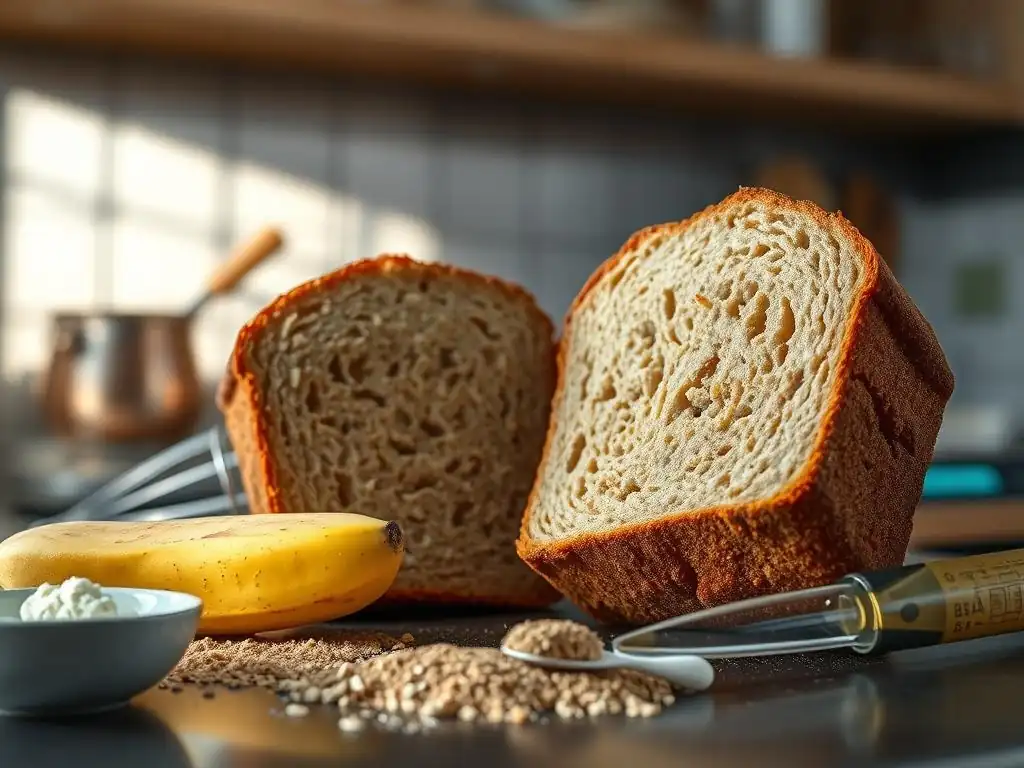
Ever wondered how to achieve that perfect texture in nut-free baking? It's more than just swapping ingredients; it's about understanding the science. Unlock the secrets to moisture and structure in this crucial area of baking, and say goodbye to dry, crumbly results. Intrigued? Let's dive in and discover how to master the art of Nutfree baking perfect texture!
- Introduction to Perfecting Texture in Nut-Free Baking
- Understanding the Role of Ingredients in Nut-Free Baking
- Moisture Management Techniques for Nut-Free Baked Goods
- Building Structure in Nut-Free Recipes: Techniques and Tips
- Troubleshooting Common Texture Issues in Nut-Free Baking
- Nut-Free Baking Recipes for Perfect Texture: Examples
- Conclusion: Mastering the Art of Nut-Free Baking with Perfect Texture
-
Frequently Asked Questions
- How does nut-free baking affect the overall texture of baked goods?
- What are some common substitutes for nuts in baking to maintain moisture?
- How can I ensure my nut-free baked goods have a good structure?
- What role does gluten play in achieving the perfect texture in nut-free baking?
- Are there any specific techniques I should use to avoid dry or dense nut-free baked goods?
- Final Reflection: The Enduring Quest for Perfect Nut-Free Texture
- Unlock the Secrets to Fluffy Nut-Free Baking!
Introduction to Perfecting Texture in Nut-Free Baking
Baking without nuts presents a unique set of challenges, particularly when aiming for that coveted perfect texture in nut-free baking. Nuts, especially in ground form or as butters, contribute significantly to moisture, richness, and structure in many traditional recipes. They add tenderness, prevent dryness, and can even aid in binding ingredients together. When removed from a recipe, these functions need to be replaced effectively to avoid common pitfalls like dry, crumbly, or dense results. Mastering nut-free baking requires a scientific understanding of how ingredients interact and how to manipulate moisture and structure.
Achieving the ideal crumb and chewiness in nut-free baked goods is entirely possible with the right knowledge and techniques. It involves carefully selecting alternative ingredients that can replicate the roles of nuts and understanding how different preparation methods influence the final outcome. This guide delves into the science behind moisture and structure, offering practical tips and insights to help you consistently produce delicious nut-free treats with that sought-after nutfree baking perfect texture.
The Challenge of Achieving Ideal Texture Without Nuts
Nuts are often unsung heroes in traditional baking, providing valuable fat, protein, and fiber that contribute to tenderness and a pleasant mouthfeel. For instance, finely ground almonds or almond flour are frequently used in cakes and cookies, sometimes making up 20-30% of the dry ingredients, adding moisture and preventing a tough texture.
Nut butters, like peanut or almond butter, are even more impactful, with high-fat content (often 50% or more) that ensures richness and helps bind ingredients while keeping baked goods soft and moist. When these are removed for nut-free baking, the baker must find alternatives that offer similar structural support and moisture retention.
Without nuts, recipes can easily become dry and crumbly because the natural fats and moisture they provide are missing. The challenge is compounded when dealing with recipes originally designed for wheat flour, as nut flours also affect gluten development. In gluten-free nut-free baking, the issue shifts to replacing the binding and tenderness that nuts offered alongside gluten. Successfully navigating these complexities is key to developing recipes that yield a nutfree baking perfect texture every time, requiring careful ingredient selection and precise execution.
Why Moisture is Key in Nut-Free Baking Recipes
Moisture is arguably the most critical factor in achieving a desirable texture in any baked good, and it becomes even more pronounced in nut-free baking recipes. Proper hydration ensures that starches gelatinize correctly during baking, contributing to a tender crumb and preventing dryness. Insufficient moisture leads to a tough, dry, or crumbly texture that lacks appeal. Think of a perfectly moist muffin versus one that crumbles into dust when you touch it – the difference often comes down to moisture levels.
Beyond immediate texture, adequate moisture also plays a vital role in the shelf life of nut-free baked goods. Baked goods with optimal moisture tend to stay fresh and soft longer, as moisture loss is a primary cause of staling. Ingredients that attract and hold water, known as humectants, are particularly valuable in nut-free baking to lock in moisture. Understanding how different ingredients contribute moisture and how to manage hydration throughout the baking process is fundamental to achieving that sought-after nutfree baking perfect texture.
Understanding the Role of Ingredients in Nut-Free Baking
Flours and Their Impact on Nut-Free Baking Texture
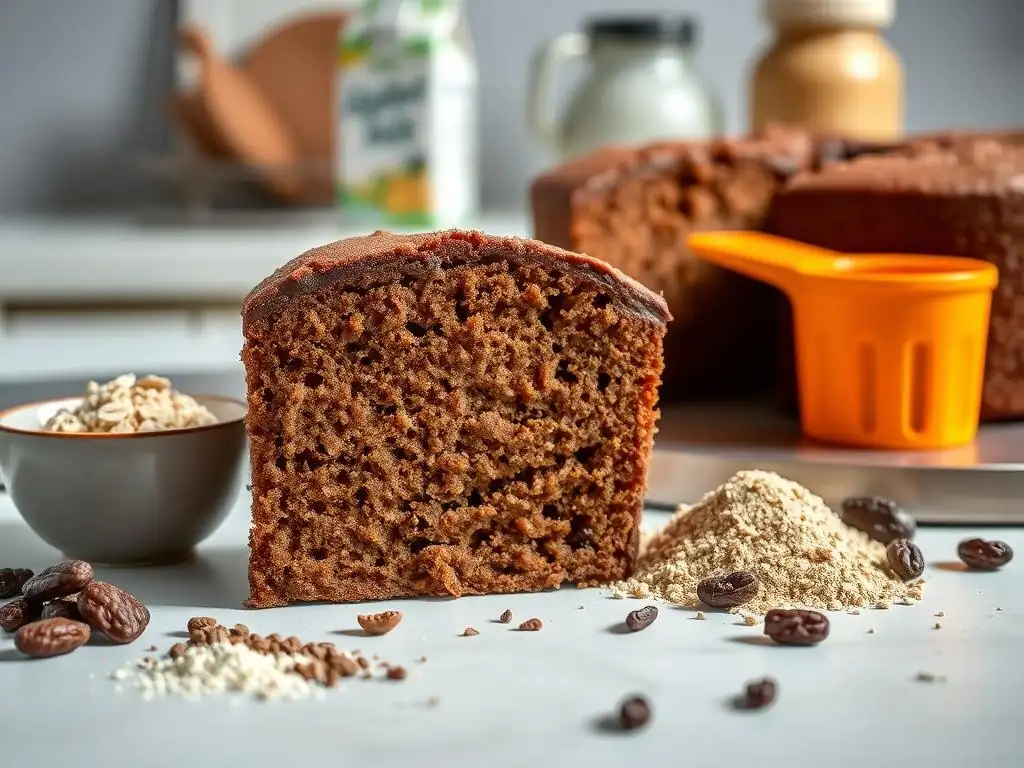
The choice of flour is foundational to the structure and texture of any baked good, and this is especially true in nut-free baking. Different flours absorb liquids at varying rates and contribute different levels of protein and starch, all of which affect the final texture. Using the wrong flour, or the wrong blend of flours, can result in anything from a dense brick to a delicate, crumbly mess. Understanding the properties of available flours is the first step towards achieving nutfree baking perfect texture.
In nut-free recipes that still use wheat flour, managing gluten development is key. However, in many nut-free baking scenarios, especially those catering to multiple allergies, gluten-free flours are necessary. These flours lack the gluten network that provides structure and elasticity, requiring alternative binders and careful handling. The specific type of gluten-free flour or blend significantly impacts moisture absorption, binding, and the final crumb structure, making their selection crucial for success.
Gluten-Free Flour Blends for Optimal Structure
Gluten-free flour blends are specifically designed to mimic the properties of wheat flour in nut-free baking. A typical blend might combine a starchy flour (like white rice flour or sorghum flour) with a binder (like tapioca starch or potato starch) and sometimes other flours for flavor and nutrition (like brown rice flour or millet flour). A common ratio might be approximately 60% whole grain/starchy flours to 40% binders/starches. The starches are crucial because they gelatinize when heated in the presence of moisture, providing structure and tenderness that gluten would normally supply.
Creating a balanced gluten-free blend is essential for achieving nutfree baking perfect texture. Too much starchy flour can lead to a dry or gritty texture, while too much binder can result in a gummy or dense crumb. Commercial blends are formulated to provide a good balance, but understanding the roles of their components allows bakers to adjust for specific recipes or troubleshoot issues. For example, increasing the proportion of a binder like tapioca starch slightly might improve the chewiness of a cookie, while reducing it might make a cake lighter.
Alternative Flours: Sorghum Flour, Teff Flour, Potato Starch and Their Moisture Absorption
Beyond standard blends, several alternative flours offer unique properties beneficial for nut-free baking. Sorghum flour, for instance, is a mild-flavored, whole-grain flour that absorbs liquid relatively slowly compared to wheat flour, which can help keep baked goods moist. It provides a tender crumb and is often used in combination with other flours. Teff flour, on the other hand, is a very fine, nutrient-dense flour that is highly absorbent and can contribute a slightly sticky texture, useful for binding but requiring careful hydration management to avoid gumminess.
Potato starch is a pure starch that is excellent for providing tenderness and a light texture in nut-free baking. It absorbs moisture readily and gelatinizes effectively, helping to create a soft crumb. However, used in isolation or in too high a proportion, it can lead to a gummy texture. It's typically used as part of a blend, often making up 20-30% of the flour mixture. Understanding these individual flour characteristics allows for more informed decisions when formulating or adapting recipes to achieve the desired nutfree baking perfect texture.
Binders and Their Function in Nut-Free Baking
Binders are critical in nut-free baking, especially when gluten is absent or when replacing ingredients like nuts that provide structure and cohesion. They act as the 'glue' holding the ingredients together, preventing crumbling and ensuring the baked good maintains its shape. Without effective binders, nut-free cakes might fall apart, and cookies might spread excessively or turn into a pile of crumbs. Selecting the right binder and using it correctly is paramount for structural integrity and achieving a nutfree baking perfect texture.
The function of a binder goes beyond just holding things together; it also impacts moisture distribution and retention. Some binders absorb significant amounts of liquid, which can affect the overall hydration of the dough or batter. Others might create a gel-like structure that traps moisture. Understanding how different binders behave is essential for predicting the outcome and making necessary adjustments to liquid levels in nut-free baking recipes.
Replacing Nut Butters: Achieving Binding Without Nuts
Nut butters are powerful binders due to their high fat and protein content. Replacing them in nut-free baking requires finding alternatives that can offer similar binding power and moisture. Seed butters, like sunflower seed butter (SunButter) or tahini (sesame paste), are common nut-free alternatives. Sunflower seed butter, for example, has a fat content similar to peanut butter, often around 50%, providing excellent moisture and binding, though its flavor can be strong and it can react with baking soda/powder to turn green (harmless but visually surprising).
Other binders can be used in conjunction with or instead of seed butters. Ingredients like mashed banana, applesauce, or pureed sweet potato can provide moisture and some binding, though they add sweetness and flavor. Using starches like cornstarch or tapioca starch, or gums like xanthan gum or guar gum (typically used in very small amounts, like 1/4 to 1 teaspoon per cup of flour in gluten-free nut-free baking), can also help replicate the binding effect, contributing to a more stable and nutfree baking perfect texture.
Egg Replacers and Their Effect on Moisture Content
Eggs serve multiple functions in baking: binding, leavening, richness, and moisture. In vegan nut-free baking, egg replacers are necessary and significantly impact texture and moisture. Common options include flax eggs (1 tbsp flax meal + 3 tbsp water, left to gel), chia eggs, commercial egg replacers, fruit purees (applesauce, mashed banana), or silken tofu. Each affects moisture differently. For instance, 1/4 cup of applesauce can replace one egg but adds considerably more moisture than a flax egg.
The choice of egg replacer directly influences the hydration level and the final texture. Flax and chia eggs provide excellent binding by forming a gel but add relatively little moisture compared to fruit purees. Commercial replacers are formulated to mimic egg functions more closely but can still vary in their moisture contribution. Using a moist replacer like applesauce (which is ~88% water) is great for preventing dryness in nut-free baking, but might require slightly reducing other liquids to maintain the desired batter consistency and achieve a nutfree baking perfect texture.
Liquid Ingredients and Their Effect on Nut-Free Baking
Liquid ingredients, such as milk, water, juice, or oil, are essential for hydrating dry ingredients, activating leavening agents, and developing structure in nut-free baking. They dissolve sugars and salts, allow proteins and starches to interact, and create steam during baking, which contributes to leavening and texture. The type and amount of liquid used profoundly affect the consistency of the dough or batter and, consequently, the final moisture level and crumb structure.
The balance of liquids to dry ingredients is critical for achieving the desired nutfree baking perfect texture. Too little liquid results in a dry, dense product, while too much can lead to a gummy or soggy texture. Understanding how different liquids behave – for example, how fats in milk or oil affect tenderness compared to water – allows for more precise control over the baking process and helps troubleshoot common texture issues in nut-free baking.
Milk Alternatives: Choosing the Right One for Your Recipe
For nut-free baking that also needs to be dairy-free, choosing the right milk alternative is important. Options like oat milk, soy milk, rice milk, coconut milk, and various seed milks (like sunflower or hemp) are available. These alternatives vary in fat content, protein level, and flavor, all of which can impact the final baked good texture. Oat milk, for example, tends to be slightly thicker and creamier than rice milk, offering a bit more richness. Soy milk has a protein content closer to dairy milk, which can affect browning and structure.
Coconut milk, especially full-fat canned coconut milk (which is about 17-20% fat), can add significant richness and moisture, similar to using full-fat dairy milk or cream in nut-free baking. In contrast, rice milk is typically lower in fat and protein, resulting in a lighter but potentially drier texture if not compensated for. Considering the fat and protein content of your chosen milk alternative and adjusting other ingredients accordingly is key to maintaining the nutfree baking perfect texture intended by the recipe.
The Importance of Hydration in Nut-Free Doughs and Batters
Proper hydration isn't just about adding liquid; it's about ensuring that the dry ingredients, particularly flours and binders, absorb enough moisture to function correctly in nut-free baking. For instance, gluten-free flours often require slightly more liquid and a resting period (15-30 minutes) to allow the starches and binders (like xanthan gum or psyllium husk) to fully hydrate. This hydration is what enables them to create a gel-like network that mimics the structure of gluten, crucial for preventing crumbling and achieving a cohesive nutfree baking perfect texture.
In batters for cakes or muffins, adequate hydration ensures a smooth consistency that allows for even leavening and a tender crumb. Under-hydrated batters will be thick and result in dense, dry baked goods. Over-hydrated batters can be too thin, leading to excessive spreading (in cookies) or a weak structure that collapses during baking, resulting in a gummy texture. Paying close attention to the visual cues of the dough or batter consistency, and making small adjustments to liquid levels based on the specific flours used, is a vital skill in successful nut-free baking.
Moisture Management Techniques for Nut-Free Baked Goods
Managing moisture is a cornerstone of achieving nutfree baking perfect texture. It involves everything from how you measure your ingredients to the techniques you use during mixing and baking. Since nut-free recipes often rely on alternative flours and binders that behave differently than wheat and nuts, precise moisture control becomes even more critical. Implementing effective moisture management strategies can elevate your nut-free bakes from merely edible to truly outstanding.
Successful moisture management in nut-free baking involves a combination of accurate measurement, careful ingredient selection, and understanding how different components interact with liquids. It's not just about adding more wet ingredients; it's about balancing them with the dry ingredients and using techniques that help retain moisture throughout the baking process. Mastering these techniques is essential for consistently producing moist, tender nut-free treats.
The Importance of Measuring Ingredients Accurately
Accurate measurement is non-negotiable in nut-free baking, particularly when dealing with flours and liquids that significantly impact texture. Using a kitchen scale to weigh dry ingredients (like flours, sugar, and leavening agents) is the most reliable method, providing far greater consistency than volume measurements (cups). For example, a cup of all-purpose gluten-free flour blend can vary in weight by as much as 20% depending on how it's scooped and leveled, directly affecting the flour-to-liquid ratio and thus the final nutfree baking perfect texture.
Liquids should also be measured precisely using liquid measuring cups placed on a flat surface. Even small deviations in liquid amounts can drastically alter the hydration of a dough or batter, especially in gluten-free nut-free baking where binders are sensitive to hydration levels. Taking the time to measure accurately eliminates a major variable and provides a consistent starting point for developing and troubleshooting recipes, making it easier to achieve reliable results and that desired nutfree baking perfect texture.
Adjusting Liquid Ratios for Nut-Free Baking Success
Given the variability in moisture absorption among different nut-free flours and binders, being prepared to adjust liquid ratios is a key skill. A recipe developed with one brand of gluten-free blend might require slightly more or less liquid when using another brand. Similarly, swapping out an egg for applesauce or replacing dairy milk with rice milk will necessitate adjustments to maintain the correct consistency for nut-free baking.
Look for visual cues in the dough or batter described in the recipe (e.g., "thick but pourable," "sticky dough"). If your mixture seems too dry or too wet based on the description, add liquid (like milk or water) a tablespoon at a time to dry mixtures, or add a tablespoon or two of the main flour blend to wet mixtures, mixing gently until the correct consistency is reached. This flexibility and attention to detail are vital for adapting recipes and ensuring a nutfree baking perfect texture, even when substituting ingredients.
Adding Moisture-Boosting Ingredients to Nut-Free Recipes
Incorporating ingredients specifically known for adding and retaining moisture is an effective strategy in nut-free baking. These ingredients act as humectants or contribute fats that tenderize the crumb. They can be integrated into existing recipes or used when developing new ones to proactively combat dryness, a common issue when removing nuts.
Beyond just adding moisture, these ingredients often contribute flavor and can improve the overall eating experience of nut-free baked goods. Experimenting with different moisture boosters allows you to tailor the texture and taste profile to your preferences, helping you consistently achieve a moist and appealing nutfree baking perfect texture.
Using Fruit Purees for Moisture and Flavor
Fruit purees like unsweetened applesauce, mashed ripe banana, pumpkin puree, or even sweet potato puree are excellent moisture boosters in nut-free baking. They contain natural sugars and fibers that help retain water, resulting in a softer, more tender crumb. As a rule of thumb, you can often replace up to half of the fat (butter or oil) in a recipe with an equal amount of fruit puree (e.g., replace 1/4 cup butter with 1/4 cup applesauce) to reduce fat and add moisture.
Mashed banana is particularly effective in recipes like banana bread or muffins, where its flavor is welcome. A single ripe banana (about 1/2 cup mashed) can add significant moisture. Pumpkin puree, which is approximately 90% water, is fantastic in spice cakes or muffins. While adding moisture, purees also contribute natural sweetness and can affect the density and color of the final product, factors to consider when aiming for a specific nutfree baking perfect texture.
Incorporating Yogurt or Sour Cream for a Tender Crumb
Yogurt or sour cream (dairy or non-dairy alternatives) are wonderful additions to nut-free baking for improving both moisture and tenderness. Their fat content contributes richness, while their acidity helps break down proteins, leading to a softer crumb. The lactic acid in yogurt or sour cream can also react with baking soda, contributing to leavening and a lighter texture. Using 1/4 to 1/2 cup of yogurt or sour cream in a cake or muffin batter can make a noticeable difference in moisture retention.
For nut-free baking that is also dairy-free, look for plain, unsweetened coconut yogurt or soy yogurt, which offer similar benefits. The thickness of the yogurt or sour cream matters; thicker versions add more richness and less sheer liquid than thinner ones. Integrating these ingredients is a simple yet effective way to enhance the moisture and achieve a more desirable nutfree baking perfect texture in many recipes.
Building Structure in Nut-Free Recipes: Techniques and Tips
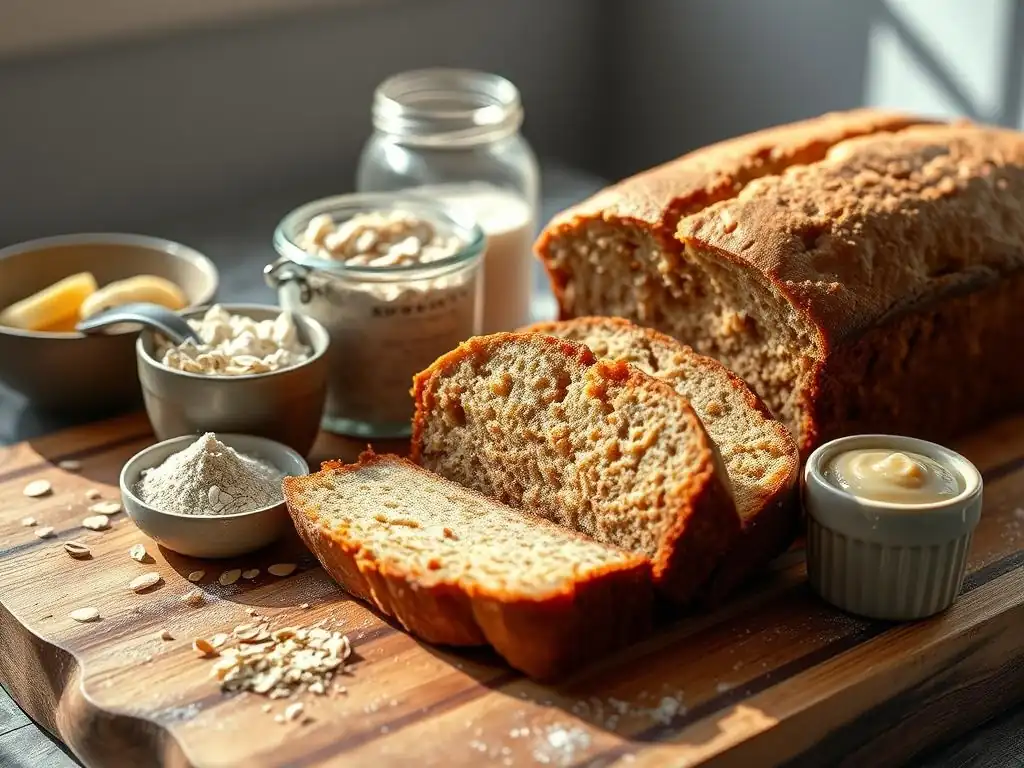
Structure is what allows a baked good to hold its shape, whether it's a tall cake, a sturdy loaf of bread, or a cookie that doesn't collapse. In traditional baking, gluten provides much of this structure. In nut-free baking, particularly gluten-free nut-free baking, alternative methods are needed to build a stable framework. This involves understanding the roles of starches, binders, and even mixing techniques.
Developing strong structure without relying on nuts or gluten requires a deliberate approach. It involves selecting the right ingredients that can create a supportive matrix and employing techniques that encourage this structure to form and set during baking. Mastering these methods is crucial for preventing issues like crumbling, collapsing, or excessive spreading and achieving nutfree baking perfect texture.
Gluten Development in Nut-Free Baking
While many nut-free baking recipes are also gluten-free, some are not. In recipes using wheat flour, gluten development is key to structure. Gluten is a network formed when proteins in wheat flour (glutenin and gliadin) combine with water and are agitated through mixing or kneading. This network provides elasticity and strength, allowing doughs to trap gases from leavening and rise, resulting in a light and airy texture.
In nut-free recipes using wheat flour, controlling gluten development is important. For tender cakes and muffins, minimal mixing after adding wet to dry ingredients is desired to limit gluten formation. For yeast breads, kneading is necessary to develop a strong gluten network capable of supporting the rise. Understanding the role of mixing in gluten development helps ensure the intended structure and nutfree baking perfect texture are achieved based on the type of baked good.
The Role of Starches in Creating Structure
Starches, present in varying amounts in all flours (including nut-free and gluten-free options), play a crucial role in structure. When heated in the presence of sufficient moisture, starch granules swell and burst, releasing starch molecules that form a gel. This process, called gelatinization, helps to thicken batters and provides rigidity to the structure as the baked good cools. Starches like cornstarch, tapioca starch, and potato starch are particularly effective binders and structure builders in gluten-free nut-free baking.
These pure starches, often used in gluten-free blends, contribute to the tender crumb characteristic of many nut-free cakes and cookies. They fill in the gaps where a gluten network would normally be, providing support. However, using too much starch without adequate hydration or other binders can lead to a crumbly texture, as starches alone don't provide the same elasticity as gluten or effective binders. Balancing starches with flours and other binders is key to achieving a stable and nutfree baking perfect texture.
Using Psyllium Husk or Flaxseed Meal as Binders
For strong binding in gluten-free nut-free baking, psyllium husk and flaxseed meal are invaluable. When mixed with liquid, both form a gel-like substance that effectively mimics the binding and elasticity of gluten. Psyllium husk is particularly potent; even a small amount (like 1-2 teaspoons per cup of gluten-free flour blend) can significantly improve the structure and prevent crumbling in breads and muffins, contributing to a cohesive nutfree baking perfect texture.
Flaxseed meal, when combined with water (typically 1 tablespoon flax meal + 3 tablespoons water per egg), creates a 'flax egg' that works well as a binder in cookies, muffins, and quick breads. While not as strong as psyllium husk for yeast breads, it adds moisture, fiber, and binding. Using these binders correctly, ensuring they are fully hydrated, is essential for developing the necessary structure in nut-free baking without gluten.
Proper Mixing Techniques for Optimum Nut-Free Texture
Mixing techniques significantly impact the final texture in nut-free baking. For cakes and muffins, the creaming method (beating butter or oil with sugar) is crucial for incorporating air, which provides initial leavening and contributes to a light texture. Overmixing batters after adding dry ingredients can develop toughness in recipes containing wheat flour or create a dense, gummy texture in gluten-free ones by overworking the starches and binders.
For cookies, creaming butter and sugar helps achieve spread and tenderness, while incorporating dry ingredients just until combined prevents toughness. For gluten-free nut-free breads, proper mixing ensures binders are evenly distributed and hydrated. Gentle folding is often preferred when incorporating delicate ingredients like fruit or chocolate chips to avoid deflating the batter. Understanding how different mixing methods affect aeration and ingredient interaction is vital for achieving nutfree baking perfect texture.
Troubleshooting Common Texture Issues in Nut-Free Baking
Even with the best intentions and recipes, texture issues can arise in nut-free baking. Dryness, gumminess, or a lack of lightness are common problems when working with alternative flours and binders. Knowing how to identify the cause of these issues and implement targeted solutions is essential for improving your results and consistently achieving that desired nutfree baking perfect texture.
Troubleshooting involves a process of elimination, considering the ingredients used, the measurements, the mixing process, and the baking conditions. By systematically addressing potential culprits, you can refine your techniques and recipes to overcome common hurdles and ensure your nut-free baked goods turn out perfectly textured.
Dry and Crumbly Nut-Free Baked Goods: Causes and Solutions
Dryness and crumbliness are perhaps the most frequent complaints in nut-free baking. This often stems from insufficient moisture or too much dry ingredient. Common causes include inaccurate flour measurement (scooping instead of weighing), using a flour blend that is too absorbent without enough liquid, overbaking (evaporating too much moisture), or not using enough fat or moisture-boosting ingredients.
Solutions involve revisiting your measurements, especially flour. Use a scale for accuracy. Increase liquid slightly (1-2 tablespoons at a time) or add moisture boosters like fruit puree, yogurt, or an extra egg (if not vegan). Ensure you're not overbaking; use a timer and test for doneness at the minimum baking time. Storing baked goods properly in airtight containers also helps maintain moisture and preserve the nutfree baking perfect texture.
Gummy or Dense Nut-Free Baked Goods: How to Fix Them
A gummy or dense texture can occur when there is too much moisture, too much binder or starch, or insufficient leavening in nut-free baking. Overmixing can also lead to gumminess, particularly in gluten-free recipes where starches are overworked. Underbaking is another culprit, as the structure hasn't fully set.
To fix gumminess or density, first check your measurements, ensuring you haven't added too much liquid or binder (like xanthan gum or psyllium husk). Reduce the amount of binder slightly in the next batch if you suspect that's the issue. Ensure leavening agents (baking soda/powder) are fresh and used in the correct amounts. Avoid overmixing batters.
Ensure the baked goods are fully baked; check doneness with a skewer or toothpick inserted into the center – it should come out clean or with moist crumbs, not wet batter. Proper baking temperature is also key; too low a temperature can result in a dense texture. Implementing these fixes helps achieve a lighter, more desirable nutfree baking perfect texture.
Achieving a Light and Airy Texture in Nut-Free Cakes and Breads
Achieving a light and airy texture in nut-free baking requires attention to leavening and ingredient aeration. Chemical leaveners like baking soda and baking powder produce gases that create lift. Ensuring they are fresh and correctly balanced with acidic ingredients (like buttermilk alternative, yogurt, or vinegar) is crucial. Mechanical leavening, such as creaming butter and sugar or whipping eggs (if used), incorporates air bubbles that expand during baking, contributing to lightness.
In gluten-free nut-free baking, binders like psyllium husk can sometimes make the texture slightly denser. Balancing binders with lighter starches and ensuring adequate chemical leavening is important. For breads, proper yeast activation and proofing allow the dough to rise sufficiently before baking. Using techniques like sifting dry ingredients can also help incorporate air and distribute leaveners evenly, contributing to a lighter and airier nutfree baking perfect texture.
Nut-Free Baking Recipes for Perfect Texture: Examples
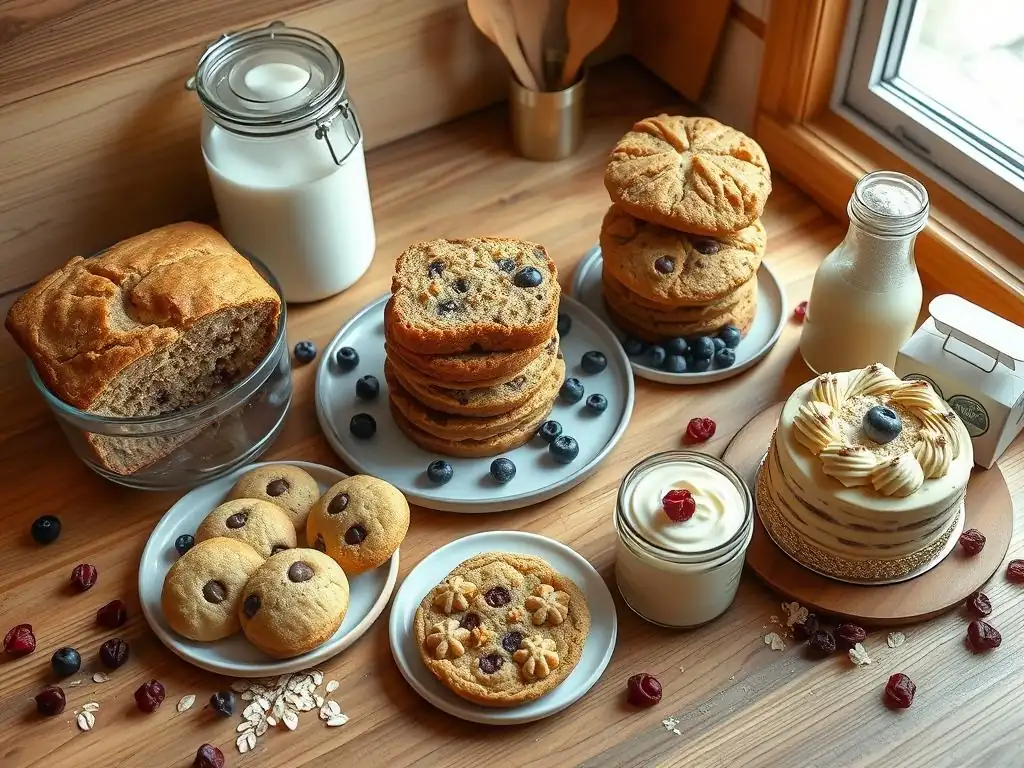
Putting theory into practice is the best way to master nut-free baking perfect texture. Let's look at how the principles of moisture and structure apply to common baked goods. Understanding the specific challenges and solutions for different types of recipes can guide your baking efforts and help you achieve consistent success.
These examples illustrate how careful ingredient selection and technique application are crucial for adapting recipes to be nut-free while maintaining the desired texture. They highlight the importance of considering the unique properties of alternative ingredients and adjusting methods accordingly to ensure a nutfree baking perfect texture.
Nut-Free Chocolate Cake with a Moist Crumb
Achieving a moist crumb in a nut-free chocolate cake often involves strategic ingredient choices. Chocolate itself (cocoa powder or melted chocolate) tends to be drying, so extra moisture is needed. Using oil instead of butter can help, as oil remains liquid at room temperature, contributing to perceived moistness. A recipe might use 1/2 cup of oil for a standard 8-inch cake. Incorporating ingredients like buttermilk alternative, sour cream alternative, or even brewed coffee or hot water (~1/2 cup added to the batter) can significantly increase moisture and enhance chocolate flavor.
Furthermore, using a blend of flours that includes a good proportion of tenderizing starches (like tapioca or potato starch) or a moisture-retaining binder (like a small amount of psyllium husk) helps prevent a dry texture in a nut-free chocolate cake. Techniques like not overmixing the batter and baking just until a skewer comes out clean also prevent moisture loss, ensuring a rich, tender, and nutfree baking perfect texture.
Nut-Free Banana Bread: Achieving the Ideal Texture
Nut-free banana bread relies heavily on very ripe bananas for moisture, sweetness, and tenderness. Using bananas with brown spots (which are about 75% water and contain natural sugars) is key. For a standard loaf, using 1.5 to 2 cups of mashed ripe banana provides substantial moisture. Adding yogurt or sour cream (dairy or non-dairy) further enhances tenderness and moisture retention due to their fat and acidity. A typical recipe might include 1/4 cup of yogurt.
Balancing the wet ingredients (bananas, oil/butter, eggs/replacers, yogurt) with the dry flour mix is essential for the right consistency. Using a flour blend that provides good structure without being overly absorbent helps maintain moisture throughout the bake. Baking at the correct temperature (often around 350°F or 175°C) and avoiding overbaking are critical steps to ensure the nut-free banana bread has a moist, tender crumb and the ideal nutfree baking perfect texture.
Nut-free sugar cookies require a balance between moisture for tenderness and minimal spread for crisp edges and defined shapes. The creaming method, beating butter (or a butter alternative) with sugar until light and fluffy, is crucial for incorporating air and contributing to tenderness and spread control. Using a ratio of fat to sugar and flour that favors a less spreadable dough is important.
The amount of liquid (often just an egg or egg replacer and a splash of vanilla) is minimal compared to cakes, focusing on just enough to bind the dough. Chilling the dough for at least 30-60 minutes before rolling and cutting helps solidify the fat, which prevents excessive spreading in the oven and contributes to a crispier edge while maintaining a tender interior. This careful balance of ingredients and technique ensures nut-free sugar cookies have the desired shape and a delightful nutfree baking perfect texture.
Conclusion: Mastering the Art of Nut-Free Baking with Perfect Texture
Mastering nut-free baking requires a deeper understanding of ingredient function and interaction than traditional baking. By paying careful attention to how different flours absorb moisture, how binders create structure, and how various liquids and fats affect tenderness, you can confidently adapt recipes and troubleshoot issues. Achieving nutfree baking perfect texture is not just about avoiding nuts; it's about creatively replacing their roles using alternative ingredients and precise techniques.
Embracing the science behind moisture and structure empowers you to move beyond simply following recipes to truly understanding why they work (or don't). With practice and attention to detail – from accurate measurement to proper mixing and baking – you can consistently produce delicious, perfectly textured nut-free baked goods that everyone can enjoy.
Key Takeaways for Achieving Optimal Texture in Nut-Free Baking
- Accurate Measurement is Crucial: Use a scale for dry ingredients, especially flours, to ensure consistent hydration ratios, which directly impact nutfree baking perfect texture.
- Understand Ingredient Roles: Recognize how different nut-free flours, binders (like psyllium or flaxseed), egg replacers, and liquid alternatives affect moisture absorption and structure.
- Manage Moisture Strategically: Incorporate moisture-boosting ingredients like fruit purees, yogurt, or extra fat where appropriate, and adjust liquid ratios based on the specific flours and binders used to prevent dryness or gumminess in nut-free baking.
- Build Structure Intentionally: Utilize binders and starches effectively to compensate for the absence of gluten and nuts, ensuring baked goods hold their shape and have a stable crumb structure for nutfree baking perfect texture.
- Employ Proper Techniques: Mixing methods, baking time, and temperature all influence texture; avoid overmixing and overbaking, and ensure adequate leavening for a light crumb.
- Troubleshoot Methodically: If texture issues arise, review your process step-by-step, considering measurements, ingredients, mixing, and baking to identify and correct the cause, improving your ability to achieve nutfree baking perfect texture consistently.
Frequently Asked Questions
How does nut-free baking affect the overall texture of baked goods?
Nut-free baking often requires replacing the fat and structure that nuts provide. This can lead to drier or more crumbly results if not addressed properly with alternative ingredients.
What are some common substitutes for nuts in baking to maintain moisture?
Common substitutes for maintaining moisture include applesauce, mashed banana, or yogurt. These ingredients add natural sweetness and moisture without relying on nuts.
How can I ensure my nut-free baked goods have a good structure?
Using ingredients like oat flour, tapioca starch, or flaxseed meal can improve structure. They help to bind ingredients and prevent the baked goods from being too fragile.
What role does gluten play in achieving the perfect texture in nut-free baking?
Gluten provides elasticity and structure in many baked goods. However, nut-free baking often uses gluten-free flours, requiring the addition of xanthan gum or other binders to mimic gluten's effect.
Are there any specific techniques I should use to avoid dry or dense nut-free baked goods?
Avoid overmixing the batter, as this can develop too much gluten (if using gluten-containing flour) or lead to a tough texture. Also, ensure accurate measurements of ingredients for consistent results.
Final Reflection: The Enduring Quest for Perfect Nut-Free Texture
The pursuit of flawlessly textured nut-free baked goods is not merely a culinary challenge; it's a testament to the power of understanding fundamental baking science. The increasing demand for nut-free options, driven by allergies and dietary preferences, necessitates a deeper dive into the intricate relationship between moisture content and structural integrity in our recipes. This understanding allows us to create delicious and satisfying alternatives that don't compromise on taste or texture.
This exploration into the science of nut-free baking has profoundly impacted my own approach to recipe development. I've learned to appreciate the subtle nuances of ingredient interactions, recognizing that seemingly small adjustments to moisture levels can dramatically alter the final product. The challenge lies not just in replacing nuts, but in replicating their unique textural contributions through careful manipulation of other ingredients and baking techniques. The most important thing is to try and inspire people to be creative and to not be afraid of failure.
- This quote, while not directly about baking, speaks to the heart of the innovative spirit required to master nut-free baking.
Now, it's your turn. Consider the insights gained within this article. Experiment with different flours, starches, and liquids, paying close attention to the moisture levels in your recipes. Don't be afraid to adjust ratios and techniques until you achieve the perfect texture you desire. Embrace the scientific method in your baking journey, and you'll unlock a world of delicious and inclusive possibilities in the realm of nut-free baking. The quest for perfection is ongoing, but with knowledge and passion, the rewards are immeasurable.
Unlock the Secrets to Fluffy Nut-Free Baking!
Thanks for diving into the world of moisture and texture in nut-free baking! We hope you gained valuable insights into creating those perfectly fluffy treats. Now it's time to put your newfound knowledge into practice.
- Bake your best nut-free masterpiece yet! Experiment with the techniques we discussed and let us know how it goes. Try adjusting ratios or substituting ingredients to see how it affects the final product.
- Share your creations! Show off your baking skills and inspire others with your amazing nut-free treats on social media. Use #BakeWithEaseNutFree to connect with our community.
- Explore our recipe collection for more delicious nut-free inspiration! We have a treasure trove of recipes, perfect for testing your new skills.
What exciting nut-free recipe will you tackle first? Let us know in the comments!