
LowFODMAP GlutenFree Pumpkin Spice Muffins for Sensitive Stomachs

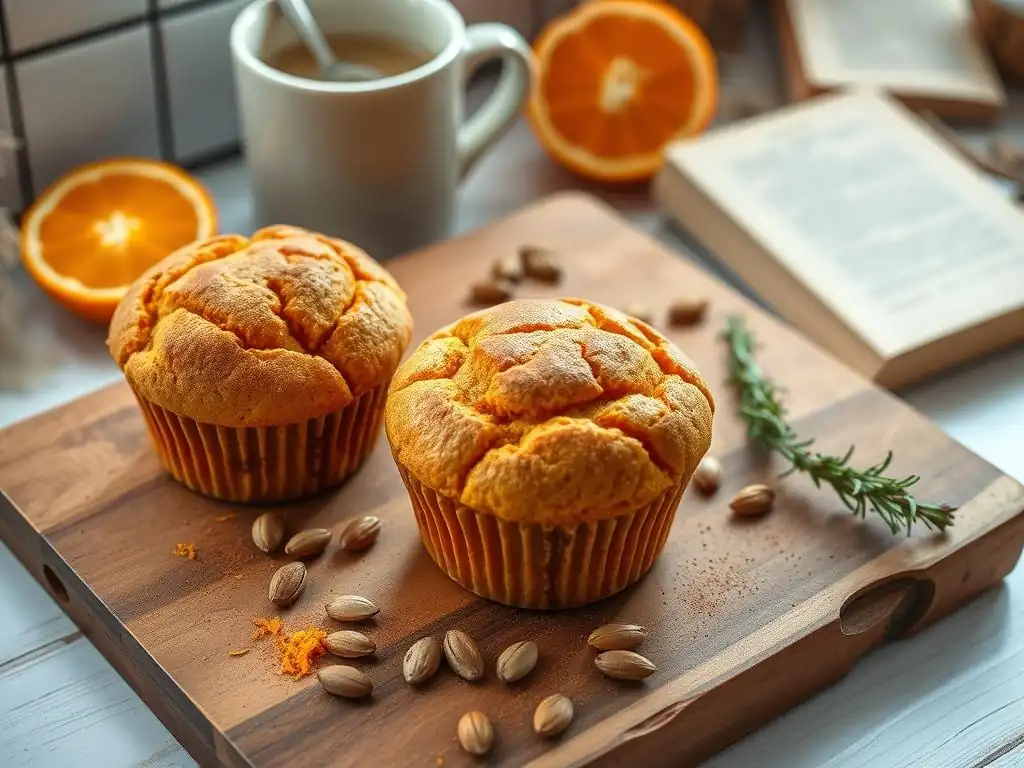
Welcome to BakeWithEase, your kitchen companion for all things baking! Ever wondered if you could enjoy a delicious, guilt-free treat even with dietary restrictions? This week, we're diving into the delightful world of Low FODMAP gluten free muffins. Prepare to unlock the secret to crafting the perfect pumpkin spice muffin, designed to be both unbelievably tasty and gentle on sensitive stomachs. Curious how to achieve this seemingly impossible feat? Let's get baking!
- Introduction: Delicious & Digestible Gluten-Free Pumpkin Muffins
- Understanding Low FODMAP & Gluten-Free Baking for Sensitive Stomachs
- The Ultimate Low FODMAP Gluten-Free Pumpkin Spice Muffin Recipe
- Tips & Tricks for Perfect Low FODMAP Gluten-Free Muffins
- Serving & Enjoying Your Low FODMAP Gluten-Free Pumpkin Spice Muffins
- Conclusion: Guilt-Free Indulgence with Low FODMAP Gluten-Free Baking
- Frequently Asked Questions
- Final Reflection: The Sweet Symphony of Gut Health and Deliciousness
- Unleash Your Inner Baker: Deliciously Gut-Friendly Treats Await!
Introduction: Delicious & Digestible Gluten-Free Pumpkin Muffins
Enjoy Fall Flavors Without the Discomfort: Low FODMAP Baking
Embracing the cozy flavors of fall often means indulging in pumpkin spice treats. However, for those with sensitive stomachs, particularly individuals following a Low FODMAP diet or needing to avoid gluten, these seasonal delights can sometimes lead to digestive discomfort. The good news is that you don't have to miss out on the warmth and spice of pumpkin muffins. With careful ingredient selection and smart baking techniques, it's entirely possible to create delicious, moist, and flavorful pumpkin spice muffins that are both Low FODMAP and gluten-free.
Baking for dietary restrictions requires a bit of knowledge about how different ingredients behave. Low FODMAP focuses on limiting certain types of carbohydrates that can be poorly absorbed in the small intestine, while gluten-free baking avoids the protein found in wheat, barley, and rye. Combining these can seem challenging, but many naturally Low FODMAP ingredients are also gluten-free, and specialized gluten-free flours are readily available. Our goal is to guide you through creating delightful Low FODMAP gluten free muffins that satisfy your craving for fall flavors without triggering unpleasant symptoms, proving that digestive-friendly baking can be truly enjoyable.
Deliciously Sensitive Presents: A Gut-Friendly Pumpkin Spice Treat
We understand the frustration of navigating food sensitivities while still wanting to enjoy beloved seasonal recipes. That's why we've developed a recipe specifically for Low FODMAP gluten free muffins that brings the comforting taste of pumpkin spice right into your kitchen, designed with sensitive systems in mind. This recipe focuses on using ingredients known to be low in FODMAPs and completely free of gluten, ensuring that each bite is not only flavorful but also gentle on your digestive system.
This pumpkin spice muffin recipe isn't just about what we leave out; it's about the wonderful flavors and textures we create using alternative ingredients. We'll walk you through selecting the best gluten-free flour blend, choosing a Low FODMAP friendly sweetener, and incorporating just the right amount of pumpkin and spices to achieve that perfect autumn taste without excess FODMAPs. Get ready to bake a batch of these delightful Low FODMAP gluten free muffins that are perfect for breakfast, a snack, or sharing with loved ones, offering pure enjoyment without the worry.
Understanding Low FODMAP & Gluten-Free Baking for Sensitive Stomachs
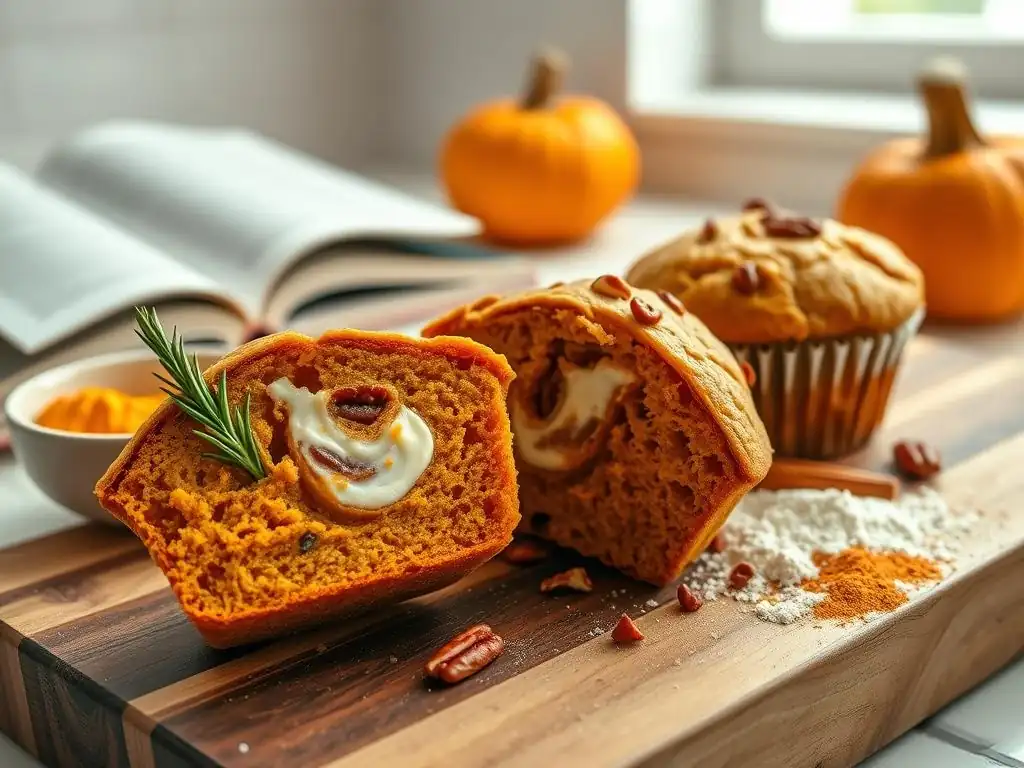
What is a Low FODMAP Diet? A Quick Guide for Bakers
A Low FODMAP diet is a temporary eating pattern often recommended for managing symptoms of Irritable Bowel Syndrome (IBS). FODMAPs are short-chain carbohydrates that are poorly absorbed in the small intestine and can ferment in the large intestine, causing gas, bloating, pain, and altered bowel habits. The acronym stands for Fermentable Oligosaccharides, Disaccharides, Monosaccharides, And Polyols. Many common baking ingredients contain high levels of FODMAPs, such as wheat (oligosaccharides), milk (lactose - a disaccharide), honey and high fructose corn syrup (monosaccharides), and certain fruits and sugar alcohols (polyols).
When baking for a Low FODMAP diet, the key is to identify and substitute high-FODMAP ingredients with Low FODMAP alternatives. This doesn't mean eliminating entire food groups forever, but rather understanding which ingredients are typically high or low in FODMAPs according to established lists (like those from Monash University). For example, while wheat flour is high in fructans (an oligosaccharide), many gluten-free flours made from rice, corn, or oats (certified gluten-free) are Low FODMAP in specific serving sizes.
Similarly, lactose-free milk or plant-based milks like almond or soy (made from soy protein, not soybeans) are used instead of regular milk, and maple syrup or white sugar often replace honey or agave. Baking Low FODMAP gluten free muffins requires careful attention to each component.
Gluten-Free Baking Basics: Achieving the Perfect Texture
Gluten is a protein network that provides structure, elasticity, and chewiness to baked goods made with wheat, barley, or rye. When you remove gluten, you lose this crucial structure, which can result in baked goods that are crumbly, dense, or dry. Successful gluten-free baking relies on using alternative flours and starches, often in combination, to mimic the properties of wheat flour. Common gluten-free flours include rice flour (brown and white), sorghum flour, millet flour, oat flour (certified gluten-free), and starches like tapioca starch, potato starch, and cornstarch.
To achieve a desirable texture in gluten-free baked goods like muffins, it's often necessary to use binding agents that replace gluten's role. Ingredients like xanthan gum or guar gum are frequently added to gluten-free flour blends or recipes to provide structure and prevent crumbling. Eggs also play a vital role as binders and help with leavening. Additionally, gluten-free batters often require more liquid than traditional wheat batters because alternative flours can absorb moisture differently. Understanding these principles is essential for creating moist, light, and well-structured Low FODMAP gluten free muffins.
Combining Low FODMAP & Gluten-Free: Key Ingredients & Substitutions
Creating baked goods that are both Low FODMAP and gluten-free means navigating two sets of dietary restrictions simultaneously. Fortunately, there's significant overlap in suitable ingredients. Many naturally gluten-free grains and flours like rice, corn, quinoa, and certified gluten-free oats are also Low FODMAP in typical serving sizes. However, some gluten-free ingredients, like almond flour or large quantities of coconut flour, can be high in FODMAPs (specifically polyols or oligosaccharides), so checking reliable Low FODMAP resources is crucial.
Key ingredients and substitutions for Low FODMAP gluten free muffins include using a well-balanced gluten-free flour blend that is also Low FODMAP (often rice-based with starches), a Low FODMAP liquid sweetener like maple syrup or a small amount of white sugar, and a Low FODMAP milk alternative such as lactose-free milk or almond milk. Eggs are excellent Low FODMAP and gluten-free binders. For fat, butter (which is very low in lactose) or oils like canola or olive oil are suitable.
Leavening is typically done with baking powder and baking soda, which are Low FODMAP and gluten-free. The specific combination of these ingredients, measured accurately, is what allows you to bake delicious and gut-friendly Low FODMAP gluten free muffins.
The Ultimate Low FODMAP Gluten-Free Pumpkin Spice Muffin Recipe
Ingredient List: Carefully Selected for Sensitivity
Creating delicious Low FODMAP gluten free muffins starts with selecting the right ingredients. Every item on this list has been chosen to minimize FODMAPs and exclude gluten, ensuring a treat that's kind to sensitive stomachs while delivering maximum flavor. Using accurate measurements is key in gluten-free and Low FODMAP baking, as the balance of wet and dry ingredients is crucial for texture.
Here is a list of the ingredients you will need, keeping sensitivities in mind:
- 1 ¾ cups (about 245g) Low FODMAP certified gluten-free 1-to-1 baking flour blend
- ½ cup (about 100g) granulated white sugar (or use maple syrup as noted below)
- 2 teaspoons baking powder
- ½ teaspoon baking soda
- ½ teaspoon salt
- 1 ½ teaspoons ground cinnamon
- ½ teaspoon ground ginger
- ¼ teaspoon ground nutmeg
- ⅛ teaspoon ground cloves
- ½ cup (about 120ml) Low FODMAP milk alternative (such as unsweetened almond milk or lactose-free milk)
- ⅓ cup (about 80ml) melted unsalted butter or suitable oil (like canola or melted coconut oil)
- 2 large eggs, at room temperature
- ⅓ cup (about 80g) pumpkin puree (ensure it's 100% pumpkin, not pie filling)
- ½ cup (about 120ml) maple syrup (if using instead of granulated sugar, adjust liquid slightly)
- 1 teaspoon vanilla extract
Low FODMAP Flours: Bob's Red Mill Gluten Free 1-to-1 Baking Flour
Choosing the right gluten-free flour blend is perhaps the most critical step in baking successful Low FODMAP gluten free muffins. Many blends contain high-FODMAP ingredients like sorghum flour in large amounts or amaranth flour. A blend certified Low FODMAP is ideal, and Bob's Red Mill Gluten Free 1-to-1 Baking Flour is a popular and often recommended option that has been certified Low FODMAP. This blend typically contains a mix of rice flour, brown rice flour, sorghum flour, tapioca starch, and potato starch, balanced to perform similarly to wheat flour in many recipes.
Using a reliable blend like Bob's Red Mill helps ensure consistency and texture in your Low FODMAP gluten free muffins. It already contains xanthan gum, which is necessary for binding in gluten-free baking. Always check the ingredients list if using a different blend to ensure it doesn't contain high-FODMAP flours in significant quantities or other problematic ingredients like inulin or chicory root fiber. The 1-to-1 ratio makes it easy to substitute for wheat flour in many standard recipes, simplifying the adaptation process for Low FODMAP and gluten-free needs.
Pumpkin Puree: Choosing the Right Kind (and Amount!)
Pumpkin puree is essential for pumpkin spice muffins, but it's important to use the correct type and amount when baking Low FODMAP gluten free muffins. Ensure you buy 100% pure pumpkin puree from a can, not pumpkin pie filling, which contains added sugars and spices that may not be Low FODMAP. According to Monash University data, canned pumpkin puree is Low FODMAP in servings of up to ⅓ cup (75g). Larger servings can be moderate or high in GOS (an oligosaccharide).
For a standard batch of 12 muffins, using ⅓ cup (about 80g) of pumpkin puree distributed across the batch keeps the per-muffin serving within the Low FODMAP threshold while still providing plenty of pumpkin flavor, moisture, and color. This amount is sufficient to impart that classic pumpkin taste without adding excessive FODMAPs. If you absolutely love a stronger pumpkin flavor, you could potentially increase it slightly, but be aware this might increase the GOS content per serving. Sticking to ⅓ cup is a safe bet for most individuals following the diet.
Spices: The Perfect Pumpkin Spice Blend for Low FODMAP
The "spice" in pumpkin spice muffins comes from a blend of warm, aromatic ground spices. Fortunately, most common baking spices are naturally Low FODMAP. The classic blend typically includes cinnamon, ginger, nutmeg, and cloves. Some blends may also include allspice, which is also considered Low FODMAP. Using individual spices allows you to control the proportions and ensure no hidden high-FODMAP ingredients are present, as can sometimes be the case in pre-mixed spice blends.
For this recipe for Low FODMAP gluten free muffins, we use a combination of ground cinnamon, ginger, nutmeg, and cloves. Cinnamon adds warmth, ginger provides a gentle heat, nutmeg offers a slightly sweet, woody note, and cloves bring pungency. These spices are generally well-tolerated and contribute significantly to the comforting aroma and taste of autumn baking. Feel free to adjust the ratios slightly to match your preference, but the amounts listed provide a balanced classic pumpkin spice flavor.
Sweetener: Maple Syrup Options
Choosing a Low FODMAP sweetener is crucial. Many common sweeteners like honey and agave nectar are high in FODMAPs (fructose or fructans). Granulated white sugar (sucrose) is a disaccharide made of glucose and fructose, but because it has equal parts of each, it's usually well-absorbed and considered Low FODMAP. Maple syrup is another excellent Low FODMAP option. It's a liquid sweetener that imparts a lovely flavor.
This recipe uses maple syrup as the primary sweetener, offering a rich, warm flavor that complements the pumpkin and spices beautifully. Using maple syrup also helps contribute moisture to the Low FODMAP gluten free muffins, which can be beneficial in gluten-free baking. If you prefer, you can substitute granulated white sugar, but you may need to slightly increase the liquid elsewhere in the recipe to maintain moisture balance. Stick to pure maple syrup, not pancake syrup which often contains corn syrup or high fructose corn syrup.
Binding Agent: Eggs for Structure
In gluten-free baking, a reliable binding agent is necessary to hold everything together and prevent crumbling. Since gluten is absent, ingredients like eggs, xanthan gum (often included in gluten-free blends), or psyllium husk are used. Eggs are a fantastic binder, providing structure, richness, and aiding in leavening. They are also naturally Low FODMAP and gluten-free.
For these Low FODMAP gluten free muffins, eggs play a vital role in creating a cohesive batter and contributing to a tender crumb. Using two large eggs helps ensure the muffins hold their shape and aren't too crumbly, a common challenge in gluten-free recipes. Ensure your eggs are at room temperature, as they incorporate more easily into the batter and help create a smoother mixture, leading to a better final texture.
Step-by-Step Instructions: Baking Your Muffins with Ease
Baking Low FODMAP gluten free muffins doesn't have to be complicated. Following these steps will guide you to perfectly baked, delicious, and digestive-friendly treats. Patience and accurate measuring are your best friends here!
Here’s how to bake your batch:
- Preheat your oven to 375°F (190°C). Line a 12-cup muffin tin with paper liners or grease it thoroughly.
- In a large bowl, whisk together the gluten-free flour, sugar (if using instead of maple syrup), baking powder, baking soda, salt, cinnamon, ginger, nutmeg, and cloves. Ensure all dry ingredients are well combined.
- In a separate medium bowl, whisk together the Low FODMAP milk alternative, melted butter or oil, eggs, pumpkin puree, maple syrup (if using), and vanilla extract until smooth.
- Pour the wet ingredients into the bowl with the dry ingredients.
- Mix gently with a spatula or wooden spoon until just combined. Be careful not to overmix, as this can lead to tough muffins, even in gluten-free baking. A few small lumps are okay.
- Divide the batter evenly among the prepared muffin cups, filling each about two-thirds full.
- Bake for 18-22 minutes, or until a toothpick inserted into the center of a muffin comes out clean.
- Let the muffins cool in the tin for 5-10 minutes before transferring them to a wire rack to cool completely.
Preparing the Batter: Mixing for Success
The key to a tender muffin, whether gluten-free or not, is proper mixing. After combining your dry ingredients thoroughly in one bowl to distribute the leavening agents and spices evenly, you'll whisk together all your wet ingredients in another. This two-bowl method ensures everything is properly incorporated before they meet.
When combining the wet and dry ingredients for your Low FODMAP gluten free muffins, mix just until the dry ingredients are moistened. Overmixing gluten-free batter can still develop toughness, although not from gluten development. It can overwork the starches and gums, leading to a gummy or dense texture. A few streaks of flour are preferable to a completely smooth batter. This gentle approach ensures light and fluffy results.
Filling the Muffin Tin: Tips for Even Baking
Getting uniform muffins that bake evenly requires a consistent approach to filling the muffin tin. Using a scoop, such as a standard ice cream scoop or muffin scoop, is an excellent way to portion the batter evenly into each cup. This ensures all your Low FODMAP gluten free muffins are roughly the same size, leading to consistent baking times across the batch.
Fill each muffin cup about two-thirds full. Filling them too high can cause them to overflow the liners and potentially bake unevenly, with domed tops that might be undercooked inside while the edges are done. Filling consistently to about two-thirds allows for proper rising and creates nicely rounded muffin tops. Place the filled tin in the center of your preheated oven for the most even heat distribution.
Baking Time & Temperature: Achieving Golden Perfection
Accurate oven temperature and timing are crucial for perfectly baked Low FODMAP gluten free muffins. Preheat your oven fully to 375°F (190°C) before placing the muffins inside. This initial heat helps the muffins rise properly. Baking at this moderate temperature allows the muffins to cook through without burning the edges.
The baking time will typically be between 18 and 22 minutes. Start checking at the earlier end of the range. You can tell if the muffins are done by gently touching the top (it should spring back) or, more reliably, by inserting a toothpick into the center of one of the middle muffins.
If the toothpick comes out clean or with just a few moist crumbs attached, they are ready. If it comes out wet with batter, they need a few more minutes. Ovens can vary, so trusting the toothpick test is key to avoiding underbaked or dry Low FODMAP gluten free muffins.
Cooling & Storing: Keeping Your Muffins Fresh
Proper cooling is just as important as baking for achieving the best texture in your Low FODMAP gluten free muffins. Once removed from the oven, let the muffins sit in the hot muffin tin for about 5 to 10 minutes. This allows them to set slightly before being moved.
After the initial cooling period in the tin, carefully transfer the muffins to a wire rack to cool completely. Cooling on a wire rack allows air to circulate around all sides, preventing the bottoms from becoming soggy from residual heat. Once completely cool, store the muffins in an airtight container at room temperature for up to 2-3 days. For longer storage, they can be frozen for up to 3 months. Thaw frozen muffins at room temperature or warm gently in a microwave or oven.
Tips & Tricks for Perfect Low FODMAP Gluten-Free Muffins
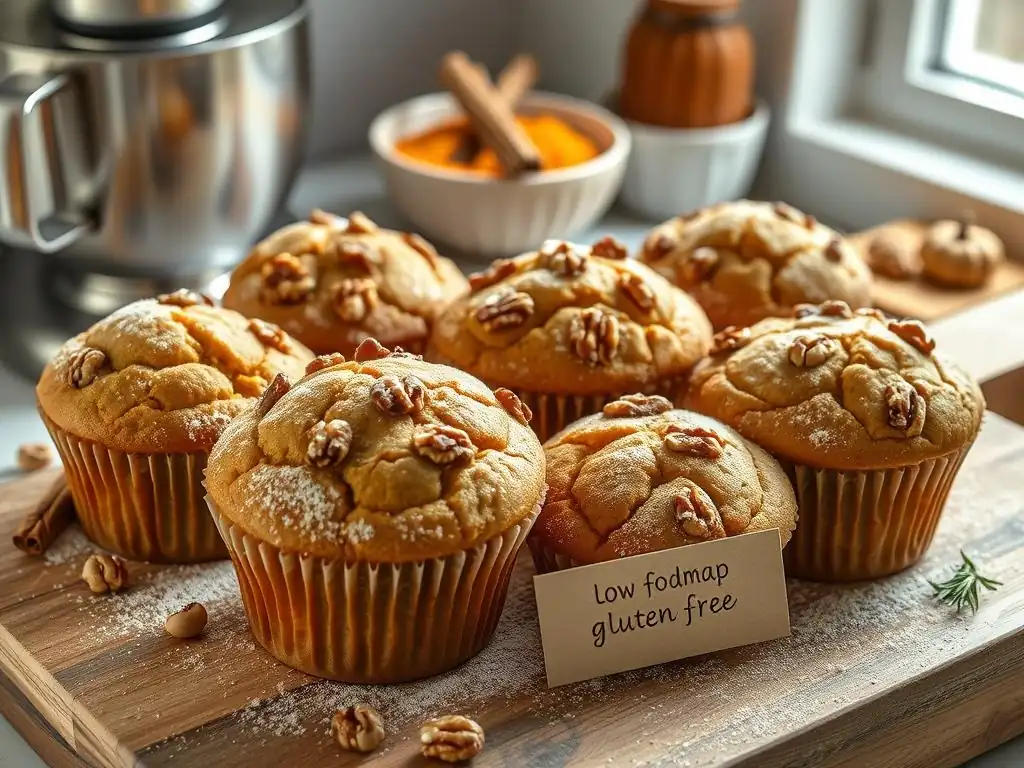
Avoiding Common Baking Mistakes: Troubleshooting Guide
Even experienced bakers encounter challenges, especially when working with gluten-free and Low FODMAP recipes. One common issue is dense or gummy texture, often caused by overmixing the batter or using a flour blend without adequate starch or gum. Ensure you mix only until just combined. Another problem can be muffins that don't rise well; this might be due to old baking powder/soda or an oven that wasn't fully preheated. Check the freshness of your leavening agents and always preheat your oven thoroughly.
Dry or crumbly muffins are another frequent concern with gluten-free baking. This can happen if you use too much flour, not enough liquid or fat, or overbake them. Accurate measuring (preferably by weight for flour) is crucial. Ensure you use the specified amount of wet ingredients and avoid extending the baking time beyond what's needed for a clean toothpick test. Using ingredients at room temperature also helps create a smoother, more hydrated batter, contributing to a moister crumb in your Low FODMAP gluten free muffins.
Customizing Your Muffins: Flavor Variations & Add-Ins
While the classic pumpkin spice flavor is delightful, you can easily customize these Low FODMAP gluten free muffins with various add-ins to suit your taste, provided the additions are also Low FODMAP. This allows you to create different versions of these gut-friendly treats.
Consider gently folding in up to ½ cup of Low FODMAP friendly additions into the batter after mixing the wet and dry ingredients. Popular choices include chocolate chips, certain nuts, or seeds. Always check the FODMAP status of any ingredient you add, as serving sizes matter.
Chocolate Chips: A Low FODMAP Delight
Good quality dark chocolate and milk chocolate are considered Low FODMAP in small serving sizes (typically 30g for dark chocolate and 20g for milk chocolate, according to Monash University data). This means you can safely add chocolate chips to your Low FODMAP gluten free muffins.
Adding up to ½ cup of chocolate chips to the batter (which distributes them across 12 muffins) keeps the per-muffin serving well within the Low FODMAP limit for most individuals. The melting chocolate adds pockets of sweetness and indulgence that pair wonderfully with the pumpkin spice flavors. Use dairy-free chocolate chips if you also need to avoid lactose or dairy completely.
Nuts & Seeds: Adding Texture & Nutrition
Certain nuts and seeds can add delightful texture and a nutritional boost to your Low FODMAP gluten free muffins. Pecans and walnuts are Low FODMAP in small servings (around 10-15 pecan halves or 10 walnut halves). Pumpkin seeds (pepitas) and sunflower seeds are also Low FODMAP in servings of around 2 tablespoons.
Chopping up to ½ cup of pecans or walnuts, or adding pumpkin or sunflower seeds, can provide a satisfying crunch. Distributing this amount across 12 muffins keeps the serving size per muffin low enough to typically be well-tolerated. Toasting the nuts or seeds lightly before adding them can enhance their flavor. Ensure nuts are used only if there are no nut allergies.
Ingredient Swaps: Adjusting for Dietary Needs & Preferences
This recipe for Low FODMAP gluten free muffins is designed to be versatile. While we've used specific ingredients, you can make smart swaps to accommodate other dietary needs or preferences.
For a dairy-free version, ensure you use a Low FODMAP, dairy-free milk alternative (like unsweetened almond milk or lactose-free milk) and use oil or a dairy-free butter alternative instead of butter. If you need an egg-free option, this becomes more challenging in gluten-free baking. You might experiment with an egg replacer, but the texture may vary significantly.
For sweetener, as mentioned, maple syrup and granulated white sugar are both good Low FODMAP options, offering flexibility based on what you have on hand or your preference for liquid vs. dry sweetener. Always double-check the FODMAP status of any substitute ingredient you introduce.
Serving & Enjoying Your Low FODMAP Gluten-Free Pumpkin Spice Muffins
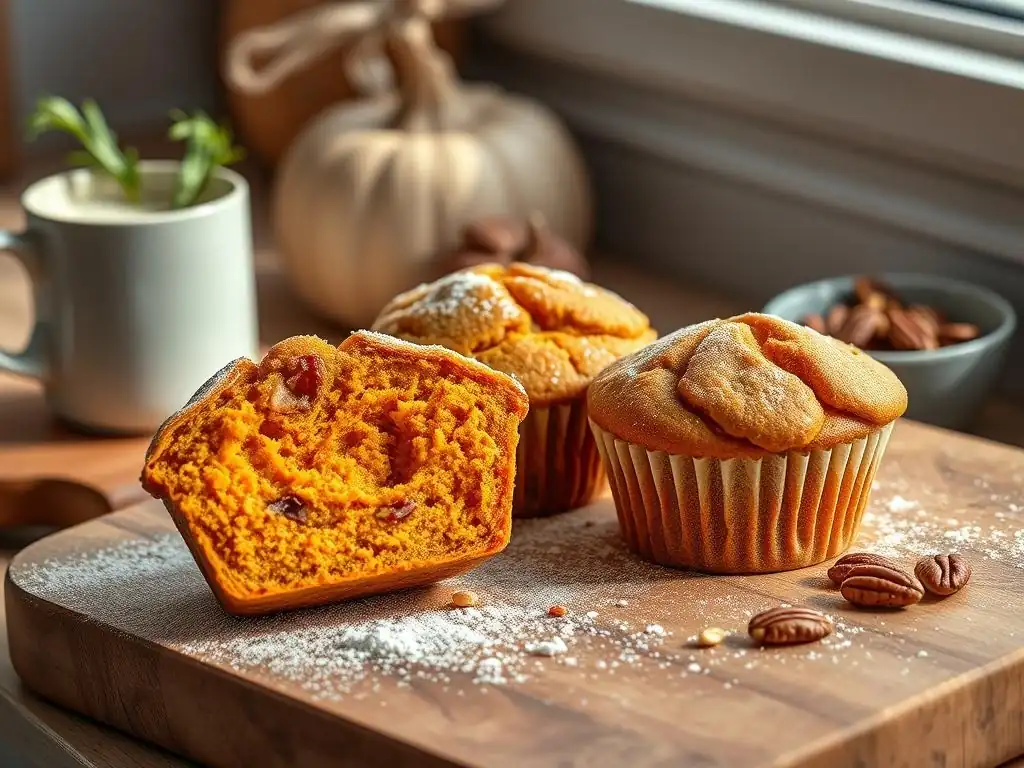
Pairing Suggestions: Coffee, Tea, & More
Low FODMAP gluten free muffins are a perfect companion to your favorite hot beverage. A classic pairing is with a cup of coffee. Black coffee is naturally Low FODMAP. If you prefer milk in your coffee, use a Low FODMAP option like lactose-free milk, almond milk, or a small amount of oat milk (check serving sizes for oat milk).
Tea is another excellent choice. Most teas (black, green, herbal) are Low FODMAP. Enjoy your muffin with a soothing cup of peppermint tea or a warm chai made with Low FODMAP milk. For a cold option, a glass of lactose-free milk or a small serving of Low FODMAP juice can also be a refreshing pairing. The warm spices in the muffins complement the richness of coffee and the comfort of tea beautifully.
Making it a Meal: Brunch Ideas Featuring Your Muffins
These Low FODMAP gluten free muffins can easily be part of a larger meal, particularly a delightful brunch. Build a Low FODMAP friendly brunch plate featuring a muffin alongside other suitable items.
Consider pairing a muffin with scrambled eggs (naturally Low FODMAP), a side of bacon or sausage (check labels for high-FODMAP additives), or some low-FODMAP fruits like a small serving of berries (strawberries, blueberries, raspberries are Low FODMAP), cantaloupe, or honeydew melon. You could also serve them with a small portion of plain lactose-free yogurt. These muffins provide a sweet, comforting element that balances savory breakfast foods and makes for a satisfying and gut-friendly brunch.
Baking is often about sharing, and these Low FODMAP gluten free muffins are perfect for bringing to gatherings, holiday parties, or simply sharing with friends and family. Offering a delicious baked good that caters to common dietary needs like gluten intolerance and FODMAP sensitivities shows thoughtfulness and ensures that guests with restrictions can also enjoy a treat.
Bringing a batch of these muffins to a potluck or serving them at a special occasion means everyone gets to partake in the festive flavors of fall. They look and smell just like traditional pumpkin muffins, so many people won't even realize they are specially made to be Low FODMAP and gluten-free. They are a wonderful way to include everyone and spread a little pumpkin spice joy.
Conclusion: Guilt-Free Indulgence with Low FODMAP Gluten-Free Baking
Deliciously Sensitive: Your Partner in Delicious & Digestive-Friendly Baking
Navigating dietary restrictions doesn't mean sacrificing flavor or the joy of baking. Our goal is to empower you to create delicious treats that cater to your needs without compromising on taste or texture. This recipe for Low FODMAP gluten free muffins is a prime example of how mindful ingredient choices can lead to delightful results that are kind to sensitive stomachs. We strive to provide reliable recipes and guidance so you can bake with confidence and ease, even with dietary limitations.
Baking Low FODMAP gluten free muffins opens up a world of possibilities for enjoying classic flavors like pumpkin spice year-round. It demonstrates that it's possible to achieve moist, flavorful, and well-structured baked goods without relying on high-FODMAP or gluten-containing ingredients. We hope this recipe becomes a favorite in your collection, allowing you to indulge in comforting treats while staying true to your dietary needs.
Embrace the Flavors of Fall, the Low FODMAP Way
Fall is a season synonymous with warm spices and comforting baked goods, and with these Low FODMAP gluten free muffins, you can fully embrace the season's flavors without worry. Enjoy the aroma filling your kitchen as they bake and savor each bite of these tender, perfectly spiced muffins.
These Low FODMAP gluten free muffins are more than just a recipe; they are an invitation to enjoy the simple pleasures of baking and eating, free from the discomfort that can come with food sensitivities. Bake a batch, share them with loved ones, and celebrate the delicious possibilities of Low FODMAP and gluten-free baking. Enjoy your guilt-free pumpkin spice indulgence!
Frequently Asked Questions
What makes these muffins Low FODMAP and Gluten Free?
These muffins are Low FODMAP because they use ingredients naturally low in FODMAPs, like pumpkin and almond flour. They are Gluten Free because they utilize gluten-free flour blends instead of wheat flour.
Are the ingredients for these muffins difficult to find?
No, the ingredients are generally easy to find at most grocery stores. Look for almond flour, pumpkin puree, and a gluten-free flour blend.
Can I substitute any of the ingredients in the recipe?
While substitutions are possible, it's important to ensure any substitutes are also Low FODMAP and gluten-free to maintain the intended dietary benefits. Consider using different Low FODMAP flours or sweeteners.
How should I store these Low FODMAP Gluten Free muffins?
Store the muffins in an airtight container at room temperature for up to 3 days, or in the refrigerator for up to a week. They can also be frozen for longer storage, wrapped individually.
What if I don't have pumpkin spice? Can I make my own?
Yes, you can easily make your own pumpkin spice blend using cinnamon, ginger, nutmeg, and cloves. There are many DIY pumpkin spice recipes available online to guide you.
Final Reflection: The Sweet Symphony of Gut Health and Deliciousness
The quest for delicious, gut-friendly baked goods is far from over, but with recipes like these Low-FODMAP gluten-free pumpkin spice muffins, we're taking significant strides towards a more inclusive and enjoyable culinary experience for those with sensitive stomachs. These muffins aren't just a recipe; they represent a growing awareness of the need for accessible and flavorful food options for individuals managing dietary restrictions.
The impact of dietary restrictions on mental and physical well-being is profound. For many, the joy of baking and sharing treats is diminished by the limitations imposed by conditions like IBS. This recipe aims to bridge that gap, offering a taste of comfort and normalcy. Food is symbolic of love when words are inadequate.
- Alan D. Wolfelt. This quote resonates deeply because these muffins are more than just ingredients; they represent a way to nourish both body and soul, even with dietary limitations. The positive feedback I've received from readers underscores the importance of creating inclusive recipes that don't compromise on flavor or enjoyment.
Now, I invite you to consider the role food plays in your own life. Are there recipes or dishes that bring you comfort and joy? Perhaps this recipe inspires you to experiment with Low-FODMAP and gluten-free baking, or to explore other ways to adapt your favorite recipes to suit your dietary needs. Don't let restrictions define your culinary journey; let them inspire creativity and innovation in the kitchen. Embrace the challenge, experiment with flavors, and discover the sweet symphony of gut health and deliciousness that awaits.
Unleash Your Inner Baker: Deliciously Gut-Friendly Treats Await!
Thanks for taking the time to explore our recipe for Low-FODMAP Gluten-Free Pumpkin Spice Muffins! We hope you enjoyed learning how to create delicious treats that are kind to your sensitive stomach. Ready to get baking?
- Bake a batch of these amazing muffins: The recipe is designed for ease, so even beginner bakers can achieve delicious results. Let us know how they turn out!
- Share your baking success (or challenges!) with our community: We'd love to see your photos and hear your feedback!
- Adapt the recipe: Experiment with different spices or add-ins to personalize your muffins. What creative twists will you discover?
What surprising flavor combination will you add to your next batch of gut-friendly muffins?