
Ultimate DairyFree Baking Swap Chart: From Butter to Milk


Welcome to BakeWithEase, where baking becomes a joy, not a chore! Ever wondered how to achieve that perfect texture and flavor without dairy? Unlock a whole new world of possibilities with our guide to dairy-free baking ingredient swaps. Discover the secrets to delicious, inclusive baking and prepare to be amazed at how easy it is to create mouthwatering treats everyone can enjoy. Intrigued? Let's dive in!
- Bake Deliciously: Your Guide to Dairy-Free Baking Ingredient Swaps
- Understanding Dairy-Free Baking: Why Ingredient Substitutions Matter
- The Ultimate Dairy-Free Baking Swap Chart: A Comprehensive Guide
- Tips and Tricks for Successful Dairy-Free Baking Ingredient Swaps
- Dairy-Free Baking Recipes to Get You Started
- Troubleshooting Common Dairy-Free Baking Problems
- Mastering Dairy-Free Baking: Resources and Further Learning
- Conclusion: Embrace the World of Dairy-Free Baking
-
Frequently Asked Questions
- What are some common dairy-free substitutes for butter in baking?
- Can I use almond milk as a direct replacement for cow's milk in all baking recipes?
- What dairy-free alternatives can I use to replace cream cheese in cheesecakes or frosting?
- How do I replace heavy cream in a recipe that calls for it?
- What are some tips for adjusting baking times or temperatures when using dairy-free substitutes?
- Final Reflection: Unlocking the Sweetness of Dairy-Free Baking
- Unleash Your Dairy-Free Baking Genius!
Bake Deliciously: Your Guide to Dairy-Free Baking Ingredient Swaps
Stepping into the world of dairy-free baking can feel like navigating uncharted territory, especially if you're used to relying on ingredients like butter, milk, and cream for structure, flavor, and moisture. But fear not! The landscape of dairy-free options has exploded in recent years, offering fantastic alternatives that can help you create delicious baked goods that are just as satisfying as their dairy counterparts. Understanding how these dairy-free baking ingredient swaps function in recipes is key to achieving success.
This guide is designed to demystify the process, providing you with a comprehensive chart and practical tips for making effective dairy-free swaps. Whether you're baking due to allergies, intolerance, or dietary preference, mastering these substitutions will open up a whole new realm of possibilities in your kitchen. Get ready to transform your favorite recipes and discover new ones that are naturally free from dairy, without sacrificing taste or texture.
Understanding Dairy-Free Baking: Why Ingredient Substitutions Matter
Baking is often described as a science, and for good reason. Each ingredient plays a specific role – flour provides structure, sugar adds sweetness and tenderness, eggs bind and leaven, and dairy ingredients contribute fat, moisture, richness, and aid in browning and tenderness. Removing dairy without making appropriate substitutions can significantly alter the outcome of a recipe, leading to dry, tough, or flavorless results.
Successful dairy-free baking ingredient swaps aren't just about removing dairy; they're about replacing its function. For instance, replacing butter (which is about 80% fat) with a low-fat liquid like water will lead to a vastly different texture compared to using a high-fat alternative like plant-based butter or coconut oil. Similarly, milk contributes liquid, protein, and fat, all of which need consideration when choosing a non-dairy alternative. Understanding these roles is the first step to mastering dairy-free baking.
The Challenges of Baking Without Dairy
One of the primary challenges in dairy-free baking is replicating the unique properties of dairy fat. Butter, for example, contains milk solids and water in addition to fat, which affects how it creams with sugar, creates flaky layers in pastries, and contributes moisture and tenderness to cakes and cookies. Simply swapping dairy butter with a liquid oil might make cookies spread too much or result in a less tender cake crumb.
Another hurdle is achieving the right texture and richness that dairy provides. Milk and cream contribute to the moistness and luxurious mouthfeel of many baked goods. Replacing them with thin, watery alternatives can lead to dry, crumbly textures. Furthermore, dairy proteins contribute to structure and browning. Finding dairy-free swaps that offer comparable characteristics requires careful selection and sometimes slight adjustments to other ingredients or baking times.
Key Considerations for Successful Dairy-Free Swaps
When making dairy-free baking ingredient swaps, several factors are crucial for success. First, consider the fat content of the original dairy ingredient and its replacement. A 1:1 swap of butter with a margarine or plant-based butter designed for baking is often straightforward because their fat composition is similar (around 80%). However, swapping butter with coconut oil (nearly 100% fat) might require slightly less liquid in the recipe, while swapping with applesauce (virtually fat-free) will drastically change the fat ratio and likely require reducing its amount to avoid gumminess.
Second, think about the moisture content and protein structure. Different non-dairy milks have varying levels of fat and protein. Oat milk and soy milk tend to be creamier and have more protein than almond milk or rice milk, making them better choices for recipes where milk contributes to richness or structure. Finally, consider flavor. Some dairy-free baking ingredient swaps, like coconut oil or certain plant milks, can impart a distinct flavor that might or might not be desirable depending on the recipe. Using neutral-flavored options or pairing flavors thoughtfully is important.
The Ultimate Dairy-Free Baking Swap Chart: A Comprehensive Guide
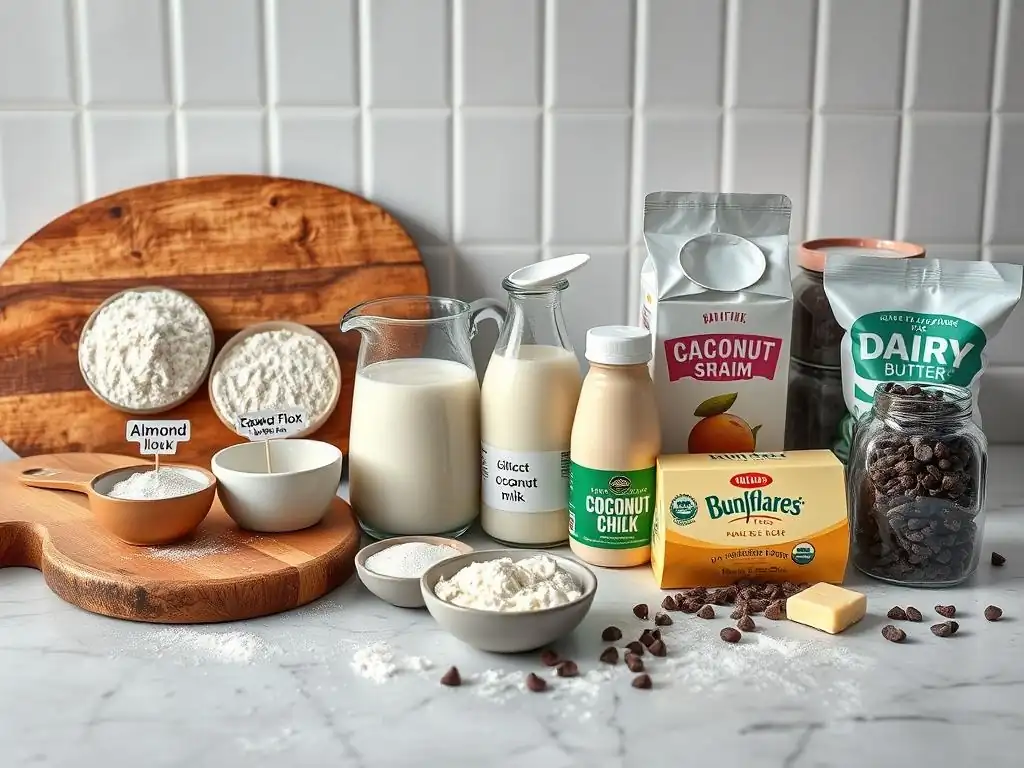
Making the right dairy-free baking ingredient swaps is crucial for achieving delicious results. This comprehensive chart breaks down common dairy ingredients and provides effective alternatives, along with notes on how they perform in baking.
Replacing Butter in Baking: Dairy-Free Alternatives
Butter provides fat, flavor, and aids in leavening when creamed with sugar. Finding the right dairy-free swap depends on the recipe's needs, from creating flaky crusts to tender cakes.
Coconut Oil as a Butter Substitute: Benefits and Uses
Coconut oil is a popular dairy-free baking ingredient swap for butter, especially in vegan recipes. It contains saturated fat, which makes it solid at room temperature (below 76°F or 24°C), similar to butter. This property allows it to be creamed with sugar, contributing to leavening in cookies and cakes. It can often be substituted for butter in a 1:1 ratio by volume or weight in many recipes.
However, coconut oil melts at a lower temperature than butter and is nearly 100% fat (compared to butter's ~80%). This can cause cookies to spread more and might require slight adjustments to baking time or temperature. Refined coconut oil has a neutral flavor, while unrefined (virgin) coconut oil imparts a distinct coconut taste, which can be lovely in certain applications like tropical-flavored muffins or granola. It works particularly well in recipes where butter is melted, such as brownies or quick breads.
Dairy-Free Margarine: Choosing the Right Brand
Dairy-free margarines are designed specifically as a dairy-free swap for butter and are often the easiest substitution, especially for beginners. They are formulated to mimic butter's fat content (usually around 80%) and texture, making them excellent for creaming with sugar for cakes and cookies, and for use in pie crusts or scones.
When choosing a dairy-free margarine, look for brands that are specifically labeled for baking. Some softer margarines or spreads have higher water content, which can negatively impact texture. Stick margarines tend to perform better in recipes where butter's structure is critical, like flaky pastries. They typically swap 1:1 for butter by volume or weight.
Plant-Based Butters: A Growing Market
The market for plant-based butters has expanded significantly, offering products made from various bases like cashews, almonds, oats, or blends of plant oils. These products are often crafted to closely replicate the flavor and performance of dairy butter, making them premium dairy-free baking ingredient swaps.
Many plant-based butters are designed to be a direct 1:1 swap for dairy butter in most recipes, including creaming for cakes and cookies, melting, or using in frosting. Their composition aims to match butter's fat, moisture, and solid structure at room temperature. Testing different brands may be necessary to find the one that performs best in your specific recipes, as their oil blends and emulsifiers can vary.
Applesauce as a Butter Replacement: For Moist Cakes and Muffins
Applesauce is a lower-fat dairy-free swap often used to replace some of the butter or oil in baked goods like muffins, quick breads, and some cakes. It adds significant moisture but lacks the fat needed for tenderness and richness. It's best used as a partial substitute, typically replacing up to half the amount of butter or oil called for in the recipe.
Using applesauce as a 1:1 replacement for all the butter will likely result in a very dense, gummy, or rubbery texture due to the lack of fat and presence of extra liquid and pectin. For example, if a recipe calls for 1 cup of butter, you might swap with 1/2 cup of applesauce and keep 1/2 cup of butter (or another fat like oil or plant-based butter). Unsweetened applesauce is generally preferred to avoid making the final product too sweet.
Avocado as a Butter Replacement: For Rich Brownies and Cakes
Ripe, mashed avocado can function as a unique dairy-free baking ingredient swap for butter or oil, particularly in dense, moist baked goods like brownies, chocolate cakes, or even some quick breads. Its high fat content and creamy texture contribute richness and moisture, while its mild flavor is often masked by other ingredients like chocolate or spices.
Avocado can typically replace butter or oil in a 1:1 ratio by volume when mashed, but like applesauce, it's often best used as a partial swap (e.g., replacing half the fat) to maintain the desired texture and avoid a slightly "heavy" result. For instance, if a brownie recipe calls for 1/2 cup of butter, you could try using 1/4 cup of mashed avocado and 1/4 cup of melted plant-based butter or oil. Be aware that it can impart a slight green tint to lighter-colored baked goods.
Swapping Milk in Baking: Dairy-Free Milk Alternatives
Milk adds liquid, fat, and protein, contributing to moisture, tenderness, and aiding in browning. The best dairy-free swap depends on the desired richness and flavor profile.
Almond Milk: A Versatile Option for Many Recipes
Unsweetened almond milk is one of the most widely available and popular dairy-free baking ingredient swaps for dairy milk. It has a relatively neutral flavor and a thin consistency, similar to skim or low-fat dairy milk. It works well in recipes where the primary function of milk is to provide liquid, such as pancakes, waffles, and many cake and muffin batters.
Almond milk can typically be substituted for dairy milk in a 1:1 ratio by volume. However, because it is lower in fat and protein than whole dairy milk, it may result in slightly less rich or tender baked goods. For recipes where richness is important, choosing a creamier alternative like oat or soy milk might yield better results. Always opt for unsweetened varieties unless the recipe specifically calls for sweetened milk.
Oat Milk: Creamy and Delicious in Baked Goods
Oat milk has gained popularity as a dairy-free swap due to its creamy texture and slightly sweet, neutral flavor profile. It performs very well in baking, adding moisture and contributing to a tender crumb in cakes, muffins, and quick breads. Its creaminess makes it a good alternative for recipes that benefit from a richer liquid.
Like almond milk, oat milk can generally be substituted for dairy milk in a 1:1 ratio. Barista blends of oat milk, designed for frothing, often have a higher fat content and can provide even richer results in baking. Its natural sweetness is usually subtle enough not to interfere with most recipes, but unsweetened versions are also available.
Coconut Milk: Adding Richness and Flavor
Coconut milk is a versatile dairy-free baking ingredient swap, but it's important to distinguish between canned full-fat coconut milk and carton coconut milk (the beverage). Carton coconut milk is similar in consistency to almond milk and can be used in a 1:1 swap for dairy milk in many recipes. Canned full-fat coconut milk, however, is much thicker and richer, containing a high percentage of fat (often 17-20% or more).
Canned full-fat coconut milk (often just the solid cream part scooped from the top after chilling) is excellent for adding richness to custards, puddings, and dense cakes. When diluted with water or another liquid, it can also be used as a richer milk substitute. Be aware that coconut milk imparts a distinct coconut flavor, which works wonderfully in certain recipes but might not be desired in others.
Soy Milk: A Reliable and Affordable Choice
Unsweetened soy milk is a long-standing and reliable dairy-free swap for dairy milk in baking. It has a protein content closer to dairy milk than many other plant milks, which can contribute positively to the structure and browning of baked goods. Its fat content varies but is often comparable to 2% or whole dairy milk, making it a good all-purpose substitute.
Soy milk can typically be used as a 1:1 replacement for dairy milk in most baking recipes. Its flavor is relatively neutral, though some detect a slight "beany" note, which is usually undetectable once baked into a recipe. Choose unsweetened varieties unless the recipe requires sweetness. It's a solid performer for everything from cookies and cakes to breads and muffins.
Rice Milk: A Light and Subtle Option
Rice milk is a thinner dairy-free swap compared to soy or oat milk, with a mild, slightly sweet flavor. It is often chosen by individuals with multiple allergies (soy, nuts, dairy). Due to its lower fat and protein content, it provides primarily liquid to a recipe.
Rice milk can be used as a 1:1 substitute for dairy milk in recipes where moisture is the main requirement, such as simple quick breads or batters that don't rely heavily on the milk's richness or protein for structure. However, it may result in a less tender or rich crumb compared to using milk alternatives with higher fat or protein content. It's best in recipes where a light texture is desired.
Replacing Cream in Baking: Dairy-Free Options
Cream provides richness, thickness, and the ability to be whipped. Replacing it requires alternatives with high fat content or thickening properties. These dairy-free baking ingredient swaps are essential for frostings, fillings, and rich desserts.
Coconut Cream: Whipped and Ready to Use
Full-fat canned coconut milk or specifically labeled coconut cream is the go-to dairy-free swap for heavy cream in many dessert applications. When chilled, the solid cream separates from the liquid. This solid part can be scooped out and whipped just like dairy heavy cream, creating a light and fluffy topping or frosting.
For recipes requiring liquid cream (like custards or sauces), the solid cream can be whisked back together with the liquid from the can, or diluted with a little plant milk to achieve the desired consistency. It's typically used as a 1:1 replacement for heavy cream in recipes where richness and fat are key. The coconut flavor is present, but can be masked with vanilla or other flavorings.
Cashew Cream: A Rich and Versatile Substitute
Cashew cream is a rich and neutral-flavored dairy-free swap for cream, sour cream, or even cream cheese in certain applications. It's made by soaking raw cashews and then blending them with a little water or plant milk until completely smooth and creamy. The thickness can be adjusted by varying the amount of liquid used.
Cashew cream is excellent for creating creamy fillings, cheesecakes (when combined with other ingredients like lemon juice and sweetener), sauces, and even frostings. Because it's homemade, the consistency can be customized. It offers a smooth texture and rich mouthfeel without a strong competing flavor, making it a versatile addition to your list of dairy-free baking ingredient swaps.
Silken Tofu: For Creamy Desserts and Fillings
Silken tofu, particularly the soft or extra-soft varieties, is a low-fat dairy-free swap that can add creaminess and structure to blended desserts, mousses, pies, and fillings. When blended thoroughly, it takes on a smooth, custard-like texture.
While not a direct 1:1 swap for heavy cream due to its lower fat content, silken tofu is excellent in recipes where cream is used for its texture and binding properties rather than just richness. It needs to be blended until absolutely smooth, often with a liquid, sweetener, and flavoring. For example, a chocolate mousse might use blended silken tofu combined with melted dairy-free chocolate and a sweetener. It adds protein and structure without a strong flavor, making it a useful dairy-free baking ingredient swap for lighter creamy elements.
Replacing Cheese in Baking: Dairy-Free Alternatives
Cheese is used in savory baking for flavor, melting properties, and richness. Dairy-free baking ingredient swaps for cheese aim to replicate these characteristics.
Nutritional Yeast: Adding Cheesy Flavor
Nutritional yeast is a deactivated yeast that comes in flake or powder form and has a distinct, savory, cheesy flavor. While it doesn't replicate the texture or melting properties of cheese, it's a fantastic dairy-free swap for adding a cheesy flavor to savory baked goods like scones, biscuits, or bread doughs.
A tablespoon or two added to a savory dough or topping can impart a noticeable cheese-like flavor without adding dairy. It's often used in combination with other ingredients to build a dairy-free cheese sauce or topping. For example, a sprinkle on top of savory muffins before baking can add a cheesy aroma.
Dairy-Free Cream Cheese: Perfect for Frostings and Cheesecakes
Many brands now offer dairy-free cream cheese alternatives made from bases like soy, cashews, almonds, or coconut. These are specifically formulated to mimic the tang, texture, and spreadability of dairy cream cheese, making them ideal dairy-free baking ingredient swaps for recipes like frostings, cheesecakes, and pastry fillings.
Dairy-free cream cheese can often be used as a 1:1 substitute for dairy cream cheese in recipes. However, some brands may have a slightly different consistency or melt differently when baked into a cheesecake. For cheesecakes, combining dairy-free cream cheese with other ingredients like cashew cream or silken tofu can help achieve the desired creamy texture and structure. Testing different brands is recommended to find your favorite for frostings and baked applications.
Vegan Cheese Shreds: For Pizza and Savory Bakes
Vegan cheese shreds, typically made from plant oils and starches, are designed to melt and stretch, making them suitable dairy-free swaps for shredded dairy cheese on pizzas, savory tarts, or in baked goods like cheesy bread.
While the melting properties can vary significantly between brands, many newer formulations melt quite well. They are generally used as a 1:1 replacement for shredded dairy cheese. Keep in mind that the flavor profile can differ from dairy cheese, and some varieties may perform better when mixed with other ingredients rather than used alone. Using a blend of different vegan cheese shreds can sometimes improve both flavor and melt.
Replacing Yogurt in Baking: Dairy-Free Options
Yogurt adds moisture, tang, and tenderness to baked goods, particularly muffins, cakes, and quick breads. These dairy-free baking ingredient swaps aim to replicate those qualities.
Dairy-Free Yogurt Alternatives
Dairy-free yogurts made from soy, almond, coconut, oat, or cashew milk are excellent dairy-free swaps for dairy yogurt in baking. They provide similar moisture and tang, contributing to a tender crumb. Unsweetened, plain varieties are usually the best choice to avoid adding unwanted sweetness or flavors.
Dairy-free yogurt can typically be substituted for dairy yogurt in a 1:1 ratio by volume in recipes like muffins, cakes, and quick breads. The consistency can vary between brands and bases (e.g., coconut yogurt is often thicker than almond yogurt), which might slightly affect batter thickness. If using a very thick yogurt, you might need to add a splash more plant milk to achieve the correct consistency.
Applesauce: Adding Moisture and a Touch of Sweetness
As mentioned earlier for butter swaps, applesauce can also serve as a partial dairy-free swap for yogurt in recipes where yogurt is primarily used for moisture. It adds moisture and a little sweetness, but lacks the tang and protein of yogurt.
If a recipe calls for yogurt and you need a dairy-free option but don't have dairy-free yogurt, applesauce can replace some of the yogurt (e.g., up to half) to add moisture. However, it won't provide the same tenderizing effect or tang that yogurt does. It works best in recipes where yogurt is one of several moistening agents, like some muffin or quick bread recipes.
Tips and Tricks for Successful Dairy-Free Baking Ingredient Swaps
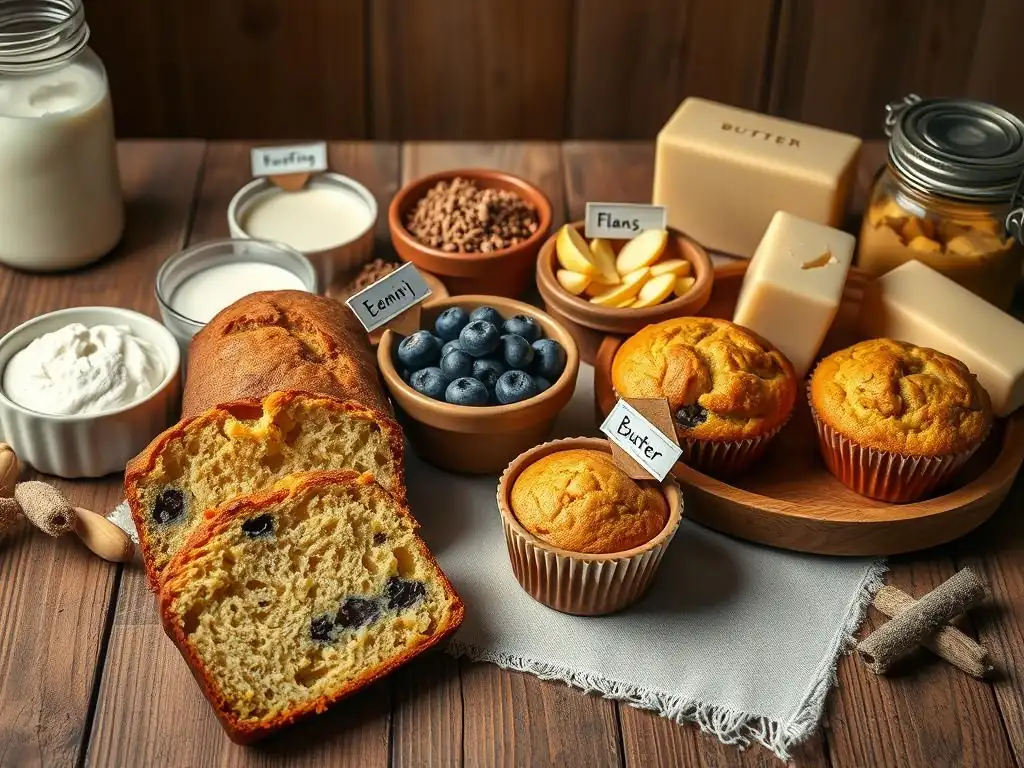
Mastering dairy-free baking ingredient swaps goes beyond simply replacing one item with another. It often involves understanding how different ingredients interact and making slight adjustments for optimal results.
Measuring and Adjusting Ingredients
Precision in measuring is always important in baking, but it's even more critical when using dairy-free swaps. The consistency and fat content of alternatives can vary. For example, while many plant milks are a 1:1 swap for dairy milk by volume, if a recipe feels too thick or thin after swapping, you might need to add a tablespoon more liquid or flour to achieve the correct batter consistency.
When swapping solid fats like butter, weighing the ingredient (e.g., 227g for 1 cup of butter) rather than using volume measurements can improve accuracy, as packing methods can vary. Pay attention to the texture of your batter or dough after making dairy-free ingredient swaps and be prepared to make minor adjustments based on how it looks and feels compared to a standard recipe.
Dealing with Texture Changes in Dairy-Free Baking
Dairy-free baking ingredient swaps can sometimes lead to texture differences. Replacing butter entirely with a low-fat option like applesauce will result in a less tender, chewier product. Using a thin plant milk instead of whole dairy milk might lead to a slightly drier crumb.
To combat dryness, consider adding a bit more oil or a richer plant milk. For tenderness, ensure you're using a fat source that creams well with sugar if the recipe relies on that method (like plant-based butter or some margarines). Adding ingredients like applesauce, mashed banana, or dairy-free yogurt can boost moisture. Sometimes, a slight reduction in baking time can also help prevent dryness.
Flavor Considerations When Using Dairy-Free Substitutes
Some dairy-free swaps have distinct flavors. Unrefined coconut oil tastes like coconut, some soy milks can have a subtle bean flavor, and certain plant-based butters might have a unique taste profile.
Consider the overall flavor of your baked good. In a chocolate cake, the flavor of a plant milk might be masked. In a vanilla cake or shortbread, a strong-flavored swap will be more noticeable. Use neutral-flavored alternatives (like refined coconut oil, unsweetened almond or oat milk, or neutral-tasting plant-based butters) if you want the other flavors in your recipe to shine. Vanilla extract, citrus zest, or spices can also help complement or mask the flavors of dairy-free baking ingredient swaps.
Gluten-Free and Dairy-Free Baking: Important Considerations
Many people adopting a dairy-free diet also explore gluten-free baking. Combining dairy-free baking ingredient swaps with gluten-free flours adds another layer of complexity, as both require careful handling and specific ingredient properties.
Gluten-free flours often absorb more liquid than wheat flour, which can interact with the moisture content of your dairy-free swaps. Using richer dairy-free milks (like oat or soy) or adding extra fat (like oil or plant-based butter) can help compensate for the dryness sometimes associated with gluten-free flours.
Ingredients like psyllium husk or xanthan gum are often used in gluten-free baking to provide structure that gluten normally would; ensure your dairy-free swaps don't interfere with these binders. Look for recipes specifically developed to be both gluten-free and dairy-free if possible, as these are already balanced for both sets of substitutions.
Dairy-Free Baking Recipes to Get You Started
Ready to put your knowledge of dairy-free baking ingredient swaps into practice? Here are a few simple recipe ideas that are naturally dairy-free or easily adapted.
This classic can be easily made dairy-free using plant-based butter or dairy-free margarine and a dairy-free milk alternative.
- Cream 1 cup (227g) softened dairy-free butter or margarine with 3/4 cup granulated sugar and 3/4 cup packed brown sugar until light and fluffy.
- Beat in 2 large eggs and 1 teaspoon vanilla extract.
- In a separate bowl, whisk together 2 1/4 cups all-purpose flour, 1 teaspoon baking soda, and 1/2 teaspoon salt.
- Gradually add dry ingredients to wet ingredients, mixing until just combined.
- Stir in 1 cup dairy-free chocolate chips.
- Drop rounded tablespoons onto baking sheets lined with parchment paper.
- Bake at 375°F (190°C) for 9-11 minutes, or until edges are golden and centers are still soft. Let cool on sheets for a few minutes before transferring to a wire rack.
Dairy-Free Vanilla Cake Recipe
A simple vanilla cake provides a great base for practicing your dairy-free milk and butter swaps.
- Preheat oven to 350°F (175°C). Grease and flour two 8-inch cake pans (use gluten-free flour if needed).
- In a large bowl, cream 1 cup (227g) softened dairy-free butter or margarine with 1 3/4 cups granulated sugar until light and fluffy.
- Beat in 2 large eggs one at a time, then stir in 2 teaspoons vanilla extract.
- In a medium bowl, whisk together 2 1/2 cups all-purpose flour, 1 1/2 teaspoons baking powder, and 1/2 teaspoon salt.
- In a liquid measuring cup, whisk together 1 cup unsweetened dairy-free milk (like oat or soy) and 1 teaspoon apple cider vinegar (to mimic buttermilk).
- Add dry ingredients to wet ingredients alternately with the milk mixture, beginning and ending with dry ingredients, mixing until just combined.
- Pour batter evenly into prepared pans.
- Bake for 30-35 minutes, or until a wooden skewer inserted into the center comes out clean. Let cool in pans for 10 minutes before inverting onto a wire rack to cool completely. Frost with dairy-free frosting.
Dairy-Free Banana Bread Recipe
Quick breads like banana bread are very forgiving and excellent for experimenting with dairy-free milk, butter, or even yogurt/applesauce swaps.
- Preheat oven to 350°F (175°C). Grease and flour a 9x5 inch loaf pan.
- In a large bowl, mash 3 ripe bananas thoroughly.
- Stir in 1/3 cup melted dairy-free butter or oil (like vegetable or melted coconut oil) and 1/2 cup granulated sugar (or a mix of granulated and brown sugar).
- Beat in 1 large egg and 1 teaspoon vanilla extract.
- In a separate bowl, whisk together 1 1/2 cups all-purpose flour, 1 teaspoon baking soda, 1/2 teaspoon baking powder, and 1/4 teaspoon salt.
- Add dry ingredients to the banana mixture, mixing until just combined. Do not overmix.
- Pour batter into the prepared loaf pan.
- Bake for 50-60 minutes, or until a wooden skewer inserted into the center comes out clean. If the top browns too quickly, tent loosely with foil. Let cool in the pan for 10 minutes before transferring to a wire rack to cool completely.
Troubleshooting Common Dairy-Free Baking Problems
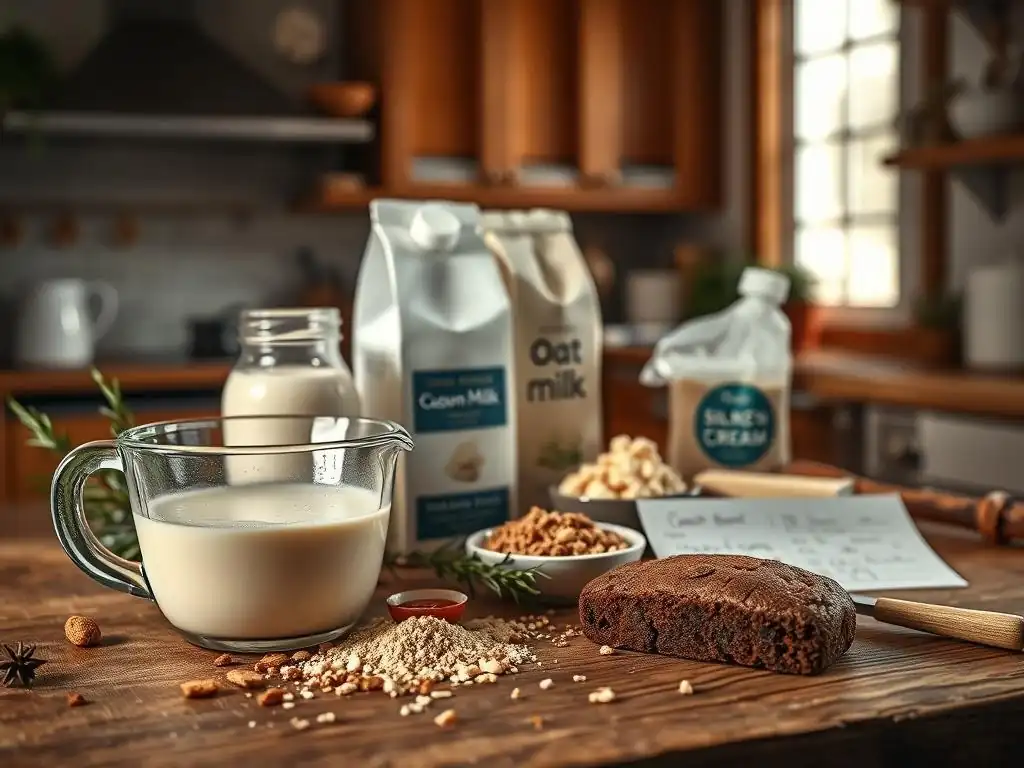
Even with the right dairy-free baking ingredient swaps, you might encounter issues. Here are some common problems and how to address them.
Dry and Crumbly Baked Goods
This is a frequent issue when making dairy-free swaps, often due to insufficient fat or using a liquid substitute that doesn't provide enough moisture or richness (like using rice milk instead of oat milk).
- Solution: Ensure you are using high-quality dairy-free swaps with adequate fat content, especially when replacing butter or whole milk. Consider adding a bit more liquid (plant milk or water) or a small amount of extra oil (1-2 tablespoons per cup of flour) in recipes that seem prone to dryness. Using ingredients like applesauce, mashed banana, or dairy-free yogurt can also boost moisture. Avoid over-baking; check for doneness a few minutes before the minimum recommended baking time.
Dense and Heavy Cakes
If your dairy-free cakes turn out dense or heavy, it could be due to insufficient leavening, using a fat substitute that doesn't cream well, or a lack of structure provided by dairy proteins.
- Solution: Ensure your leavening agents (baking soda and baking powder) are fresh. If replacing butter, make sure you are using a dairy-free butter or margarine that creams effectively with sugar to incorporate air. Using plant milks with higher protein content (like soy or oat) can help with structure compared to thinner milks. Avoid overmixing the batter after adding dry ingredients, as this can develop gluten too much and lead to toughness.
Lack of Flavor in Dairy-Free Recipes
Sometimes dairy-free baking ingredient swaps can result in a less flavorful product, especially if relying on very neutral substitutes. Dairy fat carries flavor compounds, and removing it can make flavors seem muted.
- Solution: Enhance flavors with extracts (like extra vanilla or almond extract), spices (cinnamon, nutmeg), citrus zest, or a pinch of salt to boost overall taste. Using richer dairy-free swaps like full-fat coconut milk or flavorful plant-based butters can also improve the depth of flavor. Don't be afraid to add a little extra sweetener if the recipe seems bland, as sweetness can enhance other flavors.
Mastering Dairy-Free Baking: Resources and Further Learning
The journey to mastering dairy-free baking ingredient swaps is ongoing. Here are some resources to continue expanding your skills and recipe repertoire.
Dairy-Free Baking Cookbooks
Investing in cookbooks specifically dedicated to dairy-free or vegan baking can provide tested recipes and valuable insights into how dairy-free swaps are successfully incorporated into various types of baked goods. Look for books from reputable authors or bakeries known for their dairy-free creations.
Online Dairy-Free Baking Communities
Joining online forums, social media groups, or communities focused on dairy-free or allergy-friendly baking allows you to connect with others, ask questions, share experiences, and discover new dairy-free baking ingredient swaps and successful recipes.
Dairy-Free Baking Blogs
Many talented bakers share their recipes and tips for dairy-free swaps on blogs. Following these blogs can expose you to innovative techniques and tested recipes, providing inspiration and guidance for your own baking adventures.
Conclusion: Embrace the World of Dairy-Free Baking
Embarking on dairy-free baking doesn't mean settling for second-best. With the increasing availability and quality of dairy-free baking ingredient swaps, you can create delicious, satisfying, and impressive baked goods that cater to dietary needs or preferences without compromise.
The Possibilities of Dairy-Free Baking Ingredient Swaps
From rich plant-based butters and creamy oat milk to innovative uses of coconut cream and cashew blends, the possibilities for dairy-free baking ingredient swaps are vast and continually expanding. By understanding the function of dairy ingredients and exploring the alternatives available, you can confidently adapt your favorite recipes or discover exciting new ones. Embrace the challenge, experiment with different swaps, and enjoy the rewarding experience of baking delicious treats that everyone can enjoy!
Frequently Asked Questions
What are some common dairy-free substitutes for butter in baking?
Common dairy-free butter substitutes include plant-based butters like vegan butter sticks, coconut oil, and applesauce depending on the recipe. The best choice depends on the desired flavor and texture.
Can I use almond milk as a direct replacement for cow's milk in all baking recipes?
While almond milk works well in many recipes, it's not always a 1:1 substitute. Consider the fat content and flavor profile. Other dairy-free milks like oat or soy might be better suited for certain baked goods.
What dairy-free alternatives can I use to replace cream cheese in cheesecakes or frosting?
Look for vegan cream cheese alternatives, typically made from cashews or tofu. These can be used in cheesecakes and frostings, often requiring slight adjustments to the sweetness and texture.
How do I replace heavy cream in a recipe that calls for it?
Options include full-fat coconut milk (refrigerated and scooped from the top), cashew cream, or store-bought vegan heavy cream alternatives. Pay attention to the fat content to achieve the desired richness.
What are some tips for adjusting baking times or temperatures when using dairy-free substitutes?
Since dairy-free substitutes can react differently, monitor your baked goods closely. You may need to slightly adjust baking times or temperatures based on the specific substitute and recipe. Check for doneness using visual cues and a toothpick test.
Final Reflection: Unlocking the Sweetness of Dairy-Free Baking
The journey into the world of dairy-free baking can feel daunting, but as this chart demonstrates, mastering ingredient swaps is the key to unlocking a world of delicious, inclusive possibilities. No longer are dietary restrictions a barrier to enjoying the simple pleasures of homemade cakes, cookies, and breads; instead, they become an opportunity for creative exploration and culinary innovation.
This exploration has profoundly impacted my own understanding of baking, shifting my perspective from limitations to limitless potential. I've learned that the seemingly simple act of substituting ingredients can lead to surprising and delightful results, often exceeding expectations. The best things in life are unexpected,
a sentiment that perfectly encapsulates the joy of discovering new dairy-free baking combinations. This chart is a testament to the power of adaptation and the beauty of finding delicious alternatives.
Now, it's your turn. Take this chart, use it as a springboard, and experiment! Don't be afraid to try new things, to adjust ratios, and to discover your own perfect dairy-free baking combinations. The world of flavour awaits, ready to be explored and enjoyed, one delicious, dairy-free creation at a time. Embrace the challenge, and let your creativity flourish in the kitchen.
Unleash Your Dairy-Free Baking Genius!
Thanks for diving into the world of dairy-free baking with us! You've now got the knowledge to confidently swap ingredients and create delicious, allergy-friendly treats. Ready to put your newfound skills to the test?
- Bake your first dairy-free masterpiece! Choose a recipe you love (or try a new one!) and use our chart to make the substitutions. Don't be afraid to experiment!
- Share your creations! Post a picture of your dairy-free bake on social media and tag us – we’d love to see your success.
- Challenge a friend: Send them this chart and encourage them to join the dairy-free baking revolution!
What amazing dairy-free recipe will you conquer first?