
Craveable Keto LowSugar Desserts: Easy Recipes for Your Diet

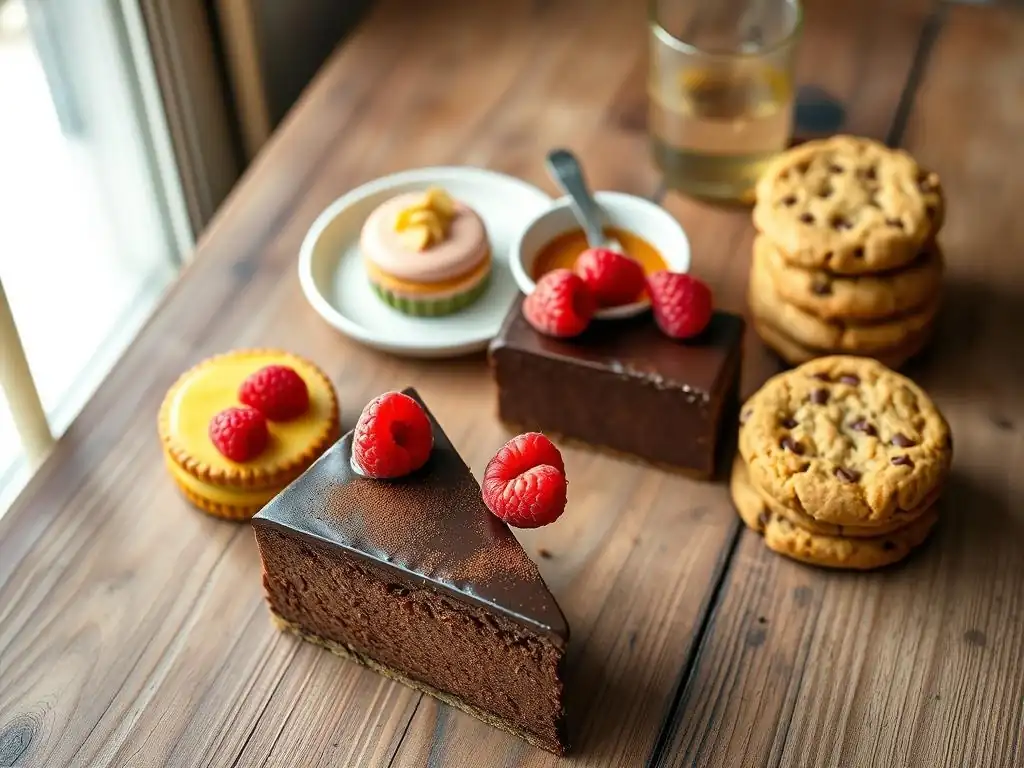
Welcome to BakeWithEase, your haven for effortless baking!
Are you craving delicious treats without the guilt? Discover a world of delightful possibilities in our guide to Keto Low Sugar Desserts. We'll show you how to indulge your sweet tooth while staying true to your dietary goals. Prepare to be amazed by the simplicity and flavor – your next guilt-free masterpiece awaits!
- Delightful Diabetic-Friendly Desserts: Guilt-Free Recipes for Blood Sugar Control
- Introduction to Guilt-Free Indulgence: Diabetic-Friendly Desserts
- Mastering the Art of Diabetic Baking: Essential Ingredients and Techniques
- Recipe 1: Creamy Chocolate Chia Seed Pudding
- Recipe 2: Luscious Lemon Coconut Flour Cake
- Recipe 3: Fudgy Black Bean Brownies
- Recipe 4: No-Bake Peanut Butter Bites
- Tips and Tricks for Successful Diabetic Baking
- Enjoying Your Diabetic Desserts: Pairings and Serving Suggestions
- Diabetic-Friendly Dessert Recipe Roundup:
- Conclusion: Satisfy Your Sweet Tooth the Diabetic-Friendly Way
- Frequently Asked Questions
- Final Reflection: The Sweetness of Sustainable Indulgence
- Unlock Your Sweet Tooth: Delicious Keto Desserts Await!
Delightful Diabetic-Friendly Desserts: Guilt-Free Recipes for Blood Sugar Control
Introduction to Guilt-Free Indulgence: Diabetic-Friendly Desserts
SweetSurrender Presents: Decadent Desserts Without the Sugar Spike
Embarking on a journey to enjoy delicious desserts while managing blood sugar levels is entirely possible. It's about making smart choices with ingredients and techniques that minimize the impact on glucose spikes. Think rich chocolate treats, moist cakes, and satisfying bites – all crafted with low-glycemic index components and natural sweeteners that have little to no effect on blood sugar. These thoughtful creations allow you to indulge your sweet tooth without the common concerns associated with traditional sugary confections.
This approach to baking isn't just for those managing diabetes; it's perfect for anyone seeking keto low sugar desserts or simply aiming for a healthier lifestyle. By using alternative flours, natural sugar substitutes, and nutrient-dense ingredients, we can create treats that are not only safe for blood sugar but also offer added benefits like fiber and healthy fats. These recipes prove that "diabetic-friendly" doesn't mean sacrificing flavor or texture; it means unlocking a world of innovative and satisfying low-sugar delights.
Understanding Diabetes and Low-Sugar Baking
Diabetes mellitus is a chronic condition characterized by elevated levels of glucose (sugar) in the blood. This occurs when the body either doesn't produce enough insulin (Type 1) or can't effectively use the insulin it produces (Type 2). Insulin is crucial for transporting glucose from the bloodstream into cells for energy.
When blood sugar remains high over time, it can lead to serious health complications affecting the heart, kidneys, eyes, and nerves. Managing carbohydrate and sugar intake is a cornerstone of diabetes management to keep blood glucose levels within a target range, often aiming for an A1C below 7% for many adults.
Low-sugar baking is a vital skill for individuals managing diabetes, as it allows them to participate in celebratory moments and everyday pleasures without risking significant blood sugar fluctuations. By substituting refined sugar with non-caloric or low-caloric sweeteners and using flours lower in carbohydrates, bakers can drastically reduce the glycemic load of desserts. For example, a typical slice of chocolate cake made with white flour and sugar might contain upwards of 40-50 grams of carbohydrates, with most being simple sugars.
A diabetic-friendly version using almond flour and erythritol might contain only 10-15 grams of net carbohydrates, with minimal impact from sweeteners, making it a much safer option for blood sugar control. This principle also makes these recipes ideal keto low sugar desserts.
Mastering the Art of Diabetic Baking: Essential Ingredients and Techniques
Diabetic-Friendly Flours: Almond Flour, Oat Fiber, and More
Selecting the right flour is fundamental in diabetic-friendly baking. Traditional wheat flour is high in carbohydrates and can cause rapid spikes in blood sugar. Alternatives like almond flour, made from ground almonds, offer a significantly lower carbohydrate count and a good source of healthy fats and fiber.
A quarter cup of almond flour typically contains around 6 grams of carbohydrates and 3 grams of fiber, resulting in only 3 grams of net carbs, compared to about 23 grams of total carbohydrates in a quarter cup of all-purpose wheat flour. This makes almond flour an excellent base for cakes, cookies, and muffins suitable for keto low sugar desserts.
Oat fiber is another valuable ingredient, particularly for adding bulk and texture without significant carbohydrates. Unlike oat flour, which still contains a notable amount of carbs, oat fiber is almost pure insoluble fiber, meaning it passes through the digestive system largely undigested and has virtually no impact on blood sugar or net carb count.
While it doesn't provide structure on its own, a tablespoon or two can enhance the texture of baked goods, increasing fiber content which is beneficial for blood sugar control. Other low-carb flour options include coconut flour, which is highly absorbent and requires careful measurement, and sometimes small amounts of lupin flour or flaxseed meal flour for specific textures and nutritional boosts.
Sugar Substitutes for Diabetic Desserts: Erythritol, Stevia, and Allulose
Sugar substitutes are key to achieving sweetness without the glucose load. Erythritol is a popular sugar alcohol that is about 70% as sweet as sugar but has zero calories and a glycemic index of 0, meaning it does not raise blood sugar levels. It's often used in larger quantities in recipes and can sometimes cause a cooling sensation. A common guideline is to use about 1.3 cups of erythritol for every 1 cup of sugar called for in a traditional recipe, although individual brand sweetness varies.
Stevia, derived from the leaves of the Stevia rebaudiana plant, is much sweeter than sugar, often 200-400 times as sweet in its pure extract form. It has no calories and a glycemic index of 0. Due to its intense sweetness, only small amounts are needed, making it less suitable for providing bulk in baking.
It's often combined with other sweeteners like erythritol or used in liquid form. Allulose is a "rare sugar" that is about 70% as sweet as sugar but has minimal calories and does not significantly impact blood glucose levels, with a glycemic index near 0. It behaves more like sugar in baking, browning and caramelizing slightly, which is a desirable trait in some keto low sugar desserts.
Binding Agents in Diabetic Baking: Eggs, Chia Seeds, and Flaxseed Meal
In traditional baking, gluten from wheat flour or sugar itself can act as a binder, providing structure and moisture. When using low-carb, gluten-free flours, alternative binding agents become essential. Eggs are a primary binder, contributing structure, richness, and moisture. The protein in eggs helps create a stable crumb. A standard large egg contains less than 1 gram of carbohydrate and is a staple in most diabetic-friendly cake, muffin, and brownie recipes.
For those seeking vegan or egg-free options, or simply wanting to boost fiber and omega-3 content, chia seeds and flaxseed meal are excellent plant-based binders. When mixed with water, ground chia seeds or flaxseed meal form a gel-like consistency, often referred to as a "chia egg" or "flax egg" (1 tablespoon ground seed + 3 tablespoons water, let sit for 5-10 minutes).
This gel can effectively replace eggs in many recipes, providing binding and moisture without adding significant net carbohydrates, making them perfect additions to keto low sugar desserts. Using these binders also adds beneficial fiber, which helps slow sugar absorption.
Recipe 1: Creamy Chocolate Chia Seed Pudding
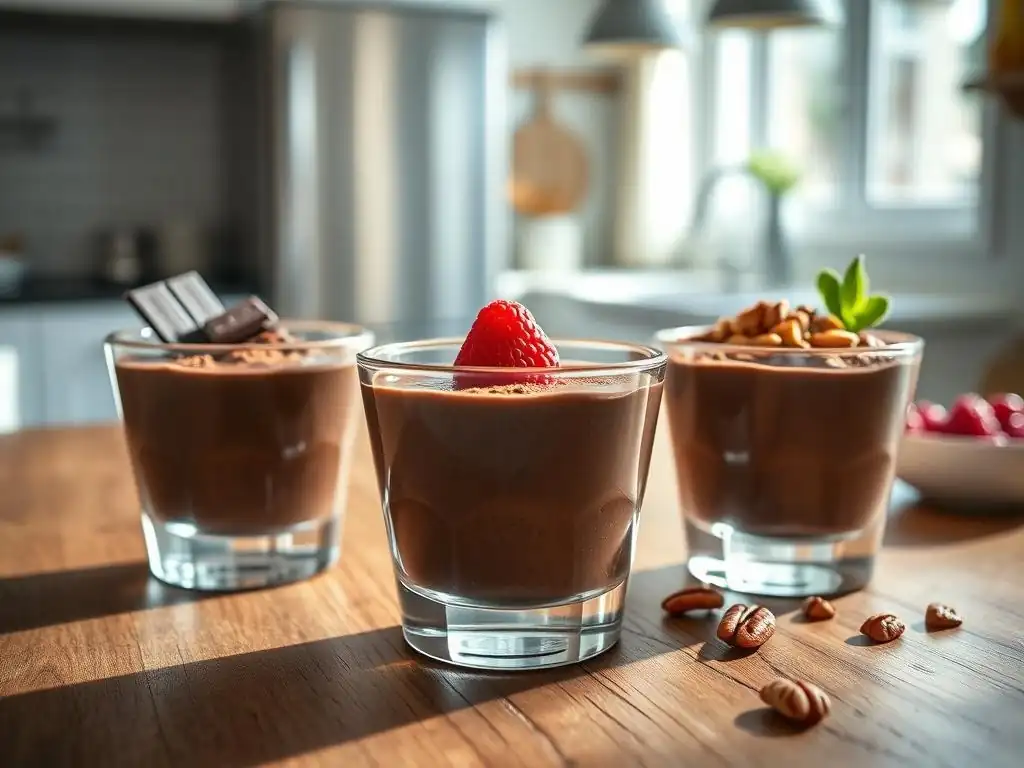
Ingredients for the Chocolate Chia Seed Pudding
This simple yet satisfying chocolate chia seed pudding requires minimal ingredients, making it a quick option for a keto low sugar dessert. You will need 1/2 cup chia seeds, which provide fiber and healthy fats. For the liquid base, use 2 cups of unsweetened almond milk or coconut milk to keep the carbohydrate count low. To achieve the rich chocolate flavor, gather 2-3 tablespoons of unsweetened cocoa powder.
Sweetness comes from a diabetic-friendly substitute; have 2-4 tablespoons of erythritol, stevia blend, or allulose on hand, adjusted to your personal taste preference. A pinch of salt enhances the chocolate flavor. For an optional boost of flavor, consider adding 1/2 teaspoon of vanilla extract. Ensure all ingredients are readily available before you begin mixing.
Step-by-Step Instructions: Making the Perfect Chia Seed Pudding
Creating this creamy treat is incredibly straightforward. First, in a medium bowl or jar, combine the chia seeds and unsweetened milk. Whisk thoroughly to prevent the chia seeds from clumping together initially. Next, add the unsweetened cocoa powder, sugar substitute, and salt. Whisk again vigorously until all the dry ingredients are fully incorporated and there are no visible clumps of cocoa powder.
Once everything is well mixed, cover the bowl or jar and refrigerate for at least 4 hours, or preferably overnight. During this time, the chia seeds will absorb the liquid and expand, creating a pudding-like consistency. Stir the pudding once or twice during the first hour of chilling to ensure the chia seeds are evenly distributed and don't settle at the bottom. Before serving, give it a final stir.
Tips for Achieving the Best Texture and Flavor
Achieving the perfect creamy texture in your chia seed pudding depends largely on the ratio of seeds to liquid and sufficient chilling time. Using the recommended 1:4 ratio (1 part chia seeds to 4 parts liquid) generally results in a thick, pudding-like consistency. If you prefer a thinner pudding, you can add a splash more milk before serving. Conversely, if it's too thin after chilling, stir in another tablespoon of chia seeds and let it sit for an extra 30 minutes.
Flavor is easily customizable. The amount of cocoa powder can be increased for a deeper chocolate taste, and the sugar substitute should be adjusted precisely to your liking – start with a smaller amount and add more after tasting a small spoonful if needed. Adding a dash of cinnamon or a few drops of peppermint extract can introduce interesting variations. For an extra rich flavor, try using unsweetened full-fat coconut milk from a can (the creamy part) diluted slightly with water or almond milk.
Recipe 2: Luscious Lemon Coconut Flour Cake
Coconut Flour Cake Ingredients: The Secret to a Tangy Treat
Creating a moist and tangy lemon cake using coconut flour for your keto low sugar dessert requires specific ingredients due to coconut flour's unique absorption properties. You'll need 1/2 cup of coconut flour, sifted to remove any lumps. Binding and richness come from 4 large eggs. To keep it low sugar, measure out 1/2 cup of your preferred granular sugar substitute, such as erythritol or allulose.
For moisture and fat, you'll need 1/2 cup melted unsalted butter or coconut oil. The essential tang comes from 1/4 cup fresh lemon juice and the zest of one large lemon. Leavening is provided by 1 teaspoon of baking powder and 1/4 teaspoon of baking soda. A pinch of salt balances the flavors. For the optional glaze, gather a few tablespoons of powdered sugar substitute (like erythritol or xylitol, powdered in a blender) and a little lemon juice or water.
Baking Instructions: Creating the Cake Base and Frosting
Preheat your oven to 350°F (175°C) and grease and flour (using a bit of coconut flour or almond flour) a small loaf pan or a few muffin cups. In a large bowl, whisk together the sifted coconut flour, sugar substitute, baking powder, baking soda, and salt. In a separate bowl, whisk the eggs, melted butter or oil, lemon juice, and lemon zest until well combined.
Pour the wet ingredients into the dry ingredients and mix thoroughly until a thick batter forms. Coconut flour absorbs liquid significantly, so the batter will be much thicker than traditional cake batter. Spoon the batter into the prepared pan(s) and smooth the top.
Bake for 25-35 minutes for a loaf or 18-22 minutes for muffins, or until a toothpick inserted into the center comes out clean. Let the cake cool in the pan for 10 minutes before transferring to a wire rack to cool completely. Once cool, whisk together powdered sugar substitute and a tiny amount of lemon juice or water for a glaze, drizzle over the cake, and let it set.
Variations: Adding Berries or Other Diabetic-Friendly Flavors
Enhancing your coconut flour cake with additions can introduce new textures and flavors while remaining diabetic-friendly. Adding about 1/2 cup of fresh or frozen (not thawed) berries, such as raspberries or blueberries, is a popular choice. Raspberries are particularly low in net carbs, with about 7 grams of total carbs and 4 grams of fiber per half cup, leaving only 3 grams of net carbs. Gently fold the berries into the batter just before pouring it into the pan.
Other variations include incorporating other extracts like almond extract or a touch of vanilla bean paste alongside the lemon. You could also fold in a quarter cup of chopped sugar-free dark chocolate chips (check the net carb count, aiming for brands with minimal sugar alcohols beyond erythritol) for a lemon-chocolate twist. Ensure any additions are measured and accounted for within your daily carbohydrate goals, as even low-carb fruits have some impact.
Recipe 3: Fudgy Black Bean Brownies
Black Bean Brownie Ingredients: Indulgent Chocolate Flavor Without the Guilt
Black beans might seem like an unusual ingredient for brownies, but they provide structure, moisture, and fiber without a strong flavor, making them an excellent base for low-sugar, keto low sugar desserts. You'll need one 15-ounce can of black beans, rinsed and drained very well. For the chocolate component, use 1/2 cup of unsweetened cocoa powder. Sweetness comes from 1/2 cup of your preferred sugar substitute like erythritol or a blend.
Fat and moisture are provided by 1/4 cup melted coconut oil or unsalted butter and 2 large eggs. For flavor, include 1 teaspoon of vanilla extract and a pinch of salt. To ensure they are fudgy, you might add 1/4 cup of unsweetened applesauce or pure pumpkin puree (canned). Optional additions for extra chocolate flavor include 1/4 cup of sugar-free dark chocolate chips.
Baking the Brownies: Achieving the Perfect Fudgy Texture
Preheat your oven to 350°F (175°C) and line an 8x8 inch baking pan with parchment paper, leaving an overhang on the sides for easy lifting. In a food processor, combine the rinsed black beans, melted oil/butter, eggs, unsweetened applesauce/pumpkin puree (if using), and vanilla extract. Process until the mixture is completely smooth and no bean pieces are visible – this is crucial for a non-bean-like texture.
Add the unsweetened cocoa powder, sugar substitute, and salt to the food processor. Pulse until just combined, scraping down the sides as needed. If using, stir in the sugar-free chocolate chips by hand. Pour the batter into the prepared pan and spread evenly. Bake for 25-30 minutes, or until the edges are set and a toothpick inserted into the center comes out with moist crumbs (not wet batter). Do not overbake, as this will result in dry brownies rather than fudgy ones. Let cool completely in the pan before cutting.
Topping Ideas: Diabetic-Friendly Nuts, Seeds, and Dark Chocolate Shavings
Adding toppings can enhance the texture and flavor of your black bean brownies while keeping them suitable for a diabetic-friendly or keto low sugar dessert plan. A sprinkle of chopped nuts like walnuts or pecans adds a satisfying crunch and healthy fats. A quarter cup of walnuts contains approximately 4 grams of carbohydrates and 2 grams of fiber, making them a low-net-carb option. Toasting the nuts lightly before adding them can deepen their flavor.
For additional texture and nutrients, consider sprinkling pumpkin seeds or sunflower seeds over the top before baking. A tablespoon of pumpkin seeds contains about 2 grams of carbs and 0.5 grams of fiber. If you desire more chocolate, sparingly shave a small amount of high-cocoa-percentage dark chocolate (85% or higher) over the cooled brownies. While dark chocolate contains some sugar, the amount in a small shaving is minimal, and the high cocoa content offers antioxidants. Always consume toppings in moderation to manage overall carbohydrate intake.
Recipe 4: No-Bake Peanut Butter Bites
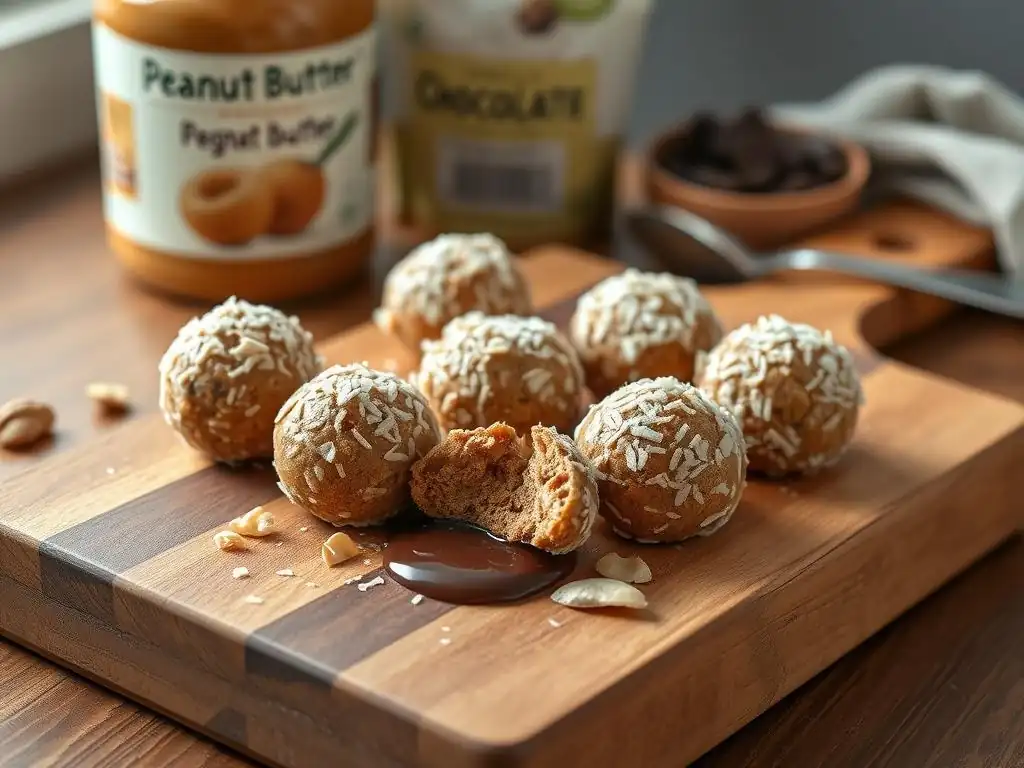
Ingredients for Peanut Butter Bites: Simple and Delicious
These no-bake peanut butter bites are incredibly easy to make and require just a few ingredients, making them a perfect quick keto low sugar dessert or snack. You will need 1 cup of natural peanut butter (ensure it has no added sugar or minimal added sugar; check the label for lowest carb options, typically around 6-8g total carbs per 2 tbsp, with 2g fiber). For sweetness without the sugar, use 1/4 to 1/2 cup of a powdered sugar substitute like erythritol or allulose, adjusting to taste.
To bind the ingredients and add texture, you'll need 1/2 cup of shredded unsweetened coconut or almond flour. For an extra layer of flavor and binding, consider adding 1/4 cup of sugar-free maple syrup substitute or a few tablespoons of unsweetened almond milk if the mixture is too dry. Optional additions include a teaspoon of vanilla extract or a handful of sugar-free chocolate chips.
Assembling the Peanut Butter Bites: A Quick and Easy Dessert
Making these bites is as simple as mixing and rolling. In a medium bowl, combine the natural peanut butter and your chosen powdered sugar substitute. Stir well until the sweetener is evenly distributed throughout the peanut butter. Next, add the shredded coconut or almond flour. Mix until everything is thoroughly combined and the mixture starts to come together.
If the mixture feels too dry or crumbly to hold its shape when rolled, add the sugar-free maple syrup substitute or a tablespoon or two of unsweetened almond milk, mixing until a workable dough forms. Once the mixture is cohesive, roll it into small balls, about 1 inch in diameter. This recipe typically yields around 12-15 bites, depending on size. Place the finished bites on a plate or baking sheet lined with parchment paper.
Storing Your Peanut Butter Bites for Optimal Freshness
Proper storage is key to keeping your no-bake peanut butter bites fresh and firm. Once rolled, the bites should be placed in an airtight container. They need to be chilled to set and maintain their shape, especially if using natural peanut butter, which can be quite soft at room temperature. Refrigerate the bites for at least 30 minutes before enjoying them.
These peanut butter bites store very well in the refrigerator for up to 1-2 weeks. For longer storage, they can also be frozen. Place the bites in a single layer on a baking sheet and freeze until solid, then transfer them to a freezer-safe airtight container or bag. Frozen bites can last for up to 2-3 months. Simply thaw them in the refrigerator for a few hours or enjoy them straight from the freezer for a firmer texture.
Tips and Tricks for Successful Diabetic Baking
Common Mistakes to Avoid in Diabetic Baking
One frequent pitfall in diabetic or keto low sugar baking is the incorrect use of sugar substitutes. Not all substitutes measure or bake like sugar, and using too much of certain types (like some sugar alcohols) can cause digestive upset. It's crucial to follow recipes designed specifically for the substitute being used or understand the conversion ratios and properties. For example, erythritol doesn't dissolve as readily as sugar and can recrystallize, while stevia is intensely sweet and requires careful measurement to avoid bitterness.
Another common error is expecting low-carb baked goods to have the exact same texture as traditional ones. Low-gluten or gluten-free flours like almond and coconut flour absorb liquids differently and don't provide the same elastic structure as wheat flour. Over-mixing batters made with these flours can also result in dense or dry textures. It's important to mix until just combined and be aware that baking times might vary slightly compared to conventional recipes. Using metric measurements (grams) for accuracy, especially with coconut flour, can significantly improve results.
Adjusting Sweetness Levels to Your Preference
Sugar substitutes vary in sweetness and can taste different to individuals. What one person finds perfectly sweet, another might find too sweet or not sweet enough. Most recipes provide a recommended range for sweeteners (e.g., 1/4 to 1/2 cup). When making a recipe for the first time, it's a good practice to start with the lower end of the recommended range for the sugar substitute.
Once the batter or dough is mixed (before adding eggs if raw consumption is a concern, or simply tasting a tiny amount of the batter if it's egg-free like the peanut butter bites), you can carefully taste a small amount and add more sweetener gradually, mixing well each time, until it reaches your desired level of sweetness. Remember that flavors intensify slightly upon baking and cooling.
For liquid sweeteners like stevia drops, add them one drop at a time as they are very potent. This iterative approach helps ensure your keto low sugar desserts are perfect for your palate without adding unnecessary sweetness.
Storing Your Diabetic-Friendly Desserts for Maximum Freshness
Proper storage is essential to maintain the quality, texture, and safety of diabetic-friendly baked goods, especially since they often contain ingredients like alternative flours and fats that can affect shelf life. Most low-sugar baked goods, particularly those made with nut flours or dairy/eggs, are best stored in the refrigerator in an airtight container. Cakes, muffins, and brownies will typically stay fresh in the fridge for about 4-7 days.
For longer storage, freezing is an excellent option. Most cakes, muffins, brownies, and cookies freeze well. Ensure they are completely cooled before wrapping them tightly in plastic wrap or aluminum foil, then placing them in a freezer-safe bag or container. This prevents freezer burn. Frozen baked goods can maintain their quality for up to 2-3 months. Smaller items like cookies or peanut butter bites can be frozen individually on a tray first before transferring to a container to prevent them from sticking together. Thaw frozen items in the refrigerator overnight or at room temperature for quicker enjoyment.
Enjoying Your Diabetic Desserts: Pairings and Serving Suggestions
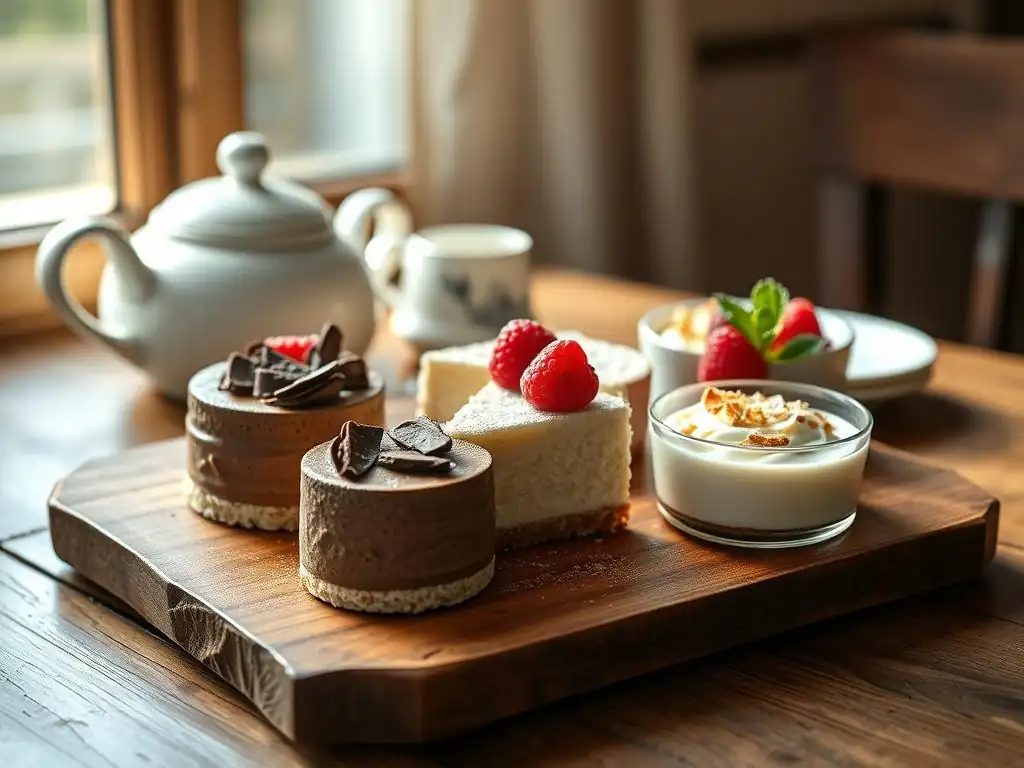
Pairing Your Diabetic Desserts with Herbal Tea or Unsweetened Almond Milk
Enjoying your diabetic-friendly desserts is not just about the treat itself, but the overall experience. Pairing your keto low sugar desserts with the right beverage can enhance the flavors without adding unwanted sugar or calories. Herbal teas, such as chamomile, peppermint, or berry infusions, are excellent choices. They are naturally calorie and sugar-free and offer a variety of complementary flavors that can highlight the nuances of your dessert, like the lemon in the coconut cake or the chocolate in the brownies.
Another ideal pairing is unsweetened almond milk or other unsweetened nut milks like cashew or coconut milk. These provide a creamy contrast, similar to how milk is enjoyed with cookies or cake, but with significantly fewer carbohydrates and no added sugar compared to dairy milk or sweetened plant-based alternatives. A standard cup of unsweetened almond milk typically contains only 1-2 grams of total carbohydrates and no sugar. This pairing allows you to fully savor your guilt-free indulgence.
Creative Plating Ideas for a Beautiful Presentation
Making your diabetic-friendly desserts visually appealing can enhance the enjoyment, turning a simple treat into a special moment. Even basic items like chia seed pudding or peanut butter bites can look elegant with a little effort. For the chia pudding, serve it in clear glasses or jars to showcase the layers or texture. Top it with a few fresh berries (like raspberries or a couple of blueberries) or a sprinkle of chopped nuts for color and contrast.
For cakes or brownies, a clean slice served on a nice plate makes a difference. You can dust the plate with a tiny bit of unsweetened cocoa powder or powdered sugar substitute using a fine sieve. Add a small dollop of sugar-free whipped cream or a few fresh mint leaves as a garnish. Even the peanut butter bites can be arranged artfully on a small platter or served in mini cupcake liners. Taking a moment for beautiful presentation makes indulging in keto low sugar desserts feel even more rewarding.
Diabetic-Friendly Dessert Recipe Roundup:
Finding a variety of delicious recipes is key to keeping your diabetic-friendly or keto low sugar dessert routine exciting. Many online resources and cookbooks are dedicated to creating sweets that are mindful of blood sugar impact. Look for recipes that clearly list carbohydrate counts per serving and specify the type of sugar substitute used. Exploring different types of desserts, from cookies and bars to mousses and cheesecakes, ensures you have options for every craving and occasion.
Expanding your recipe repertoire allows you to experiment with different low-carb flours, various sugar substitutes, and innovative techniques. Many popular dessert types, like cheesecakes (often made with cream cheese and egg-based fillings) or chocolate mousse (using heavy cream and cocoa), are naturally lower in carbs and can be easily adapted using sugar substitutes. Seeking out recipe roundups or collections can provide a convenient way to discover new favorites and continue enjoying sweet treats while managing your dietary needs.
Conclusion: Satisfy Your Sweet Tooth the Diabetic-Friendly Way
Managing diabetes or adhering to a keto low sugar diet doesn't mean saying goodbye to dessert. By understanding the impact of ingredients like sugar and traditional flours on blood glucose and embracing smart substitutions, you can create a wide array of delicious, satisfying treats. The recipes shared here – from creamy chia pudding to fudgy black bean brownies – demonstrate that flavor, texture, and indulgence are well within reach.
Embracing low-sugar baking opens up possibilities for enjoying celebrations, daily moments, and sweet cravings without the worry of significant blood sugar spikes. Experimenting with different low-carb flours, discovering your preferred sugar substitutes, and mastering a few simple techniques will empower you to bake delightful desserts that fit your lifestyle. So go ahead, preheat your oven or chill your pudding – your sweet tooth can be satisfied, the diabetic-friendly way.
Frequently Asked Questions
How can I enjoy desserts while following a keto diet?
You can enjoy desserts on keto by using low-carb sweeteners like erythritol or stevia and focusing on ingredients like almond flour and coconut flour to keep the carb count low.
What are some common ingredients used in keto low-sugar desserts?
Common ingredients include almond flour, coconut flour, sugar-free sweeteners (erythritol, stevia, monk fruit), eggs, and healthy fats like butter or coconut oil.
Are keto low-sugar desserts difficult to make?
Not necessarily! Many recipes are designed to be simple and quick, using readily available ingredients and straightforward instructions, perfect for beginners.
What kind of desserts can be adapted to be keto and low in sugar?
Many traditional desserts can be adapted, including cheesecakes, cookies, brownies, and even some cakes, by substituting high-carb ingredients with keto-friendly alternatives.
Where can I find reliable keto low-sugar dessert recipes?
BakeWithEase.com is your go-to resource, offering a variety of easy-to-follow recipes and tips to help you create delicious and satisfying keto-friendly desserts.
Final Reflection: The Sweetness of Sustainable Indulgence
The pursuit of delicious, healthy desserts is no longer a contradiction; it's a culinary revolution. The rise of keto and low-sugar diets demonstrates a growing awareness of the impact of sugar on our health and well-being, yet the desire for sweet treats remains a powerful human experience. This article has explored how we can satisfy that craving without sacrificing our health goals, offering simple and satisfying recipes that prove indulgence can be both delicious and sustainable.
The journey towards healthier eating is often fraught with challenges, but the rewards are immeasurable. This exploration of keto low-sugar desserts has highlighted not just the recipes themselves, but the broader cultural shift towards mindful consumption. The best way to find yourself is to lose yourself in the service of others.
While this quote might seem unrelated at first glance, it speaks to the self-care aspect of choosing healthy options. By prioritizing our well-being through mindful food choices, we invest in ourselves and our ability to contribute positively to the world around us.
Now, consider your own relationship with desserts. Are you ready to embrace a new approach to satisfying your sweet tooth? Experiment with the recipes presented in this article, and discover the joy of creating delicious, guilt-free treats. Remember, healthy eating is not about deprivation, but about making conscious choices that nourish your body and soul. Embrace the sweetness of sustainable indulgence, and embark on a culinary journey that celebrates both flavor and well-being.
Unlock Your Sweet Tooth: Delicious Keto Desserts Await!
Thanks for diving into the world of delicious, guilt-free desserts! You've just unlocked the secrets to satisfying your sweet cravings without sacrificing your keto journey. Ready to take the next step?
- Bake your first Keto masterpiece! Choose your favorite recipe from the article and get baking. We bet you'll be surprised at how easy and rewarding it is.
- Share your baking journey! Post a picture of your creation on social media and tag us – we'd love to see your delicious results!
- Explore more low-sugar keto recipes on our website. Discover a whole world of tasty treats that fit your lifestyle.
What's your favorite keto-friendly ingredient to bake with, and what dessert will you be making first?