
10 NutFree Pie Crusts: Flaky, Tender, and AllergenFree

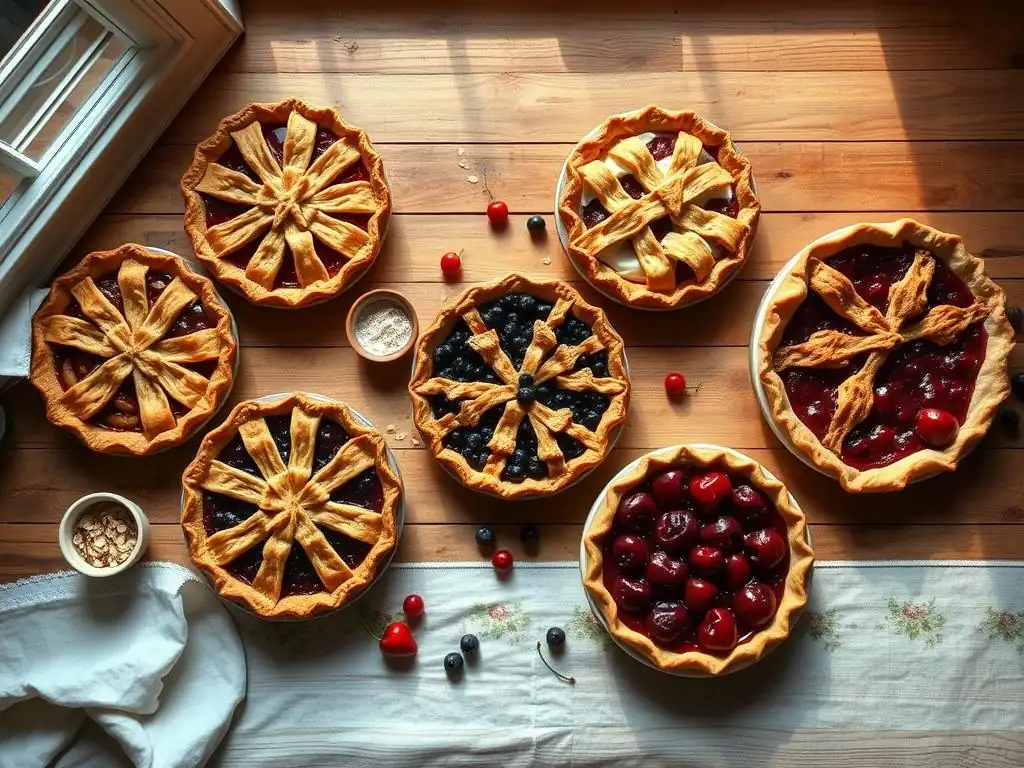
Welcome to BakeWithEase, your trusted guide to delicious and accessible baking! Ever dreamt of a perfectly flaky pie crust, but worried about nut allergies? You're not alone! Dive into our collection of NutFree Pie Crust Recipes and discover how easy it is to create tender, allergen-free pies that everyone can enjoy. Curious about the secrets to achieving that golden-brown perfection without nuts? Let's get baking!
- Introduction to Nut-Free Baking with Delicious Pie Crusts
- Understanding Nut Allergies in Baking: A Brief Overview
-
Top 10 Nut-Free Pie Crust Recipes: Your Ultimate Guide
- 1. Classic Nut-Free Butter Pie Crust Recipe: Simple and Reliable
- 2. Nut-Free Shortening Pie Crust: Budget-Friendly and Versatile
- 3. Nut-Free Olive Oil Pie Crust: A Healthier Alternative
- 4. Nut-Free Coconut Oil Pie Crust: Naturally Sweet and Flavorful
- 5. Nut-Free Gluten-Free Pie Crust: Double Allergen-Free Solution
- 6. Nut-Free Vegan Pie Crust: Plant-Based and Delicious
- 7. Nut-Free Graham Cracker Pie Crust: A No-Bake Option
- 8. Nut-Free Chocolate Pie Crust: Indulgent and Allergen-Friendly
- 9. Nut-Free Spelt Flour Pie Crust: A Nutritious Alternative
- 10. Nut-Free Rye Flour Pie Crust: Earthy and Flavorful
- Tips for Baking Success with Nut-Free Pie Crusts
- Perfect Pie Filling Pairings for Nut-Free Crusts
- Conclusion: Enjoying Delicious and Safe Nut-Free Pies with BakeWithEase.com
-
Frequently Asked Questions
- What makes these pie crust recipes "NutFree"?
- What are some common substitutes for nut-based ingredients in pie crusts?
- Can I use these nut-free pie crust recipes for any type of pie filling?
- How do I ensure my pie crust is flaky and tender, even without nuts?
- Are these nut-free pie crust recipes suitable for people with other allergies?
- Final Reflection: Beyond the Nuts: A World of Flavorful, Inclusive Baking
- Unleash Your Inner Baker: Create Your Dream Nut-Free Pie!
Introduction to Nut-Free Baking with Delicious Pie Crusts
Welcome to the wonderful world of baking, where flaky crusts and delicious fillings come together to create comforting treats. For many, however, the joy of pie making is shadowed by the serious concern of nut allergies. Finding reliable and delicious nut-free options is paramount, ensuring that everyone can enjoy a slice of pie without worry. This guide is dedicated to exploring the best nut-free pie crust recipes, offering safe and delightful alternatives for bakers navigating allergen restrictions.
Creating a safe baking environment is the first step towards successful nut-free pie crusts. This involves careful ingredient selection and meticulous preparation. Our goal at BakeWithEase.com is to empower you with the knowledge and techniques needed to bake confidently, even when dealing with specific dietary needs like nut allergies. We'll walk you through various options, from classic butter-based crusts to innovative alternatives, all designed to be completely free from nuts.
Why Nut-Free Pie Crusts are Essential for Bakers with Allergies
Nut allergies are among the most common food allergies, affecting a significant portion of the population. For example, it's estimated that peanut and tree nut allergies combined affect around 1-2% of adults and 2-3% of children in many Western countries. These allergies can range from mild reactions like hives or digestive upset to severe, life-threatening anaphylaxis, which requires immediate medical attention. Even trace amounts of nuts or nut-derived ingredients can trigger a reaction, making vigilance in baking absolutely crucial.
Cross-contamination is a major concern in baking, especially when nuts are commonly used in other recipes or stored in the same pantry. Ingredients like flours, extracts, or even baking powders can sometimes be processed on equipment shared with nuts, posing a hidden risk. Therefore, relying on dedicated nut-free pie crust recipes and sourcing ingredients carefully is not just a preference, but a necessity for ensuring the safety of individuals with nut allergies. Providing safe, delicious options allows everyone at the table to share in the joy of a homemade pie.
BakeWithEase.com: Your Guide to Allergen-Friendly Baking
At BakeWithEase.com, we understand the challenges and anxieties that can come with baking for dietary restrictions. Our platform is designed to be a trusted resource, offering clear, step-by-step guidance and thoroughly tested recipes. We strive to make allergen-friendly baking accessible and enjoyable for everyone, regardless of their experience level. From understanding ingredient substitutions to implementing safe kitchen practices, we're here to support your baking journey.
This article is part of our extensive collection of allergen-specific baking resources. We provide detailed information on identifying potential allergens, sourcing safe ingredients, and adapting traditional recipes. Whether you're looking for classic nut-free pie crust recipes or exploring new textures and flavors, you'll find reliable instructions and helpful tips to ensure your baked goods are both safe and delicious. Our community and resources are here to help you bake with confidence and ease.
Understanding Nut Allergies in Baking: A Brief Overview
Navigating the world of food allergies in baking requires a foundational understanding of common allergens and the practices that help prevent exposure. Nuts, including both peanuts (which are legumes) and tree nuts (like almonds, walnuts, pecans, cashews, pistachios, etc. ), are frequent culprits behind allergic reactions. Being informed about where these allergens might hide is the first step in creating safe and enjoyable baked goods, especially when preparing nut-free pie crusts.
Understanding the specific nuts that trigger allergies is important, but it's equally vital to be aware of the potential for cross-contamination. This can occur in manufacturing facilities, during ingredient storage, or even within your own kitchen if not properly cleaned. Therefore, simply omitting nuts from a recipe isn't always enough; a comprehensive approach to allergen avoidance is necessary to truly ensure a nut-free environment for your baking projects.
Common Nut Allergens to Avoid
The term "nut allergy" often refers to allergies to peanuts and/or tree nuts. Peanuts are one of the most common food allergies, particularly in children. Tree nuts, while distinct from peanuts, also cause frequent and often severe allergic reactions. The most common tree nut allergies include walnuts, almonds, hazelnuts (filberts), pecans, cashews, and pistachios. However, allergies can occur to any tree nut. It's crucial to avoid all nuts specified by an individual's allergy.
Beyond whole nuts, allergens can be present in various forms. This includes nut flours (almond flour, peanut flour), nut pastes or butters (peanut butter, almond butter, tahini made from sesame seeds which can sometimes be cross-contaminated), nut oils (unless highly refined, though many avoid them entirely), and extracts (almond extract). Ingredients labeled simply as "natural flavors" or "spices" can also sometimes contain hidden nut derivatives. Always reading ingredient labels meticulously and looking for advisory statements like "may contain [nut]" or "processed in a facility that also processes [nut]" is essential when making nut-free pie crust recipes.
Safe Baking Practices for Nut-Free Pie Crusts
Ensuring your kitchen is safe for preparing nut-free pie crusts involves several key practices. Start by thoroughly cleaning all surfaces, utensils, bowls, and equipment that will be used. Washing with hot, soapy water is generally effective, but pay extra attention to porous materials or items with crevices where nut residues might linger. Consider designating specific baking tools or cutting boards for allergen-free baking if possible, though this isn't always necessary with proper cleaning.
Ingredient sourcing is paramount. Purchase ingredients from reputable brands and always double-check labels every time, as manufacturing processes and ingredients can change without notice. Look for products specifically labeled as "nut-free" or certified by allergen safety organizations if available. When in doubt about an ingredient, it's always safest to contact the manufacturer or choose an alternative. Storing nut-free ingredients separately from any nut-containing items in your pantry is also a good practice to prevent accidental cross-contamination.
Top 10 Nut-Free Pie Crust Recipes: Your Ultimate Guide
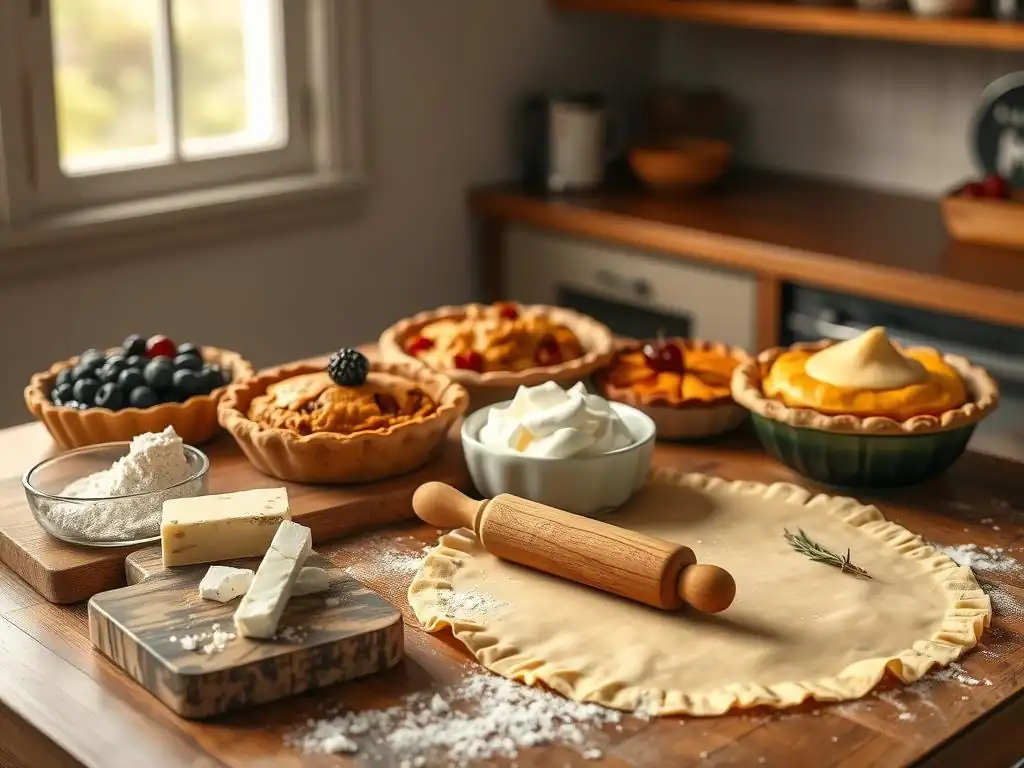
Creating a delicious, flaky, and tender pie crust without nuts is entirely achievable! There are numerous approaches using different fats and flours to achieve wonderful results. This guide explores 10 distinct nut-free pie crust recipes, offering variety in flavor, texture, and ease of preparation. Whether you prefer a classic feel or are looking for specific dietary compatibility like vegan or gluten-free, you'll find a reliable option here.
Each of these nut-free pie crust recipes offers a unique character suitable for different types of pies. We'll delve into the core components and provide essential tips to help you master each one. Remember that practice makes perfect in pie making, and experimenting with different recipes will help you discover your personal favorite for creating delightful, allergen-friendly pies.
1. Classic Nut-Free Butter Pie Crust Recipe: Simple and Reliable
The classic butter pie crust is beloved for its rich flavor and exceptionally flaky texture. Using cold butter is key to achieving those desirable layers. As the butter melts in the oven, it creates steam, separating the dough layers and resulting in flakiness. This recipe relies on simple, readily available ingredients and is a fantastic starting point for anyone learning to make nut-free pie crusts from scratch.
This butter crust is incredibly versatile and pairs beautifully with a wide range of fillings, from sweet fruit pies to savory quiches. The success lies in keeping ingredients cold and handling the dough minimally. Overworking the dough develops gluten, which can lead to a tough crust instead of a tender one. Following precise measurements and chilling steps are crucial for this reliable nut-free pie crust recipe.
Key Ingredients for a Flaky Butter Crust (Nut-Free)
2 ½ cups all-purpose flour(Ensure it's from a nut-free facility)1 teaspoon salt1 cup (2 sticks) unsalted butter, very cold, cut into ½-inch cubes½ cup ice water, plus more as needed
These simple ingredients, when combined correctly, form the foundation of a perfect flaky crust. The cold butter is critical; some bakers even pop their cut butter cubes into the freezer for 10-15 minutes before mixing. The ice water helps bind the dough without melting the butter prematurely, preserving those crucial butter pockets needed for flakiness. Using a measuring cup to scoop flour can compact it, so it's best to lightly spoon flour into the cup and level it off for accuracy.
Step-by-Step Instructions for the Perfect Butter Pie Crust
- In a large bowl, whisk together the flour and salt.
- Cut the cold butter cubes into the flour mixture using a pastry blender, fork, or your fingertips. Work quickly until the mixture resembles coarse meal with some pea-sized pieces of butter remaining. This uneven texture is what creates flakiness.
- Gradually add the ice water, one tablespoon at a time, mixing gently with a fork until the dough just comes together. You may not need all the water, or you might need a tiny bit more – the goal is a dough that holds together when squeezed but isn't sticky.
- Turn the dough out onto a lightly floured surface. Gently bring it together and shape it into two discs (one for the bottom crust, one for the top or a second pie). Avoid kneading.
- Wrap each disc tightly in plastic wrap and refrigerate for at least 1 hour, or up to 3-4 days. This chilling period is vital; it allows the gluten to relax and the fat to firm up, making the dough easier to roll and resulting in a tender crust.
- When ready to bake, remove one dough disc from the refrigerator and let it sit at room temperature for 5-10 minutes to soften slightly, making it easier to roll. Roll the dough out on a lightly floured surface to a 12-inch circle for a standard 9-inch pie plate.
2. Nut-Free Shortening Pie Crust: Budget-Friendly and Versatile
Shortening is a popular choice for nut-free pie crust recipes because it's typically made from vegetable oils and is often more stable at room temperature than butter. It contributes to a very tender crust and is known for being easier to work with, especially for beginners. Shortening is also generally more budget-friendly than butter, making it an economical option for frequent bakers.
While shortening-based crusts may lack the specific flavor notes that butter provides, they excel in creating a delicate, melt-in-your-mouth texture. This type of crust is particularly good for pies with rich or strongly flavored fillings, as the crust's neutral taste won't compete. Mastering a shortening crust involves similar techniques to a butter crust, focusing on incorporating the fat properly and using cold liquid.
Why Shortening Works Well in Nut-Free Crusts
Shortening is 100% fat, compared to butter which is about 80-85% fat and the rest water and milk solids. This higher fat content helps inhibit gluten development more effectively, leading to a very tender crust. Shortening also has a higher melting point than butter, which can make the dough easier to handle and roll out, especially in warmer kitchens. It's a reliable fat source that consistently produces a desirable crumb structure in nut-free pie crust recipes.
Because shortening is a solidified vegetable oil (often palm or soybean oil), it provides a consistent and stable fat source that is naturally nut-free, provided you choose a brand with no risk of cross-contamination. Its neutral flavor profile means it won't impart any unwanted tastes, allowing the pie filling to be the star. This makes it an excellent base for a wide variety of sweet and savory pies, ensuring the focus remains on the delicious flavors you create within the shell.
Tips for Achieving a Tender Shortening Pie Crust
To get the best results with a shortening crust, ensure both the shortening and the water are very cold. Cut the cold, solid shortening into the dry ingredients until the pieces are about the size of small peas or even smaller. Some bakers prefer to grate frozen shortening into the flour for easier incorporation. Be careful not to overmix once the liquid is added; mix just until the dough comes together.
Chilling the dough is just as important for a shortening crust as it is for a butter crust. Refrigerate the dough for at least 30-60 minutes before rolling. This firms up the fat and relaxes the gluten, making the dough easier to roll and less likely to shrink during baking. When rolling, use a light touch and a well-floured surface to prevent sticking, ensuring you maintain that tender structure.
3. Nut-Free Olive Oil Pie Crust: A Healthier Alternative
For those seeking a departure from solid fats, an olive oil pie crust offers a lighter, healthier option. Olive oil is a monounsaturated fat, often considered a healthier choice compared to saturated or trans fats. Using liquid oil in a crust yields a different texture – it tends to be more crumbly and less flaky than butter or shortening crusts, but it can still be wonderfully tender and flavorful.
This type of nut-free pie crust recipe is often quicker to make as there's no need to cut in solid fat. The key is to combine the oil with a liquid (usually water or milk) and then add this mixture to the flour. The flavor of the olive oil will come through, so choose a good quality oil whose taste you enjoy. A mild or light olive oil is often preferred for sweet pies, while a more robust extra virgin oil can be excellent for savory tarts.
The Benefits of Using Olive Oil in Pie Crusts
Using olive oil provides a source of healthy fats and can be suitable for certain dietary needs where solid fats are avoided. It eliminates the step of cutting in fat, simplifying the process significantly. This makes it a relatively quick and easy nut-free pie crust recipe to prepare. The resulting texture, while not traditionally flaky, can be pleasantly crisp and tender, offering a unique experience compared to conventional crusts.
Olive oil also contributes its own subtle or pronounced flavor to the crust, depending on the type used. This can complement various fillings beautifully. For instance, a light olive oil crust works well with fruit fillings like apple or pear, while a more flavorful oil can enhance savory fillings like spinach and feta or roasted vegetables. It's a versatile alternative that expands the possibilities for nut-free baking.
Achieving the Right Texture with Olive Oil
The primary challenge with olive oil crusts is achieving a texture that isn't too crumbly. This is managed by carefully controlling the ratio of oil to liquid and flour. The mixture of oil and liquid is typically whisked together to emulsify slightly before being added to the dry ingredients. Mix just until the flour is moistened and the dough comes together; overmixing will not improve the texture and can make it tough.
Unlike solid fat crusts, olive oil dough doesn't require extensive chilling for structure, although a brief chill (around 20-30 minutes) can make it slightly easier to handle. When rolling, it might be helpful to roll the dough between two sheets of plastic wrap or parchment paper, as it can be more delicate and prone to cracking than butter or shortening doughs. Patching cracks is easy, and the baked crust will still be tender.
4. Nut-Free Coconut Oil Pie Crust: Naturally Sweet and Flavorful
Coconut oil is another excellent plant-based option for creating delicious nut-free pie crust recipes. It behaves similarly to solid fats like butter or shortening, being solid at room temperature (below about 76°F or 24°C) and melting when heated. This allows it to create some flakiness in the crust, while also imparting a subtle, naturally sweet coconut flavor that pairs wonderfully with many pie fillings.
Using unrefined coconut oil will give a more pronounced coconut flavor, while refined coconut oil is more neutral. Ensure you purchase a coconut oil that is processed in a dedicated nut-free facility if severe allergies are a concern. This type of crust is particularly popular in vegan and dairy-free baking, offering a reliable fat source that performs well in creating tender, flavorful crusts.
Using Coconut Oil for a Unique Pie Crust Flavor
Coconut oil's distinct flavor profile can elevate certain pie fillings. It complements tropical flavors like pineapple, mango, or lime beautifully. It also works surprisingly well with chocolate and berry fillings, adding a subtle sweetness and aroma. If you prefer less coconut flavor, opt for refined coconut oil, which has a much milder taste. The flavor becomes less noticeable once baked, especially when paired with a vibrant filling.
Beyond flavor, coconut oil provides a desirable texture. When kept cold and cut into the flour, it creates pockets of fat that render during baking, contributing to a tender and somewhat flaky crust. It's a fantastic way to add a unique twist to your nut-free pie crust recipes while keeping them allergen-friendly and often suitable for vegan diets (if using plant-based liquid).
Tips for Working with Coconut Oil in Baking
Just like butter or shortening, the key to a good coconut oil crust is using the oil when it's solid and cold. If your kitchen is warm and the coconut oil is liquid, you can chill it in the refrigerator until it solidifies, then measure it and cut it into cubes. Work quickly when cutting the cold coconut oil into the flour to prevent it from melting from the warmth of your hands.
Use ice-cold water or plant-based milk to bring the dough together. Mix gently until just combined. Chilling the dough for at least 30 minutes is crucial for firming up the coconut oil, making the dough easier to roll without sticking and helping to achieve a tender, flaky texture. If the dough becomes too soft while rolling, pop it back in the fridge for a few minutes.
5. Nut-Free Gluten-Free Pie Crust: Double Allergen-Free Solution
For individuals managing both nut allergies and gluten intolerance or celiac disease, finding safe and delicious nut-free pie crust recipes that are also gluten-free is essential. This requires using a blend of gluten-free flours and starches instead of traditional wheat flour. While gluten-free baking can sometimes be tricky, modern gluten-free flour blends and techniques make it possible to create a wonderfully tender and flaky crust.
A successful nut-free and gluten-free crust relies on a balanced blend of flours and starches to mimic the structure that gluten provides. Common ingredients include rice flour, tapioca starch, potato starch, and sometimes sorghum or millet flour. Using a good quality, reliable gluten-free all-purpose blend that is certified nut-free is often the easiest approach. Adding a binder like xanthan gum (often included in blends) is also important for structure.
Combining Nut-Free and Gluten-Free Ingredients
When selecting ingredients for a nut-free, gluten-free pie crust, vigilance is key. Ensure all flours, starches, and binders are certified gluten-free and processed in a nut-free facility. Many single-ingredient gluten-free flours like almond flour or pecan flour are obviously out. Even some alternative flours like coconut flour or oat flour (if not certified gluten-free and nut-free) can pose risks. Stick to safe, certified gluten-free blends or single flours from trusted sources.
Beyond the dry ingredients, the fat used is crucial. Butter, shortening, or coconut oil are all excellent, naturally nut-free options suitable for gluten-free crusts. The liquid used can be ice water or a safe plant-based milk. The goal is to create a pliable dough that handles well despite the absence of gluten, which provides elasticity in traditional doughs.
Achieving a Flaky Gluten-Free and Nut-Free Crust
Creating flakiness in a gluten-free crust involves similar principles to wheat-based crusts: using cold fat and minimal handling. Cut cold butter, shortening, or coconut oil into the gluten-free flour blend until pea-sized pieces remain. Add ice-cold liquid gradually and mix until the dough just comes together. Gluten-free doughs can sometimes be more delicate or crumbly than wheat doughs.
Chilling the gluten-free dough for at least 30-60 minutes is vital. When rolling, gluten-free dough can be prone to cracking. Rolling it between two pieces of parchment paper or plastic wrap is highly recommended. If cracks appear, simply press them back together. Blind baking (partially baking the crust before adding the filling) is often particularly helpful for gluten-free nut-free pie crust recipes to ensure a crisp bottom crust.
6. Nut-Free Vegan Pie Crust: Plant-Based and Delicious
For those following a vegan diet or avoiding dairy and eggs, a nut-free vegan pie crust is the answer. This involves substituting traditional butter with a plant-based alternative and using water or a safe plant-based milk for the liquid. Achieving a flaky and tender vegan crust is absolutely possible with the right ingredients and techniques.
Vegan butter alternatives have come a long way and many perform exceptionally well in pie crusts, mimicking the behavior of dairy butter. Look for solid, stick-style vegan butters that are specifically designed for baking, as these often have the right fat content and consistency. Ensure the vegan butter you choose is also certified nut-free if allergies are a concern, as some brands may contain or be processed with nuts.
Vegan Butter Alternatives for Nut-Free Crusts
High-quality stick vegan butters are the preferred choice for creating flaky nut-free vegan pie crust recipes. Brands like Miyoko's Kitchen, Melt Organic Vegan Butter Sticks, or Earth Balance Vegan Butter Sticks (check labels carefully for nut-free status) are often recommended by vegan bakers. These products contain a blend of plant-based oils (like palm, soy, or coconut) and emulsifiers that provide the structure needed for a good crust.
Another option is using a combination of solid coconut oil and a liquid oil (like vegetable or canola oil) to create a similar fat blend, though this requires more careful measurement and technique. Some recipes might also use vegetable shortening. The key is using a solid, cold fat that can be cut into the flour, creating those essential fat pockets for flakiness.
Tips for a Tender Vegan Pie Crust
Just like with dairy butter crusts, keep your vegan butter alternative and liquid (ice water or plant-based milk) very cold. Cut the cold, solid vegan butter into the flour until you have a mix of coarse meal and pea-sized pieces. Gradually add the ice-cold liquid, mixing gently until the dough just comes together. Avoid overmixing.
Chill the vegan dough for at least 30-60 minutes before rolling. Vegan dough can sometimes be slightly stickier or softer than dairy dough, so generous flouring of your surface or rolling between parchment paper can be helpful. Handle the dough gently and patch any cracks as needed. Blind baking is a great technique for vegan crusts to ensure they bake up crisp and golden brown.
7. Nut-Free Graham Cracker Pie Crust: A No-Bake Option
When you need a quick, easy, and delicious nut-free pie crust without turning on the oven, a graham cracker crust is a fantastic choice. Traditional graham crackers can sometimes contain honey or even nuts, so it's crucial to find a brand that is certified nut-free and suitable for your dietary needs (e.g., vegan graham crackers if needed). This crust relies on crushed cookies and melted fat to bind together, making it incredibly simple.
This type of crust is perfect for no-bake pies, such as pudding pies, cream pies, or ice cream pies. It offers a sweet, slightly spiced flavor that complements many fillings. Making a nut-free graham cracker crust involves simply crushing the crackers into fine crumbs, mixing them with sugar and melted butter (or a vegan butter alternative), and pressing the mixture into a pie plate.
Making a Nut-Free Graham Cracker Base
The foundation of this crust is crushed graham crackers. You can crush them by placing them in a zip-top bag and rolling over them with a rolling pin, or by pulsing them in a food processor until fine crumbs form. For a 9-inch pie plate, you'll typically need about 1 ½ cups of graham cracker crumbs, which is roughly equivalent to one standard box of graham crackers (about 9-10 full sheets). Ensure the graham crackers themselves are confirmed nut-free.
Once you have the crumbs, you'll mix them with granulated sugar (about ¼ cup) and melted unsalted butter or vegan butter alternative (about 6-8 tablespoons). Stir until the crumbs are evenly moistened and resemble wet sand. Press this mixture firmly and evenly into the bottom and up the sides of your pie plate. Using the bottom of a glass or a flat measuring cup can help create a compact, even layer.
Perfect Fillings for a Graham Cracker Crust
Nut-free graham cracker crusts are best paired with fillings that do not require baking. Classic pairings include:
- Chocolate pudding or mousse
- Vanilla or banana cream fillings
- Cheesecake fillings (no-bake versions)
- Key lime pie filling
- Ice cream or sorbet
The sweet, crisp texture of the graham cracker crust provides a lovely contrast to smooth, creamy, or frozen fillings. Chilling the pressed crust in the refrigerator for at least 30 minutes before adding the filling helps it set firmly. For extra stability, you can bake the pressed crust for 8-10 minutes at 350°F (175°C) before chilling, which helps it hold its shape even better, though this isn't strictly necessary for many no-bake applications.
8. Nut-Free Chocolate Pie Crust: Indulgent and Allergen-Friendly
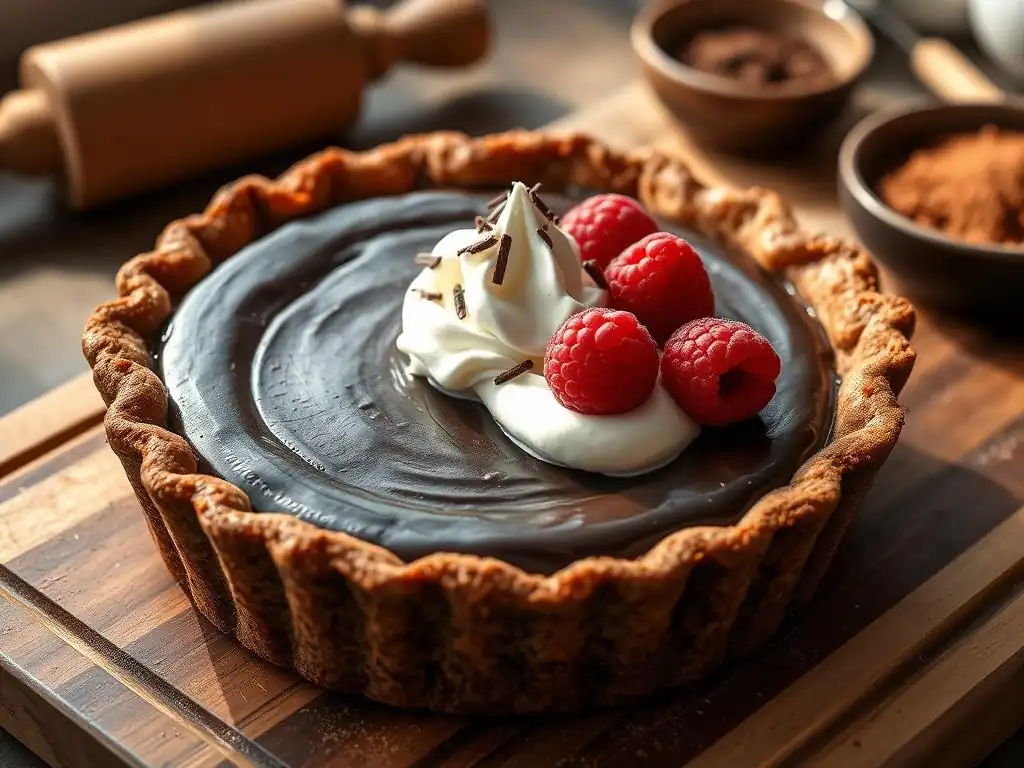
Adding cocoa powder to a standard nut-free pie crust recipe transforms it into a rich, indulgent chocolate version. This is perfect for pairing with cream fillings, fruit fillings like raspberries or cherries, or even savory fillings like chili. It provides a depth of flavor that a plain crust doesn't offer, making your pie extra special while remaining completely free of nuts.
A chocolate crust can be made using various fat bases, including butter, shortening, or a blend. The key is incorporating unsweetened cocoa powder into the dry ingredients. The cocoa powder adds flavor and color and can slightly alter the texture, sometimes making the dough a little more delicate to handle. However, the resulting rich flavor is well worth the minor adjustment in technique.
Adding Cocoa Powder to Your Nut-Free Crust
To make a chocolate nut-free pie crust, you typically substitute a small amount of the all-purpose flour with unsweetened cocoa powder. A good starting ratio is replacing about ¼ cup of flour per single crust recipe with ¼ cup of cocoa powder. Whisk the cocoa powder together thoroughly with the flour and salt before cutting in the cold fat. Ensure the cocoa powder you use is pure and from a source free from nut contamination.
The cocoa powder gives the dough a beautiful dark color, but it can also make it slightly drier. You might find you need a tiny bit more ice water to bring the dough together compared to a plain crust recipe. Add the water very gradually to avoid making the dough too wet. The goal is a dough that holds together but isn't sticky or crumbly.
Tips for a Rich Chocolate Pie Crust
Use high-quality unsweetened cocoa powder for the best flavor. Natural cocoa powder tends to be slightly lighter in color and flavor than Dutch-processed cocoa, which is darker and smoother. Either works, but they will yield slightly different results. Keep all ingredients cold and handle the dough minimally, just like with any other flaky pastry dough.
Chill the chocolate dough for at least 60 minutes. When rolling, the dark color can make it harder to see how evenly you're rolling, so pay attention to thickness. If the dough cracks, gently press it back together. Blind baking is often recommended for chocolate crusts to help set their structure and ensure they are fully baked through, preventing a potentially doughy bottom, especially with moist fillings.
9. Nut-Free Spelt Flour Pie Crust: A Nutritious Alternative
Spelt is an ancient grain and a type of wheat, but it has a different gluten structure than modern wheat and a slightly nutty, sweet flavor profile. While not suitable for those with celiac disease, some individuals with wheat sensitivities find spelt easier to digest. For those looking for nut-free pie crust recipes with a slightly different nutritional profile and flavor than standard all-purpose flour, spelt flour is an interesting option. It's crucial to confirm that the spelt flour is processed in a nut-free facility.
Spelt flour absorbs liquid differently than all-purpose flour and can develop gluten quickly. This means the dough requires very gentle handling to avoid becoming tough. However, when handled correctly, spelt flour can produce a tender crust with a pleasant, mild flavor that complements a variety of fillings. It offers a slightly more rustic feel than a classic white flour crust.
Benefits of Using Spelt Flour in Baking
Spelt flour contains more protein and fiber than standard all-purpose wheat flour. It also has a broader spectrum of nutrients, including iron, magnesium, and zinc. Its unique gluten structure means it requires less mixing than modern wheat flour; overmixing can quickly lead to a tough texture. This characteristic makes it well-suited for pastry where tenderness is desired, provided you are mindful of minimal handling.
The flavor of spelt flour is often described as slightly sweet and nutty, but without actual nuts! This natural sweetness can enhance both sweet and some savory pie fillings. It's a good way to introduce a different flavor dimension and some added nutrients into your nut-free pie crust recipes while staying safely allergen-free (assuming no wheat allergy).
Adapting Spelt Flour for a Pie Crust Recipe
When using spelt flour in a pie crust, you can generally substitute it 1:1 for all-purpose flour in most recipes, but be prepared to adjust the liquid slightly. Spelt flour can sometimes require a little less liquid. Start with the amount specified and add more ice water only if necessary, one teaspoon at a time, until the dough just comes together.
Use cold butter, shortening, or coconut oil and cut it into the spelt flour mixture as you would with any other pastry dough. The key difference is in handling: mix the dough minimally once the liquid is added. Just bring it together until it forms a cohesive mass. Chill the dough for at least 60 minutes. When rolling, be extra gentle, as spelt dough can be more delicate. Rolling between parchment paper is recommended. Bake as you would a standard crust, keeping an eye on browning as spelt can sometimes brown faster.
10. Nut-Free Rye Flour Pie Crust: Earthy and Flavorful
For a distinctly earthy and tangy flavor profile, consider using rye flour in your nut-free pie crust recipes. Rye flour contains less gluten than wheat flour and a different type of protein structure, resulting in a denser, more crumbly texture compared to traditional wheat crusts. It's a wonderful choice for savory pies or those with robust, sweet fillings like apples, plums, or berries, adding a sophisticated depth of flavor. Ensure the rye flour is sourced safely to be nut-free.
Rye flour is available in different forms, from light to dark. Lighter rye flour has had more of the bran and germ removed, resulting in a milder flavor. Dark rye flour contains more of the whole grain and has a stronger, more pronounced tangy flavor. For a pie crust, a blend of rye flour and all-purpose flour (or spelt flour) is often used to achieve a balance of flavor and texture, as 100% rye can be quite dense and challenging to roll.
Exploring the Unique Flavor of Rye Flour
Rye flour imparts a tangy, slightly sour, and earthy flavor that is quite different from wheat. This unique taste pairs exceptionally well with ingredients that can stand up to it. Savory fillings like caramelized onions and mushrooms, potato and cheese, or even a hearty meat filling are excellent candidates. For sweet pies, fillings with tart fruits like cherries, plums, or rhubarb, or rich flavors like apples with warming spices, are complemented by the rye crust.
Using rye flour adds complexity to your nut-free pie crust recipes, moving away from a neutral base to one that actively contributes to the overall flavor experience of the pie. It's an opportunity to be creative with your fillings and explore new taste combinations. A blend of about 50% rye flour with 50% all-purpose or spelt flour is a good starting point for most pie crust applications.
Tips for Baking with Rye Flour in Pie Crusts
When working with rye flour, remember its lower gluten content and different absorption rate. It tends to absorb liquid more slowly than wheat flour. Use cold fat (butter, shortening, or a blend) cut into the flour mixture. Add ice water very gradually, mixing until the dough just comes together. The dough might feel slightly stickier or less elastic than a pure wheat dough.
Chill the rye dough for at least 60 minutes. Due to its lower gluten, rye dough can be more fragile and prone to cracking when rolling. Rolling between parchment paper is highly recommended. Handle the dough gently and repair any tears by pressing the dough together. Blind baking is particularly useful for rye crusts to ensure they bake through and develop a crisp texture, given their tendency towards density.
Tips for Baking Success with Nut-Free Pie Crusts
Mastering the art of pie crust, especially nut-free pie crust recipes, involves paying attention to a few key techniques. Whether you're using butter, shortening, oil, or alternative flours, consistent methods for handling the dough, preventing common issues like shrinkage, and proper storage will elevate your results. These tips apply broadly across many different nut-free crust types and are essential for achieving that perfect flaky or tender texture.
From the moment you mix your dough to the time it goes into the oven, every step influences the final outcome. Understanding how temperature affects your dough, how to roll it evenly, and how to prepare it for baking are fundamental skills. Incorporating these best practices will help you bake nut-free pies with confidence and achieve consistently delicious results every time.
Handling and Rolling Nut-Free Dough
The temperature of your dough is paramount. Always start with cold ingredients and keep the dough chilled before rolling. Refrigerating the dough for at least 30-60 minutes (or even longer) allows the fat to firm up and the gluten (if present) to relax, making the dough much easier to handle and less likely to tear or shrink. If your kitchen is warm, consider chilling your rolling pin and working quickly.
When rolling, use a lightly floured surface to prevent sticking. Use a minimal amount of flour, adding more only if necessary, as excess flour can make the crust tough. Roll the dough from the center outwards, rotating the dough frequently to ensure an even thickness (aim for about ⅛ inch) and to prevent it from sticking to the surface. If the dough becomes too soft or sticky while rolling, gently slide it onto a baking sheet and pop it back into the refrigerator for 10-15 minutes to firm up before continuing.
Preventing Shrinkage and Soggy Bottoms
Shrinkage is a common issue where the pie crust pulls away from the sides of the plate during baking. This is often caused by working the dough too much, which develops gluten and makes it elastic, or by not chilling the dough adequately. To prevent shrinkage, ensure you don't overmix the dough and always chill the shaped crust in the pie plate for at least 15-30 minutes before baking. You can also crimp the edges firmly.
Soggy bottoms occur when the filling's moisture seeps into the bottom crust before it has a chance to set. One of the most effective ways to prevent this is blind baking, or pre-baking, the bottom crust partially or fully before adding the filling. For partial blind baking, prick the bottom crust with a fork all over (docking) and bake at around 375-400°F (190-200°C) for 15-20 minutes until the edges are lightly golden.
For full blind baking, line the crust with parchment paper, fill with pie weights or dried beans, and bake for about 20-25 minutes, then remove weights and paper and bake for another 5-10 minutes until golden. Using an egg wash on the bottom crust before baking can also create a seal.
Storing Nut-Free Pie Crusts: Best Practices
Proper storage ensures your nut-free pie crust dough remains fresh and ready for baking. Unbaked pie dough discs can be tightly wrapped in plastic wrap and stored in the refrigerator for 3-4 days. The flavor and texture can even improve slightly as the dough rests. For longer storage, wrap the discs tightly in plastic wrap and then in aluminum foil or place them in a freezer-safe bag. Frozen dough can last for 1-2 months. Thaw frozen dough in the refrigerator overnight before rolling.
Baked nut-free pie crust shells (blind-baked) should be allowed to cool completely before storing. They can be stored at room temperature for 1-2 days, loosely covered. For longer storage, wrap cooled shells carefully in plastic wrap and then foil, or place them in a rigid container to protect them from breaking. Frozen baked shells can last for 1-2 months. Thaw frozen baked shells at room temperature. Always ensure storage containers and wraps are clean and free from potential cross-contamination if storing in a shared kitchen space.
Perfect Pie Filling Pairings for Nut-Free Crusts
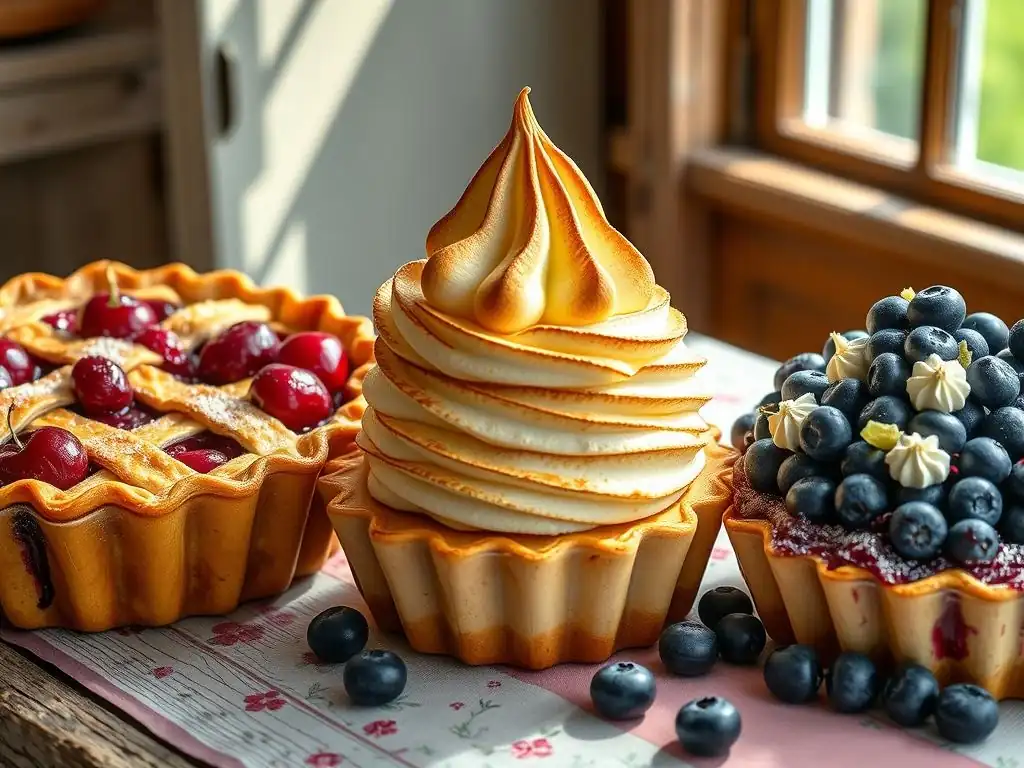
A delicious nut-free pie crust is the perfect canvas for a multitude of fillings. The type of crust you choose can complement or contrast with the filling, creating a harmonious flavor experience. Whether you've opted for a classic butter crust, a tender shortening crust, or a unique spelt or rye variation from our nut-free pie crust recipes collection, there's a filling that will make your pie shine.
Exploring different filling types allows you to utilize your nut-free crusts throughout the year, matching seasonal fruits or celebrating holidays with rich, creamy desserts. Don't be afraid to experiment with pairings – the possibilities are vast, and creating safe, delicious pies means everyone can partake in the enjoyment.
Fruit Pie Fillings: Classic and Nut-Free
Fruit pies are perhaps the most iconic use for a double-crust pie. Classic nut-free pie crust recipes made with butter or shortening are ideal for holding juicy fruit fillings like apple, cherry, blueberry, peach, or mixed berry. The flaky crust provides a wonderful textural contrast to the soft, cooked fruit filling. To prevent a soggy bottom with very juicy fruits, consider partially blind baking the bottom crust and using a thickener like cornstarch, tapioca starch, or flour.
For a standard 9-inch fruit pie, you typically need about 6-8 cups of sliced fruit. You'll mix this with sugar (amount varies depending on the sweetness of the fruit, often ½ to 1 cup), 2-4 tablespoons of thickener, and spices like cinnamon, nutmeg, or lemon zest. Letting the fruit mixture sit for 15-30 minutes before filling the pie allows some juice to release, which can then be thickened before baking. This helps control the moisture and ensures a well-set filling and a crisp bottom crust.
Cream Pie Fillings: Rich and Allergen-Considerate
Cream pies, pudding pies, and custard pies offer a smooth, rich contrast to a crisp crust. Nut-free pie crusts, particularly those that are blind-baked, are excellent for these fillings. A classic butter or shortening crust provides a sturdy base, while a graham cracker crust is perfect for no-bake versions. For chocolate cream pies, a chocolate nut-free crust is an indulgent pairing.
Popular nut-free cream pie fillings include vanilla pudding, chocolate pudding, banana cream, coconut cream, lemon meringue, and key lime. These typically involve cooking a mixture of milk (dairy or plant-based), sugar, eggs or cornstarch for thickening, and flavorings until thickened, then pouring it into a pre-baked or no-bake crust. Ensure all ingredients, especially flavorings like extracts, are confirmed nut-free. Chilling the filled pie for several hours is essential for the filling to set properly before slicing.
Savory Pie Fillings: Expanding Your Nut-Free Baking Repertoire
Pie crust isn't just for dessert! Savory pies, like quiches, pot pies, and tarts, are hearty meals or appetizers that also benefit from a delicious nut-free crust. Butter, shortening, olive oil, spelt, or even rye flour nut-free crust recipes can be adapted for savory uses, often with the addition of herbs or a bit more salt to the dough.
Savory fillings can range from classic chicken or turkey pot pie with vegetables in a gravy, to quiches featuring cheese, vegetables, and meats suspended in an egg custard, or even fillings like spinach and feta or roasted root vegetables. A single crust is often used for quiches and tarts, while double crusts are common for pot pies.
Blind baking is frequently used for savory tarts and quiches to prevent a soggy bottom from the moist filling. Using a slightly more robust crust, like one made with a portion of spelt or rye flour, can stand up well to rich, savory flavors.
Conclusion: Enjoying Delicious and Safe Nut-Free Pies with BakeWithEase.com
Baking delicious pies while managing nut allergies doesn't have to be a challenge. With the variety of nut-free pie crust recipes available, you can create flaky, tender, and flavorful bases for all your favorite fillings. From classic methods using butter or shortening to alternative approaches with olive oil, coconut oil, or different flours, there's a safe and satisfying crust option for every baker and every pie.
Remember that success in nut-free baking hinges on careful ingredient selection, preventing cross-contamination, and practicing proper techniques like keeping ingredients cold, handling dough minimally, and chilling adequately. By following the tips and exploring the recipes outlined here, you are well-equipped to bake beautiful and safe pies that everyone, including those with nut allergies, can enjoy without worry. Happy baking!
Further Exploration of Nut-Free Baking Recipes on BakeWithEase.com
This guide to nut-free pie crust recipes is just the beginning of what you can explore on BakeWithEase.com. We offer a wide array of resources dedicated to allergen-friendly baking, covering everything from cookies and cakes to breads and pastries, all developed with safety and deliciousness in mind. Our detailed guides help you navigate ingredient substitutions and safe practices for various dietary needs, ensuring your baking adventures are successful and stress-free.
Dive deeper into our Nut-Free Baking section to find more recipes and tips. Learn how to make moist nut-free cakes using alternative ingredients, discover chewy nut-free cookie recipes, or explore yeast breads that are safely baked without nuts. We are constantly adding new content and testing recipes to provide you with the most reliable and helpful information. Your journey to becoming a confident allergen-free baker continues here, with BakeWithEase.com as your trusted partner.
Frequently Asked Questions
What makes these pie crust recipes "NutFree"?
The recipes are specifically formulated without nuts or nut-based ingredients like almond flour, peanut butter, or hazelnut oil. We ensure no cross-contamination from nuts occurs during preparation.
What are some common substitutes for nut-based ingredients in pie crusts?
We use ingredients like all-purpose flour, butter, shortening, or vegan butter as the base. Other options include gluten-free flour blends that are nut-free.
Can I use these nut-free pie crust recipes for any type of pie filling?
Yes, our nut-free crusts are versatile and suitable for both sweet and savory fillings. They work well with fruit pies, cream pies, quiches, and more.
How do I ensure my pie crust is flaky and tender, even without nuts?
The key is to use cold ingredients and avoid overworking the dough. Proper chilling time before rolling is also crucial for a flaky texture.
Are these nut-free pie crust recipes suitable for people with other allergies?
While these recipes are nut-free, always check the ingredient list for other allergens like gluten, dairy, or soy. We offer alternatives and substitutions for many common allergens.
Final Reflection: Beyond the Nuts: A World of Flavorful, Inclusive Baking
The demand for nut-free baking isn't just a niche trend; it's a vital necessity for millions facing allergies and a growing opportunity for culinary creativity. The ten recipes explored in this article demonstrate that delicious, flaky pie crusts are entirely achievable without relying on nuts, opening up the joy of baking to a wider audience and challenging preconceived notions about what constitutes a "perfect" crust.
This journey through nut-free pie crusts has highlighted not only the technical aspects of baking—the balance of fats, the importance of chilling—but also the profound social impact of inclusive food practices. Food is symbolic of love when words are inadequate.
This quote resonates deeply, as providing delicious, safe alternatives allows us to share the love of baking with those who might otherwise be excluded. The simple act of creating a nut-free pie crust becomes an act of empathy and inclusion, expanding the circle of those who can participate in cherished traditions.
Now, it's your turn. Consider the recipes presented here as a starting point, a springboard for your own culinary explorations. Experiment with different flours, fats, and flavor combinations. Most importantly, remember that baking is a journey of discovery, a process of learning and adapting. Don't be afraid to get your hands dirty, to embrace imperfections, and to share the delicious results with those you love. The world of nut-free baking awaits – let your creativity flourish!
Unleash Your Inner Baker: Create Your Dream Nut-Free Pie!
Thanks for joining us on this delicious journey into the world of nut-free pie crusts! We hope you've discovered some amazing new recipes and techniques to expand your baking horizons. Now it's time to put your newfound knowledge into practice.
- Bake your dream pie: Choose your favorite recipe from the article and get baking! Imagine the delicious aroma filling your kitchen and the smiles on your loved ones' faces.
- Share your masterpiece: Post a picture of your creation on social media and tag #BakeWithEaseNutFreePie – let's inspire others with your baking success!
- Experiment with flavors: Try substituting different flours or sweeteners to find your perfect nut-free pie crust. What unique combinations can you create?
What unique twist will you add to your next nut-free pie? Let us know in the comments below!