
8 LowCarb Bread Loaves Beyond Almond and Coconut Flour

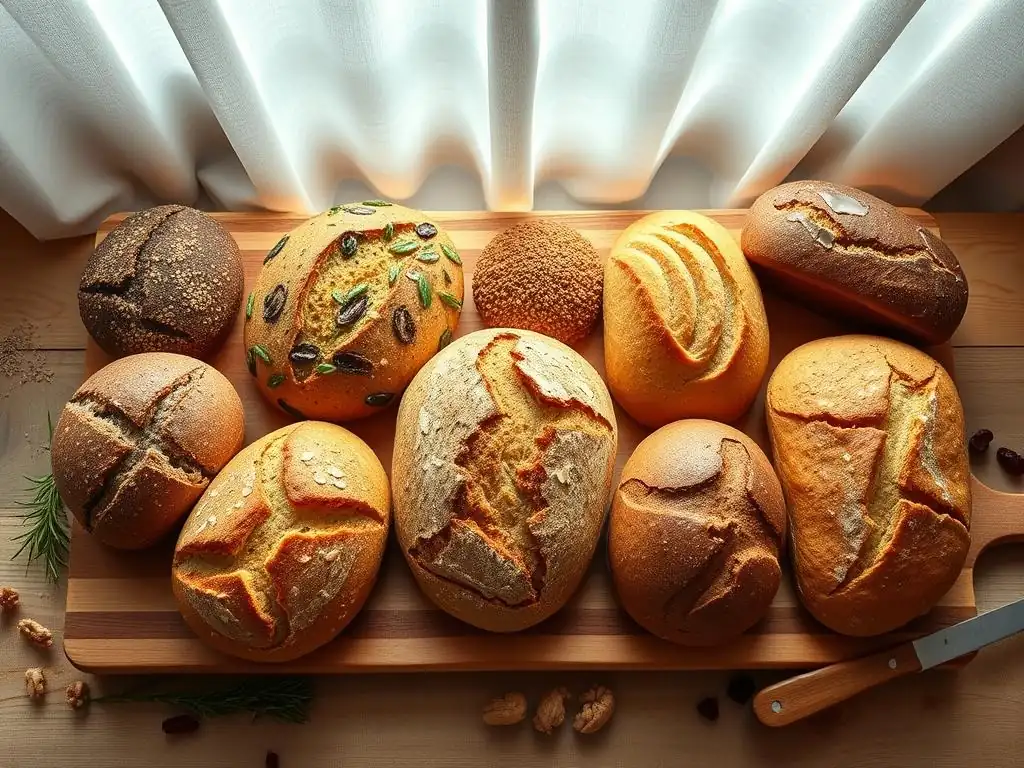
Welcome to BakeWithEase, your trusted guide to effortless baking! Are you tired of almond and coconut flour dominating the low carb bread scene? Discover a world of delicious possibilities beyond the usual suspects. We're diving into 8 Low-Carb Bread Loaves Beyond Almond and Coconut Flour, showcasing exciting new ingredients and techniques. Intrigued? Get ready to bake your way to guilt-free, flavorful bread!
- 8 Delicious Low-Carb Bread Loaves Beyond Almond and Coconut Flour
- Introduction to Low-Carb Baking
- Understanding the Basics of Low-Carb Bread Making
-
8 Innovative Low-Carb Bread Loaves: Recipes and Techniques
- 1. Sunflower Seed Flour Bread: A Nutty and Nutritious Option
- 2. Psyllium Husk Bread: Achieving a Bread-Like Texture
- 3. Flaxseed Meal Bread: A Fiber-Rich Low-Carb Choice
- 4. Oat Fiber Bread: Adding Bulk Without the Carbs
- 5. Lupin Flour Bread: A Protein-Packed Keto Bread Alternative
- 6. Cheese-Based Low-Carb Bread: A Simple and Satisfying Recipe
- 7. Egg White Protein Powder Bread: A Light and Airy Option
- 8. Blend of Alternative Flours: Combining for the Ultimate Low-Carb Bread
- Tips and Tricks for Baking the Best Low-Carb Bread
- Conclusion: Expanding Your Low-Carb Bread Baking Horizons
-
Frequently Asked Questions
- What makes a bread recipe "low carb"?
- What are some common flour alternatives used in low-carb bread baking besides almond and coconut flour?
- Are low-carb breads as easy to bake as regular breads?
- Where can I find reliable low-carb bread recipes that don't rely solely on almond and coconut flour?
- What are some potential health benefits of switching to low-carb bread?
- Final Reflection: Beyond the Flour: Embracing Low-Carb Baking Freedom
- Unleash Your Inner Baker: Craft Your Next Low-Carb Loaf!
8 Delicious Low-Carb Bread Loaves Beyond Almond and Coconut Flour
Introduction to Low-Carb Baking
The Appeal of Low-Carb Bread Recipes for Keto Diets
Following a ketogenic or general low-carb diet often means saying goodbye to many beloved foods, and traditional bread is frequently at the top of that list. Standard wheat-based bread is notoriously high in carbohydrates; a single slice of white bread can contain upwards of 15-20 grams of net carbs. For someone aiming for a daily net carb intake of 20-50 grams, this makes enjoying a sandwich or toast practically impossible without derailing their dietary goals. This is where low-carb bread recipes become incredibly appealing, offering a way to reintroduce familiar textures and tastes into a carb-restricted lifestyle.
The desire for delicious, low-carb alternatives has fueled innovation in the baking world. People miss the simple pleasure of a piece of toast with butter, a sturdy bread for a hearty sandwich, or a roll to accompany a meal.
Low-carb bread recipes aim to satisfy this craving by replacing high-carb flours with ingredients that are significantly lower in net carbohydrates and higher in fiber and sometimes protein. While the texture and flavor profile will differ from traditional bread, a well-crafted low-carb loaf can be a satisfying and versatile addition to a keto or low-carb eating plan, making the transition and long-term adherence much more manageable and enjoyable.
Exploring Alternatives to Almond and Coconut Flour in Keto Baking
Almond flour and coconut flour have become the go-to staples in many low-carb bread recipes due to their relative availability and ease of use. Almond flour provides a tender crumb and nutty flavor, while coconut flour is highly absorbent and contributes a distinct texture. However, these flours aren't the only options available, and relying solely on them can present limitations. Some individuals have allergies or sensitivities to nuts or coconut. Others simply prefer a different flavor or texture profile than what these flours offer. Furthermore, the cost of these specialty flours can sometimes be a barrier.
Expanding your repertoire of low-carb baking ingredients opens up a world of possibilities for creating diverse and satisfying low carb bread recipes. Exploring alternative flours and binding agents allows bakers to fine-tune textures, flavors, and nutritional profiles to better suit their preferences and dietary needs. From seeds and husks to protein powders, there are several ingredients that can form the base of excellent low carb loaves, providing variety and ensuring that low-carb eating doesn't mean sacrificing the joy of freshly baked bread.
Understanding the Basics of Low-Carb Bread Making
Key Ingredients in Low-Carb Bread: A Detailed Overview
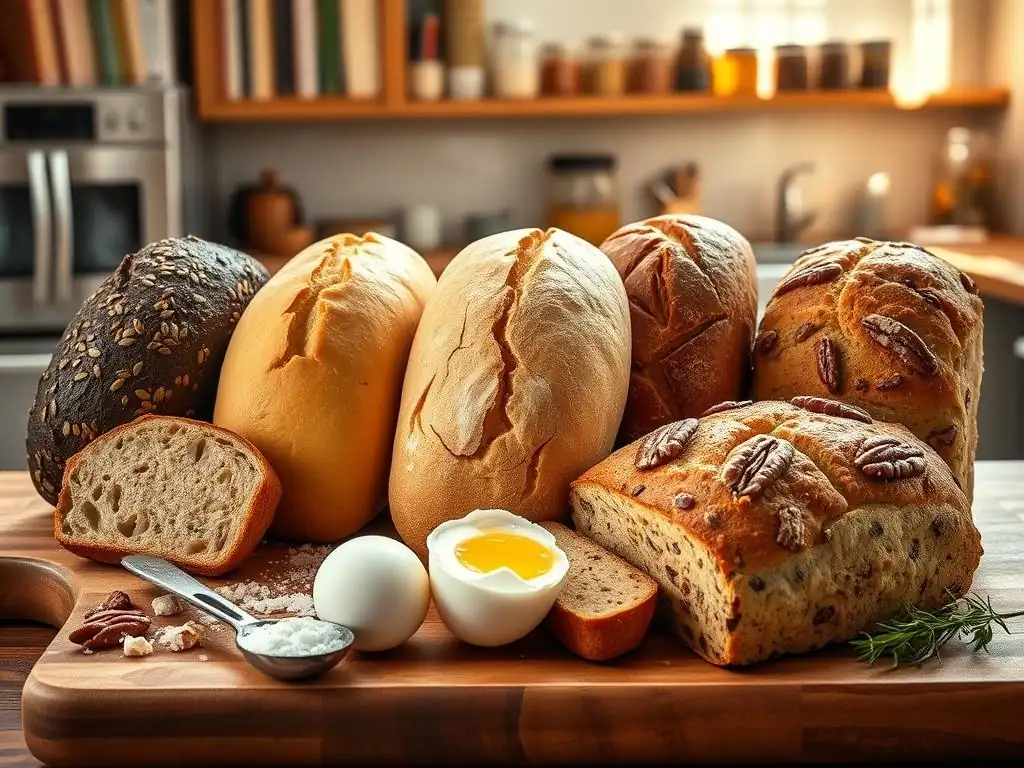
Beyond almond and coconut flour, several other ingredients play crucial roles in creating successful low-carb bread recipes. Psyllium husk, derived from the seeds of the Plantago ovata plant, is a powerhouse binder and source of soluble fiber. It absorbs significant amounts of liquid and helps create a dough-like consistency, mimicking some of the structural properties of gluten. Whole psyllium husks typically contain less than 1 gram of net carbs per serving, making them ideal for keto baking.
Flaxseed meal, ground from flaxseeds, is another excellent option. It's rich in fiber and omega-3 fatty acids, contributing a slightly nutty, earthy flavor and a denser texture. A quarter cup of flaxseed meal contains approximately 1 net carb, along with about 4 grams of fiber and 6 grams of fat.
Sunflower seed flour, made from ground sunflower seeds, offers a nut-free alternative to almond flour, providing a similar texture and a distinct nutty flavor. It's a good source of Vitamin E and healthy fats, with roughly 4-6 grams of net carbs per quarter cup. Oat fiber, not to be confused with oat flour (which is high in carbs), is pure insoluble fiber derived from the hull of the oat grain.
It has virtually zero net carbs and is used primarily for adding bulk and structure without contributing significant flavor or calories. Lupin flour, milled from lupin beans, is higher in protein than many other low-carb flours and offers a unique profile with a slightly sweet or sometimes bitter note that needs balancing.
It typically contains around 6-8 grams of net carbs per quarter cup but is very high in protein and fiber. Egg white protein powder can also be used, especially in recipes aiming for an extremely light, airy texture with minimal carbs.
Binding Agents and Their Role in Low-Carb Bread Recipes
In traditional bread making, gluten, a protein found in wheat, rye, and barley, forms a network that traps gases produced by yeast, giving bread its structure, elasticity, and chewiness. Since low-carb flours lack gluten, effective binding agents are essential to prevent low-carb bread from becoming crumbly, dense, or falling apart. Psyllium husk is one of the most effective binders in low-carb baking.
When mixed with liquid, it forms a gel-like substance that helps hold the dough together, providing structure and elasticity that mimics gluten to some extent. Using the right ratio of psyllium to liquid is critical; too little results in a crumbly loaf, while too much can lead to a gummy or overly dense texture.
Other common binding agents include xanthan gum and guar gum. These are polysaccharides that thicken liquids and stabilize emulsions. Only small amounts are needed – often just a teaspoon or two for a whole loaf – to significantly improve the texture of low-carb bread.
They work by binding ingredients together and preventing separation. While psyllium provides bulk and a more dough-like feel, xanthan or guar gum excel at improving elasticity and preventing crumbling. Often, a combination of psyllium husk and a gum like xanthan gum is used in low carb bread recipes to achieve the best possible texture, leveraging the unique properties of each binder.
Achieving the Right Texture: Tips for Perfect Low-Carb Loaves
One of the most common challenges in low-carb baking is achieving a texture that is satisfyingly bread-like rather than heavy, dry, or gummy. Precision in measuring ingredients is paramount, especially when working with highly absorbent flours and binders like psyllium husk or coconut flour (even if used in small amounts in blends).
Using a kitchen scale to weigh ingredients can significantly improve consistency compared to volume measurements. The temperature of your liquid ingredients can also play a role; warm liquids often help activate binders like psyllium more effectively and can contribute to a better rise if using baking powder or soda.
Avoiding overmixing is another key tip. Unlike traditional bread dough which benefits from kneading to develop gluten, low-carb doughs can become tough or dense if overmixed. Mix just until the ingredients are combined and the dough forms. Allowing the dough to rest for a few minutes before shaping or baking gives the binders time to absorb liquid and the flours time to hydrate properly.
Finally, ensuring your oven temperature is accurate and baking for the correct duration prevents wet centers or overly dry crusts. Allowing the finished loaf to cool completely before slicing is also crucial; slicing a warm low-carb loaf often results in crumbling, as the internal structure hasn't fully set. Patience after baking is just as important as the steps during preparation.
8 Innovative Low-Carb Bread Loaves: Recipes and Techniques
1. Sunflower Seed Flour Bread: A Nutty and Nutritious Option
Recipe Highlights: Crunchy crust, nutty flavor, high in vitamin E
Sunflower seed flour bread offers a wonderful alternative for those avoiding nuts or simply seeking a different flavor profile in their low carb bread recipes. Made from finely ground sunflower seeds, this flour imparts a rich, nutty taste and can contribute to a delightfully crunchy crust when baked properly. Nutritionally, sunflower seed flour is notable for its high content of Vitamin E, an antioxidant, and healthy fats.
A typical serving of bread made with sunflower seed flour might contain around 4-6 grams of net carbs per slice, alongside a good amount of fiber and fat, making it quite filling. Its texture is generally less dense than flaxseed meal but denser than pure oat fiber bread.
This type of low carb loaf is particularly versatile. It pairs well with savory toppings like avocado and eggs, makes a sturdy base for sandwiches, and can even be lightly sweetened with a sugar substitute for a slightly different take. The natural oils in the sunflower seeds help keep the crumb relatively moist.
It's a robust flour that stands up well to baking, providing a satisfying chewiness. For those accustomed to almond flour, sunflower seed flour offers a familiar handling property in doughs, although it can sometimes react with baking soda/powder to produce a greenish tint inside the loaf, which is harmless but visually notable.
Baking Tips for Sunflower Seed Flour Bread
When working with sunflower seed flour, one important consideration is its potential reaction with leavening agents like baking soda or baking powder, which can cause the inside of the bread to turn green. While completely harmless, this greening can be unexpected. Adding a splash of acid, such as lemon juice or apple cider vinegar, to the dough mixture can often help counteract this reaction and keep the crumb its natural color.
Ensure your sunflower seed flour is fresh, as like other seed flours, it can become rancid due to its oil content. Storing it in the refrigerator or freezer is recommended, especially after opening.
Sunflower seed flour can be used as the primary flour or blended with other low-carb options like psyllium husk or a small amount of coconut flour to adjust the texture and binding. If grinding your own seeds, ensure they are finely ground to achieve a flour-like consistency, but be careful not to over-process them into a butter.
Because it contains fats, sunflower seed flour can contribute to a richer dough, sometimes requiring slight adjustments to the amount of added fats or liquids compared to other low-carb bread recipes. Baking at a moderate temperature, typically around 350-375°F (175-190°C), helps ensure the crust develops nicely without the inside drying out.
2. Psyllium Husk Bread: Achieving a Bread-Like Texture
Recipe Highlights: Soft crumb, good source of fiber, neutral taste
Psyllium husk bread, often referred to simply as "psyllium bread" or "keto cloud bread" when made very light, is perhaps one of the most celebrated low carb bread recipes for its ability to closely mimic the texture of traditional bread. It's primarily composed of psyllium husk, hot water, and leavening, sometimes with the addition of egg whites or other minimal ingredients. The magic lies in the psyllium husk's incredible ability to absorb water and create a gelatinous, cohesive structure that provides chewiness and elasticity, qualities often missing in other low-carb loaves.
This results in a bread with a surprisingly soft crumb and a satisfyingly chewy crust, depending on the baking method. It is exceptionally low in net carbs, often less than 1 gram per slice, while being packed with dietary fiber.
One significant advantage of psyllium husk is its relatively neutral flavor profile, which allows it to be a versatile base for both savory and slightly sweet applications without imparting a strong taste of its own. This means it doesn't compete with toppings or fillings, making it excellent for sandwiches, toast, or dinner rolls. The high fiber content also contributes to satiety, making this low carb bread a filling option. While some psyllium brands can impart a slight purple tint to the finished bread, this is usually harmless and doesn't affect the flavor.
Mastering the Psyllium Husk Technique for Keto Bread
Working with psyllium husk requires understanding its high absorbency. The ratio of psyllium husk to liquid is critical and can vary depending on whether you use whole husks or psyllium powder. Whole husks tend to absorb more liquid and create a slightly different texture than the more concentrated powder. It's generally recommended to add hot or boiling water to the psyllium husk and let it sit for a few minutes to form a thick gel before combining with other ingredients. This pre-hydration step is key to developing the desired structure.
The dough made with psyllium husk can be quite sticky initially but becomes more pliable as the psyllium absorbs the liquid. Handling it with lightly oiled or wet hands can make shaping easier. Baking temperature and time are also important; a common technique involves starting with a high temperature for the first 15-20 minutes (around 400-425°F or 200-220°C) to create steam and promote a good rise, then reducing the temperature (to 350-375°F or 175-190°C) to bake through without burning the crust.
Ensuring the bread is fully baked is essential to avoid a gummy interior. Like other low-carb breads, letting it cool completely before slicing is crucial for the best texture.
3. Flaxseed Meal Bread: A Fiber-Rich Low-Carb Choice
Recipe Highlights: Dense texture, earthy flavor, omega-3 fatty acids
Flaxseed meal bread, made from ground flaxseeds, is a popular choice among those seeking low carb bread recipes because of its nutritional benefits and relatively simple preparation. Flaxseeds are renowned for their high fiber content and being an excellent plant-based source of omega-3 fatty acids, specifically ALA (alpha-linolenic acid). Incorporating flaxseed meal into bread provides a significant nutritional boost.
The resulting loaf typically has a distinct earthy, slightly nutty flavor and a denser, sometimes slightly chewy texture compared to breads made with lighter flours. A slice of flaxseed meal bread can contain around 1-2 grams of net carbs, coupled with substantial fiber and healthy fats.
This density makes flaxseed bread quite filling and satisfying. It's often used for toast, as a base for open-faced sandwiches, or served alongside soups and salads. The natural binding properties of flaxseed meal, which forms a gel when mixed with liquid (similar to psyllium but less potent), help hold the bread together without necessarily needing large amounts of additional binders. The flavor is quite pronounced, so it's best suited for those who enjoy the taste of flax or recipes where that flavor complements other ingredients.
Leveraging Flaxseed Meal for Optimal Texture and Flavor
To get the best results when baking with flaxseed meal, freshness is key. Ground flaxseed meal can go rancid relatively quickly due to its oil content. Buying whole flaxseeds and grinding them yourself just before use, or buying pre-ground meal in smaller quantities and storing it in an airtight container in the refrigerator or freezer, will ensure the best flavor and nutritional quality. Using golden flaxseed meal instead of brown can result in a milder flavor and lighter color, which some bakers prefer.
Flaxseed meal absorbs a substantial amount of liquid, so recipes need to be carefully formulated to account for this. It can sometimes be used as an egg substitute in vegan low-carb recipes by mixing 1 tablespoon of flaxseed meal with 3 tablespoons of water and letting it gel.
When used as the primary flour in bread, it often benefits from being combined with other ingredients like psyllium husk or a small amount of baking powder to help lighten the texture slightly, as it can otherwise become very heavy and dense. Ensure adequate baking time to cook through the dense crumb and let it cool completely on a wire rack to allow steam to escape and the structure to set fully.
4. Oat Fiber Bread: Adding Bulk Without the Carbs
Recipe Highlights: Light and airy, minimal oat flavor, adds structure
Oat fiber is a unique ingredient in the world of low carb bread recipes. It is essentially pure, insoluble fiber extracted from the hull of the oat grain, meaning it contains virtually no digestible carbohydrates or calories. Unlike oat flour, which is made from the oat groat and is high in carbs, oat fiber passes through the digestive system largely intact. Its primary function in baking is to add bulk and structure to recipes without contributing net carbs or calories. This makes it an excellent tool for creating incredibly low-carb loaves, often approaching zero net carbs per serving.
Breads made primarily with oat fiber tend to be much lighter and airier than those made with denser flours like flaxseed or sunflower seed meal. It has a very neutral flavor, which is a major advantage for those who dislike the taste of other low-carb flours. While it absorbs a lot of liquid, oat fiber doesn't have strong binding properties on its own.
Therefore, it is almost always used in conjunction with other binders like psyllium husk or xanthan gum, and often combined with small amounts of other low-carb flours to improve texture and mouthfeel. It allows bakers to create larger loaves or rolls with fewer net carbs overall.
Blending Oat Fiber for a Balanced Low-Carb Loaf
Because oat fiber is pure fiber and lacks gluten or significant protein/fat, it cannot be used as a standalone flour for bread. It needs to be blended with ingredients that provide structure, binding, and some richness. A common approach is to combine oat fiber with psyllium husk for binding, and perhaps a small amount of almond flour, coconut flour, or protein powder to improve the crumb structure and prevent dryness.
The super-absorbent nature of oat fiber means that recipes using it require careful hydration. Too little liquid, and the bread will be dry and crumbly; too much, and it can become gummy.
When incorporating oat fiber into low carb bread recipes, it's important to weigh it for accuracy, as its fluffy nature makes volume measurements unreliable. It should be thoroughly whisked with other dry ingredients to ensure even distribution. Because it contributes no flavor, oat fiber is excellent for recipes where you want the taste of added ingredients (like herbs, cheese, or spices) to shine through. It's a valuable tool for reducing the overall carb count of a loaf while maintaining a decent volume and improving the texture when used correctly in combination with other ingredients.
5. Lupin Flour Bread: A Protein-Packed Keto Bread Alternative
Recipe Highlights: Slightly sweet, high in protein, golden crust
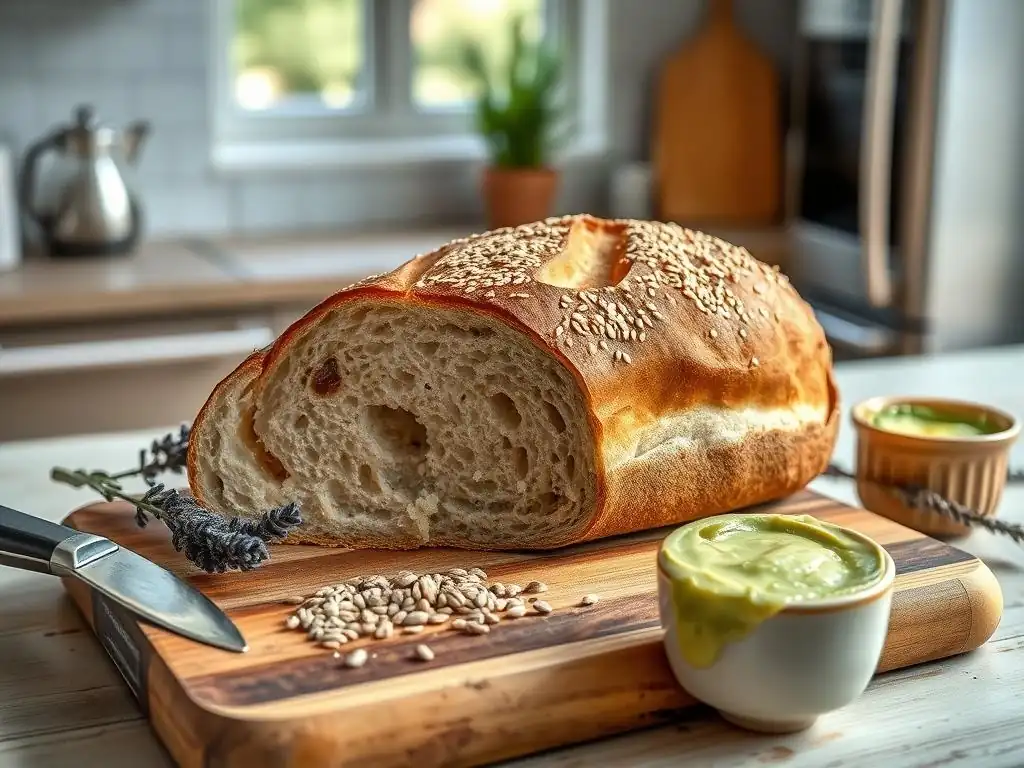
Lupin flour, derived from the sweet lupin bean, is gaining traction in the low-carb and keto communities due to its impressive nutritional profile. It boasts a high protein content (often over 40%), significant fiber, and a low net carb count, typically ranging from 6-8 grams of net carbs per quarter cup, which is comparable to or lower than some nut flours.
This makes it an excellent ingredient for adding a protein boost to low carb bread recipes. Lupin flour can contribute a slightly sweet or sometimes mildly bitter flavor, depending on the brand and the specific type of lupin bean used.
When baked, lupin flour can help create a bread with a lovely golden crust and a relatively soft interior. Its texture is somewhat similar to wheat flour in terms of fineness, but it absorbs liquid differently. Lupin flour bread can be quite satisfying due to its high protein and fiber content. It works well in savory applications, sometimes with added herbs or cheese, but the subtle sweetness in some flours can also lend itself to lightly sweetened breakfast breads.
Using Lupin Flour to Create a Savory Low-Carb Bread
Working with lupin flour requires acknowledging its unique flavor profile. Some find it has a slightly bitter aftertaste, which can be mitigated by blending it with other flours or incorporating strong flavors like cheese, garlic, or herbs into the bread dough. Sifting lupin flour can help remove any larger particles and improve the texture of the finished loaf. Like other low-carb flours, it benefits from being combined with binders such as psyllium husk or xanthan gum to improve structure and prevent crumbling.
Lupin flour is quite absorbent, so ensure your recipe includes sufficient liquid. Allowing the dough to rest for a few minutes after mixing can help the flour fully hydrate. Baking temperatures similar to other low-carb breads (around 350-375°F or 175-190°C) usually work well.
Due to its protein content, lupin flour bread tends to brown nicely, developing an appealing golden crust. Experimenting with different brands of lupin flour is advisable, as the flavor intensity can vary. It's a versatile flour that can bring a new dimension to your repertoire of low carb bread recipes, especially if you're looking to increase protein intake.
6. Cheese-Based Low-Carb Bread: A Simple and Satisfying Recipe
Recipe Highlights: Quick to make, cheesy flavor, crispy edges
Sometimes, the quickest and most satisfying low carb bread recipes don't rely on traditional flour substitutes at all. Cheese-based low-carb bread, often inspired by Brazilian Pão de Queijo or similar concepts, uses melted cheese (like mozzarella or cream cheese) as a primary binder and base, combined with eggs and sometimes a small amount of other low-carb ingredients like a touch of psyllium or protein powder.
These breads are incredibly simple and fast to make, often requiring minimal mixing and baking in under 30 minutes. The result is a bread with a delightful cheesy flavor and often wonderfully crispy edges or crust, depending on the shape and baking method.
These cheese-based breads are naturally very low in carbohydrates, deriving their structure primarily from protein and fat. They are perfect for single servings or small batches and can be customized easily with added herbs, garlic powder, or spices. They offer a warm, comforting, and savory bread experience that is completely different from loaves made with seed or fiber-based flours. The texture is often soft and chewy on the inside with a pleasant exterior crispness.
Tips for Selecting the Right Cheese for Keto Bread
The type of cheese you use is crucial for the success of a cheese-based low carb bread recipe. Shredded mozzarella is a very common base because it melts smoothly and provides excellent structure and chewiness once cooled. Full-fat mozzarella is preferred for flavor and texture. Cream cheese is often used in combination with other cheeses or ingredients to add richness and tenderness. Other cheeses like cheddar, Monterey Jack, or a blend can be incorporated for flavor, but ensure they melt well and are low in added starches or anti-caking agents, which can impact texture and carb count.
For best results, use pre-shredded cheese labeled as low-moisture, whole-milk mozzarella if possible, or shred your own from a block. The moisture content of the cheese affects the dough consistency. Melting the cheese gently (often with cream cheese if used) before mixing in other ingredients helps create a cohesive base. These breads are often baked at higher temperatures (around 375-400°F or 190-200°C) to achieve a golden exterior and ensure the cheese is fully set. They are best enjoyed warm, shortly after baking, though some varieties hold up well to reheating.
7. Egg White Protein Powder Bread: A Light and Airy Option
Recipe Highlights: Very low carb, subtle flavor, fluffy texture
For those seeking an extremely low-carb loaf with a light, almost ethereal texture, bread made with egg white protein powder can be an excellent choice. This type of low carb bread often relies heavily on whipped egg whites for its volume and structure, combined with egg white protein powder and minimal other ingredients like a binder (psyllium or xanthan gum) and leavening (baking powder). The result is a loaf that is incredibly low in net carbohydrates – often less than 0.5 grams per slice – and high in protein.
The texture is quite different from traditional bread or even other low-carb alternatives; it's often described as fluffy, airy, or sponge-like. The flavor is very subtle, mainly influenced by the quality of the protein powder and any added seasonings. This minimal flavor profile makes it a good canvas for both sweet and savory toppings. Egg white protein powder bread is particularly popular for uses where a very light texture is desired, such as a base for open-faced sandwiches or simply enjoyed toasted with butter.
Achieving the Perfect Rise with Egg White Protein Powder
The key to successful egg white protein powder bread lies in the technique of incorporating air. Recipes typically involve whipping egg whites to stiff peaks, similar to making a meringue. The dry ingredients, including the protein powder and binder, are then very gently folded into the whipped egg whites to maintain as much volume as possible. Overmixing will deflate the batter and result in a dense, rubbery loaf. Using cream of tartar when whipping egg whites can help stabilize the peaks.
Baking this type of low carb loaf often requires a lower temperature (around 300-325°F or 150-160°C) and a longer baking time compared to denser breads. Some recipes also recommend baking in a humid environment, such as placing a pan of water in the oven, to help the bread rise and prevent the exterior from setting too quickly. Because of its delicate structure, this bread is prone to collapsing if not handled carefully or if removed from the oven too soon.
Ensuring it is fully baked and allowing it to cool gently are crucial steps. While its texture is unique, it provides a valuable option for those prioritizing minimal carbs and high protein.
8. Blend of Alternative Flours: Combining for the Ultimate Low-Carb Bread
Recipe Highlights: Balanced flavor, improved texture, customizable
One of the most effective strategies in developing sophisticated low carb bread recipes is to move beyond single-flour alternatives and create blends. Combining different low-carb flours and binders allows bakers to leverage the strengths of each ingredient while mitigating their weaknesses.
For example, psyllium husk provides excellent binding, oat fiber adds bulk without carbs, flaxseed meal contributes fiber and healthy fats, sunflower seed flour offers a nutty flavor and good texture, and a small amount of lupin flour can boost protein. By blending, you can achieve a more balanced flavor profile, improve crumb structure, and get closer to the desired chewiness and rise.
A typical successful blend might include a primary flour (like sunflower seed meal or even a small amount of almond/coconut if preferred), a strong binder (psyllium husk), a texturizer/bulking agent (oat fiber), and perhaps a small amount of another ingredient for specific flavor or nutrition (like a bit of lupin flour or protein powder). This approach makes low carb bread recipes highly customizable. Bakers can adjust the ratios based on their preferences for flavor, density, and nutritional targets, creating unique loaves that surpass what can be achieved with a single alternative flour.
Experimenting with Flour Combinations for Unique Flavors
Creating your own low-carb flour blends is an exciting part of the baking journey. Start by understanding the properties of each flour: how much liquid it absorbs, its binding capabilities, its flavor, and its texture contribution. Psyllium husk is almost always necessary in some amount for structure. Oat fiber is excellent for adding volume without density. Flaxseed meal and sunflower seed meal contribute distinctive flavors and textures, as well as fat and fiber. Lupin flour adds protein but requires careful use due to its potential bitterness.
Begin with established low carb bread recipes that use blends and then start making small adjustments. For instance, if a recipe is too dense, try increasing the oat fiber slightly while potentially reducing a heavier flour and ensuring adequate liquid and binder. If it's too crumbly, increase the binder (psyllium or xanthan gum).
Consider the flavor profile you want; a savory bread might benefit from more sunflower or flaxseed meal, while a lighter loaf might rely more on oat fiber and egg white protein powder. Keep detailed notes on your experiments – the ratios used, the amount of liquid, baking time, and the final result – to refine your personal favorite low-carb bread recipes. This iterative process allows you to bake truly unique and satisfying low-carb loaves tailored to your taste.
Tips and Tricks for Baking the Best Low-Carb Bread
Troubleshooting Common Issues in Low-Carb Bread Baking
Even experienced bakers can encounter challenges when working with low-carb bread recipes due to the unique properties of the ingredients. One frequent issue is bread that turns out too dense or heavy. This can often be attributed to insufficient leavening, using too little binder (like psyllium husk or xanthan gum), or not incorporating enough air (especially in recipes relying on whipped eggs). Ensuring your baking powder is fresh and accurately measuring your binder is key.
Another common problem is a crumbly loaf. This usually indicates a lack of sufficient binding or not enough moisture. Double-checking the liquid-to-dry ingredient ratio and ensuring binders are properly hydrated before baking can help.
A wet or gummy center is another frustrating result. This often happens when the bread hasn't been baked for long enough or the oven temperature isn't accurate, preventing the interior from cooking through. Using an internal thermometer can help; many low-carb breads are done when the internal temperature reaches around 200-210°F (93-99°C).
Also, slicing the bread before it has fully cooled is a major culprit for gummy texture and crumbling, as the internal structure needs time to set. Lastly, off-flavors can sometimes occur, often due to using stale flours or psyllium husk, or the natural taste of certain flours like lupin. Always check the freshness of your ingredients and store them properly.
Storing Your Low-Carb Bread for Maximum Freshness
Proper storage is essential to maintain the quality and extend the shelf life of your homemade low-carb bread. Unlike traditional bread which can often be stored at room temperature for a few days, low-carb breads, especially those containing cheese, eggs, or higher fat nut/seed flours, are best stored in the refrigerator due to their moisture content and lack of preservatives.
Once completely cooled, slice the loaf if desired and store the slices or the whole loaf in an airtight container or wrap it tightly in plastic wrap or beeswax wraps. Refrigerated low-carb bread typically stays fresh for about 3 to 5 days.
For longer storage, freezing is an excellent option. Slice the cooled bread before freezing, placing parchment paper between slices to prevent them from sticking together. Store the slices in a freezer-safe bag or container. Frozen low-carb bread can maintain good quality for 2 to 3 months. When ready to use, simply take out a slice or two and toast them directly from frozen, or let them thaw at room temperature or in the refrigerator. Freezing helps preserve the texture and prevents the bread from drying out or developing mold.
Serving Suggestions: Enjoying Your Keto-Friendly Loaf
Once you've successfully baked a delicious low-carb loaf, it's time to enjoy it! The versatility of low carb bread recipes means there are countless ways to serve your creation. Toasting is a popular method, bringing out the flavor and improving the texture, especially for denser loaves like flaxseed meal bread or psyllium husk bread. Toasted slices are perfect topped with butter, cream cheese, avocado, or sugar-free jam for breakfast or a snack.
Low-carb bread makes an excellent base for open-faced or traditional sandwiches. Sturdier loaves made with blends or sunflower seed flour hold up well to fillings. Consider classic combinations like ham and cheese, turkey and avocado, or a simple egg salad. For a savory side, slices can be transformed into garlic bread by brushing with melted butter infused with garlic and herbs, then lightly toasting.
Serve slices alongside soups, stews, or salads to soak up sauces. Cheese-based breads are fantastic warm, perhaps dipped in marinara sauce or served with a meal. Experiment with different toppings and pairings to discover your favorite ways to incorporate your homemade low carb bread into your low-carb lifestyle.
Conclusion: Expanding Your Low-Carb Bread Baking Horizons
The Future of Low-Carb Baking and Alternative Flours
The world of low-carb baking is continuously evolving, driven by increasing demand and innovative ingredient development. While almond and coconut flour paved the way, the exploration of alternative flours like psyllium husk, flaxseed meal, sunflower seed flour, oat fiber, and lupin flour represents a significant step forward. Researchers and food scientists are exploring even newer ingredients derived from seeds, nuts, and legumes that offer unique nutritional profiles and baking properties suitable for low-carb diets. As consumer interest grows, we can expect to see more readily available and potentially more affordable specialty flours and binders entering the market.
Furthermore, techniques for using these ingredients are being refined, leading to low carb bread recipes that more closely resemble their traditional counterparts in texture and appearance. The focus is shifting towards creating blends that offer superior results compared to single-ingredient approaches.
This ongoing innovation means that bakers following a low-carb lifestyle will likely have access to an even wider array of options in the future, making it easier and more enjoyable to bake delicious, satisfying bread that fits their dietary needs. The possibilities for creating diverse and appealing low-carb loaves are expanding, promising an exciting future for keto baking enthusiasts.
Further Resources for Keto Baking Enthusiasts.
Embarking on the journey of baking low-carb bread beyond the usual flours can be rewarding. To deepen your understanding and expand your recipe collection, seek out dedicated resources focused on keto and low-carb baking. Many food blogs and websites specialize in developing and testing low carb bread recipes using a variety of alternative ingredients, often sharing detailed instructions and troubleshooting tips. Cookbooks specifically dedicated to keto or low-carb baking can provide curated collections of reliable recipes and foundational techniques.
Engaging with online communities and forums dedicated to low-carb or keto eating can also be incredibly helpful. Here, you can find peer support, ask questions about specific ingredients or recipes, and learn from the experiences of other bakers. Sharing your own successes and failures can also contribute to the collective knowledge. Look for resources that provide nutritional breakdowns for their recipes, helping you track your carbohydrate intake accurately. By utilizing these resources, you can continue to refine your skills and discover new and exciting low carb bread recipes to enjoy.
Frequently Asked Questions
What makes a bread recipe "low carb"?
A low-carb bread recipe typically uses alternative flours and sweeteners to reduce the number of carbohydrates compared to traditional bread recipes. These alternatives often include ingredients like psyllium husk or flaxseed meal.
What are some common flour alternatives used in low-carb bread baking besides almond and coconut flour?
Other popular alternatives include sunflower seed flour, flaxseed meal, and psyllium husk powder. These ingredients offer different textures and nutritional profiles.
Are low-carb breads as easy to bake as regular breads?
While some adjustments might be needed, many low-carb bread recipes from BakeWithEase.com are designed for ease of baking. Following the step-by-step instructions carefully is key.
Where can I find reliable low-carb bread recipes that don't rely solely on almond and coconut flour?
BakeWithEase.com offers a variety of low-carb bread recipes, including the "8 LowCarb Bread Loaves Beyond Almond and Coconut Flour" article, providing diverse options.
What are some potential health benefits of switching to low-carb bread?
Switching to low-carb bread can help with blood sugar management and potentially aid in weight loss, particularly for individuals following a ketogenic or low-carbohydrate diet.
Final Reflection: Beyond the Flour: Embracing Low-Carb Baking Freedom
The quest for delicious, satisfying low-carb bread is far from over, and the eight recipes explored here represent only a starting point in a culinary revolution. We've moved beyond the limitations of almond and coconut flour, discovering a world of possibilities with alternative ingredients, showcasing the versatility and adaptability of low-carb baking. This isn't just about avoiding carbohydrates; it's about embracing flavor and creativity in the kitchen.
The impact of low-carb diets, and the subsequent demand for satisfying alternatives, has profoundly reshaped the culinary landscape. We've seen a surge in innovative recipes and a growing awareness of the importance of mindful eating. This shift reflects a broader cultural movement towards health and wellness, moving beyond restrictive diets to a more holistic approach to nutrition. The best way to find yourself is to lose yourself in the service of others.
While not directly about baking, this quote speaks to the transformative power of exploring new culinary horizons and sharing those discoveries with others. It's about finding joy and satisfaction in the process, not just the result.
Now, it's your turn. Don't be afraid to experiment! Take the recipes presented here as inspiration, not limitations. Try substituting ingredients, tweaking measurements, and most importantly, have fun in the kitchen. The journey of discovering your perfect low-carb bread is a personal one, filled with delicious surprises and the satisfaction of creating something truly your own. Embrace the freedom, explore the possibilities, and savor the results.
Unleash Your Inner Baker: Craft Your Next Low-Carb Loaf!
Thanks for joining us on this delicious journey into the world of low-carb baking! We hope you've discovered some exciting new bread recipes to expand your culinary horizons. Ready to take the next step?
- Bake your favorite new loaf today! Grab your ingredients and try one of the recipes that most excited you. We'd love to hear about your baking adventure!
- Share your baking success (or even your bloopers!) with us on social media – use #BakeWithEaseLowCarb to connect with other low-carb bakers.
- Experiment with different flours and add-ins: What unique low-carb bread creations will you dream up?
What unexpected flavor combination will you try next in your low-carb bread making journey? Let us know in the comments!