
Rise and Shine: How to Make Eggless Cinnamon Rolls with Perfect Swirls

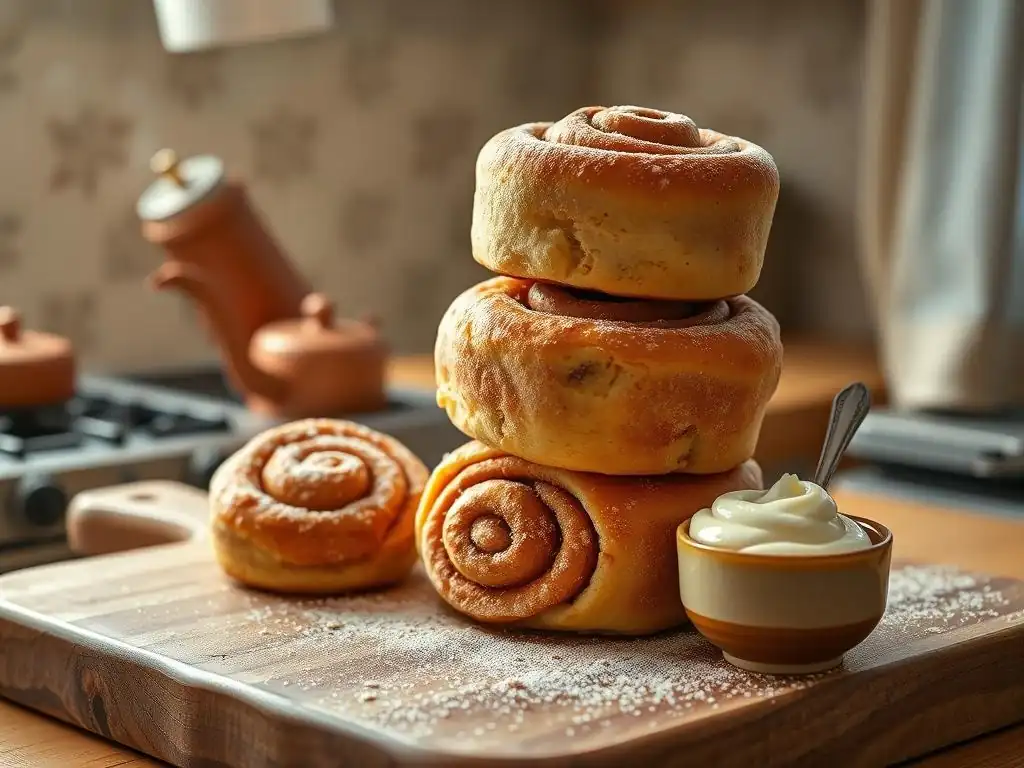
Welcome to BakeWithEase, your haven for effortless baking! Ever dreamt of waking up to the irresistible aroma of freshly baked cinnamon rolls, but thought eggs were essential? Think again! Dive into our latest article and discover the secrets to crafting the most delectable eggless cinnamon rolls recipe you've ever tasted. Prepare to be amazed by the soft, perfectly swirled goodness – and the simple techniques that make it all possible. What are you waiting for? Let's get baking!
- BakeWithEase Presents: The Ultimate Eggless Cinnamon Rolls Recipe
- Why Bake Eggless Cinnamon Rolls?
- Mastering the Eggless Cinnamon Roll Dough
- Creating the Irresistible Cinnamon-Sugar Filling
- Achieving Perfect Swirls in Your Eggless Cinnamon Rolls
- Baking Your Eggless Cinnamon Rolls to Golden Perfection
- The Creamy Dream: Eggless Cinnamon Roll Frosting
- Serving and Storing Your Homemade Eggless Cinnamon Rolls
- Troubleshooting Your Eggless Cinnamon Rolls
- Variations on the Eggless Cinnamon Roll Recipe
- Eggless Cinnamon Rolls: A Baking Triumph
-
Frequently Asked Questions
- What makes this cinnamon roll recipe "eggless," and how does that affect the final product?
- What are some common mistakes people make when trying to create the perfect "swirls" in cinnamon rolls?
- Can I substitute any ingredients in this "Eggless Cinnamon Rolls Recipe" for dietary reasons or personal preferences?
- How do I ensure my eggless cinnamon rolls rise properly without eggs providing lift?
- What are the best storage methods for leftover "Eggless Cinnamon Rolls" to maintain their freshness?
- Final Reflection: The Sweet Symphony of Eggless Baking
- Unleash Your Inner Baker: Perfect Swirls Await!
BakeWithEase Presents: The Ultimate Eggless Cinnamon Rolls Recipe
Welcome to BakeWithEase! Today, we're diving into the delightful world of eggless baking with a focus on a perennial favorite: cinnamon rolls. Achieving that perfect balance of soft dough, sweet cinnamon filling, and luscious frosting might seem daunting without eggs, but with the right techniques and ingredients, you can create truly spectacular eggless cinnamon rolls right in your own kitchen. This guide will walk you through every step, ensuring your rolls rise beautifully and boast those coveted, tight swirls. Get ready to master the art of the eggless cinnamon rolls recipe!
Why Bake Eggless Cinnamon Rolls?
The Joy of Egg-Free Baking
Baking without eggs opens up a world of possibilities for individuals with allergies, dietary restrictions like veganism, or simply those looking to experiment with different textures and flavors. An estimated 3% of children experience egg allergies, making egg-free treats a necessity for many families. Furthermore, the growing popularity of plant-based diets means more and more home bakers are seeking reliable eggless recipes that don't compromise on taste or texture. Mastering an eggless cinnamon rolls recipe allows you to share this comforting classic with a wider audience.
Beyond dietary needs, exploring egg-free baking techniques can enhance your overall baking skills. Eggs provide structure, richness, and leavening in traditional recipes. Learning how to achieve similar results using alternative ingredients, such as flax eggs, applesauce, or commercial egg replacers, challenges you to understand the fundamental science behind baking. Successfully creating moist, fluffy, and flavorful baked goods without eggs is incredibly rewarding and expands your baking repertoire significantly.
Delicious Cinnamon Rolls Without Eggs: A Baking Challenge Accepted
Creating delicious cinnamon rolls without eggs presents a unique challenge. Eggs contribute significantly to the dough's structure, richness, and rise. Without them, dough can sometimes be less tender, drier, or not rise as much. Our goal with this eggless cinnamon rolls recipe is to overcome these potential hurdles by carefully selecting ingredients and perfecting the technique to ensure a soft, pliable dough that bakes into wonderfully light rolls.
This particular eggless cinnamon rolls recipe tackles the challenge head-on by utilizing specific leavening agents and fat sources to mimic the functions of eggs. Instead of relying solely on yeast, we incorporate baking soda and a touch of acid (like apple cider vinegar) to provide extra lift. Rich vegan butter or margarine substitutes contribute moisture and tenderness, ensuring the dough remains soft and manageable. Accepting this baking challenge means you're on your way to producing cinnamon rolls that are indistinguishable in deliciousness from their egg-laden counterparts.
Mastering the Eggless Cinnamon Roll Dough
Key Ingredients for Perfect Egg-Free Cinnamon Rolls
Crafting the ideal egg-free dough for cinnamon rolls requires a thoughtful selection of ingredients. At its base, you'll need all-purpose flour, which provides the necessary structure. Active dry or instant yeast is crucial for leavening, giving the rolls their signature fluffy texture. Sugar doesn't just add sweetness; it also feeds the yeast and helps tenderize the dough. Salt balances the flavors and controls the yeast's activity.
To replace the functions of eggs, this eggless cinnamon rolls recipe relies on alternatives. Warm milk (dairy or plant-based, around 105-115°F or 40-46°C) activates the yeast and adds richness. Melted vegan butter or margarine provides essential fat for tenderness and flavor. A common egg substitute in this type of recipe is a combination of baking soda and an acid, like apple cider vinegar, which creates a gentle lift within the dough structure. Approximately 1 teaspoon of baking soda paired with 1 tablespoon of vinegar per recipe often works effectively.
All-Purpose Flour and its Role in Eggless Dough
All-purpose flour is the backbone of most cinnamon roll recipes, including an eggless cinnamon rolls recipe. It contains a moderate protein content, typically ranging from 10% to 12%. When mixed with liquid and kneaded, these proteins form gluten, a network that provides elasticity and structure to the dough, allowing it to trap the gasses produced by the yeast and rise. In eggless baking, the gluten network is even more critical because eggs typically contribute significant structure.
The interaction of flour and liquid is key. Too much liquid can make the dough sticky and hard to handle, while too little results in a dry, dense dough. The protein level in all-purpose flour is sufficient to develop a strong enough gluten structure to support the rise and hold the shape of the swirls without the aid of egg proteins. Proper kneading is essential to develop this gluten network adequately, ensuring the dough is smooth, elastic, and capable of producing light and airy eggless cinnamon rolls.
Apple Cider Vinegar as an Egg Substitute
In many eggless baking recipes, particularly those aiming for a light and fluffy texture, a combination of baking soda and an acid is used as a leavening agent. Apple cider vinegar is a popular choice for the acidic component. When baking soda (sodium bicarbonate) comes into contact with an acid like vinegar, a chemical reaction occurs, producing carbon dioxide gas. This gas gets trapped within the dough's gluten network, causing it to expand and rise during proofing and baking.
While apple cider vinegar doesn't replicate all the functions of an egg, it effectively contributes to the leavening process, helping to achieve a tender crumb in your eggless cinnamon rolls. A typical ratio might involve adding 1 to 2 tablespoons of apple cider vinegar to the wet ingredients, often mixed with about 1 teaspoon of baking soda which is usually added to the dry ingredients or mixed into the wet ingredients right before combining.
This creates a quick fizzing action, indicating the leavening power is being activated. The flavor of the vinegar bakes out, leaving no discernible taste in the final product.
Step-by-Step: Preparing the Eggless Dough
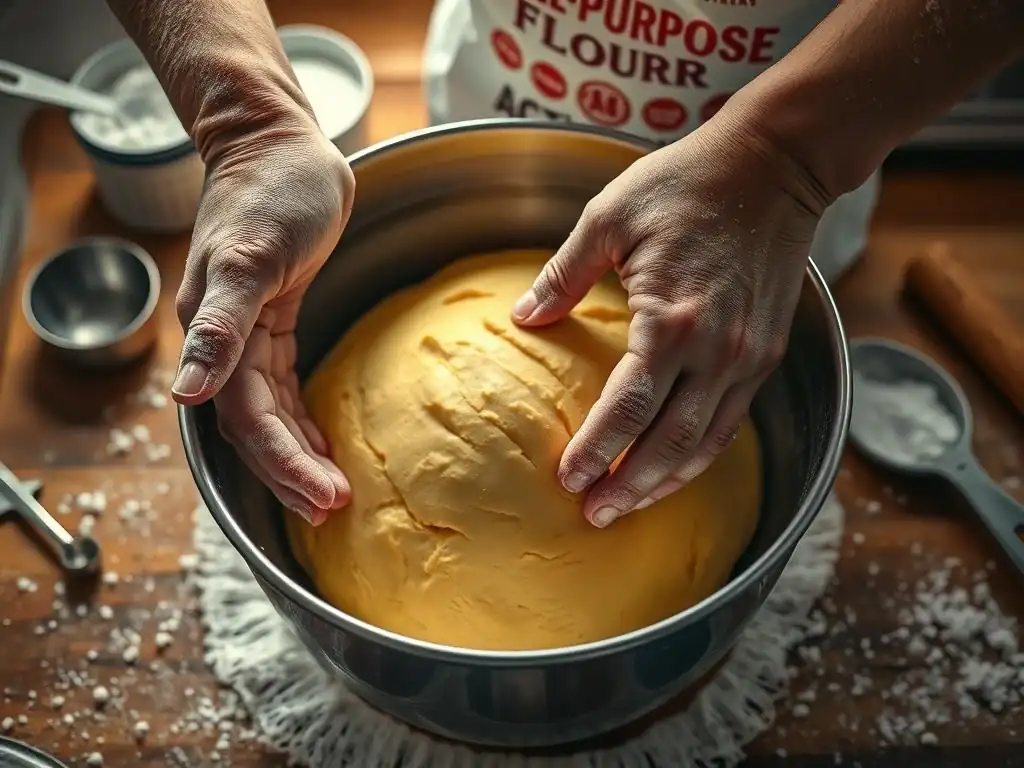
Preparing the dough for your eggless cinnamon rolls recipe involves combining wet and dry ingredients and developing the gluten. First, activate the yeast by dissolving it with a pinch of sugar in warm milk (around 110°F or 43°C). Let it sit for about 5-10 minutes until foamy. While the yeast is proofing, whisk together the dry ingredients: all-purpose flour, sugar, salt, and baking soda in a large bowl.
Once the yeast mixture is frothy, indicating it's active, add it to the dry ingredients along with melted vegan butter and apple cider vinegar. Mix with a wooden spoon or stand mixer until a shaggy dough forms.
Turn the dough out onto a lightly floured surface and knead for 8-10 minutes, or use a stand mixer with a dough hook for 5-7 minutes, until the dough is smooth, elastic, and bounces back when gently pressed. Place the dough in a lightly oiled bowl, cover, and let it rise in a warm place for 1-1.5 hours, or until doubled in size.
Pro-Tip: Achieving the Right Dough Consistency
The consistency of your eggless cinnamon roll dough is paramount for achieving soft, fluffy rolls with perfect swirls. After kneading, the dough should feel smooth, elastic, and slightly tacky, but it should not be overly sticky that it adheres stubbornly to your hands or the work surface. A dough that is too dry will be stiff, difficult to knead, and result in dense, hard rolls. A dough that is too wet will be challenging to handle and shape, potentially leading to misshapen swirls and a gummy texture.
If your dough feels too dry after kneading, add a teaspoon of warm milk or water at a time and continue kneading until the desired consistency is reached. If it's too sticky, add a tablespoon of flour at a time, incorporating it fully before adding more. Avoid adding too much flour, as this can make the rolls tough. The goal is a dough that is pliable and easy to roll out thinly without tearing, setting the stage for those beautiful, tight swirls in your eggless cinnamon rolls recipe.
Creating the Irresistible Cinnamon-Sugar Filling
The Perfect Ratio: Cinnamon, Sugar, and Spice
The heart of any cinnamon roll is its filling, and for an eggless cinnamon rolls recipe, getting the ratio just right is crucial for maximum flavor impact. A classic and highly effective ratio is typically two parts sugar to one part cinnamon. For example, you might use 1 cup of packed light or dark brown sugar mixed with 1/2 cup of ground cinnamon. Brown sugar is preferred over white granulated sugar as its moisture content helps create a sticky, gooey filling that stays put during baking.
Using a generous amount of high-quality ground cinnamon is key. Freshly ground cinnamon will have a more potent aroma and flavor. Some bakers like to slightly increase the cinnamon ratio for an extra kick. The perfect filling should be sweet, intensely cinnamon-flavored, and spreadable, creating that iconic swirling pattern and delicious taste in every bite of your eggless cinnamon rolls.
Enhancing the Flavor Profile: Nutmeg
While cinnamon is the star, a small addition of other spices can significantly enhance the overall flavor profile of your eggless cinnamon rolls filling. A pinch of ground nutmeg, often around 1/4 to 1/2 teaspoon for a standard batch, adds a subtle warmth and complexity that complements the cinnamon beautifully. Nutmeg has slightly different aromatic compounds that interact with cinnamon to create a deeper, more rounded spice flavor.
Some recipes also call for a tiny amount of ground cloves or cardamom, adding further layers of warm spice. However, nutmeg is a classic pairing with cinnamon and sugar in many baked goods and provides a familiar, comforting depth. Be mindful not to overpower the cinnamon; the goal is enhancement, not dominance. This small addition elevates your eggless cinnamon rolls recipe from great to truly unforgettable.
How to Evenly Spread the Filling for Maximum Flavor
Achieving maximum flavor and those distinct swirls relies on spreading the filling evenly across the rolled-out dough. First, ensure your dough is rolled into a uniform rectangle, typically about 1/4 inch thick. Softened, but not melted, vegan butter or margarine is then spread across the entire surface of the dough, leaving a small border (about 1/2 inch) along one long edge. This butter acts as the adhesive for the sugar and spice mixture.
Next, generously sprinkle the prepared cinnamon-sugar-spice mixture evenly over the buttered surface. Gently pat it down with your hands or an offset spatula to help it adhere to the butter. Ensure coverage from edge to edge, stopping only at the butter-free border. This even distribution guarantees that every slice of your eggless cinnamon rolls will have a consistent, flavorful swirl of cinnamon and sugar, maximizing the deliciousness in each bite.
Achieving Perfect Swirls in Your Eggless Cinnamon Rolls
The Secret to Tight, Beautiful Swirls
The secret to achieving tight, beautiful swirls in your eggless cinnamon rolls lies primarily in how you roll the dough after adding the filling. It's crucial to roll the dough up tightly and evenly from one end to the other. Start rolling from the long edge opposite the one you left butter-free. Use your fingers to guide the first turn, creating a snug cylinder.
Continue rolling, applying gentle, even pressure across the width of the dough. Avoid stretching the dough as you roll, which can distort the shape. The goal is to create a uniform log with no gaps or air pockets within the layers. A tightly rolled log ensures that when you slice the rolls, you reveal distinct, concentric layers of dough and filling, resulting in those visually appealing and delicious swirls that are characteristic of classic cinnamon rolls.
Step-by-Step Guide: Rolling and Shaping the Dough
Once your dough is rolled into a rectangle (aim for roughly 12x18 inches, or 30x45 cm, depending on your desired roll size and thickness) and covered evenly with the butter and filling, you're ready to roll and shape.
- Start Rolling: Begin rolling from one long edge, the one opposite the small butter-free border.
- Keep it Tight: Use your fingertips to tuck in the first edge and create a tight initial turn. Continue rolling forward, keeping the pressure even across the entire width of the dough.
- Maintain Uniformity: As you roll, ensure the log remains straight and the thickness is consistent from end to end. If one side is rolling faster than the other, gently nudge the slower side to keep it even.
- Seal the Edge: Roll until you reach the butter-free edge. Use your fingers to pinch this edge firmly against the log. This seals the roll and prevents it from unraveling during slicing and baking.
You should now have a long, relatively uniform log of dough filled with cinnamon-sugar goodness, ready to be sliced into individual eggless cinnamon rolls.
Slicing Techniques for Uniform Cinnamon Roll Shapes
Slicing the rolled dough log into individual rolls requires a technique that creates clean cuts without squishing or distorting the beautiful swirls you've created. Using a sharp knife is one method; however, it's crucial to use a gentle sawing motion rather than pressing straight down, which can flatten the log. A large chef's knife or serrated knife works well for this if kept very sharp.
A highly recommended technique for achieving perfectly uniform, non-squished eggless cinnamon rolls is using plain, unflavored dental floss or strong thread. Slide a piece of floss (about 18 inches long) underneath the log at your desired cutting point. Cross the ends of the floss over the top of the log and pull them in opposite directions, slicing cleanly through the dough. This method applies even pressure around the circumference, resulting in perfectly shaped rolls with intact swirls, typically cut to about 1 to 1.5 inches (2.5 to 4 cm) thick.
Baking Your Eggless Cinnamon Rolls to Golden Perfection
Optimal Baking Temperature and Time
Baking your eggless cinnamon rolls at the correct temperature for the optimal amount of time is crucial for achieving a golden exterior, a fluffy interior, and a perfectly gooey filling. For most cinnamon roll recipes, including this eggless version, a temperature of 375°F (190°C) is ideal. This heat allows the rolls to rise further in the oven (oven spring) and develop a beautiful golden-brown color without drying out too quickly.
The baking time will vary depending on the size of your rolls and your specific oven, but typically ranges from 20 to 28 minutes. Smaller rolls might bake in 20-23 minutes, while larger ones could take up to 28 minutes. It's important to start checking for doneness around the 20-minute mark. Look for rolls that are golden brown on top and around the edges.
Tips for Preventing Dry Cinnamon Rolls
Dry cinnamon rolls can be disappointing, but there are several strategies to ensure your eggless cinnamon rolls remain moist and tender. Firstly, avoid overmixing the dough; overdeveloping the gluten can lead to a tough texture. Secondly, and perhaps most importantly, do not overbake the rolls. Baking for too long is the quickest way to dry them out. Check for doneness at the lower end of the suggested time range.
Another helpful tip is to place a pan of hot water on the bottom rack of your oven while the rolls are baking. The steam created helps keep the air inside the oven moist, which in turn helps the rolls stay tender. Ensuring your dough is the correct consistency before baking (slightly tacky, not dry or stiff) also contributes to a moist final product. Using sufficient fat (vegan butter/margarine) in both the dough and filling is also key for tenderness and richness in your eggless cinnamon rolls recipe.
Checking for Doneness: The Toothpick Test
While the toothpick test is commonly used for cakes, it can be adapted slightly for checking the doneness of cinnamon rolls. Instead of inserting the toothpick into the center of a roll (which will likely hit gooey filling), insert it into the doughier part towards the edge of a roll in the center of the pan. The toothpick should come out mostly clean, perhaps with a few moist crumbs attached, but not wet batter.
Visually, the rolls should be puffed up, golden brown on top, and the edges should appear slightly more browned and set. The centers of the rolls should still look slightly soft and gooey from the melted filling. If the rolls look pale or feel very soft and doughy when gently pressed, they need more time. Trust your visual cues and the adapted toothpick test to ensure your eggless cinnamon rolls are perfectly baked.
The Creamy Dream: Eggless Cinnamon Roll Frosting
Classic Cream Cheese Frosting (Egg-Free Version)
No cinnamon roll is complete without a decadent frosting, and a classic cream cheese frosting is a perfect pairing for an eggless cinnamon rolls recipe. To make an egg-free version, you'll need vegan cream cheese and vegan butter or margarine, both softened to room temperature. Combine these in a bowl and beat until smooth and creamy, using an electric mixer.
Gradually add sifted powdered sugar (confectioners' sugar), mixing on low speed until just combined. Sifting the sugar prevents lumps. Finally, beat in a splash of vanilla extract and a tablespoon or two of dairy-free milk or cream until the frosting reaches your desired consistency. This egg-free cream cheese frosting provides the tangy sweetness and creamy texture that beautifully complements the warm, spicy cinnamon rolls.
Vanilla Glaze
For a simpler, yet equally delicious topping for your eggless cinnamon rolls, a basic vanilla glaze is an excellent choice. This glaze is quick to make and provides a sweet, shiny finish. You'll need powdered sugar, a liquid (such as dairy-free milk, water, or even lemon juice for a slight tang), and vanilla extract.
In a small bowl, whisk together about 1 cup of sifted powdered sugar with 1-2 tablespoons of liquid and 1/2 teaspoon of vanilla extract. Start with a small amount of liquid and add more gradually, a teaspoon at a time, until you achieve the desired drizzling consistency. This glaze is less rich than cream cheese frosting but offers a lovely sweetness that lets the flavor of the eggless cinnamon rolls shine through.
Achieving the Perfect Frosting Consistency
The ideal frosting consistency for eggless cinnamon rolls is a matter of personal preference, but generally, you want it to be thick enough to hold its shape slightly but still spreadable or pourable over the warm rolls. If your cream cheese frosting or vanilla glaze is too thick, add liquid (dairy-free milk, cream, or water) one teaspoon at a time, mixing thoroughly after each addition until it's smooth and spreadable.
If the frosting or glaze is too thin, gradually whisk in more sifted powdered sugar, a tablespoon at a time, until it thickens to your liking. Remember to sift the powdered sugar to avoid a lumpy texture. Adjusting the consistency is key to ensuring the frosting melts slightly into the warm rolls, creating that signature gooey topping that elevates your eggless cinnamon rolls recipe.
Frosting Techniques for a Professional Look
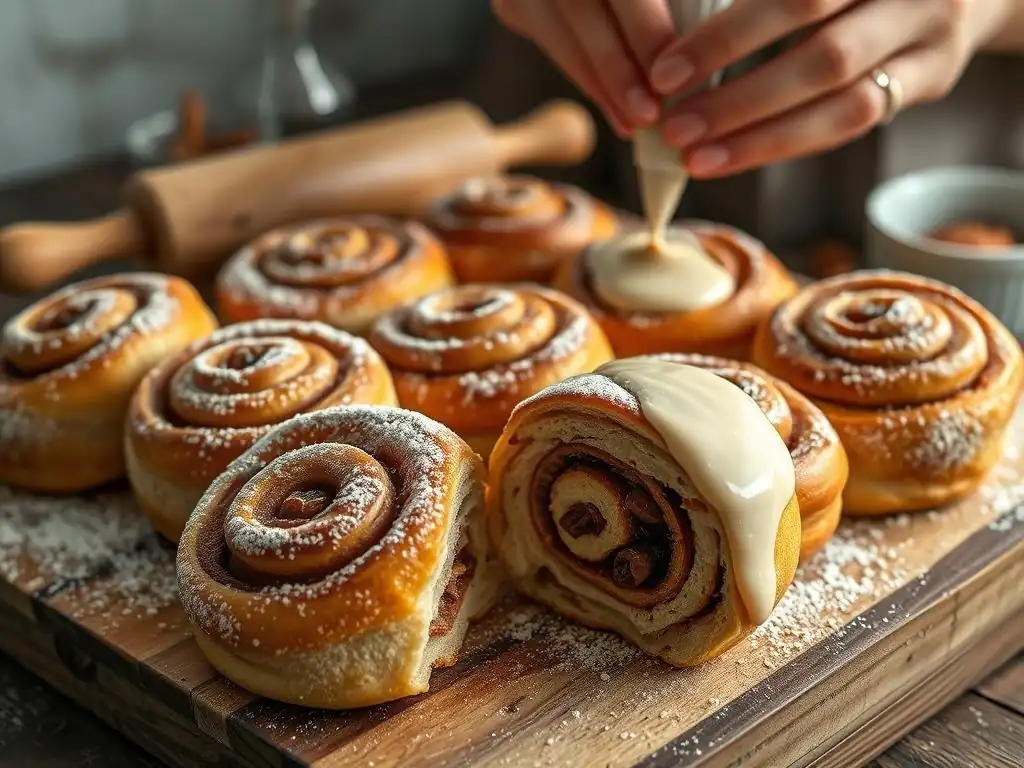
Frosting your eggless cinnamon rolls can be done in several ways to achieve a professional and appealing look. The simplest method is to generously dollop or spread the frosting over the warm rolls using an offset spatula or spoon. Applying it while the rolls are still warm allows the frosting to melt slightly and seep into the crevices, creating a wonderfully gooey texture.
For a more controlled look, you can pipe the frosting using a piping bag fitted with a round tip, creating swirls or dollops on top of each roll. Alternatively, if using a glaze, you can simply drizzle it back and forth over the rolls using a spoon or a piping bag with a small hole cut in the tip. Don't be shy with the frosting – a generous amount is part of the joy of eating cinnamon rolls!
Serving and Storing Your Homemade Eggless Cinnamon Rolls
Best Time to Enjoy Freshly Baked Cinnamon Rolls
There's arguably no better time to enjoy homemade eggless cinnamon rolls than when they are warm from the oven. The heat slightly melts the filling, making it extra gooey, and softens the frosting, allowing it to meld beautifully with the warm dough. Serve them within 15-30 minutes of coming out of the oven for the ultimate sensory experience.
Enjoying them warm enhances the aroma of cinnamon and vanilla and highlights the tender texture of the dough. Paired with a cup of coffee or tea, warm eggless cinnamon rolls make for a perfect breakfast, brunch, or afternoon treat. The effort put into making this eggless cinnamon rolls recipe is truly rewarded when you take that first warm, gooey bite.
Proper Storage to Maintain Freshness
To keep your leftover eggless cinnamon rolls fresh, proper storage is essential. Once they have cooled completely (to prevent condensation, which can make them soggy), place them in an airtight container. Stored at room temperature, they will typically stay fresh for 1-2 days. For longer storage, you can refrigerate them, where they will keep well for up to 5 days.
Make sure the container is truly airtight to prevent the rolls from drying out. If they are frosted, a single layer in the container is best to avoid squishing the frosting. For even longer storage, unfrosted rolls can be frozen in an airtight container or freezer bag for up to 2-3 months. Thaw them at room temperature before reheating.
Reheating Tips for Delicious Leftovers
Reheating leftover eggless cinnamon rolls correctly can bring them back to a state near their freshly baked glory. If the rolls are frosted, the microwave is often the quickest option. Place a single roll on a microwave-safe plate and heat for 15-30 seconds, or until warmed through. Be careful not to overheat, as this can make them tough.
For unfrosted or multiple rolls, the oven is a great choice. Preheat your oven to a low temperature, around 300°F (150°C). Place the rolls in a baking dish, perhaps covered loosely with foil if they seem dry, and heat for 10-15 minutes, or until warmed through. This method helps to warm the rolls more evenly than the microwave and keeps the texture soft. If they were frozen, thaw them completely before reheating.
Troubleshooting Your Eggless Cinnamon Rolls
Common Problems and Solutions for Egg-Free Baking
Egg-free baking can sometimes present unique challenges, but most common problems have straightforward solutions. One frequent issue is dense or heavy baked goods; this can often be attributed to insufficient leavening or overmixing the dough. Ensure your yeast is active and your baking soda/acid combination is fresh. Knead the dough just until smooth and elastic, avoiding excessive development of gluten.
Another challenge can be dryness. As mentioned before, this is often due to overbaking or a dough that was too dry to begin with. Ensure your dough is slightly tacky before proofing and bake only until golden brown. Using sufficient fat in the recipe also helps maintain moisture. By understanding the role of each ingredient and technique in your eggless cinnamon rolls recipe, you can anticipate and solve these common issues.
Dough Issues: Too Sticky or Too Dry?
Achieving the right dough consistency is crucial for success with your eggless cinnamon rolls recipe. If your dough is too sticky after kneading, it's likely due to too much liquid or not enough flour. Gradually add flour, a tablespoon at a time, and knead until the dough is manageable and only slightly tacky. Avoid adding large amounts of flour at once, as this can make the dough tough.
Conversely, if your dough feels too dry and stiff, it needs more liquid. Add warm milk or water, a teaspoon at a time, and knead until the dough becomes smooth, elastic, and pliable. A dry dough won't rise properly and will result in dense, hard rolls. Pay attention to the feel of the dough during kneading and adjust flour or liquid as needed to achieve that perfect, slightly tacky consistency.
Uneven Baking and How to Avoid It
Uneven baking can result in some eggless cinnamon rolls being perfectly done while others are undercooked or overbaked. This is often caused by hot spots in your oven or uneven heat distribution. To combat this, rotate your baking pan halfway through the baking time. For example, if you're baking for 24 minutes, rotate the pan after 12 minutes.
Also, ensure the rolls are spaced evenly in the pan to allow hot air to circulate around them. Avoid crowding the pan. If you consistently have issues with the bottom of your rolls cooking faster than the top, try using a lighter-colored metal pan or placing the pan on a rack in the upper third of the oven. Using an oven thermometer can also help verify that your oven is heating to the correct temperature.
Variations on the Eggless Cinnamon Roll Recipe
Apple Cinnamon Rolls
Adding finely diced apples to the filling is a delicious variation on the classic eggless cinnamon rolls recipe. Use firm apples like Granny Smith or Honeycrisp, peeled, cored, and diced into small pieces (about 1/4 inch). You can sauté the apple pieces briefly with a little butter and a pinch of cinnamon before adding them to the sugar-cinnamon mixture to soften them slightly and enhance their flavor.
Spread the sautéed apples evenly over the buttered dough before sprinkling the cinnamon-sugar mixture. The moisture from the apples will create an even gooier filling, and the tartness of the apples provides a lovely contrast to the sweetness of the rolls and frosting. Aim for about 1 to 1.5 cups of diced apples for a standard batch of 12-15 rolls.
Chocolate Cinnamon Rolls
For chocolate lovers, transforming this eggless cinnamon rolls recipe into chocolate cinnamon rolls is surprisingly easy and incredibly rewarding. You can add about 1/4 cup of unsweetened cocoa powder to the dry ingredients when making the dough, giving it a subtle chocolate flavor and darker hue.
For the filling, you can add 1/2 cup to 1 cup of mini chocolate chips or finely chopped chocolate over the cinnamon-sugar mixture before rolling. Dark, milk, or even white chocolate chips work well depending on your preference. The chocolate melts during baking, creating pockets of rich, gooey chocolate within the spicy cinnamon swirls. A chocolate glaze (powdered sugar mixed with cocoa powder and milk) can replace the cream cheese frosting for an ultimate chocolate experience.
Adapting the Recipe for Gluten-Free Needs
Adapting this eggless cinnamon rolls recipe to be gluten-free requires substituting the all-purpose flour with a high-quality gluten-free flour blend specifically designed for yeast baking. Look for blends that contain xanthan gum or guar gum, which help provide structure and elasticity in the absence of gluten.
Follow the recipe instructions, but be mindful that gluten-free dough can sometimes be stickier or more delicate. You may need to adjust the amount of liquid slightly based on the specific flour blend used. Gluten-free dough often benefits from gentle handling and may not require as much kneading as wheat-based dough. While the texture may differ slightly from traditional rolls, you can still achieve delicious, soft, and swirled eggless and gluten-free cinnamon rolls.
Eggless Cinnamon Rolls: A Baking Triumph
Enjoy the Sweet Reward of Your Effort.
You've navigated the steps, mastered the dough, perfected the filling, achieved those beautiful swirls, and baked them to golden perfection. Making eggless cinnamon rolls from scratch is a rewarding process, transforming simple ingredients into a comforting, indulgent treat. Whether you've baked them for dietary reasons, to share with loved ones, or simply to challenge your baking skills, the result is a true triumph.
Take a moment to appreciate the aroma filling your kitchen. Slice into a warm roll, admire the perfect swirl, and savor that first bite of soft dough, gooey cinnamon-sugar filling, and luscious frosting. This eggless cinnamon rolls recipe proves that you don't need eggs to create incredibly delicious, fluffy, and satisfying cinnamon rolls. Share them, enjoy them, and relish in your baking success!
Frequently Asked Questions
What makes this cinnamon roll recipe "eggless," and how does that affect the final product?
This recipe omits eggs, relying on other ingredients for structure and moisture. The result is a slightly softer and less chewy cinnamon roll, suitable for those with egg allergies or dietary preferences.
What are some common mistakes people make when trying to create the perfect "swirls" in cinnamon rolls?
Common mistakes include rolling the dough too thin, not spreading the filling evenly, and not tightly rolling the dough log. Proper technique and even distribution are key to achieving beautiful swirls.
Can I substitute any ingredients in this "Eggless Cinnamon Rolls Recipe" for dietary reasons or personal preferences?
Yes, some substitutions are possible. For example, you can use plant-based milk instead of dairy milk. However, be mindful that alterations may affect the texture and taste of the final baked good.
How do I ensure my eggless cinnamon rolls rise properly without eggs providing lift?
The yeast's activity and the gluten development are crucial. Ensure your yeast is active, allow sufficient proofing time, and knead the dough well for optimal gluten formation to achieve a good rise.
What are the best storage methods for leftover "Eggless Cinnamon Rolls" to maintain their freshness?
Store leftover rolls in an airtight container at room temperature for up to two days or in the refrigerator for up to a week. Proper storage helps prevent them from drying out and maintains their softness.
Final Reflection: The Sweet Symphony of Eggless Baking
The quest for the perfect eggless cinnamon roll is not merely a culinary pursuit; it's a testament to the power of adaptability and creativity in the kitchen. This recipe, designed to be accessible to everyone, regardless of dietary restrictions or ingredient availability, proves that deliciousness doesn't require compromise. The satisfying swirl, the comforting aroma, and the melt-in-your-mouth texture are all achievable without eggs, demonstrating that limitations can often inspire innovation.
The journey of creating this eggless recipe has been a personal exploration of both baking techniques and the broader cultural significance of comfort food. Baking, for many, is a deeply personal act, a way to connect with loved ones and create cherished memories. The ability to share this joy with a wider audience, including those with egg allergies or choosing vegan options, is incredibly rewarding. The best things in life are the people we love, the places we've been, and the memories we've made along the way.
This sentiment perfectly encapsulates the spirit of this recipe – a simple act of baking that can create lasting memories and connections.
Now, I invite you to step into your kitchen and embark on your own baking adventure. Don't be afraid to experiment, to adjust the recipe to your own taste, and to share the delicious results with those you love. The process of creating these eggless cinnamon rolls is as much a part of the experience as the final product itself. Embrace the challenge, savor the aroma, and let the sweet symphony of baking fill your home with warmth and joy. Remember, the perfect swirl is just the beginning of a much sweeter story.
Unleash Your Inner Baker: Perfect Swirls Await!
Thanks for joining us on this delicious journey into the world of eggless cinnamon rolls! We hope you’ve gained the confidence to tackle this seemingly complex treat. Ready to bake your own masterpiece?
- Dive right in and bake: Grab your ingredients and follow the recipe again – this time, experiment with different frosting variations!
- Share your success: Show off your perfectly swirled cinnamon rolls on social media using #BakeWithEaseEgglessRolls and tag us! We’d love to see your creations.
- Explore other eggless recipes: Visit our website to discover more delicious egg-free baking adventures. We have many recipes waiting for you!
Ready to share your baking triumph with the BakeWithEase community? What unique twist will you add to your eggless cinnamon rolls?