
Best Baking Temps for FruitFilled Goodies

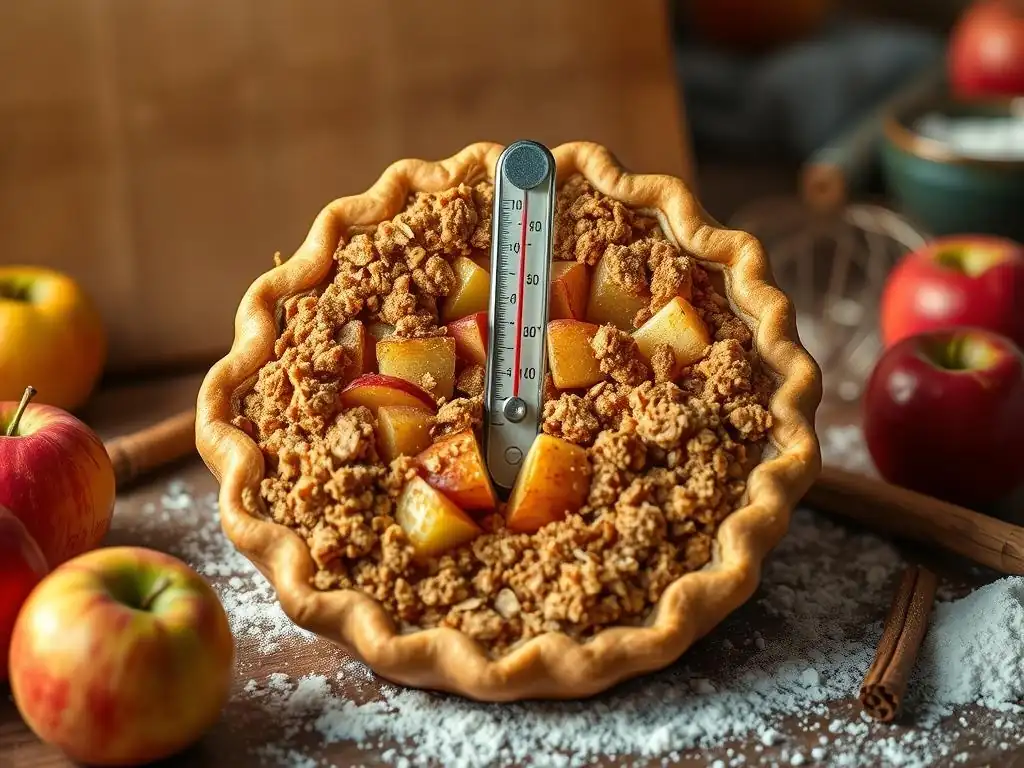
Welcome to BakeWithEase, your trusted guide to baking bliss! Ever wondered if you're getting the most out of your fruit-filled pastries? This week, we're diving deep into the often-overlooked yet crucial element of baking: temperature. Unlock the secrets to achieving that perfectly golden crust and succulent, bursting-with-flavor filling by understanding the best baking temperatures for fruit-filled goodies. Ready to elevate your baking game? Let's get started!
- Best Baking Temps for Fruit-Filled Goodies: A BakeWithEase Guide
- Introduction: Mastering Fruit-Filled Pastry Baking Temperatures
-
Optimal Baking Temperatures for Different Fruit-Filled Pastries
- Baking Temperatures for Fruit Pies: Achieving a Golden Crust and Tender Filling
- Baking Temperatures for Fruit Tarts: Preventing Soggy Bottoms
- Baking Temperatures for Fruit Crumbles and Crisps: Achieving a Crunchy Topping
- Baking Temperatures for Fruit-Filled Turnovers and Hand Pies: Achieving a Flaky Crust
- Understanding the Science Behind Fruit-Filled Pastry Baking Temperatures
- Troubleshooting Common Baking Issues Related to Temperature
- Temperature Conversion Chart for Fruit-Filled Baking
- BakeWithEase Pro Tips for Perfect Fruit-Filled Pastries
- Conclusion: Unlock the Secrets to Delicious Fruit-Filled Baking with Precise Temperature Control
-
Frequently Asked Questions
- What is the ideal temperature for baking fruit-filled pastries to prevent soggy bottoms?
- How does the type of fruit filling affect the optimal baking temperature?
- Should I adjust the baking temperature if my oven runs hot or cold?
- What's the best way to ensure the fruit filling is cooked through without burning the pastry crust?
- Can I use the same baking temperature for different types of fruit-filled pastries, such as pies and tarts?
- Final Reflection: The Sweet Science of Perfect Fruit-Filled Pastries
- Unlock Your Inner Pastry Chef!
Best Baking Temps for Fruit-Filled Goodies: A BakeWithEase Guide
Introduction: Mastering Fruit-Filled Pastry Baking Temperatures
Creating delicious fruit-filled treats is a joy, but achieving that perfect balance – a tender, bubbling fruit filling encased in a flaky, golden crust – often comes down to one crucial factor: temperature. The oven temperature you choose, and how you manage it throughout the baking process, profoundly impacts the final texture and appearance of your pastries. Understanding the optimal fruit-filled pastry baking temperatures is a cornerstone of successful baking, preventing common pitfalls like soggy bottoms or burnt tops.
At BakeWithEase, we believe that mastering these temperature nuances is well within reach for any home baker. It's not just about following a recipe's number; it's about understanding why certain temperatures work best for different types of fruit and pastry. This guide will walk you through the ideal baking temperatures for various fruit-filled goodies, offering practical tips and insights to help you achieve consistently excellent results every time you bake. Let's unlock the secrets to perfect fruit-filled baking together!
Why Baking Temperature Matters for Fruit-Filled Treats
The temperature inside your oven orchestrates a complex series of chemical and physical reactions essential for transforming dough and raw fruit into a delectable dessert. High initial temperatures, often used for pies and tarts, are critical for creating steam rapidly in the pastry dough, which helps lift the layers and results in a flaky crust. Simultaneously, this heat begins the process of browning the crust through the Maillard reaction and caramelization of sugars.
However, maintaining a consistent high temperature throughout can lead to a burnt crust before the fruit filling has fully cooked and thickened. Fruit fillings require sufficient time at temperature to soften, release their juices, and allow any added thickeners (like flour, cornstarch, or tapioca) to activate and create that luscious, set consistency. A temperature that is too low, on the other hand, might result in a pale, tough crust and a runny, undercooked filling. Finding the right balance in fruit-filled pastry baking temperatures is therefore vital for achieving both perfect texture and flavor.
BakeWithEase Tip: Understanding Your Oven
Every oven is unique, and temperature readings can vary significantly from the dial setting. Many home ovens can be off by as much as 25-50°F (15-30°C). This variance is especially critical when dealing with delicate fruit-filled pastries where precise fruit-filled baking temperatures are key to preventing issues like soggy bottoms or burnt crusts.
Investing in a simple, inexpensive oven thermometer is one of the best steps you can take to improve your baking accuracy. Place it inside your oven and check the actual temperature after the oven has preheated for at least 15-20 minutes. If there's a consistent difference, you can adjust your oven dial accordingly or simply remember to set it higher or lower than the recipe calls for. This small step can make a significant difference in mastering fruit-filled pastry baking temperatures and achieving consistent, successful results.
Optimal Baking Temperatures for Different Fruit-Filled Pastries
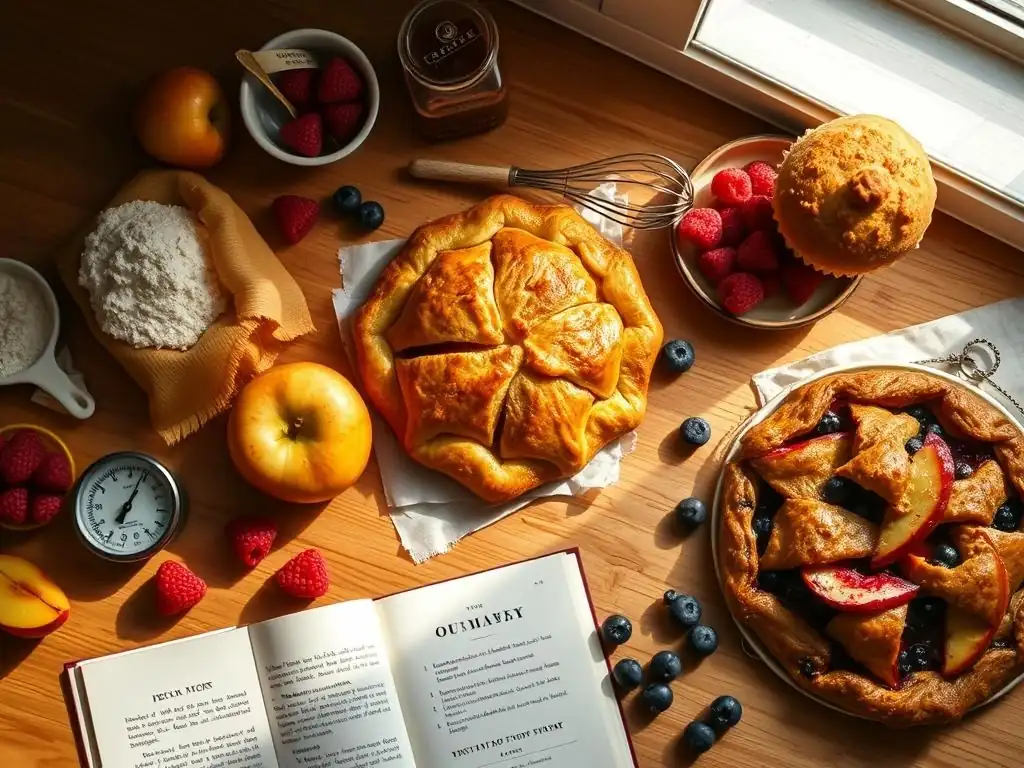
Achieving the perfect bake for fruit-filled pastries requires recognizing that different types of pastries and different fruits benefit from distinct temperature approaches. A delicate tart shell needs a different strategy than a hearty double-crust pie, and a juicy berry filling behaves differently under heat than firmer apple slices. Understanding these nuances is key to selecting the best fruit-filled pastry baking temperatures for your specific creation.
This section breaks down recommended temperature ranges and techniques for various popular fruit-filled treats. By tailoring your approach to the specific pastry type, you can optimize for everything from crust flakiness and browning to filling consistency and fruit tenderness. Let's explore the ideal baking temperatures for fruit-filled pastries across different categories.
Baking Temperatures for Fruit Pies: Achieving a Golden Crust and Tender Filling
Baking a fruit pie to perfection often involves a two-stage temperature approach. Starting at a higher temperature helps set the bottom crust quickly and initiates the steam production for flakiness and the browning process. This is crucial for preventing a soggy bottom, a common pie woe. Temperatures around 400°F to 425°F (200°C to 220°C) are typical for the first 15-20 minutes.
After the initial high-temperature burst, the temperature is usually lowered to a moderate range, commonly 375°F (190°C). This lower temperature allows the pie to bake through without the crust burning before the filling is fully cooked and the fruit has softened appropriately. The total baking time for a standard fruit pie can range from 45 minutes to over an hour, depending on the size and fruit type, making temperature management over this duration essential for ideal fruit-filled pastry baking temperatures.
Recommended Temperatures for Apple Pie
Apple pies, especially those made with firmer apples like Granny Smith or Honeycrisp, benefit from a baking process that ensures the apples soften without turning to mush, while the crust achieves a beautiful golden brown. A common and effective method is to start the pie at a high temperature, such as 425°F (220°C), for the first 15-20 minutes. This initial heat helps firm up the bottom crust and gives the top crust a head start on browning and flaking.
Following the initial high-heat period, reduce the oven temperature to 375°F (190°C) and continue baking for another 35-50 minutes, or until the crust is deeply golden brown and you can see the filling bubbling through the vents. Some bakers even recommend starting at 375°F (190°C) and baking for a longer period, around 60-75 minutes, particularly if using softer apple varieties or a glass pie dish which conducts heat differently. Monitoring the crust color and ensuring the filling bubbles are key indicators regardless of the exact fruit-filled baking temperatures chosen within this range.
Best Temps for Berry Pies (Blueberry, Raspberry, Strawberry)
Berry pies present a unique challenge due to the high water content of the fruit, which can easily lead to a runny filling and a soggy bottom crust if not managed correctly. Starting with a higher initial temperature is particularly important for berry pies to help set the bottom crust quickly. Temperatures around 400°F to 425°F (200°C to 220°C) for the first 15-20 minutes are highly recommended.
After the initial high heat, reduce the temperature to 375°F (190°C) for the remainder of the baking time, typically another 30-40 minutes. It's crucial to bake berry pies until the filling is visibly bubbling not just around the edges, but also in the center, as this indicates the thickener has activated and the excess moisture is steaming off.
Some recipes even suggest a lower finishing temperature of 350°F (175°C) if the crust is browning too quickly, extending the bake time slightly to ensure the filling is fully set. Proper fruit-filled pastry baking temperatures are paramount here to handle the berries' juiciness.
Baking Temperature for Stone Fruit Pies (Peach, Cherry, Plum)
Stone fruits like peaches, cherries, and plums contain varying amounts of moisture and soften relatively quickly when heated. Similar to berry pies, managing the juiciness while ensuring the crust is perfectly baked is the main goal. A common approach for stone fruit pies is to bake at 400°F (200°C) for the first 20 minutes, providing enough heat to help set the bottom crust and start the browning process on top.
After the initial 20 minutes, lower the oven temperature to 375°F (190°C) and continue baking for approximately 30-45 minutes, or until the crust is golden brown and the filling is bubbling thickly. For particularly juicy stone fruits, some bakers opt for a slightly lower starting temperature, around 375°F (190°C), but extend the overall baking time to allow moisture to evaporate slowly. Using a pie shield or tenting with foil is often necessary to prevent the edges from over-browning before the center is done, especially when using higher fruit-filled baking temperatures.
Baking Temperatures for Fruit Tarts: Preventing Soggy Bottoms
Fruit tarts often feature a more delicate, sometimes thinner, pastry shell compared to pies, and they are frequently filled with cooked or fresh fruit after the shell is partially or fully baked. This makes preventing a soggy bottom even more critical. The baking temperature for fruit tarts is largely dictated by whether the shell is blind-baked or baked with the filling already inside.
For tarts baked with a filling (like frangipane or custard with fruit), a moderate temperature is usually preferred to prevent the filling from curdling or boiling over while ensuring the crust bakes through. Temperatures around 350°F to 375°F (175°C to 190°C) are common. The specific fruit-filled pastry baking temperatures will depend on the filling type and the desired level of crust browning.
Blind Baking Tart Shells for Fruit Fillings
Blind baking is a technique where the tart shell is partially or fully baked before adding the fruit filling. This is the most effective way to guarantee a crisp bottom crust, especially for tarts with wet fillings or those filled with fresh fruit that isn't baked. The temperature for blind baking is typically higher than for a filled tart.
A common temperature for blind baking a tart shell is 375°F to 400°F (190°C to 200°C). The shell is usually lined with parchment paper and filled with pie weights, dried beans, or rice to prevent it from shrinking or bubbling.
Bake for about 15-20 minutes until the edges are set and lightly colored (partial bake), or 25-30 minutes (removing weights for the last 5-10 minutes) until golden brown and fully baked, depending on the recipe's requirements. This initial high-heat phase sets the structure and color before the potentially moist filling is added, optimizing fruit-filled pastry baking temperatures for the shell.
Baking Fruit Tarts with Custard Fillings
Tarts that combine fruit with a custard or frangipane filling require careful temperature control to ensure the custard sets without curdling and the fruit softens appropriately, all while the crust bakes to a golden hue. A moderate oven temperature is key here. Baking at 350°F to 375°F (175°C to 190°C) is generally recommended.
Lower temperatures within this range (around 350°F / 175°C) are often preferred for more delicate custard fillings to ensure they set smoothly. Higher temperatures (up to 375°F / 190°C) can be used if the fruit requires more heat to soften or if you need to accelerate crust browning, but careful monitoring is necessary to prevent the top from burning or the custard from splitting. The total baking time can range from 30 minutes to an hour or more, depending on the tart size and filling depth, highlighting the importance of precise fruit-filled baking temperatures.
Baking Temperatures for Fruit Crumbles and Crisps: Achieving a Crunchy Topping
Fruit crumbles and crisps are beloved for their simple preparation and the delightful contrast between the warm, soft fruit filling and the crunchy, often buttery, topping. The primary goal when baking these desserts is to ensure the fruit cooks down and becomes tender while the topping achieves a deep golden brown color and a satisfying crisp texture. The baking temperature plays a crucial role in achieving both.
A common temperature range for fruit crumbles and crisps is 375°F to 400°F (190°C to 200°C). This range provides sufficient heat to bubble the fruit filling and activate any thickeners, while also allowing the butter in the topping to melt and the flour/oats to toast and crisp up. The specific temperature within this range might be adjusted based on the juiciness of the fruit and the desired speed of browning for the topping, demonstrating flexibility in fruit-filled pastry baking temperatures for this dessert type.
Temperature Guide for Apple Crisp and Apple Crumble
Apple crisp and apple crumble are perhaps the most classic versions of this dessert. Since apples require a good amount of heat to soften properly, baking at a moderately high temperature is effective. A temperature of 375°F (190°C) is a widely used standard, allowing the apples ample time to become tender (typically 30-45 minutes, depending on the apple type and thickness of slices) while the crumble topping turns golden brown and crisp.
Some recipes recommend starting at 400°F (200°C) for the first 10-15 minutes if you desire a quicker browning on the topping or are using particularly firm apples, then reducing to 375°F (190°C) for the remainder of the bake. Regardless of the initial approach, baking should continue until the fruit is clearly bubbling around the edges and the topping is uniformly golden brown. These fruit-filled baking temperatures ensure both components cook perfectly.
Baking Berry Crumbles: Maintaining Berry Integrity
Berry crumbles, with their high moisture content, require temperatures that encourage the release and thickening of juices without turning the berries into complete mush. A temperature of 375°F (190°C) is often ideal, providing enough heat to bubble the filling and crisp the topping in about 30-40 minutes. This moderate heat helps the berries hold their shape better than a very high temperature might.
If you prefer a quicker, more aggressively browned topping, you might start at 400°F (200°C) for 10 minutes before reducing to 375°F (190°C). However, carefully watch the topping to prevent burning. Ensuring the filling is bubbling thickly throughout is the key indicator that the crumble is done, regardless of the exact fruit-filled pastry baking temperatures used, signifying that the thickener has done its job.
Baking Temperatures for Fruit-Filled Turnovers and Hand Pies: Achieving a Flaky Crust
Fruit turnovers and hand pies are delightful portable pastries that require a baking temperature that ensures a crisp, flaky crust while the fruit filling heats through and softens. Because these are smaller and have less filling volume compared to a full pie, they generally bake faster and benefit from a consistent, moderately high temperature.
Temperatures ranging from 400°F to 425°F (200°C to 220°C) are commonly used for turnovers and hand pies. This heat is sufficient to create steam rapidly within the pastry dough, promoting flakiness, and to brown the exterior quickly and evenly. The relatively short baking time at these temperatures minimizes the risk of the filling boiling over excessively before the crust is done. Mastering fruit-filled pastry baking temperatures for these smaller items is about achieving speed and evenness.
Oven Temperatures for Apple Turnovers
Apple turnovers, often made with puff pastry or a similar flaky dough, bake beautifully at temperatures around 400°F (200°C) to 425°F (220°C). At 400°F (200°C), they typically take 20-25 minutes to achieve a golden brown, puffed crust and tender apple filling.
If using 425°F (220°C), the baking time will be slightly shorter, possibly 15-20 minutes. It's essential to ensure the apples are sliced thinly or pre-cooked slightly if using a very quick bake time, as the pastry bakes rapidly at these higher fruit-filled baking temperatures. Baking on a parchment-lined baking sheet helps prevent sticking and promotes even browning on the bottom.
Tips for Baking Fruit Hand Pies Evenly
Fruit hand pies, whether made with pie dough or puff pastry, benefit from even heat distribution. Baking them at 400°F to 425°F (200°C to 220°C) is standard. To ensure they bake evenly and the bottoms don't get soggy or undercooked, consider using a baking stone or preheating your baking sheet in the oven before placing the hand pies on it.
Rotating the baking sheet halfway through the baking time (approximately 10-12 minutes in) can also help achieve uniform browning, especially if your oven has hot spots. The hand pies are done when the crust is puffed and golden brown and you see hints of the filling bubbling out of the vents. These fruit-filled pastry baking temperatures and techniques combine to produce perfectly baked, portable treats.
Understanding the Science Behind Fruit-Filled Pastry Baking Temperatures
The science behind baking fruit-filled goodies is fascinating and directly relates to the temperatures we choose. When heat is applied, moisture in the dough turns to steam, creating layers in flaky pastries. Fats melt, contributing to tenderness. Sugars caramelize, adding flavor and color. And the starches in flour and fruit interact with moisture and heat to thicken the filling.
For fruit-filled pastries, the interplay between the temperature's effect on the crust (browning, flaking, setting) and the filling (softening, thickening, bubbling) is critical. Too high a temperature risks burning the crust before the filling is cooked; too low risks a pale, raw-tasting crust and a runny filling. Understanding these scientific processes helps demystify why specific fruit-filled pastry baking temperatures are recommended.
The Role of Temperature in Fruit Caramelization
Caramelization is a non-enzymatic browning reaction that occurs when sugars are heated to high temperatures, typically starting around 320°F (160°C). Fruit naturally contains sugars, and when baked, these sugars caramelize, contributing rich, complex flavors and golden-brown hues to the cooked fruit filling. The higher the baking temperature, the faster and more intensely caramelization occurs.
In fruit-filled pastries, temperatures around 375°F to 425°F (190°C to 220°C) are sufficient to achieve good caramelization within the fruit filling, especially around the edges where it's exposed to more direct heat. This process enhances the sweetness and depth of flavor in the fruit. However, if the temperature is too high for too long, the sugars can burn, resulting in a bitter taste. Balancing the need for caramelization with the risk of burning is part of optimizing fruit-filled baking temperatures.
How Temperature Affects Pastry Crust Texture
Temperature is perhaps the single most important factor in developing the desired texture in pastry crusts, particularly flakiness. When dough containing layers of butter or other fat is exposed to high heat (above the boiling point of water, 212°F / 100°C), the water in the butter quickly turns to steam. This steam pushes the layers of dough apart, creating air pockets that result in a flaky texture.
Initial high temperatures (400°F - 425°F / 200°C - 220°C) are excellent for generating this steam rapidly and setting the structure of the crust. As the temperature is maintained or slightly lowered, the gluten in the flour sets, providing structure, and the Maillard reaction and caramelization reactions occur on the surface, creating the golden-brown color and desirable flavor. Using appropriate fruit-filled pastry baking temperatures is essential for achieving both flakiness and color.
Preventing Fruit from Becoming Mushy: Temperature Control
Different fruits have varying levels of pectin and cellular structure, affecting how they break down when heated. While sufficient heat is needed to soften fruit and activate thickeners, excessive heat or overly long baking times can cause the fruit to lose its structure entirely and become mushy. The choice of fruit, how it's prepared (e.g., slice thickness), and the baking temperature all play a role.
For fruits that soften quickly, like berries or ripe peaches, slightly lower baking temperatures (around 375°F / 190°C) for a moderate duration can help maintain some fruit integrity. Using fruits that hold their shape better, like Granny Smith apples or firm cherries, allows for higher temperatures or longer baking times. Careful monitoring and adjusting fruit-filled pastry baking temperatures based on the specific fruit are key to achieving the desired texture.
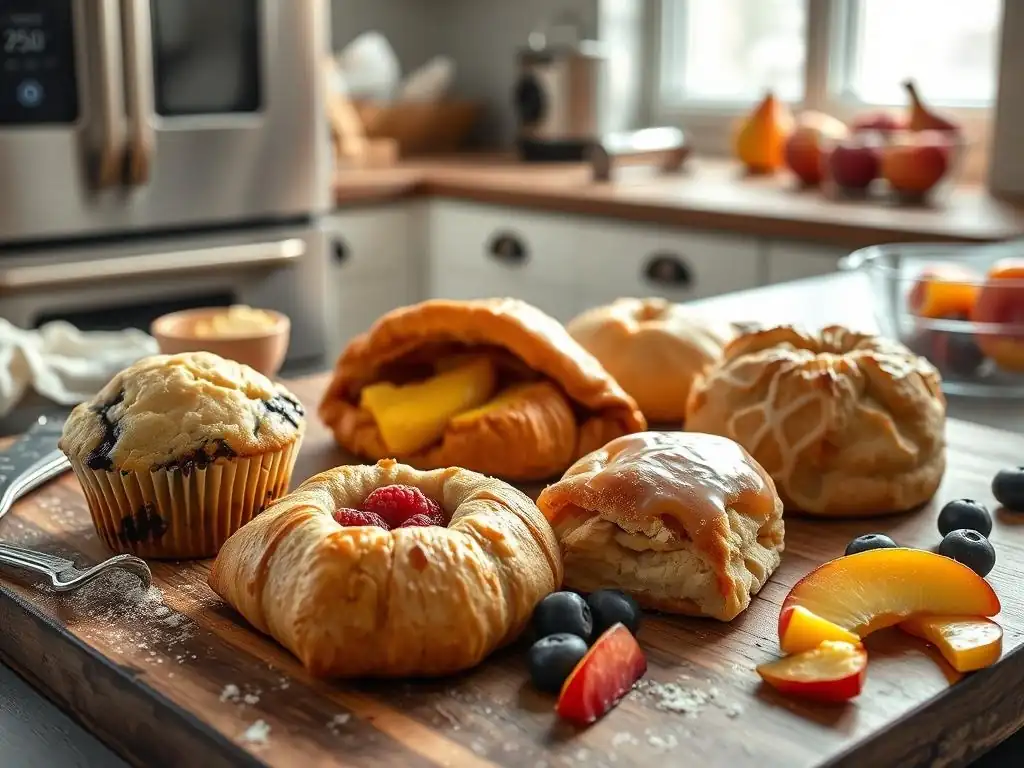
Even with the best recipe, baking fruit-filled pastries can sometimes present challenges. Many common problems, such as a soggy bottom crust, a burnt top, or a runny filling, are directly related to incorrect or improperly managed baking temperatures. Understanding how temperature contributes to these issues is the first step in fixing them.
Fortunately, most temperature-related baking problems can be prevented or mitigated with simple adjustments to your oven setting, baking time, or technique. By recognizing the signs of these issues early on, you can often intervene to save your delicious fruit-filled creation. Let's look at how specific fruit-filled pastry baking temperatures relate to troubleshooting common woes.
Soggy Bottom Crusts: Temperature Solutions
A soggy bottom crust is one of the most frustrating outcomes when baking fruit pies and tarts. This typically occurs when the bottom crust doesn't bake quickly enough to set before the moisture from the fruit filling soaks into it. Insufficient initial heat or a filling that releases too much liquid are common culprits.
To combat this, ensure your oven is fully preheated to the correct temperature, often starting at a higher heat (400°F - 425°F / 200°C - 220°C) for the first 15-20 minutes. Baking on a preheated baking stone or heavy baking sheet can also transfer heat more efficiently to the bottom crust. For very juicy fillings, consider partially blind baking the bottom crust before adding the fruit. These temperature-focused strategies are crucial for achieving a crisp bottom with optimal fruit-filled pastry baking temperatures.
Burnt Crusts Before Filling is Cooked: Temperature Adjustments
Conversely, a crust that browns too quickly while the filling is still undercooked means the top of your pastry is receiving too much direct heat relative to the rate at which the filling cooks. This often happens when the oven temperature is too high for the entire baking duration or if the pastry is placed on an upper rack too close to the heating element.
If you notice the crust is browning rapidly but the filling isn't bubbling or the fruit isn't tender, you have a few options. Reduce the oven temperature slightly (e.g., from 400°F to 375°F). More commonly, loosely tent the top of the pastry with aluminum foil. This shields the crust from direct radiant heat, allowing the filling to continue cooking without the top burning. Adjusting fruit-filled pastry baking temperatures or shielding is key here.
Runny Fruit Filling: Temperature and Thickening Agents
A runny fruit filling is usually a sign that either not enough thickener was used, or the filling did not reach a high enough temperature for a sufficient amount of time for the thickener (like cornstarch, flour, or tapioca) to activate and gel. Fruit juices need to reach boiling point (212°F / 100°C) for starch-based thickeners to work effectively.
Ensure your pie or tart is baked until the filling is visibly bubbling thickly not just around the edges, but also in the center of the pastry. This bubbling indicates that the filling has reached the necessary temperature for the thickeners to do their job. If your crust is browning too fast, tent it with foil and continue baking until the filling is properly set. Sometimes, increasing the baking time slightly at a moderate temperature (375°F / 190°C) is necessary to achieve the correct filling consistency, demonstrating the link between fruit-filled baking temperatures and filling set.
Temperature Conversion Chart for Fruit-Filled Baking
Recipes for fruit-filled pastries come from all over the world, and sometimes you'll encounter temperatures listed in Celsius when you're used to Fahrenheit, or vice versa. Having a quick reference for common baking temperatures can be incredibly helpful to avoid miscalculations that could affect your results. While precise conversion requires a formula, approximate conversions for standard baking temperatures are usually sufficient.
Knowing these common conversions allows you to confidently follow recipes regardless of the unit of measurement used. This is particularly useful when trying out new fruit-filled pastry recipes from different sources, ensuring you are using the intended fruit-filled baking temperatures.
Fahrenheit to Celsius Conversion for Common Baking Temperatures
Here is a quick conversion chart for temperatures frequently used in baking fruit-filled goods:
- 250°F ≈ 120°C (Very Low)
- 300°F ≈ 150°C (Low)
- 325°F ≈ 160°C (Moderate Low)
- 350°F ≈ 175°C (Moderate)
- 375°F ≈ 190°C (Moderate High)
- 400°F ≈ 200°C (High)
- 425°F ≈ 220°C (Very High)
- 450°F ≈ 230°C (Extremely High)
Remember that these are approximations, and using an oven thermometer to verify your oven's actual temperature is always the best practice for achieving optimal fruit-filled pastry baking temperatures.
BakeWithEase Pro Tips for Perfect Fruit-Filled Pastries
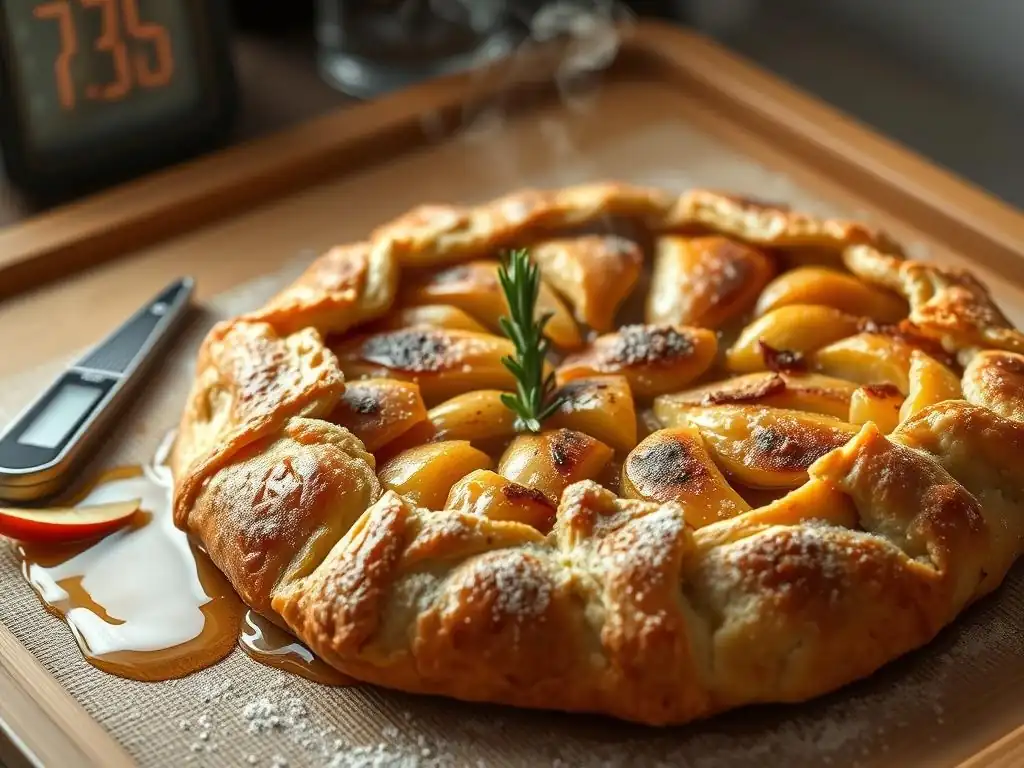
Beyond selecting the correct initial baking temperature, several techniques can help ensure your fruit-filled pastries bake evenly and achieve that coveted golden crust and perfectly cooked filling. These pro tips focus on optimizing heat distribution and managing the baking process to prevent common issues and enhance the final outcome.
Incorporating these strategies into your baking routine, alongside understanding optimal fruit-filled pastry baking temperatures, will significantly improve your success rate. They are simple yet effective ways to fine-tune your baking and achieve bakery-quality results at home.
Using a Baking Stone for Even Heat Distribution
A baking stone or steel is a thick slab of ceramic or metal that is preheated in the oven. Placing your pie, tart, or turnover directly on this hot surface helps transfer heat quickly and evenly to the bottom crust. This is particularly effective in preventing soggy bottoms, as the intense heat helps set the dough rapidly before it can absorb too much moisture from the filling.
Preheat the baking stone in your oven as the oven comes up to temperature, ideally for at least 30-60 minutes after the oven indicates it's ready. Then, carefully place your fruit-filled pastry, usually on a baking sheet or in its pie dish, directly onto the hot stone. This technique works well with most fruit-filled pastry baking temperatures, providing a reliable heat source from below.
Tenting Your Pastry to Prevent Over-Browning
If you notice the top crust of your pie or tart is browning much faster than the filling is cooking, tenting with aluminum foil is your best friend. About halfway through the baking time, or whenever the crust reaches your desired level of golden brown, loosely place a piece of aluminum foil over the entire pastry.
The foil acts as a shield, deflecting the direct radiant heat from the top heating element while allowing the heat circulation within the oven to continue cooking the filling and setting the bottom crust. This allows you to maintain the necessary fruit-filled baking temperatures to cook the interior without burning the exterior. You can remove the foil for the last few minutes if you want to crisp the top further, but often it's not necessary.
Adjusting Baking Time Based on Fruit Type and Moisture Content
Different fruits release varying amounts of moisture and soften at different rates. This means the baking time, even at the correct temperature, might need adjustment depending on the fruit you're using. For example, a pie filled with juicy berries might need a slightly longer bake time at 375°F (190°C) than one filled with firmer apples, to allow the excess moisture to evaporate and the filling to thicken properly.
Similarly, if you use a fruit that softens very quickly, like ripe peaches or pre-cooked fruit, you might need a shorter baking time or slightly lower fruit-filled pastry baking temperatures to prevent it from turning to mush. Always look for visual cues – a golden crust, a bubbling filling – rather than relying solely on the clock. Understanding how your chosen fruit behaves under heat allows you to fine-tune the baking process for optimal results.
Conclusion: Unlock the Secrets to Delicious Fruit-Filled Baking with Precise Temperature Control
Mastering fruit-filled pastry baking temperatures is a skill that significantly elevates your baking results. It's the key to achieving that coveted balance between a beautifully golden, flaky crust and a perfectly cooked, tender, and flavorful fruit filling. From the initial high heat that sets the crust and promotes flakiness to the lower temperatures that ensure the filling cooks through without burning the top, each degree plays a vital role.
By understanding how temperature affects different components of your pastry – from fruit caramelization and thickening to crust texture and color – you gain the confidence to adjust your baking process as needed. Whether you're tackling a classic apple pie, a delicate berry tart, or rustic fruit crumbles, paying close attention to optimal fruit-filled baking temperatures, using an oven thermometer, and employing simple techniques like tenting or using a baking stone will guide you to success. Embrace the science, trust your senses, and enjoy the delicious rewards of perfectly baked fruit-filled goodies from your own kitchen!
Frequently Asked Questions
What is the ideal temperature for baking fruit-filled pastries to prevent soggy bottoms?
The ideal temperature is typically between 350°F (175°C) and 375°F (190°C). This range allows the pastry to cook through while the fruit filling remains tender and doesn't become overly juicy, preventing soggy bottoms.
How does the type of fruit filling affect the optimal baking temperature?
Fruits with higher water content, like berries, might benefit from a slightly higher temperature, around 375°F (190°C), to help the filling thicken faster. Drier fruits, like apples, can bake perfectly at 350°F (175°C) to avoid over-browning the crust.
Should I adjust the baking temperature if my oven runs hot or cold?
Yes, absolutely! Use an oven thermometer to determine your oven's accuracy. If it runs hot, lower the temperature by 25°F (15°C). If it runs cold, increase the temperature by the same amount.
What's the best way to ensure the fruit filling is cooked through without burning the pastry crust?
Covering the pastry with foil during the initial baking stages can prevent over-browning. Remove the foil during the last few minutes to allow the crust to achieve a golden-brown color.
Can I use the same baking temperature for different types of fruit-filled pastries, such as pies and tarts?
While the 350-375°F (175-190°C) range is a good starting point, pies often require a slightly lower temperature (around 350°F) and longer baking time to ensure the filling is thoroughly cooked. Tarts, with their thinner crusts, may bake faster.
Final Reflection: The Sweet Science of Perfect Fruit-Filled Pastries
Mastering the art of baking fruit-filled pastries hinges on understanding the precise temperature dance required to achieve that perfect balance of tender crust and juicy, flavorful filling. Getting it wrong can lead to soggy bottoms, burnt edges, or a sadly undercooked center – a culinary tragedy indeed! This exploration into optimal baking temperatures highlights the often-overlooked importance of precise heat control in achieving baking excellence.
The quest for the perfect fruit-filled pastry transcends mere culinary skill; it's a journey into the heart of tradition and the pursuit of sensory delight. The subtle nuances of temperature affect not only the texture but also the overall taste experience, impacting the caramelization of sugars and the release of aromatic compounds from the fruit. As the renowned pastry chef, Gaston Lenôtre, once said, Baking is a science, but it's also an art. It requires precision, but it also demands passion.
This sentiment perfectly encapsulates the delicate balance we've explored throughout this article.
Now, armed with this knowledge, I invite you to embark on your own baking adventures. Don't be afraid to experiment, to tweak the temperatures slightly based on your oven and the specific fruits you're using. Each bake is a learning opportunity, a chance to refine your technique and create pastries that are not only delicious but also deeply personal. The journey to baking perfection is a rewarding one – so grab your apron, preheat your oven, and let the sweet science begin!
Unlock Your Inner Pastry Chef!
Thanks for joining us on this delicious journey into the world of perfectly baked fruit-filled treats! We hope you gained valuable insights into achieving that golden-brown crust and juicy, flavorful center. Now it's time to put your new knowledge into action.
- Bake your masterpiece! Try out one of the recipes we mentioned, or experiment with your own, using the temperature guides we provided. Don't forget to share your results!
- Share your baking success (or even your baking fails!) with us on social media using #BakeWithEaseFruit. We love seeing your creations and learning from your experiences.
- Dive deeper: Explore more baking tips and recipes on our website, BakeWithEase.com, to elevate your baking game even further.
Ready to create some truly unforgettable fruit-filled goodies? What's your favorite fruit to bake with, and what delicious creation will you try first?