
Understanding Different Cornmeal Grinds for Authentic Regional Baking

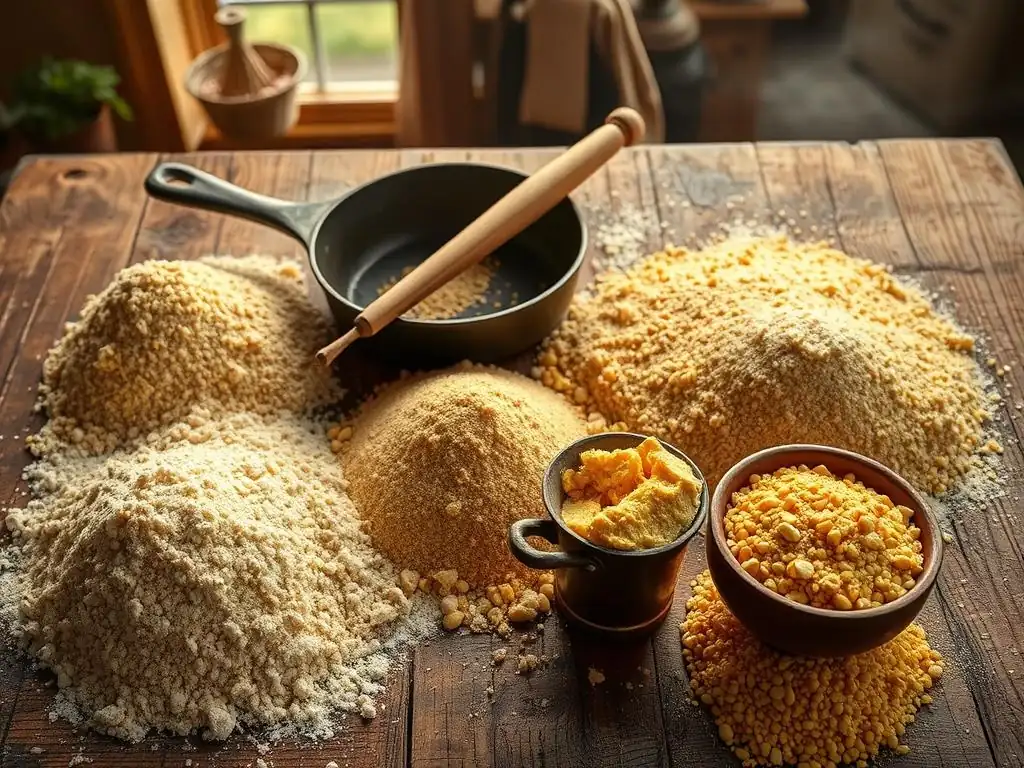
Welcome to BakeWithEase, your passport to the delightful world of baking! Ever wondered how something as simple as cornmeal can unlock a treasure trove of regional flavors and textures? Dive into our latest article, "Understanding Different Cornmeal Grinds for Authentic Regional Baking," and prepare to be amazed by the diverse landscape of cornbread, polenta, and more. Discover the secrets that lie within each grind and unlock the authentic taste of regional baking traditions. Let's explore together!
- Understanding Cornmeal Grinds for Authentic Regional Baking: A BakeWithEase Guide
- Different Cornmeal Grinds: A Comprehensive Guide
- Cornmeal and Regional Baking: A State-by-State Breakdown
- Choosing the Right Cornmeal Grind for Your Recipe
- Cornmeal Baking Techniques for Achieving Optimal Results
- Elevating Your Cornmeal Baking: Expert Tips and Tricks
- Beyond Cornbread: Expanding Your Cornmeal Baking Repertoire
-
Frequently Asked Questions
- What are the primary types of cornmeal and how do they differ?
- How does the grind of cornmeal affect the texture of baked goods?
- Why are regional variations important when considering cornmeal baking?
- Can I substitute different cornmeal grinds in a recipe?
- Where can I find high-quality cornmeal for regional baking?
- Final Reflection: The Enduring Power of Cornmeal, Ground in Tradition
- Unleash Your Inner Baker: Master the Art of Cornmeal!
Understanding Cornmeal Grinds for Authentic Regional Baking: A BakeWithEase Guide
The Importance of Cornmeal Grind in Regional American Baking
The texture and flavor of baked goods made with cornmeal are profoundly influenced by the coarseness of the grind. Different regions across America have historically favored specific grinds, shaping the unique characteristics of their traditional dishes. For instance, the crumbly, rustic texture desired in some Southern cornbreads is often achieved with a medium or coarse grind, allowing the distinct corn flavor to shine through. Conversely, a finer grind might be preferred in delicate muffins or pancakes where a smoother texture is paramount. Understanding this relationship is key to mastering authentic cornmeal baking regional variations.
Moreover, the grind affects how the cornmeal absorbs liquid and interacts with other ingredients. A finer grind absorbs moisture more quickly and uniformly, potentially leading to a denser crumb if not balanced correctly. A coarser grind, with its larger particles, absorbs moisture more slowly, contributing to a more open and often more tender texture in the final product. This difference in absorption is a critical factor in adapting recipes and achieving the desired consistency for specific regional specialties, highlighting the subtle but significant impact of the cornmeal grind on the outcome of cornmeal baking regional variations.
Cornmeal Baking: A Cornerstone of American Culinary Heritage
Cornmeal baking holds a central place in the history and culinary landscape of the United States, reflecting both practicality and regional identity. From the necessity-driven dishes of early settlers to beloved modern comforts, cornmeal has been a versatile staple. Its use spans sweet and savory applications, providing texture, flavor, and structure to everything from simple flatbreads and porridges to elaborate cakes and puddings. The widespread availability of corn across the continent made cornmeal an accessible and affordable ingredient, shaping diverse cornmeal baking regional variations based on local customs, available ingredients, and preferred cooking methods.
The evolution of American cornmeal baking traditions is a fascinating study in adaptation and innovation. Indigenous peoples cultivated corn long before European arrival, developing methods for grinding and preparing it. As settlers adopted corn into their diets, they adapted European baking techniques, leading to unique regional styles. For example, the Dutch and English influences in the Northeast contributed to different cornmeal preparations than those developed in the American South, where African culinary traditions also played a significant role. This rich history underscores why exploring cornmeal baking regional variations offers a delicious journey through America's past.
Different Cornmeal Grinds: A Comprehensive Guide
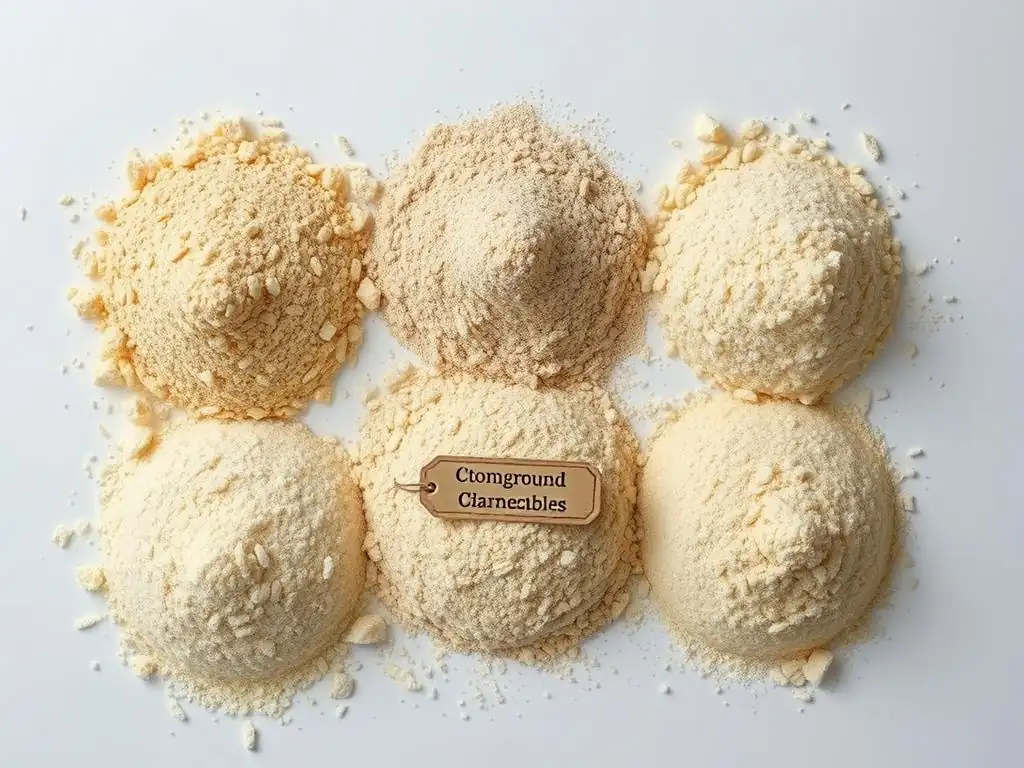
Fine Grind Cornmeal: Texture and Uses
Fine grind cornmeal has a texture similar to wheat flour, with particles that are small and uniform. This characteristic makes it ideal for recipes where a smooth, delicate crumb is desired, without the noticeable grit often associated with coarser grinds. When used in baking, fine cornmeal integrates seamlessly into batters, contributing a subtle corn flavor and a tender texture. It's often referred to as corn flour in some contexts, though true corn flour is even finer and made from the entire kernel.
The primary applications for fine grind cornmeal in baking include items like light and fluffy pancakes, delicate muffins, and certain types of quick breads. Its fine texture helps create a uniform rise and a tender interior. It's also sometimes used as a dredging flour or in combination with wheat flour to add a hint of corn flavor and a slightly different texture to baked goods. For example, using fine cornmeal in a standard muffin recipe at about 10-20% of the total flour weight can add a pleasant depth of flavor without making the muffin heavy or gritty.
Best Uses for Fine Cornmeal in Baking: Corn Flour Pancakes, Delicate Corn Muffins
Fine grind cornmeal truly excels in recipes requiring a smooth batter and tender result, such as pancakes and muffins. For corn flour pancakes, substituting about 25% of the all-purpose flour with fine cornmeal creates a pancake that is both tender and has a lovely subtle corn flavor. The fine particles integrate smoothly, preventing a gritty texture, which is often a concern with coarser grinds in delicate items. A typical recipe might use 3/4 cup all-purpose flour and 1/4 cup fine cornmeal per batch.
Delicate corn muffins also benefit significantly from fine grind cornmeal. Using it ensures the muffins have a soft, moist crumb rather than a crumbly or coarse one. Many recipes for sweeter corn muffins, often served with butter and honey, specify a fine grind to achieve this desirable texture. A common ratio might involve using equal parts fine cornmeal and all-purpose flour, or even a higher proportion of cornmeal (up to 60%) depending on the desired density. The fine grind allows for a uniform lift and prevents the muffins from becoming too heavy.
Medium Grind Cornmeal: Versatility and Applications
Medium grind cornmeal represents a versatile middle ground, offering a balance between the smoothness of fine grind and the rustic texture of coarse grind. The particles are noticeable but not overly large, providing a pleasant bite and structure to baked goods without being excessively gritty. This grind is arguably the most common type found in standard grocery stores and is called for in a wide variety of recipes, making it a staple for many home bakers exploring cornmeal baking regional variations.
This grind is particularly well-suited for classic cornbread, where it provides a sturdy yet tender crumb. It's also excellent for polenta, cornmeal mush, and as a coating for fried foods. In baking, medium grind cornmeal adds substance and a distinct corn flavor. It works well in both sweet and savory applications, from rustic loaves and biscuits to crumb toppings and cornbread dressing. A standard cornbread recipe often relies on medium grind for its characteristic texture – not too cake-like, not too crumbly.
Baking with Medium Grind Cornmeal: Achieving the Perfect Balance
Using medium grind cornmeal in baking is about achieving a desirable balance between texture and flavor. In cornbread, for instance, the medium grind provides the characteristic crumbly-tender texture that distinguishes it from wheat bread. Recipes often call for combining medium cornmeal with leavening agents like baking powder and baking soda, along with ingredients like buttermilk or milk, eggs, and fat (butter, oil, or shortening). The particles hydrate sufficiently to create a cohesive batter but retain enough structure to give the baked bread body.
Beyond cornbread, medium grind is excellent for cornmeal biscuits, providing a slightly coarser texture than a standard biscuit while adding a nutty corn flavor. It can also be used in quick breads and even some cookie recipes to add a unique textural element. For example, adding 1/2 cup of medium cornmeal to a standard biscuit recipe can result in a delightful variation. The key is often to ensure adequate hydration and not overmix, allowing the medium grind particles to swell and soften without becoming tough.
Coarse Grind Cornmeal: Rustic Texture and Flavor
Coarse grind cornmeal features the largest particles, resulting in a distinctly rustic and often chewier texture in baked goods. This grind is less refined and retains more of the corn kernel's natural character. It imparts a robust, intense corn flavor that stands up well in heartier dishes. While not as common as fine or medium grinds for everyday baking, it is essential for achieving the authentic texture and flavor of certain traditional recipes, particularly those associated with specific cornmeal baking regional variations.
This grind requires longer hydration and cooking times compared to finer grinds due to the size of the particles. It's frequently used in dishes like true Italian polenta, where a slow simmer is necessary to soften the grains into a creamy porridge. In baking, coarse grind is often reserved for breads or other items where a very pronounced texture is desired. It can add a delightful crunch and chewiness, contributing significantly to the overall sensory experience of the final product.
Utilizing Coarse Cornmeal for Authentic Regional Breads
Coarse grind cornmeal is the secret to achieving the authentic, hearty texture of specific regional breads. For example, some traditional New England johnnycakes or certain types of regional flatbreads utilize a coarse grind, sometimes even stone-ground, to create a substantial, toothsome result. These recipes often involve soaking the cornmeal in hot liquid (water, milk, or buttermilk) for a period before baking to ensure the large particles soften sufficiently.
Using coarse cornmeal in a rustic loaf, perhaps combined with a portion of wheat flour, can yield a bread with incredible texture and a deep corn flavor. The large particles provide a satisfying chewiness and visual appeal. A recipe for a rustic cornmeal loaf might use 1 cup of coarse cornmeal soaked in 1.5 cups of hot liquid for 30 minutes before incorporating it into a dough made with 2 cups of bread flour. This pre-soaking step is crucial when working with coarse grinds to prevent a dry, gritty texture in the final bread.
Cornmeal and Regional Baking: A State-by-State Breakdown
Southern Cornbread: The Role of Cornmeal in Authentic Recipes
Southern cornbread is perhaps the most iconic example of cornmeal baking regional variations, with passionate debates over its proper preparation raging across states like Georgia, Alabama, and Tennessee. A key point of contention and a defining characteristic is the type of cornmeal used. Traditionally, Southern cornbread favors a medium or coarse grind, often stone-ground, which contributes to the bread's signature crumbly texture and robust corn flavor, distinctly different from the sweeter, cake-like versions found elsewhere.
Authentic Southern cornbread recipes typically contain no sugar or very little sugar, relying on the quality and grind of the cornmeal for flavor. The use of buttermilk is common, providing tang and tenderness. Fat, usually bacon grease or shortening, is crucial for achieving a crisp crust, especially when baked in a preheated cast-iron skillet. The ratio of cornmeal to other ingredients, and specifically the particle size of the cornmeal, dictates whether the result is a dense, rustic bread or something lighter, showcasing the critical role of cornmeal grind in these specific cornmeal baking regional variations.
Understanding the Cornmeal Grind for True Southern Cornbread
To achieve the texture of true Southern cornbread, selecting the right cornmeal grind is paramount. Many purists insist on a medium to coarse stone-ground cornmeal. Stone-grinding retains more of the corn germ and hull, contributing to a richer flavor profile and more pronounced texture. A typical recipe for a 9-inch skillet might call for 1.5 cups of medium or coarse cornmeal. Using a fine grind would result in a texture closer to cake, which is not the goal of traditional Southern cornbread.
The coarser particles in medium or coarse grind cornmeal don't absorb liquid as readily as fine grinds, contributing to the characteristic crumbly texture rather than a dense, cakey one. When combined with hot fat in a screaming hot skillet, the edges of the bread brown and crisp beautifully, while the interior remains tender yet distinctively textured from the individual cornmeal grains. This reliance on a specific grind is a hallmark of authentic cornmeal baking regional variations in the South.
New England Cornmeal Baking Traditions
New England boasts its own distinct cornmeal baking regional variations, often rooted in early colonial ingenuity and the availability of corn. While Southern cornbread is typically savory and crumbly, New England traditions include both savory and sweet applications, often featuring finer or medium grinds. Dishes like johnnycakes, cornmeal mush (hasty pudding), and Indian pudding are staples of this region's cornmeal heritage.
Johnnycakes, also known as hoe cakes in some areas, are thin cornmeal pancakes or flatbreads. Historically, they were made with simply cornmeal (often a medium or fine grind), boiling water or milk, and salt, cooked on a griddle or hoe. Modern recipes might include sugar, flour, or leavening, but the core remains the cornmeal. Indian pudding, a slow-baked custard sweetened with molasses and thickened with cornmeal (usually medium or fine), is another classic, showcasing a sweeter side of New England cornmeal use.
Johnnycakes and Other New England Cornmeal Specialties
Johnnycakes are a prime example of New England's approach to cornmeal. While variations exist, a classic recipe for Rhode Island Johnnycakes uses white cornmeal (a specific variety often stone-ground to a medium consistency), boiling water, and salt. The mixture is thin, almost like a thick batter, and cooked on a hot, greased griddle until crispy on the edges and tender in the center. The texture from the medium grind is noticeable but not overwhelming, providing a pleasant chew. A typical batch might use 1 cup of cornmeal and 1.5 to 2 cups of boiling water.
Indian pudding, a comforting dessert, utilizes cornmeal to create a unique texture. Medium or fine cornmeal is whisked into hot milk and molasses, often with spices like ginger and cinnamon, then baked slowly for several hours. The cornmeal swells and thickens the custard, resulting in a dense, spoonable dessert with a distinct graininess from the cornmeal particles. The slower baking time allows the cornmeal to soften fully, preventing a gritty texture despite the presence of the grains, showcasing how technique complements the grind in these cornmeal baking regional variations.
Southwestern Cornmeal Dishes
The culinary traditions of the American Southwest, heavily influenced by Native American and Mexican cuisines, also feature significant cornmeal baking regional variations. Here, cornmeal, often masa harina (a type of cornmeal made from corn treated with alkali), is a fundamental ingredient. While masa harina is a specific product used for tortillas and tamales, standard cornmeal also finds its way into Southwestern baking, particularly in dishes like corn muffins, cornbread, and sometimes as a component in crusts or toppings.
Southwestern cornbread variations might incorporate ingredients like cheese, jalapeños, green chiles, and corn kernels, adding layers of flavor and heat. The preferred cornmeal grind can vary, but medium grind is common, providing a sturdy base for the added ingredients. The use of vibrant flavors and often savory profiles distinguishes Southwestern cornmeal baking from the simpler traditions of the South or New England, reflecting the unique agricultural and cultural landscape of the region.
The Influence of Cornmeal on Southwestern Baking
Cornmeal's influence in Southwestern baking extends beyond simple cornbread. It provides structure and flavor to savory muffins packed with local ingredients like roasted Hatch chiles and cheddar cheese. A standard recipe for Southwestern corn muffins might use 1 cup of medium grind cornmeal combined with 1 cup of all-purpose flour, incorporating a generous amount of cheese and chopped chiles. The medium grind provides enough structure to hold these additions without becoming too dense.
While masa harina is the star for traditional tortillas and tamales, conventional cornmeal is used in other applications. Cornmeal can be incorporated into pie crusts for savory tarts filled with regional ingredients like beans and vegetables, adding a subtle corn flavor and a slightly crumbly texture. The use of cornmeal in the Southwest is deeply tied to the region's history as a major corn-growing area and its rich multicultural heritage, leading to distinct and flavorful cornmeal baking regional variations.
Choosing the Right Cornmeal Grind for Your Recipe
Matching Cornmeal Grind to Desired Texture
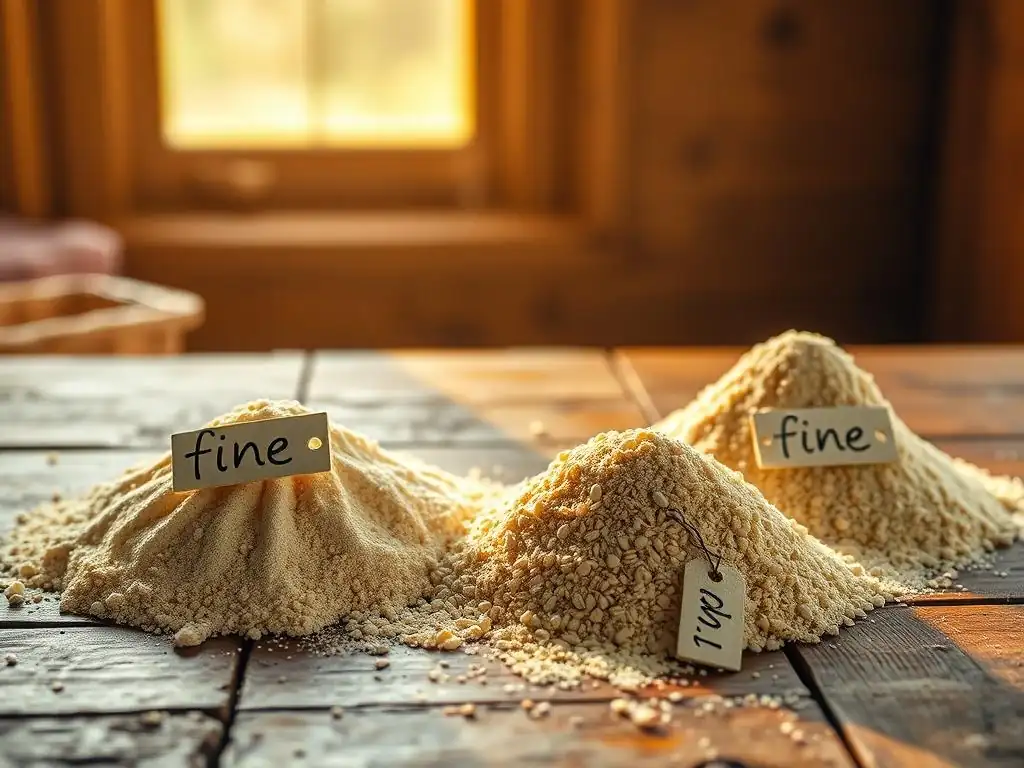
Selecting the appropriate cornmeal grind is crucial for achieving the desired texture in your baked goods. If you're aiming for a smooth, tender crumb, similar to a standard muffin or pancake, a fine grind is your best choice. It integrates smoothly into batters and contributes minimal noticeable texture. Think of delicate corn muffins or light corn pancakes.
For recipes where you want a noticeable, slightly crumbly texture – the classic characteristic of many cornbreads – a medium grind is ideal. It provides structure and a pleasant chew without being overly gritty. This is the go-to grind for most standard cornbread recipes and many quick breads. If, however, you seek a distinctly rustic, hearty texture with a pronounced chewiness, like in some traditional flatbreads or very rustic loaves, a coarse grind is necessary. It stands out in the final product, offering a robust mouthfeel.
Considering Flavor Profiles When Selecting Cornmeal
While texture is a primary consideration, the cornmeal grind also subtly influences the flavor profile of your baked goods. Generally, coarser grinds, especially those that are stone-ground and retain more of the corn kernel's components (germ and hull), tend to have a more intense, nuttier, and complex corn flavor. This robust flavor pairs well with savory dishes and hearty breads.
Finer grinds, being more processed, tend to have a milder, sweeter corn flavor. This makes them suitable for more delicate baked goods or those where the corn flavor should be a background note rather than dominant. When choosing your cornmeal, consider the overall flavor profile of your recipe – are you making a simple, sweet muffin where a subtle hint of corn is desired, or a rustic, savory cornbread where you want the full, earthy flavor of the corn to shine? This helps guide your choice of grind for optimal results in your cornmeal baking regional variations.
Tips for Working with Different Cornmeal Grinds
Working with different cornmeal grinds requires slightly different approaches to ensure optimal results. Regardless of grind, it's often beneficial to use fresh cornmeal, as it can go rancid due to its oil content. Store it in an airtight container in a cool, dark place, or preferably in the refrigerator or freezer for longer storage.
When using medium or coarse grinds, particularly in recipes with shorter baking times or less liquid, consider pre-soaking the cornmeal in hot liquid (water, milk, or buttermilk) for 10-30 minutes before adding it to the batter. This allows the larger particles to absorb moisture and soften, preventing a dry or gritty texture in the final product. For finer grinds, this step is usually unnecessary as they hydrate quickly within the batter. Always measure cornmeal accurately, preferably by weight (a cup of fine cornmeal weighs differently than a cup of coarse).
Cornmeal Baking Techniques for Achieving Optimal Results
Hydration and Cornmeal: Ensuring Proper Moisture
Proper hydration is perhaps the most critical factor when baking with cornmeal, especially when exploring various cornmeal baking regional variations. Cornmeal, particularly coarser grinds, absorbs liquid differently than wheat flour. Under-hydration can lead to a dry, crumbly, and gritty texture, while over-hydration can result in a dense, heavy product. The amount of liquid needed will vary significantly depending on the grind of the cornmeal and the desired outcome.
For instance, a classic Southern cornbread using medium grind and buttermilk requires a specific ratio of liquid to dry ingredients to achieve its tender, crumbly texture. Too little buttermilk, and it's dry; too much, and it's soggy.
Recipes often specify using hot liquid, especially with coarser grinds, as heat helps the starch granules in the cornmeal swell and soften more effectively, leading to a more tender crumb. Pay close attention to the recipe's liquid quantities and consider the cornmeal grind you are using – you might need to slightly adjust liquid based on whether your specific cornmeal is finer or coarser than the recipe intended.
Baking Temperatures and Cornmeal: Achieving the Perfect Bake
The correct baking temperature plays a significant role in the success of cornmeal baked goods. Cornbread, in particular, often benefits from baking at a relatively high temperature, typically between 375°F and 425°F (190°C to 220°C). High heat helps create a desirable crust, which is a hallmark of many cornmeal baking regional variations, especially when baked in a preheated cast-iron skillet. The high temperature quickly sets the structure and promotes browning.
For more delicate items like corn muffins or cakes made with fine cornmeal, a slightly lower temperature, around 350°F to 375°F (175°C to 190°C), might be more appropriate to ensure even cooking without over-browning or drying out the interior. The baking time will also depend on the size and thickness of the item. A thin layer of johnnycakes on a griddle cooks in minutes, while a thick cast-iron cornbread might take 20-25 minutes. Always test for doneness with a toothpick inserted into the center – it should come out clean or with a few moist crumbs.
Storing Cornmeal for Freshness and Flavor
Proper storage of cornmeal is essential to maintain its freshness and prevent it from becoming rancid, which can negatively impact the flavor of your baked goods. Due to the presence of the corn germ, which contains oils, cornmeal is more perishable than refined wheat flour. An opened bag of cornmeal stored at room temperature can start to develop off-flavors within a few months, especially in warm or humid conditions.
For optimal freshness, store cornmeal in an airtight container in a cool, dark pantry. For longer storage, such as for several months or up to a year, the refrigerator or freezer is recommended. This is particularly true for stone-ground cornmeal, which typically retains more of the germ. Freezing cornmeal will extend its shelf life considerably. Before using frozen cornmeal, allow it to come to room temperature to ensure accurate measurement and hydration, ensuring the best results for your cornmeal baking regional variations.
Elevating Your Cornmeal Baking: Expert Tips and Tricks
Adding Flavor to Cornmeal Dishes: Herbs, Cheese, Jalapeños
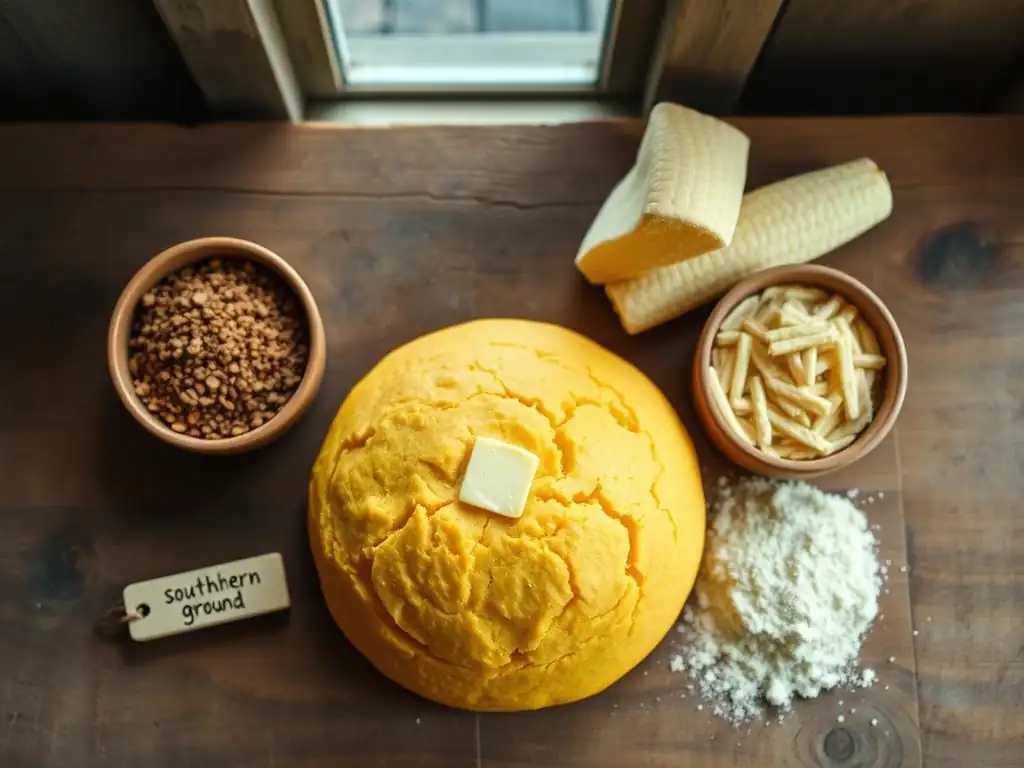
While cornmeal has a wonderful flavor on its own, incorporating additional ingredients can elevate your cornmeal baking and align it with specific cornmeal baking regional variations. Savory additions are particularly popular. In the South and Southwest, incorporating shredded cheese (like cheddar or Monterey Jack), chopped fresh or pickled jalapeños, roasted green chiles, or even kernels of fresh or creamed corn into cornbread or muffins adds layers of flavor and texture. A common ratio might be adding 1 cup of shredded cheese and 1/4 cup of chopped jalapeños to a standard 1.5 cup cornmeal cornbread recipe.
Fresh or dried herbs like chives, rosemary, or thyme can also complement the earthy flavor of cornmeal. Consider adding a tablespoon of finely chopped chives to corn muffins. For sweeter applications, additions like blueberries, cranberries, or citrus zest can brighten the flavor. Spices like cinnamon, nutmeg, or ginger are classic in New England's Indian pudding. Don't be afraid to experiment with mix-ins, keeping in mind the desired flavor profile and regional inspiration.
Exploring Gluten-Free Cornmeal Baking Options
For those seeking gluten-free baking alternatives, cornmeal is a valuable ingredient. Naturally gluten-free, it can be used on its own or in combination with other gluten-free flours to create delicious baked goods. Many traditional cornmeal recipes, particularly simple ones like classic johnnycakes (made only with cornmeal, water, and salt) or certain types of cornbread (using only cornmeal, leavening, liquid, and fat), are inherently gluten-free, representing natural cornmeal baking regional variations suitable for this dietary need.
When adapting recipes that originally called for wheat flour alongside cornmeal, substitute the wheat flour with a gluten-free blend or other gluten-free alternatives like rice flour, sorghum flour, or almond flour. The ratio will need adjustment, as gluten-free flours absorb liquid differently. For example, a recipe calling for equal parts cornmeal and wheat flour might require experimentation with a gluten-free blend or adding a binder like xanthan gum (typically 1/4 teaspoon per cup of gluten-free flour blend) to achieve the desired structure.
Mastering Regional Cornmeal Baking Techniques
Mastering cornmeal baking regional variations involves understanding not just the ingredients but also the specific techniques employed in different areas. For Southern cornbread, this means preheating the cast-iron skillet with fat until smoking hot before adding the batter to achieve a crispy crust. For New England johnnycakes, it involves using boiling water to hydrate the cornmeal and cooking them thin on a griddle.
Other techniques include not overmixing cornmeal batters, as this can develop toughness; ensuring the batter is the correct consistency (often like a thick pancake batter for muffins and cornbread, or much thinner for johnnycakes); and allowing the baked goods to cool slightly before slicing to let the crumb set. Paying attention to these regional nuances in technique, alongside selecting the correct cornmeal grind, is key to truly authentic results.
Beyond Cornbread: Expanding Your Cornmeal Baking Repertoire
Cornmeal Cakes and Muffins: Sweet and Savory Delights
Cornmeal's versatility extends far beyond the traditional loaf of cornbread, offering opportunities to create a range of sweet and savory cakes and muffins. Using fine or medium grind cornmeal in cake recipes can add a delicate crumb and a subtle, pleasant corn flavor that pairs surprisingly well with fruits like blueberries or citrus. A lemon-cornmeal cake, for instance, uses fine cornmeal to provide a unique texture and flavor dimension.
Savory cornmeal muffins are equally appealing. Incorporating ingredients like cheese, herbs, sun-dried tomatoes, or cooked bacon into a cornmeal batter (typically using medium grind) results in delicious accompaniments to soups, stews, or salads. These muffins are often less sweet than traditional breakfast muffins and highlight the savory potential of cornmeal, showcasing another facet of cornmeal baking regional variations.
Cornmeal Crusts and Toppings: Adding Texture and Flavor
Cornmeal can be effectively used to add texture and flavor to crusts and toppings for various baked goods. Substituting a portion of the flour in a pie or tart crust with fine or medium cornmeal provides a subtle corn flavor and a slightly tender, crumbly texture. This works particularly well for savory tarts or fruit pies that pair well with corn, like apple or blueberry. A ratio of 1/4 to 1/3 cornmeal to total flour is a good starting point for crusts.
For crumb toppings on muffins, crisps, or cobblers, adding a few tablespoons of medium or coarse cornmeal to the mixture of flour, sugar, butter, and spices creates a delightful crunch and visual interest. The cornmeal particles toast as they bake, enhancing their nutty flavor. This simple addition can elevate the texture profile of a standard topping.
Exploring beyond the familiar opens up a world of creative cornmeal baking applications. Cooked polenta (made from medium or coarse cornmeal) can be cooled, cut, and then baked or fried, sometimes incorporated into savory dishes. But leftover polenta can also be used to make polenta cakes – a simple batter often including eggs, cheese, and herbs, baked until set.
Cornmeal cookies offer a unique texture. Fine or medium grind cornmeal can be added to cookie doughs, resulting in cookies with a distinct sandy or slightly gritty texture and a pleasant corn flavor. Shortbread-style cookies incorporating cornmeal are particularly popular, offering a unique twist on a classic. These less common uses demonstrate the breadth of possibilities when working with different cornmeal grinds in baking, continuing the exploration of cornmeal baking regional variations in new forms.
Frequently Asked Questions
What are the primary types of cornmeal and how do they differ?
The main types are coarse, medium, and fine cornmeal. The difference lies in the texture of the ground corn, impacting the final product's crumb and overall feel. Polenta typically uses coarse cornmeal.
How does the grind of cornmeal affect the texture of baked goods?
The grind significantly impacts texture. Coarse cornmeal creates a rustic, hearty texture, while fine cornmeal produces a smoother, more delicate result. Choosing the right grind is crucial for achieving the desired outcome.
Why are regional variations important when considering cornmeal baking?
Different regions often favor specific cornmeal grinds. For example, Southern cornbread typically uses a coarser grind, while Northern versions might use a finer grind. Understanding these variations helps achieve authentic regional flavors.
Can I substitute different cornmeal grinds in a recipe?
While substitution is possible, it can alter the final product. Using a finer grind when a coarser one is called for might result in a denser texture. Experiment cautiously and adjust other ingredients if needed.
Where can I find high-quality cornmeal for regional baking?
Look for stone-ground cornmeal from local mills or specialty stores. These often retain more of the corn's natural oils and flavor, contributing to a richer, more authentic taste. Check online retailers for regional varieties as well.
Final Reflection: The Enduring Power of Cornmeal, Ground in Tradition
The subtle differences in cornmeal grinds are not mere culinary details; they are the very foundation upon which diverse regional baking traditions are built. Understanding these variations unlocks a deeper appreciation for the artistry and ingenuity of bakers across the globe, revealing a rich tapestry of flavors and textures shaped by geography, history, and cultural exchange. This knowledge is more than just a recipe; it's a key to understanding the stories embedded within our food.
The impact of cornmeal's versatility on culinary landscapes is profound and ongoing. From the delicate sweetness of a Southern cornbread to the hearty texture of a Mexican arepa, cornmeal's adaptability reflects the ingenuity of human interaction with its environment. Food is symbolic of love when words are inadequate.
- Alan D. Wolfelt. This quote speaks to the heart of what cornmeal baking represents: a connection to place, people, and the enduring power of shared culinary heritage. The subtle shifts in grind size, from coarse to fine, represent not just a textural difference, but a cultural one, reflecting the unique stories and traditions of each region.
Consider the impact of your next baking project. Will you choose a familiar recipe, or will you venture into the unknown, exploring a new regional style using a specific cornmeal grind? Embrace the challenge of experimenting with different textures and flavors, and discover the rich history and cultural significance woven into each grain.
By understanding the nuances of cornmeal, you unlock a world of culinary possibilities and deepen your connection to the rich tapestry of global food traditions. Let the journey of cornmeal baking be a testament to the power of tradition, innovation, and the enduring spirit of culinary exploration.
Unleash Your Inner Baker: Master the Art of Cornmeal!
Thanks for taking the time to explore the fascinating world of cornmeal grinds! You've now gained the knowledge to elevate your baking to a whole new level of authenticity. Ready to put your newfound expertise into practice?
- Bake your first regional cornbread masterpiece: Choose a recipe featuring your favorite newly discovered cornmeal grind and get baking! This is your chance to truly taste the difference.
- Share your baking journey: Post a photo of your creation on social media using #BakeWithEaseCornmeal and tag @BakeWithEase (fictional social media handle) – let's inspire others!
- Dive deeper into cornmeal varieties: Explore different types of corn and their unique flavor profiles. What other regional variations will you try?
What unique regional cornbread recipe will you tackle next? Let's discuss your baking adventures in the comments below!