
Simple Sauces to Transform Your Plated Desserts

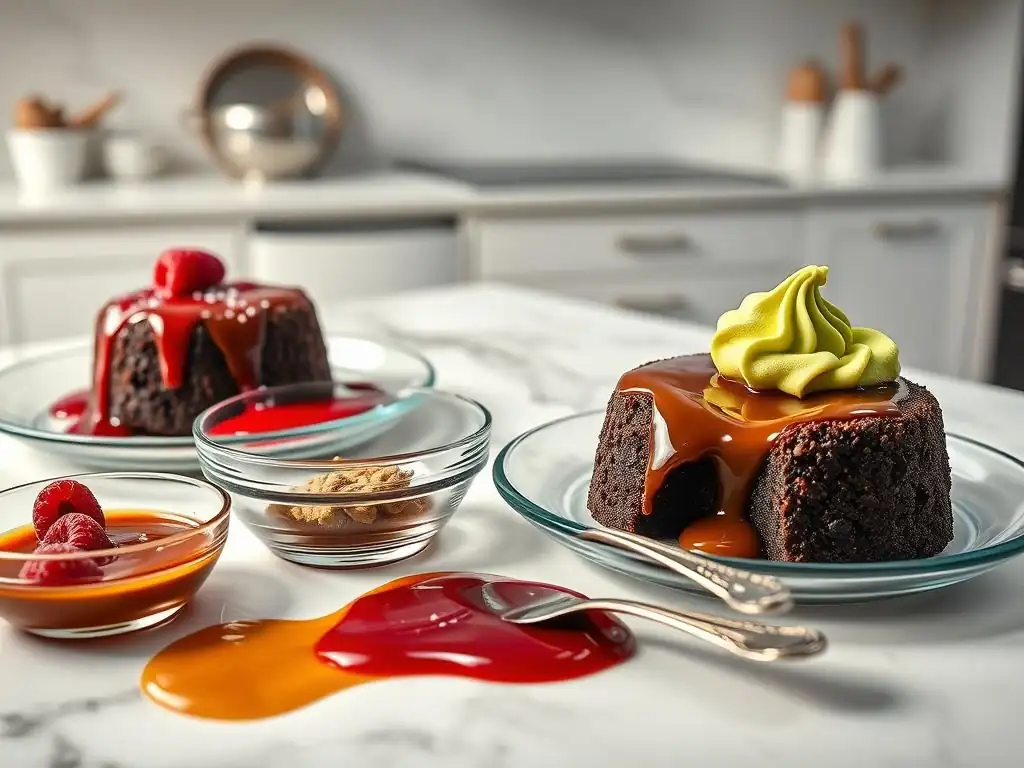
Welcome to BakeWithEase, your trusted guide to creating culinary masterpieces! Ever wondered how to elevate your plated desserts from simple to stunning? Dive into our latest article and discover the secrets to crafting easy plated dessert sauces that will not only tantalize the taste buds but also add a professional touch to your baking creations. Prepare to unlock a world of flavor and finesse – your dessert game is about to level up!
- Simple Sauces to Transform Your Plated Desserts - BakeWithEase
- Elevate Your Desserts with Easy Plated Dessert Sauces
- Mastering the Art of Quick Dessert Sauces: Recipes for Every Baker
- Beyond the Basics: Creative Dessert Sauce Ideas
- Plating Techniques: Showcasing Your Easy Dessert Sauces
- Troubleshooting Common Dessert Sauce Problems
- Storing Your Homemade Dessert Sauces for Optimal Freshness
- Easy Plated Dessert Sauces: A Conclusion
-
Frequently Asked Questions
- What are some easy plated dessert sauces that a beginner baker can try?
- Where can I find easy-to-find ingredients for these sauces?
- How can these simple sauces enhance my plated desserts?
- Are there any step-by-step guides available for making these sauces?
- Can I adjust the sweetness or thickness of these easy plated dessert sauces to my liking?
- Final Reflection: The Unexpected Joy of Simple Sauces
- Unlock Your Dessert's Full Potential!
Simple Sauces to Transform Your Plated Desserts - BakeWithEase
Elevate Your Desserts with Easy Plated Dessert Sauces
Why Sauces are Essential for Plated Desserts
Adding a sauce to a plated dessert is much more than just an extra drizzle; it's a fundamental element that elevates the entire experience. Sauces contribute significantly to the flavor profile, introducing complementary or contrasting tastes that can brighten, deepen, or balance the sweetness of the main dessert.
Think of a tart raspberry coulis cutting through the richness of a chocolate lava cake, or a warm caramel sauce adding comforting depth to a simple apple tart. These additions don't just sit on the plate; they interact with the dessert, enhancing every bite and creating a more complex and satisfying taste sensation for your guests.
Beyond just flavor, sauces play a crucial role in the texture and visual appeal of a plated dessert. A smooth, glossy sauce can add a luxurious mouthfeel, while a slightly thicker coulis might offer a pleasant contrast to a creamy base. Visually, sauces provide color, shine, and structure to the plate. A vibrant red berry sauce or a deep brown chocolate sauce can transform a plain white panna cotta or a beige crumble into a visually stunning creation. Mastering these easy plated dessert sauces allows you to add professional polish and complexity to even the simplest baked goods.
Understanding Different Types of Dessert Sauces
Dessert sauces come in various forms, each offering unique characteristics in terms of texture, flavor, and application. Common types include fluid sauces like chocolate or caramel, which are typically poured or drizzled; fruit coulis, which are smooth purées of fruit; and thicker sauces or curds, like lemon curd, which can be spooned or piped. The consistency is key; a sauce that is too thick can dominate the plate, while one that is too thin might run everywhere and fail to coat the dessert properly. Achieving the right viscosity is crucial for both aesthetic presentation and flavor delivery.
Understanding the composition helps in mastering these easy plated dessert sauces. Many cooked sauces, like caramel or chocolate ganache-based sauces, rely on careful temperature control and emulsification to achieve their smooth, glossy finish. Fruit coulis, on the other hand, often require straining to remove seeds and fibers, resulting in a silken texture. Curds rely on egg yolks and gentle heat to thicken into a rich, spoonable consistency. By familiarizing yourself with the basic principles behind these different types, you gain the confidence to create versatile sauces that pair beautifully with a wide range of plated desserts.
Mastering the Art of Quick Dessert Sauces: Recipes for Every Baker
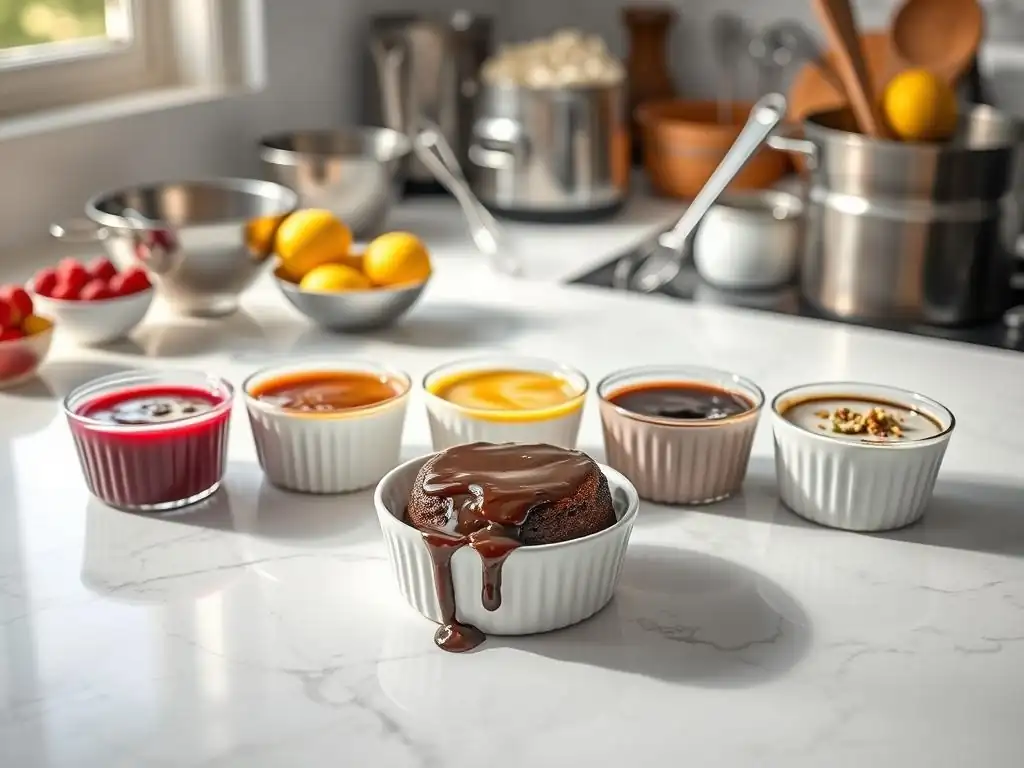
Classic Chocolate Sauce: A Timeless Plated Dessert Companion
A rich, glossy chocolate sauce is perhaps the most universally loved accompaniment for plated desserts. Its deep, slightly bitter notes provide a wonderful contrast to sweet pastries, fruits, and creams. This versatile sauce can be served warm, where its fluidity makes it perfect for drizzling, or at room temperature, where it might be slightly thicker and more decadent. It's incredibly forgiving and quick to make, making it an ideal choice for enhancing easy plated dessert sauces.
This simple recipe relies on just a few basic ingredients, primarily chocolate and cream, sometimes with a touch of sweetener or flavoring. The key is using good quality chocolate, as its flavor will be the star. Whether you opt for semi-sweet, dark, or even milk chocolate, the result is a luxurious sauce ready in minutes. This batch typically yields about 1.5 cups of sauce, enough for several servings.
Ingredients for the Perfect Chocolate Sauce
- 8 ounces (about 225g) good quality chocolate, chopped
- 1 cup (240ml) heavy cream
- 1 tablespoon granulated sugar (optional, adjust based on chocolate sweetness)
- 1 teaspoon vanilla extract (optional)
- Pinch of salt (optional, enhances chocolate flavor)
Step-by-Step Chocolate Sauce Recipe
- Place the chopped chocolate in a heatproof bowl.
- In a small saucepan, heat the heavy cream and sugar (if using) over medium heat until it just begins to simmer around the edges, about 180°F (82°C). Do not boil vigorously.
- Pour the hot cream over the chopped chocolate in the bowl. Let stand for 2-3 minutes to allow the chocolate to melt.
- Gently whisk the mixture starting from the center, working your way outwards, until completely smooth and glossy.
- Stir in the vanilla extract and salt (if using).
- Serve warm or at room temperature.
Luscious Caramel Sauce: Adding Warmth and Depth
Caramel sauce brings a comforting warmth and complex depth of flavor to plated desserts, making it a staple in the repertoire of easy plated dessert sauces. Its rich, buttery sweetness pairs exceptionally well with apples, pears, chocolate, and vanilla. Making caramel can seem intimidating, but with a few simple tips, you can achieve a perfect, smooth sauce every time.
The process involves heating sugar until it caramelizes, then carefully adding butter and cream. The color of the caramel is crucial; a pale caramel will be too sweet, while a too-dark caramel can taste burnt. Aim for an amber or copper color for the best flavor. This recipe typically yields about 1 cup of sauce.
Making Caramel Sauce: Tips and Tricks
- Use a heavy-bottomed saucepan to ensure even heating and prevent burning.
- Do not stir the sugar and water mixture while it boils; gently swirl the pan if needed. Stirring can cause crystallization.
- Have your butter and cream measured and ready to go before the sugar caramelizes, as the process happens quickly once the color starts to change.
- Be extremely careful when adding butter and cream; the mixture will bubble up vigorously.
- Whisk quickly after adding butter and cream to emulsify the sauce.
Variations of Caramel Sauce for Plated Desserts
Once you've mastered the basic caramel sauce, you can easily create variations to match different plated desserts. Salted caramel sauce is incredibly popular; simply stir in 1/2 teaspoon of sea salt (or to taste) after adding the cream. For a festive touch, add a splash of bourbon or rum (about 1-2 tablespoons) after the cream, simmering for a minute to cook off the alcohol. A spiced caramel sauce can be made by infusing the cream with cinnamon sticks, star anise, or cardamom pods before heating it.
Vibrant Raspberry Coulis: A Fresh and Fruity Delight
A raspberry coulis is a simple, uncooked or lightly cooked sauce made from puréed fruit. It's wonderfully bright, slightly tart, and visually stunning, offering a refreshing counterpoint to rich or creamy plated desserts like cheesecakes, panna cottas, or chocolate tarts. This easy plated dessert sauce takes minimal effort and requires no complex cooking techniques.
The key to a vibrant coulis is using ripe, flavorful fruit. While fresh raspberries are ideal, frozen raspberries work beautifully and are often more readily available and consistent in quality throughout the year. The process involves little more than blending the fruit and straining it to remove seeds. This recipe yields about 1.5 cups.
Choosing the Best Raspberries for Your Coulis
Whether fresh or frozen, select raspberries that are bright in color and have a strong aroma. Fresh raspberries should be plump and firm, not mushy. If using frozen raspberries, allow them to thaw slightly before blending for a smoother purée. Using high-quality fruit ensures the coulis is bursting with natural flavor without needing excessive sugar.
Raspberry Coulis Recipe: A Simple Guide
- Combine 2 cups (about 250g) fresh or thawed frozen raspberries, 2-4 tablespoons granulated sugar (adjust to taste based on fruit sweetness), and 1-2 tablespoons lemon juice in a blender or food processor.
- Blend until completely smooth.
- Strain the purée through a fine-mesh sieve set over a bowl, pressing with a spoon or spatula to extract as much liquid as possible while leaving the seeds behind.
- Taste and adjust sweetness or tartness if necessary.
- Serve immediately or chill.
Tangy Lemon Curd: A Zesty Addition to Plated Desserts
Lemon curd is a classic, intensely flavorful sauce that is rich, tangy, and smooth. Its bright, citrusy profile makes it a fantastic partner for everything from scones and cakes to meringues and tarts. While slightly more involved than a simple coulis or ganache, mastering this easy plated dessert sauce is well worth the effort for its luxurious texture and vibrant taste.
The secret to a smooth lemon curd lies in gentle, controlled heating and constant stirring. It’s essentially a custard thickened with egg yolks, sugar, and butter, flavored intensely with lemon juice and zest. Overheating will result in scrambled eggs, so a double boiler or very low heat is essential. This recipe makes about 1.25 cups.
The Secret to a Smooth Lemon Curd
Achieving a silky-smooth texture requires patience and care. Cooking the curd over a double boiler (a bowl set over a pot of simmering water) provides gentle, even heat that prevents the eggs from cooking too quickly and curdling. Constant whisking is also crucial; this ensures the eggs cook evenly and the curd thickens smoothly without lumps. Straining the finished curd through a fine-mesh sieve is an extra step that guarantees a perfectly smooth result.
Lemon Curd Recipe for Plated Desserts
- In a medium heatproof bowl, whisk together 3 large egg yolks, 1 large whole egg, 1/2 cup (100g) granulated sugar, and the zest of 1-2 large lemons.
- Whisk in 1/3 cup (80ml) fresh lemon juice.
- Set the bowl over a saucepan containing about an inch of simmering water (ensure the bottom of the bowl doesn't touch the water).
- Whisk constantly over medium-low heat until the mixture thickens enough to coat the back of a spoon (reaching about 170°F or 77°C), approximately 8-10 minutes. Do not let it boil.
- Remove from heat and whisk in 4 tablespoons (57g) cold unsalted butter, cut into small pieces, one piece at a time, until fully incorporated and the curd is smooth and glossy.
- For extra smoothness, strain the curd through a fine-mesh sieve into a clean bowl.
- Cover the surface directly with plastic wrap to prevent a skin from forming and chill until cold and set, at least 2 hours.
Beyond the Basics: Creative Dessert Sauce Ideas
Spiced Cranberry Sauce for Holiday Desserts
Move beyond the Thanksgiving table! A spiced cranberry sauce, slightly thinned, makes a fantastic, festive easy plated dessert sauce. Its tartness is wonderful with rich holiday cakes, gingerbread, or even chocolate. Simmer fresh or frozen cranberries with sugar, orange zest, cinnamon sticks, and a touch of ginger until they burst and the sauce thickens slightly. A quick purée and optional straining results in a vibrant, flavorful sauce perfect for winter plated desserts.
Espresso Sauce for Chocolate and Coffee Desserts
For coffee lovers, an espresso sauce is a dream come true. This sauce is essentially a variation of chocolate ganache, but with a strong infusion of espresso. Heat cream and dissolve instant espresso powder or stir in very strong brewed espresso, then pour over chopped chocolate. The result is a rich, slightly bitter sauce with a pronounced coffee flavor that pairs exceptionally well with chocolate cakes, tiramisu-inspired desserts, or even vanilla bean ice cream.
Maple Bourbon Sauce: A Sophisticated Flavor
Combine the comforting sweetness of maple syrup with the warmth of bourbon for a sophisticated easy plated dessert sauce. This sauce is excellent with pecan pie, bread pudding, or apple desserts. Simmer maple syrup with a touch of butter and a splash of good quality bourbon. Reduce slightly until it reaches a syrupy consistency. The alcohol adds a complex, grown-up note that elevates simple flavors.
Plating Techniques: Showcasing Your Easy Dessert Sauces
Sauce Placement: Drizzles, Swirls, and Pools
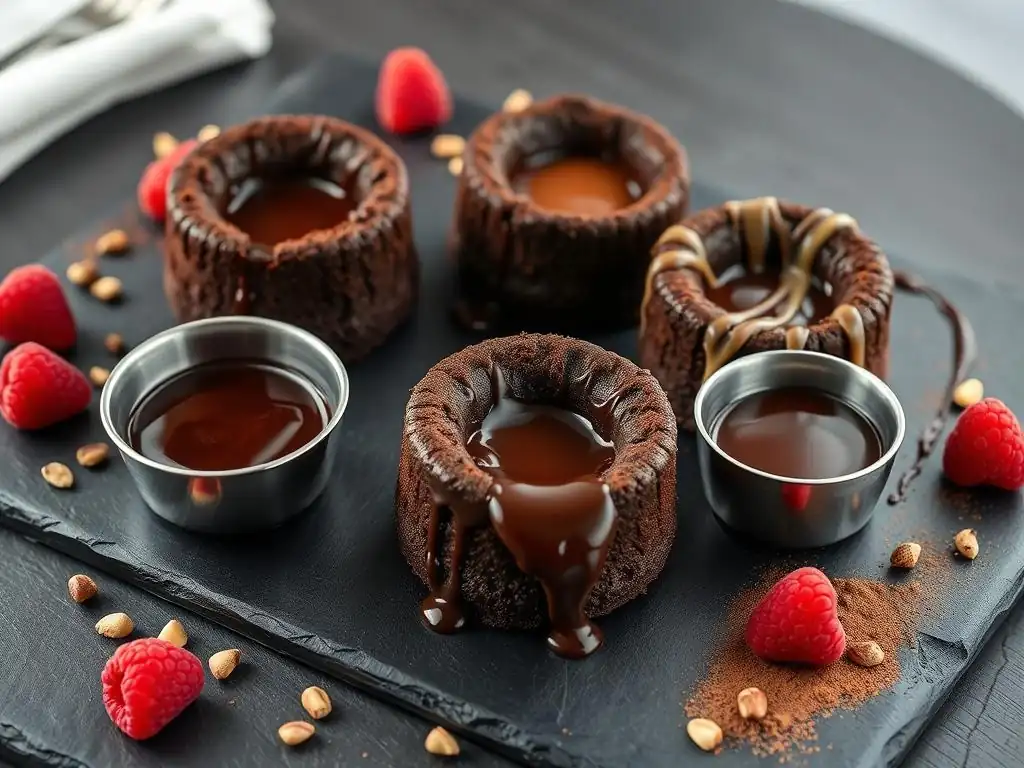
How you apply your easy plated dessert sauces can dramatically impact the final presentation. Simple techniques like a casual drizzle over a scoop of ice cream or a slice of cake are quick and effective. For a more refined look, consider creating a pool of sauce on the plate before placing the dessert on top, or using a spoon to make a swirl or smear across the plate's surface. Practice makes perfect, but even a simple technique like letting chocolate sauce cascade down the side of a dessert can look stunning.
Using squeeze bottles or piping bags with fine tips allows for greater control and intricate patterns, such as zigzags, dots, or fine lines. Alternatively, a simple spoon can be used to create elegant swooshes or broad strokes. The key is to consider the texture and color of both the dessert and the sauce, using the sauce to create visual interest and guide the eye.
Combining Sauces for Visual Appeal
Don't limit yourself to just one sauce! Combining two different easy plated dessert sauces can create beautiful marbled effects and offer guests a choice of flavors. A classic pairing is chocolate sauce and raspberry coulis, which can be swirled together on the plate for a striking contrast of color and flavor. Another option is a pool of caramel sauce with a drizzle of chocolate sauce over the top.
To combine sauces effectively, apply them to the plate separately and then gently swirl them together using a toothpick or the tip of a knife. Ensure the sauces have slightly different viscosities or colors for the best effect. This technique adds complexity and visual dynamism, turning a simple dessert into a work of art with minimal extra effort.
Garnishing with Sauces: A Finishing Touch
Sauces can also serve as a liquid garnish, providing the final flourish to your plated desserts. A few dots of a contrasting colored sauce around the edge of the plate, or a small pool beneath a key element, can draw attention and add pops of color. For instance, a few dots of bright yellow lemon curd can brighten a dark chocolate dessert.
Consider using a small spoon or a squeeze bottle to place precise dots or lines of sauce. You can even drag a toothpick through the dots to create small hearts or teardrop shapes. This level of detail with your easy plated dessert sauces shows attention to detail and professional finesse, making your homemade creations feel truly special.
Troubleshooting Common Dessert Sauce Problems
Sauce Too Thick? Here's How to Thin It
If your easy plated dessert sauce, such as a chocolate ganache or caramel sauce, has become too thick upon cooling or storage, you can often thin it out gently. The best way is typically to warm it slightly. For chocolate or caramel sauces, gently heat the sauce in a small saucepan over very low heat or in a microwave on low power, stirring frequently, until it reaches the desired consistency.
If warming isn't enough, or if the sauce is still too thick after warming, you can carefully whisk in a small amount of liquid. For chocolate or caramel sauces, a tablespoon or two of warm milk, cream, or even hot water added gradually while whisking can help. For fruit coulis that are too thick, a little water or fruit juice can be stirred in. Start with a small amount, like one teaspoon, and add more only if necessary to avoid making it too thin.
A sauce that is too thin won't coat your dessert properly or stay where you plate it. Thickening methods depend on the type of easy plated dessert sauce. For cooked sauces like caramel or chocolate, returning it to very low heat and gently simmering for a few minutes, stirring constantly, can help reduce some of the liquid and thicken it slightly. Be cautious not to scorch the sauce.
For sauces that rely on starch or eggs (like lemon curd), if it hasn't thickened sufficiently during the initial cooking, it can be tricky to fix without re-cooking very gently over a double boiler while whisking vigorously, hoping the eggs will thicken further without curdling. For fruit coulis, you can try returning it to a saucepan and simmering gently for a few minutes to reduce excess liquid, or for a quick fix, stir in a tiny pinch of cornstarch mixed with a little cold water, then heat briefly to activate the starch.
Preventing Lumpy Sauces: Tips for Smoothness
Lumps in easy plated dessert sauces can be frustrating, but they are often preventable. For sauces involving melting chocolate (like ganache), ensure the hot cream is poured over finely chopped chocolate and allowed to sit for a few minutes before whisking; this ensures the chocolate is fully melted and ready to emulsify smoothly. Whisking gently from the center outwards helps create a smooth emulsion.
For cooked sauces like caramel, crystallization (sugar lumps) is a common issue. Prevent this by not stirring the sugar/water mixture while it boils and ensuring the sides of the pan are clean (brushing down with a wet pastry brush can help). For egg-based sauces like lemon curd, lumps are usually curdled egg. Prevent this by cooking over gentle heat (double boiler is best) and whisking constantly. If lumps do occur in any sauce, straining it through a fine-mesh sieve is often the best way to achieve a perfectly smooth finish.
Storing Your Homemade Dessert Sauces for Optimal Freshness
Proper Storage Containers and Methods
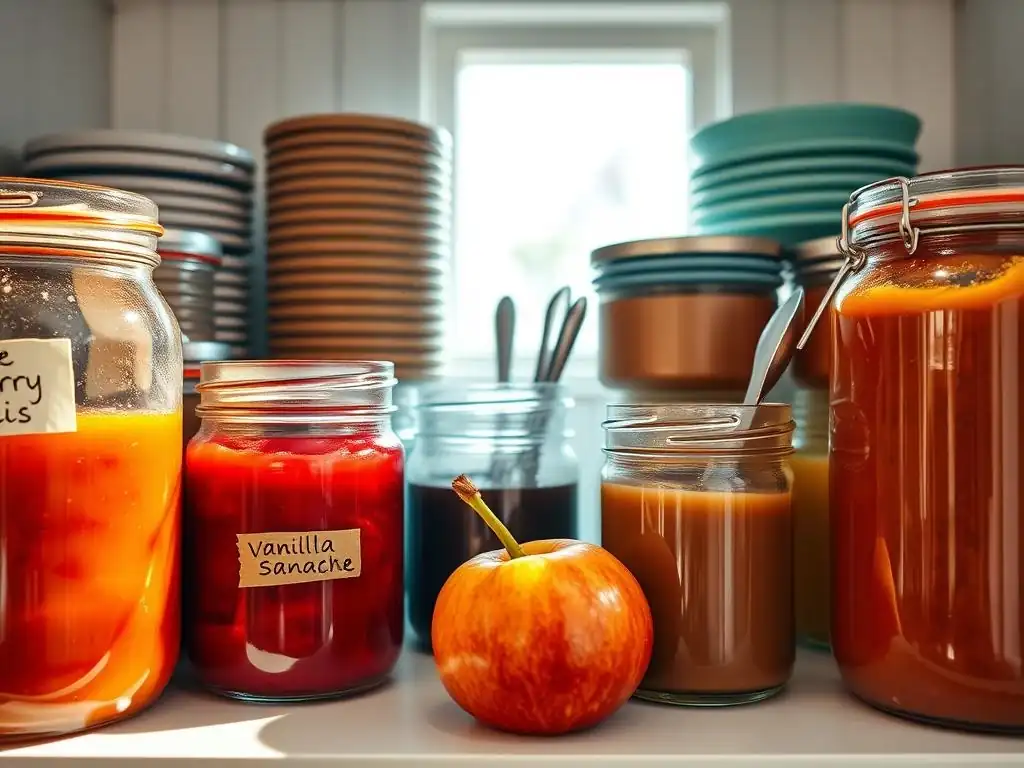
Proper storage is key to enjoying your easy plated dessert sauces for as long as possible. Always store sauces in airtight containers to prevent them from absorbing odors from the refrigerator and to maintain their quality. Glass jars or plastic containers with tight-fitting lids work well. Ensure the sauce has cooled completely before transferring it to the storage container and refrigerating.
For sauces like lemon curd or ganache, which can form a skin, pressing a layer of plastic wrap directly onto the surface of the sauce before covering the container can help maintain a smooth texture. Labeling the container with the type of sauce and the date it was made is also a good practice to keep track of freshness.
Shelf Life of Different Dessert Sauces
The shelf life of homemade easy plated dessert sauces varies depending on their ingredients. Sauces made primarily with sugar and fruit, like fruit coulis, typically last about 5-7 days in the refrigerator. Dairy-based sauces, such as chocolate ganache or caramel sauce, generally have a slightly shorter shelf life, usually around 1-2 weeks in the refrigerator, due to the cream content.
Egg-based sauces like lemon curd tend to be the most perishable and are best consumed within 1-2 weeks when stored properly in the refrigerator. Freezing is also an option for extending the life of many sauces, such as chocolate, caramel, and fruit coulis, often for up to 2-3 months. Thaw frozen sauces in the refrigerator overnight and whisk well before use, warming gently if needed.
Easy Plated Dessert Sauces: A Conclusion
Adding a simple, homemade sauce is one of the most effective ways to elevate your plated desserts from ordinary to extraordinary. Whether it's the timeless appeal of a classic chocolate sauce, the comforting warmth of caramel, the bright zest of lemon curd, or the vibrant freshness of a raspberry coulis, these easy plated dessert sauces offer endless possibilities for enhancing flavor, texture, and visual appeal.
With just a few basic ingredients and techniques, you can transform your baked goods into stunning, professional-looking creations that are sure to impress. Don't underestimate the power of the drizzle – it's a baker's secret weapon for truly memorable plated desserts.
Frequently Asked Questions
What are some easy plated dessert sauces that a beginner baker can try?
Beginner bakers can start with simple sauces like a berry coulis (made with blended berries and sugar), a basic chocolate sauce (using chocolate chips, cream, and butter), or a quick caramel sauce (sugar, butter, and cream).
Where can I find easy-to-find ingredients for these sauces?
Most of the ingredients for these sauces, such as berries, chocolate chips, sugar, butter, and cream, are available at any local grocery store. You might also find specialty ingredients at baking supply stores.
How can these simple sauces enhance my plated desserts?
These sauces add flavor, moisture, and visual appeal to plated desserts. They can be drizzled, swirled, or used as a base to complement the main dessert element, creating a more sophisticated presentation.
Are there any step-by-step guides available for making these sauces?
Yes, BakeWithEase.com offers step-by-step guides for various dessert sauces, including detailed instructions and photos to ensure success, even for first-time sauce makers.
Can I adjust the sweetness or thickness of these easy plated dessert sauces to my liking?
Absolutely! You can adjust the sweetness by adding more or less sugar. To thicken the sauce, you can simmer it longer to reduce the liquid or add a cornstarch slurry (cornstarch mixed with cold water).
Final Reflection: The Unexpected Joy of Simple Sauces
The art of plating desserts is often perceived as overly complicated, but the truth is, a few simple sauces can elevate even the humblest creation into a culinary masterpiece. This article has explored the transformative power of easy-to-make sauces, demonstrating how a touch of creativity can dramatically enhance the visual appeal and flavor profile of your plated desserts. The ease of these recipes makes them accessible to everyone, regardless of skill level, proving that sophisticated desserts don't require hours of painstaking work.
The impact of visually appealing food on our dining experience is undeniable. A beautifully plated dessert not only satisfies our taste buds but also engages our senses, creating a more memorable and enjoyable experience. The pleasure of food is often as much about the eye as it is the palate.
This quote perfectly encapsulates the essence of this article's exploration into the power of simple sauces. From the classic chocolate sauce to the surprising zest of a citrus curd, each recipe presented offers a unique opportunity to personalize and elevate your dessert game, proving that sometimes, less is truly more.
Now, I invite you to experiment! Don't be afraid to try these simple recipes, adapt them to your own tastes, and discover the joy of transforming your everyday desserts into works of art. The next time you're preparing a dessert, consider the power of a well-chosen sauce – it's a small detail that can make a world of difference, adding a layer of sophistication and delight that will leave a lasting impression on you and your guests. Embrace the simplicity, embrace the creativity, and embrace the delicious results.
Unlock Your Dessert's Full Potential!
Thanks for joining us on this delicious journey through the world of simple sauces! We hope you've discovered some new ways to elevate your desserts to the next level. Ready to take your baking to new heights?
- Try out one (or all!) of the featured sauces this week: Pick your favorite recipe and give it a whirl. We'd love to see your creations!
- Share your dessert masterpieces on social media using #BakeWithEaseSauces. Let's inspire each other!
- Challenge yourself to create a unique sauce variation: Use the techniques we've shared to experiment with different flavors and ingredients. What surprising combinations can you dream up?
What unexpected flavor combination will you create to surprise your tastebuds next?