
Your First Elegant Plated Dessert: A StepbyStep Guide

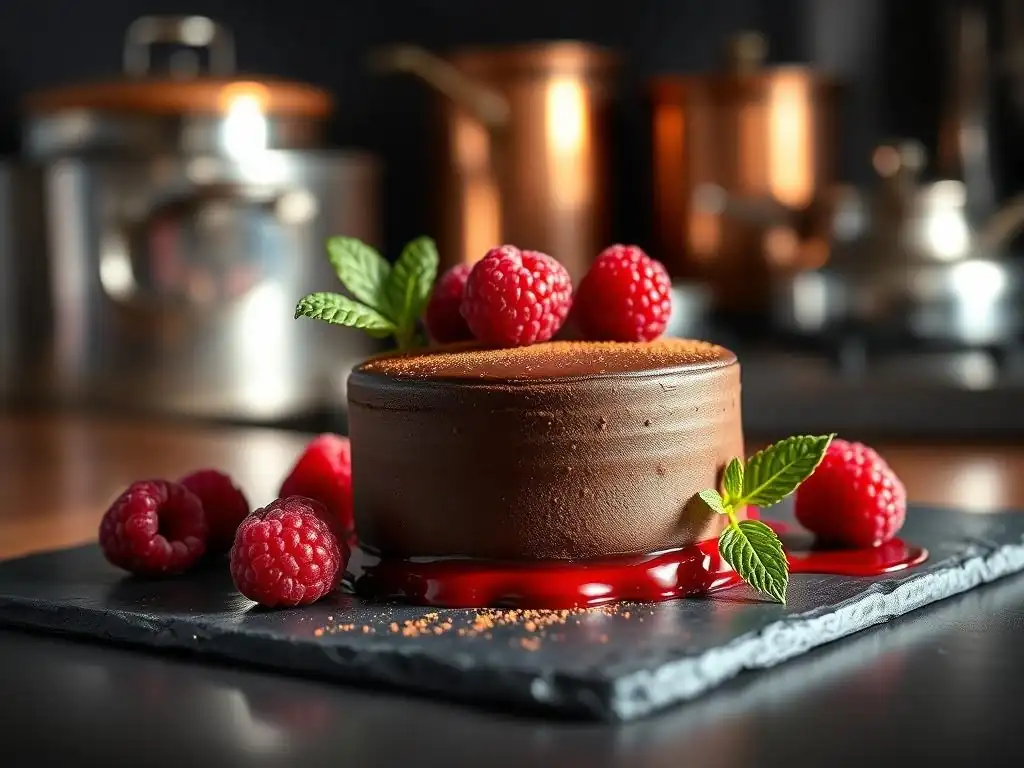
Welcome to BakeWithEase, your haven for effortless baking! Ever dreamt of crafting desserts that look as stunning as they taste? Dive into our world of elegant plated dessert recipes and discover how to create restaurant-worthy masterpieces in your own kitchen. Uncover the secrets behind perfect presentation and delicious flavor combinations – your culinary adventure starts now!
- Creating a Visually Stunning Dessert Plate: A Step-by-Step Guide
- Introduction to Dessert Plating
- Step 1: Selecting a Dessert Recipe
- Step 2: Component Preparation
- Step 3: Plating Techniques
- Step 4: Dessert Assembly
- Step 5: Tips for Perfect Plating
- Advanced Plating Techniques
- Conclusion: Enjoying Your Masterpiece
-
Frequently Asked Questions
- What exactly defines an elegant plated dessert according to BakeWithEase?
- How difficult are the "Elegant Plated Dessert Recipes" on BakeWithEase for a beginner baker?
- Where can I find the step-by-step guides mentioned on BakeWithEase for these desserts?
- Does BakeWithEase offer variations or substitutions for ingredients in the elegant plated dessert recipes?
- What kind of desserts can I expect to find under the "Elegant Plated Dessert Recipes" category on BakeWithEase?
- Final Reflection: The Art and Joy of Elegant Plated Desserts
- Unleash Your Inner Pastry Chef!
Creating a Visually Stunning Dessert Plate: A Step-by-Step Guide
Introduction to Dessert Plating
What is Dessert Plating?
Dessert plating is the art of arranging dessert components on a plate to create an aesthetically pleasing and harmonious presentation. It's more than just putting food on a dish; it involves considering color, texture, shape, and space to tell a visual story and enhance the diner's experience before they even take the first bite. Think of it as painting with food, where each element, from a dollop of cream to a sprinkle of zest, plays a crucial role in the overall composition. Mastering this skill is key to elevating simple baking into truly memorable elegant plated dessert recipes.
Effective dessert plating transforms a delicious treat into a feast for the eyes, significantly impacting how the dessert is perceived and enjoyed. It involves thoughtful arrangement, strategic use of garnishes, and an understanding of how different textures and colors interact on the plate. This intentional design process ensures that each component is not only delicious on its own but also contributes to a balanced and beautiful final presentation. It’s the finishing touch that distinguishes a home-baked good from an elegant plated dessert found in a fine restaurant.
The Importance of Visual Appeal in Desserts
The visual appeal of a dessert is often the first impression it makes, setting expectations and influencing the diner's perception of its taste and quality. A beautifully plated dessert signals care, skill, and attention to detail, suggesting that the flavors and textures within will be equally refined. Studies in food psychology have shown that presentation can significantly enhance the perceived deliciousness of food, making the effort invested in plating well worth it for any aspiring baker or pastry enthusiast looking to create stunning elegant plated dessert recipes.
Beyond the initial impression, strong visual appeal enhances the overall dining experience. It encourages diners to pause, admire the creation, and engage with the dessert on a multi-sensory level. A striking presentation can also make a dessert more shareable and memorable, especially in the age of social media where food photography is prevalent. For home bakers, practicing plating techniques is a fantastic way to add a professional touch and elevate their creations, making even familiar elegant plated dessert recipes feel fresh and exciting.
This Guide: Mastering Dessert Presentation
This guide will walk you through the process of creating your first elegant plated dessert, focusing on techniques that are accessible to home bakers. We'll break down the steps from choosing the right recipe to applying the final garnishes, using a classic dessert as our example. Our goal is to demystify the art of plating and provide you with actionable steps to transform your delicious baked goods into stunning visual masterpieces.
By following this guide, you'll learn how to think like a pastry chef when it comes to presentation. You'll discover how simple elements like sauces, crumbs, and fresh fruit can dramatically change the look of a dessert. We'll provide specific tips and techniques that you can apply not only to the example dessert but also adapt for your own favorite elegant plated dessert recipes, helping you build confidence and creativity in your baking and plating journey.
Step 1: Selecting a Dessert Recipe
Choosing a Recipe Based on Skill Level
When starting with elegant plated dessert recipes, it's wise to choose a recipe that aligns with your current baking skill level. A complex dessert with many intricate components might be overwhelming for a beginner. Look for recipes that feature distinct elements that can be prepared separately and then artfully combined on the plate. A good starting point might be a dessert with a baked base, a sauce or compote, and a simple garnish.
Consider recipes you've successfully made before or those with clear, step-by-step instructions. Many elegant plated dessert recipes build upon foundational baking skills like making pastry dough, whipping cream, or preparing a fruit sauce. Focusing on perfecting the individual components first will make the plating process much smoother and less stressful, allowing you to concentrate on the visual aspect rather than troubleshooting the baking itself.
Balancing Flavors and Textures
A truly memorable dessert, whether simply served or elegantly plated, achieves a balance of flavors and textures. When selecting a recipe for plating, think about how different elements will complement each other. A rich, creamy component might be balanced by something acidic or crunchy. Sweetness needs contrast, perhaps from a tart fruit or a hint of salt.
For example, pairing a smooth chocolate ganache with a crisp cookie or a tart raspberry coulis provides delightful textural and flavor contrasts. Considering these interactions before you start baking is crucial for creating elegant plated dessert recipes that are not only beautiful but also delicious and well-rounded. Aim for a variety: something soft, something crunchy, something creamy, something fruity, perhaps something airy.
Lemon Tart with Meringue Kisses and Blackberry Compote
For our first elegant plated dessert, we'll use a classic Lemon Tart as the base, complemented by delicate Meringue Kisses and a vibrant Blackberry Compote. This combination offers a wonderful interplay of textures—the crisp pastry, smooth lemon curd, chewy meringue, and slightly chunky compote. The flavors are also well-balanced: the tartness of the lemon and blackberries cuts through the sweetness of the meringue and the richness of the curd.
This specific dessert is an excellent choice for beginners in elegant plated dessert recipes because its components are relatively straightforward to prepare individually. A standard lemon tart recipe involves making pastry dough (or using store-bought), preparing a simple lemon curd, whipping up a basic meringue, and cooking down berries for a compote. Each element provides distinct visual and textural opportunities on the plate, making it ideal for practicing various plating techniques.
Step 2: Component Preparation
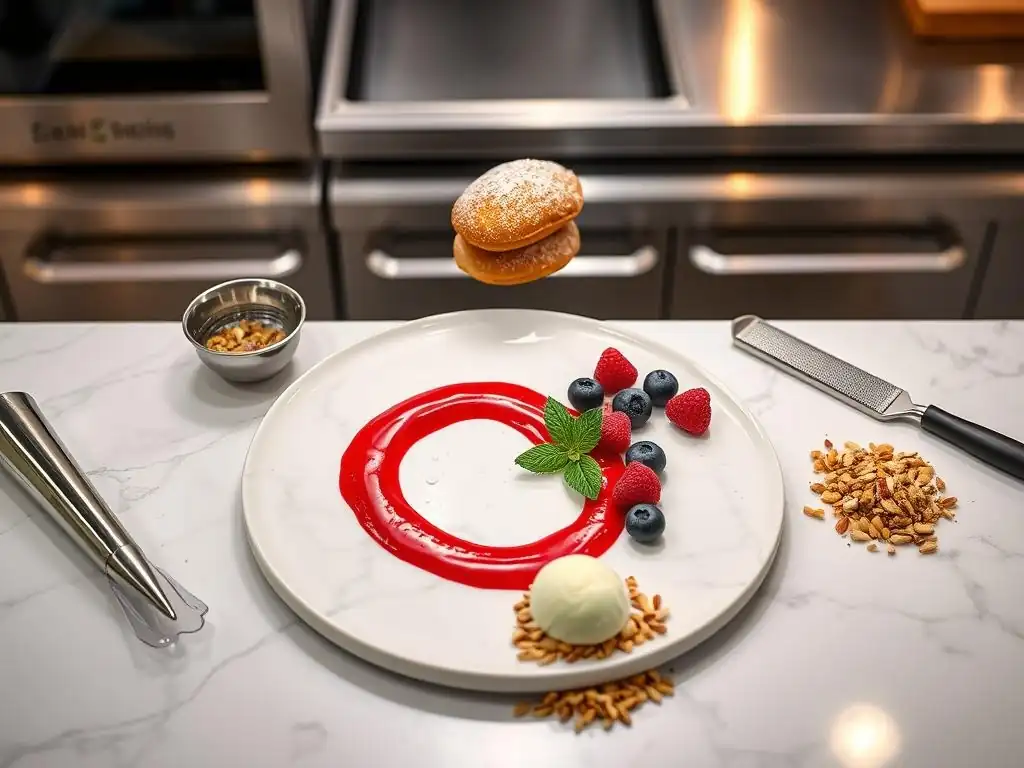
Baking the Lemon Tart
The foundation of our elegant plated dessert is the lemon tart. Prepare your favorite sweet pastry dough (pâte sucrée) or use a good quality store-bought version. Roll out the dough and line an 8-inch tart pan, pressing it gently into the fluted edges. Chill the shell for at least 30 minutes before blind baking to prevent shrinkage. Blind bake the shell at 180°C (350°F) for about 15-20 minutes until the edges are lightly golden, then remove the weights and bake for another 5-10 minutes until the bottom is dry.
While the shell bakes, prepare the lemon curd. A standard recipe might involve whisking together sugar, lemon zest, lemon juice, eggs, and butter over low heat until thickened, reaching a temperature of around 82°C (180°F). Strain the curd for a silky smooth texture. Once the tart shell is baked and slightly cooled, pour the warm curd into it. Let it cool completely, then chill it in the refrigerator for at least 2-3 hours, or preferably overnight, until the curd is fully set. This firm base is essential for clean slicing and plating elegant plated dessert recipes.
Preparing the Blackberry Compote
The blackberry compote adds a burst of color and a tart counterpoint to the sweet dessert. To make it, combine fresh or frozen blackberries (about 200g), sugar (around 50-75g, adjusted to taste), and a splash of water or lemon juice in a small saucepan. Heat gently, stirring occasionally, until the sugar dissolves and the berries start to break down. Simmer for about 10-15 minutes, or until the compote has thickened slightly but still has some texture.
You can leave the compote chunky or mash some of the berries for a smoother consistency. For a very refined compote suitable for elegant plated dessert recipes, you might strain out the seeds, but leaving them adds a nice rustic touch and texture. Allow the compote to cool completely before plating. Its deep purple-red hue will provide a striking visual element against the pale yellow tart and white meringue.
Making the Meringue Kisses
Meringue kisses are light, airy, and provide a delightful chewiness. For simple meringue kisses, you'll need egg whites (from about 2 large eggs) and granulated or superfine sugar (around 100-120g). Ensure your bowl and whisk are spotlessly clean and grease-free. Whip the egg whites on medium speed until soft peaks form. Gradually add the sugar, a tablespoon at a time, increasing the speed to high. Continue whipping until stiff, glossy peaks form and the sugar is completely dissolved – you shouldn't feel any grittiness when rubbing a small amount of meringue between your fingers.
Transfer the meringue to a piping bag fitted with a small round or star tip. Pipe small "kisses" or dollops onto a baking sheet lined with parchment paper. Bake in a very low oven, around 90-100°C (200-225°F), for 60-90 minutes, or until the meringues are dry and crisp throughout. Turn off the oven and let them cool inside. Meringues are fragile but add essential height and a different texture to elegant plated dessert recipes. Store them in an airtight container until ready to plate.
Step 3: Plating Techniques
Plate Selection: Size, Shape, and Color
The plate is your canvas for creating elegant plated dessert recipes. Choose a plate that is large enough to accommodate all your components without looking crowded, but not so large that the dessert appears lost. A standard dessert plate is typically 7 to 8 inches in diameter. The shape can be round, square, or even rectangular, depending on the desired aesthetic. Round plates often lend themselves to classic, organic arrangements, while square or rectangular plates can inspire more geometric or modern designs.
Consider the color of the plate as well. White plates are popular because they make the colors of the dessert components pop, providing a neutral background. Black plates can create a dramatic contrast, particularly with lighter-colored desserts. If using a colored or patterned plate, ensure it doesn't distract from or clash with the dessert itself. The right plate enhances the visual appeal and sets the stage for your elegant plated dessert recipes.
Plating Principles: Balance, Height, and Color
Successful dessert plating relies on a few key principles. Balance refers to distributing the components visually across the plate, avoiding placing everything in one corner or center. Think about creating a composition that feels harmonious and intentional. Height adds dimension and visual interest; stacking components (like placing a meringue kiss on top of the tart slice) or using elements like tuiles or chocolate shards can elevate the presentation.
Color is critical. Use the natural colors of your dessert components and garnishes to create a vibrant and appealing plate. Our example uses the yellow of the curd, the white of the meringue, and the deep purple of the compote. Adding a touch of green from a mint leaf or microgreens can provide a fresh contrast. When designing elegant plated dessert recipes, consider how colors interact and use them to guide the eye across the plate.
Essential Plating Tools
Having the right tools can make a significant difference in the precision and ease of plating elegant plated dessert recipes. While you don't need professional equipment to start, a few items are particularly helpful.
Here's a list of useful plating tools:
- Offset spatula (small) for lifting and positioning delicate items.
- Squeeze bottles (small, plastic) for sauces or compotes.
- Spoons (various sizes, including large ones for saucing techniques).
- Tweezers (food-safe) for placing small garnishes like edible flowers or herbs.
- Pastry bags and tips for piping creams, curds, or meringue.
- Sieves or shakers for dusting powdered sugar or cocoa.
Using these tools allows for greater control and precision when arranging components and applying sauces or garnishes, helping you achieve a clean and professional look for your elegant plated dessert recipes.
Step 4: Dessert Assembly
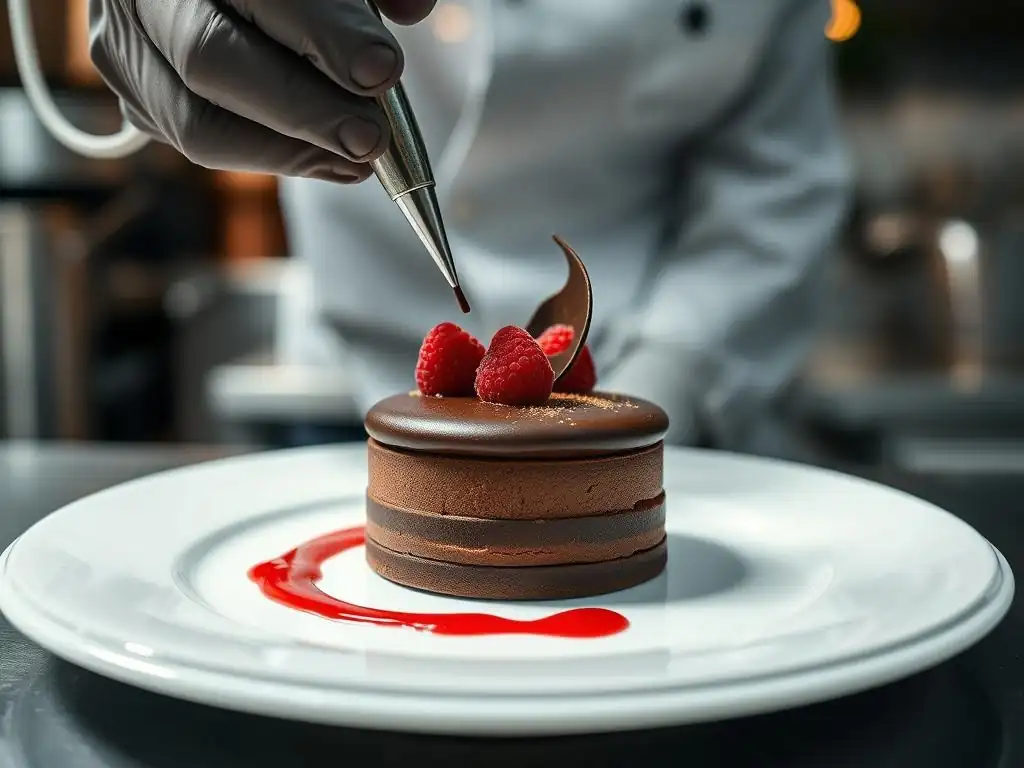
Tart Placement
Begin by carefully slicing the chilled lemon tart. Use a sharp knife dipped in hot water and wiped clean between slices for the cleanest cuts. Place one slice of tart as the main anchor point on your plate. Consider placing it slightly off-center for a more dynamic composition, rather than dead center. The position of the tart slice will dictate the placement of the other elements on your elegant plated dessert.
Ensure the slice is stable on the plate. If you're using a saucy element underneath the tart, make sure it doesn't cause the pastry to become soggy too quickly. The crispness of the tart shell is a key texture, and maintaining it is important for the overall enjoyment of this elegant plated dessert.
Compote Application: Creating Visual Appeal
The blackberry compote adds both color and flavor. There are several ways to apply it to the plate. You can spoon a dollop next to the tart slice, creating a pool or a smear. To create a smear, place a small amount of compote on the plate and then drag the back of a spoon through it in a smooth, sweeping motion.
Alternatively, you can use a squeeze bottle to pipe dots or lines of compote around the plate. The deep color of the compote makes it an excellent visual element. Experiment with different patterns – a few strategically placed dots, a bold smear, or a delicate trail. The compote helps to tie the components together visually in elegant plated dessert recipes.
Meringue Incorporation: Texture and Flavor
Meringue kisses add height, texture, and a sweet, airy contrast. Place several meringue kisses around the tart slice and compote. You can cluster them together, scatter them, or even place one directly on top of the tart slice or next to it. The goal is to create visual interest and guide the eye around the plate.
The crisp exterior and chewy interior of the meringue provide a delightful textural contrast to the smooth curd and compote. Their white color also provides a bright element against the yellow and purple. Arranging the meringue requires a delicate touch due to their fragility, but their presence is essential for the intended balance of this elegant plated dessert.
Final Touches: Dusting, Sprinkling, and Accenting
The final touches bring the elegant plated dessert together. A light dusting of powdered sugar over the plate or just the tart slice can add a delicate, finished look. Use a fine-mesh sieve for an even application. Be mindful not to obscure the beautiful colors and textures you've created.
Consider adding a few fresh elements. A couple of fresh blackberries can be placed artfully on the plate, or a sprig of fresh mint or a small edible flower can add a pop of color and freshness. Sometimes, a sprinkle of lemon zest over the tart or a scattering of crushed meringue adds another layer of texture and visual detail. These small accents elevate the presentation of elegant plated dessert recipes significantly.
Step 5: Tips for Perfect Plating
Maintaining Cleanliness and Efficiency
A clean plate is paramount for elegant plated dessert recipes. Before you start arranging components, ensure the plate is spotless. Have a clean cloth or paper towel handy to wipe away any drips, smudges, or misplaced crumbs as you work. Work efficiently but carefully to prevent components from melting or losing their shape, especially if they are temperature-sensitive like meringue or chocolate.
Organize your components beforehand so they are ready to be assembled quickly. Have your tart sliced, compote cooled and in a squeeze bottle if using, and meringues ready. This preparation streamline the plating process and helps maintain the integrity and visual appeal of each element on your elegant plated dessert.
Temperature Control
Temperature plays a vital role in the success of elegant plated dessert recipes. Ensure that cold components, like the chilled tart and compote, remain cold until they are placed on the plate. Warm components, if any, should be at the correct serving temperature. Meringues should be kept at room temperature in a dry environment to prevent them from becoming sticky or soft.
Plating should ideally happen just before serving to ensure everything is at the optimal temperature and texture. A warm plate can cause cold elements to melt, while a cold plate can make warm elements cool down too quickly. Consider the ideal serving temperature of your dessert and plate accordingly to preserve its quality and appearance.
Practicing Plating
Like any skill, mastering elegant plated dessert recipes requires practice. Don't expect your first attempt to be perfect. Start with simple arrangements and gradually try more complex designs. Practice plating the same dessert multiple times to see how different arrangements change the overall look. Take photos of your plating attempts to review and identify areas for improvement.
Practice helps you develop an eye for balance, proportion, and flow. It also allows you to become more comfortable handling the components and using plating tools. The more you practice, the more intuitive the process will become, enabling you to create stunning elegant plated dessert recipes with greater ease and creativity.
Experimenting with Styles
Once you're comfortable with basic plating principles, start experimenting with different styles. Explore minimalist plating with just a few key elements and lots of negative space, or try a more elaborate, architectural style with stacked components and intricate garnishes. Look at examples from pastry chefs in books, magazines, or online for inspiration.
Don't be afraid to try new techniques or combine different styles. Perhaps you like the clean lines of a modern smear but also want to incorporate the height of stacked elements. Experimenting is key to developing your own unique style for elegant plated dessert recipes and keeping the process exciting and creative.
Advanced Plating Techniques
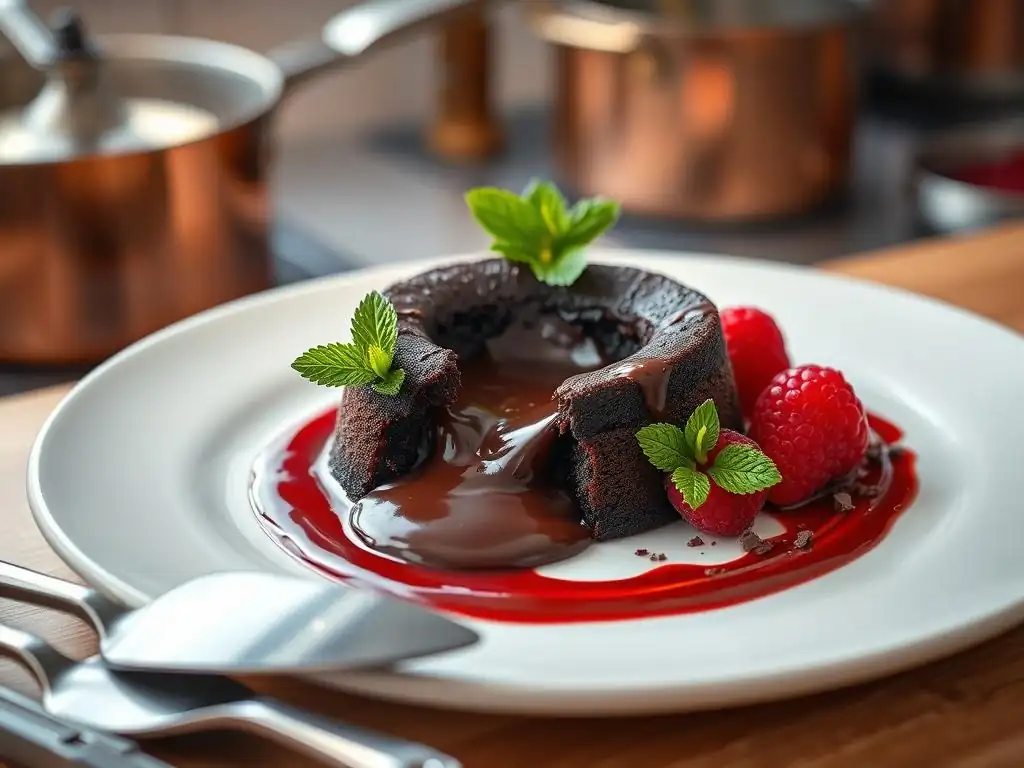
Utilizing Stencils
Stencils offer a precise way to add patterns or shapes to your plate using powders like powdered sugar, cocoa powder, or finely crushed nuts. Place a stencil on the plate and lightly dust the powder over it using a sieve or shaker. Carefully lift the stencil straight up to reveal the design.
You can use stencils to create a decorative base before adding your dessert components or to add a pattern on the side of the plate. This technique adds a touch of sophistication and can transform a simple dusting into a deliberate artistic element in elegant plated dessert recipes.
Incorporating Edible Flowers
Edible flowers add a delicate touch of color, freshness, and elegance to plated desserts. Choose varieties specifically grown for culinary use, such as violas, pansies, borage, or nasturtiums. Their vibrant colors can provide a beautiful contrast to the dessert components.
Place edible flowers strategically on the plate using tweezers. They can be tucked next to a tart slice, scattered over a compote smear, or placed on top of a dollop of cream. Ensure the flowers are clean and free from pesticides. Using edible flowers is a simple yet effective way to elevate the visual appeal of elegant plated dessert recipes.
Creating Textural Contrasts
Beyond the inherent textures of the dessert components, you can add specific elements purely for textural contrast on the plate. This might include:
- Crumbs: Crushed cookies, nuts, or streusel sprinkled on the plate.
- Tuiles or Brittle: Thin, crisp cookies or shards of caramel brittle.
- Chocolate elements: Shaved chocolate, chocolate soil, or tempered chocolate decorations.
These elements not only add a pleasant crunch or different mouthfeel but also provide visual texture and can be used to create interesting patterns or anchor points on the plate. Incorporating varied textures is a hallmark of sophisticated elegant plated dessert recipes.
Conclusion: Enjoying Your Masterpiece
You've followed the steps, prepared the components, and carefully assembled your first elegant plated dessert. Now it's time to share your masterpiece! Presenting a beautifully plated dessert to family or friends is incredibly rewarding. Watch their reactions as they admire your creation before diving in.
Don't forget to capture a photo of your finished dish. Sharing pictures of your elegant plated dessert recipes can be a great way to document your progress, get feedback, and inspire others in their baking and plating journeys. Celebrate your accomplishment – you've successfully created a dessert that is both delicious and stunning.
Further Resources for Dessert Recipes
This guide focused on plating, but the foundation is always a great recipe. To continue exploring elegant plated dessert recipes, look for reliable sources like reputable baking websites, cookbooks from professional pastry chefs, or online baking communities. Search specifically for recipes that feature multiple components, as these are often designed with plating in mind.
Some types of desserts that lend themselves well to elegant plating include tarts, mousses, panna cotta, cheesecakes, and individual cakes like financiers or madeleines served with sauces and garnishes. Expanding your recipe repertoire will provide you with more opportunities to practice and refine your plating skills for elegant plated dessert recipes.
Elevate Your Baking: Dessert Presentation Mastery
Mastering dessert presentation is an ongoing journey that adds an exciting dimension to baking. By focusing on elegant plated dessert recipes and paying attention to detail, you transform simple ingredients into edible art. Each dessert you plate is an opportunity to experiment, learn, and express your creativity.
Continue practicing the techniques discussed, try new recipes, and observe how professional pastry chefs plate their desserts. With dedication and creativity, you can elevate your baking and consistently create elegant plated dessert recipes that impress and delight everyone who experiences them. Happy plating!
Frequently Asked Questions
What exactly defines an elegant plated dessert according to BakeWithEase?
An elegant plated dessert, as defined by BakeWithEase, focuses on presentation and flavor balance, often using simple ingredients in a refined way. It emphasizes visual appeal and a sophisticated taste experience.
How difficult are the "Elegant Plated Dessert Recipes" on BakeWithEase for a beginner baker?
BakeWithEase aims to make elegant desserts accessible. The recipes provide step-by-step guides and use easy-to-find ingredients, making them suitable for beginners with some basic baking knowledge.
Where can I find the step-by-step guides mentioned on BakeWithEase for these desserts?
The step-by-step guides are located directly within each recipe on the BakeWithEase website, particularly within the "Your First Elegant Plated Dessert: A Step-by-Step Guide" article. Look for detailed instructions and visual aids.
Does BakeWithEase offer variations or substitutions for ingredients in the elegant plated dessert recipes?
While specific variations may not always be listed, BakeWithEase encourages experimentation. The recipes often provide notes on ingredient functions allowing for informed substitutions based on dietary needs or preference.
What kind of desserts can I expect to find under the "Elegant Plated Dessert Recipes" category on BakeWithEase?
You can expect to find recipes for various pastries, cakes, and other desserts, all designed with an emphasis on elegant presentation and refined flavors. Common examples include chocolate mousse, panna cotta, and fruit tarts.
Final Reflection: The Art and Joy of Elegant Plated Desserts
The pursuit of culinary elegance isn't just about skill; it's about creating moments of joy and shared experience. Mastering the art of the plated dessert, as explored in this guide, offers a tangible way to elevate everyday moments and special occasions alike. The techniques and recipes detailed here are more than just instructions; they are pathways to expressing creativity and delighting those you share your creations with.
The impact of beautifully presented food extends far beyond the palate; it speaks to a deeper appreciation for artistry and attention to detail. It's a subtle yet powerful way to communicate care and thoughtfulness. As the renowned chef Julia Child once said, People who love to eat are always the best people.
This sentiment resonates deeply with the spirit of this article – the act of crafting and sharing an elegant plated dessert is an act of generosity and connection, fostering a sense of community and shared pleasure.
Now, it's your turn. Don't be intimidated by the seemingly complex world of plated desserts. Take the techniques you've learned here, experiment with flavors and presentations, and most importantly, have fun! Embrace the process of creating something beautiful and delicious, and watch as your culinary confidence blossoms. The next elegant plated dessert you create might just be the start of a beautiful culinary journey.
Unleash Your Inner Pastry Chef!
Thanks for joining us on this delicious journey into the world of plated desserts! We hope you've gained the confidence to create something truly special. Now it's time to put your new skills into action.
- Craft your masterpiece! Choose your favorite recipe (or even adapt one from the article! ), gather your ingredients, and bring your elegant dessert vision to life. Don't be afraid to experiment!
- Share your creation! We’d love to see your beautiful plated desserts! Post a picture on social media using #BakeWithEase and tag us – let's inspire each other.
- Explore new flavor combinations! Use this newfound knowledge as a springboard to create your signature dessert. What unique ingredients can you incorporate?
What unexpected flavor profiles are you excited to explore next? Let's chat in the comments!