
Elegant Plated Desserts: Pairing Flavors for Perfection

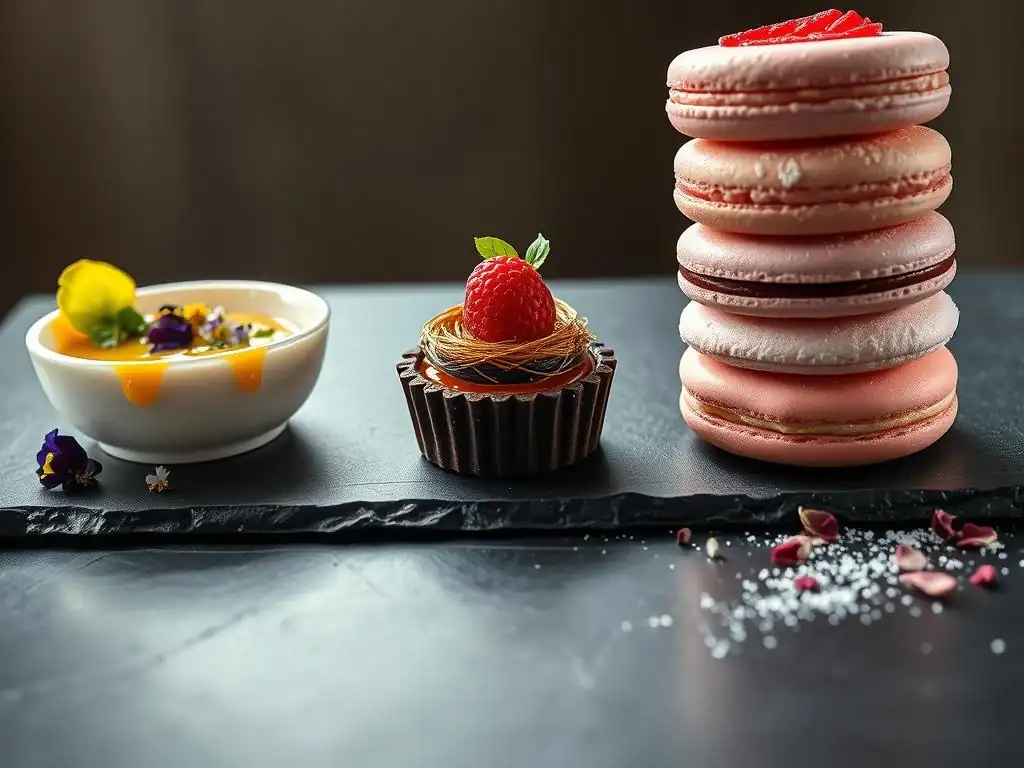
Welcome to BakeWithEase, your culinary companion for all things baking! Ever wondered how to transform a simple dessert into a breathtaking masterpiece? Dive into our latest exploration of elegant dessert plating techniques and discover the secrets to elevating your sweet creations. Uncover the art of flavor pairing and presentation, and prepare to impress with desserts that taste as incredible as they look. Ready to transform your kitchen into a dessert atelier? Let's begin!
The Flavor Wheel: A Guide to Complementary Tastes
Understanding how different flavors interact is paramount when designing elegant plated desserts. The flavor wheel is a conceptual tool, often visualized as a circular chart, that helps bakers and chefs identify how different tastes and aromas relate to each other.
It categorizes flavors into groups, such as fruity, spicy, nutty, floral, and more, showing which flavors are complementary (pair well together) and which are contrasting (create interesting tension). By consulting a flavor wheel, you can move beyond simple guesswork and build sophisticated flavor profiles that enhance the overall experience of your elegant plated desserts, ensuring each component contributes harmoniously to the final bite.
For instance, flavors located opposite each other on the wheel are often contrasting but can create exciting pairings, like the classic combination of sweet and salty (caramel and sea salt). Flavors next to each other are typically complementary and create harmonious blends, such as vanilla and caramel, or strawberry and basil.
Using the flavor wheel guides your choices not just for the main components like a mousse or cake, but also for sauces, garnishes, and even infused oils, all contributing to refined and elegant dessert plating techniques. A common example seen in professional kitchens involves pairing the subtle bitterness of dark chocolate (often found in the cocoa/chocolate section) with the bright acidity of raspberry (in the red fruit section), a combination that works beautifully due to their positions on the wheel.
Frequently Asked Questions
What is considered elegant dessert plating?
Elegant dessert plating focuses on visual appeal and balanced presentation. It uses techniques like sauce swirls, strategic placement of elements, and color contrast to elevate the dessert's overall aesthetic.
Why is flavor pairing so important in elegant plated desserts?
Flavor pairing is crucial because a dessert can look beautiful, but it must also taste delicious. Complementary flavors create a harmonious experience that enhances the overall enjoyment and demonstrates culinary skill.
What are some basic tools needed for elegant dessert plating?
Essential tools include squeeze bottles for sauces, offset spatulas for spreading, tweezers for precise placement, and a variety of plates to showcase the dessert. Quality tools can significantly improve the final presentation.
Can beginners achieve elegant dessert plating techniques?
Yes, beginners can achieve elegant plating with practice and patience. Start with simple techniques and gradually incorporate more complex elements as your confidence and skill grow.
Where can I find inspiration for elegant plated dessert ideas?
Websites like BakeWithEase.com, culinary blogs, cookbooks, and even restaurant menus can offer inspiration. Observe how professional chefs present their desserts and adapt those ideas to your own creations.
Final Reflection: The Enduring Allure of Elegant Dessert Plating
The art of elegant dessert plating isn't merely about aesthetics; it's about elevating the entire dining experience, transforming a simple treat into a memorable moment. In a world increasingly dominated by fleeting trends, the timeless elegance of thoughtfully arranged desserts continues to resonate, offering a sanctuary of beauty and sophistication. This enduring appeal speaks to a deeper human need for artistry and mindful appreciation, even in the simplest of pleasures.
The impact of visually stunning desserts extends far beyond the plate itself. It influences our perception of taste, enhancing the enjoyment of even the most familiar flavors. It's a subtle yet powerful form of communication, a silent conversation between the chef and the diner. As the renowned chef, Julia Child, once said, People who love to eat are always the best people.
And what better way to celebrate this love than through the careful orchestration of flavors and visual appeal? The techniques explored in this article – from considering negative space to the strategic use of color and texture – are not just culinary skills; they are tools for creating joy and fostering connection.
Consider the impact of a beautifully plated dessert on your next gathering. Will you simply serve a slice of cake, or will you craft a miniature masterpiece? I invite you to experiment with the techniques discussed, to explore the possibilities of your own creativity, and to discover the transformative power of elegant dessert plating. Let the art of presentation enhance your culinary creations and, more importantly, enrich the experiences you share with others. The journey towards perfecting your plating is a journey of mindful creation, and the rewards are far sweeter than any dessert alone.
Unleash Your Inner Pastry Chef!
Thanks for taking the time to explore the art of elegant plated desserts with us! We hope you've gained some delicious inspiration and new techniques to elevate your baking. Now it's time to put your newfound knowledge into practice.
- Master your favorite flavor pairing: Choose one pairing from the article and create your own stunning plated dessert. Document your progress (pictures are a must!)
- Share your creation: Tag us on social media with your masterpiece – we'd love to see what you bake!
- Challenge yourself: Try a completely new flavor combination inspired by what you've learned. What unexpected delights can you create?
What unexpected flavor combination will you experiment with next?