
How to Bake 5 Classic Cookies with One Easy Beginner Dough


Welcome to BakeWithEase, your shortcut to baking bliss! Ever wished you could whip up a batch of cookies without the fuss? Our Easy Beginner Cookie Dough Recipe is your answer! Discover how to create five distinct and delicious classic cookies from a single, simple dough. Intrigued? Let's unlock the secrets to effortless baking, one cookie at a time...
- Introduction to Easy Beginner Cookie Dough Recipe for Classic Cookies
- Understanding the Basics of the Easy Beginner Cookie Dough
- Step-by-Step Guide to Making the Easy Beginner Cookie Dough
-
How to Bake 5 Classic Cookies Using One Easy Beginner Dough
- Classic Chocolate Chip Cookies: Modifications and Baking Tips
- Soft Sugar Cookies: Shaping and Decorating Techniques
- Chewy Oatmeal Raisin Cookies: Adding Oats and Raisins to the Base Dough
- Peanut Butter Cookies: Incorporating Peanut Butter for Flavor Variation
- Snickerdoodle Cookies: Using Cinnamon Sugar Coating on the Beginner Dough
- Baking Techniques to Perfect Classic Cookies from the Easy Dough
- Storing and Serving Tips for Cookies Made with Easy Beginner Cookie Dough
- Conclusion: Mastering Classic Cookies with One Easy Beginner Cookie Dough Recipe
-
Frequently Asked Questions
- What makes this cookie dough recipe "easy" for beginners?
- What are the 5 classic cookies I can bake with this one dough?
- Can I substitute ingredients in the easy beginner cookie dough recipe?
- How long does the cookie dough last in the refrigerator?
- What kind of baking equipment do I need for this easy beginner cookie dough recipe?
- Final Reflection: The Sweet Simplicity of Baking
- Unleash Your Inner Baker: Master 5 Cookie Classics!
Embarking on your baking journey can feel a little daunting, but what if you could unlock the secret to making five beloved classic cookies using just one simple foundation? That's the beauty of mastering an easy beginner cookie dough recipe. It's designed to be forgiving, straightforward, and incredibly versatile, acting as your launching pad into the wonderful world of homemade treats. This approach simplifies the process, allowing you to focus on technique and have fun experimenting with different flavors and textures, all while building confidence in the kitchen.
This guide will walk you through the creation of a single, adaptable easy beginner cookie dough recipe. We'll cover the essential ingredients, tools, and techniques needed to get the dough right every time. Then, we'll show you exactly how to transform this versatile base into five distinct classic cookies: Chocolate Chip, Sugar, Oatmeal Raisin, Peanut Butter, and Snickerdoodle. Forget the need for multiple complex recipes; with this one easy beginner cookie dough recipe, you're well on your way to baking a variety of delicious cookies that will impress friends, family, and most importantly, yourself.
Choosing an easy beginner cookie dough recipe is a game-changer for anyone new to baking or looking for a reliable, no-fuss option. It significantly lowers the barrier to entry, making the process less intimidating. Instead of juggling multiple ingredient lists and complex instructions for different cookie types, you learn one core recipe that serves as a foundation. This repetition helps solidify fundamental baking skills, such as creaming butter and sugar, mixing dry and wet ingredients correctly, and understanding dough consistency, which are transferable to many other baking projects.
Furthermore, an easy beginner cookie dough recipe allows for a higher success rate early on. These recipes are typically formulated to be stable and forgiving, reducing the chances of common baking mishaps like cookies spreading too much or becoming too hard. By starting with a dependable base, you build confidence with each successful batch. This positive reinforcement encourages continued practice and experimentation, fostering a genuine love for baking without the frustration that can sometimes accompany more advanced recipes. It's about building a strong foundation first.
The primary benefit of using one versatile easy beginner cookie dough recipe for multiple cookie types is efficiency. Imagine the time saved in measuring, mixing, and cleaning when you only need to prepare a single batch of dough to yield several different kinds of cookies. This is particularly useful when baking for events, holidays, or simply when you crave a variety of treats without committing to several individual baking sessions. It streamlines the entire process from start to finish.
Beyond just saving time, a versatile dough encourages creativity and understanding of ingredient function. Once you're comfortable with the easy beginner cookie dough recipe base, you can easily see how different additions (like chocolate chips, oats, or spices) or slight modifications in technique transform the final product. This hands-on experience provides valuable insight into how ingredients interact, empowering you to eventually develop your own cookie variations. It turns baking from following instructions into a more intuitive and experimental activity.
Getting your easy beginner cookie dough recipe just right is the key to successful cookies. This section breaks down the fundamental components and tools you'll need. Think of it as the foundation of your cookie-baking house – built strong, it can support many delicious variations. Understanding these basics ensures that your dough is consistently smooth, pliable, and ready to be transformed into any classic cookie you desire.
We'll explore the crucial role each ingredient plays, from the fats that provide tenderness and flavor to the leaveners that give cookies their lift. We'll also touch upon the simple tools that make the process easier, and most importantly, provide tips for achieving that perfect dough consistency – not too sticky, not too dry, but just right for handling and baking into delectable treats.
A standard easy beginner cookie dough recipe relies on a few core ingredients, typically including butter, sugar (often a mix of granulated and brown), eggs, vanilla extract, flour, baking soda, and salt. Butter is crucial for flavor and texture; creaming it with sugar creates air pockets that contribute to the cookie's rise and tenderness. Using softened, but not melted, butter is essential for proper creaming. Sugar not only sweetens but also helps with browning and spread; brown sugar adds moisture and chewiness due to its molasses content.
Eggs act as binders, holding everything together and adding richness, while vanilla extract enhances the overall flavor profile. Flour provides the structure; using all-purpose flour is common for beginner recipes as it's versatile. Baking soda is a leavener that reacts with acidic ingredients (like brown sugar or sometimes even the natural acidity in butter) to produce carbon dioxide, making cookies puff up. Salt balances the sweetness and brings out the other flavors. Understanding the role of each ingredient helps you troubleshoot if something seems off with your dough.
Essential Baking Tools for Preparing and Shaping the Dough
You don't need a professional kitchen setup to make an easy beginner cookie dough recipe. Some basic tools will make the process much smoother. A stand mixer or a hand mixer is incredibly helpful for creaming the butter and sugar thoroughly, which is a critical step for texture. However, you can absolutely achieve good results with just a sturdy whisk and some elbow grease, especially for smaller batches. You'll also need a set of measuring cups and spoons to ensure accuracy with ingredients.
For shaping and baking, parchment paper or silicone baking mats are invaluable as they prevent sticking and make cleanup a breeze. Baking sheets (standard half-sheet size is great) are necessary to bake the cookies evenly. A rubber spatula or wooden spoon is useful for scraping down the bowl and mixing in dry ingredients. For consistent cookie sizes, a cookie scoop (various sizes available, like 1.5 tablespoons for a standard cookie) is highly recommended. And of course, a cooling rack is essential for letting the cookies cool properly after baking.
Tips for Perfect Dough Consistency and Texture
Achieving the correct dough consistency is vital for an easy beginner cookie dough recipe to perform well across different cookie types. The dough should be soft and pliable but not sticky. If it's too dry, the cookies might be crumbly; too wet, and they might spread excessively in the oven. A common issue is adding too much flour; it's often better to err on the side of slightly too soft dough, as chilling can help firm it up. Measuring flour correctly, preferably by weight (e.g., 120-130 grams per standard cup) rather than volume, significantly improves consistency.
Another key tip for perfect texture is ensuring your butter is at the right temperature – softened, meaning it gives slightly when pressed but doesn't feel greasy or melted. Cold butter won't cream properly with sugar, and melted butter will result in flat, greasy cookies.
Overmixing after adding the flour can develop the gluten too much, leading to tough cookies, so mix just until the flour is incorporated. If your dough feels too soft after mixing, don't panic; chilling it in the refrigerator for at least 30 minutes helps firm it up and makes it much easier to handle and shape.
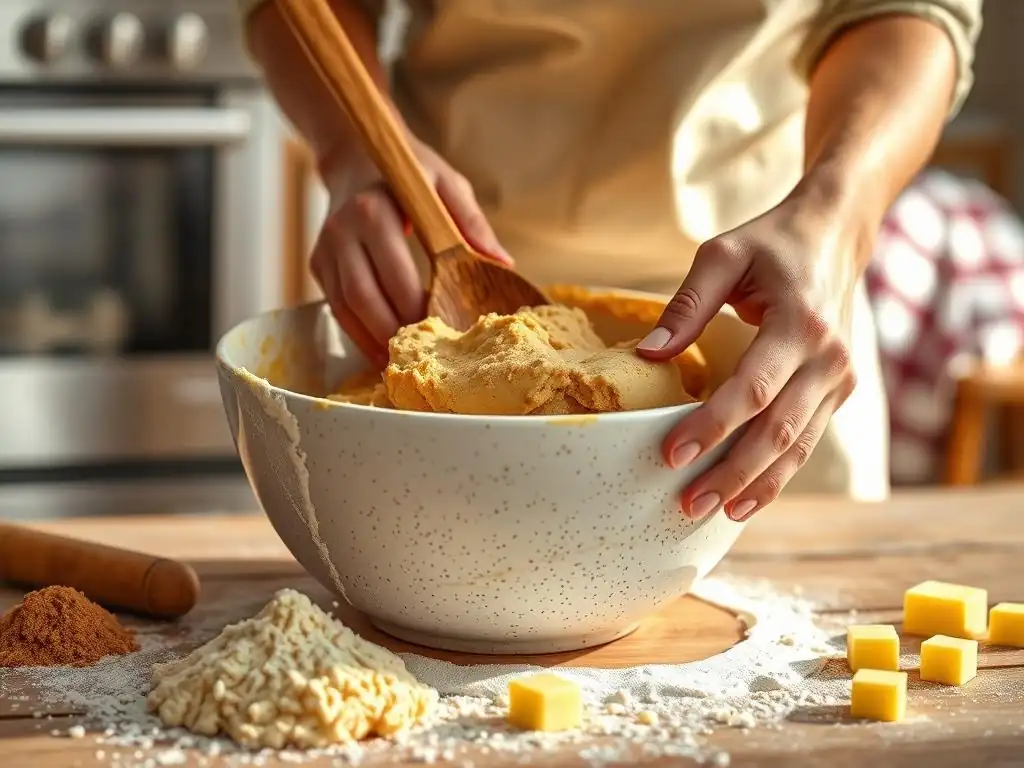
Making an easy beginner cookie dough recipe is a process that involves careful measuring and mixing, followed by a crucial resting period. Following these steps methodically will ensure your dough is ready to be transformed into any of the classic cookies we'll explore. It's a simple sequence, but paying attention to the details at each stage makes a significant difference in the final quality of your cookies.
We'll break down the initial preparation, focusing on accurately combining the wet and dry ingredients. Then, we'll explain the importance of chilling the dough and provide guidance on how long and why this step is so beneficial. Mastering this base dough is the first step to unlocking a world of delicious cookie possibilities right in your own kitchen.
Preparing Ingredients and Mixing the Dough Correctly
Start by gathering all your ingredients for the easy beginner cookie dough recipe. Ensure your butter is softened to room temperature and your eggs are also at room temperature, as this helps them emulsify better with the other ingredients. Accurately measure your dry ingredients – flour, baking soda, and salt – and whisk them together in a medium bowl. This pre-mixing ensures the leavening and salt are evenly distributed throughout the flour, which is important for consistent texture and flavor in every cookie.
In a separate, larger bowl (or the bowl of your stand mixer), cream the softened butter and sugars (granulated and brown) together until light and fluffy. This process incorporates air, which contributes to the cookies' lift and texture. Scrape down the sides of the bowl as needed to ensure everything is evenly combined.
Beat in the eggs one at a time, mixing well after each addition, followed by the vanilla extract. Finally, gradually add the whisked dry ingredients to the wet ingredients, mixing on low speed or by hand just until no dry streaks of flour remain. Be careful not to overmix at this stage.
How to Chill and Rest the Dough for Optimal Baking Results
Chilling the easy beginner cookie dough recipe is a non-negotiable step for achieving optimal results, especially when planning to make different cookie variations. After mixing, gather the dough into a ball or disc, wrap it tightly in plastic wrap, and refrigerate for at least 30 minutes, though an hour or two is even better. For roll-and-cut cookies like sugar cookies, chilling for several hours or even overnight makes the dough much easier to handle and prevents it from sticking.
The primary reason for chilling is to solidify the fat (butter). Cold butter melts slower in the oven, causing the cookies to spread less and resulting in a thicker, chewier cookie. Chilling also allows the gluten in the flour to relax, which contributes to a more tender texture. Furthermore, it gives the flavors a chance to meld together. If you're in a hurry, you can sometimes speed up the chilling process by placing the dough in the freezer for 15-20 minutes, but keep a close eye on it to prevent it from freezing solid.
Now for the exciting part: transforming your versatile easy beginner cookie dough recipe into five distinct and delicious classic cookies! This section details the simple modifications needed for each type. You'll see how minor additions or changes in shaping technique can yield dramatically different results from the same basic dough. It's proof of just how versatile this foundation recipe truly is.
We'll cover everything from incorporating chocolate chips and nuts to adding oats, peanut butter, and the classic cinnamon-sugar coating for Snickerdoodles. Each sub-section provides specific guidance on how to adapt the base dough and prepare the cookies for baking, setting you up for success no matter which classic cookie you choose to make first (or second, third, fourth, or fifth! ).
To make classic chocolate chip cookies from your easy beginner cookie dough recipe, the modification is simple: fold in chocolate chips! A standard amount is typically around 1 to 1.5 cups of chocolate chips per batch of dough made from about 1 cup of butter. You can use any type of chocolate chip you prefer – semi-sweet, milk, dark, or even white chocolate chips – or a mix.
Nuts like chopped walnuts or pecans (about 0.5 to 1 cup) can also be added at this stage for extra flavor and crunch. Gently fold the add-ins into the chilled dough by hand using a spatula until they are evenly distributed.
Once your chocolate chips (and nuts, if using) are mixed in, portion the dough onto baking sheets lined with parchment paper. A cookie scoop is ideal for creating uniform sizes (a 1.5-tablespoon scoop is common, yielding about 2-3 dozen cookies from a typical batch). Leave about 2 inches between cookies to allow for spreading.
Bake in a preheated oven, typically around 350°F (175°C), for 8-12 minutes, or until the edges are golden brown and the centers look slightly soft. For extra visual appeal, you can press a few extra chocolate chips onto the tops of the scooped dough balls before baking.
Creating soft sugar cookies from your easy beginner cookie dough recipe requires chilling the dough until it's quite firm, often several hours or even overnight. Once chilled, roll out portions of the dough on a lightly floured surface to your desired thickness, usually about 0.25 to 0.5 inches. Use cookie cutters to cut out shapes, re-rolling scraps as needed (though try not to overwork the dough). Alternatively, you can simply roll the dough into a log, chill it until very firm, and then slice it into rounds about 0.25 to 0.5 inches thick.
Place the cut or sliced dough onto baking sheets lined with parchment paper. Sugar cookies typically don't spread as much as chocolate chip cookies, but leave an inch or two between them. Bake in a preheated oven, usually around 350°F (175°C), for 8-11 minutes, or until the edges are lightly golden and the centers look set but not deeply browned. Once cooled, sugar cookies are perfect for decorating with royal icing, buttercream, or a simple glaze. Sprinkles can be added before or after baking, depending on the type.
To transform your easy beginner cookie dough recipe into chewy oatmeal raisin cookies, you'll need to incorporate oats and raisins into the base. A common ratio involves substituting some of the flour with old-fashioned rolled oats. For a standard batch, you might replace about 1 cup of the flour with 1.5 to 2 cups of rolled oats (not quick oats, which can make the cookies dry).
Add about 1 to 1.5 cups of raisins to the dough along with the oats. Some recipes also benefit from a touch more cinnamon and perhaps a pinch of nutmeg added to the dry ingredients for classic flavor.
Gently fold the oats and raisins into the chilled easy beginner cookie dough recipe base until evenly distributed. Scoop the dough onto baking sheets lined with parchment paper, using a scoop size appropriate for your desired cookie size (a 1.5 or 2-tablespoon scoop works well). Leave about 2 inches between cookies.
Bake in a preheated oven, typically around 350°F (175°C), for 10-14 minutes, or until the edges are set and lightly browned, but the centers still look slightly soft. Oatmeal raisin cookies often benefit from cooling on the baking sheet for a few minutes before transferring to a wire rack, as this helps them set up and maintain their chewy texture.
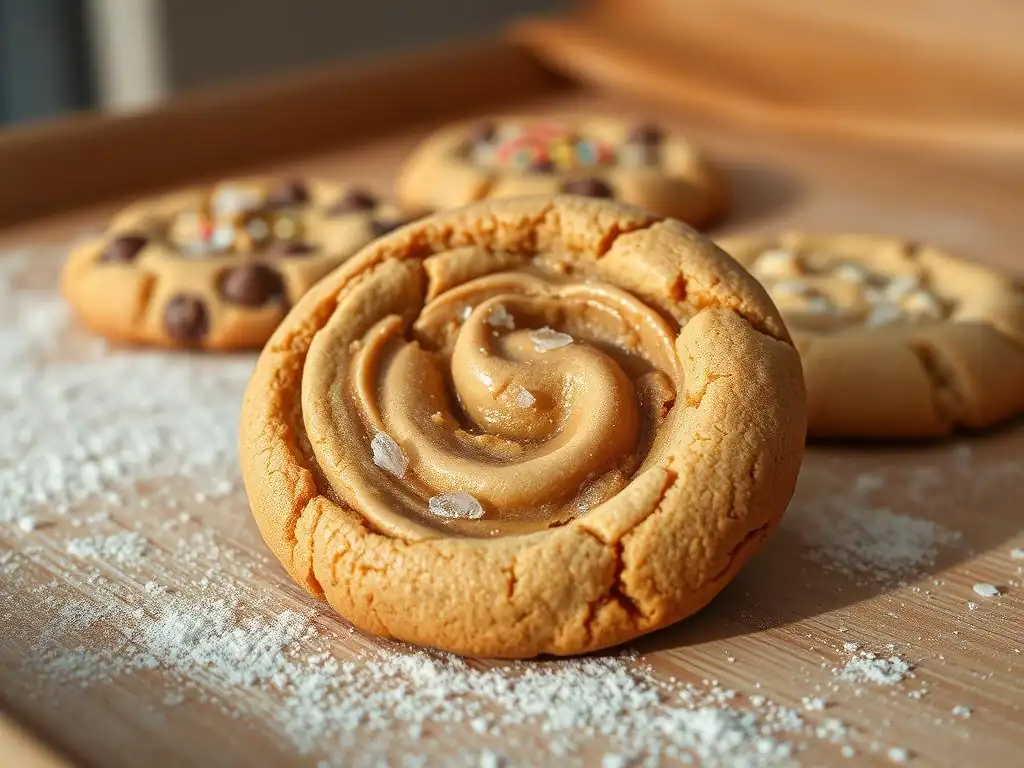
Making peanut butter cookies from your easy beginner cookie dough recipe involves adding peanut butter directly into the wet ingredients. After creaming the butter and sugars, beat in about 0.75 to 1 cup of creamy or crunchy peanut butter along with the eggs and vanilla.
Use a standard commercial peanut butter for best results, as natural peanut butter can sometimes cause the cookies to spread excessively due to oil separation. You might also reduce the amount of butter slightly, depending on the fat content of the peanut butter used, though starting by just adding the peanut butter to the base recipe is often successful.
Once the peanut butter is incorporated into the wet ingredients, proceed with adding the dry ingredients as usual, mixing just until combined. Chill the dough for at least 30-60 minutes. Scoop the dough into balls, typically using a 1.5-tablespoon scoop.
For the classic look and to help with even baking, roll the dough balls in granulated sugar (optional) and then press a criss-cross pattern onto the top of each ball using a fork. Place on baking sheets lined with parchment paper, leaving about 2 inches between cookies. Bake in a preheated oven, usually around 350°F (175°C), for 10-13 minutes, or until the edges are set and lightly golden.
Snickerdoodles are a delightful variation made by rolling the easy beginner cookie dough recipe in a cinnamon-sugar mixture before baking. While some traditional Snickerdoodle recipes use cream of tartar for a distinct tangy flavor and chewy texture, you can achieve a very satisfying version using just your base dough and the coating. Add about 1 teaspoon of cinnamon to your dry ingredients along with the flour, baking soda, and salt for a subtle flavor throughout the cookie, although this is optional and the main flavor comes from the coating.
Prepare the cinnamon-sugar coating by combining about 0.25 cup of granulated sugar with 1-2 teaspoons of ground cinnamon in a shallow dish. Scoop the chilled easy beginner cookie dough recipe into balls (a 1.5-tablespoon scoop works well). Roll each dough ball generously in the cinnamon-sugar mixture, ensuring it's fully coated.
Place the coated dough balls on baking sheets lined with parchment paper, leaving about 2 inches between them. Bake in a preheated oven, typically around 375°F (190°C), for 8-11 minutes, or until the edges are set but the centers still look soft and slightly puffy. The higher temperature compared to some other cookies helps create that signature cracked surface.
Baking isn't just about mixing ingredients; the techniques you use in the oven play a significant role in the final outcome. Even with a reliable easy beginner cookie dough recipe, understanding how oven temperature, baking time, and placement affect the cookies is crucial. This section delves into these important aspects, helping you achieve consistently delicious results with each batch, no matter which classic cookie variation you're baking.
We'll discuss how to adjust oven settings for different cookie types and how to gauge doneness to get your preferred texture – whether you like them crispy or wonderfully chewy. We'll also cover common issues that can arise and how to troubleshoot them, empowering you to tackle minor setbacks and still end up with fantastic cookies.
The precise oven temperature and baking time can vary slightly depending on the specific cookie type derived from your easy beginner cookie dough recipe, as well as your individual oven. Generally, most drop cookies like Chocolate Chip or Oatmeal Raisin bake well at 350°F (175°C). Sugar cookies, especially cut-outs, also often bake at 350°F (175°C) for a more even, less browned finish. Snickerdoodles, however, are traditionally baked at a slightly higher temperature, around 375°F (190°C), which helps them spread and develop their characteristic crackled surface faster.
Baking time is highly dependent on the size and thickness of your cookies, as well as your oven's calibration. A typical batch of standard-sized cookies (using a 1.5-tablespoon scoop) might take anywhere from 8 to 14 minutes. It's crucial to start checking for doneness at the lower end of the time range.
Look for visual cues: edges that are set and lightly golden, while the centers may still look slightly soft or puffy. For sugar cookies, you might look for edges that are just barely beginning to color. Using an oven thermometer is also highly recommended to ensure your oven is actually heating to the temperature you set.
The beauty of an easy beginner cookie dough recipe is its ability to yield different textures with minor adjustments in baking time and temperature. To achieve a crispier cookie, you generally bake them for a longer time, until they are golden brown all over and feel firm when gently pressed. Baking at a slightly lower temperature for a longer period can also promote crispiness by allowing more moisture to evaporate gradually. Ensuring the dough is well-chilled helps prevent excessive spread, contributing to a better crispy texture if that's your goal.
For a chewy cookie, the key is often to underbake them slightly. Remove the cookies from the oven when the edges are just set and lightly colored, but the centers still look soft, almost undercooked. They will continue to set up as they cool on the hot baking sheet for a few minutes. Using brown sugar in your easy beginner cookie dough recipe also naturally contributes to chewiness due to its moisture content. Baking at a standard temperature (like 350°F) for the minimum required time is usually the best approach for a chewy result.
Even with an easy beginner cookie dough recipe, you might encounter a few common issues. If your cookies spread too much and turn out flat, the dough might not have been chilled enough, the butter might have been too soft or melted, or there might be too much leavening. Ensure your butter is softened, not melted, and always chill the dough thoroughly (at least 30 minutes, preferably longer). Measuring flour accurately is also important; too little flour can cause excessive spread.
If your cookies are too hard or dry, they might have been overmixed after adding the flour, or they were baked for too long or at too high a temperature. Mix the flour in just until combined, and start checking for doneness at the lower end of the baking time range. If they are crumbly, there might be too much flour or not enough fat/liquid; double-check your measurements. Small adjustments to chilling time or baking duration based on observation can quickly help you correct these issues for future batches from your easy beginner cookie dough recipe.
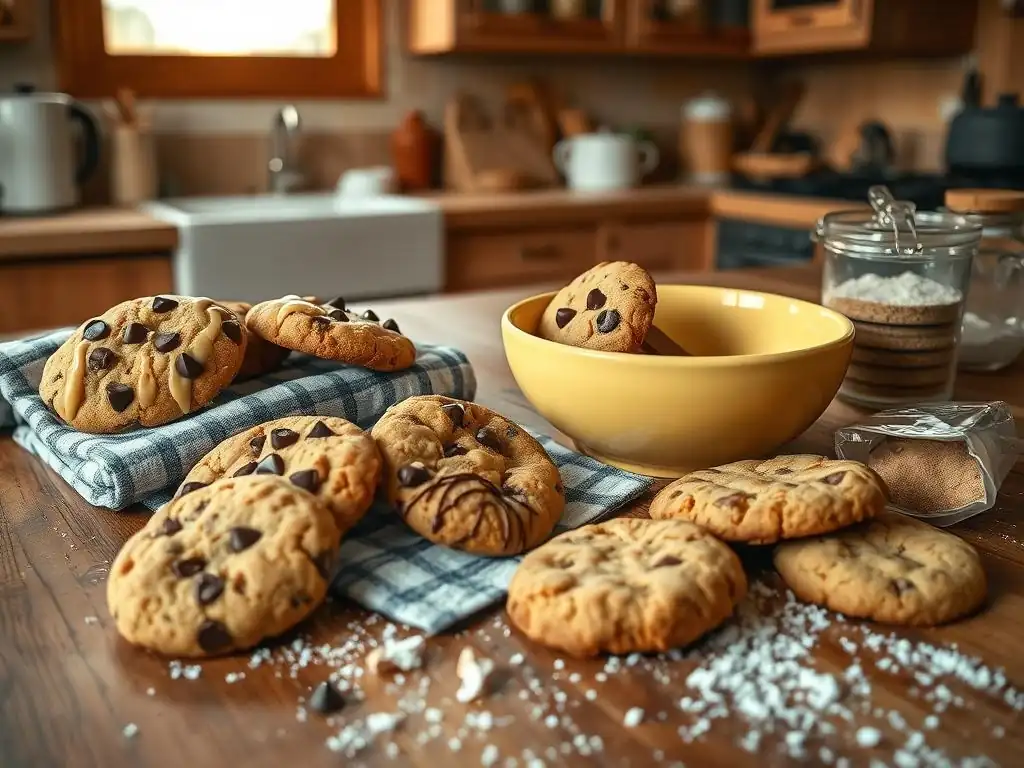
You've successfully baked a variety of classic cookies from your easy beginner cookie dough recipe – congratulations! Now, proper storage is key to keeping them fresh and delicious. This section provides practical advice on cooling and storing your homemade treats. We'll also offer some fun and friendly suggestions for how to serve them, whether you're enjoying a quiet moment alone or sharing them with others.
From airtight containers to freezing options, we'll cover the best ways to maintain that perfect texture and flavor. And when it comes to serving, we'll give you ideas for pairings and presentations that make enjoying your cookies even more delightful.
Proper cooling is the first step to good storage. After removing cookies baked from your easy beginner cookie dough recipe from the oven, let them sit on the hot baking sheet for anywhere from 2 to 10 minutes, depending on their size and fragility. This allows them to set up and firm slightly. Then, carefully transfer them to a wire cooling rack to cool completely. Stacking or storing warm cookies can cause them to steam and become soggy, or stick together. Ensure they are fully cooled before packing them away.
For storing most classic cookies made from an easy beginner cookie dough recipe, an airtight container at room temperature is ideal. Place parchment paper between layers of cookies to prevent them from sticking, especially softer or decorated varieties. Most cookies will stay fresh for 3-5 days when stored this way. If you've made a large batch, you can freeze baked cookies by placing them in a single layer on a baking sheet until solid, then transferring them to a freezer-safe bag or container. Frozen baked cookies can last for several months and can be thawed at room temperature.
Serving cookies made from your easy beginner cookie dough recipe can be just as fun as baking them! A simple plate of freshly baked cookies with a glass of milk is a timeless classic. For a more adult treat, pair classic chocolate chip cookies with coffee or a strong black tea. Soft sugar cookies are perfect for parties, especially when decorated for holidays or special occasions; serve them alongside hot cocoa or lemonade.
Consider creating a "cookie board" featuring a variety of the different types you made from your versatile easy beginner cookie dough recipe – Chocolate Chip, Sugar, Oatmeal Raisin, Peanut Butter, and Snickerdoodle. Add some fresh fruit, a few small bowls of dips like caramel sauce or chocolate ganache, or even some ice cream for a build-your-own-dessert experience. Peanut butter cookies pair wonderfully with a scoop of vanilla ice cream or a drizzle of chocolate syrup. Don't overthink it; the best way to serve these classic cookies is often simply sharing them with a smile!
Mastering an easy beginner cookie dough recipe is a fantastic achievement for any aspiring baker. It demystifies the process, proving that you don't need a complex repertoire of recipes to bake a variety of beloved treats. We've seen how one simple, versatile dough can be the starting point for five different classic cookies – each with its unique texture and flavor profile, achieved through minimal modifications and smart baking techniques.
This easy beginner cookie dough recipe is more than just a recipe; it's a gateway to confidence in the kitchen. By starting with this reliable base, you build fundamental skills and gain the experience needed to troubleshoot and adapt. So, grab your apron, mix up a batch of this simple dough, and start exploring the delightful world of classic cookies. Don't be afraid to experiment with the variations discussed, or even try adding your own favorite mix-ins. The most important ingredient is your enthusiasm!
Recap of the Versatility and Simplicity of the Recipe
The core strength of the easy beginner cookie dough recipe lies in its inherent versatility and simplicity. Unlike specialized recipes for each cookie type, this single base uses common pantry staples and follows a straightforward mixing process. This significantly reduces complexity, making it approachable for anyone, regardless of prior baking experience. The foundational steps of creaming butter and sugar, adding wet ingredients, and incorporating dry ingredients remain consistent, building muscle memory and confidence.
Its versatility is truly remarkable. With just a few simple additions – chocolate chips, oats and raisins, peanut butter, or a cinnamon-sugar coating – this single dough transforms effortlessly into distinct classic cookies like Chocolate Chip, Oatmeal Raisin, Peanut Butter, Sugar, and Snickerdoodles. This adaptability means you can satisfy multiple cravings or bake for different preferences from just one batch of dough, highlighting the efficiency and broad appeal of starting with an easy beginner cookie dough recipe.
To all beginner bakers: don't hesitate to jump in and try this easy beginner cookie dough recipe! The journey from mixing your first batch to pulling warm, fragrant cookies from the oven is incredibly rewarding. Start with the classic chocolate chip, as it's often the most forgiving. Once you're comfortable, move on to the others. Experimenting with the different variations is not only fun but also a great way to learn how ingredients and techniques influence the final cookie.
Think of each variation as a small, manageable project building upon your easy beginner cookie dough recipe foundation. Perhaps you prefer your chocolate chip cookies extra chewy, or your sugar cookies slightly thicker. Adjusting the baking time by a minute or two, or slightly altering the chilling period, can make a difference. This recipe provides a safe space to play and discover your preferred cookie style. Embrace the process, learn from any minor mishaps, and most importantly, enjoy the delicious results of your baking efforts!
Frequently Asked Questions
This recipe focuses on simple ingredients and straightforward instructions, minimizing complex techniques and ensuring even novice bakers can achieve success. It's designed to be foolproof and adaptable.
While the exact cookies depend on the BakeWithEase recipe, it generally includes variations like chocolate chip, oatmeal raisin, peanut butter, sugar cookies, and snickerdoodles. The base dough is easily customizable.
Yes, BakeWithEase encourages experimentation! You can often substitute ingredients like butter with margarine, or use different types of chocolate chips. However, significant changes might affect the texture.
Generally, this easy beginner cookie dough recipe should last in the refrigerator for about 2-3 days. Make sure to store it properly in an airtight container to prevent it from drying out.
You'll need basic baking equipment such as measuring cups and spoons, mixing bowls, baking sheets, and parchment paper. An electric mixer is helpful, but hand mixing is also possible.
Final Reflection: The Sweet Simplicity of Baking
Mastering a single, versatile cookie dough unlocks a world of baking possibilities, proving that delicious treats don't require complicated recipes. This simple approach, detailed in the preceding guide, demystifies the baking process, making it accessible to everyone, regardless of experience. It's a testament to the power of foundational skills and the joy found in creating something delicious from scratch.
The impact of accessible baking recipes extends far beyond the kitchen. It fosters a sense of accomplishment, connects us to culinary traditions, and provides opportunities for creativity and sharing. Baking, in its simplest form, is a powerful act of self-care and connection. Baking is at once child's play and adult joy. And love, of course.
- This sentiment perfectly captures the essence of this article's focus on making baking enjoyable and achievable for all.
Now, it's your turn. Don't be intimidated by the seemingly complex world of baking. Take this simple dough as your springboard. Experiment with different add-ins, explore variations on the classic recipes, and most importantly, enjoy the process. Share your creations, learn from your mistakes, and discover the sweet satisfaction of baking your own delicious cookies. The journey of a thousand cookies begins with a single, perfectly adaptable dough.
Thanks for joining us on this delicious journey! We hope you've gained the confidence to tackle even the most challenging cookie recipes with our simple, versatile dough. Ready to take your baking to the next level?
- Bake your favorite cookie today! Use our recipe to create a batch of your go-to classic—or try a new one! This is your chance to impress yourself (and others! ).
- Share your creations! Post a picture of your cookies on social media using #BakeWithEase and inspire other beginner bakers.
- Experiment with flavor variations! What creative additions will you make to our basic dough? Let us know in the comments!
What unexpected flavor combination will you bake next? Let's chat below!