
The Beginner Baker's Guide to Quick Bread Textures

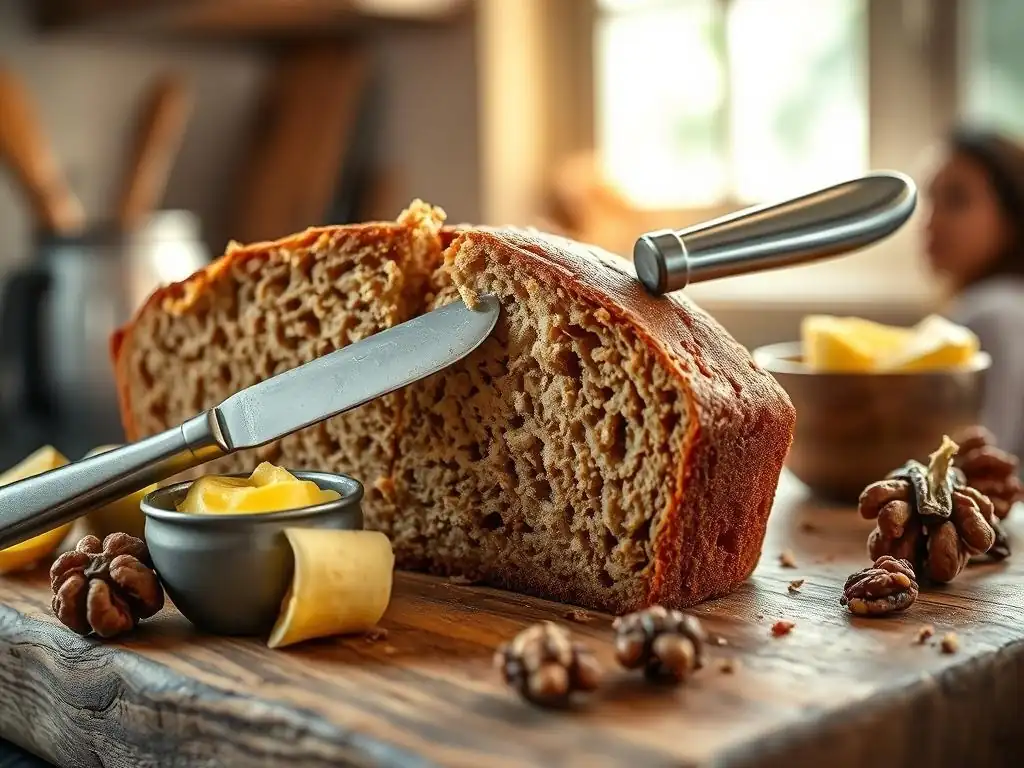
Welcome to BakeWithEase, your haven for baking bliss! Ever wondered why your quick bread has that perfect crumbly texture some bakers achieve, while yours ends up... less than ideal? This guide unveils the secrets behind achieving that coveted texture, even if you're just starting out. Prepare to unlock simple techniques and demystify the art of quick bread, transforming your baking from good to extraordinary. Let's get baking!
- Mastering Quick Bread Textures: A Guide to Baking Success
- Understanding Quick Bread Textures
- Achieving a Tender Crumb in Quick Breads
- Troubleshooting Quick Bread Texture Problems
- Exploring Different Quick Bread Textures
- Essential Ingredients for Optimal Quick Bread Texture
- Step-by-Step Guide to Baking a Tender Banana Bread
- Advanced Tips for Perfecting Your Quick Bread
- Quick Bread Texture FAQ
-
Frequently Asked Questions
- What causes a quick bread to have a crumbly texture?
- How can I prevent a crumbly texture in my quick bread?
- What role does fat play in a quick bread's texture, and how does it affect a crumbly texture?
- Are there specific ingredients that contribute more to a crumbly texture in quick breads?
- What are some easy tips for achieving a moist and tender quick bread instead of a crumbly texture?
- Final Reflection: Unlocking the Secrets of the Perfect Quick Bread Crumb
- Unlock Your Inner Bread Wizard!
Mastering Quick Bread Textures: A Guide to Baking Success
Understanding Quick Bread Textures
Defining Quick Bread and Texture Variations
Quick breads, unlike yeast-leavened breads, rely on chemical leavening agents like baking powder and baking soda to rise quickly during baking. This speed is their defining characteristic, making them perfect for busy bakers. Textures in quick breads can range dramatically, from the moist, tender crumb of a perfect banana bread to the slightly denser chewiness of some muffins, or even a more open, cake-like structure in loaves. Understanding these variations is key to successful baking.
The desired texture often depends on the specific type of quick bread being made. A classic loaf cake, for instance, should be uniformly tender and moist, while a scone aims for a more crumbly, biscuit-like interior. Muffins often have a slightly firmer structure than a loaf but still boast a tender crumb. Even within one type, like cornbread, textures vary widely based on regional styles – some prefer a very moist, almost pudding-like consistency, while others favor a more rustic, slightly quick bread crumbly texture.
Key Factors Influencing Texture: Ingredients and Techniques
The final texture of your quick bread is a delicate balance influenced by several key factors: the ingredients you choose and the techniques you employ during mixing and baking. The type of flour, the amount and type of fat, the liquid ratio, and the leavening agents all play critical roles. For example, using too much flour or not enough liquid is a common culprit behind a dry, quick bread crumbly texture.
Beyond ingredients, how you handle the batter is equally important. Overmixing is perhaps the most common mistake leading to tough quick breads. Gentle mixing, just until the dry ingredients are incorporated, preserves a tender crumb. The temperature of ingredients can also matter; using room temperature eggs and dairy helps create a smoother batter and more even texture. Even the pan you use and the oven temperature contribute to how the quick bread sets and develops its final structure and texture.
Achieving a Tender Crumb in Quick Breads
Techniques for a Tender Crumb: Mixing and Ingredient Balance
Achieving that coveted tender crumb in quick breads starts with careful technique, primarily focusing on how you combine your ingredients. The "muffin method," where dry ingredients are mixed separately from wet ingredients and then combined just until moistened, is a cornerstone for preventing toughness. Lumps are okay! Overmixing develops gluten, which is desirable in yeast bread for structure but leads to a tough, rubbery texture in quick breads. Aim for minimal mixing, often just 10-15 seconds after combining wet and dry.
Ingredient balance is also critical. A sufficient amount of fat (butter, oil, or shortening) coats flour particles, inhibiting gluten development and contributing to tenderness and moisture. Sugar also helps tenderize by interfering with gluten formation and attracting moisture. Using acidic liquids like buttermilk or yogurt can activate baking soda, leading to a lighter texture, and their acidity can also help break down proteins slightly, contributing to a softer crumb.
The Science Behind a Tender Crumb: Gluten Control and Moisture
The primary scientific principle behind a tender quick bread crumb is controlling gluten development. Gluten is a protein network formed when water interacts with proteins in flour (glutenin and gliadin) and is then agitated through mixing. In quick breads, we want minimal gluten development to keep the texture soft and tender, not chewy or elastic. This is why gentle mixing is paramount; it limits the formation of this network.
Moisture content is the other critical factor. Sufficient liquid is needed to hydrate the dry ingredients and activate leavening agents, but too little results in a dry, quick bread crumbly texture. Fats add richness and moisture, preventing the quick bread from drying out during baking and contributing to a moist mouthfeel. Using ingredients that retain moisture well, like mashed bananas or applesauce, can significantly enhance tenderness and prevent dryness, ensuring a delightful, soft crumb.
Troubleshooting Quick Bread Texture Problems
Why is My Quick Bread Tough? Common Mistakes and Solutions
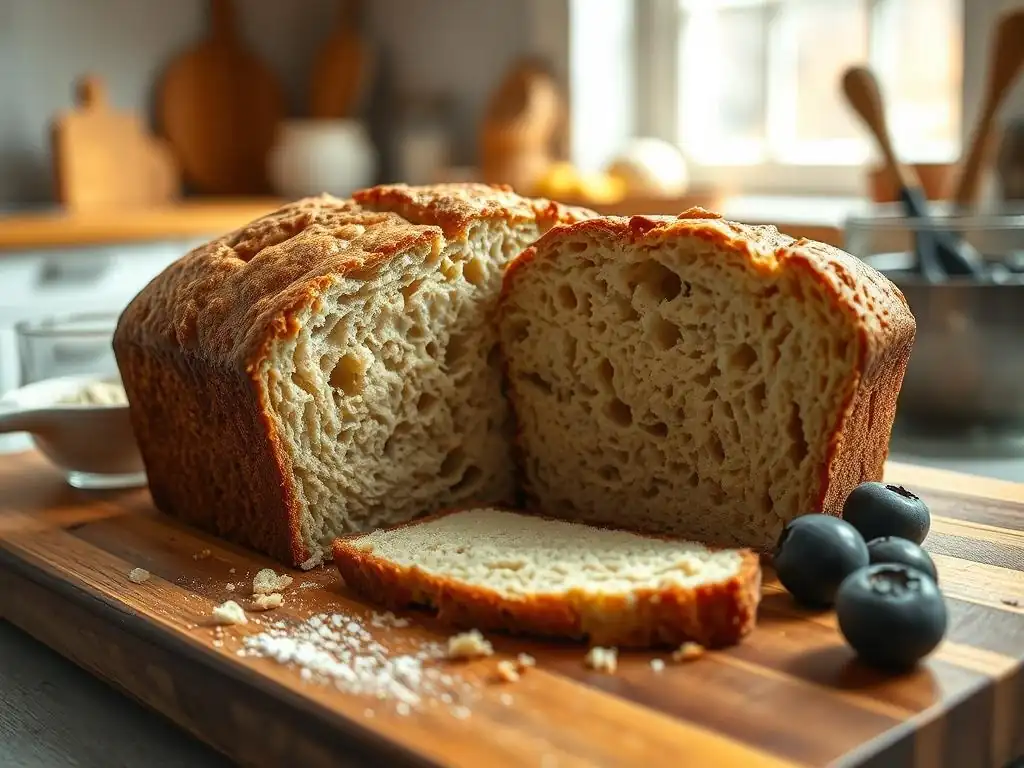
A tough quick bread is a common frustration for beginner bakers, and it almost always points back to gluten development. The most frequent culprit is overmixing the batter. When you mix vigorously or for too long after adding the dry ingredients, you develop the gluten network in the flour, resulting in a chewy, rubbery texture instead of a tender one. Think of it like kneading dough – great for yeast bread, bad for muffins.
To solve this, adopt the gentle mixing technique: combine wet and dry ingredients just until no dry streaks remain. Lumps are acceptable. Another cause can be using flour with too high a protein content (like bread flour instead of all-purpose flour) or adding too much flour. Ensure you measure flour correctly, preferably by weight, or use the spoon-and-level method if using volume measures to avoid compacting the flour.
Avoiding Overmixing: Maintaining Tenderness
Preventing overmixing is perhaps the single most important technique for ensuring a tender quick bread. Once you've combined the wet and dry ingredients, stop mixing as soon as you can no longer see significant dry patches of flour. This usually only takes a few seconds of gentle stirring with a spatula or spoon. You'll likely see some small lumps, and that's perfectly fine – they will generally bake out.
Think of it as a delicate process. The leavening agents are already starting to work as soon as the wet and dry ingredients meet. Excessive stirring deflates the air bubbles created by the leaveners and strengthens the gluten, leading to a dense, tough result. By mixing minimally, you preserve those precious air pockets and keep the gluten relaxed, allowing the quick bread to rise properly and bake up with a soft, desirable crumb.
Identifying and Correcting Texture Issues: A Diagnostic Approach
Diagnosing quick bread texture issues is like being a baking detective. Is your quick bread tough and chewy? Likely overmixing or too much flour. Is it dry and does it have a quick bread crumbly texture? Possibly too much flour, not enough liquid or fat, or overbaking. Is it dense and heavy? Could be expired leavening agents, underbaking, or again, overmixing which deflates the batter.
To correct issues, first identify the likely cause based on the texture. If it's dry and crumbly, check your measurements for flour and liquid in future attempts, and ensure you're not overbaking. If it's tough, focus intensely on gentle mixing. If it's dense, test your baking powder/soda for freshness (a pinch in hot water should fizz vigorously) and ensure your oven temperature is accurate using an oven thermometer. Keeping notes on what you changed and the result can be incredibly helpful for improving over time.
Exploring Different Quick Bread Textures
Understanding Dense and Chewy Quick Bread Textures
While often seen as a fault, a slightly dense or chewy texture can be characteristic of certain quick breads, though extreme toughness is usually undesirable. Some recipes, particularly those with a high proportion of wet ingredients or heavy additions like lots of fruit or nuts, might naturally be denser than a light loaf cake. Chewiness, however, is almost always a sign of excessive gluten development, typically from overmixing.
A moderately dense texture isn't necessarily bad; it can contribute to a satisfying, substantial feel, especially in things like some styles of cornbread or hearty whole-grain muffins. The key is whether this density is paired with moisture and flavor, or if it's simply heavy and unpleasant. If your goal was a light and airy texture but you ended up with dense, revisit your mixing technique and leavening agents.
Achieving a Light and Airy Quick Bread Texture
For many quick bread recipes, like muffins or loaf cakes, a light and airy texture is the ideal. This texture is achieved through a combination of effective leavening and careful handling of the batter. Chemical leaveners (baking powder, baking soda) create gas bubbles that expand during baking, lifting the batter. Incorporating air during the mixing process, particularly when creaming butter and sugar (though less common in the standard muffin method), also contributes to lightness.
Ensuring your leavening agents are fresh is paramount. Baking powder loses potency over time, and baking soda reacts with acidic ingredients, so both need to be active to provide lift. Gentle mixing prevents the deflation of the air bubbles created by the leaveners and the oven's heat. Baking at the correct temperature allows the quick bread to set before the structure collapses, trapping the air pockets and resulting in a light crumb.
Texture Customization: Adapting Recipes to Your Preference
Once you understand the fundamentals, you can begin to adapt recipes to achieve your preferred texture. Prefer a slightly more moist and tender loaf? Consider substituting some oil for butter (oil tends to keep baked goods moist longer) or adding a bit of yogurt or sour cream for extra fat and acidity. Want to avoid a quick bread crumbly texture and ensure it holds together well? Make sure your wet-to-dry ingredient ratio is balanced and you're not using too much flour.
If you desire a lighter texture in a recipe that comes out dense, try increasing the baking powder slightly (within reasonable limits, as too much can leave a metallic taste) or ensure your mixing is as minimal as possible. Experimenting with different types of flour (e.g., cake flour for extra tenderness, though usually not necessary for quick breads) or adding ingredients known for moisture retention, like brown sugar or honey, can also help tailor the texture to your liking.
Essential Ingredients for Optimal Quick Bread Texture
The Role of Flour in Quick Bread Texture (Protein Content and Gluten Formation)
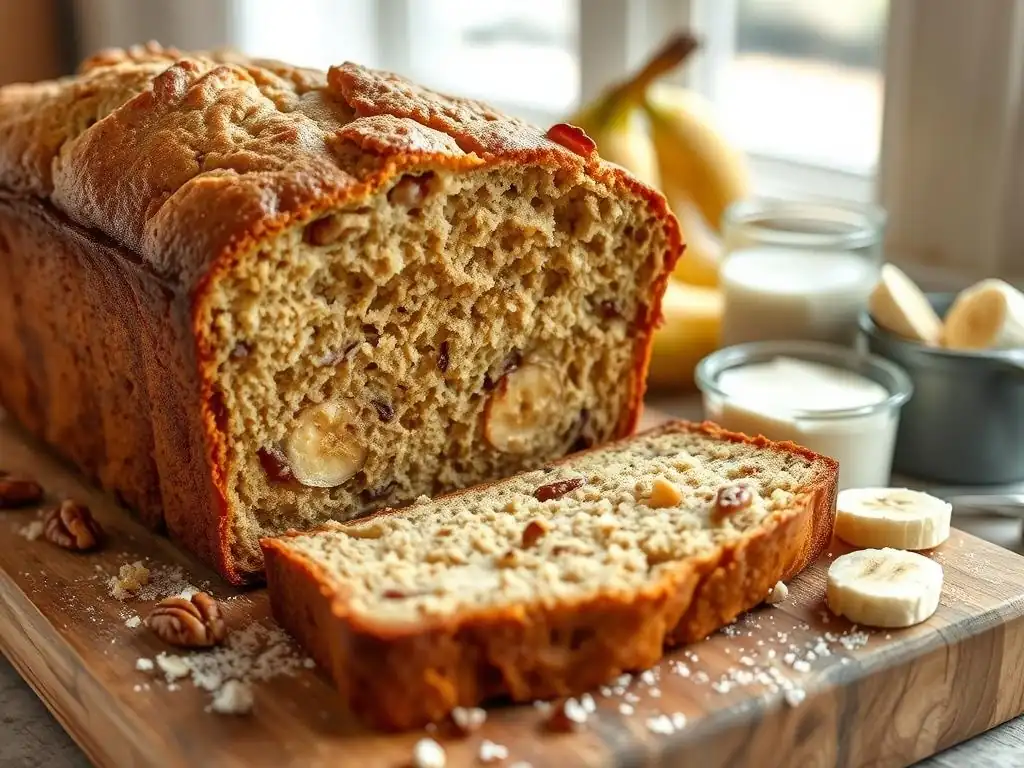
Flour is the structural backbone of quick breads, and its type significantly impacts texture. All-purpose flour is the most common choice for quick breads because it has a moderate protein content (typically 10-12%). This allows for some gluten development, enough to give the quick bread structure, but not so much that it becomes tough, provided it's mixed gently.
Flours with higher protein, like bread flour (12-14% protein), contain more gluten-forming proteins and are best avoided in most quick bread recipes as they make toughness more likely. Conversely, lower protein flours like cake flour (6-8% protein) would result in a very tender, almost crumbly texture, but might lack sufficient structure to hold together well in a loaf or muffin. Using the specified type of flour, measured accurately, is fundamental to achieving the intended texture.
Fats and Their Impact on Crumb (Butter vs. Oil)
Fats are crucial for tenderness, richness, and moisture in quick breads. They coat flour particles, interfering with gluten development, and they contribute to a soft mouthfeel. The type of fat also matters. Butter provides excellent flavor and contributes to tenderness, especially when creamed with sugar, which incorporates air. However, butter contains water and milk solids, which can contribute slightly to gluten development compared to pure fat.
Oil, being 100% fat, is even more effective at coating flour proteins and preventing gluten formation. It also remains liquid at room temperature, which contributes to a perceived moistness and can help prevent a quick bread crumbly texture, especially in recipes stored for a day or two. Recipes using oil often produce a quick bread that stays moist longer than those made solely with butter. Many recipes use a combination of both for the best of both worlds – flavor from butter, moisture from oil.
Liquid Ingredients and Their Effect on Texture (Acidity and Hydration)
Liquid ingredients, such as milk, buttermilk, yogurt, eggs, and even mashed fruits like bananas, are essential for hydrating the dry ingredients, activating leavening agents, and contributing to the overall moisture and texture. The amount of liquid directly affects the batter consistency and the final quick bread's density and moistness. Too little liquid is a primary cause of dry, quick bread crumbly texture.
Acidic liquids like buttermilk, yogurt, and sour cream play a dual role. Their acidity reacts with baking soda, producing carbon dioxide gas for lift, and they also contribute to tenderness and moisture due to their fat content and ability to break down proteins slightly. Eggs provide structure, richness, and moisture; the yolks contribute fat and emulsifiers, while the whites contribute protein for structure. Using the correct amount and type of liquid specified in a recipe is vital for proper hydration and texture development.
Step-by-Step Guide to Baking a Tender Banana Bread
Recipe for a Classic Tender Banana Bread
Here is a simple recipe for a moist and tender banana bread, designed to help beginners achieve great texture.
- Yields: 1 standard loaf
- Prep time: 15 minutes
- Bake time: 55-65 minutes
- Ingredients:
- 2 cups (about 240g) all-purpose flour
- 1 teaspoon baking soda
- 1/4 teaspoon salt
- 1/2 cup (113g) unsalted butter, melted and slightly cooled
- 1/2 cup (100g) granulated sugar
- 1/4 cup (50g) packed brown sugar
- 2 large eggs, room temperature
- 1 teaspoon vanilla extract
- 3 very ripe bananas, mashed (about 1.5 cups)
- 1/4 cup (60ml) buttermilk or plain yogurt
Detailed Instructions for Achieving the Desired Texture
- Preheat your oven to 350°F (175°C). Grease and flour a 9x5 inch loaf pan.
- In a medium bowl, whisk together the flour, baking soda, and salt. Set aside.
- In a large bowl, whisk together the melted butter, granulated sugar, and brown sugar until combined.
- Add the eggs one at a time, whisking until each is incorporated. Stir in the vanilla extract.
- Add the mashed bananas and buttermilk (or yogurt) to the wet ingredients and stir until just combined. The mixture might look a little curdled, which is fine.
- Add the dry ingredients to the wet ingredients. Switch to a spatula or wooden spoon. Gently fold the ingredients together just until the dry streaks of flour disappear. Do not overmix. A few lumps are okay.
- Pour the batter into the prepared loaf pan and spread evenly.
- Bake according to the time and temperature below. The key to tenderness here is the gentle mixing in step 6, ensuring minimal gluten development and a soft crumb. The melted butter and mashed bananas provide ample moisture to prevent a quick bread crumbly texture.
Baking Time and Temperature for Optimal Results
Bake the banana bread in the preheated 350°F (175°C) oven for 55-65 minutes. Baking at this moderate temperature allows the quick bread to rise evenly and cook through without the outside getting too dark before the center is done.
To check for doneness, insert a wooden skewer or toothpick into the center of the loaf. It should come out clean or with just a few moist crumbs attached. If it comes out with wet batter, continue baking for 5-minute intervals and check again.
Overbaking will dry out the quick bread and can contribute to a less tender or even a quick bread crumbly texture, so testing for doneness is crucial. If the top is browning too quickly, you can loosely tent the loaf with aluminum foil. Let the loaf cool in the pan for 10-15 minutes before transferring it to a wire rack to cool completely.
Advanced Tips for Perfecting Your Quick Bread
Experimenting with Flavors and Textures
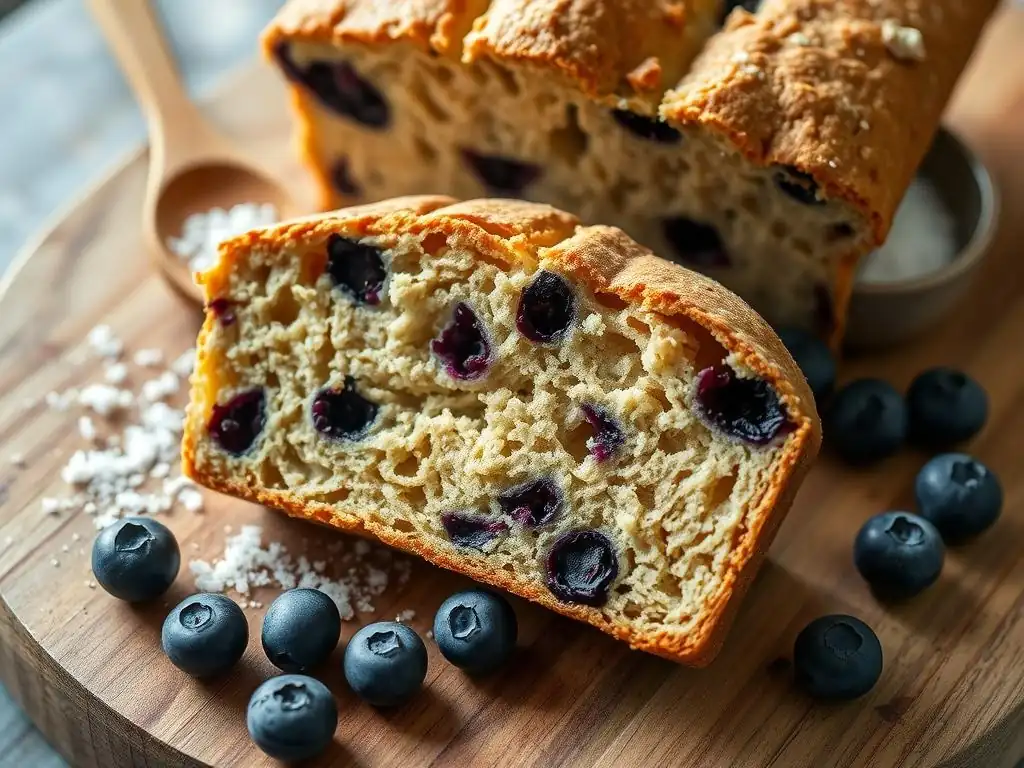
Once you're comfortable with basic quick bread techniques, feel free to experiment! Adding mix-ins like chocolate chips, nuts, dried fruit, or fresh berries can introduce new textures and flavors. For example, adding nuts provides a pleasant crunch contrast to a soft crumb. Be mindful that adding a large volume of heavy mix-ins can sometimes make a quick bread denser, so avoid overloading the batter.
Consider incorporating different spices like cinnamon, nutmeg, or cardamom for added depth of flavor. Citrus zest brightens the taste profile. You can also experiment with different fats; browned butter adds a nutty depth, while substituting some applesauce for fat can reduce calories while maintaining moisture (though it can sometimes result in a slightly gummier texture if used in large amounts).
Techniques for Enhancing Moistness and Shelf Life
To ensure your quick bread stays wonderfully moist and enjoys a longer shelf life, there are a few tricks. Using ingredients known for retaining moisture is key – mashed fruits (banana, apple, pumpkin), cooked vegetables (zucchini, sweet potato), brown sugar (which contains molasses and holds moisture better than white sugar), honey, or oil. Some recipes benefit from a simple syrup brushed over the top immediately after baking, which adds moisture.
Another technique is to avoid overbaking at all costs, as even a few extra minutes can dry out the quick bread significantly and lead to a quick bread crumbly texture the next day. Once cooled, proper storage is paramount. Wrapping the quick bread tightly in plastic wrap or aluminum foil, or storing it in an airtight container, prevents moisture loss and keeps it fresh and tender for several days.
Storing Quick Bread to Maintain Texture
Proper storage is essential for preserving the tender, moist texture of your quick bread and preventing it from becoming dry or developing a quick bread crumbly texture over time. Once your quick bread has cooled completely on a wire rack (cooling while still warm can trap steam and make it gummy), wrap it tightly.
For short-term storage (2-3 days at room temperature), wrap the loaf or muffins tightly in plastic wrap, then place them in a zip-top bag or airtight container. This double layer of protection helps lock in moisture. For longer storage, quick breads freeze beautifully. Wrap individual slices or whole loaves tightly in plastic wrap, then in aluminum foil or a freezer bag. Frozen quick bread can maintain its quality for up to 2-3 months. Thaw at room temperature, still wrapped, to maintain moisture.
Quick Bread Texture FAQ
Common Questions About Quick Bread Texture
- Why is my quick bread dry? Usually due to too much flour, not enough liquid/fat, or overbaking. Ensure accurate measurement, sufficient moisture in the batter, and test for doneness carefully.
- Why is my quick bread tough? Almost always caused by overmixing the batter, which develops gluten. Mix just until dry ingredients are incorporated.
- Why did my quick bread sink in the middle? Could be underbaking, expired leavening agents, opening the oven door too early, or too heavy a batter (too much liquid or too many mix-ins).
- Why does my quick bread have a quick bread crumbly texture? This often happens when the quick bread is too dry. Common causes include over-measuring flour, under-measuring liquids or fats, or overbaking. Ensuring the correct ratio of wet to dry ingredients and baking just until done will help prevent this.
Troubleshooting Specific Texture Problems
- Problem: Tough, rubbery texture.
- Diagnosis: Overmixing.
- Solution: Practice gentle folding technique, mix only until dry streaks disappear.
- Problem: Dry, quick bread crumbly texture.
- Diagnosis: Insufficient moisture (too much flour, not enough liquid/fat) or overbaking.
- Solution: Measure flour accurately (use spoon-and-level or weigh), check recipe ratios, use room temperature ingredients, test for doneness promptly.
- Problem: Dense, heavy texture.
- Diagnosis: Inactive leavening agents, overmixing (deflating batter), underbaking, or too much heavy add-ins.
- Solution: Test leavening agents, use gentle mixing, ensure proper baking time/temperature, don't overload with mix-ins.
Resources for Further Learning About Quick Bread Baking
To continue honing your quick bread skills and mastering textures, explore reputable baking websites and cookbooks. Look for resources that explain the science behind baking, as understanding why certain techniques work is invaluable. Many baking blogs offer detailed guides on specific quick bread types like muffins, scones, or loaf cakes, often including troubleshooting tips and variations.
Consider watching online baking tutorials; seeing techniques like gentle folding demonstrated can be very helpful. Practice is key! Don't be discouraged by less-than-perfect results. Each bake is a learning opportunity. Pay attention to how changes in ingredients or technique affect the final quick bread crumbly texture, moistness, and tenderness, and you'll quickly become a quick bread expert.
Frequently Asked Questions
What causes a quick bread to have a crumbly texture?
A crumbly texture in quick bread is often due to too much dry ingredients relative to wet ones, or overmixing, which develops too much gluten. Using cold ingredients can also contribute.
How can I prevent a crumbly texture in my quick bread?
To avoid a crumbly texture, carefully measure ingredients, ensuring the correct wet-to-dry ratio. Avoid overmixing; mix only until just combined.
What role does fat play in a quick bread's texture, and how does it affect a crumbly texture?
Fat tenderizes the dough and prevents gluten development. Insufficient fat can lead to a crumbly texture, as gluten strands become too strong.
Are there specific ingredients that contribute more to a crumbly texture in quick breads?
Using too much flour, especially high-protein flour, can contribute to a crumbly texture. Also, using old baking powder or baking soda can impact the rise and texture.
What are some easy tips for achieving a moist and tender quick bread instead of a crumbly texture?
Easy tips include adding sour cream or yogurt for moisture, using melted butter for a softer crumb, and ensuring your oven temperature is accurate to prevent over-baking, which can lead to a crumbly texture.
Final Reflection: Unlocking the Secrets of the Perfect Quick Bread Crumb
The quest for the ideal quick bread texture—crumbly, moist, or somewhere in between—is more than just a baking pursuit; it's a journey into understanding the fundamental science behind flour, liquids, and leavening agents. Mastering this allows you to transform simple ingredients into delightful, personalized loaves, perfectly tailored to your taste.
This exploration into quick bread textures has highlighted the often-overlooked nuances of baking. It's not just about following a recipe; it's about understanding why certain techniques produce specific results. The subtle interplay of ingredients, the careful measurement, and the intuitive feel for the dough—these are the elements that elevate a simple loaf into something truly special. Baking is a science, but it's also an art. The best bakers understand both.
Now, consider your own baking journey. What textures resonate most with you? What have you learned from this guide that you can apply to your next baking adventure? Perhaps you'll experiment with different flours, adjust the liquid ratios, or even try a new recipe entirely, armed with a deeper understanding of the factors that contribute to the perfect crumb. Don't be afraid to experiment, to fail, and to learn from each loaf you create. The path to baking mastery is paved with delicious discoveries.
Unlock Your Inner Bread Wizard!
Thanks for joining us on this delicious journey into the world of quick bread textures! We hope you've gained valuable insights to elevate your baking game. Ready to put your newfound knowledge into practice?
- Master a new texture: Choose your favorite quick bread recipe (or try a new one!) and focus on achieving a specific texture—perfectly crumbly, wonderfully moist, or delightfully chewy—by adjusting ingredients and baking techniques.
- Share your baking triumph: Snap a picture of your masterpiece and share it on social media using #BakeWithEaseTexture. Let's inspire each other!
- Explore the BakeWithEase archives for more quick bread adventures. There's a whole world of textures waiting to be discovered!
What unexpected texture will you try to perfect in your next quick bread creation?