
How to Serve Warm Fruit Pie: Tips for the Perfect Slice

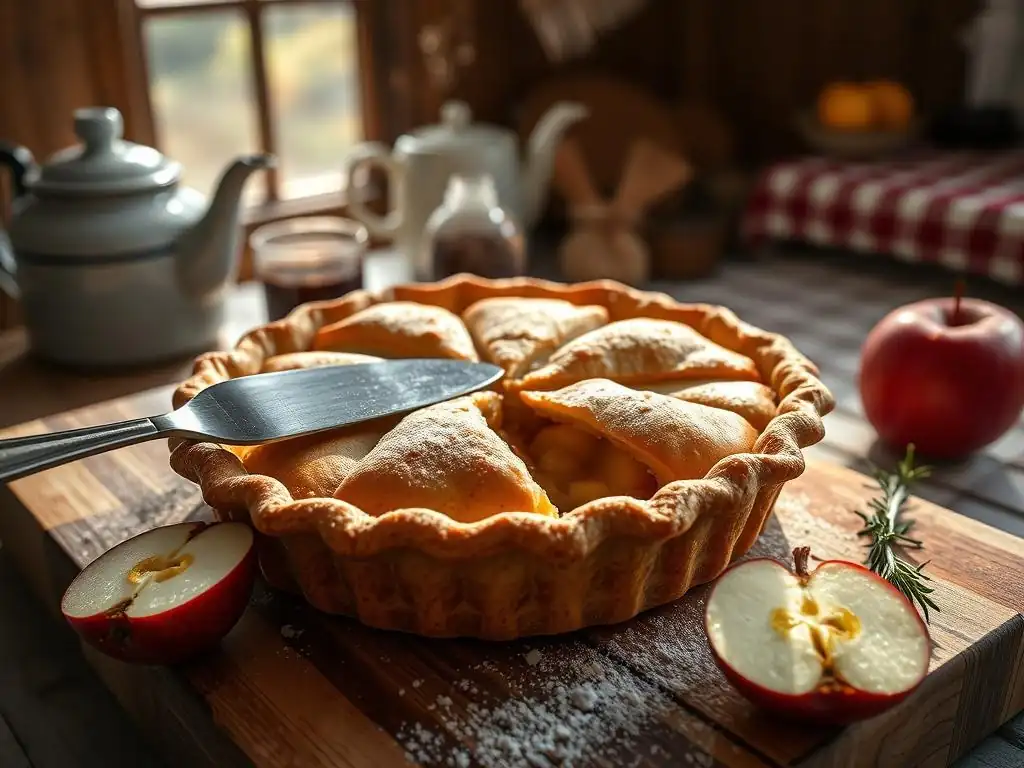
Welcome to BakeWithEase, your guide to effortlessly delicious baking! Ever wrestled with a warm fruit pie, only to end up with a crumbly, saucy mess? Fear not! This time, we're diving deep into pastry perfection with essential warm fruit pie slicing tips that will transform your dessert presentation. Discover the secrets to clean, beautiful slices and impress your guests (or just yourself!) with a pie that looks as good as it tastes. Ready to unlock the art of the perfect slice? Let's get started...
- BakeWithEase' Guide to Warm Fruit Pie Perfection
- The Challenge: Slicing Warm Fruit Pie Without a Mess
- Mastering the Art of Slicing Warm Fruit Pie: Essential Techniques
- Serving Suggestions: Enhancing Your Warm Fruit Pie Experience
- Pro Tips for Warm Fruit Pie Presentation
- Troubleshooting Common Warm Fruit Pie Slicing Issues
- Enjoying Your Perfectly Sliced Warm Fruit Pie
-
Frequently Asked Questions
- How soon after baking should I try to slice my warm fruit pie?
- What's the best tool for slicing a warm fruit pie?
- My warm fruit pie filling is always too runny when I slice it. What am I doing wrong?
- How can I prevent the crust from crumbling when slicing a warm fruit pie?
- What's a simple trick to make slicing a warm fruit pie easier?
- Final Reflection: Slicing into the Sweetness of Shared Moments
- Unlock the Secrets to the Perfect Warm Fruit Pie!
BakeWithEase' Guide to Warm Fruit Pie Perfection
Serving a warm, bubbling fruit pie fresh from the oven is one of baking's greatest pleasures. The aroma fills the kitchen, promising a delightful dessert experience. However, the transition from oven-hot goodness to perfectly plated slices can be surprisingly tricky. Unlike cold or room-temperature pies, warm fruit pies present unique challenges due to their soft crusts and often-runny fillings. Mastering the art of slicing warm fruit pie requires a little know-how and patience, but the reward of clean, beautiful slices is well worth the effort.
This guide is designed to equip you with the best warm fruit pie slicing tips, ensuring your hard work in the kitchen results in picture-perfect portions every time. We'll cover everything from essential cooling techniques to the right tools and clever serving tricks. Get ready to serve your warm fruit pies with confidence and ease, impressing your guests with not just the taste, but also the flawless presentation.
The Challenge: Slicing Warm Fruit Pie Without a Mess
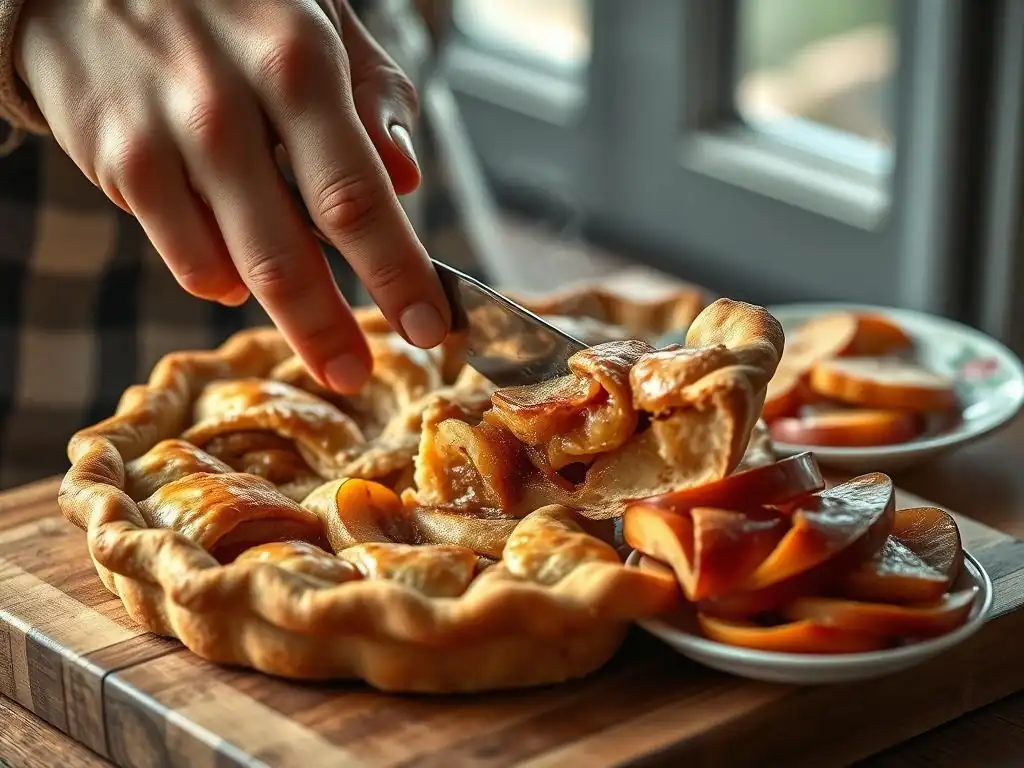
Cutting into a pie immediately after baking can be a messy affair. The heat keeps the fats in the crust very soft, making it prone to crumbling, while the fruit filling retains significant moisture and heat, often remaining quite liquid. Attempting to slice and lift a piece at this stage frequently results in a collapsed slice, a pool of filling, and a frustrated baker. Understanding why warm pies are so difficult to slice is the first step to overcoming the challenge.
The glorious, bubbling nature of a hot fruit pie is precisely what makes it hard to handle. The steam trapped within the filling contributes to its fluidity, and the high temperature keeps the sugars and natural fruit pectins from setting fully. This combination means that the structural integrity we expect in a pie slice simply isn't there until the pie has had a chance to cool and firm up slightly. Applying the wrong technique or using unsuitable tools only exacerbates these inherent challenges.
Why Warm Fruit Pies Are Deliciously Difficult to Slice
The primary culprit behind the difficulty in slicing warm fruit pies is the state of the filling and the crust at high temperatures. Fruit fillings, especially those made with berries or stone fruits, contain a high percentage of water. When heated, this water turns to steam, and the fruit fibers soften significantly. Even with added thickeners, the filling remains very fluid until it cools down and sets. For example, a hot cherry pie filling might measure over 90% liquid by volume if not properly thickened, making it behave more like a sauce than a solid.
Simultaneously, the butter or shortening in the pie crust is still molten or very soft when the pie is warm. This means the crust is pliable and delicate, lacking the crisp, firm structure it develops upon cooling.
When you try to push a knife through this soft crust and then lift a slice, the weight of the warm, fluid filling puts immense pressure on the fragile crust, leading to breaks, crumbles, and the dreaded "pie avalanche" where the filling spills out. The internal temperature of a pie right out of the oven can easily exceed 200°F (around 93°C), far too hot for the crust to be firm or the filling to be set.
Common Problems When Cutting Warm Pie: A Baker's Nightmare
Bakers often encounter a few recurring issues when attempting to slice warm fruit pie. One of the most common is the "crumbling crust syndrome." As you push the knife through the soft, warm pastry, it doesn't cut cleanly but instead breaks apart, leaving jagged edges and a mess around the slice.
This is particularly true for flaky crusts, which rely on solidified fat layers for their structure. Another frequent issue is the "runny filling disaster." You manage to get the knife through, but as you lift the slice, the hot, liquid filling pours out, creating a puddle on the plate and leaving the slice looking deflated and incomplete.
Beyond structural issues, presentation suffers greatly. Slices often come out misshapen, uneven, or stuck to the pie plate. The clean lines and defined wedges you envision are replaced by a messy, unappealing heap. Trying to salvage a poorly cut slice can damage the rest of the pie, turning the entire dessert into a less-than-ideal presentation. These common problems highlight the need for specific warm fruit pie slicing tips and techniques designed to handle the unique characteristics of a hot pie.
Mastering the Art of Slicing Warm Fruit Pie: Essential Techniques
Achieving beautiful, intact slices of warm fruit pie is entirely possible with the right approach. It's less about brute force and more about patience, proper tools, and strategic execution. These essential techniques are the foundation for successful warm fruit pie slicing, transforming a potentially messy task into a smooth, satisfying part of the dessert experience. By following these steps, you can significantly improve the outcome and serve your pie with pride.
Adopting these methods will not only improve the appearance of your warm fruit pie slices but also make the serving process much less stressful. It's about working with the pie's characteristics at that temperature, rather than fighting against them. These warm fruit pie slicing tips are applicable to most fruit pies, whether you're dealing with apples, berries, peaches, or mixed fruits, ensuring consistent results.
Tip #1: Cooling (Slightly!) Before Slicing for Clean Cuts
This might seem counterintuitive if you want to serve the pie warm, but a short cooling period is absolutely crucial for achieving clean, well-defined slices. Serving a pie straight from the oven is almost guaranteed to result in a messy outcome. Allowing the pie to cool even slightly allows the crust to firm up just enough to withstand slicing pressure and, more importantly, gives the filling a chance to begin setting. This initial cooling period is perhaps the single most important step in mastering warm fruit pie slicing tips.
The goal isn't to cool the pie completely, but to bring its internal temperature down from piping hot to merely warm. This transition allows the fat in the crust to solidify slightly and the thickeners in the filling (like cornstarch or tapioca) to start doing their job effectively. Think of it as letting a sauce reduce and thicken off the heat – the principle is similar. A pie cooled even for 15-20 minutes will behave dramatically differently under a knife than one that's only been out for 5 minutes.
Why a Short Cooling Period Makes a Big Difference
Even a brief pause after removing the pie from the oven can dramatically improve its structural integrity. During those initial minutes, the residual heat continues to cook the pie slightly, but more importantly, heat dissipates from the surface and edges. This cooling process causes the fat in the outer layers of the crust to solidify from liquid oil back into a more solid state, usually starting around 90-100°F (32-38°C) depending on the type of fat used. As the crust firms up, it becomes much more resistant to crumbling when a knife passes through it.
Concurrently, the filling begins to cool from temperatures potentially exceeding 200°F (93°C) down towards something closer to 150-160°F (65-71°C). While still very warm, this temperature drop is significant enough for thickening agents to start their work. Starches like cornstarch typically gel and thicken most effectively as they cool below boiling. Even natural fruit pectins benefit from this cooling period to set. This slight thickening reduces the fluidity of the filling, making it less likely to gush out when the pie is sliced and lifted.
Recommended Cooling Time for Different Fruit Pie Types
The ideal cooling time before slicing a warm fruit pie varies depending on the type of fruit and the thickener used. Generally, denser fruit fillings like apple or pear require a slightly longer cooling period than lighter berry fillings.
- Apple, Pear, and Stone Fruit Pies (Peach, Plum): These pies benefit from cooling for at least 20-30 minutes on a wire rack. Their fillings are often chunky and hold heat longer.
- Berry Pies (Blueberry, Raspberry, Strawberry-Rhubarb): These pies have fillings that are more prone to running. A cooling time of 15-25 minutes is usually sufficient to allow the thickener to start setting, while still keeping the pie warm.
- Cherry Pie: Cherry pie filling is notoriously runny. Aim for at least 25-35 minutes of cooling. Using a robust thickener like tapioca starch or instant clearjel is also highly recommended for cherry pies if you plan to serve warm.
Remember, this is for serving warm. If you were aiming for perfectly set slices without any runniness for photography or transport, you'd cool the pie for several hours, potentially even overnight. But for a warm slice, these shorter times strike the right balance between set filling/crust and desired temperature.
Tip #2: The Right Tools for the Job: Pie Servers and Knives
Having the correct tools is just as important as the cooling period for successful warm fruit pie slicing. A standard dinner knife and spatula won't cut it (pun intended!) when dealing with a warm, delicate pie. Investing in or simply choosing the right pie server and knife for this specific task will make a significant difference in the outcome of your warm fruit pie slices. These tools are designed to minimize damage and maximize your ability to lift the slice cleanly.
Using inappropriate tools can undo the benefits of proper cooling. A dull knife will tear the crust instead of cutting it, and a flimsy server won't provide adequate support for a heavy, warm slice, leading to breakage. Selecting tools specifically suited for slicing and serving pie, especially when warm, is a key component of mastering warm fruit pie slicing tips.
Choosing the Best Pie Server for Warm Pies
For warm pies, the ideal pie server is one that is wide, sturdy, and relatively thin at the edge. A wide server provides maximum support for the base and weight of the warm, potentially fragile slice, preventing it from breaking in half as you lift it. Look for servers that are at least 4-5 inches wide at the serving end. The sturdiness is crucial – avoid flimsy plastic or thin metal servers that might bend under the weight of a slice of warm apple pie, which can weigh several ounces.
A server with a slightly bevelled or thin edge can also help slide underneath the slice more easily without disrupting the crust. Some pie servers even have one serrated edge, intended to help with the initial cut, though this isn't strictly necessary if you're using a good knife. The key is a tool that offers robust, broad support to lift the warm, potentially wobbly slice from the pie plate to the serving plate without mishap.
The Importance of a Sharp Knife for Clean Slices
A sharp knife is indispensable for cutting warm fruit pie cleanly. A dull knife will not cut through the crust cleanly; it will press down and tear it, leading to crumbling and a messy edge. For warm pie, a thin-bladed knife is often preferable as it creates less drag and disturbance as it passes through the filling. A sharp chef's knife or a long, sharp serrated knife can work well.
When using a knife, the goal is a single, clean cut from the center to the edge. For warm pie, wiping the knife blade clean with a damp cloth or paper towel between each cut is highly recommended. This removes any sticky filling or soft crust residue, ensuring that the next cut is as clean as the first. This simple step prevents the knife from dragging crumbs and filling into the next slice, contributing significantly to cleaner warm fruit pie slicing tips.
Tip #3: Strategic Slicing Techniques for Warm Fruit Pies
Once you have the slightly cooled pie and the right tools, the technique you employ to actually make the cuts and lift the slices is paramount. Simply pushing a knife straight down and attempting to scoop can lead to disaster. Specific strategies are designed to minimize disturbance to the warm, delicate structure of the pie. These techniques focus on controlled movements and gentle handling to ensure the slices maintain their shape.
Adopting a strategic approach to cutting and lifting significantly reduces the risk of damaging the pie. It's about leveraging the properties of the tools and the slightly firmed-up pie to your advantage. These warm fruit pie slicing tips are about precision and patience in the moments of truth – the actual cutting and serving.
The "Pivot and Lift" Method for Minimal Crumbling
A highly effective technique for slicing warm pie is the "pivot and lift" method. Start by making your first cut from the center of the pie straight to the edge. For the second cut, defining the wedge, place the knife at the center again and cut to the edge, aiming for your desired slice size (typically 1/6th or 1/8th of the pie). Before lifting, make sure the cuts go all the way through the bottom crust.
Now, here's the pivot part: Insert your wide pie server fully under the slice. Once the server is completely underneath, use it to gently pivot the slice away from the rest of the pie before lifting. This slight pivot helps to ensure the slice is fully detached and prevents it from dragging against the adjacent slices, which can cause crumbling along the cut edges. Then, with the slice fully supported on the server, lift it smoothly and transfer it to the plate.
Using Gentle Pressure to Avoid Smushing the Filling
When cutting warm fruit pie, heavy, forceful pressure is counterproductive. Pushing down too hard on the knife can smush the warm filling and compress the crust, leading to a dense, unappealing slice and potentially causing filling to squish out the sides. Instead, use a steady, firm but gentle sawing motion with your sharp knife to cut through the top crust and filling. Once you reach the bottom crust, apply slightly more deliberate, even pressure to cut through it cleanly.
When lifting the slice with the server, do so smoothly and horizontally until the slice is clear of the pie plate. Avoid tilting the server too much, as this can cause the warm, unset filling to slide off or pool at one end. The goal is minimal disturbance – think of it as gently guiding the slice out rather than aggressively scooping it. This gentle approach is a cornerstone of effective warm fruit pie slicing tips.
Tip #4: Dealing with Runny Filling: Prevention and Solutions
Despite best efforts with cooling and technique, some fruit fillings are simply more prone to runniness when served warm, especially certain berry pies or those with minimal thickener. While proper thickening before baking is the best prevention, there are still ways to manage a slightly runny warm pie filling and serve it gracefully. Understanding both prevention and in-the-moment solutions is key to successful warm fruit pie slicing tips when facing a particularly juicy pie.
A truly runny filling can undermine even the best slicing technique. The sheer volume of liquid can overwhelm the crust and make lifting impossible without significant spillage. Addressing potential runniness starts long before the pie comes out of the oven, but having strategies for a less-than-perfect set is also part of being prepared.
Adding Thickening Agents to Pie Filling Before Baking
The most effective way to prevent excessively runny filling in warm fruit pies is to use an appropriate amount and type of thickening agent before baking. Common thickeners include flour, cornstarch, tapioca starch, and instant clearjel. The amount needed varies based on the fruit's juiciness – for instance, a cup of sliced peaches might need 1-2 tablespoons of thickener, while a cup of blueberries might need slightly more, say 1.5-2.5 tablespoons, depending on variety and ripeness.
- Cornstarch: Provides a clear, glossy filling but can break down if overcooked or frozen. Typically needs to reach boiling temperature to activate. Use about 1-2 tablespoons per cup of fruit.
- Flour: Provides a cloudier, slightly pastier filling texture. Less potent than cornstarch. Use about 2-3 tablespoons per cup of fruit.
- Tapioca Starch (Granulated or Pearl): Excellent for fruit pies, especially berry pies, as it doesn't break down easily and provides a clear, slightly chewy texture. Granulated tapioca needs about 15 minutes to absorb moisture before baking. Use about 1.5-2.5 tablespoons per cup of fruit.
- Instant Clearjel: A modified cornstarch that thickens without needing to boil and is very stable, resisting weepiness. Often used by commercial bakeries. Use according to package directions, typically less than other thickeners (e.g., 1-1.5 tablespoons per cup of fruit).
Mixing the thickener thoroughly with the sugar and sometimes a bit of spice before adding it to the fruit ensures even distribution and prevents lumps. Using the right amount based on the specific fruit and desired consistency is a crucial step in achieving a filling that sets well enough to be sliced warm.
Serving Runny Pie with Style: Tips and Tricks
If, despite your best efforts, your warm fruit pie filling is still runnier than desired, don't despair! You can still serve it beautifully. The key is to acknowledge the filling's state and adjust your serving strategy. Instead of fighting the runniness, embrace it and present it in a way that looks intentional and delicious.
- Use Deep Plates or Bowls: Serve slices in shallow bowls or deep-rimmed plates instead of flat dessert plates. This contains any excess liquid gracefully, making it look like a deliberate sauce rather than a messy spill.
- Serve with a Spoon: Provide spoons alongside forks. Guests can then enjoy the "sauce" with their pie.
- Add a Complementary Base: Place the slice on top of something that can absorb or meld with the filling, like a scoop of ice cream (which also helps cool the filling slightly), a dollop of whipped cream, or even a thin slice of pound cake or brioche.
- Consider a "Deconstructed" Approach (for extreme cases): If the pie is very runny, you might scoop portions into bowls, perhaps topping with a piece of the baked crust served separately. This turns a potential fail into a rustic, appealing dessert.
These strategies ensure that even a pie with a less-than-perfectly set filling can be enjoyed warmly and attractively, proving that warm fruit pie slicing tips aren't just about the cut, but also the presentation.
Serving Suggestions: Enhancing Your Warm Fruit Pie Experience

Serving warm fruit pie is about more than just the pie itself; it's about creating a complete, delightful dessert experience. Complementary toppings and beverages can elevate the simple pleasure of a slice of pie into something truly special. These additions not only enhance the flavor profile but also add visual appeal and textural contrast, making each bite more interesting.
Thinking about what to serve with your warm fruit pie is part of the overall hosting or enjoying process. Whether it's a casual family dessert or a more formal gathering, the right accompaniments can significantly enhance the experience for you and your guests.
Complementary Toppings: Ice Cream, Whipped Cream, and More
The classic pairing for warm fruit pie is cold vanilla ice cream. The contrast between the warm, sweet, slightly tart fruit and the cold, creamy vanilla is simply divine. A scoop of high-quality vanilla bean ice cream slowly melting into the warm filling is a textural and temperature sensation that is hard to beat. Other flavors like cinnamon, salted caramel, or even a complementary fruit sorbet can also work wonderfully depending on the pie's flavor.
Whipped cream is another fantastic option. Light, airy, and less intensely cold than ice cream, it provides a lovely creamy counterpoint to the richness of the pie. Freshly whipped cream, perhaps lightly sweetened or flavored with a hint of vanilla or cinnamon, is always superior to canned varieties.
For an extra touch, consider a sprinkle of cinnamon, nutmeg, or a few toasted nuts on top of the whipped cream or ice cream. Other less common but delicious toppings include a drizzle of caramel sauce, a sprinkle of streusel topping saved from the pie-making process, or even a thin slice of sharp cheddar cheese (a traditional pairing for apple pie in some regions).
Pairing Warm Fruit Pie with Beverages: Coffee, Tea, and Wine
The right beverage can perfectly complement the flavors of a warm fruit pie. For many, a hot cup of coffee is the quintessential pairing. The slight bitterness of coffee provides a nice contrast to the pie's sweetness, and the warmth matches the pie's temperature. A strong black coffee or a latte can both work well.
Tea is another excellent option. A classic black tea like Earl Grey or English Breakfast offers a comforting warmth and tannins that cut through the richness. Herbal teas, such as chamomile or cinnamon spice, can also be lovely, especially with apple or pear pies.
For those who enjoy a wine pairing, consider late-harvest Riesling or a Moscato d'Asti with berry or peach pies, offering sweetness and acidity that complement the fruit. For apple pie, a hard cider or even a slightly oaked Chardonnay might be interesting choices. The goal is a beverage that cleanses the palate or harmonizes with the fruit flavors without overpowering the pie itself.
Pro Tips for Warm Fruit Pie Presentation
Beyond just getting the slice out intact, presenting it beautifully enhances the entire dessert experience. A well-plated slice of warm fruit pie looks inviting and shows off the care you put into baking. These pro tips focus on the final steps of serving, ensuring that your warm fruit pie slices look as good as they taste. Mastering presentation is the final flourish after implementing effective warm fruit pie slicing tips.
Presentation isn't just for fancy restaurants; it makes homemade desserts feel special. Simple techniques can elevate a standard slice of pie into something truly appealing, making the mouth water before the first bite is even taken.
Creating Aesthetically Pleasing Slices
Achieving aesthetically pleasing slices starts with the initial cuts. Ensure your cuts are even and extend fully to the center point. Aim for slice sizes that are generous but manageable. For a standard 9-inch pie, 6-8 slices are typical. Using the technique of wiping your knife clean between each cut is a game-changer for presentation, preventing messy edges and transfer of crumbs.
When lifting the slice with the server, try to keep it level to prevent filling from pooling or sliding. If using a double-crust pie, try to ensure each slice gets a good portion of both the top and bottom crust. For lattice-top pies, make sure your cuts go cleanly through the lattice strips. A perfectly cut slice reveals layers of fruit and crust, a testament to both your baking and slicing skills.
Plating Techniques for a Professional Look
How you place the slice on the plate makes a difference. Use your wide pie server to gently slide the slice from the server onto the plate. Position the slice with the point towards the center of the plate and the wide end towards the rim. This classic positioning is visually appealing.
Consider adding a small garnish to the plate before or after placing the pie. A dusting of powdered sugar, a drizzle of sauce (caramel, berry coulis), a sprig of mint, or a few fresh berries can add a touch of color and sophistication. If serving with ice cream or whipped cream, place it alongside the slice or carefully on top, allowing it to melt slightly into the warm pie.
Clean the edges of the plate with a napkin or paper towel for a polished finish. These simple plating techniques complement your warm fruit pie slicing tips and elevate the overall presentation.
Troubleshooting Common Warm Fruit Pie Slicing Issues
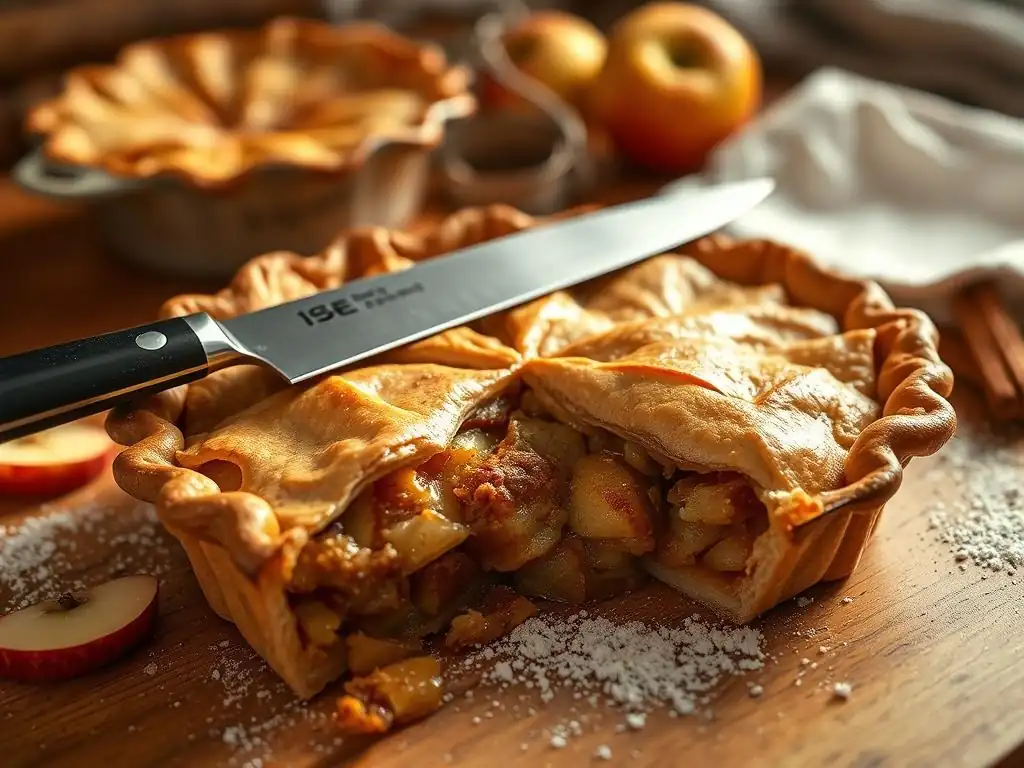
Even with the best preparation and techniques, sometimes things don't go perfectly. A slice might break, the filling might be runnier than expected, or the crust might crumble more than you'd like. Knowing how to handle these minor mishaps can save your dessert and your sanity. These troubleshooting tips are practical solutions for common problems encountered when applying warm fruit pie slicing tips.
Being prepared for potential issues means you can react quickly and minimize damage. Often, a small adjustment or a quick fix is all that's needed to get back on track and still serve a delicious dessert.
What to Do if Your Pie is Still Too Runny
If you've cut into your warm pie after the recommended cooling time and the filling is still excessively runny, you have a few options depending on the severity:
- Let it Cool Longer: If time permits, simply stop slicing and let the pie cool for another 15-30 minutes. Sometimes, just a bit more time is all that's needed for the thickener to fully activate as the temperature drops further.
- Serve in Bowls: As mentioned earlier, switch from plates to shallow bowls. Scoop portions of the pie using a large spoon or the pie server, embracing the saucy nature of the filling. Top with ice cream or whipped cream which will help contain the liquid.
- Scoop the Filling, Serve Crust Separately: In extreme cases where the filling is almost liquid, you might gently scoop out the fruit filling and serve it as a warm fruit sauce over pieces of the baked pie crust, pound cake, or ice cream in bowls.
While not the ideal outcome, these methods ensure the delicious flavor isn't wasted and the dessert is still enjoyable.
Repairing a Damaged Pie Slice: Quick Fixes
If a slice breaks apart while you're lifting it, or the crust crumbles excessively, don't panic. You can often make quick repairs, especially if serving in a casual setting.
- Piece it Together on the Plate: Gently reassemble the slice on the serving plate using your pie server or a spatula. Push the broken crust pieces back into place. A dollop of whipped cream or a scoop of ice cream strategically placed can help hold things together and distract from imperfections.
- Use a Larger Server/Spatula: If the issue is breakage during lifting, switch to a wider, more supportive server or even use two spatulas together to support the slice from underneath.
- Turn it into a Sundae: If a slice is beyond repair, crumble it into a bowl, top with ice cream, whipped cream, and perhaps some extra fruit or sauce. Call it a "Warm Pie Crumble Sundae" – sounds intentional and delicious!
These quick fixes prove that a minor slicing mishap doesn't have to ruin the dessert. A little creativity can salvage the situation and ensure everyone still gets to enjoy your warm, homemade pie.
Enjoying Your Perfectly Sliced Warm Fruit Pie
After putting in the effort to bake and master the warm fruit pie slicing tips, the best part is finally sitting down to enjoy the fruits of your labor. A warm slice of homemade fruit pie is a comforting and satisfying dessert, especially when served with care and attention to detail. Sharing this delicious creation with others is a wonderful way to connect and celebrate simple pleasures.
Whether it's a family gathering, a dinner party, or just a quiet evening at home, the experience of a warm slice of pie is a highlight. Savor the taste, the texture, and the warmth, knowing that you've successfully navigated the challenge of serving it beautifully.
Homemade pie carries a special kind of warmth, both literally and figuratively. Sharing a warm fruit pie you've baked yourself is an act of generosity and love. The imperfections often add to the charm, but presenting it neatly sliced enhances the feeling of accomplishment and care. Don't hesitate to share your warm fruit pie slicing tips with fellow bakers!
Gathering around a table to enjoy dessert is a cherished ritual. The aroma of warm pie fills the air, conversation flows, and each bite brings a smile. This is the ultimate reward for the effort put into baking and serving.
Storing Leftover Warm Fruit Pie (If There Is Any!)
It's a rare and wonderful thing when warm fruit pie is completely finished in one sitting. More often, there might be a few slices or a significant portion left over. Proper storage is important to maintain quality and safety.
Once the pie has cooled completely to room temperature (this is crucial for storage, unlike the partial cooling for slicing), cover it tightly with plastic wrap or aluminum foil, or transfer slices to an airtight container. Store fruit pies at room temperature for up to 1-2 days. For longer storage, refrigerate the pie for up to 3-4 days.
If you plan to store it for longer, fruit pies can often be frozen for up to 3-4 months; wrap individual slices or the whole cooled pie very well in plastic wrap and then foil. Reheat slices gently in a microwave for a quick warm-up or in a low oven (around 300°F or 150°C) for 10-15 minutes to re-crisp the crust. Enjoying leftovers means the pleasure of your warm fruit pie can last a little longer!
Frequently Asked Questions
How soon after baking should I try to slice my warm fruit pie?
It's best to let the pie cool for at least 15-20 minutes before slicing. This allows the filling to set slightly, preventing a messy, runny slice.
What's the best tool for slicing a warm fruit pie?
A sharp, serrated knife is your best bet. The serrated edge helps to cut through the crust cleanly without tearing it.
My warm fruit pie filling is always too runny when I slice it. What am I doing wrong?
This is often due to insufficient thickening in the filling or not allowing it to cool enough. Consider adding a bit more thickening agent (cornstarch, flour, tapioca) to your recipe.
How can I prevent the crust from crumbling when slicing a warm fruit pie?
Ensure your crust is properly chilled before baking and avoid over-baking. A slightly cooled pie will also have a firmer crust, making it easier to slice.
What's a simple trick to make slicing a warm fruit pie easier?
Try dipping your knife in warm water before each slice and wiping it clean. The warm blade helps to glide through the filling and crust more smoothly.
The perfect slice of warm fruit pie is more than just a culinary achievement; it's a symbol of connection and the simple joys of life. From the careful preparation to the satisfying crumble, the process mirrors the care we should take in nurturing our relationships and savoring life's precious moments. This seemingly simple act of slicing a pie speaks volumes about intentionality and the art of sharing.
The enduring appeal of warm fruit pie transcends generations. It's a dish that evokes memories of family gatherings, comforting traditions, and the warmth of shared experiences. There is no sincerer love than the love of food.
This quote, though not directly about pie, perfectly encapsulates the emotional connection we forge through shared meals, and a perfectly sliced warm fruit pie is the centerpiece of many such moments. The act of sharing this dessert, whether with loved ones or enjoyed in quiet solitude, is a testament to the power of simple pleasures and the importance of mindful enjoyment.
Now, consider your own approach to sharing. Do you approach it with the same care and precision you might use to slice a warm fruit pie? I encourage you to reflect on this. Take a moment to appreciate the small acts of kindness and connection in your life, and strive to share them with the same intentionality and care. Let the memory of that perfect slice, warm and comforting, inspire you to cultivate deeper connections and savor the sweetness of life's simple moments.
Unlock the Secrets to the Perfect Warm Fruit Pie!
Thanks for taking the time to explore the delicious world of warm fruit pie with us! We hope you’ve picked up some valuable tips to elevate your baking game. Now it's time to put your newfound knowledge into action.
- Bake your own masterpiece! Try out one of the recipes mentioned in the article – or get creative and invent your own!
- Share your baking success! Post a picture of your warm, delicious pie on social media and tag us – we’d love to see your creation.
- Dive deeper into our pie collection: Explore our other fruit pie recipes for even more inspiration and delicious variations.
Ready to share your perfectly-baked warm fruit pie with friends and family? What’s your favorite fruit to use in a pie?