
Best Way to Serve Fruit Pie: Hot or Cold?

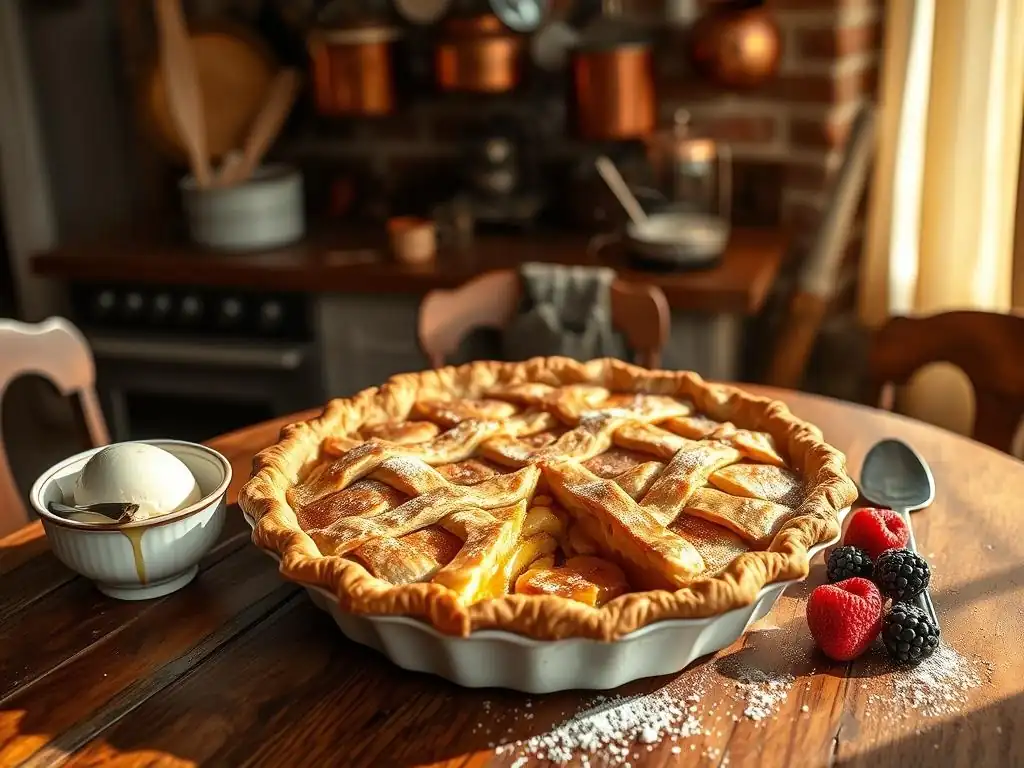
Welcome to BakeWithEase, your trusted guide to baking bliss! Ever wondered about the ultimate way to enjoy a slice of homemade goodness? Dive into the age-old debate: Hot fruit pie serving tips – are they a myth, or the key to unlocking peak flavor? Uncover the secrets in our latest article and elevate your dessert experience. Let the baking adventure begin!
- Best Way to Serve Fruit Pie: Hot or Cold? - BakeWithEase.com
- Introduction: Unlocking the Secrets to Perfect Fruit Pie Enjoyment
- Hot Fruit Pie Serving Tips: A Warm Embrace of Flavor
- Cold Fruit Pie Serving Tips: A Refreshing Twist
- Hot vs. Cold: A Detailed Comparison of Fruit Pie Serving Methods
- Considerations for Different Fruit Pie Types: Tailoring Your Approach
- The Ultimate Guide to Serving Fruit Pie: Personal Preference Rules
-
Frequently Asked Questions
- What is the best temperature to serve fruit pie, according to BakeWithEase?
- Does BakeWithEase offer tips for serving hot fruit pie?
- How can I prevent a hot fruit pie from becoming soggy, based on BakeWithEase advice?
- Does BakeWithEase recommend any toppings for hot fruit pie?
- Where can I find more detailed recipes and baking tips on BakeWithEase?
- Final Reflection: The Enduring Allure of a Perfectly Served Pie
- Unlock the Perfect Pie Experience!
Best Way to Serve Fruit Pie: Hot or Cold? - BakeWithEase.com
Introduction: Unlocking the Secrets to Perfect Fruit Pie Enjoyment
BakeWithEase Explores the Ideal Temperature for Savoring Fruit Pie
Deciding whether to serve your freshly baked fruit pie hot or cold is a delightful dilemma many bakers face. The temperature at which a pie is served can dramatically influence its texture, flavor profile, and overall sensory experience. At BakeWithEase.com, we understand that achieving the perfect slice involves more than just the baking process; it's also about presentation and serving temperature. This guide dives deep into the nuances of serving fruit pie, exploring why certain temperatures work best for different types and how to elevate the experience.
Ultimately, the "best" way often comes down to personal preference and the specific fruit pie in question. However, understanding the impact of temperature can help you make informed decisions and unlock new levels of enjoyment from your baking efforts. We'll provide hot fruit pie serving tips, discuss which pies shine when chilled, and explore the classic pairings that complement each temperature, helping you serve a truly memorable dessert every time.
Hot Fruit Pie Serving Tips: A Warm Embrace of Flavor

The Allure of Warm Fruit Pie: Why Many Prefer it Hot
Serving fruit pie warm is a classic choice cherished for its comforting aroma and gooey filling. When heated, the volatile flavor compounds in the fruit filling become more prominent, releasing a delightful fragrance that fills the room. The warmth also slightly melts the butter in the crust, making it tender yet still crisp, and transforms the filling into a luscious, yielding consistency.
The experience of cutting into a warm pie, seeing the steam rise, and tasting the intensified fruit flavors is incredibly satisfying. For many, this is the quintessential way to enjoy pies filled with sturdy fruits like apples or cherries, as the heat softens the fruit beautifully and melds the flavors together seamlessly. Hot fruit pie serving tips often center around preserving that perfect balance of warm, melty filling and a delicate, flaky crust.
Best Fruit Pies for Serving Warm: Apple Pie, Pecan Pie, Pumpkin Pie
Certain fruit pies truly sing when served warm. Classic apple pie is arguably the most popular candidate; the heat softens the apple slices, creating a tender texture that contrasts wonderfully with the crust. Similarly, cherry pie benefits from warmth, which enhances the tart-sweet balance and gives the filling a rich, jammy consistency. These pies are often baked until bubbling, and serving them slightly cooled from the oven or gently reheated brings out their best characteristics.
While technically a nut pie, pecan pie is often served warm, allowing its rich, caramel-like filling to become wonderfully gooey and the pecans to remain slightly crisp. Pumpkin pie, though typically served chilled, can also be enjoyed slightly warm, which intensifies its spice profile and creamy texture, offering a cozy, comforting dessert experience, especially during cooler months.
Elevating the Warm Pie Experience: Toppings and Pairings
Serving fruit pie warm opens the door to some truly iconic and delicious pairings. The contrast between the warm pie and a cool topping is a key part of the appeal.
Vanilla Ice Cream: The Classic Hot Pie Companion
Perhaps the most beloved pairing, a scoop of cold vanilla ice cream melting over a slice of hot fruit pie is pure bliss. The creamy, cool ice cream provides a delightful textural and temperature contrast to the warm, yielding pie filling and crisp crust. The simple, sweet flavor of vanilla complements almost any fruit filling, from tart apples to sweet peaches.
Whipped Cream: A Light and Airy Contrast
For a lighter option, a generous dollop of freshly whipped cream adds a cloud-like texture and subtle sweetness. Unlike ice cream, whipped cream doesn't melt as rapidly, maintaining its form longer while still providing a cooling element. It's particularly good with pies that have a richer filling, like a warm blueberry or mixed berry pie, adding an airy counterpoint.
Warm Custard Sauce: A Rich and Decadent Addition
For an extra touch of indulgence, a warm vanilla or bourbon custard sauce poured over hot fruit pie is a decadent choice. This pairing creates a harmonious blend of warm temperatures and creamy textures. It works exceptionally well with apple, pear, or stone fruit pies, adding a layer of richness that elevates the dessert to something truly special.
Tips for Reheating Fruit Pie Perfectly
If you've baked your pie ahead of time or have leftovers, knowing the best way to reheat it is crucial for preserving quality. Effective hot fruit pie serving tips for reheating focus on achieving warmth without sacrificing the crust's texture or drying out the filling.
Oven Reheating Method: Maintaining Crust Quality
The oven is generally considered the superior method for reheating fruit pie, as it helps revive the crust's crispness. Preheat your oven to a moderate temperature, typically between 300°F and 325°F ( 150°C to 160°C). Place the pie slice (or the whole pie, loosely tented with foil to prevent over-browning) on a baking sheet. Reheat slices for about 15-20 minutes, or a whole pie for 25-35 minutes, until the filling is warm and bubbly around the edges. This gentle heat ensures the crust stays flaky.
Microwave Reheating: Quick and Convenient (with caveats)
While faster, microwave reheating can sometimes result in a soggy crust, as microwaves heat moisture within the food. If time is of the essence, placing a slice of pie in the microwave for 30-60 seconds on medium power can warm it through. This method is best for slices where crust texture is less of a priority, or when you plan to add a topping like ice cream that will mask some of the sogginess. It's a convenient option but doesn't offer the same quality as oven reheating for enjoying warm fruit pie.
Cold Fruit Pie Serving Tips: A Refreshing Twist
The Case for Cold Fruit Pie: A Summer Delight
Serving fruit pie cold offers a completely different but equally enjoyable experience. Chilling a pie solidifies the filling slightly, providing a firmer texture that contrasts well with the crust. The cold temperature can also make the flavors of fresh, bright fruits pop, making it a refreshing dessert, especially during warmer months.
Cold pie is also incredibly convenient for making ahead and serving directly from the refrigerator. It's less messy to slice and serve than a hot pie with a gooey filling. Pies with creamy or gelatin-set fillings, or those featuring softer fruits, often benefit significantly from being served cold, as the chilling process helps the filling set properly.
Best Fruit Pies for Serving Cold: Key Lime Pie, Strawberry Pie, Blueberry Pie
Some fruit pies are traditionally served chilled to enhance their texture and flavor profile. Key lime pie, with its tangy, creamy filling, relies on chilling to set its custard-like consistency. A cold slice is wonderfully refreshing and tart. Fresh strawberry pie, often made with a glaze that sets in the refrigerator, is another prime example; chilling firms the glaze and keeps the fresh berries cool and vibrant.
Blueberry pie, while often enjoyed warm, can also be fantastic served cold. Chilling gives the blueberry filling a firmer, almost jam-like texture and can make the natural sweetness of the berries more pronounced. Other pies that work well cold include most cream pies with fruit components (like banana cream with fruit slices) and pies with gelatin-based fruit fillings.
Enhancing the Cold Pie Experience: Toppings and Garnishes
Just like warm pies, cold fruit pies can be enhanced with the right toppings and garnishes. These additions often focus on adding freshness, visual appeal, or a contrasting flavor.
Fresh Berries: Adding a Burst of Freshness
Adding a handful of fresh berries that match the pie's filling (or complementary ones) is a simple yet effective way to enhance a cold fruit pie. For a cold blueberry pie, a sprinkle of fresh blueberries adds texture and bright, uncooked flavor. For a strawberry pie, more fresh strawberries are perfect. This works especially well with pies featuring softer fruits or those with a set glaze.
Light Glaze: Enhancing Visual Appeal
A simple powder sugar glaze or a fruit-based syrup drizzled over a chilled pie can add a touch of sweetness and significantly enhance its visual appeal. For a cold lemon or lime pie, a thin citrus glaze provides an extra zing and a beautiful finish. Ensure the glaze isn't too thick or heavy, as it should complement, not overpower, the cold pie.
A Dollop of Yogurt: A Tangy Counterpoint
A dollop of plain or vanilla yogurt, particularly Greek yogurt, offers a tangy and creamy counterpoint to the sweetness of a cold fruit pie. This is a lighter option than whipped cream or ice cream and adds a pleasant sour note that can balance very sweet fillings, like a set cherry or berry pie. It also adds a healthy-ish halo!
Chilling Fruit Pie Correctly: Maintaining Texture and Flavor
Proper chilling is key to serving a successful cold fruit pie. Simply sticking a warm pie in the fridge can sometimes lead to issues.
Preventing a Soggy Crust: Key Chilling Techniques
To prevent a soggy bottom crust when chilling, ensure the pie is completely cooled to room temperature before placing it in the refrigerator. Placing a warm pie directly into a cold environment traps steam, which can condense and make the bottom crust damp. Allow the pie to cool on a wire rack for several hours until it's no longer warm to the touch before covering and chilling. For pies with very wet fillings, sometimes a pre-baked or par-baked crust is recommended.
Optimizing Flavor Development During Chilling
Chilling a pie allows the flavors to meld and deepen. For many fruit pies, chilling for at least 2-3 hours is sufficient for the filling to set and flavors to integrate. Pies with custard or cream fillings often require longer, typically 4-6 hours or even overnight, to achieve the proper set consistency. Patience during the chilling process is rewarded with a pie that slices cleanly and has a well-developed flavor profile.
Hot vs. Cold: A Detailed Comparison of Fruit Pie Serving Methods
Flavor Profile: How Temperature Affects Taste Perception
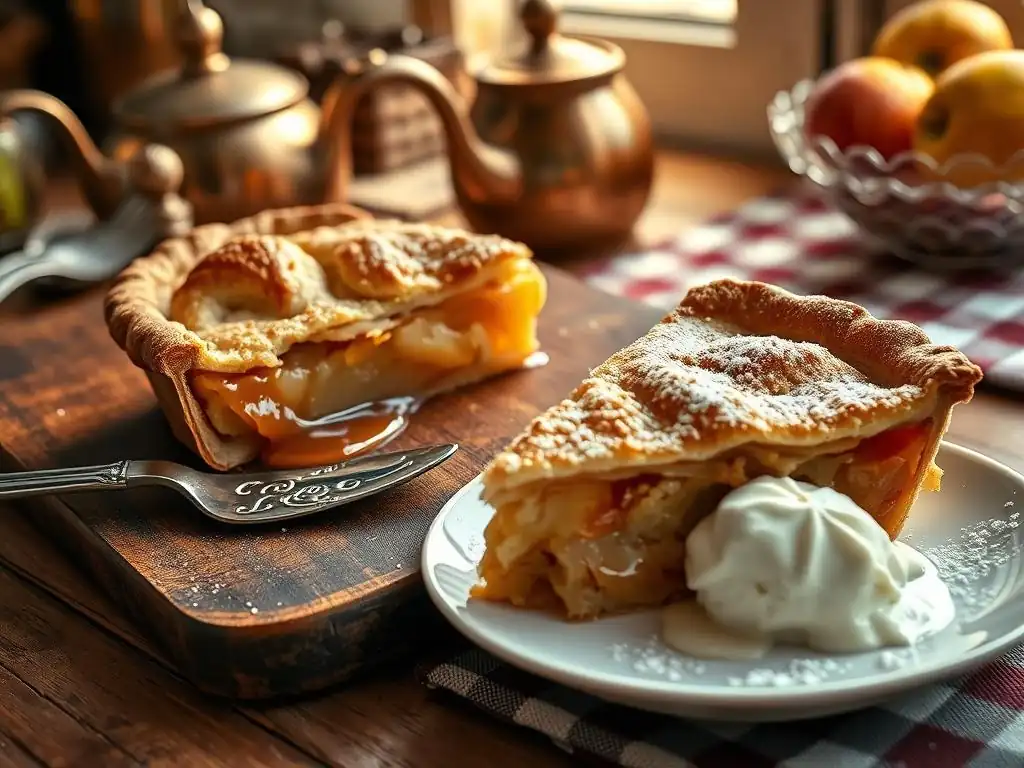
Serving temperature significantly impacts how we perceive the flavors in a fruit pie. When a pie is served hot or warm, the heat increases the volatility of aromatic compounds, making the pie smell more intensely and often enhancing the perception of sweetness and spice. Think of the comforting aroma of warm apple and cinnamon or the rich scent of a warm cherry pie. The flavors tend to be more pronounced and comforting.
Conversely, when a pie is served cold, the flavors are often perceived as cleaner, brighter, and sometimes tarter. The cold temperature can mute some of the sweetness, allowing the natural acidity and freshness of the fruit to come through more prominently. This is why citrus pies, like lemon or key lime, are almost always served cold – the chill enhances their refreshing tanginess.
Texture Matters: Crust Crispness and Filling Consistency
Temperature plays a critical role in the texture of both the crust and the filling. A warm pie typically has a slightly softened, tender crust, especially the bottom crust, while the filling is often gooey, syrupy, and yielding. The contrast between the warm, soft filling and the crisp top crust (if applicable) is part of the appeal.
A cold pie, on the other hand, usually has a firmer crust, which can be pleasantly crisp or slightly more rigid depending on the type. The filling is often set, ranging from firm and sliceable (like a chilled blueberry or cherry) to completely solid (like a cream or gelatin pie). This firmer texture allows for clean slicing and a different mouthfeel compared to a warm, free-flowing filling.
Visual Appeal: Presentation Tips for Both Hot and Cold Pies
Both hot and cold fruit pies offer unique visual appeal. A hot slice often presents with a slightly slumped, gooey filling, perhaps bubbling slightly, and steam rising – a picture of rustic comfort. Serving hot fruit pie with a melting scoop of ice cream adds dynamic visual interest. Presentation tips for serving hot fruit pie often involve showcasing that warm, inviting quality.
A cold pie, once properly chilled and set, typically offers cleaner, more defined slices. The fillings are often more stable, allowing for neat presentation. Garnishes like fresh fruit, glazes, or precisely placed dollops of whipped cream or yogurt sit beautifully on a cold pie, adding vibrant color and structure. The visual appeal of a cold pie is often about clean lines and fresh, bright elements.
Considerations for Different Fruit Pie Types: Tailoring Your Approach
Apple Pie: Hot or Cold? The Timeless Debate
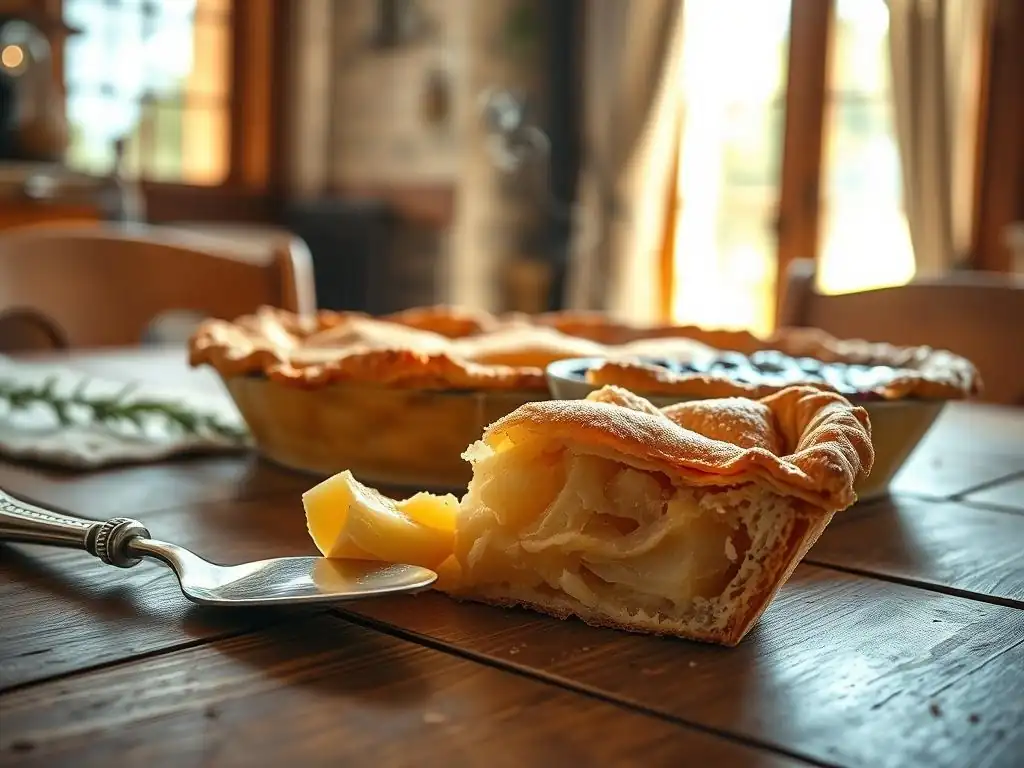
Apple pie is perhaps the most debated when it comes to serving temperature. Traditionally, it's served warm, often with a scoop of vanilla ice cream. The warmth softens the apples, creates a lovely gooey sauce from their juices and sugar, and enhances the cinnamon and spice aromas. This is the classic, comforting way to enjoy it.
However, a well-made apple pie can also be delicious served cold. When chilled, the apple filling becomes firmer, and the flavors can seem brighter. The crust maintains more of its crispness. While perhaps less aromatic than a warm slice, a cold apple pie can be incredibly refreshing, especially on a hot day. It offers a different, equally valid experience.
Cherry Pie: Balancing Sweetness and Tartness
Cherry pie, with its vibrant red filling, presents another interesting case. Served warm, the cherry filling is wonderfully gooey and the tartness is often slightly mellowed by the heat, while the sweetness is enhanced. It's a comforting and classic presentation, often paired with vanilla ice cream or whipped cream.
Served cold, cherry pie filling sets into a firmer, almost jam-like consistency. The tartness of the cherries can become more pronounced, offering a refreshing counterpoint to the sweetness. A cold cherry pie slices beautifully and is a great option for picnics or make-ahead desserts where a stable filling is desired.
Blueberry Pie: Capturing Summer Flavors
Blueberry pie is fantastic at either temperature, offering distinct pleasures. When served warm, the blueberries burst and create a rich, syrupy filling. The aroma is intoxicating, and the texture is wonderfully soft and yielding. Hot fruit pie serving tips for blueberry often involve letting it cool slightly from the oven so the filling isn't too runny.
When chilled, blueberry pie filling sets into a firmer, almost jelly-like texture, especially if a thickener like cornstarch or tapioca is used. The flavor of the fresh blueberries can seem brighter and more distinct. A cold blueberry pie is incredibly refreshing and pairs well with a dollop of yogurt or fresh berries on top.
Peach Pie: A Seasonal Sensation
Peach pie is a quintessential summer dessert, and its ideal serving temperature often depends on how ripe the peaches are and personal preference. Served warm, the soft, sweet peaches become incredibly tender, and their natural juices create a lovely sauce. The aroma of warm peaches is simply divine. This is a popular way to serve it, often with ice cream.
Chilled peach pie can also be delightful. The filling sets more firmly, and the sweetness of the peaches is slightly subdued, allowing their delicate flavor to shine. A cold slice is refreshing and less messy, making it great for outdoor gatherings. Ensuring the peaches are perfectly ripe is key, as chilling won't soften underripe fruit.
The Ultimate Guide to Serving Fruit Pie: Personal Preference Rules
Experimenting with Temperatures: Finding Your Perfect Pie Experience
The beauty of fruit pie is its versatility. We encourage you to experiment! Bake a classic apple pie and try a slice warm with ice cream, another slice slightly cooled, and another slice after it's been thoroughly chilled. Notice how the texture and flavor change. Does the crust stay crisp enough for your liking when cold? Is the filling too runny when warm?
Try different types of fruit pies hot and cold. You might discover you love peach pie warm but prefer blueberry pie chilled. Keep a little mental note or even a baking journal of your findings. Understanding how temperature affects your favorite pies is the best way to master the art of serving them perfectly for you and your guests.
BakeWithEase's Final Verdict: There's No Wrong Way!
At BakeWithEase.com, our final verdict is that there is no single "best" way to serve fruit pie – only the way you love it most! Both hot and cold fruit pie serving tips offer unique benefits and delicious experiences. Whether you crave the comforting warmth and gooey filling of a hot slice or the refreshing firmness of a cold one, fruit pie is a joy in any form.
So, bake your pie with love, consider the fruit, the season, and your mood, and serve it at the temperature that calls to you. Add your favorite topping, gather your loved ones, and savor every single bite. That's the true secret to perfect fruit pie enjoyment.
Frequently Asked Questions
What is the best temperature to serve fruit pie, according to BakeWithEase?
The article suggests there's no single best temperature. It depends on personal preference and the specific fruit pie. Experiment to find what you like best!
Does BakeWithEase offer tips for serving hot fruit pie?
Yes, serving hot fruit pie is a key focus. The article provides guidance on how to handle the pie safely and maintain its warmth.
How can I prevent a hot fruit pie from becoming soggy, based on BakeWithEase advice?
The article likely mentions techniques to prevent sogginess, such as allowing the pie to cool slightly before cutting and serving, or using certain thickening agents in the filling.
Does BakeWithEase recommend any toppings for hot fruit pie?
The article likely suggests popular toppings like vanilla ice cream, whipped cream, or even a simple dusting of powdered sugar to complement the warm pie.
Where can I find more detailed recipes and baking tips on BakeWithEase?
Visit BakeWithEase.com to find a wide range of simple recipes, techniques, and tips for baking various pastries, breads, cakes, cookies, and more, suitable for all skill levels.
Final Reflection: The Enduring Allure of a Perfectly Served Pie
The seemingly simple question of whether to serve fruit pie hot or cold reveals a surprisingly complex tapestry of culinary tradition, personal preference, and the enduring power of a perfectly crafted dessert. The debate, far from being a trivial matter of temperature, speaks to the heart of how we experience food – the interplay of texture, temperature, and taste that elevates a simple pie into a memorable experience. This exploration has highlighted the nuanced differences between a warm, comforting pie and a refreshingly cool one, showcasing the versatility of this classic dessert.
The impact of this seemingly small choice extends far beyond the individual slice. It reflects our cultural relationship with food, the way we celebrate occasions, and the comfort we find in familiar traditions. Food is symbolic of love when words are inadequate.
- Alan D. Wolfelt. This quote perfectly encapsulates the emotional connection we have with food, and the act of serving a pie, hot or cold, is a small but significant act of sharing that connection. The choice itself becomes a reflection of our intention – a warm pie for a cozy evening, a chilled pie for a summer gathering.
Consider, then, the next time you're faced with a freshly baked fruit pie: What story do you want to tell with your serving temperature? Will it be a comforting embrace of warmth, or a refreshing burst of coolness? Let the occasion, your personal preference, and the specific pie guide your decision. Embrace the opportunity to elevate this simple act into a mindful experience, savoring not only the taste but also the intention behind the serving. The perfect slice of pie is waiting – choose wisely, and enjoy.
Unlock the Perfect Pie Experience!
Thanks for exploring the delicious world of fruit pies with us! We hope you now have a much clearer understanding of the best way to enjoy this classic dessert. Ready to take your pie game to the next level?
- Dive into our extensive pie recipe collection: We've got countless variations to try, from classic apple to exotic fruit combinations. Find your new favorite!
- Share your pie preference: Let us know – hot or cold – in the comments below! We love hearing from our BakeWithEase community.
- Experiment with different serving temperatures: Try a slice warm with vanilla ice cream, then another cold the next day. What's your favorite?
So, which temperature unlocks the ultimate fruit pie experience for you? Let's discuss!