
Beyond Apple: Unique & Easy Fruit Pie Filling Ideas

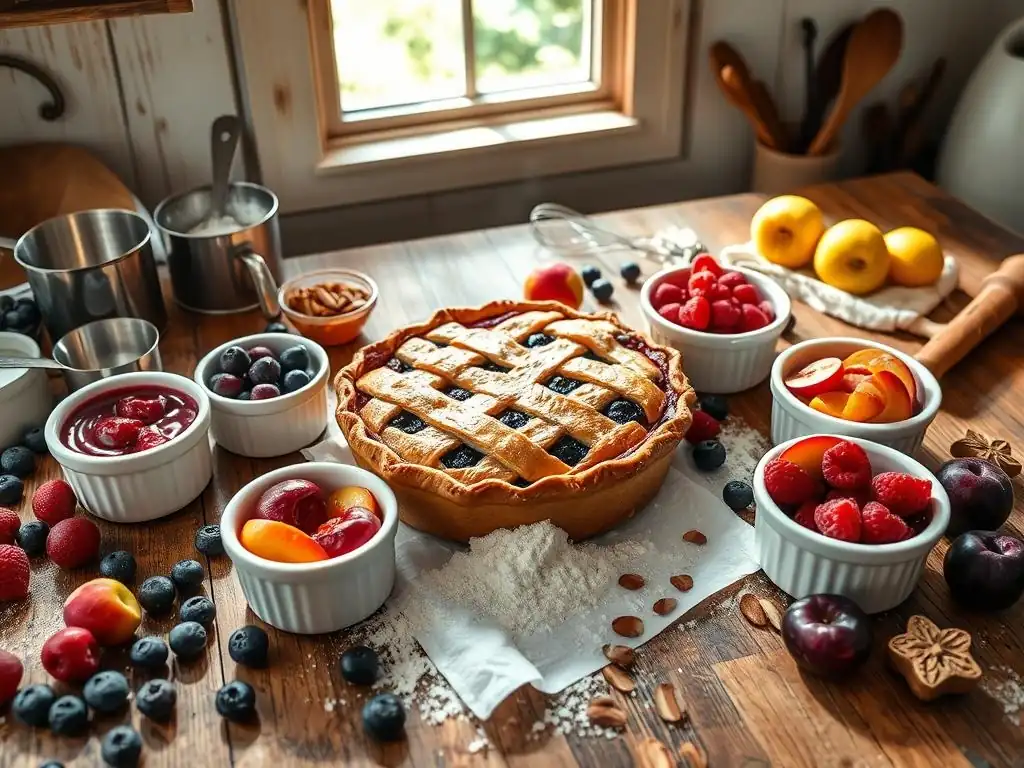
Welcome to BakeWithEase, your haven for baking bliss! Ever wondered if there's more to pie than just apples? Dive into our collection of easy fruit pie recipes and discover a world of delectable fillings that will elevate your pastry game. Get ready to bake beyond the ordinary and create unforgettable desserts!
- Introduction: Elevate Your Baking with Easy Fruit Pie Recipes
- Exploring Delicious & Simple Fruit Pie Filling Options
- Easy Fruit Pie Recipes: Key Ingredients and Techniques
- Baking Your Easy Fruit Pie to Perfection
- Easy Fruit Pie Recipe Variations: Beyond the Filling
- Conclusion: Mastering Easy Fruit Pie Recipes for Year-Round Baking
-
Frequently Asked Questions
- What are some easy fruit pie recipes besides apple pie?
- Where can I find step-by-step guides for making these fruit pies?
- Are there any tips for making a perfect pie crust easily?
- What ingredients are typically needed for easy fruit pie recipes?
- How can I adapt traditional pie recipes to use different fruits?
- Final Reflection: A Slice of Creativity, A Taste of Home
- Unleash Your Inner Pie Maker!
Introduction: Elevate Your Baking with Easy Fruit Pie Recipes
Baking a fruit pie is a classic comfort, but why stop at the familiar apple? The world of fruit offers a vibrant palette of flavors and textures perfect for creating delicious, easy fruit pie recipes. Moving beyond the traditional opens up exciting possibilities for seasonal treats and delightful desserts that will impress friends and family.
At BakeWithEase, we believe baking should be enjoyable and accessible. That's why we're exploring simple yet unique fruit pie filling ideas that are just as easy to master as your favorite apple pie. Get ready to discover new ways to fill your pie crusts with flavorful, simple fruit pie recipes that are anything but boring.
Discover Exciting Alternatives to Traditional Apple Pie
While apple pie holds a special place in many hearts, there's a whole universe of fruits waiting to be baked into a flaky crust. Exploring alternatives allows you to take advantage of seasonal bounty and introduce new taste sensations. Think about the burst of berries in summer, the sweet tang of stone fruits in late summer, or the refreshing zest of tropical fruits.
Venturing into these alternative easy fruit pie recipes provides a fantastic opportunity to experiment with flavor pairings and textures. You might discover a new favorite combination, like sweet peaches with tart raspberries, or juicy mangoes brightened with a hint of lime. These variations not only offer diverse flavors but also keep your baking repertoire fresh and exciting.
BakeWithEase Presents: Fresh Takes on Fruit Pie Fillings
We're diving into some of our favorite easy fruit pie recipes that move beyond the standard. Our goal is to provide you with simple, step-by-step ideas and tips that make baking these unique pies approachable for every skill level. We'll cover everything from selecting the best fruit to achieving that perfect balance of sweetness and tartness.
This guide will walk you through several distinct fruit profiles – berries, stone fruits, and tropical fruits – offering specific ideas and techniques for each. You'll learn how to handle different fruits for optimal pie filling consistency and flavor, ensuring your easy fruit pie recipes turn out perfectly every time. Let's get baking!
Exploring Delicious & Simple Fruit Pie Filling Options
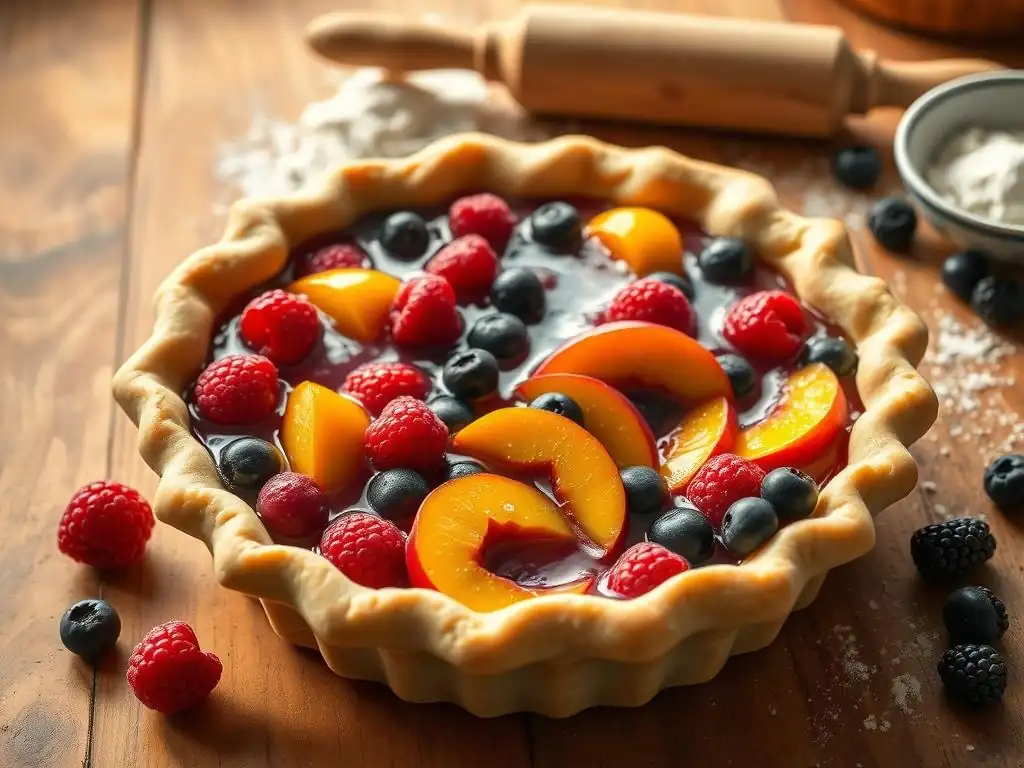
Berry Bliss: Easy Mixed Berry Pie Recipe
Mixed berry pie is a celebration of summer's bounty, offering a delightful mix of sweet, tart, and juicy flavors. A classic combination for an easy fruit pie recipe includes strawberries, blueberries, raspberries, and blackberries. Using approximately 2 cups of blueberries, 1.5 cups of strawberries (sliced if large), 1 cup of raspberries, and 0.5 cups of blackberries provides a good balance, though you can adjust ratios based on preference and availability. For a standard 9-inch pie, you'll typically need about 5-6 cups of mixed berries total.
To create the filling, gently toss the berries with about 1/2 to 3/4 cup of granulated sugar (depending on the sweetness of your fruit), 1/4 cup of a thickener like cornstarch or tapioca, a pinch of salt, and a squeeze of lemon juice (about 1 tablespoon) to brighten the flavors. A real-world example might involve using ripe farmer's market berries in July, requiring less sugar than store-bought berries in winter. Ensure all berries are evenly coated before pouring into your prepared pie crust.
Tips for Perfectly Blended Berry Flavors
Achieving harmonious berry flavors involves more than just mixing them together. Consider the ripeness of each berry type; sweeter berries like blueberries can balance out tarter ones like raspberries. Some bakers like to lightly crush about a quarter of the berries before mixing to help release juices and create a more cohesive filling texture. Adding a hint of spice, like 1/4 teaspoon of cinnamon or nutmeg, can also complement the berry medley beautifully without overpowering the fruit's natural taste.
Another tip for enhancing flavor is to let the mixed filling sit for 10-15 minutes before baking. This allows the sugar to draw out some juice, which then interacts with the thickener, leading to a more evenly set filling. For an extra layer of flavor, consider adding a tablespoon of orange zest or a dash of balsamic glaze to the berry mixture – this might sound unusual, but it adds a surprising depth that works particularly well with darker berries like blackberries.
Mastering the Berry Pie Crust: Avoid Soggy Bottoms
Soggy bottoms are a common woe with juicy berry pies, but they are preventable! One effective method is blind baking the bottom crust before adding the filling. This involves partially baking the empty crust (lined with parchment paper and filled with pie weights or dried beans) for about 15-20 minutes at 375°F (190°C) until it's lightly golden and set. Remove the weights and paper, and bake for another 5-7 minutes until the bottom is dry and starting to color.
Another crucial step is ensuring your filling is properly thickened. Using the right amount of cornstarch or tapioca (typically 3-4 tablespoons per 6 cups of fruit) is key. Some bakers prefer tapioca pearls (ground or whole) as they create a clear, glossy filling and don't break down like cornstarch during long baking times. Allowing the baked pie to cool completely for several hours (at least 3-4, ideally longer) is also vital; the filling continues to thicken as it cools. Cutting into a hot berry pie is almost guaranteed to result in a runny mess and a soggy bottom.
Stone Fruit Sensations: Peach, Plum, and Nectarine Pie Recipes
Stone fruits like peaches, plums, and nectarines offer a wonderfully juicy and slightly tangy base for easy fruit pie recipes. A popular combination uses ripe peaches and plums, benefiting from the peach's sweetness and the plum's tartness. For a 9-inch pie, approximately 4 cups of sliced peaches and 2 cups of sliced plums work well. Ensure the fruit is ripe but still firm enough to hold its shape during baking. Peeling peaches is often preferred for texture, which can be done easily by blanching them in boiling water for 30 seconds and then transferring to an ice bath.
When preparing the filling, combine the sliced fruit with about 3/4 to 1 cup of sugar (adjust based on fruit sweetness), 1/4 cup all-purpose flour or cornstarch, a pinch of salt, and often a touch of warm spice like cinnamon (1/2 teaspoon) or ginger (1/4 teaspoon). A real example involves baking with late-summer Colorado peaches and Santa Rosa plums, which might require slightly less sugar due to their natural sweetness compared to fruit picked earlier in the season. The natural pectin in plums also helps the filling set beautifully.
Sweet and Tangy Stone Fruit Combinations
The magic of stone fruit pies often lies in balancing sweetness and tang. Combining peaches with tart plums or nectarines creates a more complex flavor profile than using just one fruit. For example, a ratio of 2 parts sweet peach to 1 part slightly tart nectarine provides a lovely contrast. You can also introduce other fruits; mixing peaches with a cup of blueberries is a classic and delicious pairing.
Consider adding other elements to enhance the natural fruit flavors. A tablespoon of fresh lemon juice or lime juice can brighten the sweetness. A little zest from an orange or lemon adds aromatic depth. Don't forget about herbs; a small amount of fresh thyme or rosemary, finely chopped, can offer a surprising savory note that complements the fruit beautifully. For instance, a peach and rosemary pie offers an unexpected, sophisticated twist on an easy fruit pie recipe.
Enhancing Stone Fruit Pies with Almond Extract or Amaretto
Almond and stone fruits are a classic pairing, as the subtle nutty notes complement the fruit's flavor profile perfectly. Adding just 1/4 to 1/2 teaspoon of pure almond extract to your stone fruit filling can significantly elevate the taste, providing a warm, slightly sweet undertone. Be cautious with almond extract; a little goes a long way, and too much can be overpowering.
For a more decadent flavor, consider using a tablespoon or two of Amaretto liqueur instead of or in addition to the extract. The alcohol evaporates during baking, leaving behind the rich, sweet almond flavor. This works particularly well with peach or cherry (another stone fruit!) pies. A real-world application might involve adding a splash of good quality Amaretto to a peach-plum filling before baking, creating a dessert with a hint of sophistication that's still an easy fruit pie recipe at heart.
Tropical Temptation: Easy Mango and Pineapple Pie Filling
Bring a taste of the tropics to your kitchen with an easy fruit pie recipe featuring mango and pineapple. These fruits offer a vibrant, sweet, and slightly tangy profile that's a refreshing departure from traditional pie flavors. For a 9-inch pie, use about 3 cups of diced ripe mango and 2 cups of diced pineapple. Ensure the fruits are ripe for maximum sweetness and flavor, but not overly mushy. Fresh fruit is ideal, but frozen (thawed and drained well) can also work.
Prepare the filling by tossing the diced fruit with 1/2 cup sugar (adjust based on fruit sweetness), 1/4 cup cornstarch or tapioca, a pinch of salt, and the juice of half a lime (about 1 tablespoon) to add brightness and balance the sweetness. You might also add a teaspoon of grated ginger for a little warmth and spice. A specific example might involve using Ataulfo mangoes, known for their buttery texture and intense sweetness, paired with slightly tarter Golden pineapples for a balanced filling.
Combining Tropical Fruits for a Refreshing Pie
While mango and pineapple are a fantastic duo, you can create even more complex tropical easy fruit pie recipes by adding other fruits. Diced papaya (about 1 cup) can add another layer of sweetness and a smooth texture. A small amount of passion fruit pulp (from 1-2 fruits) introduces a wonderful tartness and aromatic quality that cuts through the richness.
Another excellent addition is banana. While banana can become mushy when baked, adding about 1-1.5 cups of sliced, slightly firm bananas to the mango and pineapple mixture just before pouring into the crust adds a creamy element and classic tropical flavor. Be mindful of the liquid content when adding other fruits and adjust your thickener slightly if necessary, perhaps adding an extra teaspoon of cornstarch for very juicy additions.
Using Coconut to Complement Tropical Fruit Flavors
Coconut is a natural partner for tropical fruits and can enhance your easy fruit pie recipe in several ways. You can add 1/2 cup of shredded or flaked coconut (sweetened or unsweetened, depending on preference) directly to the fruit filling mixture. As the pie bakes, the coconut will toast slightly, adding texture and a warm, nutty flavor that pairs beautifully with the mango and pineapple.
For a more intense coconut flavor, consider using coconut milk or cream in a glaze or drizzle served alongside the pie, or even substituting some of the liquid in your crust recipe with coconut milk for a subtle hint. Another idea is to toast the shredded coconut in a dry pan until golden brown before adding it to the filling or using it as a topping, which intensifies its flavor. A tropical pie with a coconut crumble topping (made with flour, sugar, butter, and toasted coconut) is a delightful variation.
Easy Fruit Pie Recipes: Key Ingredients and Techniques
Choosing the Right Fruit for Your Pie: Fresh, Frozen, or Canned?
The choice between fresh, frozen, or canned fruit significantly impacts your easy fruit pie recipe's outcome. Fresh fruit, when in season and ripe, offers the best flavor and texture. However, it requires preparation like washing, peeling, coring, and slicing. The water content of fresh fruit can vary, sometimes requiring slight adjustments to thickeners. For instance, juicy summer peaches might need a bit more thickener than firmer, early-season ones.
Frozen fruit is a convenient option, available year-round and often picked at peak ripeness. It's usually prepped (washed, sliced, etc.). The main consideration with frozen fruit is the excess liquid released upon thawing. Always thaw frozen fruit completely and drain off the liquid before using it in your filling to prevent a watery pie.
You might even gently press the fruit to remove more moisture. Canned fruit (like canned peaches or pineapple) is the easiest in terms of prep but is often packed in syrup, making the filling sweeter and potentially requiring less added sugar and careful draining. It also tends to be softer, which might affect texture.
Pre-Cooking Fruit Fillings: When and Why?
Pre-cooking your fruit filling is a technique used in some easy fruit pie recipes, particularly with fruits that release a lot of juice or take longer to soften, like apples or some stone fruits. This process involves cooking the fruit and thickener mixture on the stovetop until it thickens before pouring it into the crust.
One reason to pre-cook is to control the consistency of the filling, ensuring it sets up properly and preventing a watery pie. For example, pre-cooking an apple filling for 5-10 minutes allows the apples to soften slightly and the sauce to thicken visibly before it goes into the oven.
Another benefit is that pre-cooking can reduce shrinkage of the filling during baking. As fruit cooks, it naturally reduces in volume. By pre-cooking, you account for some of this shrinkage beforehand, resulting in a fuller pie when baked. While not strictly necessary for all easy fruit pie recipes (like berry pies, which often bake well without pre-cooking), it can be a valuable step for achieving consistent results, especially with fruits known for being very juicy or firm. It also ensures the thickener is activated before hitting the oven heat.
Thickening Fruit Pie Fillings: Cornstarch, Tapioca, or Flour?
Selecting the right thickener is crucial for achieving a well-set, sliceable easy fruit pie recipe. The most common options are cornstarch, tapioca (either instant granules or ground pearls), and all-purpose flour. Each has different properties:
- Cornstarch: Provides a clear, glossy filling. It thickens as it heats but can break down if overcooked or frozen and thawed. It's potent, requiring about 2-3 tablespoons per 4-5 cups of fruit.
- Tapioca: Creates a slightly less glossy, sometimes a bit cloudy, filling. It's more stable than cornstarch, less likely to break down, and works well with juicy fruits. Instant tapioca granules are easiest to use, requiring about 3-4 tablespoons per 4-5 cups of fruit. Ground tapioca pearls are also an option.
- Flour: Produces a cloudy filling and requires more volume than cornstarch or tapioca (typically 4-5 tablespoons per 4-5 cups of fruit). It's a reliable thickener but can sometimes give the filling a slightly starchy taste if too much is used.
Many bakers prefer a blend, like using both cornstarch and flour, to leverage the benefits of both. The amount needed varies based on the juiciness of the fruit; a very ripe berry pie will need more thickener than a firmer fruit like slightly underripe peaches. A good starting point is 1/4 cup of cornstarch or tapioca (or 1/3 cup flour) per 5-6 cups of fruit for most easy fruit pie recipes.
Baking Your Easy Fruit Pie to Perfection
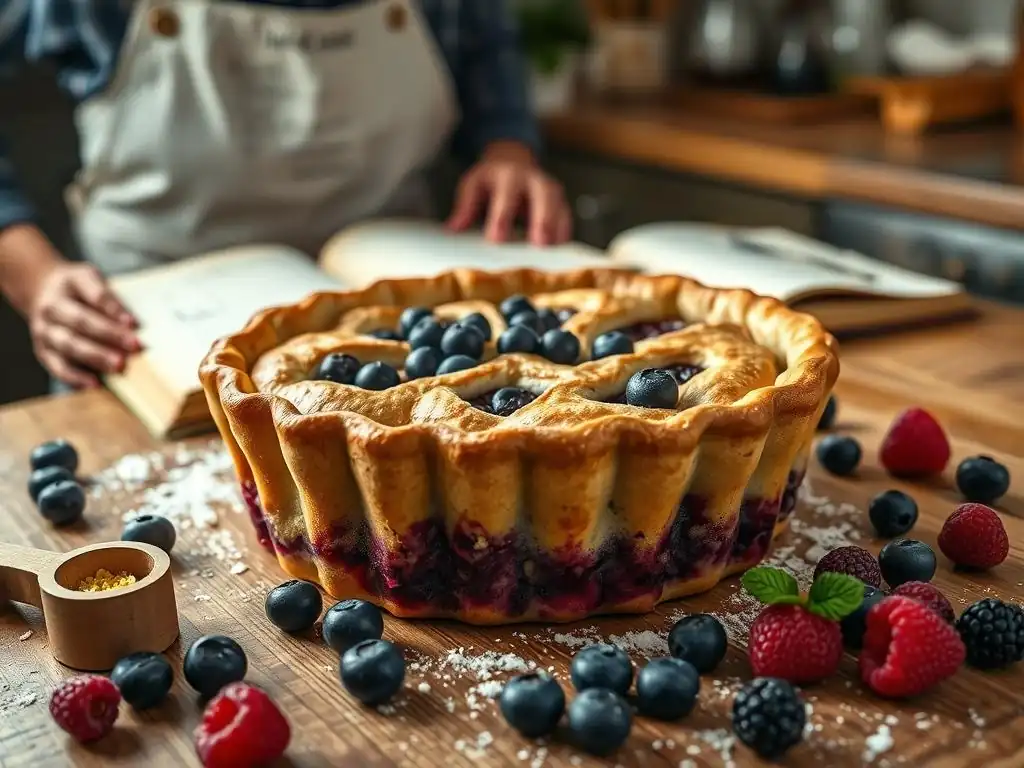
Achieving a Golden-Brown Crust: Egg Wash Techniques
A beautiful, golden-brown crust elevates any easy fruit pie recipe from good to spectacular. An egg wash is the simplest way to achieve this desirable color and a slightly shiny finish. A basic egg wash is made by whisking one whole egg with a tablespoon of water or milk. Brushing this mixture lightly over the top crust just before baking helps promote even browning and creates a lovely sheen.
For a deeper golden color and more shine, use just the egg yolk mixed with a tablespoon of milk or cream. The fat in the yolk contributes to richer color. If you want a less shiny but still golden crust, whisk an egg white with a tablespoon of water. For a rustic, matte finish with some sparkle, brush the crust with milk or cream and sprinkle with coarse sugar before baking. Apply the egg wash evenly with a pastry brush, avoiding drips onto the pie plate rim, which can glue the crust to the plate.
Preventing a Soggy Crust: Blind Baking and Other Tricks
Beyond blind baking the bottom crust (as discussed earlier), several other techniques can help prevent a soggy bottom in your easy fruit pie recipes. Ensuring your filling is properly thickened is paramount; a runny filling is a guaranteed way to get a soggy crust. Using the correct amount of thickener for the juiciness of your fruit is key.
Another trick is to bake the pie on the bottom rack of your oven. Heat rises, and placing the pie lower allows the bottom crust to receive more direct heat, helping it crisp up.
Using a pizza stone or baking steel that has been preheated in the oven can also transfer heat efficiently to the bottom of the pie plate, aiding in browning. For very juicy fillings, some bakers sprinkle a thin layer of dry ingredients (like finely ground cookies, cake crumbs, or even a tablespoon of dry instant tapioca or flour) on the bottom crust before adding the filling to absorb excess moisture.
Cooling and Serving Your Delicious Fruit Pie
Patience is perhaps the most challenging ingredient when baking an easy fruit pie recipe! Allowing the pie to cool completely is absolutely essential for the filling to set properly. Most fruit pies need at least 3-4 hours to cool at room temperature. Some particularly juicy pies, like those with berries or stone fruits, benefit from cooling even longer, perhaps up to 6 hours or more, or even being refrigerated after initial cooling to firm up completely.
Cutting into a pie too soon will result in a runny filling that spills out rather than holding its shape. Once fully cooled and set, your fruit pie is ready to be served. Enjoy it slightly warmed or at room temperature. It pairs wonderfully with a scoop of vanilla ice cream, a dollop of whipped cream, or a drizzle of crème anglaise. Store leftovers loosely covered at room temperature for a day, then transfer to the refrigerator for up to 3-4 days.
Easy Fruit Pie Recipe Variations: Beyond the Filling
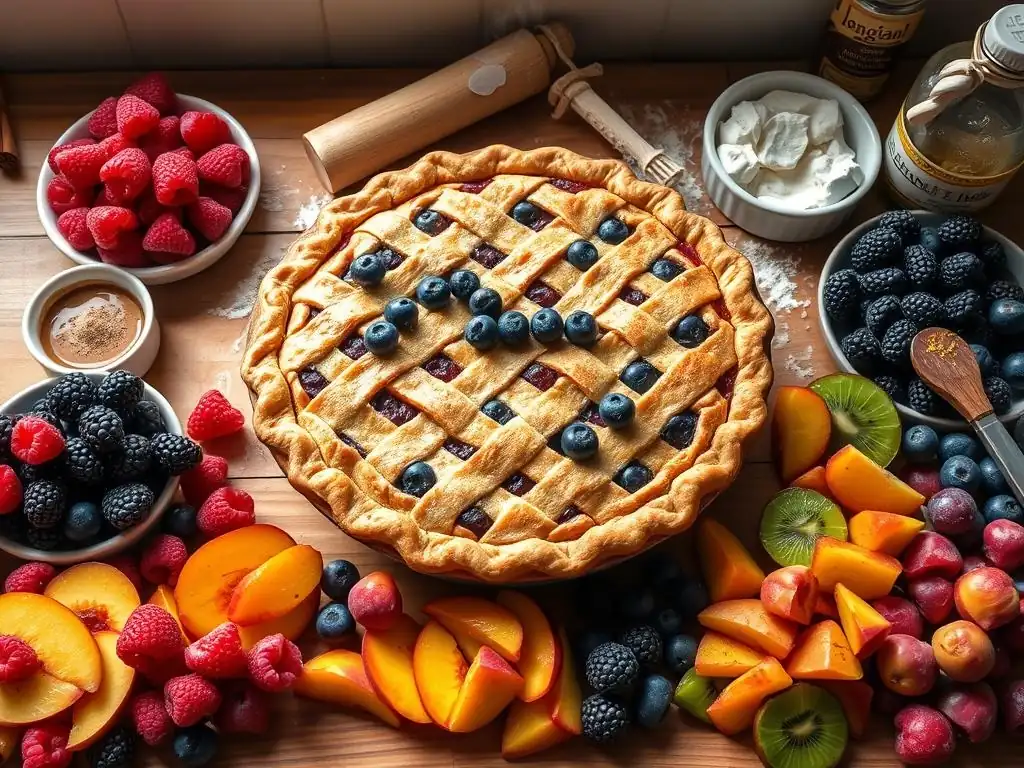
Adding Spices and Herbs to Enhance Flavor Profiles
Spices and herbs can dramatically enhance the flavor of your easy fruit pie recipes, adding warmth, complexity, and aromatic notes. Classic pairings include cinnamon, nutmeg, and cloves with apples or peaches. For berries, consider adding a pinch of allspice or cardamom. Tropical fruits like mango and pineapple pair well with ginger, a hint of chili powder, or even a touch of turmeric for warmth and color.
Beyond the usual suspects, experiment with less common additions. A small amount of black pepper can add a surprising brightness and subtle heat that complements sweet fruits. Freshly grated lemon or orange zest brings a burst of citrus aroma. For something truly unique, try adding finely chopped fresh herbs like basil to strawberry fillings, mint to berry or peach pies, or rosemary to stone fruit combinations. Start with a small amount (e.g., 1/4 to 1/2 teaspoon of ground spice or 1 tablespoon of fresh herb) and adjust to your taste.
Incorporating Nuts and Oats for Texture and Taste
Adding nuts or oats can provide delightful texture and flavor variations to your easy fruit pie recipes, particularly in crumble toppings or mixed directly into the filling. Chopped nuts like pecans, walnuts, or almonds add a satisfying crunch. They can be mixed into the fruit filling itself (use about 1/2 cup for a 9-inch pie) or, more commonly, incorporated into a streusel or crumble topping to replace the top crust. Toasting nuts lightly before using them enhances their flavor significantly.
Oats, especially rolled oats, are a staple in many crumble toppings, providing a chewy texture and rustic appeal. Combining oats, flour, sugar, and butter makes a simple yet delicious topping that complements most fruit fillings. You can also add a few tablespoons of oats directly to the fruit filling mixture; they will absorb some juice and soften, adding fiber and a subtle nutty flavor. For example, a mixed berry pie with an oat and almond crumble topping offers a wonderful contrast to the soft fruit.
Creating Lattice Crusts and Decorative Pie Tops
The top crust of your easy fruit pie recipe is an opportunity for creativity and visual appeal. While a simple double crust with vents is classic, learning to make a lattice top adds elegance. A lattice is created by cutting dough into strips and weaving them over the filling. For a standard lattice on a 9-inch pie, you might cut 8-10 strips about 1 inch wide. Ensure the strips are cold to make them easier to handle.
Beyond lattice, consider cutouts using cookie cutters (like leaves, stars, or hearts) to decorate the top crust. You can arrange these cutouts decoratively on a solid top crust or use them to create vents. Another simple decorative technique is to flute the edges of your pie crust, pressing the dough between your fingers or using a fork to create a patterned edge. These decorative elements not only make your easy fruit pie look beautiful but can also serve a functional purpose by allowing steam to escape during baking.
Conclusion: Mastering Easy Fruit Pie Recipes for Year-Round Baking
Stepping beyond the traditional apple pie opens up a world of delicious possibilities for easy fruit pie recipes. From the vibrant burst of mixed berries to the sweet tang of stone fruits and the refreshing zest of tropical combinations, there's a fruit pie for every season and every palate. Mastering these simple variations involves understanding fruit characteristics, choosing the right thickener, and employing techniques to ensure a perfectly set filling and a golden, flaky crust.
With the tips and ideas shared here, you're well-equipped to explore new flavors and elevate your baking skills. Remember that baking is an art form that encourages experimentation. Don't be afraid to try different fruit combinations, adjust sugar and spice levels, and find your favorite techniques for preventing that dreaded soggy bottom. Each easy fruit pie recipe you try will build your confidence and expand your baking repertoire.
Expand Your Baking Repertoire with These Unique Fruit Pie Ideas
We've explored just a few of the many unique and easy fruit pie recipes you can create. Consider other fruits like rhubarb (often paired with strawberries), cherries, figs, or even pears. Think about combining fruits with different textures and flavors – firm pears with soft cranberries, or sweet figs with salty prosciutto (for a more savory twist). The principles remain the same: select ripe fruit, thicken properly, and bake with care.
Try incorporating different flavor enhancers like citrus zest, liqueurs, or extracts. Experiment with various crust types, such as an almond crust for stone fruit pies or a coconut crust for tropical ones. By applying the fundamental techniques discussed – proper fruit handling, thickening, crust preparation, and cooling – you can confidently tackle any fruit pie challenge and consistently produce delicious results.
BakeWithEase: Your Resource for Delicious and Easy Pie Recipes
At BakeWithEase, our mission is to empower you in the kitchen, making baking accessible and fun. We hope this guide to easy fruit pie recipes beyond apple has inspired you to try something new. Our website is filled with simple recipes, helpful tips, and step-by-step guides designed for bakers of all levels.
Whether you're perfecting your pastry dough, learning about different fillings, or troubleshooting common baking issues, BakeWithEase is here to support your baking journey. Keep exploring our resources for more delicious and easy pie recipes and ideas to fill your home with the wonderful aroma of freshly baked goods. Happy baking!
Frequently Asked Questions
What are some easy fruit pie recipes besides apple pie?
Many fruits work well! Consider using berries like strawberries, blueberries, or raspberries. You can also try stone fruits like peaches or plums for a delicious alternative.
Where can I find step-by-step guides for making these fruit pies?
BakeWithEase.com offers detailed recipes with easy-to-follow instructions. Look for guides under the "Pastries" or "Pies" sections, specifically focusing on fruit-based fillings.
Are there any tips for making a perfect pie crust easily?
Yes! BakeWithEase emphasizes simple techniques. Try using chilled ingredients and avoiding over-mixing the dough. A store-bought crust is also a great shortcut for beginners.
What ingredients are typically needed for easy fruit pie recipes?
Generally, you'll need fruit, sugar, thickening agents (like cornstarch or flour), and spices (such as cinnamon or nutmeg). Don't forget the pie crust itself!
How can I adapt traditional pie recipes to use different fruits?
Simply substitute the apple filling with your chosen fruit. Adjust the sugar level to match the fruit's sweetness and consider adding complementary spices for a unique flavor profile.
Final Reflection: A Slice of Creativity, A Taste of Home
The pursuit of the perfect pie filling transcends mere culinary skill; it's a journey of flavor exploration and a celebration of seasonal bounty. This article has explored a world beyond the familiar apple pie, showcasing unique and easy fruit combinations that can transform a classic dessert into a personalized masterpiece. The simplicity of these recipes ensures that anyone, regardless of baking experience, can create a delicious and impressive pie.
The enduring appeal of pie lies not just in its taste, but in its ability to connect us to memories and traditions. The simple act of sharing a slice of homemade pie fosters a sense of community and warmth, a feeling that transcends generations. A pie is a love letter to the earth.
This sentiment, though not directly about pie recipes, perfectly captures the essence of using fresh, seasonal fruits to create something beautiful and delicious. The recipes presented here are a testament to this, offering a pathway to create those cherished moments and memories.
Now, I invite you to step away from the screen and into your kitchen. Experiment with the flavors we've explored, or let them inspire you to create your own unique combinations. Don't be afraid to get creative – the most rewarding pies are often the ones born from a little improvisation and a lot of heart. The journey of baking, like life itself, is about embracing the unexpected and savoring the sweet rewards along the way. So, gather your ingredients, preheat your oven, and let the delicious adventure begin!
Unleash Your Inner Pie Maker!
Thanks for exploring the world of unique fruit pie fillings with us! We hope you've found some delicious inspiration to get your baking creativity flowing. Ready to take the next step?
- Bake your dream pie! Choose your favorite filling idea from the article and get baking. Let your creativity shine – experiment with spices, add a touch of zest, and make it your own!
- Share your pie-making journey! Post a picture of your creation on social media and tag us – we'd love to see your delicious results!
- Explore other fruit pie recipes: Discover more amazing flavor combinations and techniques on our website – you might just find your new favorite dessert.
What unique twist will you add to your next fruit pie? Let us know in the comments below!