
Quick Blind Baking Method: Save Time!

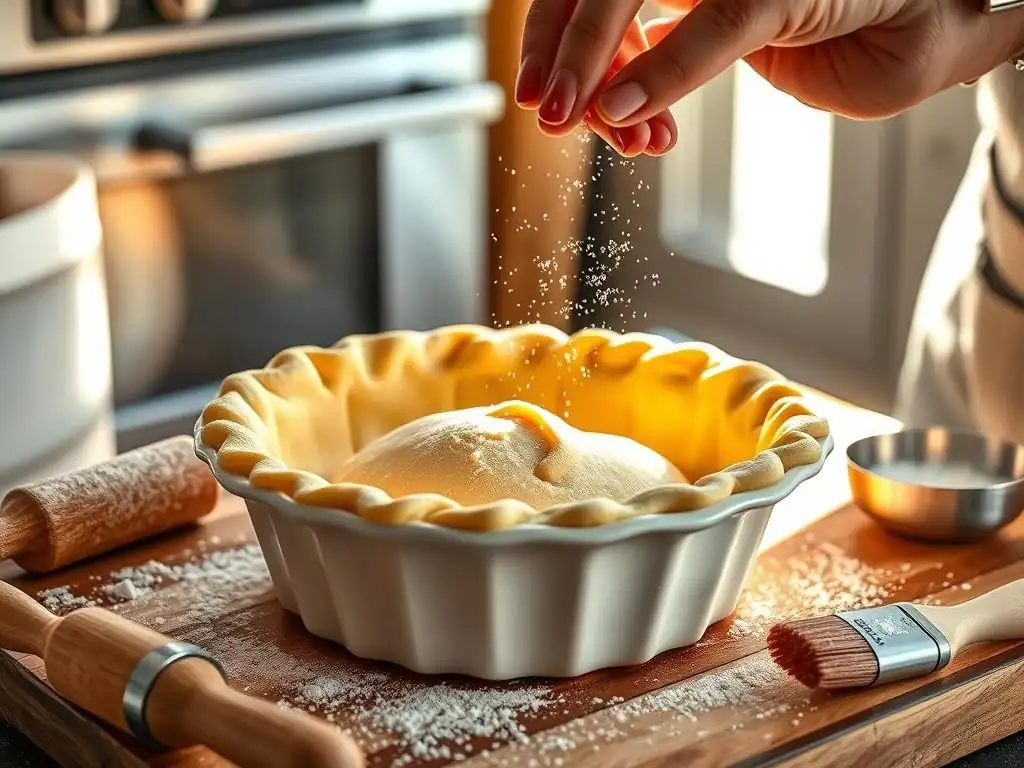
Welcome to BakeWithEase, your trusted guide to unlocking baking brilliance! Ever wondered how to achieve that perfectly crisp and flaky pie crust without the soggy bottom? This article dives deep into an easy blind bake pie crust method that will revolutionize your pastry game. Discover time-saving techniques and insider tips to elevate your baking, ensuring every pie is a masterpiece. Ready to conquer the art of the perfect pie crust? Let's get started!
- Introduction to Time-Saving Blind Baking for Perfect Pie Crusts
- The "Quick Blind Bake Pie Crust" Method: A Step-by-Step Guide
- Troubleshooting Your Quick Blind Bake Pie Crust
- Beyond Custard Pies: Other Uses for a Blind Baked Pie Crust
- Mastering the Art of the Perfect Pie Crust: Conclusion
-
Frequently Asked Questions
- What is blind baking, and why is it necessary for some pies?
- How does the Quick Blind Baking Method on BakeWithEase save time?
- What kind of pie crust is best suited for blind baking, according to BakeWithEase?
- What are some common problems encountered during blind baking, and how does BakeWithEase address them?
- Can I use a store-bought pie crust for the Quick Blind Baking Method described on BakeWithEase?
- Final Reflection: Mastering the Art of the Effortless Blind Bake
- Unlock Your Baking Potential: Master the Quick Blind Bake!
Introduction to Time-Saving Blind Baking for Perfect Pie Crusts
BakeWithEase Presents: The Fast Track to Flawless Pie Crusts
Welcome to BakeWithEase, where we believe baking should be accessible and enjoyable for everyone, even when you're short on time. Today, we're diving into a technique that's a game-changer for many pie recipes: blind baking. Specifically, we're going to walk you through a quick blind bake method that dramatically cuts down on preparation time while ensuring you achieve that perfect, flakey crust every single time. Forget the hours of chilling required by some traditional methods; our approach focuses on efficiency without sacrificing quality, making the process of creating an easy blind bake pie crust a breeze.
Mastering the quick blind bake is essential for anyone who loves making pies with wet fillings, such as custards, puddings, or fresh fruit that releases a lot of juice. Without this crucial step, you risk the dreaded "soggy bottom" – a culinary disappointment that can ruin an otherwise delicious pie.
By pre-baking the crust, even partially, you create a barrier that stands up to moisture, resulting in a beautifully crisp foundation for your filling. This technique is not just for experts; with a few simple tips and tricks, anyone can achieve a perfectly pre-baked pie shell, ready for any filling you can imagine.
Why Blind Baking is Essential for Custard & Cream Pies
Blind baking, also known as par-baking or pre-baking, is a fundamental technique in pie making, particularly vital for pies with fillings that don't require extensive baking time themselves or are liquid-based. Think classic lemon meringue, banana cream pie, or a rich chocolate silk pie. These fillings are often cooked separately or set through chilling, meaning they won't spend enough time in the oven to fully bake a raw crust. The moisture from such fillings would seep into an uncooked dough, turning it into a gummy, unappetizing layer instead of a golden, flakey delight.
The primary purpose of blind baking is to set the structure of the pie crust and create a barrier against moisture. For fillings like custard, which bake slowly and gently, or no-bake fillings like pastry cream, the crust needs to be fully baked and sturdy before the filling is added. A properly executed easy blind bake pie crust provides a crisp base that can support the weight of the filling and withstand its moisture content, ensuring that each slice is perfect from top to bottom. This step is non-negotiable for achieving professional-quality results with many popular pie variations.
The "Quick Blind Bake Pie Crust" Method: A Step-by-Step Guide
Step 1: Preparing Your Pie Dough for Quick Blind Baking
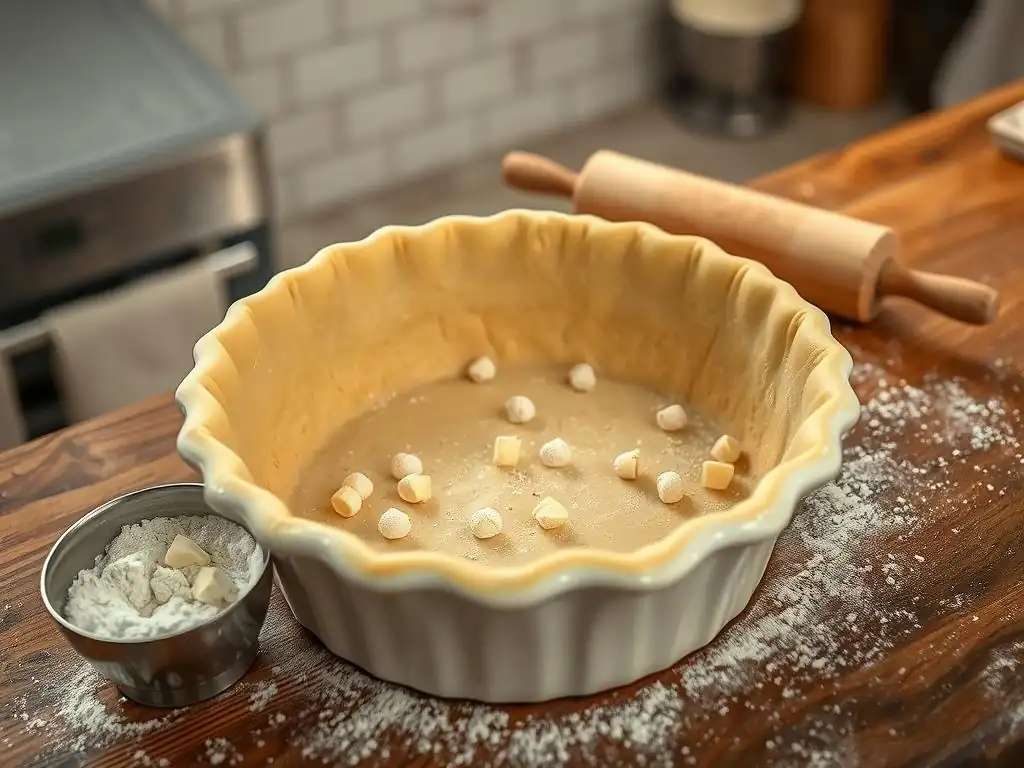
Preparing your pie dough correctly is the critical first step in achieving a successful quick blind bake. While some recipes call for extended chilling times, our focus is on getting the dough ready efficiently. This often involves using a recipe specifically designed for ease of handling or ensuring your standard dough is sufficiently firm but not overly cold, which can make rolling difficult. The goal is to get the dough into the pie plate smoothly, preserving its structure for baking.
Once the dough is rolled out, carefully transfer it to your pie plate. Gently press it into the corners and up the sides, ensuring there are no air pockets. Don't stretch the dough, as this can cause it to shrink back during baking. Trim any excess dough, leaving about an inch overhang. This overhang can be folded under and crimped to create a beautiful edge. This quick preparation sets the stage for an easy blind bake pie crust that holds its shape and bakes evenly.
Choosing the Right Pie Dough Recipe for Blind Baking
For a quick blind bake, a sturdy yet tender dough is ideal. Recipes that use a combination of butter and shortening often work well, as the shortening contributes tenderness while the butter provides flavor and flakiness. A basic all-butter crust can also be used, but ensuring it's rolled and handled carefully is key to preventing excessive shrinkage. Avoid doughs that are overly wet or sticky, as these can be difficult to work with quickly and may not hold their shape as well during pre-baking.
Crimping and Docking: Important Steps for a Perfect Crust
After fitting the dough into the plate and trimming, crimping the edges is next. This not only makes the pie look beautiful but also helps to reinforce the edge, preventing it from slumping down during baking. You can use your fingers or a fork to create various patterns. Following crimping, docking is essential.
Use a fork to prick the bottom and sides of the pie crust generously. These small holes allow steam to escape from underneath the dough as it bakes, preventing it from puffing up and creating large air bubbles. This is a vital step for an even, flat base when creating an easy blind bake pie crust.
Step 2: The Quick Blind Baking Technique
With your dough prepared, crimped, and docked, it's time for the quick blind baking technique itself. This method bypasses the lengthy chilling period often recommended after fitting the dough into the plate. Instead, we move directly to lining and baking. The key is to support the dough's structure during the initial phase of baking before the fat melts completely.
Line the prepared pie crust with parchment paper or aluminum foil, pressing it gently against the bottom and up the sides of the dough. Ensure the paper or foil fits snugly into the corners. Then, fill the lined crust with pie weights. These can be ceramic or metal pie weights, dried beans, or even uncooked rice. Fill them right up to the crimped edge. The weight prevents the dough from shrinking or bubbling up during baking, ensuring your easy blind bake pie crust maintains its shape.
Using Dry Beans for Even Baking
Dried beans are a readily available and economical option for pie weights. Kidney beans, navy beans, or lentils work perfectly. Fill the foil-lined crust completely with the beans. The weight of the beans distributed evenly across the bottom and sides of the dough helps to hold it in place as it bakes. Once you've used beans for blind baking, they are no longer suitable for cooking, but they can be stored and reused indefinitely for future blind baking projects. Just let them cool completely after baking and store them in a container.
Bake Time and Temperature for a Pre-Baked Pie Shell
For a quick blind bake, a relatively high oven temperature is used initially to set the crust quickly. Preheat your oven to around 400°F (200°C). Place the pie plate on a baking sheet (this makes it easier to handle and catches any potential drips). Bake for approximately 15-20 minutes with the weights, or until the edges of the crust look set and slightly golden.
Carefully remove the pie weights and the parchment paper/foil. Reduce the oven temperature slightly, perhaps to 375°F (190°C), and continue baking for another 10-15 minutes, or until the bottom of the crust is golden brown and appears dry. This second phase is crucial for ensuring the base of your easy blind bake pie crust is fully cooked and sturdy.
Step 3: Cooling and Finishing Your Blind Baked Crust
Once your blind baked crust has achieved a beautiful golden-brown color and appears fully cooked through, it's time for the final steps: cooling and finishing. Proper cooling is just as important as the baking process itself, particularly in preventing the crust from becoming soggy later. Resist the urge to fill the hot crust immediately.
Carefully remove the pie plate from the oven and place it on a wire rack. Allow the crust to cool completely in the pie plate. This cooling process allows the structure of the crust to set fully and any residual steam to dissipate. Filling a warm crust with a cold or room-temperature filling can create condensation, which is a fast track to a soggy bottom. A cool crust forms a better barrier.
Preventing Soggy Crusts: The Cooling Process
As mentioned, cooling is paramount for preventing sogginess. A hot crust continues to release steam. If you fill it too soon, that steam gets trapped by the filling and makes the bottom crust wet and soft.
By letting the crust cool on a wire rack, air circulates underneath, helping it dry out and crisp up further. For fillings that are particularly moist or require chilling, some bakers go an extra step after the initial blind bake: brushing the hot crust with a thin layer of egg white or melted chocolate and baking for another minute or two, creating an additional moisture barrier.
Achieving a Golden-Brown and Evenly Baked Pie Crust
The goal is a crust that is uniformly golden brown across the bottom and sides. If you find the edges are browning too quickly during the second baking phase (after removing weights), you can loosely tent the edges with foil.
If the bottom is still pale but the edges are perfect, place the pie plate directly on the oven rack or a pizza stone for the last few minutes of baking to provide more direct heat to the base. A truly successful easy blind bake pie crust should sound hollow when tapped lightly on the bottom, indicating it is fully baked and crisp.
Troubleshooting Your Quick Blind Bake Pie Crust
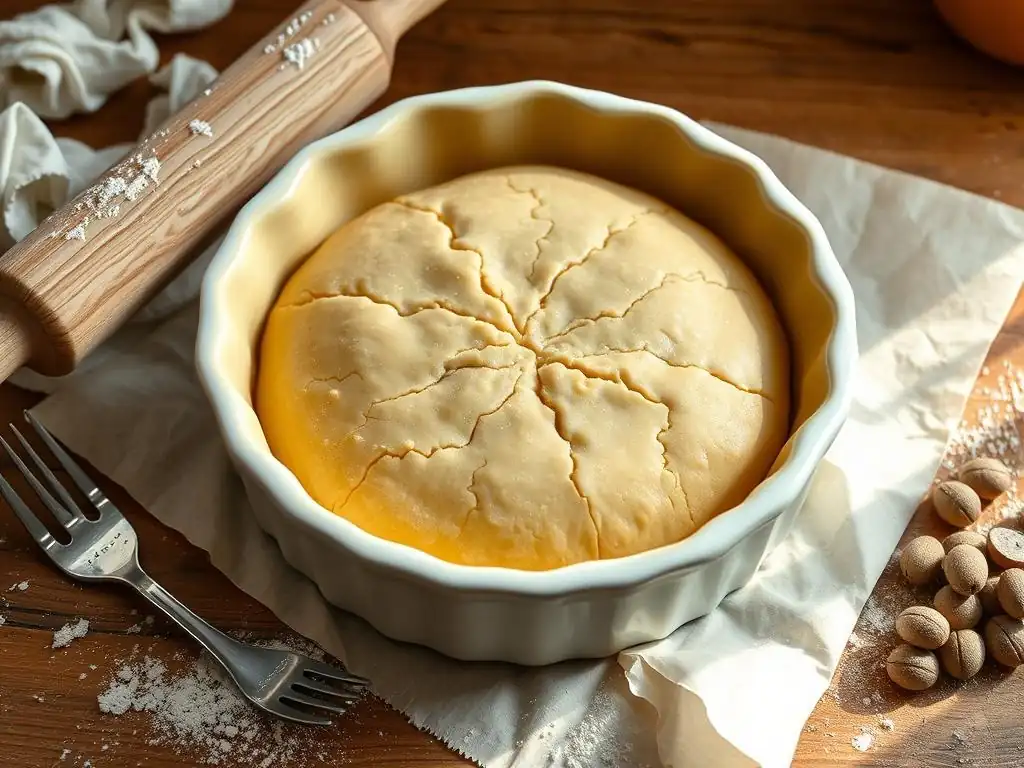
Even with the best intentions and techniques, baking can sometimes present challenges. When attempting a quick blind bake pie crust, a few common issues might arise. Understanding these problems and knowing how to address them will help you achieve perfect results consistently and take the fear out of pre-baking your pie shells.
One frequent issue is the crust shrinking down the sides of the pie plate during baking. This can happen for several reasons, including the dough being overworked, stretched too thin when fitting it into the plate, or not using enough pie weights. Another common problem is uneven baking, where parts of the crust are golden while others remain pale, or worse, large bubbles form on the bottom.
Common Blind Baking Mistakes and How to Avoid Them
- Not Docking: Skipping the docking step is a surefire way to end up with a puffed-up crust bottom. Always prick the dough generously with a fork.
- Insufficient Weights: If you don't fill the crust right to the top with weights, the sides are likely to slump. Ensure the weights fully support the dough against the pie plate.
- Removing Weights Too Soon: Removing the weights before the crust has partially set can cause the dough to collapse. Wait until the edges are visibly set and pale gold before removing them.
- Underbaking the Base: A pale bottom crust means it's not fully baked and will likely become soggy. Ensure the base is a deep golden brown after the weights are removed.
- Overworking the Dough: Tough dough is prone to shrinking. Handle your pie dough gently and minimally.
By being mindful of these potential pitfalls, you significantly increase your chances of producing a flawless easy blind bake pie crust on your first try.
Dealing with Shrinking Pie Crusts During Blind Baking
Shrinkage is a common frustration. To minimize it, ensure your dough is chilled just enough to be workable but not so cold it's brittle. When fitting it into the plate, press it in gently rather than stretching.
Leave a small overhang (about an inch) and fold it under before crimping; this creates a thicker, sturdier edge less prone to slumping. Crucially, use plenty of pie weights, filling the crust right up to the rim. Some bakers even swear by chilling the prepared crust in the plate for 15-20 minutes before adding weights and baking, even in a "quick" method, as this can firm up the dough slightly.
Fixing Unevenly Baked or Cracked Crusts
Uneven baking usually points to hot spots in your oven or insufficient weight distribution. Rotating the pie plate halfway through the baking process can help ensure even browning. If you get a large bubble despite docking, you can gently prick it with a sharp knife after removing the weights to release the trapped air, then press it down carefully before continuing to bake.
If your crust cracks, especially after cooling, don't despair! Small cracks can often be patched with a little bit of leftover raw dough or sealed with a thin layer of melted chocolate or egg white before filling, depending on your pie.
Beyond Custard Pies: Other Uses for a Blind Baked Pie Crust
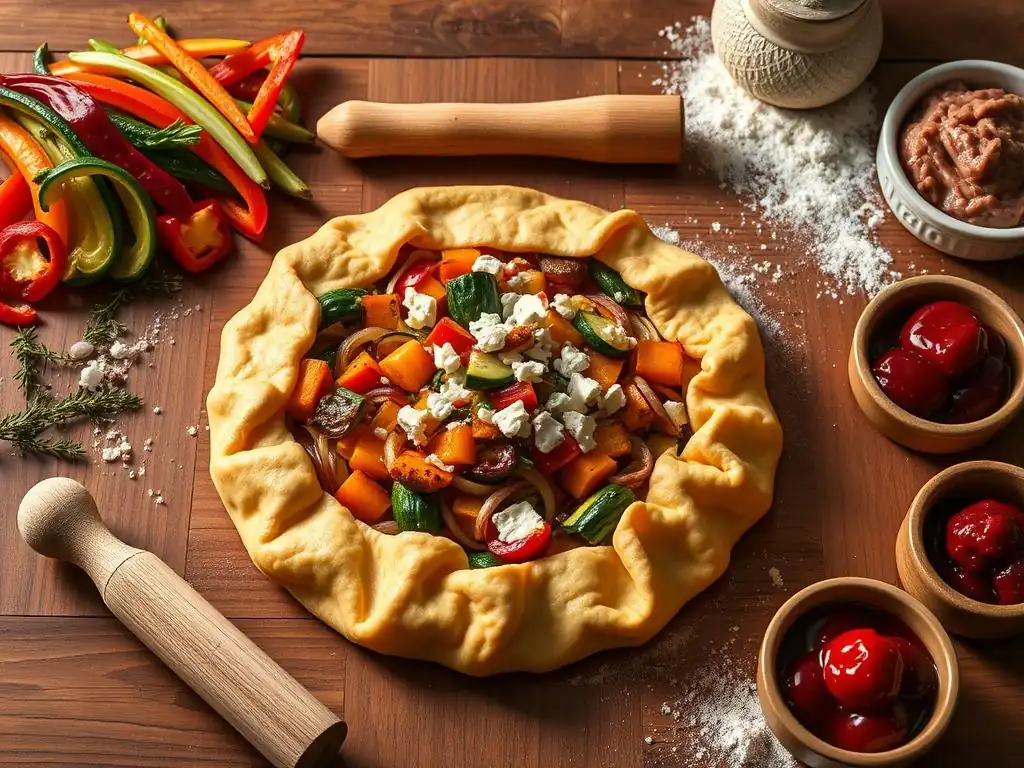
While blind baking is indispensable for custard and cream pies, its utility extends far beyond. Any pie or tart that has a filling with a short baking time or a filling that isn't baked at all benefits from a pre-baked shell. Mastering the quick blind bake method opens up a world of possibilities in your baking repertoire, allowing you to create a wider variety of delicious treats with confidence and efficiency.
Consider pies with fresh fruit fillings that are cooked down before being added to the crust, or those that rely on gelatin or cornstarch to set without prolonged oven time. These fillings introduce significant moisture to the crust, and a blind baked shell provides the necessary barrier. Even some baked fruit pies can benefit from a partial blind bake (par-baking) if you're concerned about a soggy bottom, particularly with very juicy fruits like berries or peaches. A par-baked easy blind bake pie crust gives the base a head start.
Savory Pies and Quiches: Expanding Your Blind Baking Repertoire
Blind baking is absolutely crucial for most savory pies and quiches. These often feature fillings that are liquid (like the egg and cream mixture in a quiche) or very moist (like stewed meats or vegetables). Baking these fillings in a raw crust almost guarantees a soggy, undercooked bottom. By pre-baking the crust until it's golden and fully set, you create a sturdy vessel that can hold the rich, savory filling without becoming saturated.
For quiches, the crust is typically fully blind baked before the egg mixture is poured in and the quiche is baked until the filling is set. For meat pies or pot pies with wet fillings, a par-bake is often sufficient – baking the crust until it's pale gold but not fully browned, then adding the filling and topping with a second crust or pastry before finishing the bake. This ensures the bottom is cooked through by the time the filling is hot and bubbly. A quick blind bake pie crust is truly versatile for both sweet and savory applications.
Individual Tartlets: Applying the Quick Blind Baking Method on a Smaller Scale
The principles of the quick blind baking method translate perfectly to smaller formats like individual tartlets or mini quiches. While the bake time will be shorter due to the smaller size, the process remains the same: fit the dough into the molds, crimp (if desired), dock the bottoms, line with foil or paper, fill with weights, and bake.
Mini tartlets are fantastic for showcasing different fillings, both sweet and savory. A fully blind baked mini crust is perfect for lemon tarts, fruit tarts with pastry cream, or small chocolate ganache tarts. For mini quiches, par-baking is usually sufficient before adding the egg mixture. Because they are small, the weights needed are minimal – often just a few dried beans or even small ceramic weights designed for mini molds. The quick blind bake method makes producing a batch of these delightful individual treats efficient and ensures each one has a perfectly crisp base.
Mastering the Art of the Perfect Pie Crust: Conclusion
Enjoy Delicious Pies with This Time-Saving Blind Baking Technique
Mastering the quick blind bake method is a significant step towards becoming a more confident and versatile baker. It eliminates the anxiety of soggy bottoms and expands the range of pies and tarts you can successfully create. By following these steps – preparing the dough carefully, using ample weights, baking at the correct temperatures, and allowing for complete cooling – you can achieve a beautifully golden, crisp, and sturdy easy blind bake pie crust every time. This technique truly saves time by making the process more efficient and guaranteeing a reliable result, meaning less frustration and more delicious pie!
From classic lemon meringue to savory quiches and delicate fruit tartlets, the quick blind bake is your key to success. It ensures that the foundation of your pie is just as impressive as the filling it holds. Practice makes perfect, of course, but with this straightforward method, you'll be turning out flawless pre-baked pie shells in no time. So, grab your rolling pin and your pie weights, and get ready to bake some incredible pies!
Further Baking Resources on BakeWithEase.com
Ready to explore more pie-making techniques or find the perfect filling for your newly blind baked crust? BakeWithEase.com is packed with resources to help you continue your baking journey. You can find detailed guides on making various types of pie dough, from classic butter crusts to gluten-free options.
We also offer a wide array of pie and tart recipes that utilize a blind baked crust, including step-by-step instructions for fillings like creamy chocolate silk, tangy lemon curd, and rich quiche Lorraine. Look for our articles on troubleshooting common pie issues or tips for decorative crust finishing. Everything you need to elevate your pie game, starting with a reliable easy blind bake pie crust, is available on BakeWithEase.com. Happy baking!
Frequently Asked Questions
What is blind baking, and why is it necessary for some pies?
Blind baking is pre-baking a pie crust before adding the filling. This prevents the crust from becoming soggy when filled with wet ingredients like custard or fruit.
How does the Quick Blind Baking Method on BakeWithEase save time?
The Quick Blind Baking Method likely streamlines the traditional process, perhaps using higher temperatures or different tools to bake the crust faster and more efficiently.
What kind of pie crust is best suited for blind baking, according to BakeWithEase?
While BakeWithEase offers recipes for various crusts, a sturdy, all-butter or shortcrust pastry is generally recommended for blind baking to maintain its shape and prevent shrinking.
What are some common problems encountered during blind baking, and how does BakeWithEase address them?
Common issues include crust shrinking or bubbling. BakeWithEase probably offers tips like using pie weights or docking the crust (pricking it with a fork) to prevent these problems.
Can I use a store-bought pie crust for the Quick Blind Baking Method described on BakeWithEase?
Yes, store-bought pie crusts can be used. However, BakeWithEase may offer advice on adjusting the baking time and temperature based on the crust's thickness and ingredients.
Final Reflection: Mastering the Art of the Effortless Blind Bake
The quest for the perfect pie crust is a timeless pursuit, and time is often the enemy. A perfectly blind-baked crust, crisp and golden, elevates any pie from good to extraordinary. This article has explored a streamlined method, proving that achieving that coveted texture doesn't require hours in the kitchen.
The impact of quick and easy baking methods extends beyond simply saving time; it democratizes the art of pie-making. It allows more people, regardless of their skill level or available time, to experience the joy of creating something delicious and beautiful from scratch. This accessibility fosters a deeper connection to food and tradition, reminding us of the simple pleasures in life. The best things in life are simple,
a sentiment perfectly encapsulated in the satisfying crunch of a perfectly blind-baked pie crust.
Now, I invite you to consider your own relationship with baking. Will you embrace this quicker method, freeing up precious time for other pursuits while still achieving exceptional results? Perhaps this newfound efficiency will inspire you to experiment with different pie fillings, pushing your culinary boundaries and sharing your creations with loved ones. The possibilities are as endless as your imagination, and the journey begins with a perfectly crisp, easily achieved, blind-baked crust.
Unlock Your Baking Potential: Master the Quick Blind Bake!
Thanks for diving into the world of faster, flakier pie crusts with our quick blind bake method! You’ve just gained a valuable time-saving technique that will elevate your baking game. Now it's time to put your newfound knowledge into action.
- Bake your dream pie tonight! Try the quick blind bake method with your favorite pie recipe and experience the difference.
- Share your baking success! Post a picture of your perfectly golden crust on social media and tag us – we’d love to see your creations!
- Explore other time-saving baking tips on BakeWithEase.com. We have many more tricks to help you create delicious treats faster.
Ready to transform your baking routine? What's the first pie crust recipe you'll conquer using this new method?