
Foolproof Quick Bread Recipes Even If You've Never Baked Before


Welcome to BakeWithEase, your haven for delectable delights!
Are you ready to unlock the magic of homemade bread, even if you're a complete beginner? Delve into our collection of easy quick bread recipes for beginners and discover how simple it is to bake warm, comforting loaves without the fuss of yeast or long rising times. Prepare to be amazed at what you can create – let's get baking!
- BakeWithEase Presents: Your Guide to Easy Quick Bread Recipes for Beginners
- What is Quick Bread & Why It's Perfect for New Bakers?
- Essential Tools and Ingredients for Beginner Quick Bread Baking
- Recipe 1: The Easiest Ever Banana Bread for Beginners
- Recipe 2: Simple and Delicious Zucchini Bread for New Bakers
- Recipe 3: Effortless Cornbread: A Staple Quick Bread Recipe
- Recipe 4: No-Fail Pumpkin Bread: Easy Autumn Baking
- Troubleshooting Common Quick Bread Baking Problems
- Storing and Serving Your Homemade Quick Breads
- Beyond the Basics: Expanding Your Quick Bread Repertoire
-
Frequently Asked Questions
- What exactly makes a quick bread "quick"?
- I'm a complete beginner. Are these quick bread recipes really foolproof?
- What are some examples of easy quick bread recipes suitable for beginners?
- What if I don't have all the exact ingredients listed in a quick bread recipe?
- How can I prevent my quick bread from being too dry?
- Final Reflection: The Unexpected Joys of Baking (Even for Beginners)
- Unlock Your Inner Baker: Easy Bread-Making Awaits!
BakeWithEase Presents: Your Guide to Easy Quick Bread Recipes for Beginners
Welcome to BakeWithEase! If you've ever felt intimidated by yeast or the complexities of traditional bread making, you're in the right place. This guide is designed specifically for you, the aspiring baker taking their first steps into the wonderful world of homemade goodies. We believe that baking should be fun, rewarding, and most importantly, accessible. That's why we're focusing on easy quick bread recipes beginners can make with confidence, offering simple techniques and reliable results. Get ready to discover the joy of pulling a warm, fragrant loaf from your oven without the fuss.
Quick breads are a fantastic starting point for anyone new to baking. They skip the lengthy proofing times and kneading required by yeast breads, relying instead on chemical leaveners like baking powder and baking soda. This means you can mix, bake, and enjoy a delicious loaf or batch of muffins in under an hour and a half, often much less for smaller items. We've curated a selection of foolproof beginner quick bread recipes that are perfect for building your skills and confidence in the kitchen.
What is Quick Bread & Why It's Perfect for New Bakers?
Understanding the Basics of Quick Bread Baking
Quick bread is a type of bread that does not use yeast as a leavening agent. Instead, it relies on chemical leaveners such as baking powder, baking soda, or sometimes both. These leaveners create carbon dioxide gas when mixed with wet ingredients and/or exposed to heat, causing the batter or dough to rise quickly during baking. This fundamental difference is what makes quick breads "quick" – there's no need for the hours of rising and proofing that yeast requires.
Common examples include muffins, scones, biscuits, cornbread, banana bread, and zucchini bread. The basic method typically involves mixing dry ingredients in one bowl, wet ingredients in another, and then combining them just until moistened. Overmixing is a common pitfall, as it can develop gluten too much, resulting in a tough texture.
The structure of quick breads is built upon flour, often all-purpose flour, which provides the main bulk. Leaveners are crucial for lift, while fats like butter, oil, or shortening contribute tenderness and moisture. Liquids such as milk, buttermilk, or yogurt activate the leaveners and bring the batter together.
Sugar adds sweetness and aids in browning, and eggs bind ingredients and add richness. The precise ratio of these elements varies by recipe, but understanding their basic function is key to successful quick bread baking. For instance, baking soda requires an acidic ingredient (like buttermilk, yogurt, or molasses) to react fully, while baking powder contains both acid and base and primarily reacts with liquid and heat.
The Advantages of Quick Breads: Speed and Simplicity
The most significant advantage of quick breads, especially for easy quick bread recipes beginners, is their speed. A yeast bread recipe might take 3-4 hours from start to finish, including kneading and multiple proofing periods. In contrast, many quick bread recipes can be mixed and ready for the oven in under 15-20 minutes, with baking times often ranging from 30 minutes to an hour depending on the size and type of bread.
This means you can decide to bake a loaf of banana bread on a whim and be enjoying a slice relatively soon after. This rapid turnaround is incredibly rewarding for new bakers and minimizes the time commitment.
Beyond speed, quick breads excel in simplicity. The mixing method is typically straightforward, often following the "muffin method" (mix wet and dry separately, then combine) or the "creaming method" (cream fat and sugar, add eggs, then alternate dry and liquid ingredients). There's no complex kneading technique to master, no delicate handling to avoid deflating a rise. The forgiving nature of many easy quick bread recipes beginners allows for minor inaccuracies without complete failure, making them less stressful and more encouraging for those building confidence in the kitchen. They truly are a low-barrier entry point into the world of baking.
Essential Tools and Ingredients for Beginner Quick Bread Baking
Must-Have Baking Tools for Easy Quick Bread Recipes
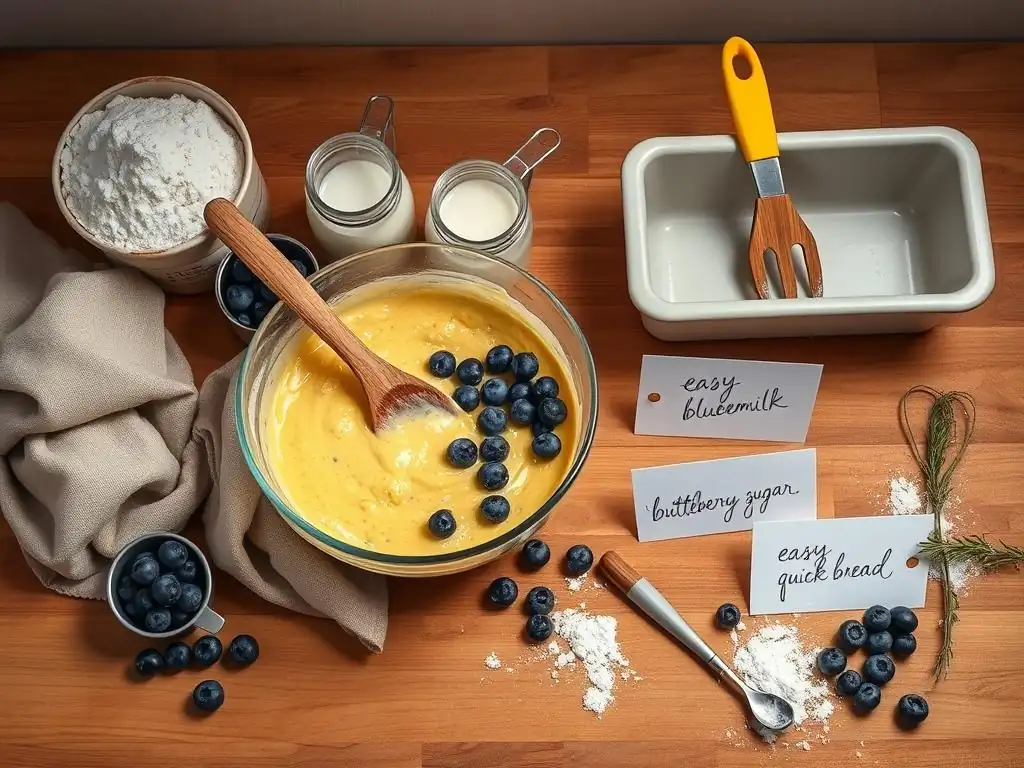
You don't need a professional kitchen setup to start baking quick breads. For most easy quick bread recipes beginners, a few basic tools will suffice. A set of measuring cups and spoons (both dry and liquid measures) is absolutely essential for accuracy – precision is important in baking! You'll also need at least two mixing bowls of different sizes, one for dry ingredients and one for wet. A whisk is perfect for combining dry ingredients and aerating them slightly, while a sturdy rubber spatula or wooden spoon is ideal for mixing the batter without overworking it.
For baking the quick bread itself, a standard loaf pan (typically 9x5 inches) is the most common requirement for loaf-style quick breads like banana or zucchini bread. Muffin tins are necessary for muffins or cupcakes, and baking sheets are used for scones or biscuits. Parchment paper is highly recommended to prevent sticking and make cleanup a breeze – a roll usually costs around $3-5 and is well worth it. An oven thermometer is a great tool for ensuring your oven is heating accurately, as oven temperatures can vary by up to 25 degrees Fahrenheit from the dial setting.
The Key Ingredients in Quick Breads and Their Role
Understanding the function of key ingredients is vital for successful easy quick bread recipes beginners. All-purpose flour is the structure builder; approximately 120-130 grams per cup. Chemical leaveners like baking powder (often used at a ratio of about 1 to 1.5 teaspoons per cup of flour) and baking soda (used when acidic ingredients are present, typically 1/4 to 1/2 teaspoon per cup of flour) are responsible for the rise. Fat, whether it's melted butter, vegetable oil, or softened butter, adds tenderness and moisture; a typical loaf recipe might use anywhere from 1/4 cup to 1/2 cup of fat.
Liquid ingredients, such as milk, buttermilk, or yogurt, activate leaveners and hydrate the dry ingredients. A standard loaf recipe might call for 1/2 cup to 1 cup of liquid. Eggs bind the ingredients together, add richness, and contribute to the structure; most recipes use 1 or 2 eggs. Sugar provides sweetness, helps with browning, and contributes to a tender crumb. The amount varies greatly depending on the recipe, from just a few tablespoons in cornbread to over a cup in sweeter loaves like banana bread. Salt enhances the flavor of all the other ingredients.
Recipe 1: The Easiest Ever Banana Bread for Beginners
Step-by-Step Instructions for Foolproof Banana Bread
This easy quick bread recipe for beginners is a classic for a reason – it's incredibly forgiving and delicious. You'll need about 3 very ripe bananas (the spottier, the better! ), 1/3 cup melted butter, 1/2 cup granulated sugar, 1 egg, 1 teaspoon vanilla extract, 1 1/2 cups all-purpose flour, 1 teaspoon baking soda, and a pinch of salt. Preheat your oven to 350°F (175°C) and grease and flour a 9x5 inch loaf pan, or line it with parchment paper.
First, mash the ripe bananas in a medium bowl until mostly smooth but with a few lumps remaining. Stir in the melted butter, sugar, egg, and vanilla extract until well combined. In a separate, larger bowl, whisk together the flour, baking soda, and salt. Pour the wet ingredients into the dry ingredients. Using a rubber spatula, stir just until the dry ingredients are moistened and no streaks of flour remain. Do not overmix!
The batter will be lumpy. Pour the batter into your prepared loaf pan and spread evenly. Bake for 50-65 minutes, or until a toothpick inserted into the center comes out clean. If the top starts browning too quickly, you can loosely tent it with foil after about 40 minutes. Let cool in the pan for 10 minutes before transferring to a wire rack to cool completely.
Tips for Perfecting Your Beginner Banana Bread Recipe
Using very ripe bananas is the most important tip for this easy quick bread recipe for beginners. They are sweeter, softer, and easier to mash, and their flavor intensifies as they ripen. If your bananas aren't quite ripe enough, you can try placing them on a baking sheet in a 300°F (150°C) oven for 15-20 minutes until the skins are black and shiny – let them cool before mashing. Another key tip is to avoid overmixing the batter.
Overmixing develops gluten, which can lead to a tough, dense bread. Stir just until the dry ingredients are incorporated. A few lumps are perfectly fine!
For consistent results, measure your flour correctly. Spoon the flour into your measuring cup and level it off with a straight edge; don't scoop directly from the bag, as this can pack the flour and result in using too much. Ensure your baking soda is fresh; it loses potency over time. You can test it by adding a little to some vinegar – it should bubble vigorously.
Lastly, be patient and let the bread cool before slicing. This allows the internal structure to set, preventing a gummy texture. Cooling on a wire rack ensures air circulates, preventing a soggy bottom.
Recipe 2: Simple and Delicious Zucchini Bread for New Bakers
Baking Zucchini Bread: A Beginner-Friendly Approach
Zucchini bread is another fantastic easy quick bread recipe for beginners that uses up summer squash and results in a wonderfully moist loaf. The key ingredient here is grated zucchini, which adds moisture without a strong flavor. For a standard loaf, you'll typically need about 1 to 1.5 cups of grated zucchini (about 1-2 medium zucchinis).
You'll also need common quick bread ingredients like flour, sugar, eggs, oil (often preferred over butter for moisture in zucchini bread), baking soda, baking powder, salt, and warm spices like cinnamon and nutmeg. Preheat your oven to 350°F (175°C) and prepare your loaf pan.
Start by grating the zucchini. Some recipes recommend squeezing out excess moisture, while others do not; for a moist bread, leaving some moisture in is usually beneficial unless the zucchini is extremely watery. In a large bowl, whisk together the wet ingredients: eggs, oil, sugar, and any liquid extracts like vanilla. Stir in the grated zucchini.
In a separate bowl, whisk together the dry ingredients: flour, baking soda, baking powder, salt, cinnamon, and nutmeg. Add the dry ingredients to the wet ingredients and stir gently just until combined. Pour the batter into the prepared pan and bake for 45-60 minutes, or until a toothpick comes out clean.
Variations and Add-ins for Your Zucchini Bread
This easy quick bread recipe for beginners is highly adaptable! Once you've mastered the basic loaf, you can easily customize it. A popular addition is nuts, such as chopped walnuts or pecans, which add a delightful crunch. About 1/2 cup is usually sufficient for a standard loaf. Chocolate chips are another favorite; milk chocolate or semi-sweet chips (1/2 to 1 cup) work wonderfully and melt into gooey pockets of flavor. You can also add dried fruit like raisins or cranberries (about 1/2 cup).
For a different flavor profile, consider adding lemon zest (from 1 lemon) for a brighter taste, or swap some of the granulated sugar for brown sugar for a deeper, caramel-like note. Spices can be adjusted too; a pinch of ground cloves or ginger can enhance the warmth of the cinnamon and nutmeg. Remember to add any solid mix-ins like nuts or chocolate chips when you combine the wet and dry ingredients, folding them in gently with the rest of the batter.
Recipe 3: Effortless Cornbread: A Staple Quick Bread Recipe
Mastering the Art of Cornbread: A Beginner's Guide
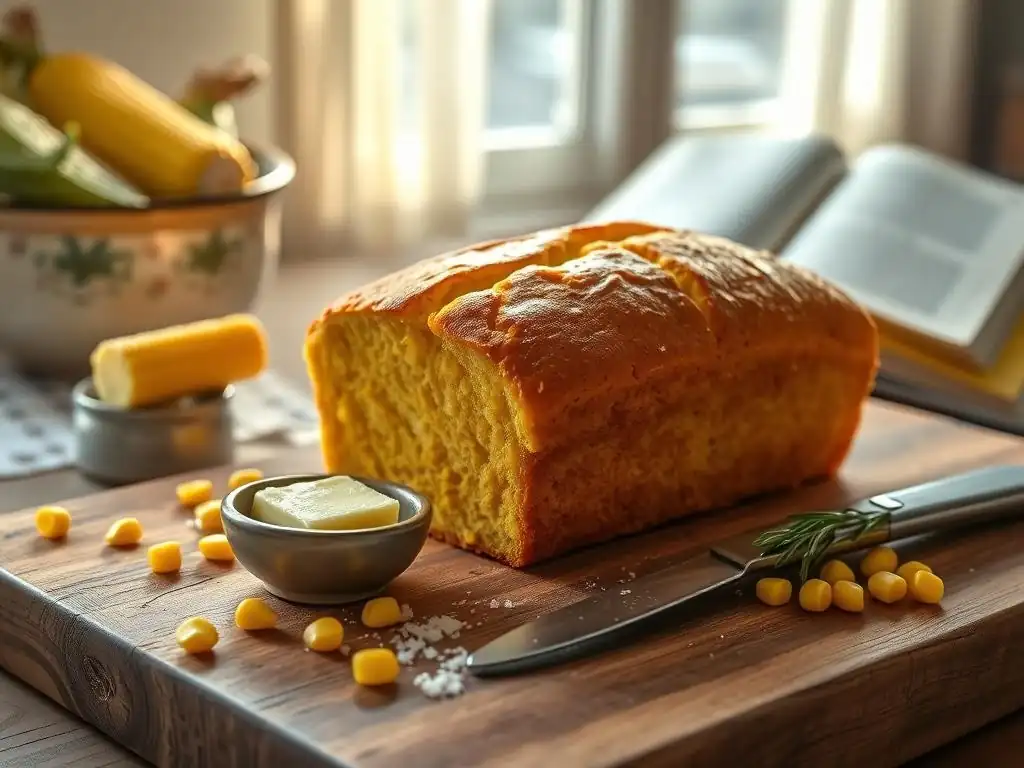
Cornbread is a savory quick bread that is incredibly easy to make and pairs perfectly with chilis, stews, or just a dollop of butter. This easy quick bread recipe for beginners often uses a mix of cornmeal and all-purpose flour for texture. A basic recipe might include cornmeal, flour, sugar (the amount varies greatly depending on preference for sweet or savory), baking powder, salt, milk or buttermilk, an egg, and melted butter or oil.
Unlike loaf quick breads, cornbread is often baked in a hot skillet, which gives it a lovely crispy crust. Preheat your oven and, ideally, place a cast iron skillet in it to heat up with some butter or oil.
To make classic cornbread, whisk together the dry ingredients: cornmeal, flour, sugar (if using), baking powder, and salt. In a separate bowl, whisk together the wet ingredients: milk (or buttermilk for a tangier result), melted butter or oil, and the egg. Pour the wet ingredients into the dry ingredients and stir just until combined. The batter will be a bit lumpy.
Carefully remove the hot skillet from the oven (use oven mitts! ), pour the batter into the hot, greased skillet, and spread evenly. Bake for 20-25 minutes, or until the top is golden brown and a toothpick inserted into the center comes out clean.
Different Types of Cornmeal and Their Impact on Cornbread
The type of cornmeal you use significantly impacts the texture of your cornbread, making this easy quick bread recipe for beginners surprisingly versatile. Fine grind cornmeal results in a more tender, cake-like crumb. Medium grind cornmeal is the most common and provides a classic, slightly gritty texture. Coarse grind cornmeal gives a very rustic, hearty texture with pronounced corn flavor. Yellow cornmeal is the most widely available and gives cornbread its characteristic golden hue. White cornmeal results in a paler cornbread, often favored in Southern U.S. recipes, and can have a slightly different flavor profile.
Beyond the grind and color, there are also different types of cornmeal based on processing. Degerminated cornmeal has the germ and hull removed, resulting in a finer texture and longer shelf life. Stone-ground cornmeal retains the germ and hull, which means it has more flavor and nutrients but a shorter shelf life (it's best stored in the refrigerator or freezer). For your first attempt at this easy quick bread recipe for beginners, standard yellow medium-grind cornmeal is a great starting point. Experimenting with different types later can be a fun way to explore variations in texture and taste.
Recipe 4: No-Fail Pumpkin Bread: Easy Autumn Baking
Pumpkin Bread: A Warm and Welcoming Beginner Recipe
Pumpkin bread is a beloved autumn staple and another excellent easy quick bread recipe for beginners. It's incredibly moist thanks to the pumpkin puree and fragrant with warm spices. For a standard loaf, you'll need about 1 1/2 to 2 cups of canned pumpkin puree (make sure it's 100% pumpkin, not pumpkin pie filling).
Other ingredients typically include all-purpose flour, sugar (often a mix of granulated and brown sugar), eggs, oil or melted butter, baking soda, baking powder, salt, and a generous amount of warm spices like cinnamon, nutmeg, cloves, and ginger. Preheat your oven to 350°F (175°C) and prepare your loaf pan.
Combine the wet ingredients in a large bowl: pumpkin puree, eggs, oil or melted butter, and sugars. Whisk until smooth. In a separate bowl, whisk together the dry ingredients: flour, baking soda, baking powder, salt, and all the spices. Add the dry ingredients to the wet ingredients and stir just until combined.
Pour the batter into the prepared pan and bake for 55-70 minutes, or until a toothpick inserted into the center comes out clean. Like banana bread, you may need to tent the top with foil if it browns too quickly. Let cool in the pan for 10-15 minutes before transferring to a wire rack.
Spices and Enhancements for Your Pumpkin Bread
The magic of this easy quick bread recipe for beginners lies in the spices. A classic blend typically includes ground cinnamon (often 1-2 teaspoons), ground nutmeg (1/2 to 1 teaspoon), ground cloves (1/4 to 1/2 teaspoon), and ground ginger (1/2 to 1 teaspoon). Using a pre-mixed pumpkin pie spice blend is also an option and simplifies the process. The amount of spices can be adjusted based on your preference for intensity. Using fresh spices will yield the most vibrant flavor.
To enhance your pumpkin bread, consider adding mix-ins like chopped pecans or walnuts (about 1/2 cup) for crunch. Chocolate chips (1/2 to 1 cup) are also a popular and delicious addition. For extra moisture and richness, swirl in some cream cheese filling before baking (a simple mix of softened cream cheese, a little sugar, and an egg yolk). A streusel topping (a mix of flour, sugar, butter, and cinnamon) sprinkled over the top before baking adds a lovely crunchy texture. These simple additions can elevate your beginner quick bread recipe without adding significant complexity.
Troubleshooting Common Quick Bread Baking Problems
Common Mistakes Beginners Make and How to Avoid Them
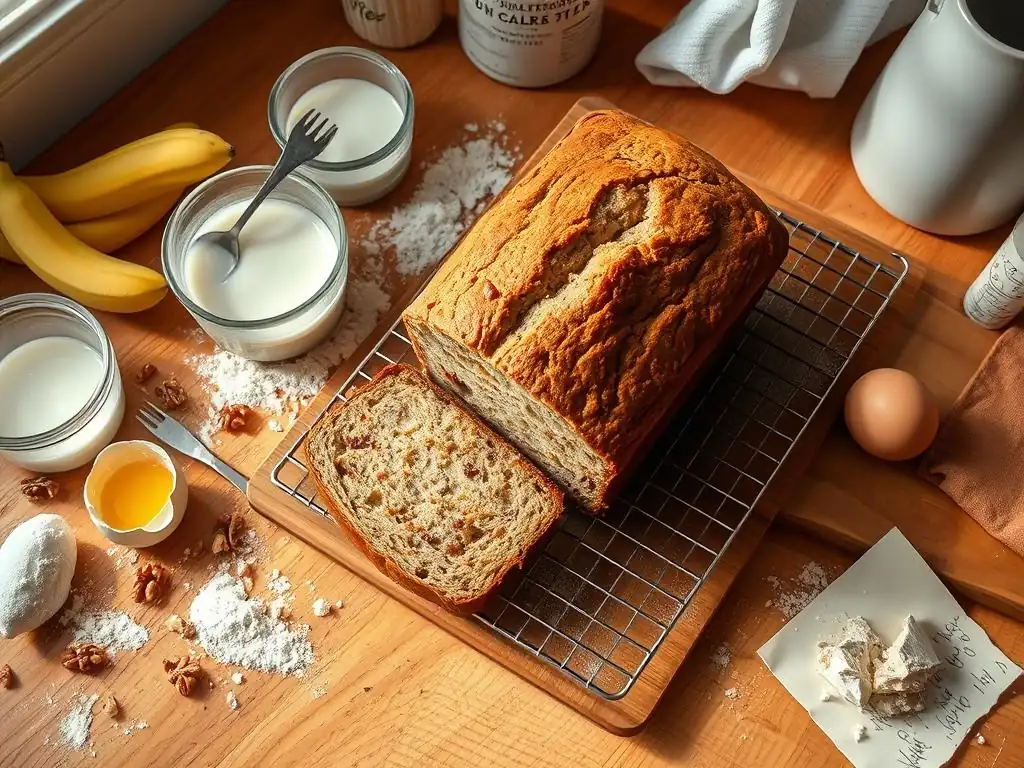
One of the most frequent issues encountered with easy quick bread recipes beginners is overmixing the batter. This develops gluten, leading to a tough, dense texture instead of a tender crumb. Avoid this by mixing only until the dry ingredients are just combined and no streaks of flour remain. A lumpy batter is perfectly fine! Another common mistake is using ingredients that are too cold, particularly eggs and liquids. Room temperature ingredients combine more easily and contribute to better texture and rise. Plan ahead and take eggs out of the refrigerator about 30 minutes before baking.
Using incorrect measurements is another pitfall. Baking is a science, and ratios matter. Always use dry measuring cups for flour, sugar, and leaveners, leveling off the excess with a straight edge. Use liquid measuring cups for milk, oil, and extracts, reading the measurement at eye level. Lastly, opening the oven door too early or too frequently can cause the bread to sink in the middle, especially during the first 2/3 of the baking time, as the structure hasn't fully set. Trust the process and check the bread only when the recipe suggests it might be close to done.
How to Fix Dry, Dense, or Undercooked Quick Breads
If your quick bread turns out dry, it's often due to using too much flour or overbaking. Ensure you're measuring flour correctly (spooned and leveled). If the bread is already baked and dry, it can sometimes be salvaged by brushing a simple syrup (equal parts sugar and water heated until sugar dissolves) over the top while it's still warm, allowing it to soak in. For future attempts at your easy quick bread recipe for beginners, double-check your measurements and consider reducing the baking time slightly or checking for doneness a bit earlier.
A dense quick bread is usually a result of overmixing (leading to tough gluten) or using inactive leaveners (baking powder or baking soda). Ensure your leaveners are fresh. If you suspect overmixing was the issue, focus on mixing only until just combined next time.
If your bread is undercooked in the center but done on the outside, the oven temperature might be too high, causing the outside to cook too fast. Using an oven thermometer can help verify your oven's accuracy. If it happens during baking, you can cover the top loosely with foil to prevent further browning and continue baking at a slightly reduced temperature (e.g., drop from 350°F to 325°F) until a toothpick comes out clean.
Storing and Serving Your Homemade Quick Breads
Best Practices for Keeping Your Quick Bread Fresh
Proper storage is key to enjoying your easy quick bread recipes beginners have mastered for as long as possible. Once your quick bread has cooled completely on a wire rack (this is crucial – storing warm bread creates condensation and makes it soggy), wrap it tightly. For storage at room temperature, wrap the loaf tightly in plastic wrap, then place it in a resealable plastic bag or airtight container. Most quick breads will stay fresh and moist this way for 2-3 days on the counter.
If you want to keep your quick bread fresh for longer, refrigeration is an option, extending its life to about a week. Wrap it tightly as described above before refrigerating. For longer storage, quick breads freeze beautifully. Once completely cooled, wrap the loaf or slices tightly in plastic wrap, then wrap again in aluminum foil or place in a freezer-safe bag. Frozen quick bread can last for 2-3 months. Thaw wrapped at room temperature or gently warm slices in a toaster or oven.
Creative Ways to Serve and Enjoy Your Quick Bread
Your freshly baked easy quick bread recipes beginners creations are versatile and can be enjoyed in many ways! The simplest and often best way is sliced and served at room temperature or slightly warmed, perhaps with a smear of butter. Sweet quick breads like banana or pumpkin bread are delicious with cream cheese, nut butter, or even a drizzle of honey or maple syrup. Savory quick breads like cornbread are perfect alongside soups, stews, or chili, and are traditionally served warm with butter.
Consider toasting slices of quick bread – it adds a lovely texture and brings out the flavors. Toasted banana bread with butter is a classic! For a more decadent treat, slices of sweet quick bread can be used to make French toast. Simply dip slices in an egg mixture and cook on a griddle. Leftover quick bread can also be crumbled and used as a topping for yogurt or ice cream, or cubed and turned into bread pudding.
Beyond the Basics: Expanding Your Quick Bread Repertoire
Exploring Different Types of Quick Breads for Beginners
Once you've successfully baked a few loaves from these easy quick bread recipes beginners can master, you'll realize the world of quick breads is vast and exciting! Don't limit yourself to loaves. Muffins are essentially small, individual quick breads and follow a similar method, offering endless flavor possibilities from blueberry to chocolate chip. Scones are another type of quick bread, typically richer and often cut into wedges, perfect with clotted cream and jam. Biscuits are savory quick breads made with cold fat cut into flour, resulting in flaky layers.
Even pancakes and waffles can be considered a form of quick bread batter cooked on a griddle! Exploring these different forms using simple base recipes will help you understand how slight changes in ingredients and technique (like cutting in cold butter for biscuits vs. using melted butter for a loaf) affect the final texture. Look for beginner quick bread recipes specifically for muffins, scones, and biscuits to continue building your skills.
Getting Creative with Flavors and Ingredients
With the basic techniques down from these easy quick bread recipes beginners, you can start experimenting and creating your own variations. Think about combining flavors you love. Apple cinnamon quick bread, cranberry orange, lemon poppy seed, or even savory options like cheddar and chive cornbread are all within reach. Consider adding different types of fruit (fresh or dried), vegetables (like carrots or sweet potatoes), nuts, seeds, chocolate, or spices.
You can also experiment with different flours, though it's best to start by substituting only a portion of the all-purpose flour (e.g., swap 1/4 or 1/2 cup for whole wheat or oat flour) as different flours absorb liquid differently. Adding extracts like almond or lemon can introduce new flavor dimensions. Don't be afraid to look at easy quick bread recipes beginners guides for inspiration and then tweak them based on your preferences. Baking is an art as much as a science, and experimenting is part of the fun!
Frequently Asked Questions
What exactly makes a quick bread "quick"?
Quick breads are "quick" because they don't require yeast or proofing. They rely on chemical leaveners like baking powder or baking soda for rise, making them faster to prepare.
I'm a complete beginner. Are these quick bread recipes really foolproof?
Yes! BakeWithEase focuses on simplicity. Our recipes use easy-to-find ingredients and provide step-by-step instructions designed for beginners, minimizing potential errors.
What are some examples of easy quick bread recipes suitable for beginners?
BakeWithEase offers recipes like banana bread, zucchini bread, and cornbread. These are often considered beginner-friendly due to their straightforward methods and forgiving nature.
What if I don't have all the exact ingredients listed in a quick bread recipe?
While following the recipe closely is best, some substitutions are possible. Check the BakeWithEase website for articles on ingredient substitutions, focusing on maintaining the correct ratio of wet to dry ingredients.
How can I prevent my quick bread from being too dry?
Avoid over-mixing the batter, as this can develop gluten and result in a tough, dry bread. Also, be sure to measure ingredients accurately and check for doneness using a toothpick test.
Final Reflection: The Unexpected Joys of Baking (Even for Beginners)
The simplicity of quick bread recipes belies their profound ability to connect us to the joy of creation and the comfort of shared meals. These aren't just recipes; they're gateways to a more fulfilling and delicious life, proving that even the most novice baker can achieve impressive results with minimal effort. The ease of these recipes democratizes baking, making it accessible to everyone, regardless of prior experience.
The comforting aroma of freshly baked bread, the satisfying thud of a loaf hitting the cooling rack, the sheer delight of sharing that loaf with loved ones – these are experiences that transcend the simple act of following a recipe. These moments foster connection and build memories, echoing the timeless sentiment: Food is symbolic of love when words are inadequate.
Baking, even something as seemingly straightforward as quick bread, becomes a powerful act of nurturing and sharing, enriching our lives far beyond the simple satisfaction of a tasty treat.
Now, I invite you to roll up your sleeves, gather your ingredients, and embark on your own baking adventure. Don't be intimidated by the prospect of failure; embrace the learning process, savor the small victories, and most importantly, enjoy the journey. The satisfaction of creating something delicious with your own hands is a reward in itself, and the memories you create along the way will be even more valuable. So, what are you waiting for? Let's get baking!
Unlock Your Inner Baker: Easy Bread-Making Awaits!
Thanks for joining us on this baking adventure! We hope you've discovered the joy of creating delicious, homemade quick breads – even if you’re a complete beginner. Now it's time to put your newfound skills to the test!
- Bake your first loaf today: Choose your favorite recipe from the article and get baking! We bet you'll be surprised at how easy it is.
- Share your baking triumph: Snap a picture of your masterpiece and post it on social media using #BakeWithEase – let's inspire others!
- Experiment with flavors: Try substituting different fruits, spices, or nuts to create your own unique quick bread creations. Let your culinary creativity shine!
Ready to share your delicious success (or any baking adventures)? What unique flavor combination are you most excited to try next?