
Start Baking Latin America: Your First 3 Easy Recipes

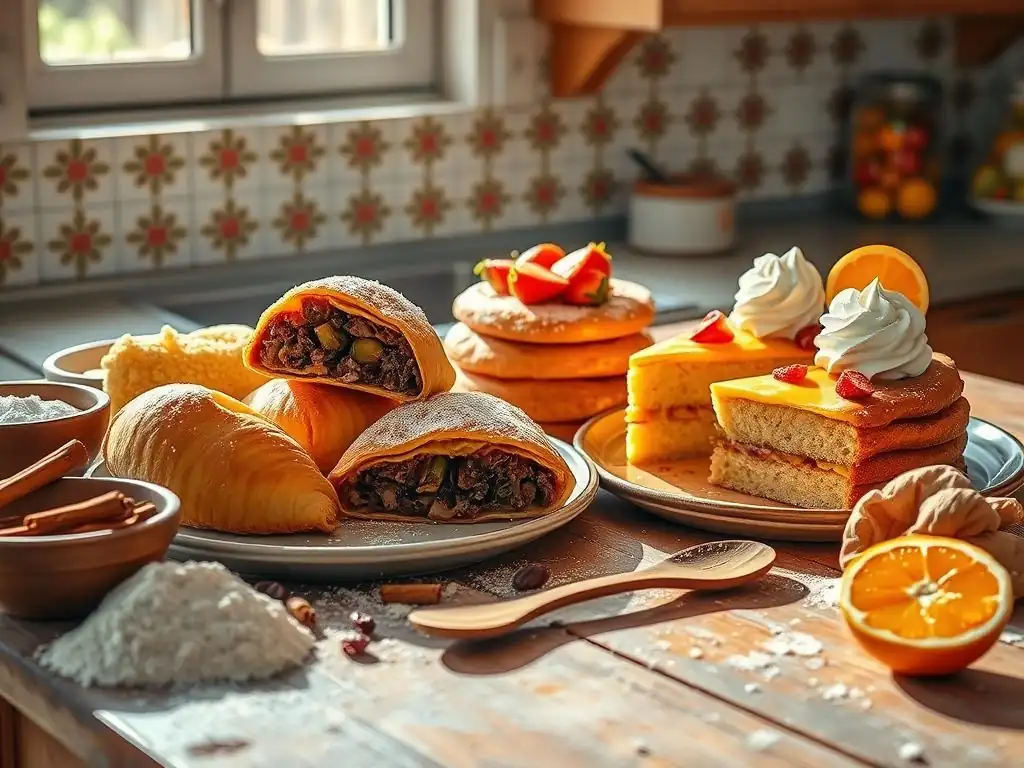
Welcome to BakeWithEase, your culinary compass to the world of delightful baking! Ever dreamt of filling your kitchen with the warm, inviting aromas of Latin America? Get ready to embark on a delicious journey! In this article, we're unveiling three incredibly easy Latin American baking recipes that will transport your taste buds south of the border. From sweet treats to savory delights, are you ready to discover the secrets? Let's get baking!
- Discover Peruvian Cuisine: 3 Beginner-Friendly Recipes
- Explore the Culinary Heritage of Peru Through Simple Dishes
- Why Peruvian Cuisine is Ideal for New Cooks
- Recipe 1: Classic Ceviche - Peru's National Dish
- Recipe 2: Simple Lomo Saltado - A Stir-Fried Peruvian Favorite
- Recipe 3: Easy Papa Rellena - Stuffed Potato Balls from Peru
- Essential Tips for Peruvian Cooking Success
- Expand Your Peruvian Culinary Repertoire
-
Frequently Asked Questions
- What makes these Latin American baking recipes considered "easy" for beginners?
- What types of Latin American baked goods are typically featured in "easy" recipes?
- Where can I find the ingredients needed for these "Easy Latin American baking recipes"?
- How do these recipes cater to different dietary restrictions, such as gluten-free or vegan?
- What kind of baking equipment is essential for getting started with "Easy Latin American baking recipes"?
- Final Reflection: A Sweet Taste of Latin America and the Power of Simple Recipes
- Unlock the Flavors of Latin America: Start Baking Today!
Discover Peruvian Cuisine: 3 Beginner-Friendly Recipes
Explore the Culinary Heritage of Peru Through Simple Dishes
Peruvian cuisine is a vibrant tapestry woven from indigenous traditions and the influences of European, Asian, and African immigrants. It's a culinary landscape celebrated globally for its complexity, depth of flavor, and incredible variety, stemming from Peru's diverse geography that spans the coast, the Andes mountains, and the Amazon rainforest. For those new to international cooking, delving into Peruvian dishes offers a rewarding experience that introduces exciting ingredients and techniques without requiring years of expertise. Starting with straightforward recipes allows beginners to appreciate the core elements that make this food so unique and beloved.
Embarking on a culinary journey through Peru from your own kitchen is more accessible than you might think. Many essential Peruvian ingredients are increasingly available in international markets or can be substituted with common alternatives. The beauty of Peruvian cooking often lies in fresh ingredients and simple preparations that highlight natural flavors. These initial steps into the world of cocina peruana can build confidence and inspire further exploration into its rich history and regional variations.
PeruvianDelights: Your Guide to Easy Peruvian Cooking
Navigating a new cuisine can feel overwhelming, but focusing on foundational dishes makes it approachable. Think of this exploration as your personal guide to unlocking the secrets of easy Peruvian cooking. We'll focus on recipes that are iconic, relatively quick to prepare, and forgiving for novice cooks, allowing you to build a repertoire of impressive meals. The goal is to demystify Peruvian flavors and techniques, showing that you don't need to be a professional chef to create delicious, authentic-tasting meals at home.
This guide aims to provide clear, step-by-step instructions for three beloved Peruvian dishes. By starting with these accessible recipes, you'll gain familiarity with key ingredients like aji amarillo (yellow chili pepper), lime, and fresh herbs, and understand simple processes like marinating with acid or mastering a quick stir-fry. This foundation in savory Peruvian cooking can even complement other culinary interests, perhaps informing your approach to easy Latin American baking recipes by broadening your understanding of regional tastes and textures.
Why Peruvian Cuisine is Ideal for New Cooks
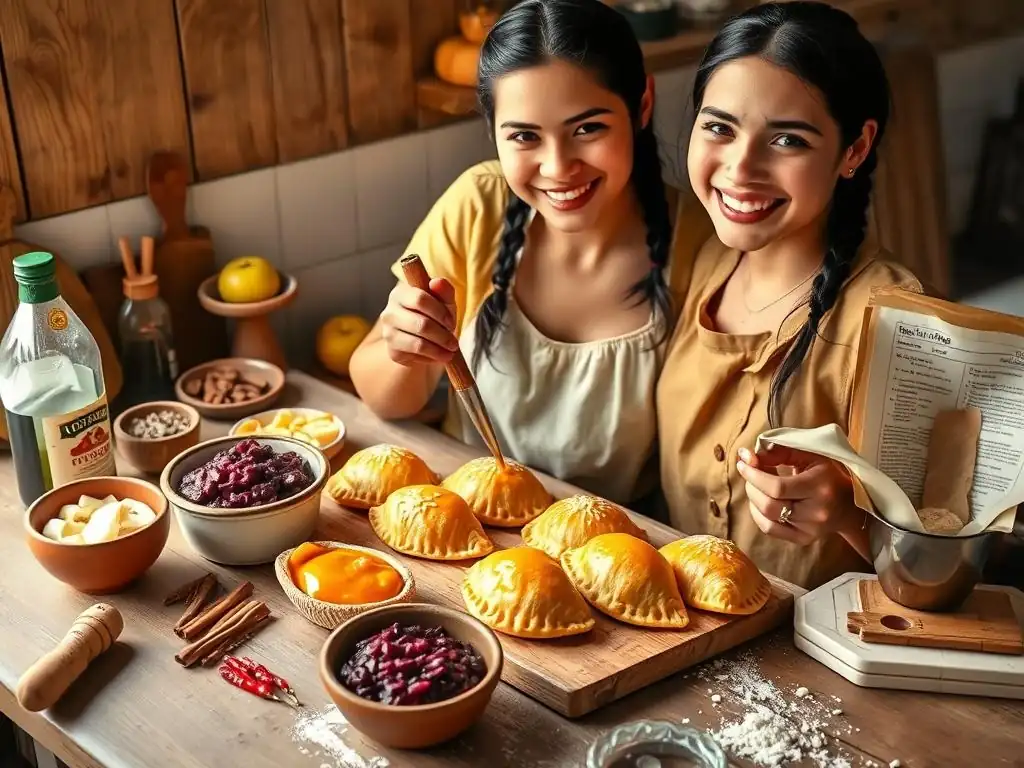
Peruvian cuisine, despite its sophisticated reputation on the world stage, offers a surprising entry point for beginner cooks. Its reliance on fresh, high-quality base ingredients means that complex sauces or elaborate techniques are often secondary to highlighting the natural flavors of produce, proteins, and spices. Many classic dishes are built upon simple principles – like the transformative power of citrus in ceviche or the high-heat wok cooking of Lomo Saltado – making them manageable and rewarding for those just starting out. The vibrant colors and bold tastes are immediate indicators of success, providing encouragement as you learn.
Moreover, the global popularity of Peruvian food has made many of its key ingredients more widely available than ever before. Specialty Latin American markets are common in many cities, and online retailers offer access to harder-to-find items like specific chili pastes or unique corn varieties. Even if authentic ingredients aren't immediately accessible, many Peruvian recipes are adaptable, allowing for substitutions that still capture the essence of the dish. This flexibility, combined with recipes that often involve minimal cooking time or straightforward assembly, makes Peruvian cuisine an excellent choice for building kitchen confidence and exploring new taste sensations.
Fresh Ingredients, Vibrant Flavors: The Allure of Peruvian Food
The heart of Peruvian cuisine lies in its unparalleled access to biodiversity. Peru boasts an astonishing range of climates and ecosystems, leading to an incredible variety of native ingredients. For instance, it's estimated that Peru is home to over 3,000 varieties of potato and more than 50 types of corn, alongside unique chili peppers like aji amarillo and rocoto, indigenous fruits like lúcuma and camu camu, and nutrient-rich grains like quinoa and kiwicha. This natural pantry provides a foundation for dishes bursting with freshness and distinct, vibrant flavors that are hard to replicate.
The skillful combination of these ingredients creates flavor profiles that are both complex and harmonious. The bright acidity of lime, the subtle heat and fruity notes of aji amarillo, the earthiness of huacatay (Peruvian black mint), and the savory depth of soy sauce (an influence from Chinese immigration) are layered to create memorable dishes.
For beginner cooks, working with such flavorful ingredients means that even simple preparations yield impressive results. The inherent quality and distinctiveness of Peruvian produce and spices do much of the work, allowing newcomers to focus on technique and assembly rather than needing to build flavor from scratch with complicated spice blends or stocks.
Embark on a Culinary Adventure with These Starter Recipes
Ready to dive in? We've selected three classic Peruvian dishes that perfectly illustrate the accessibility and deliciousness of this cuisine for beginners. These recipes require minimal specialized equipment and introduce fundamental Peruvian flavors and techniques. By starting with these, you'll gain hands-on experience with key ingredients and methods that form the basis of many other Peruvian favorites.
These starter recipes – Ceviche, Lomo Saltado, and Papa Rellena – represent different facets of Peruvian cooking, from the refreshing coastal preparation of seafood to the hearty, fusion-influenced stir-fries and comforting stuffed potatoes. Mastering these will not only provide you with three fantastic meals to add to your repertoire but also build the confidence needed to explore more intricate Peruvian dishes. Let's get cooking and discover the joy of creating authentic Peruvian flavors in your own kitchen.
Recipe 1: Classic Ceviche - Peru's National Dish
Ceviche is arguably Peru's most famous dish, a refreshing and bright seafood preparation that is surprisingly simple to make at home. It's not cooked with heat, but rather cured by the acid in lime juice, a process that transforms the fish's texture and flavor. This makes it a fantastic recipe for beginners, as it involves minimal actual "cooking" and focuses more on ingredient quality and timing.
Typically, Peruvian ceviche uses fresh white fish, marinated briefly in lime juice, often with red onion, cilantro, and aji limo or aji amarillo for a touch of heat. It's traditionally served with sweet potato ( camote) and corn ( choclo or cancha). The key is using the freshest possible fish you can find, ideally "sushi-grade" or designated for raw consumption, to ensure safety and the best texture.
Understanding Ceviche: A Refreshing Seafood Delicacy
Ceviche's origins are believed to date back over 2,000 years to pre-Hispanic cultures along the Peruvian coast, who used fermented fruit juices or local chilies to cure fish. The introduction of lime by the Spanish colonialists revolutionized the dish, creating the version we know today. It's a prime example of how simple ingredients, when combined correctly, can create something truly extraordinary. The acidity of the lime juice denatures the proteins in the fish, similar to how heat cooks it, causing it to become opaque and firm.
The typical Peruvian preparation, often called ceviche clasico, involves marinating the fish for only a short period – sometimes as little as 15-20 minutes – resulting in a tender texture and a vibrant, acidic "tiger's milk" ( leche de tigre) marinade at the bottom of the bowl, which is often sipped or served alongside. This short marination time distinguishes Peruvian ceviche from versions found in other Latin American countries, which may marinate for much longer periods, resulting in a firmer, more "cooked" texture. The balance of acid, heat, salt, and fresh herbs is crucial to its success.
Ceviche Recipe: Step-by-Step Guide for Home Preparation
Here's a simplified guide to making classic Peruvian Ceviche:
Ingredients:
- 1 lb very fresh, skinless white fish fillet (such as corvina, sole, sea bass), cut into ½-inch cubes
- 1 red onion, thinly sliced (rinse in cold water for a few minutes to reduce sharpness)
- 1-2 aji limo or aji amarillo (or serrano/jalapeño), seeded and finely minced (adjust to taste)
- ½ cup fresh lime juice (from about 4-6 limes), plus more to taste
- ¼ cup chopped fresh cilantro
- Salt to taste
- Optional: a small piece of ginger, grated; a clove of garlic, minced
Instructions:
- In a glass or ceramic bowl, gently combine the cubed fish and sliced red onion. Add the minced chili pepper (aji).
- Pour the fresh lime juice over the fish mixture. Ensure the fish is mostly submerged. Gently stir to distribute the ingredients evenly.
- Let the fish marinate in the refrigerator for 15 to 25 minutes, depending on how "cooked" you prefer it. For a very tender texture, stick closer to 15 minutes. The fish should turn opaque.
- Once the fish is opaque, gently stir in the chopped cilantro and salt to taste. If using, stir in grated ginger and minced garlic now. Taste the "leche de tigre" and adjust with more salt or a squeeze more lime juice if needed.
- Serve immediately. Traditionally, it's served in individual bowls with slices of cooked sweet potato and kernels of boiled or toasted corn.
Tips for Perfect Ceviche: Achieving Optimal Acidity and Texture
The key to outstanding ceviche lies in the details. First and foremost, fish freshness is paramount. Use the highest quality, freshest fish you can find from a reputable source. It should smell clean, not "fishy." Freezing fish beforehand (following food safety guidelines for raw fish) can also help eliminate parasites.
Properly preparing the onion is also vital. Slicing it very thinly and rinsing it in cold water helps remove some of the strong, raw bite, leaving just a pleasant crispness and flavor. The lime juice must be freshly squeezed; bottled juice lacks the necessary acidity and vibrant flavor. Use enough juice to mostly cover the fish, but avoid over-marinating, which can result in a tough texture.
A short marination time (15-25 minutes) is characteristic of Peruvian style and results in a tender, flavorful fish. Finally, serve it immediately once the cilantro and salt are added, as the acid continues to cook the fish. The temperature should be cold, making it incredibly refreshing.
Recipe 2: Simple Lomo Saltado - A Stir-Fried Peruvian Favorite
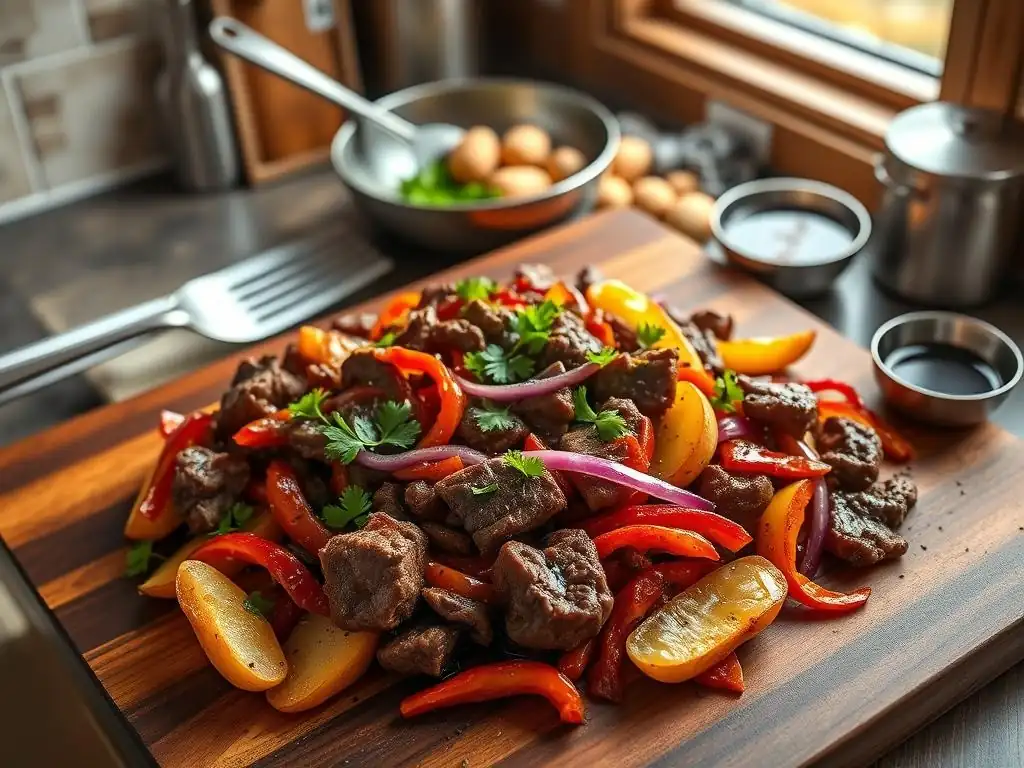
Lomo Saltado is a beloved Peruvian dish that perfectly embodies the country's culinary fusion, specifically the influence of Chinese immigrants who arrived in Peru in the 19th century. This "Chifa" (Chinese-Peruvian) creation is a dynamic stir-fry featuring marinated beef, onions, tomatoes, and often aji amarillo, all tossed in a savory sauce usually containing soy sauce, vinegar, and sometimes a touch of pisco or beef broth. It's characteristically served with a side of rice and French fries, a unique combination that highlights its mixed heritage.
This dish is fantastic for beginners because stir-frying is a relatively quick technique, and the ingredient list, while specific, is manageable. The key is in the preparation – having all your ingredients chopped and ready before you start cooking, as the actual cooking process is very fast. The result is a flavorful, hearty meal that's incredibly satisfying.
What is Lomo Saltado? Exploring the Fusion of Flavors
Lomo Saltado literally translates to "stir-fried loin," referring to the cut of beef traditionally used. Its origins are firmly rooted in the Chifa tradition, born from the adaptation of Chinese stir-frying techniques and ingredients like soy sauce and ginger to local Peruvian produce and proteins. This culinary cross-pollination resulted in a dish that feels both distinctly Peruvian and subtly Asian-influenced. The use of a wok or a very hot pan is crucial to achieving the characteristic smoky flavor known as wok hei.
The core components typically include tender strips of beef (such as sirloin or tenderloin), red onion, tomatoes, and often strips of aji amarillo for a mild, fruity heat. These are quickly cooked over high heat. The sauce, a simple yet effective blend of soy sauce, vinegar (red wine or white), and sometimes beef stock or a splash of pisco, is added at the end to coat everything.
The final flourish is the addition of French fries, either cooked separately and tossed in at the very end or served on the side, alongside white rice. This carb-on-carb pairing might seem unusual but is an integral part of the authentic Lomo Saltado experience.
Lomo Saltado Recipe: A Simplified Version for Weeknight Cooking
Here is a simplified Lomo Saltado recipe perfect for a quick weeknight meal:
Ingredients:
- 1 lb beef sirloin or tenderloin, thinly sliced against the grain into strips
- 2 Tbsp soy sauce
- 1 Tbsp red wine vinegar
- ½ tsp sugar
- 2 Tbsp vegetable oil, divided
- 1 red onion, cut into thick strips
- 1-2 tomatoes, cut into wedges (remove seeds if desired)
- ½ aji amarillo (or ½ bell pepper), sliced into strips (optional)
- 1 clove garlic, minced
- 1 inch ginger, grated or minced
- ¼ cup beef broth or water
- Salt and pepper to taste
- ¼ cup chopped fresh cilantro
- Cooked white rice and prepared French fries, for serving
Instructions:
- In a small bowl, whisk together soy sauce, red wine vinegar, sugar, and beef broth/water. Set aside.
- Season the beef strips with salt and pepper.
- Heat 1 tablespoon of vegetable oil in a large skillet or wok over high heat until smoking hot. Add half of the beef in a single layer and stir-fry quickly until browned, about 1-2 minutes. Remove beef and set aside. Repeat with the remaining beef and the other tablespoon of oil.
- Add the onion strips, tomato wedges, and aji amarillo (if using) to the hot pan. Stir-fry for 2-3 minutes until slightly softened but still holding their shape.
- Add the minced garlic and ginger to the pan and stir-fry for another 30 seconds until fragrant.
- Return the beef to the pan. Pour the sauce mixture over everything. Toss quickly to combine and cook for 1 minute until the sauce slightly thickens and coats the ingredients.
- Remove from heat, stir in the chopped cilantro.
- Serve immediately alongside white rice and French fries.
Mastering the Stir-Fry: Key to a Delicious Lomo Saltado
Achieving the signature flavor and texture of Lomo Saltado hinges on mastering the high-heat stir-fry technique. Use a wok or a large, heavy-bottomed skillet that can withstand high temperatures. Crucially, get the pan smoking hot before adding any ingredients. This searing heat is what gives the beef and vegetables that slightly smoky, caramelized flavor characteristic of wok hei.
Do not overcrowd the pan. Cook the beef in batches if necessary, ensuring it sears rather than steams. Overcrowding lowers the pan temperature and results in less flavorful, grey meat.
Have all your ingredients – vegetables sliced, sauce mixed – ready and within reach before you start cooking, as the process moves very quickly once the heat is on. Add ingredients in the correct order, typically starting with aromatics, then vegetables, then the protein, and finally the sauce, tossing constantly to ensure even cooking and coating. The goal is to cook everything just until tender-crisp, preserving the vibrant colors and textures of the vegetables.
Recipe 3: Easy Papa Rellena - Stuffed Potato Balls from Peru
Papa Rellena, meaning "stuffed potato," is a comforting and popular Peruvian dish, often enjoyed as street food or a hearty appetizer. It consists of mashed potato dough formed around a savory filling, typically ground meat, olives, and hard-boiled eggs, which is then deep-fried until golden brown and crispy. This dish is satisfying, versatile, and, with a simplified approach, quite accessible for beginner cooks looking to try something a bit different.
While the idea of deep-frying might seem intimidating, it's manageable with basic equipment and attention to temperature. The potato dough acts as a forgiving shell, and the filling can be adapted to whatever ingredients you have on hand or prefer. Learning to make Papa Rellena offers a taste of classic Peruvian comfort food and a chance to practice handling dough and frying techniques.
Papa Rellena: A Versatile and Satisfying Street Food
Papa Rellena is a staple throughout Peru, found in homes, restaurants, and bustling street stalls. Its popularity stems from its satisfying combination of creamy potato and flavorful, often well-seasoned filling, all encased in a delightful crispy crust. The traditional filling usually includes ground beef or sometimes chicken, sautéed with onions, garlic, and spices like cumin, paprika, and aji panca paste (for color and a smoky depth). Olives, chopped hard-boiled eggs, and sometimes raisins are added for texture and bursts of flavor.
The versatility of Papa Rellena is one of its strengths. While the classic meat filling is standard, variations abound, including vegetarian options with sautéed vegetables, mushrooms, or cheese. The potato shell itself is made from simple mashed potatoes, ideally using a starchy variety that mashes up fluffy and dry. The process of shaping and sealing the potato dough around the filling is a key technique to master for successful frying. Once fried, they are typically served with a side of salsa criolla (a simple onion relish) or other dipping sauces.
Papa Rellena Recipe: Easy Filling and Frying Options
Here is a simplified Papa Rellena recipe focusing on ease:
Ingredients:
- 2 lbs starchy potatoes (like Russet), peeled and quartered
- 2 Tbsp butter
- 2 egg yolks
- ¼ cup all-purpose flour, plus more for dusting
- Salt and pepper to taste
- For the Filling:
- 1 Tbsp vegetable oil
- ½ lb ground beef
- ½ onion, finely chopped
- 1 clove garlic, minced
- ½ tsp cumin
- ½ tsp paprika
- ¼ tsp aji panca paste (optional)
- Salt and pepper to taste
- ¼ cup chopped pitted black olives
- 1 hard-boiled egg, chopped
- 2 Tbsp raisins (optional)
- 1-2 large eggs, beaten (for egg wash)
- 1 cup breadcrumbs
- Vegetable oil, for deep frying
Instructions:
- Boil the potatoes in salted water until very tender. Drain well and mash with butter until smooth. Let cool completely. Once cool, mix in the egg yolks and ¼ cup flour. Season with salt and pepper. The dough should be firm enough to handle. If too sticky, add a little more flour.
- Make the Filling: Heat 1 Tbsp oil in a skillet over medium heat. Add onion and cook until softened, about 5 minutes. Add ground beef and cook, breaking it up, until browned. Drain excess fat. Stir in garlic, cumin, paprika, and aji panca (if using). Cook for 1 minute until fragrant. Season with salt and pepper. Remove from heat and stir in olives, chopped hard-boiled egg, and raisins (if using). Let the filling cool completely.
- Take about ½ cup of the potato dough. Flatten it into a disk in your palm. Place 1-2 tablespoons of the cooled filling in the center. Carefully fold the potato dough around the filling, sealing it completely to form an oval or ball shape. Ensure there are no cracks. Repeat with remaining dough and filling.
- Set up a dredging station: one plate with flour, one shallow bowl with beaten eggs, and one plate with breadcrumbs. Lightly dust each potato ball with flour, then dip in beaten egg, letting excess drip off, and finally roll in breadcrumbs to coat evenly.
- Heat about 2-3 inches of vegetable oil in a deep pot or Dutch oven to 350-375°F (175-190°C).
- Carefully lower 2-3 potato balls into the hot oil (do not overcrowd). Fry for 5-7 minutes, turning occasionally, until golden brown and crispy. Use a slotted spoon to remove and drain on paper towels.
- Repeat with remaining potato balls. Serve hot.
Achieving Crispy Perfection: Tips for Frying Papa Rellenas
Frying Papa Rellenas to a beautiful golden crisp requires a few key considerations. Firstly, ensure your potato dough is not too wet. Using starchy potatoes and mashing them thoroughly, allowing them to cool completely before adding egg yolks and flour, helps create a dough that holds its shape and doesn't absorb too much oil. If the dough feels too sticky, gradually add a little more flour.
Secondly, make sure the filling is completely cool before stuffing the potato balls. Hot filling can make the potato dough soft and difficult to seal, leading to bursting during frying. Seal the balls carefully, ensuring there are no cracks, as any opening can cause the filling to leak out and the ball to disintegrate in the oil.
Finally, maintain a consistent oil temperature between 350°F and 375°F (175-190°C). If the oil is too low, the balls will absorb excess grease and be soggy; if too high, they will brown too quickly on the outside while the inside remains cool. Fry in batches to prevent the oil temperature from dropping significantly.
Essential Tips for Peruvian Cooking Success
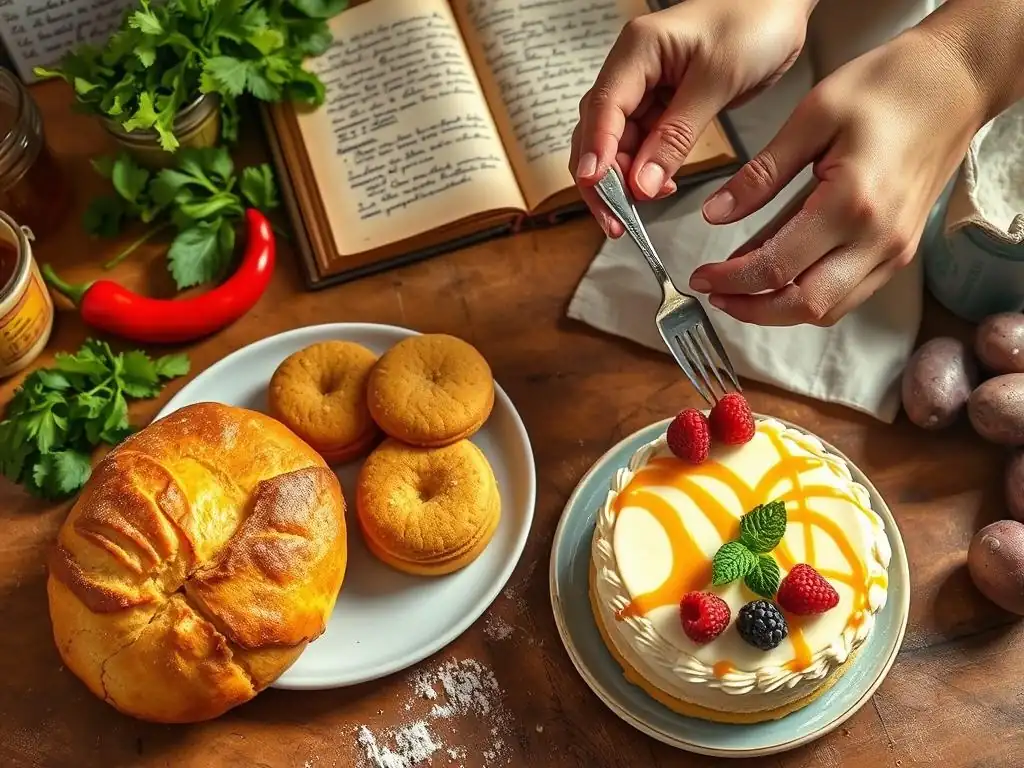
Venturing into Peruvian cuisine is an exciting step, and a few general tips can smooth your journey. While the recipes above are designed for beginners, understanding some core principles will enhance your results. Paying attention to ingredient sourcing, familiarizing yourself with common techniques, and being aware of potential pitfalls will help you confidently navigate Peruvian flavors.
Remember that cooking, especially when exploring a new regional cuisine, is a learning process. Don't be afraid to experiment and adjust recipes to your taste. The goal is to enjoy the process and the delicious outcomes. Peruvian food is known for its bold flavors and generous portions, reflecting a culture that values hospitality and sharing good food.
Sourcing Authentic Peruvian Ingredients
While many Peruvian dishes can be made with ingredients found in standard supermarkets, seeking out authentic Peruvian ingredients when possible will significantly elevate your cooking. Key items like aji amarillo paste, aji panca paste, and rocoto paste provide the distinctive chili flavors that are fundamental to many dishes. These are often available in Latin American grocery stores or online specialty shops. Look for brands imported from Peru for the most authentic flavor.
Other important ingredients include specific types of corn, like the large-kernelled choclo, and unique potatoes, though common varieties like Russet or Yukon Gold are often perfectly acceptable substitutes for mashing. Quinoa, now widely available, is a staple grain. Herbs like cilantro and mint are common, but finding huacatay (Peruvian black mint) can add an authentic note to sauces and potato dishes. Exploring local ethnic markets is often the best way to discover these ingredients and learn about them from vendors.
Understanding Common Peruvian Cooking Techniques
Peruvian cuisine employs a range of techniques, but several are particularly common and worth understanding. Marinating with citrus, as seen in ceviche, is a form of chemical cooking that requires attention to timing and acidity. High-heat stir-frying ( saltado style) demands quick work and proper pan temperature to achieve searing and the desired smoky flavor. Making simple sauces using blended chilies, onions, garlic, and herbs is fundamental; these sauces, or aderezos, form the base of many stews and sautés.
Another important technique is properly preparing potatoes, which are central to the diet. Whether boiling them for mashed dishes like Papa Rellena or frying them for Lomo Saltado, understanding how different potato varieties behave is helpful. Many dishes also involve layering flavors, starting with a sautéed base of aromatics and chilies before adding other ingredients. Practice these core techniques with simple recipes, and you'll find them applicable to a wide range of Peruvian dishes.
Avoiding Common Mistakes in Peruvian Recipes
Beginners might encounter a few common hurdles when cooking Peruvian food. For ceviche, the most frequent mistake is over-marinating the fish, resulting in a tough texture. Stick to the recommended short times (15-25 minutes) for the best results. When making Lomo Saltado, overcrowding the pan is a major pitfall; it steams the meat and vegetables instead of searing them, preventing the development of rich flavors. Cook in batches if your pan isn't large enough.
For Papa Rellena, issues often arise from using a potato dough that is too wet or not properly sealing the balls before frying, leading to them falling apart in the oil. Ensuring the filling is cool and the oil is at the correct temperature (350-375°F) are also crucial for crispy success. Finally, when using Peruvian chili pastes, taste for spice levels and adjust amounts, as their heat can vary. Don't be afraid to start with less and add more.
Expand Your Peruvian Culinary Repertoire
Mastering these three beginner-friendly Peruvian dishes is just the start of a rewarding culinary journey. Peru's food scene is incredibly diverse, with regional specialties from the coast, highlands, and jungle. From hearty stews and flavorful rice dishes to unique potato preparations and vibrant seafood, there's a vast world of flavors waiting to be explored. Continuing to cook Peruvian food will deepen your understanding of its unique ingredients and techniques, building upon the foundation you've established.
Exploring more recipes will introduce you to new chilies, indigenous ingredients like quinoa and different corn types, and preparation methods like making creamy sauces or preparing stuffed peppers ( rocoto relleno). The more you cook, the more comfortable you'll become with adapting flavors and techniques. This journey into Peruvian cuisine can be a delicious and educational experience, expanding your cooking skills and your palate.
Exploring Other Easy Peruvian Recipes on PeruvianDelights
After successfully making Ceviche, Lomo Saltado, and Papa Rellena, you might be eager to try more easy Latin American baking recipes or other savory dishes from Peru. This site, while known for easy Latin American baking recipes, also aims to provide a broader view of Latin American culinary traditions. Look for other simple Peruvian recipes that build on the techniques you've learned. Consider trying classics like Aji de Gallina (creamy chicken stew), Causa (layered potato dish), or Arroz con Pollo (chicken and rice).
These recipes often use similar base ingredients and techniques, allowing you to leverage your new skills. For example, Aji de Gallina uses aji amarillo and a creamy sauce base, while Causa relies on mashed potato but in a layered form. Finding recipes with clear instructions and ingredient lists will help you continue your exploration smoothly. Each new dish you try will further familiarize you with the wonderful flavors and textures that make Peruvian food so captivating.
Resources for Learning More About Peruvian Culinary Traditions
To truly appreciate Peruvian cuisine, consider delving deeper into its history and cultural significance. Many excellent cookbooks by Peruvian chefs, such as Gaston Acurio, provide insights into traditional recipes and modern interpretations. Documentaries and travel shows often highlight Peru's diverse food regions and unique ingredients. Learning about the influences of indigenous cultures, as well as Spanish, African, Chinese (Chifa), and Japanese (Nikkei) immigration, helps explain the complexity and richness of the cuisine.
Exploring the culinary scene of different regions within Peru – the seafood-focused coast, the potato and grain-rich Andes, and the exotic fruits and fish of the Amazon – reveals the incredible breadth of the country's food. Understanding the origins and cultural context of dishes like Ceviche or Lomo Saltado adds another layer of appreciation to the cooking process. These resources can deepen your connection to the food and inspire you to continue your culinary adventure in Peruvian cooking.
Frequently Asked Questions
What makes these Latin American baking recipes considered "easy" for beginners?
These recipes focus on simple techniques and use easily accessible ingredients, making them perfect for those new to Latin American baking. We prioritize clear instructions and minimize complex steps.
What types of Latin American baked goods are typically featured in "easy" recipes?
Often, "easy" recipes highlight items like simple cakes (bizcochos), basic cookies (galletas), and straightforward breads (panes) that don't require extensive baking experience.
Where can I find the ingredients needed for these "Easy Latin American baking recipes"?
Most ingredients are available at major grocery stores or Latin American specialty markets. We also provide substitution suggestions where possible.
How do these recipes cater to different dietary restrictions, such as gluten-free or vegan?
While the initial recipes might not be specifically gluten-free or vegan, BakeWithEase.com offers adaptations and alternative recipes to suit various dietary needs. Check the website for specific modifications.
What kind of baking equipment is essential for getting started with "Easy Latin American baking recipes"?
You'll primarily need basic baking tools such as mixing bowls, measuring cups and spoons, baking pans, and an oven. No specialized equipment is required to start.
Final Reflection: A Sweet Taste of Latin America and the Power of Simple Recipes
The vibrant flavors and rich traditions of Latin American baking are more accessible than ever before. This exploration of three easy recipes demonstrates that creating authentic, delicious treats doesn't require years of culinary expertise or a pantry overflowing with exotic ingredients. The simplicity of these recipes opens a door to a world of culinary exploration, inviting everyone to participate in the joy of baking.
The influence of Latin American cuisine, and baking in particular, continues to grow, enriching the global culinary landscape with its unique blend of sweet and savory flavors. These recipes are not just about creating delicious treats; they are about connecting with a culture, understanding its history through its food, and sharing that experience with others. Food is symbolic of love when words are inadequate.
- Alan D. Wolfelt. This quote perfectly encapsulates the power of sharing these recipes – a way to connect with loved ones and build bridges across cultures through the simple act of baking.
Now, it's your turn. Don't be intimidated by the seemingly complex world of Latin American baking. Choose one of these recipes, gather your ingredients, and embark on a culinary adventure. Let the aromas fill your kitchen, and savor the sweet taste of success. More importantly, let this experience inspire you to explore further, to discover the countless other delicious recipes waiting to be discovered within the vibrant tapestry of Latin American baking. The journey of a thousand miles begins with a single, delicious bite.
Unlock the Flavors of Latin America: Start Baking Today!
Thanks for joining us on this culinary journey through the vibrant world of Latin American baking! We hope you've discovered some delicious inspiration and newfound confidence in the kitchen. Ready to take your baking skills to the next level?
- Bake your first Latin American treat! Choose one of the recipes from the article and get baking. Let the fragrant spices and unique ingredients transport you!
- Share your baking adventure! Post a picture of your creation on social media and tag us – we'd love to see your delicious results.
- Explore more Latin American recipes: Dive deeper into our recipe collection and discover even more exciting flavors to explore.
What unexpected ingredient are you most excited to try in your next Latin American baking creation?