
Need Power? Top Hand Mixers That Tackle Tough Doughs & Batters

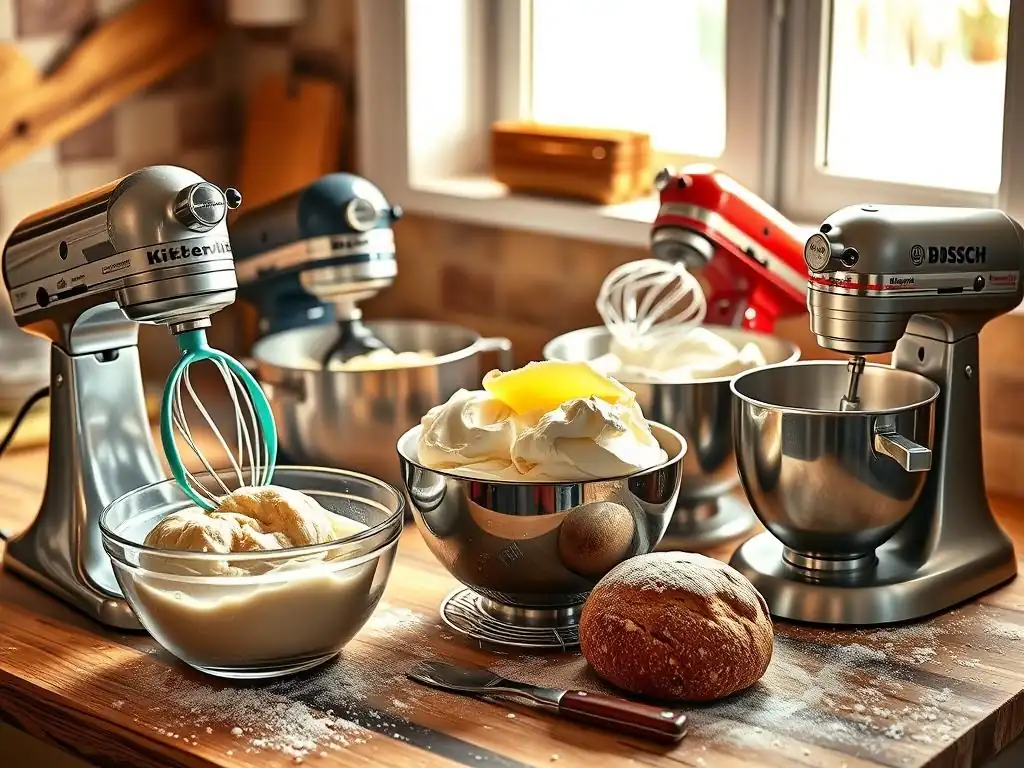
Welcome to BakeWithEase, your trusted guide to the delicious world of baking! Ever wondered if a hand mixer could really handle a tough dough? This time, we are diving into the realm of Baking Equipment Guides and exploring the best hand mixer doughs – those recipes that showcase the true power and versatility of these kitchen essentials. Discover our top picks for hand mixers that can tackle even the most challenging batters, and unlock a new level of baking confidence. Eager to see which mixer reigns supreme? Keep reading to find out!
- Level Up Your Baking: Top Hand Mixers for Demanding Doughs
- Introduction: Choosing the Right Hand Mixer for Baking Success
- Why Choose a Hand Mixer for Baking Doughs?
- Essential Features for Hand Mixers Tackling Tough Dough
-
Recommended Hand Mixers for Dough Mastery
- Review 1: KitchenAid 9-Speed Hand Mixer - Powerhouse Performance
- Review 2: Cuisinart Power Advantage Plus 9-Speed Handheld Mixer - Versatile and Reliable
- Review 3: Breville Handy Mix Scraper - Gentle Yet Powerful
- Review 4: BLACK+DECKER Lightweight Hand Mixer - Budget-Friendly and Efficient
- Comparison Table: Hand Mixer Specifications and Performance
- Mastering Dough with Your Hand Mixer: Tips and Tricks
- Hand Mixer Dough Recipes: Unleash Your Creativity
- Cleaning and Maintaining Your Hand Mixer for Longevity
- Conclusion: Selecting the Ideal Hand Mixer for Your Baking Aspirations
-
Frequently Asked Questions
- What types of doughs can a hand mixer effectively handle?
- How does a hand mixer compare to a stand mixer for dough making?
- What features should I look for in a hand mixer for dough making?
- Can I use a hand mixer to knead bread dough completely?
- What are some tips for using a hand mixer to avoid overworking dough?
- Final Reflection: The Power in Your Hands: Choosing the Right Hand Mixer
- Unleash Your Inner Baker: Time to Knead Some Action!
Level Up Your Baking: Top Hand Mixers for Demanding Doughs
Introduction: Choosing the Right Hand Mixer for Baking Success
Baking is a journey, and having the right tools can make all the difference between a frustrating struggle and a smooth, enjoyable process. While stand mixers often steal the spotlight for heavy-duty tasks like kneading bread dough, a powerful hand mixer can be an incredibly versatile and space-saving alternative, especially when tackling tougher doughs and thick batters. Finding the best hand mixer doughs can handle requires looking beyond basic models to those built with extra power and durability.
This guide dives deep into what makes a hand mixer capable of handling demanding tasks, from stiff cookie doughs to enriched bread doughs. We'll explore essential features, compare top models, and provide tips to help you master mixing dough with your handheld appliance. Whether you're working in a compact kitchen or simply prefer the control a hand mixer offers, discovering the right one can significantly elevate your baking game and open up a world of new recipes.
Why Choose a Hand Mixer for Baking Doughs?
Hand Mixers vs. Stand Mixers: A Practical Comparison
When it comes to mixing dough, the primary difference lies in power and capacity. Stand mixers, with their robust motors and large bowls (often 4.5 to 6 quarts), are designed for sustained, heavy-duty kneading of large batches of dough. They feature powerful motors, frequently ranging from 300W up to 600W or more, and use planetary action to ensure thorough mixing. However, they require significant counter space and are a considerable investment, often costing anywhere from $200 to $600+.
Hand mixers, on the other hand, are smaller, lighter, and much more affordable, typically ranging from $30 to $150. While historically seen as only suitable for lighter tasks like whipping cream or mixing cake batter, newer models boast more powerful motors, often exceeding 250W, making them surprisingly capable of handling moderate amounts of tougher doughs and batters. They offer portability and are easier to store, making them ideal for smaller kitchens or for bakers who only occasionally tackle dough-based recipes but still want the best hand mixer doughs can be made with in a handheld format.
Advantages of Using a Hand Mixer for Dough Preparation
Using a hand mixer for dough offers several distinct benefits. Firstly, their compact size makes them perfect for kitchens where counter space is limited. They are easy to pull out for quick tasks and just as easy to tuck away afterwards. Secondly, they provide greater control, allowing you to maneuver the beaters precisely where they are needed in the bowl, which can be beneficial when incorporating ingredients or ensuring no dry pockets remain, especially in smaller batches.
Furthermore, a high-quality hand mixer capable of handling dough is significantly less expensive than a stand mixer, making it a more accessible option for many bakers. While they might not handle double batches of stiff rye dough, the best hand mixer doughs like brioche, pizza dough, or even smaller bread loaves can be managed with surprising efficiency. This makes them a fantastic entry point for bakers looking to expand their repertoire beyond cakes and cookies without committing to the expense and footprint of a stand mixer.
Essential Features for Hand Mixers Tackling Tough Dough
Motor Power: Finding the Sweet Spot for Effortless Mixing
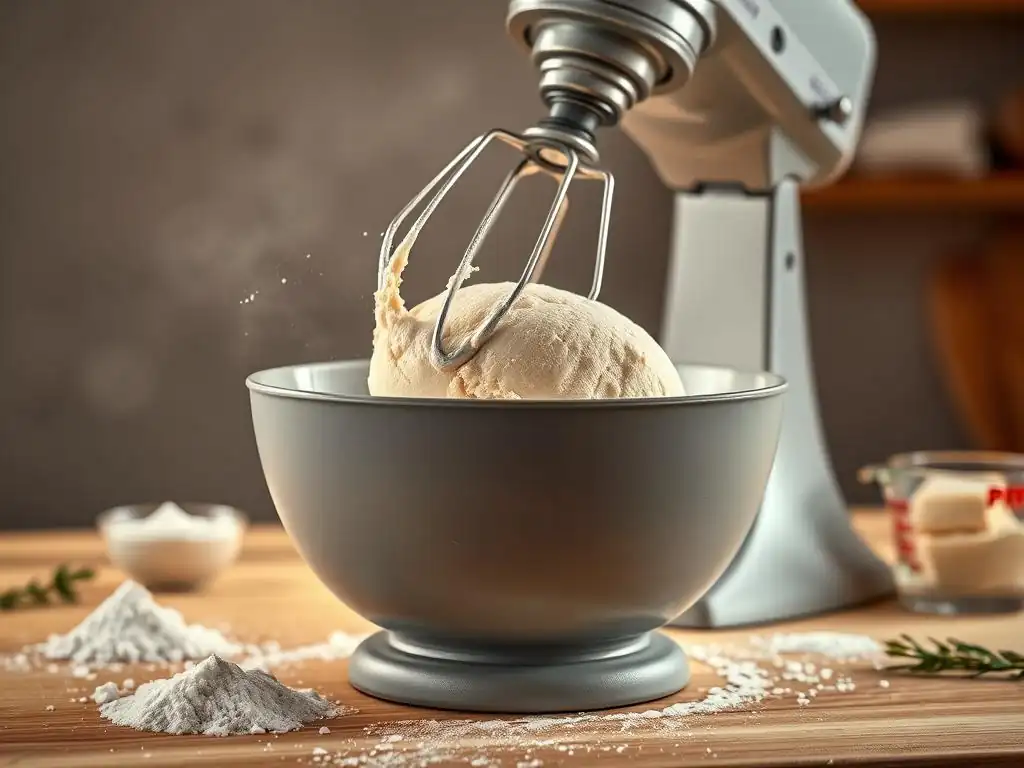
The motor's wattage is a key indicator of a hand mixer's ability to handle demanding tasks like mixing dough. While a basic hand mixer might have a motor around 150-200 watts, models designed for tougher jobs often feature motors in the 250-300 watt range, or even higher. A higher wattage means the motor can generate more torque, allowing it to power through thicker mixtures without straining, overheating, or stalling.
For mixing dough specifically, you'll want a hand mixer with robust power. Look for models advertising motors of at least 250W. This provides enough muscle to knead moderate amounts of dough for several minutes without the motor sounding like it's struggling or emitting a burning smell. While wattage isn't the only factor (motor design and gearing also play a role), it's a strong starting point when seeking the best hand mixer doughs require significant power to handle.
Speed Settings: Precision Control for Various Dough Types
Having a range of speed settings is crucial when mixing different types of dough. You typically need a very low speed to start incorporating dry ingredients into wet ones without creating a flour cloud. As the dough comes together, you'll need medium speeds for developing gluten in bread or pizza doughs, or for thoroughly combining stiff cookie dough. The best hand mixer doughs can be mixed with will offer at least 5-speed settings, with 7 or 9 speeds being even better.
More speed options allow for greater control over the mixing process. For instance, starting bread dough on speed 1 or 2 prevents splashing, moving to speed 3 or 4 for kneading, and perhaps a higher speed briefly for incorporating additions like nuts or dried fruit. For dense cookie dough, a medium speed (say, speed 4 or 5) is often ideal for creaming butter and sugar, followed by a lower speed (2 or 3) for adding flour. This precision helps achieve the desired texture without overworking sensitive batters or struggling through stiff mixtures.
Attachments: The Right Tools for Dough, Frosting, and More
While standard beaters are great for most tasks, the type and quality of attachments are particularly important when mixing dough. Many hand mixers designed to handle dough come with specialized dough hooks. These hooks are shaped differently than standard beaters and are designed to knead dough by pulling and stretching it, mimicking the action of hand kneading or a stand mixer's dough hook. The best hand mixer doughs can be made with will include sturdy dough hooks, often made of stainless steel.
In addition to dough hooks, look for durable standard beaters that can withstand the resistance of thick batters and cookie doughs without bending or breaking. Some models also include whisk attachments for lighter tasks, but for dough, the quality of the standard beaters and the inclusion of robust dough hooks are paramount. Ensure the attachments are easy to insert and remove and are dishwasher-safe for convenient cleanup after tackling sticky dough.
Ergonomics: Comfort and Control During Extended Use
Mixing dough, even with a hand mixer, can take several minutes, requiring you to hold the appliance. Therefore, the design and weight of the hand mixer significantly impact your comfort and control during the process. An ergonomic handle that fits comfortably in your hand and provides a secure grip is essential. The placement of controls, such as the speed selector and beater release button, should be intuitive and easy to operate with one hand.
The weight of the hand mixer also matters. While a heavier mixer might feel more robust, a model that is too heavy can cause hand fatigue quickly, especially when mixing stiff dough. Aim for a balance – a mixer that feels solid and well-built, indicating a powerful motor and durable components, but isn't so heavy that it becomes cumbersome after a few minutes of mixing. The best hand mixer doughs can be mixed with should feel balanced in your hand, allowing you to guide the beaters through the mixture effectively without undue strain.
Recommended Hand Mixers for Dough Mastery
Review 1: KitchenAid 9-Speed Hand Mixer - Powerhouse Performance
The KitchenAid 9-Speed Hand Mixer is often cited as one of the most powerful and versatile hand mixers available, capable of tackling tasks well beyond basic whipping. It features a robust motor, typically around 260 watts, coupled with 9 distinct speed settings, providing excellent control from a gentle stir to high-speed beating. Its sturdy construction and quality attachments make it a strong contender for mixing moderate batches of various doughs, including cookie dough and lighter bread doughs.
This model comes with a variety of attachments, including stainless steel turbo beaters (designed to handle thicker mixtures) and dough hooks. Users often report that it handles stiff cookie dough and even single loaves of bread dough surprisingly well for a hand mixer, requiring a bit more time than a stand mixer but getting the job done effectively. It's a popular choice for bakers seeking the best hand mixer doughs can be mixed with without investing in a stand mixer.
Pros:
- Powerful motor handles tough mixtures
- 9 speed settings offer precise control
- Includes robust Turbo Beaters and Dough Hooks
- Durable, high-quality construction
- Digital display is easy to read
Cons:
- Higher price point than many other hand mixers
- Can be slightly heavy during long mixing sessions
Review 2: Cuisinart Power Advantage Plus 9-Speed Handheld Mixer - Versatile and Reliable
Cuisinart's Power Advantage Plus 9-Speed Handheld Mixer is another top performer known for its strong motor and comprehensive features. Often equipped with a motor around 220 watts, it utilizes automatic feedback to maintain consistent power even as the load increases, which is particularly helpful when dealing with thick batters and doughs. Its 9 speeds provide ample flexibility for different mixing stages.
This mixer typically includes standard beaters, whisk, and dough hooks, all stored neatly in a snap-on case. It excels at creaming butter and sugar, incorporating dry ingredients into cookie dough, and kneading smaller quantities of bread or pizza dough. Many reviews highlight its reliability and ease of use, making it a solid choice for bakers who need a versatile and dependable hand mixer capable of more than just light tasks. It's a strong contender for the title of best hand mixer doughs and batters can be handled by efficiently.
Pros:
- Automatic feedback maintains consistent power
- 9 speeds for versatile mixing
- Comes with a convenient storage case
- Durable and reliable performance
- Good value for its feature set
Cons:
- Motor might struggle with very large batches of stiff dough
- Dough hooks are functional but might not be as robust as some stand mixer hooks
Review 3: Breville Handy Mix Scraper - Gentle Yet Powerful
The Breville Handy Mix Scraper stands out for its innovative scraper beaters and powerful motor, often around 240 watts. The unique scraper beaters feature rubber edges that continuously scrape the sides of the bowl while mixing, reducing the need to stop and manually scrape. While not primarily designed for heavy bread dough, its power and unique beaters make it excellent for thick batters and cookie doughs, ensuring everything is thoroughly incorporated.
This mixer includes the scraper beaters, dough hooks, and whisks, all stored in a clear storage case. Its dough hooks are capable of handling lighter doughs like brioche or sweet rolls, and it powers through dense cookie dough with ease. The scraper beaters are particularly useful for achieving smooth batters without overmixing. While perhaps not the absolute best hand mixer doughs requiring extensive kneading can be tackled by, it's exceptional for batters and doughs that benefit from thorough, gentle mixing.
Pros:
- Innovative scraper beaters reduce manual scraping
- Powerful motor handles thick batters
- Includes dough hooks for lighter doughs
- Intuitive controls and comfortable grip
- Integrated light illuminates the bowl
Cons:
- Scraper beaters might not be ideal for all dough types
- Higher price point
Review 4: BLACK+DECKER Lightweight Hand Mixer - Budget-Friendly and Efficient
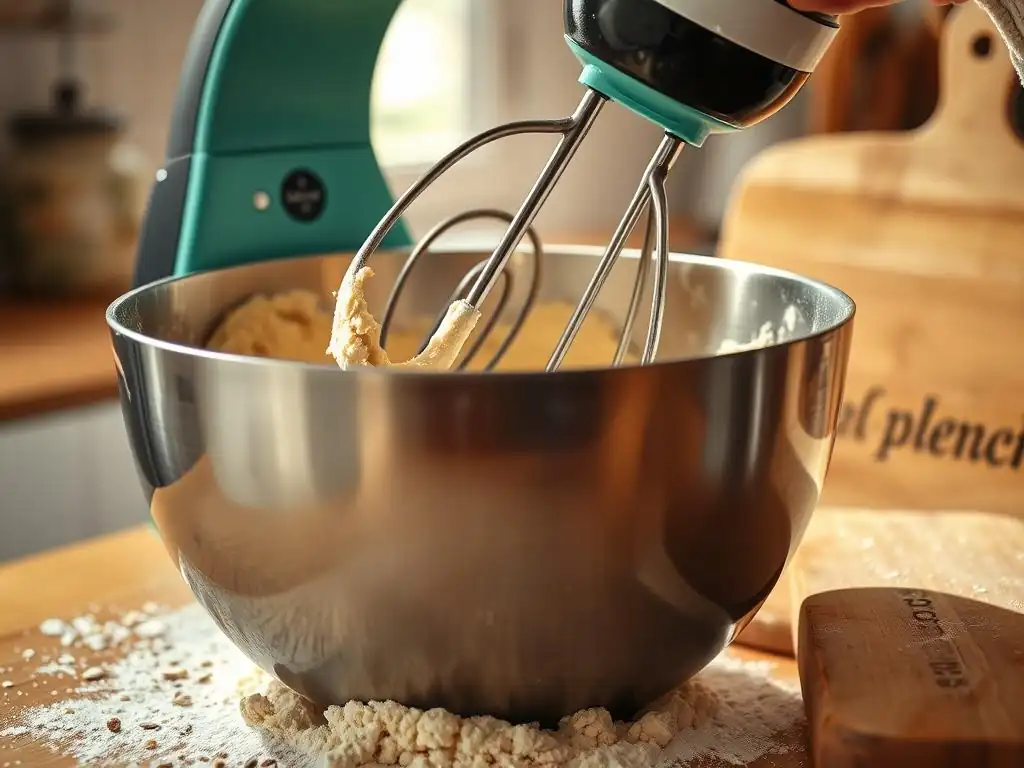
For bakers on a budget who still need a hand mixer capable of handling moderate dough tasks, the BLACK+DECKER Lightweight Hand Mixer (often 5-speed or 6-speed models) offers surprising performance. While wattage varies by specific model, many are in the 175-200W range, which, combined with efficient design, allows them to tackle cookie dough and lighter bread doughs in smaller quantities.
These models typically come with standard beaters and sometimes dough hooks. They are significantly lighter than the premium options, reducing hand fatigue. While they may require more patience and smaller batch sizes for dough compared to more powerful mixers, they represent excellent value. For occasional dough mixing or for handling standard cookie and brownie batters, a good BLACK+DECKER model can be a very capable and affordable option, proving that you don't always need to spend a fortune to get a hand mixer that can handle some dough.
Pros:
- Very affordable price point
- Lightweight and easy to handle
- Sufficient power for basic batters and lighter doughs
- Simple and easy to use
Cons:
- Less powerful motor than premium models
- May struggle with stiff or large batches of dough
- Durability might not match higher-end mixers
Comparison Table: Hand Mixer Specifications and Performance
| Feature | KitchenAid 9-Speed | Cuisinart Power Advantage Plus 9-Speed | Breville Handy Mix Scraper | BLACK+DECKER Lightweight |
|---|---|---|---|---|
| Approx. Wattage | 260W | 220W (with feedback) | 240W | 175-200W (varies by model) |
| Speed Settings | 9 | 9 | 12 (including pause) | 5 or 6 (varies by model) |
| Attachments Included | Turbo Beaters, Dough Hooks, Whisk, Liquid Blender Rod, Pro Whisk | Standard Beaters, Dough Hooks, Whisk | Scraper Beaters, Dough Hooks, Whisks | Standard Beaters, sometimes Dough Hooks |
| Dough Handling | Good for moderate batches | Good for moderate batches | Excellent for batters, good for lighter doughs | Fair for small, light batches |
| Approx. Weight | ~2.5 lbs | ~2.5 lbs | ~3 lbs | ~2 lbs |
| Storage | Bag | Snap-on Case | Clear Storage Case | Cord wrap/Basic |
Mastering Dough with Your Hand Mixer: Tips and Tricks
Preparing Ingredients for Optimal Dough Development
Proper ingredient preparation is the first step to success when mixing dough with a hand mixer. Ensure all ingredients, especially butter and eggs if your recipe calls for them, are at the correct temperature specified in the recipe. For most doughs, room temperature ingredients incorporate more smoothly and evenly than cold ones. Measure your flour accurately, preferably by weight (grams or ounces) rather than volume (cups), as this prevents accidentally adding too much flour, which can result in a stiff, difficult-to-mix dough that strains your hand mixer.
Using the correct type of flour is also crucial. Bread flour, with its higher protein content, develops gluten more readily but can create a stiffer dough than all-purpose flour. Be prepared for your hand mixer to work harder with bread flour. Sift or whisk your dry ingredients together before adding them to the wet ingredients; this helps distribute leavening agents, salt, and sugar evenly and makes them easier to incorporate into the dough with your hand mixer, reducing mixing time and effort.
Mixing Techniques for Different Dough Varieties
The technique you use with your hand mixer will vary depending on the type of dough. For cookie dough, start by creaming softened butter and sugar on a medium speed (e.g., speed 3-5) until light and fluffy, usually 2-3 minutes. Add eggs one at a time, mixing until just combined, then add vanilla. Switch to a lower speed (e.g., speed 1-2) before gradually adding the dry ingredients, mixing only until just incorporated. Overmixing cookie dough can result in tough cookies.
For bread or pizza dough using dough hooks, start on the lowest speed (speed 1) to bring the ingredients together into a shaggy mass, about 1-2 minutes. Once the dough comes together, increase the speed to a low-medium setting (e.g., speed 2-4) and knead for the time recommended by the recipe, typically 5-10 minutes for a hand mixer. Keep an eye on the dough; it should become smoother and more elastic.
If the mixer sounds strained, stop and let it rest for a minute, or finish kneading by hand. Using a powerful model from the best hand mixer doughs list will make this process much smoother.
Troubleshooting Common Dough Mixing Challenges
Even with the best hand mixer doughs can be tricky to mix. A common issue is the dough climbing up the dough hooks or beaters. If this happens, stop the mixer, push the dough back down into the bowl with a spatula, and resume mixing. This often occurs if the dough is too wet or if you're trying to mix too large a batch. Another challenge is the mixer struggling or overheating. This is a sign that the dough is too stiff, the batch is too large for your mixer's capacity, or you're mixing for too long without breaks.
If your mixer sounds strained or feels hot, turn it off immediately and let it cool down. Consider transferring the dough to a sturdy surface and finishing the kneading by hand. If the dough seems too stiff from the start, you might need to add a tiny bit more liquid (water, milk, etc. ), one teaspoon at a time, but be cautious not to make it too sticky. Always ensure you're using the dough hooks for kneading bread-like doughs, as standard beaters are not designed for this task and can damage the mixer or bend.
Hand Mixer Dough Recipes: Unleash Your Creativity
Simple Bread Dough Recipe for Hand Mixers
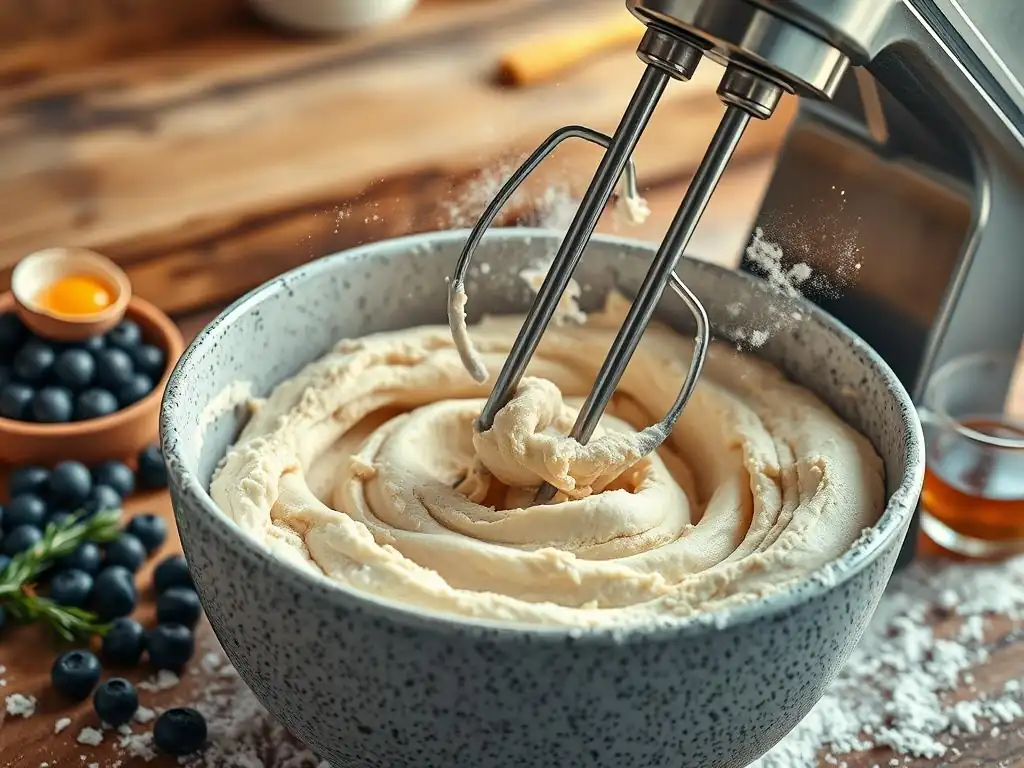
Creating a simple bread dough with your hand mixer is entirely achievable. This recipe is designed for a single small loaf, perfect for most powerful hand mixers. You'll need about 300-350g (approx. 2.5-3 cups) of all-purpose or bread flour, 1 tsp salt, 1 tsp instant yeast, 1 tsp sugar, and about 240ml (approx. 1 cup) of warm water.
Combine warm water, sugar, and yeast in your mixing bowl and let it sit for 5-10 minutes until foamy. Add the salt and about half of the flour. Attach the dough hooks to your hand mixer. Start on the lowest speed (speed 1) and mix until the flour is mostly incorporated.
Gradually add the remaining flour, about half a cup at a time, mixing on a low-medium speed (speed 2-3) until a shaggy dough forms and pulls away from the sides of the bowl. Continue mixing with the dough hooks for 5-7 minutes until the dough is smoother and more elastic. It won't be as smooth as stand-mixer dough, but it will be ready for its first rise. This demonstrates how a best hand mixer doughs can handle makes simple bread baking accessible.
Most classic drop cookie doughs, like chocolate chip or oatmeal, are well within the capabilities of a good hand mixer. This recipe uses standard beaters. You'll need about 115g (approx. 1/2 cup) softened butter, 150g (approx. 3/4 cup) granulated sugar, 100g (approx. 1/2 cup, packed) brown sugar, 1 large egg, 1 tsp vanilla extract, 190g (approx. 1.5 cups) all-purpose flour, 1/2 tsp baking soda, and 1/4 tsp salt, plus your mix-ins (chocolate chips, nuts, etc. ).
In your mixing bowl, cream the softened butter and both sugars on medium speed (speed 3-5) with your hand mixer for 2-3 minutes until light and fluffy. Beat in the egg until just combined, then the vanilla. In a separate bowl, whisk together the flour, baking soda, and salt. Reduce your hand mixer speed to low (speed 1-2) and gradually add the dry ingredients to the wet, mixing only until just combined and no dry streaks remain.
Be careful not to overmix. Stir in chocolate chips or other additions by hand if necessary. This is a perfect example of how a powerful hand mixer is the best hand mixer doughs like this can be made with efficiently.
Quick Pizza Dough Recipe for Hand Mixers
Making pizza dough by hand can be quite a workout, but a hand mixer with dough hooks can significantly speed up the process for a single pizza. You'll need about 250g (approx. 2 cups) all-purpose or bread flour, 1/2 tsp salt, 1 tsp instant yeast, 1 tsp sugar, 1 tbsp olive oil, and about 160ml (approx. 2/3 cup) warm water.
Combine warm water, sugar, and yeast in your mixing bowl and let it sit for 5 minutes. Add the salt, olive oil, and about half of the flour. Attach the dough hooks. Start mixing on the lowest speed (speed 1) to combine.
Gradually add the remaining flour, mixing on a low-medium speed (speed 2-3) until the dough comes together and starts to pull away from the sides. Continue mixing with the dough hooks for 4-6 minutes until the dough is relatively smooth and elastic. It might still be a bit sticky, which is fine for pizza dough. This quick method shows the utility of having the best hand mixer doughs like this can be prepared with minimal effort.
Cleaning and Maintaining Your Hand Mixer for Longevity
Best Practices for Cleaning Dough-Covered Components
Cleaning your hand mixer promptly after using it, especially after mixing sticky dough, is crucial for hygiene and maintaining the appliance. Always unplug the mixer before cleaning. Remove the beaters or dough hooks immediately after use. It's often easiest to clean them before dough has a chance to fully dry and harden onto them. If they are heavily coated, a brief soak in warm, soapy water will loosen the dough, making it easy to wash away with a sponge or brush. Many attachments are dishwasher-safe, which is a convenient option.
Wipe down the body of the hand mixer with a damp cloth. Avoid submerging the main unit in water, as this can damage the motor and electrical components. Pay special attention to the air vents on the motor housing, ensuring they are free from flour dust or dough residue, as blocked vents can lead to overheating.
For stubborn dried dough spots on the housing, a slightly damp cloth and gentle scraping with a fingernail or non-abrasive tool usually suffice. Proper cleaning after using your best hand mixer doughs can be made with ensures it's ready for your next baking adventure.
Extending the Life of Your Hand Mixer: Maintenance Tips
Regular maintenance, simple as it may be, can significantly extend the lifespan of your hand mixer, particularly if you frequently use it for demanding tasks like mixing dough. The most important tip is to respect your mixer's limitations. If it sounds strained or the motor feels excessively hot, stop and let it rest or reduce the batch size. Trying to push a less powerful mixer through too stiff or too large a dough can burn out the motor prematurely.
Store your hand mixer and its attachments properly. Many models come with storage cases or bags, which keep everything together and protect the attachments from damage. Ensure the cord is wrapped neatly and not kinked. Periodically inspect the cord for any signs of wear or damage. Keep the mixer clean and dry when not in use. By following these simple steps and choosing the best hand mixer doughs can be mixed with that is appropriately powered for your needs, you can enjoy reliable baking performance for years to come.
Conclusion: Selecting the Ideal Hand Mixer for Your Baking Aspirations
Choosing the right hand mixer, especially one capable of handling dough, is a significant step in equipping your kitchen for diverse baking projects. While stand mixers remain the champions of heavy-duty kneading, modern, powerful hand mixers offer a compelling alternative for those with limited space or budget, or who simply prefer the hands-on control they provide. Evaluating features like motor wattage (aiming for 250W+), multiple speed settings (7-9 is ideal), and sturdy dough hooks are key to finding a model that won't shy away from tougher tasks.
Investing in a hand mixer from our recommended list or one with similar specifications can unlock new possibilities in your baking. From quick pizza doughs to enriched brioche (in smaller batches), the best hand mixer doughs can be made with will make these recipes much more accessible and less labor-intensive than mixing by hand. Consider your typical batch sizes and the types of dough you plan to make most often to select the mixer that best fits your baking style and needs.
Our Top Recommendation for Tackling Demanding Doughs
Based on a combination of power, versatility, and user feedback regarding performance with thicker mixtures and doughs, the KitchenAid 9-Speed Hand Mixer stands out as a top recommendation for bakers who want the best hand mixer doughs can truly be handled by. Its robust 260W motor and 9 speeds provide exceptional control and power for a handheld unit, allowing it to tackle tasks that many other hand mixers simply can't manage effectively.
While it comes at a higher price point, the KitchenAid's durability, quality attachments (especially the Turbo Beaters and Dough Hooks), and consistent performance make it a worthwhile investment for anyone serious about expanding their baking repertoire to include more dough-based recipes without committing to a stand mixer. It offers a balance of power and precision that makes mixing even moderately stiff doughs feel less like a chore and more like an enjoyable part of the baking process.
Frequently Asked Questions
What types of doughs can a hand mixer effectively handle?
Hand mixers are best suited for lighter doughs like cookie dough, cake batter, and quick bread dough. They can also handle some bread doughs but may struggle with very stiff or large batches.
How does a hand mixer compare to a stand mixer for dough making?
Hand mixers are more compact and affordable than stand mixers. However, stand mixers offer greater power and capacity, making them better for kneading heavy doughs or large batches.
What features should I look for in a hand mixer for dough making?
Look for a hand mixer with multiple speed settings, a powerful motor (250 watts or more), and durable beaters designed for dough. A slow start feature can also prevent flour from flying everywhere.
Can I use a hand mixer to knead bread dough completely?
While a hand mixer can assist in the initial mixing, it's generally not recommended for complete kneading. The motor may overheat, and the dough's gluten development might be uneven.
What are some tips for using a hand mixer to avoid overworking dough?
Use the lowest speed setting possible and mix only until the ingredients are just combined. Overmixing can lead to a tough or dry end product, especially in baked goods like cakes and cookies.
Final Reflection: The Power in Your Hands: Choosing the Right Hand Mixer
The quest for the perfect baked good often begins with the right tool. Finding a hand mixer that can conquer even the toughest doughs and batters isn't just about convenience; it's about unlocking culinary creativity and consistently achieving delicious results. This article explored the top contenders in the hand mixer market, highlighting features that make all the difference in your baking journey.
The impact of a reliable kitchen appliance extends far beyond mere functionality. It's about empowerment, the confidence to tackle ambitious recipes and the joy of creating something beautiful from simple ingredients. The best things in life are homemade,
a sentiment echoed in countless kitchens worldwide, is made infinitely easier with the right equipment. This exploration of hand mixers highlights how even a seemingly small kitchen tool can significantly impact our ability to express ourselves creatively and share the fruits of our labor with loved ones.
Now, consider your own baking aspirations. What kind of baker are you? Do you dream of fluffy cakes, chewy cookies, or perhaps even ambitious bread-making? Take the insights from this article and use them to choose a hand mixer that empowers you to achieve your culinary goals. Don't let tough doughs hold you back—find your perfect partner in the kitchen and unleash your inner pastry chef!
Unleash Your Inner Baker: Time to Knead Some Action!
Thanks for taking the time to explore the world of powerful hand mixers with us! We hope you discovered the perfect tool to elevate your baking game. Now it's time to put that knowledge to work.
- Order your dream hand mixer today: Don't just dream about fluffy meringues and perfectly smooth batters – make them a reality! Check out our recommended models and find the one that fits your baking style.
- Share your baking adventures: Tag us on social media with your creations using #BakeWithEase and inspire other bakers! We love to see your masterpieces.
- Try a new recipe this weekend: Challenge yourself to bake something you've always wanted to try, armed with your new powerhouse hand mixer.
Ready to transform your kitchen into a baking haven? What's the first delicious recipe you'll tackle?