
Reading Your Bread Machine Manual: Essential Tips for Success

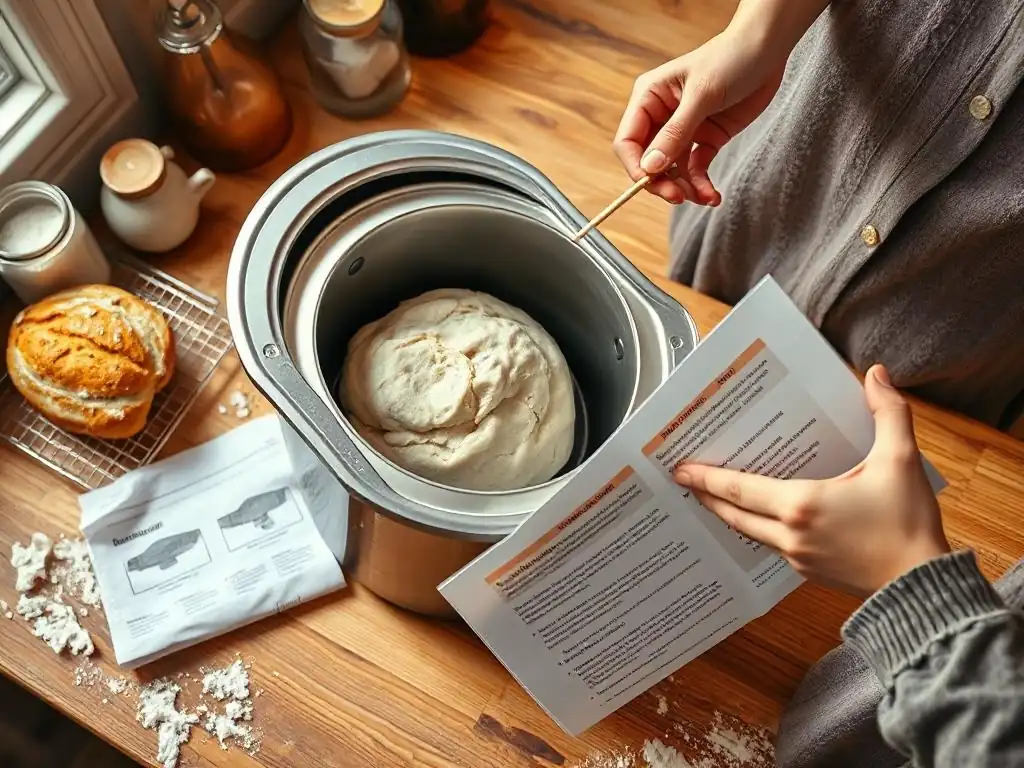
Welcome to BakeWithEase, where we believe anyone can conquer the kitchen! Ever feel lost in the labyrinth of your bread machine manual? Don't worry, you're not alone. This guide dives into essential bread machine manual troubleshooting tips, unlocking secrets that will transform your baking experience. Get ready to decode the instructions and bake with confidence! Intrigued? Let's get started...
- Reading Your Bread Machine Manual: Essential Tips for Success | BakeWithEase
- Understanding Your Bread Machine Manual: A Beginner's Guide
- Deciphering Bread Machine Manual Terminology: Key Definitions
- Essential Bread Machine Manual Troubleshooting Tips for Perfect Loaves
- Beyond Recipes: Advanced Techniques in Your Bread Machine Manual
- Maximizing Your Bread Machine's Potential: Tips and Tricks from the Manual
- Bread Machine Manuals and Online Resources: Expanding Your Knowledge
- Conclusion: Mastering Bread Machine Baking with Your Manual
-
Frequently Asked Questions
- What is the most important reason to read my bread machine manual?
- Where can I usually find the troubleshooting section in my bread machine manual?
- What kind of information can I expect to find in the "Bread Machine Manual Troubleshooting Tips" section?
- My bread machine is displaying an error code not listed in the manual. What should I do?
- What are some common mistakes that reading the bread machine manual can help me avoid?
- Final Reflection: The Unexpected Joys of a Perfectly Kneaded Loaf
- Unlock Your Bread Machine's Potential!
Reading Your Bread Machine Manual: Essential Tips for Success | BakeWithEase
Welcome to Bread Machine Baking with Ease!
Welcome to BakeWithEase, where we believe that baking should be a joyous and accessible experience for everyone, regardless of their skill level. One of the most convenient tools for simplifying the bread-making process is the humble bread machine. This appliance can handle everything from kneading dough to baking a perfect loaf, taking much of the guesswork and effort out of the equation. However, to truly unlock its potential and avoid common pitfalls, there's one crucial step many people overlook: reading the bread machine manual.
Your bread machine manual is far more than just a dry technical document; it's your personalized guide to mastering your specific model. It contains vital information about its unique features, cycles, safety guidelines, and, perhaps most importantly, bread machine manual troubleshooting tips. By taking the time to understand what's inside, you can significantly improve your baking results and troubleshoot issues effectively, leading to consistently delicious homemade bread with minimal frustration. Let's dive into why this manual is so important and how to make the most of it.
Understanding Your Bread Machine Manual: A Beginner's Guide
Why Your Bread Machine Manual is Your Best Friend
Think of your bread machine manual as the ultimate cheat sheet provided by the manufacturer. It contains the precise instructions and specifications tailored to the appliance sitting on your counter. While general baking knowledge is helpful, each bread machine model can have subtle differences in heating elements, paddle design, cycle timings, and capacity. Understanding these specifics from the manual ensures you use the machine as intended, leading to better outcomes. For instance, the manual will specify the maximum capacity for flour and yeast, often given in cups or grams, which is critical for preventing overflow or under-rising.
Furthermore, the manual is indispensable for safety. It outlines proper cleaning procedures, how to avoid damage to the non-stick pan, and important electrical safety precautions. Ignoring these guidelines could not only affect your bread quality but also potentially damage the machine or pose a safety risk. For example, many manuals strongly advise against immersing the pan in water for extended periods to protect the seal and non-stick coating. Consulting the manual proactively can save you time, ingredients, and potential headaches down the line, especially when you encounter issues and need bread machine manual troubleshooting tips.
Locating and Accessing Your Bread Machine Manual
When you first purchase a bread machine, the manual is typically included in the box. It might be a physical booklet or a CD-ROM containing a digital version. It's a good practice to keep this physical copy in a safe, accessible place, perhaps with your other appliance manuals.
If you've misplaced the physical copy or bought a second-hand machine, don't despair! Most manufacturers make their manuals available online. A quick search on the manufacturer's official website, often in a "Support" or "Downloads" section, using your specific model number (usually found on a sticker on the back or bottom of the machine), will likely yield a downloadable PDF version.
Accessing the manual digitally provides convenience, allowing you to view it on your computer, tablet, or smartphone while you bake. Some manufacturers even offer interactive online manuals or FAQs that supplement the core document. Having easy access to your manual, whether physical or digital, is the first step towards mastering your machine and being prepared to apply bread machine manual troubleshooting tips when needed. Bookmark the digital version or keep the physical copy handy near your baking station.
Deciphering Bread Machine Manual Terminology: Key Definitions
Ingredient Preparation: Understanding Bread Machine Manual Guidelines
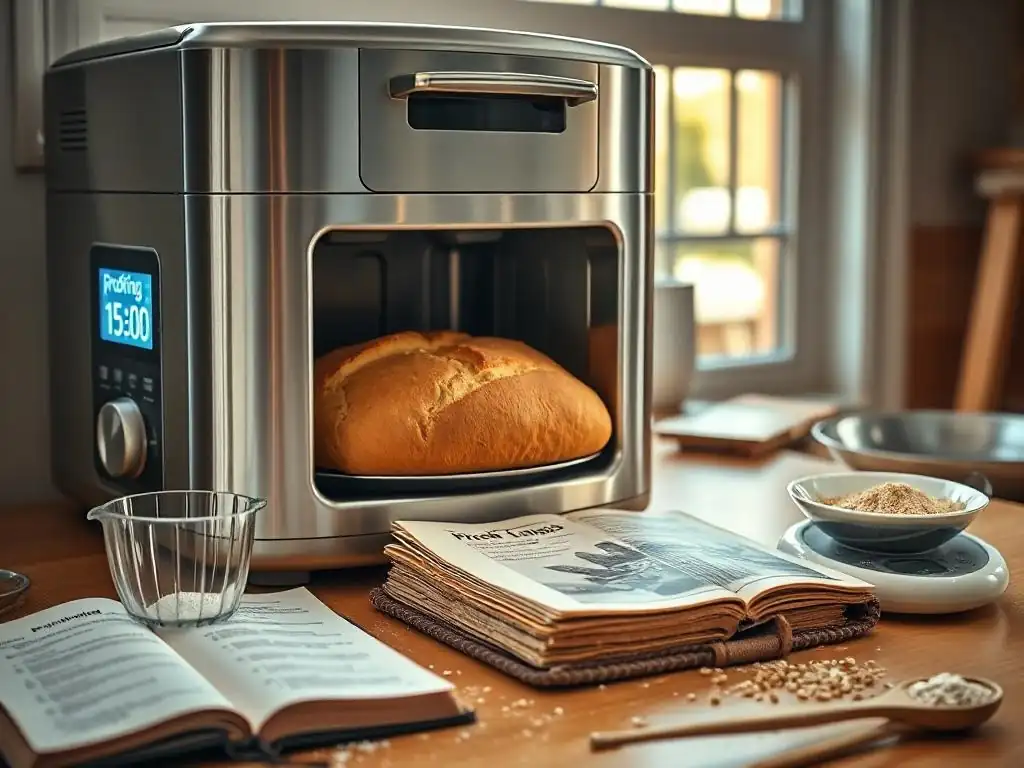
Your bread machine manual provides specific guidelines on how to prepare and add ingredients for optimal results. This often includes details about ingredient order, which is surprisingly crucial for bread machines. Most manuals recommend adding liquids first, followed by dry ingredients like flour, sugar, and salt, and finally placing the yeast last, often in a small well created in the flour. This prevents the yeast from prematurely activating or coming into direct contact with salt or sugar, which can inhibit its function.
Manuals also detail the importance of using ingredients at the correct temperature. For instance, liquids like water or milk are typically recommended to be lukewarm (around 80-90°F or 27-32°C) for standard cycles, but colder for delayed timer cycles to prevent premature rising. Using the wrong water temperature is a common reason for poor rise, highlighting why adhering to the manual's specific instructions is vital. Pay close attention to quantities, often listed in both volume (cups/teaspoons) and weight (grams), and consider using a scale for better accuracy, especially for flour, as recommended in many manuals.
Cycle Selection: Mastering Bread Machine Program Options
Modern bread machines come equipped with a variety of pre-programmed cycles, and your manual is the definitive guide to understanding what each one does and when to use it. Common cycles include "Basic" (for white and mixed-grain breads), "Whole Wheat" (with longer kneading and rising times for denser flours), "French" (longer rise time for a lighter loaf), "Sweet" (for doughs with higher sugar/fat content), "Dough" (stops before baking), and "Rapid" or "Express" (shorter cycles, often requiring specific fast-acting yeast).
Each cycle has specific timings for kneading, rising (proof), and baking phases, optimized for different types of dough. For example, a "Whole Wheat" cycle might have a first rise of 45 minutes and a second rise of 60 minutes, while a "Basic" cycle might be 30 and 40 minutes respectively. The manual will break down these phases and timings.
It will also explain options like crust color settings (light, medium, dark) and loaf size options (1 lb, 1.5 lb, 2 lb), detailing how these choices affect the cycle duration and outcome. Understanding these programs is key to choosing the right setting for your recipe and is fundamental knowledge before you even need bread machine manual troubleshooting tips.
Bread Machine Troubleshooting: Manual Solutions for Common Issues
The troubleshooting section is arguably one of the most valuable parts of your bread machine manual, especially when things don't go as planned. This section is specifically designed to help you diagnose and fix common problems you might encounter during the bread-making process. Manufacturers compile issues reported by users and provide tested solutions. For example, if your loaf has a sunken top, the manual might list potential causes like using too much liquid, too much yeast, or baking at too high an altitude, offering specific adjustments to make for each scenario.
This part of the manual is your first line of defense when troubleshooting. Before searching online forums or contacting support, consult your manual. It often contains solutions to issues like the paddle getting stuck, strange noises during operation, or the machine not starting. By systematically going through the troubleshooting steps provided for your specific model, you can often quickly identify the root cause of the problem and implement the recommended fix, saving you time and frustration. This is where you'll find detailed bread machine manual troubleshooting tips directly from the source.
Essential Bread Machine Manual Troubleshooting Tips for Perfect Loaves
Addressing Common Bread Machine Problems Using Your Manual
Every bread machine user eventually encounters a hiccup, whether it's a loaf that didn't rise properly, a crust that's too pale, or dough that seems too sticky. Your manual is designed to guide you through these common issues. It typically organizes troubleshooting by symptom: "Loaf didn't rise," "Bread is too dense," "Crust is too hard," etc.
Under each symptom, it lists possible causes and corresponding actions to take. For example, a common issue like bread being too dense might be attributed to using old yeast, insufficient liquid, or incorrect flour type, with the manual suggesting checking the yeast's expiry date, measuring liquids precisely, or ensuring you're using bread flour if specified.
Following these structured troubleshooting steps from the manual is far more effective than guessing or trying random fixes. The manual's advice is based on the specific mechanics and programming of your machine. It might suggest adjustments to ingredient measurements, checking the temperature of ingredients, ensuring the pan is properly seated, or verifying that the correct cycle was selected. These targeted bread machine manual troubleshooting tips help you systematically eliminate potential causes until you pinpoint the problem and correct it for future bakes.
Bread Not Rising? Troubleshooting Tips from the Manual
One of the most frustrating bread machine problems is a loaf that doesn't rise, resulting in a dense, heavy brick instead of light, airy bread. Your bread machine manual will dedicate significant space to troubleshooting this. Common causes listed include using inactive or expired yeast (manual tip: always check the date and store yeast properly), using water that's too hot (kills the yeast) or too cold (slows yeast activity significantly – manual tip: use water between 80-90°F for standard cycles), or adding salt or sugar directly on top of the yeast (manual tip: add yeast last, away from salt/sugar).
The manual might also suggest checking the amount of flour used (too much flour relative to liquid can inhibit rise), ensuring you haven't accidentally used self-rising flour instead of regular flour, or verifying that the room temperature isn't excessively cold, which can slow fermentation. Some manuals even include tips specific to altitude, recommending slight adjustments to yeast or liquid for those baking at higher elevations, often suggesting reducing yeast by 1/4 teaspoon per 1,000 feet above sea level as a starting point for experimentation. Consulting these bread machine manual troubleshooting tips is crucial for achieving proper fermentation and rise.
Dough Too Wet or Dry? Manual Solutions for Perfect Consistency
Achieving the correct dough consistency is vital for successful bread, and your manual provides guidelines on how to address dough that appears too wet or too dry during the kneading cycle. The manual will emphasize the importance of accurate measurement, particularly of flour and liquid.
It might recommend using the "dough" cycle first if you're unsure about a new recipe, allowing you to check the consistency after the initial knead cycle. If the dough is too wet and sticky, clinging excessively to the sides of the pan, the manual might suggest adding flour one tablespoon at a time until the dough forms a smooth ball that cleans the sides of the pan.
Conversely, if the dough appears too dry, crumbly, or the machine seems to be struggling to form a cohesive ball, the manual will advise adding liquid (usually water or milk) one teaspoon at a time. It's crucial to add these adjustments sparingly, as recommended by the manual, because even small amounts can significantly change the dough's hydration. The manual often advises waiting a few minutes after each addition to allow the machine's kneading action to incorporate the new ingredient before deciding if more is needed. These specific, incremental bread machine manual troubleshooting tips are key to correcting dough consistency.
Crust Too Dark or Light? Adjusting Settings with Your Manual
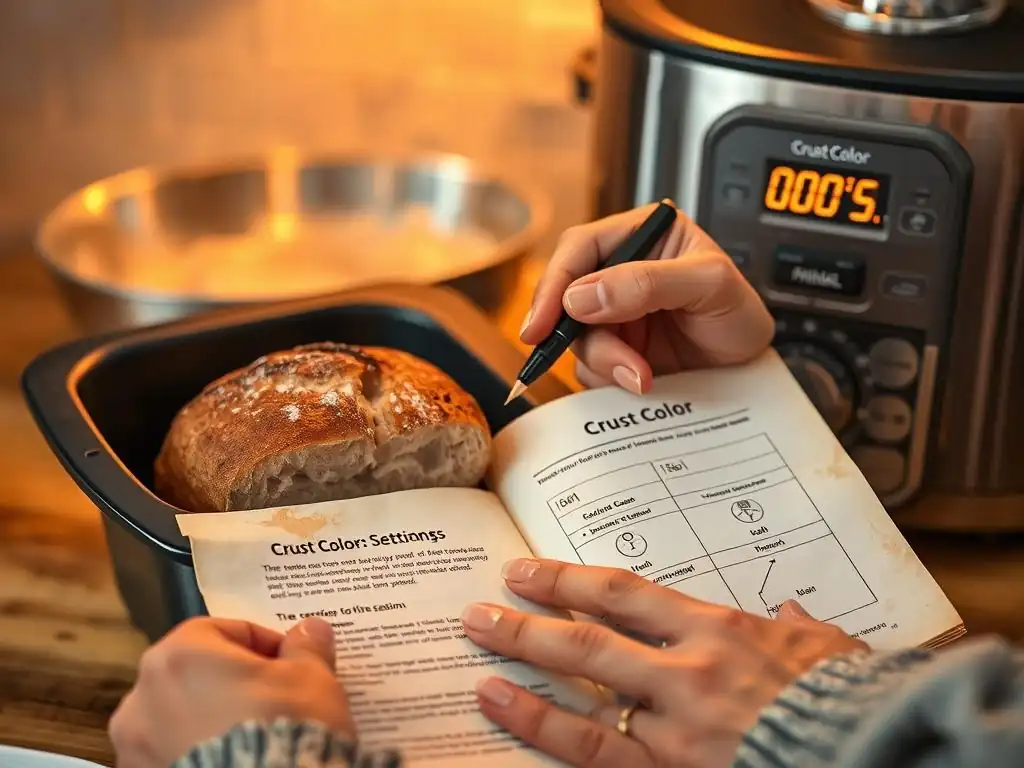
The crust color is a matter of personal preference, and your bread machine manual explains how to control it using the crust setting options (usually light, medium, and dark). If your crust is consistently too dark on the medium setting, the manual will advise selecting the "light" crust setting for your next bake. This setting shortens the final baking time or reduces the baking temperature slightly, depending on the model. Conversely, if your crust is too light, even on the medium setting, selecting the "dark" setting will increase the baking time or temperature, resulting in a crispier, darker crust.
Some advanced manuals might also offer additional tips, such as noting that recipes high in sugar or milk tend to produce darker crusts due to caramelization and browning reactions (Maillard reaction), suggesting you might want to select the "light" setting even if you usually prefer medium. If you are using a custom cycle or adapting a recipe, the manual's explanation of how crust settings affect baking time can help you manually adjust the final baking phase if your machine allows for programmable steps.
Understanding these options through your manual is a simple yet effective way to customize your loaf and is a key part of bread machine manual troubleshooting tips related to baking outcomes.
Using the Bread Machine Manual for Error Code Interpretation
Modern bread machines often feature digital displays that show error codes when a problem occurs. These codes are specific to your machine model, and attempting to guess their meaning can be futile. Your bread machine manual contains a comprehensive list of these error codes and their corresponding explanations and recommended actions. For example, an error code like "E01" might indicate a motor issue, while "H01" could signal an overheating problem.
When an error code appears, the very first step should always be to consult the "Error Codes" section of your manual. It will tell you what the code means (e.g., "temperature sensor error," "lid not closed," "power outage during cycle") and provide specific instructions on how to resolve it. This might involve unplugging the machine and letting it cool down for 10-15 minutes, checking if the pan is inserted correctly, or contacting customer service if the issue persists after following the manual's steps.
Relying on the manual's error code guide is the most accurate and efficient way to troubleshoot these technical issues, saving you time and potential frustration compared to searching for generic online solutions that may not apply to your specific model. These are critical bread machine manual troubleshooting tips for technical issues.
Beyond Recipes: Advanced Techniques in Your Bread Machine Manual
Customizing Recipes: Adapting to Your Bread Machine Model
While your bread machine manual often includes a selection of tested recipes, its utility extends far beyond just following those specific instructions. The manual provides the foundation for understanding how your machine processes ingredients and dough.
This knowledge is invaluable when you want to adapt other recipes (like traditional hand-kneaded ones) or use recipes designed for a different bread machine model. The manual will detail the machine's capacity (e.g., maximum 3 cups of flour for a 1.5 lb loaf), the typical duration of its kneading and rising cycles for different programs, and any specific requirements for ingredients (like using bread machine yeast or vital wheat gluten for whole wheat).
By understanding these parameters from your manual, you can make informed adjustments. For instance, if adapting a recipe calling for 4 cups of flour for a machine with a 3-cup capacity limit, you'll know you need to scale down the recipe proportionally. If a recipe requires a very long, slow rise, you might choose the "French" cycle on your machine based on the cycle descriptions in your manual.
The manual's information on ingredient order and temperature also remains critical when adapting recipes. Using your manual to understand the how and why behind your machine's operation empowers you to successfully experiment and customize.
Understanding Timer Functions: Perfecting Overnight Baking
One of the most convenient features of many bread machines is the delayed start timer, allowing you to add ingredients in the evening and wake up to a freshly baked loaf in the morning. Your bread machine manual provides detailed instructions on how to use this function correctly and safely. It will explain how to set the delay time, which counts down to the completion of the cycle, not the start. For example, setting the timer for 8 hours means the bread will be ready 8 hours from when you set the timer.
Crucially, the manual will also provide important safety caveats for using the timer. It typically advises against using perishable ingredients like milk, eggs, or cheese in the delayed cycle, as they can spoil at room temperature over several hours. Water and dry milk powder are often recommended as safe alternatives. The manual will also reiterate the importance of placing the yeast last, away from liquids, to prevent premature activation during the delay period. Mastering the timer function through your manual's guidance allows you to enjoy the convenience of fresh bread on demand while ensuring food safety.
Keeping Your Bread Machine Clean: Maintenance Tips from the Manual
Proper maintenance is essential for the longevity and performance of your bread machine, and the manual provides the authoritative guide on how to clean it correctly. It will detail how to clean the bread pan and kneading paddle, usually recommending warm, soapy water and a non-abrasive sponge. Most manuals specifically warn against using metal utensils or harsh scouring pads on the non-stick surface, which can cause damage. They also often advise against putting the pan or paddle in the dishwasher, as the harsh detergents and high heat can degrade the non-stick coating and plastic components over time.
The manual will also explain how to clean the interior of the baking chamber, typically recommending wiping it down with a damp cloth after it has cooled completely. It will caution against getting water into the heating element or motor areas. Regular cleaning, as outlined in the manual, prevents build-up of flour and dough residue, which can affect performance, cause odors, or even attract pests. Following these maintenance bread machine manual troubleshooting tips from the manual ensures your machine stays in good working order and continues to produce delicious bread for years.
Maximizing Your Bread Machine's Potential: Tips and Tricks from the Manual
Using Specialty Cycles: Gluten-Free, Whole Wheat, and More
Beyond the basic cycles, many bread machines offer specialized programs designed for specific types of bread, and your manual is the key to understanding and utilizing them effectively. For example, the "Gluten-Free" cycle is specifically engineered with different kneading and rising times suitable for gluten-free flours, which behave very differently from wheat flour. This cycle often involves less kneading and a longer rise. The manual will explain the unique characteristics of this cycle and may provide specific gluten-free recipes or ingredient recommendations.
Similarly, the "Whole Wheat" cycle is optimized for flours containing the bran and germ, which require longer kneading and rising times to develop structure. The manual will detail the timing differences compared to the basic cycle and might suggest adding vital wheat gluten to improve the loaf's structure, a common tip for whole wheat bread.
Other specialty cycles might include "Sweet Bread," "French Bread," "Rapid Bake," or even "Jam" or "Cake" cycles. Your manual is the definitive source for understanding what each of these cycles does and when to use them, helping you explore a wider range of recipes and maximize your machine's capabilities beyond just basic white bread.
Adapting Recipes for Different Loaf Sizes
Most bread machines offer options to bake different loaf sizes, typically 1 lb, 1.5 lb, and 2 lb loaves. Your manual will explain how to select the desired loaf size setting, which adjusts the baking time accordingly. More importantly, the manual provides guidance, often in the form of charts or example recipes, on how to scale ingredients for each loaf size. A recipe designed for a 2 lb loaf will need to be reduced proportionally to bake a 1.5 lb or 1 lb loaf successfully.
While the manual might not provide conversion factors for every ingredient in every recipe, it will give you the baseline ratios or total flour capacity for each size. For instance, it might state that a 1.5 lb loaf typically uses about 2.5-3 cups of flour, while a 1 lb loaf uses 1.5-2 cups.
Using these figures from your manual, you can estimate the necessary adjustments when scaling recipes. Paying attention to the manual's guidance on loaf size and ingredient scaling is crucial for preventing issues like loaves collapsing (too much dough for the size) or being too small and dense (too little dough), issues that might otherwise require extensive bread machine manual troubleshooting tips.
Bread Machine Safety: Following the Manual's Guidelines
Safety should always be a top priority when using any electrical appliance, and your bread machine manual contains essential safety guidelines specific to its operation. This includes warnings about hot surfaces (the lid, viewing window, and exterior can become very hot during baking), the importance of using oven mitts when removing the hot bread pan, and instructions on how to unplug the machine when not in use or before cleaning.
The manual will also provide electrical safety information, such as ensuring the machine is plugged into a properly grounded outlet and avoiding using extension cords unless absolutely necessary and of the appropriate rating. It will detail how to handle the kneading paddle safely, especially when removing it from the baked loaf, as it can be hot and sharp.
Adhering strictly to the safety instructions outlined in your manual protects you from potential hazards and ensures the safe operation of your appliance. Ignoring these guidelines could lead to accidents or damage to the machine, creating problems that no amount of bread machine manual troubleshooting tips can fix.
Bread Machine Manuals and Online Resources: Expanding Your Knowledge
Online Bread Machine Communities and Forums
While your bread machine manual is the primary source of information for your specific model, online communities and forums can be valuable supplementary resources. Websites like King Arthur Baking's forums, dedicated bread machine user groups on social media platforms, or general baking forums often have sections where users discuss bread machine baking. These platforms allow you to connect with other bread machine owners, share experiences, ask questions, and find recipes adapted by other users.
When consulting online resources, it's helpful to mention your specific bread machine make and model, as advice that applies to one machine might not be relevant to another. While you might find helpful bread machine manual troubleshooting tips shared by experienced users, always cross-reference this information with your own manual whenever possible, especially for technical issues or error codes. Online communities are great for inspiration and sharing successes, but your manual remains the most accurate source for troubleshooting specific to your appliance.
Manufacturer Websites: Updated Manuals and Support
The manufacturer's official website is an invaluable online resource that complements your physical or downloaded manual. As mentioned earlier, this is the best place to find and download a digital copy of your manual if you've lost yours. Manufacturer websites often host the most current version of the manual, which might include minor revisions or clarifications compared to older printed versions.
Beyond just the manual, manufacturer websites frequently offer additional support resources. This can include FAQs that address common questions not explicitly covered in the manual, registration for warranty purposes, contact information for customer support, and sometimes even recipe collections specifically developed and tested for their bread machine models. If you encounter a problem that you cannot resolve using the bread machine manual troubleshooting tips provided in the document, the manufacturer's website is the place to find contact information for technical support who can offer further assistance specific to your machine.
Conclusion: Mastering Bread Machine Baking with Your Manual
Mastering the art of bread machine baking is an achievable goal for anyone, and the key to success lies not just in finding great recipes, but in truly understanding the tool you're using. Your bread machine manual, often overlooked, is your most essential resource. It provides the specific instructions, nuances, and critical bread machine manual troubleshooting tips tailored to your model.
By taking the time to read and refer to your manual, you gain insight into ingredient preparation, cycle selection, safety protocols, and maintenance. This knowledge empowers you to use your machine correctly, adapt recipes confidently, troubleshoot issues effectively, and ultimately bake consistently delicious loaves with ease. Don't let your manual gather dust; make it your trusted companion on your bread machine baking journey.
Frequently Asked Questions
What is the most important reason to read my bread machine manual?
Reading your manual is crucial for understanding your specific bread machine's functions and settings, ensuring optimal performance and preventing damage. It also provides safety information.
Where can I usually find the troubleshooting section in my bread machine manual?
Typically, the troubleshooting section is located near the end of the manual, often after the recipe section. It addresses common issues and offers potential solutions.
What kind of information can I expect to find in the "Bread Machine Manual Troubleshooting Tips" section?
Expect to find explanations for error codes, solutions for bread not rising, troubleshooting for dough that's too wet or dry, and guidance on dealing with mechanical problems.
My bread machine is displaying an error code not listed in the manual. What should I do?
If your error code isn't listed, first try unplugging the machine for a few minutes and then plugging it back in. If the problem persists, contact the manufacturer's customer support for assistance.
What are some common mistakes that reading the bread machine manual can help me avoid?
Reading the manual helps avoid common mistakes like using incorrect ingredient measurements, selecting the wrong cycle setting, or overloading the machine, all of which can lead to poor results.
Final Reflection: The Unexpected Joys of a Perfectly Kneaded Loaf
The humble bread machine, often relegated to a cupboard corner, holds the potential for culinary triumph and deeply satisfying self-sufficiency. Mastering its quirks, as explored throughout this guide, isn't just about fixing a sticky dough or a stubbornly unbaked crust; it's about reclaiming control over a fundamental aspect of our food system and discovering the simple pleasure of homemade bread.
The journey from frustrated baker to confident bread-maker is a testament to the power of patience and persistence. It's a journey I've personally undertaken, filled with both floury mishaps and the intoxicating aroma of freshly baked bread. The best bread is the bread you bake yourself.
This simple sentiment, often repeated, holds a deeper truth: the process itself, the learning, the experimentation, is as rewarding as the final product. It connects us to a tradition stretching back millennia, reminding us of the fundamental human need to create and nourish.
Now, it's your turn. Don't let a sticky dough or a dense loaf discourage you. Remember the troubleshooting tips outlined in this article, embrace the learning process, and experiment with different recipes and techniques. The reward? Not just delicious, warm bread, but a newfound confidence in your culinary abilities and a deeper appreciation for the simple act of baking. The journey to perfect bread is a personal one; embark on it with curiosity, and savor every crumb.
Unlock Your Bread Machine's Potential!
Thanks for taking the time to explore the world of bread machine baking! We hope you now feel confident and equipped to tackle any doughy challenge. Ready to transform your kitchen into a bakery?
- Bake your first perfect loaf: Grab those ingredients and put your newfound knowledge into practice! Start with a simple recipe and experience the joy of freshly baked bread.
- Share your baking journey: Tell us about your first bake! Post a picture on social media using #BakeWithEase and inspire others.
- Experiment with different flours and recipes: Don't be afraid to get creative. The possibilities are endless!
What exciting bread will you bake first?