
Bring the Pizzeria Home: Ovens for Incredible Baked Pizza

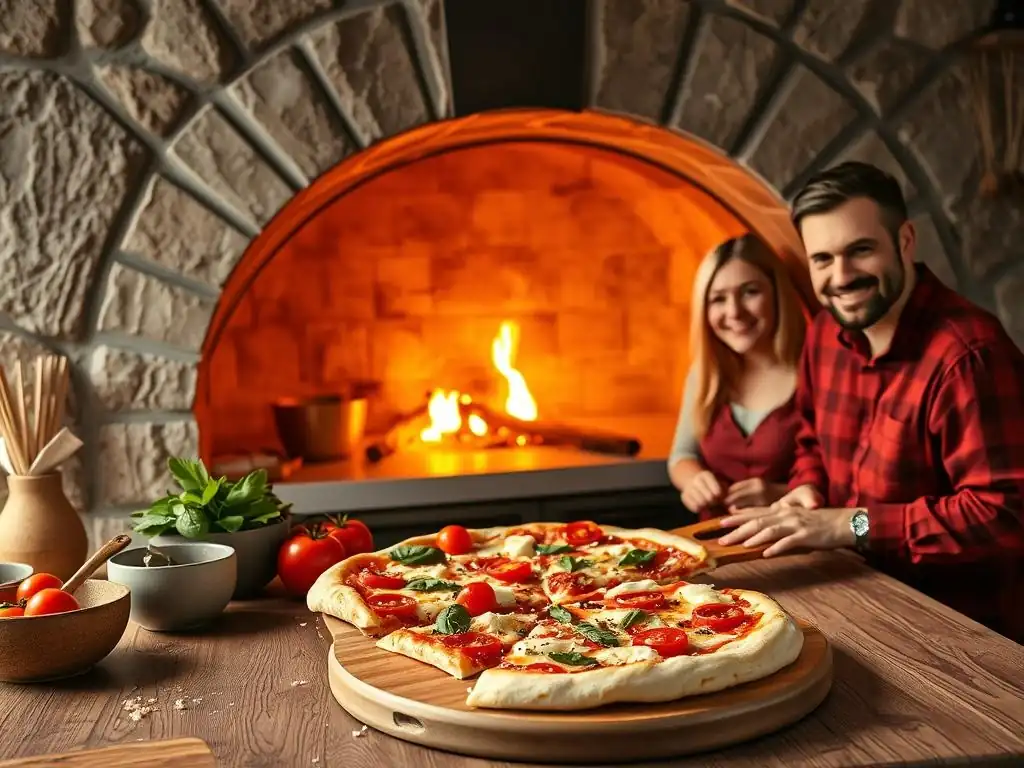
Welcome to BakeWithEase, where the aroma of freshly baked goodness fills the air! Ever dreamed of crafting restaurant-quality pizza in your own backyard? Then you've come to the right place. This week, we're diving deep into the world of homemade pizza oven recipes and the equipment that makes them sing. Discover how to build or choose the perfect oven and unlock the secrets to achieving that crispy crust and bubbling cheese. Intrigued? Let's get baking!
- Level Up Your Baking: Achieving Pizzeria-Quality Pizza at Home
- Comparing Pizza Oven Types for Homemade Pizza
-
Key Features to Consider When Choosing a Pizza Oven
- Temperature Range: Reaching the Ideal Baking Temperature
- Stone Material and Thickness: Ensuring Even Heat Distribution
- Size and Capacity: Baking Single Servings vs. Large Pizzas
- Portability and Storage: Considerations for Indoor and Outdoor Use
- Fuel Source: Wood, Gas, Electric, or Pellets – Which is Right for You?
- Essential Pizza Oven Accessories
- Pizza Recipes for Your Oven
- Maintaining Your Pizza Oven
- Conclusion: Unleash Your Inner Pizzaiolo with the Perfect Pizza Oven
-
Frequently Asked Questions
- How do I choose the right homemade pizza oven recipe for my skill level?
- What are the key considerations when building a homemade pizza oven?
- Can I use a regular oven for a similar pizza experience if I don't have a homemade pizza oven?
- What kind of fuel is best for a homemade pizza oven?
- Where can I find easy-to-find ingredients for homemade pizza oven recipes?
- Final Reflection: The Enduring Allure of Homemade Pizza
- Unleash Your Inner Pizzaiolo!
Level Up Your Baking: Achieving Pizzeria-Quality Pizza at Home
Why Invest in a Dedicated Pizza Oven? Beyond the Standard Oven
While your standard kitchen oven can certainly bake a decent pizza, achieving that authentic Neapolitan-style crust with leopard spotting and a perfectly cooked interior requires temperatures far exceeding what most home ovens can reach. Traditional home ovens typically max out at around 500-550°F (260-288°C). Dedicated pizza ovens, however, are designed to hit temperatures of 750°F (400°C) and often significantly higher, sometimes exceeding 950°F (510°C).
This intense heat is crucial for cooking a pizza quickly, usually in 60-90 seconds in a very hot oven, which results in a crust that is crispy on the outside, airy on the inside, and toppings that are perfectly cooked without drying out. This is the secret behind truly great homemade pizza oven recipes.
Beyond just temperature, a dedicated pizza oven offers a unique cooking environment. The intense, often radiant heat from the dome or top element cooks the toppings rapidly, while the heat absorbed and radiated by a thick pizza stone or hearth cooks the bottom crust evenly and quickly.
This simultaneous cooking from top and bottom is difficult to replicate in a standard oven where heat primarily comes from the bottom element. Investing in a pizza oven transforms your ability to execute professional-level homemade pizza oven recipes, giving you control over variables like heat distribution and cooking speed that are essential for authentic results.
Understanding the Key to Authentic Pizza: High Heat and Stone Baking
The cornerstone of authentic, pizzeria-quality pizza lies in the combination of extremely high temperatures and the use of a baking surface that retains and radiates heat effectively, typically a pizza stone or cordierite hearth. When a pizza is placed directly onto a preheated stone in an oven reaching 750°F or more, the stone immediately transfers intense heat to the dough, causing it to rise rapidly and crisp up on the bottom.
This thermal shock is what creates that desirable chewy yet crispy crust texture. Without sufficient heat transfer from below, the bottom of the crust can remain pale or soggy while the top burns.
Simultaneously, the high ambient temperature and often radiant heat from the top of the oven cook the toppings and the top of the crust at an incredible speed. In a 900°F oven, a pizza can be fully cooked in as little as 60 seconds.
This rapid cooking time is key; it prevents the dough from drying out and allows the toppings to cook just enough to meld flavors without becoming overdone or losing freshness. Mastering homemade pizza oven recipes means understanding how these high temperatures interact with your dough and toppings, and a dedicated pizza oven provides the necessary environment to achieve these results consistently.
Comparing Pizza Oven Types for Homemade Pizza
Traditional Wood-Fired Pizza Ovens: The Authentic Experience
Wood-fired pizza ovens are the classic choice for achieving the most authentic flavor and texture, reminiscent of pizzas from Naples. They burn wood directly within the cooking chamber, creating extremely high temperatures that can surpass 900°F (480°C). The smoke from the burning wood imparts a subtle, desirable flavor to the crust and toppings that is unique to this method. Building and maintaining the fire requires skill, but the results, especially for traditional homemade pizza oven recipes, are often considered unparalleled.
Operating a wood-fired oven involves managing the fire and hot coals to regulate the temperature. The heat radiates from the dome and is absorbed by the thick hearth, creating a powerful cooking environment. Pizzas cook incredibly fast, often in 60-90 seconds, requiring constant attention and turning. While they require significant space, ventilation, and a learning curve, the experience and the resulting pizza quality make them a top choice for purists dedicated to mastering homemade pizza oven recipes in the most traditional way.
Pros: Unmatched Flavor, High Temperatures
Cons: High Cost, Requires Skill, Space Constraints
Gas-Fired Pizza Ovens: Convenience and Control
Gas-fired pizza ovens offer a fantastic balance between authentic results and user-friendly convenience. They heat up much faster than wood-fired ovens, often reaching temperatures of 750-900°F (400-480°C) in just 15-20 minutes. Temperature control is typically precise and easily adjusted with a dial, making it simpler to maintain consistent heat throughout your baking session. This consistency is a major advantage when working through multiple homemade pizza oven recipes.
While they don't impart the smoky flavor of wood, gas ovens still produce excellent pizzas with perfectly charred crusts due to the high temperatures and radiant heat. Many models are portable, making them suitable for backyard patios or even camping trips. They are generally easier to clean than wood-fired ovens as there is no ash to manage. For those seeking high-quality results without the complexities of managing a wood fire, a gas-fired oven is a highly recommended option for exploring various homemade pizza oven recipes.
Pros: Easy to Use, Consistent Temperatures, Quick Preheat
Cons: Less Flavor Compared to Wood-Fired, Can Be Expensive
Electric Pizza Ovens: Countertop Convenience
Electric pizza ovens are designed primarily for indoor use and offer the most convenience, often fitting on a kitchen countertop. They are typically the most affordable type of dedicated pizza oven. While they generally don't reach the extreme temperatures of wood or gas ovens, many can still hit temperatures around 550-700°F (288-370°C), which is significantly hotter than a standard kitchen oven. This higher temperature range allows for faster cooking times (often 5-10 minutes) and better crust development compared to conventional baking methods.
These ovens are very easy to operate – just plug them in, set the temperature, and wait for them to preheat. They are ideal for individuals or small families due to their compact size and limited capacity, usually baking one pizza at a time, often up to 12 inches in diameter. While they won't replicate the blistered crust of a 900°F oven, they are perfect for beginners or those with limited outdoor space looking to elevate their homemade pizza oven recipes beyond standard kitchen oven results.
Pros: Compact, Affordable, Easy to Operate
Cons: Lower Temperatures, Limited Capacity
Pellet Pizza Ovens: A Balance of Flavor and Convenience
Pellet pizza ovens use small, compressed wood pellets as fuel, offering a middle ground between the flavor of wood-fired and the convenience of gas. They typically reach high temperatures, often in the 750-900°F (400-480°C) range, allowing for quick cooking times similar to gas or wood. The burning pellets produce smoke that imparts a pleasant, subtle wood-fired flavor to the pizza, enhancing your homemade pizza oven recipes.
Operating a pellet oven involves loading pellets into a hopper and igniting them. While not as instantly adjustable as gas, they are easier to manage than a traditional wood fire. Many models are portable and relatively quick to set up. The main requirement is a steady supply of food-grade wood pellets. They offer a great option for those who want wood-fired flavor without the full commitment of a log-burning oven, providing a good balance of performance and ease of use.
Pros: Wood-Fired Flavor, Easier to Use Than Wood, Portable
Cons: Requires Pellets, Can Be Less Precise Than Gas
Key Features to Consider When Choosing a Pizza Oven
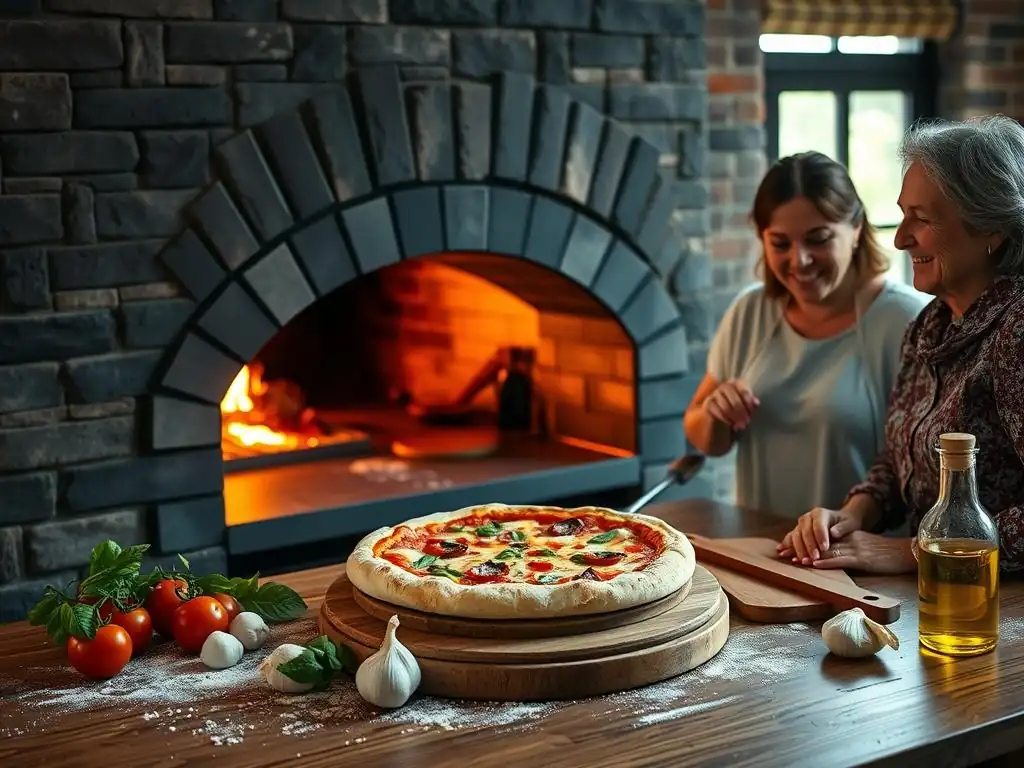
Temperature Range: Reaching the Ideal Baking Temperature
The maximum temperature an oven can reach is arguably the most critical factor for achieving authentic pizza results. Traditional Neapolitan pizza requires temperatures of 800-900°F (430-480°C) or even higher to cook in 60-90 seconds. Ovens that can reach these temperatures – typically wood, gas, or pellet types – are best for this style. For New York style or other types that cook slightly slower, temperatures in the 600-750°F (315-400°C) range are sufficient. Electric ovens often fall into this lower high-temperature range.
Consider the type of pizza you primarily want to make when evaluating temperature range. If your goal is blistered, airy Neapolitan crusts for your homemade pizza oven recipes, aim for an oven that can consistently hit at least 800°F. If you prefer slightly thicker crusts or are less concerned with sub-two-minute cook times, an oven topping out at 600-700°F can still produce excellent results far superior to a standard kitchen oven. Always check the manufacturer's stated maximum temperature and read reviews to see real-world performance.
Stone Material and Thickness: Ensuring Even Heat Distribution
The baking surface, often a pizza stone or cordierite hearth, plays a vital role in transferring heat to the pizza crust. Cordierite is a popular material due to its durability and resistance to thermal shock, meaning it's less likely to crack at high temperatures. The thickness of the stone is also important; a thicker stone (typically 0.8 inches or more) will absorb and retain more heat, providing a more consistent and powerful heat source for the bottom of your pizza as you work through your homemade pizza oven recipes.
A good quality stone ensures that the base of your pizza cooks quickly and evenly, preventing a soggy bottom. Some ovens feature a rotating stone or multiple heating elements (in electric models) to help ensure uniform cooking without needing to turn the pizza manually as often. When comparing ovens, look for information on the stone material, thickness, and how it's heated, as this directly impacts crust quality.
Size and Capacity: Baking Single Servings vs. Large Pizzas
Pizza ovens come in various sizes, impacting both their footprint and how many or how large pizzas you can bake at once. Countertop electric ovens are the most compact, typically fitting one pizza up to 12 inches. Portable gas or pellet ovens often handle one large pizza (14-16 inches). Larger built-in or freestanding wood-fired ovens can sometimes accommodate multiple pizzas simultaneously.
Consider how you plan to use the oven. If you're only making pizza for one or two people occasionally, a smaller, more portable unit might be sufficient. If you plan to host pizza parties or bake for a larger family, an oven with a larger cooking surface or the capacity for multiple pizzas will be more practical for keeping up with demand and trying out diverse homemade pizza oven recipes efficiently. Measure your available space, especially if considering an outdoor oven.
Portability and Storage: Considerations for Indoor and Outdoor Use
Where will you primarily use and store your pizza oven? Electric ovens are designed for indoor countertop use. Gas, wood, and pellet ovens are generally for outdoor use due to heat, smoke, and ventilation requirements. Many outdoor models are designed to be portable, featuring folding legs or relatively lightweight construction (though wood ovens are typically heavy and permanent).
Think about ease of setup and breakdown if you need to store it away when not in use. A portable gas or pellet oven might weigh between 20-50 pounds and can often be packed into a carrying bag. A larger, permanent wood-fired oven requires a dedicated space. Consider the climate in your area as well; if you live somewhere with harsh winters, you'll need a plan for storing an outdoor oven or protecting it from the elements. Portability adds flexibility for various homemade pizza oven recipes events.
Fuel Source: Wood, Gas, Electric, or Pellets – Which is Right for You?
Choosing the fuel source is a fundamental decision that impacts oven performance, convenience, cost, and flavor.
- Wood: Offers authentic flavor and very high temperatures, but requires effort to manage, ventilation, and produces ash.
- Gas: Provides excellent temperature control, quick preheating, and convenience, reaching high temperatures suitable for fast cooking.
- Electric: Most convenient for indoor use, affordable, and easy to operate, but generally reaches lower temperatures and has limited capacity.
- Pellets: A good compromise, offering some wood-fired flavor and high temperatures with easier management than logs.
Your choice depends on your priorities: is flavor paramount (wood/pellet)? Is convenience key (gas/electric)? Do you need portability (gas/pellet)? What is your budget and available space? Each fuel type offers a different experience for preparing your homemade pizza oven recipes.
Essential Pizza Oven Accessories
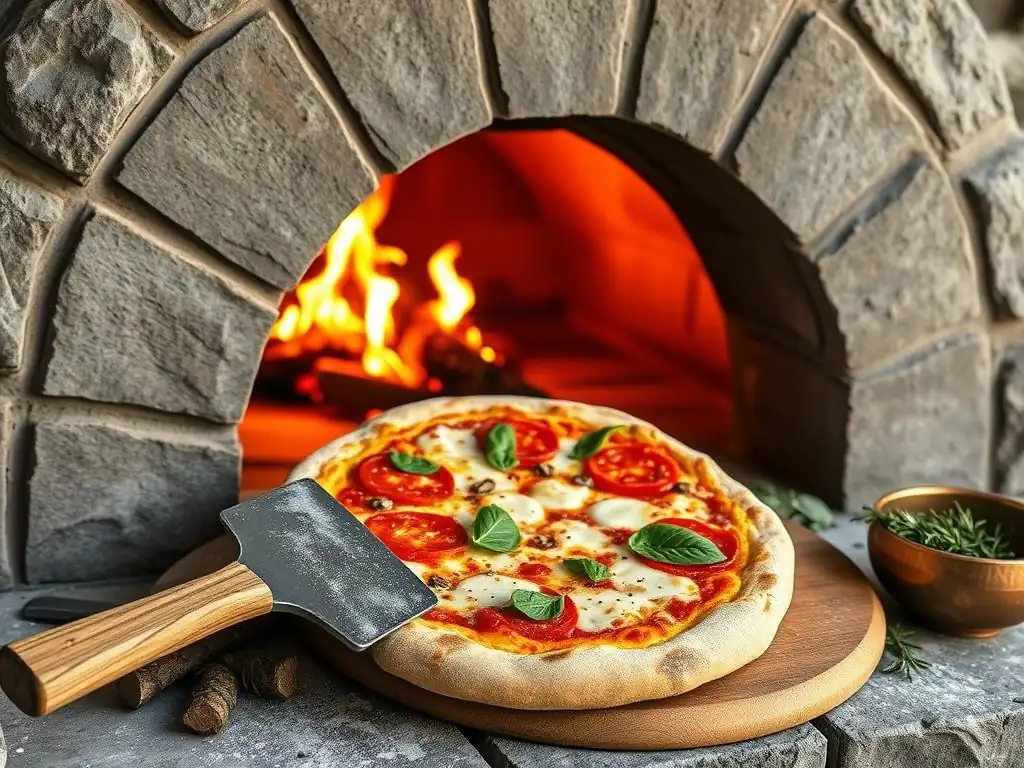
Pizza Peels: The Key to Seamless Pizza Transfer
A pizza peel is indispensable for getting your prepared pizza into a hot oven and retrieving it when baked. Metal peels, often aluminum or stainless steel, are great for launching pizzas, especially when dusted with flour or semolina to help the dough slide easily onto the hot stone. They are thin and slide smoothly under the raw dough.
Wooden peels, typically made from bamboo or wood, are often preferred for retrieving the finished pizza as they are less likely to burn your hand and provide a stable surface for carrying the hot pizza. Having at least one good quality peel is crucial for safe and effective use of your pizza oven and executing your homemade pizza oven recipes without mishaps.
Pizza Cutters: Achieving Perfect Slices Every Time
While you could use a knife, a dedicated pizza cutter makes slicing through hot, crispy crusts much easier and cleaner. The two most common types are the wheel cutter and the mezzaluna (a curved blade with two handles).
A sharp wheel cutter is quick and effective for slicing straight lines. A mezzaluna allows for a rocking motion that can cut through thicker crusts and toppings with ease. Choose a cutter that is comfortable to hold, easy to clean, and sharp enough to slice through your pizza without dragging or tearing the crust, ensuring neat portions from your homemade pizza oven recipes.
Infrared Thermometers: Accurately Measuring Oven Temperature
An infrared thermometer (or laser thermometer) is an incredibly useful tool for accurately measuring the surface temperature of your pizza stone or hearth. Relying solely on the oven's air temperature gauge isn't enough, as the stone's temperature is what directly impacts the bottom crust.
By pointing the thermometer at different spots on the stone, you can ensure it has reached the optimal temperature for launching your pizza – typically 750°F or higher for Neapolitan style. This helps prevent undercooked bottoms and ensures consistent results across batches of your homemade pizza oven recipes. It's a small investment that makes a big difference in performance.
Pizza Oven Covers: Protecting Your Investment from the Elements
If you have an outdoor pizza oven, protecting it from rain, snow, UV rays, and debris is essential for extending its lifespan and maintaining its appearance. Custom-fit covers are available for many popular oven models, made from durable, weather-resistant materials.
A good cover will protect against rust, fading, and accumulation of dirt or leaves. Ensure the oven is completely cool before covering it. Proper storage and protection mean your oven will be ready to go whenever you're inspired to make some delicious homemade pizza oven recipes, season after season.
Pizza Recipes for Your Oven
- Classic Margherita Pizza
- Spicy Pepperoni Pizza
- Vegetarian Pizza
- Sourdough Pizza Dough
Maintaining Your Pizza Oven
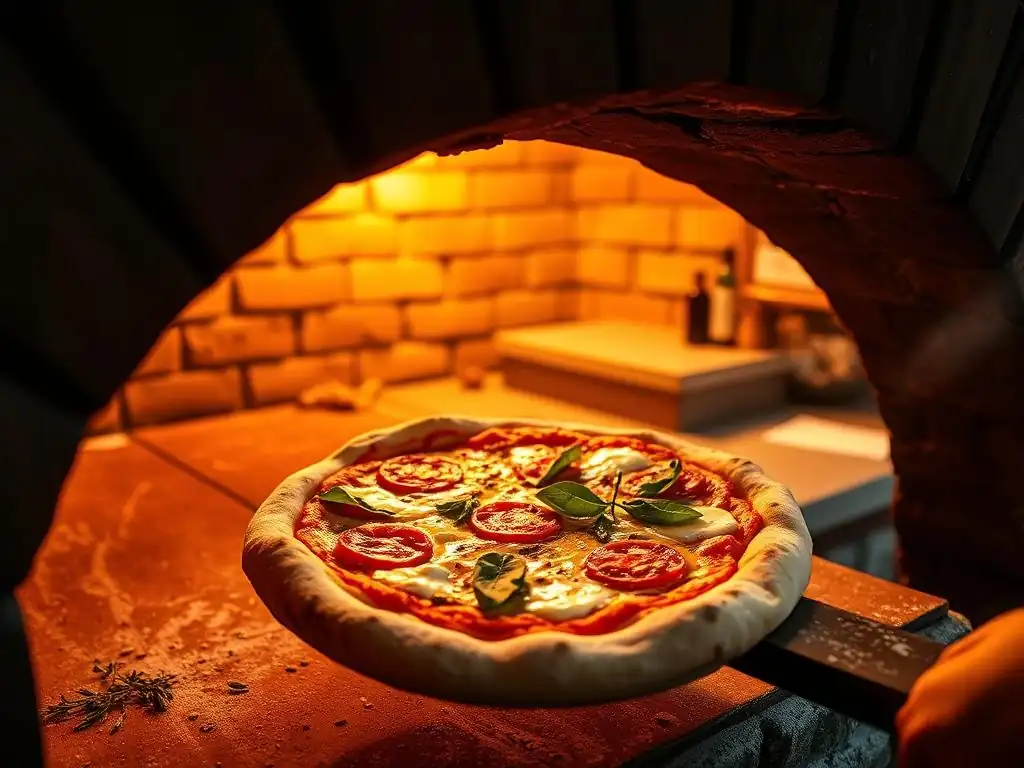
Cleaning Your Pizza Stone: Preventing Flavor Transfer and Buildup
Cleaning your pizza stone is crucial for hygiene and performance. Never use soap or detergent on a pizza stone, as it is porous and will absorb the chemicals, imparting soapy flavors to future pizzas. The high heat of the oven itself is the best cleaner; any spilled cheese or toppings will typically burn off and turn to ash.
After the oven has completely cooled, simply scrape off any charred residue with a stiff brush or metal spatula. For stubborn spots, you can carefully use a scraper. Over time, the stone will darken and develop a seasoned look – this is normal and desirable. Regular scraping is usually sufficient to keep it clean for your next round of homemade pizza oven recipes.
Inspecting and Maintaining Gas and Electric Components
For gas and electric ovens, periodic inspection of the fuel lines, connections, and heating elements is important for safety and performance. For gas ovens, check hoses and connections for leaks using a soapy water solution (bubbles indicate a leak) and ensure burner ports are clear.
Electric ovens require less maintenance, but check the heating elements for visible damage or buildup. Always consult your owner's manual for specific maintenance instructions. Keeping these components clean and in good working order ensures consistent temperatures and safe operation for all your homemade pizza oven recipes.
Storing Your Pizza Oven Properly to Extend its Lifespan
Proper storage protects your investment, especially for outdoor ovens. If the oven is portable, store it in a dry, sheltered location like a garage or shed when not in use for extended periods. Ensure it is completely cool and clean before storing.
If the oven is permanent or semi-permanent outdoors, using a high-quality, weather-resistant cover is essential. Clear away debris like leaves or snow regularly. Following manufacturer guidelines for storage and care will significantly extend the life of your oven and keep it in top condition for countless batches of homemade pizza oven recipes.
Conclusion: Unleash Your Inner Pizzaiolo with the Perfect Pizza Oven
Frequently Asked Questions
How do I choose the right homemade pizza oven recipe for my skill level?
Consider recipes labeled for beginners if you're new to baking or pizza making. Look for recipes with simple steps and readily available ingredients. BakeWithEase often categorizes recipes by skill level.
What are the key considerations when building a homemade pizza oven?
Heat retention is crucial for achieving that perfect pizzeria crust. Ensure your design includes proper insulation and a durable, heat-resistant material like fire brick. Consider the size of your oven based on your typical pizza needs.
Can I use a regular oven for a similar pizza experience if I don't have a homemade pizza oven?
While not quite the same, you can achieve decent results using a pizza stone or pizza steel in your regular oven. Preheat the stone/steel to a high temperature for optimal heat. Use the broiler for the last minute or two to achieve browning.
What kind of fuel is best for a homemade pizza oven?
Hardwoods like oak, maple, or beech are generally preferred for their consistent heat and flavor. Avoid softwoods, which burn quickly and produce more smoke. Ensure the wood is dry and well-seasoned.
Where can I find easy-to-find ingredients for homemade pizza oven recipes?
Most ingredients, like flour, yeast, and tomato sauce, are available at any grocery store. BakeWithEase recipes often specify readily available brands. Specialty ingredients like 00 flour can be found at specialty food stores or online.
Final Reflection: The Enduring Allure of Homemade Pizza
The pursuit of the perfect pizza transcends mere culinary skill; it's a journey of connection, creativity, and the enduring comfort of homemade goodness. From the carefully chosen ingredients to the satisfying crackle of the crust, crafting pizza at home offers an unparalleled sensory experience that surpasses any takeout order. This article has explored the diverse world of homemade pizza ovens, highlighting the unique flavors and textures achievable with each method. But the true magic lies not just in the equipment, but in the process itself.
The impact of homemade food, particularly pizza, on our cultural landscape is undeniable. It's a shared experience, a tradition passed down through generations, and a symbol of family and togetherness. Food is symbolic of love when words are inadequate.
- Alan D. Wolfelt. This sentiment rings especially true when considering the joy of sharing a pizza crafted with your own hands. The act of making pizza, from kneading the dough to carefully arranging the toppings, fosters a sense of accomplishment and connection, reminding us of the simple pleasures life offers.
Now, consider your own kitchen. Imagine the aroma of baking dough filling your home, the warmth of the oven radiating comfort, and the delighted faces of your loved ones gathered around a table laden with your creation. Don't just read about the perfect pizza; create it. Choose your oven, gather your ingredients, and embark on this delicious journey. Let the experience of making homemade pizza become a cherished memory, a testament to the power of simple pleasures and the enduring magic of sharing a meal together.
Unleash Your Inner Pizzaiolo!
Thanks for taking the time to explore the world of home pizza ovens with us! We hope you now feel empowered to create authentic, delicious pizzas in your own kitchen. Ready to take the next step?
- Order your dream oven today! Research the models we highlighted and find the perfect fit for your needs and budget. This is your chance to elevate your pizza game.
- Share your pizza-making journey! Post a picture of your first masterpiece on social media and tag us – we'd love to see your creations!
- Join our BakeWithEase community forum to connect with fellow pizza enthusiasts, share tips and recipes, and ask questions.
What incredible pizza creation will you bake first?