
Essential Pans and Molds for Specialty Artisan Breads

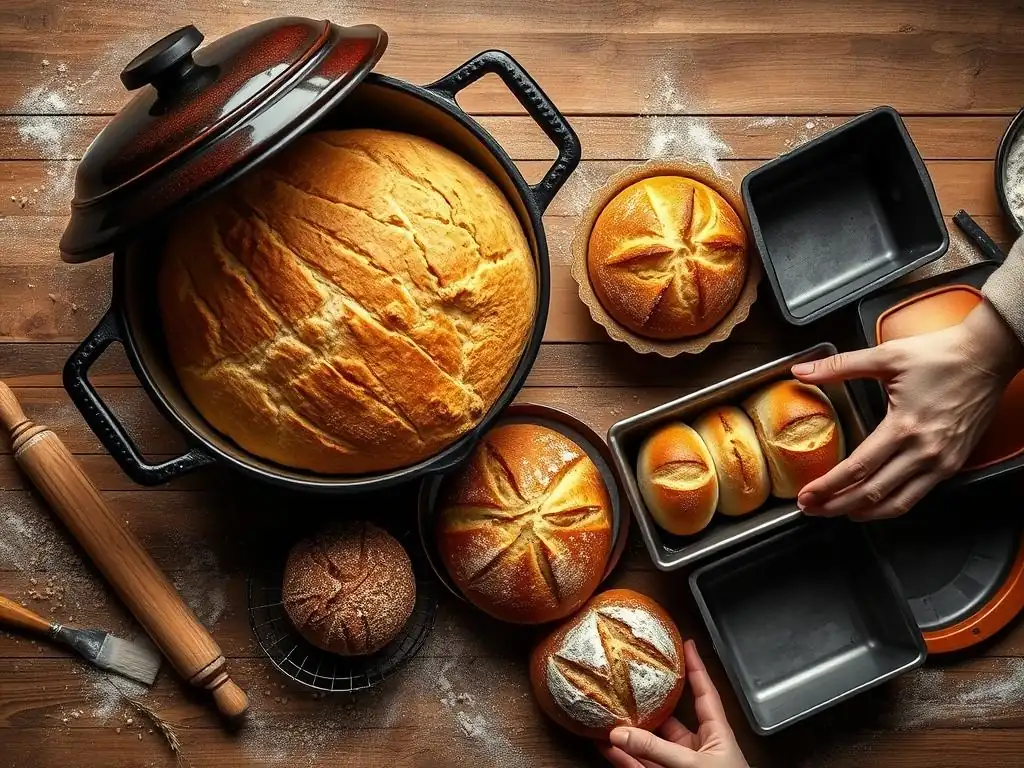
Welcome to BakeWithEase, your guide to unlocking the delicious world of baking! Ever wondered if the secret to that perfect crust lies beyond the recipe? Today, we're diving deep into the world of artisan bread baking pans, exploring how the right equipment can elevate your loaf from ordinary to extraordinary. Get ready to discover the essential pans and molds that will transform your baking and leave you craving more!
- Essential Pans and Molds for Specialty Artisan Breads: Your Artisan Baking Guide
- Mastering Artisan Bread: Choosing the Right Baking Pans
- The Best Baking Pans for Sourdough Bread: Achieving the Perfect Crust
- Pan de Mie Perfection: Loaf Pans for Pullman Style Bread
- Focaccia and Ciabatta: Essential Pans for Italian Artisan Breads
- Specialty Bread Molds: Beyond the Basics
- How to Choose the Best Artisan Bread Baking Pan for Your Needs
- Tips for Caring for Your Artisan Bread Baking Pans
- Where to Buy Your Artisan Bread Baking Pans: Recommended Retailers
- Conclusion: Elevate Your Artisan Bread Baking with the Right Equipment
-
Frequently Asked Questions
- What are the key differences between using a Dutch oven and a banneton for artisan bread baking?
- What materials are best for artisan bread baking pans, and why?
- Do I need to season my artisan bread baking pan before first use?
- What are some unusual or specialty artisan bread baking pans that might enhance my bread making?
- How do I properly clean and maintain my artisan bread baking pans to ensure their longevity?
- Final Reflection: The Heart of Artisan Bread Baking
- Unleash Your Inner Baker: Craft Your Dream Breads!
Essential Pans and Molds for Specialty Artisan Breads: Your Artisan Baking Guide
Mastering Artisan Bread: Choosing the Right Baking Pans
Baking artisan bread is a rewarding journey, transforming simple ingredients into loaves with complex flavors and textures. While the quality of your flour, yeast, and technique are paramount, the right artisan bread baking pans and molds play a critical, often underestimated, role in achieving that perfect crust, crumb, and shape. Selecting the appropriate baking vessel can dramatically influence heat transfer, moisture retention, and structural support, all of which are vital for successful artisan loaves.
Understanding how different materials and shapes of baking pans for artisan bread interact with the dough is key. For instance, a heavy cast iron pan provides intense, even heat, crucial for developing a thick, crackling crust on a sourdough loaf. Conversely, a perforated baguette pan allows air circulation, ensuring a crisp bottom crust. This guide explores the essential artisan bread baking pans and specialty molds that can elevate your baking from good to truly exceptional, helping you navigate the options to find the best tools for your favorite artisan creations.
Why the Right Pan Matters for Artisan Bread Baking
The pan you choose for baking artisan bread directly impacts several critical outcomes: crust development, oven spring, and the final shape of the loaf. A good pan helps regulate temperature, ensuring the dough bakes evenly from all sides. For high-hydration doughs, commonly used in artisan baking, a pan or mold provides essential structure during the initial stages of baking, preventing the loaf from spreading excessively and encouraging upward rise, known as oven spring.
Furthermore, the material of your artisan bread pans affects moisture management. Covered bakers, like Dutch ovens or cloches, trap steam released by the dough. This trapped steam keeps the surface moist, allowing the crust to expand fully before hardening. This is vital for achieving a thin, crisp crust rather than a thick, tough one. Without adequate steam, the crust forms too quickly, restricting the loaf's ability to rise and potentially resulting in a dense crumb. Therefore, investing in the right baking pans for artisan bread is investing in the quality and consistency of your loaves.
Understanding Different Types of Artisan Bread and Their Pan Needs
Different artisan bread styles have distinct characteristics that necessitate specific artisan bread baking pans. A rustic, freeform boule or batard often benefits from the contained environment of a Dutch oven or cloche to maximize steam and oven spring. These breads rely on a strong crust developed from even, intense heat.
In contrast, structured loaves like Pullman loaves (Pan de Mie) require rigid, lidded rectangular pans to achieve their signature square profile and fine, uniform crumb. Baguettes, with their long, slender shape and characteristic crisp crust, are best baked on perforated pans that support their form while allowing air to circulate for optimal crust development. Understanding the desired outcome for a specific artisan bread recipe is the first step in choosing the most effective baking pan for artisan bread.
The Best Baking Pans for Sourdough Bread: Achieving the Perfect Crust
Sourdough baking is a true art, and achieving that coveted dark, blistered crust and airy crumb often comes down to creating the perfect baking environment. For many home bakers, this means replicating the conditions of a professional deck oven, which provides consistent, high heat and steam injection. The best artisan bread baking pans for this purpose are those that can trap steam and transfer heat efficiently.
The most popular and effective artisan bread pans for baking sourdough are heavy, lidded vessels like Dutch ovens or specialized bread cloches. These containers are preheated to a high temperature (often 450-500°F or 230-260°C), and the dough is placed inside, covered, and baked for the first portion of the baking time. The lid traps the steam released by the dough, creating a humid micro-environment that delays crust formation, allowing for maximum oven spring and a thinner, crispier crust once the lid is removed.
Round Dutch Ovens: The Gold Standard for Sourdough
Round Dutch ovens are widely regarded as the quintessential artisan bread baking pan for sourdough boules. Their heavy construction, typically cast iron (enameled or bare), retains and distributes heat incredibly well. When preheated, they provide a burst of intense heat from all sides, crucial for rapid oven spring. The tight-fitting lid effectively traps steam, mimicking the steam injection of professional ovens.
A standard 5 or 6-quart round Dutch oven is usually sufficient for baking a typical 1-kilogram (approximately 2.2 lb) loaf of sourdough. The contained space also helps support the dough, preventing it from spreading too much, particularly with higher hydration doughs. Using a Dutch oven simplifies the process of creating a steamy environment in a home oven, which can otherwise be challenging.
Lodge Cast Iron Dutch Oven: A Classic Choice for Sourdough Success
The Lodge Cast Iron Dutch Oven is a highly recommended and accessible option for baking sourdough. Made in the USA, these pre-seasoned cast iron pots are durable workhorses known for their exceptional heat retention and even cooking. Their robust nature means they can withstand the high temperatures required for baking artisan bread.
Using a Lodge Dutch oven involves preheating it thoroughly in the oven before carefully transferring the proofed dough inside. The heavy lid creates the necessary steam environment for the first 20-30 minutes of baking, after which the lid is removed to allow the crust to brown and crisp up. This method consistently produces loaves with impressive volume and a beautiful, dark crust, making it a staple artisan bread baking pan for many home bakers.
Emile Henry Bread Cloche: For Unmatched Heat Retention & Crust
The Emile Henry Bread Cloche, often made from high-fired Burgundy clay, is another excellent artisan bread baking pan designed specifically for round loaves. Its domed shape is specifically engineered to replicate the conditions of a traditional bread oven. The unglazed interior base and lid absorb and radiate heat effectively.
The cloche works similarly to a Dutch oven, trapping steam to promote oven spring and crust development. Many bakers find that the clay material can sometimes produce a slightly different crust texture compared to cast iron, often resulting in a very crispy, delicate crust. Its aesthetic appeal is also a bonus, making it a beautiful as well as functional artisan bread baking pan.
Banneton Baskets: Shaping Your Sourdough Loaf Beautifully
While not baking pans in the traditional sense (as they are used for proofing, not baking), banneton baskets are essential artisan bread tools for shaping and supporting sourdough loaves during their final rise. These baskets, typically made from rattan, cane, or wood pulp, are dusted with flour and the shaped dough is placed inside seam-side up (for baking seam-side down) or seam-side down (for baking seam-side up).
Banneton baskets give the dough its final structure and pattern. The natural material of rattan or cane wicks away a small amount of moisture from the surface of the dough during proofing, which can contribute to a better crust later. They are indispensable for high-hydration doughs that might otherwise spread out into a flat disc during proofing.
Brotform Round Banneton Proofing Basket: Achieve Consistent Shapes
A standard Brotform Round Banneton Proofing Basket is perfect for creating consistently shaped round sourdough boules. Available in various sizes, a common choice is around 8 or 9 inches in diameter for a medium to large loaf. The spiral pattern left by the cane on the dough's surface is a classic indicator of a naturally leavened, artisan loaf.
To use, generously flour the basket (rice flour is often recommended as it's less likely to be absorbed by the dough), place the shaped dough inside, cover, and let it proof. Once proofed, the dough is gently inverted onto a baking surface (like parchment paper or directly into a preheated Dutch oven), ready for baking. This simple tool is a must-have artisan bread accessory.
Oval Banneton Baskets: For a Traditional Artisan Look
Oval banneton baskets serve the same purpose as round ones but are used for shaping batards, the elongated oval loaves common in artisan bread baking. Available in sizes like 10 or 12 inches, they are ideal for loaves that might be sliced lengthwise or presented with a dramatic score down the middle.
Just like their round counterparts, oval bannetons provide structure during proofing and impart a beautiful pattern onto the dough. They are particularly useful when baking on a baking stone or steel, where the dough needs to hold its elongated shape without the support of a pan wall. These artisan bread proofing tools are key to achieving the characteristic look of many rustic European breads.
Pan de Mie Perfection: Loaf Pans for Pullman Style Bread
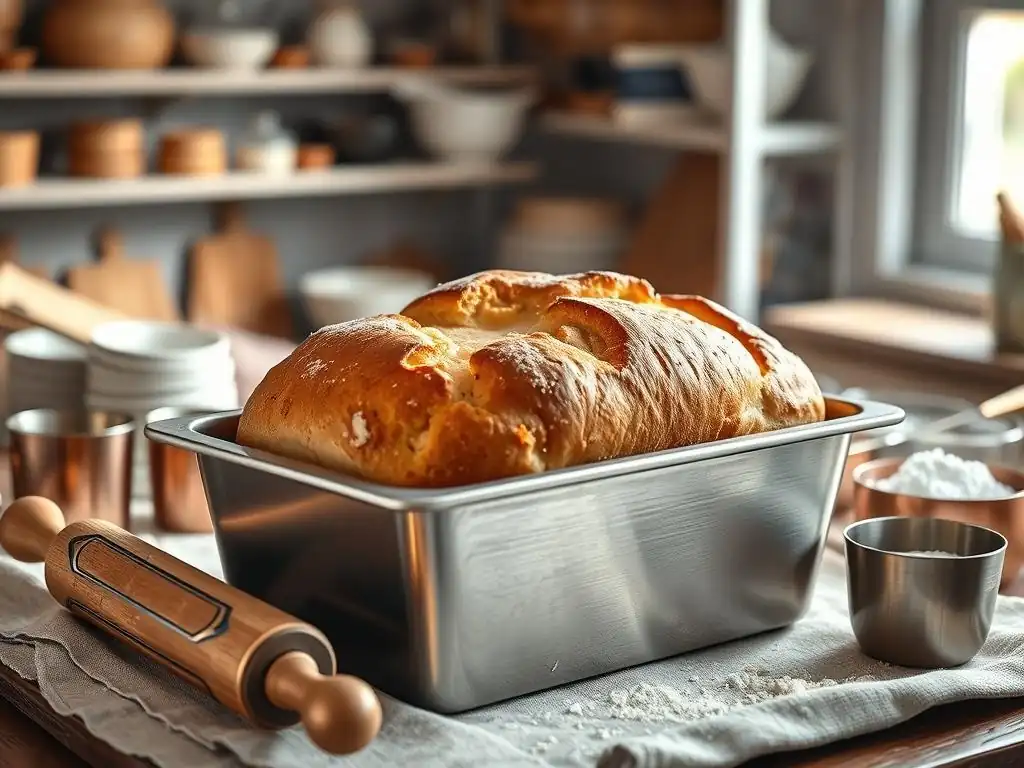
Pan de Mie, or Pullman loaf, is an artisan bread known for its soft, fine, and uniform crumb, straight sides, and square profile. This distinctive shape and texture are achieved primarily through the use of a specific type of baking pan: the Pullman loaf pan with a lid. Unlike freeform artisan loaves, Pan de Mie relies on the pan to constrain its rise and shape completely.
The lid on a Pullman pan is crucial. As the dough rises and bakes, it fills the rectangular pan and pushes against the lid. This pressure creates the dense, even crumb structure and prevents the formation of a large open structure or "oven spring" as seen in rustic loaves. The straight sides and lid ensure every slice is uniform, making it ideal for sandwiches or toast.
Pullman Loaf Pans: The Secret to Uniform Slices
Pullman loaf pans are characterized by their deep, rectangular shape and, most importantly, a sliding or hinged lid. These artisan bread pans are typically made from aluminized steel or a similar material that conducts heat efficiently for even baking. Standard sizes include 9x4x4 inches or 13x4x4 inches, accommodating different loaf sizes.
The key to using a Pullman pan is ensuring the dough amount is correctly scaled for the pan's volume. Too little dough won't fill the pan, negating the effect of the lid. Too much dough can cause it to burst out. The lid is usually kept on for the majority of the baking time, then sometimes removed for the last few minutes to allow the top crust to brown slightly, though many Pan de Mie recipes call for keeping the lid on the entire time for a truly square, crustless top.
USA Pan Bakeware Aluminized Steel Pullman Loaf Pan: Professional Grade Results
USA Pan is highly regarded for its commercial-grade bakeware, and their Aluminized Steel Pullman Loaf Pan is a top choice for serious bakers. Made from heavy-gauge aluminized steel, it offers excellent heat distribution and durability. The unique fluted surface design promotes air circulation for even baking and aids in easy release.
Available with or without a lid, the lidded version is essential for true Pullman bread. The pan is coated with AMERICOAT Plus, a non-stick silicone coating, which contributes to easy removal of the finished loaf. This artisan bread baking pan is built to last and deliver consistent, professional-quality results for your Pan de Mie.
Nordic Ware Pullman Loaf Pan: A Reliable & Affordable Option
Nordic Ware offers a reliable and often more affordable Pullman Loaf Pan option, typically made from aluminum or aluminized steel. While it may not have the heavy-duty construction or unique fluting of some professional pans, it effectively serves the purpose of creating a square, lidded loaf.
These pans also come with a sliding lid. They are usually coated with a non-stick finish for convenience. For home bakers looking to experiment with Pan de Mie without a significant investment, the Nordic Ware Pullman Loaf Pan is a perfectly capable artisan bread pan that will help you achieve the desired shape and crumb structure.
Achieving the Ideal Texture in Pan de Mie
The soft, tight crumb of Pan de Mie is a hallmark of this artisan bread. While the Pullman pan is essential for the shape, achieving the desired texture also depends on the dough formula and baking process. Pan de Mie doughs are often enriched with milk, butter, and sometimes sugar or eggs, which contribute to their softness and tenderness.
Baking temperature and time are also critical. Because the pan is lidded, the baking happens through conducted heat from the pan walls. The temperature is typically lower than for rustic loaves (often 350-375°F or 175-190°C), and the baking time is longer to ensure the dense loaf is cooked through. The steam trapped by the lid keeps the crust extremely soft, almost non-existent on the top and sides, contributing to the uniform, sandwich-friendly texture.
Focaccia and Ciabatta: Essential Pans for Italian Artisan Breads
Italian artisan breads like Focaccia and Ciabatta are celebrated for their rustic charm, open crumb structure, and delicious crusts. While Ciabatta is often baked directly on a stone or steel, a pan is frequently used, especially for beginners, to help manage the very wet dough. Focaccia, with its olive oil-rich dough and dimpled surface, is almost always baked in a pan.
The key requirements for artisan bread baking pans for these styles are even heat distribution and, for Focaccia, the ability to contain the dough and its generous amounts of olive oil. Simple, sturdy sheet pans are the go-to choice, offering versatility and reliability for these beloved Italian loaves.
Sheet Pans: Versatile for Focaccia and Ciabatta
Standard rimmed sheet pans are incredibly versatile artisan bread baking pans, perfect for baking Focaccia and also useful for supporting wet Ciabatta doughs, especially during proofing or the initial stages of baking. They provide a flat, stable surface and their raised rims prevent dough or oil from spilling over.
For Focaccia, the dough is typically spread or gently stretched into an oiled sheet pan. The pan helps the dough maintain its rectangular or square shape and ensures the bottom crust browns nicely. For Ciabatta, very wet dough can be proofed in a well-floured pan or couche placed within a pan, and sometimes even baked in the pan for easier handling, though purists often prefer baking directly on a hot surface for maximum bottom crust crispness.
Nordic Ware Natural Aluminum Commercial Baker's Half Sheet: Durable and Even Heating
The Nordic Ware Natural Aluminum Commercial Baker's Half Sheet is a popular choice among bakers for its durability and excellent heat conductivity. Made from pure aluminum, it heats up quickly and cools down fast, providing even baking results. The reinforced encapsulated steel rim prevents warping, even at high temperatures.
This half sheet size (approximately 13x18 inches) is perfect for baking a large Focaccia or multiple smaller loaves of Ciabatta. Its sturdy construction makes it a workhorse artisan bread pan for various baking tasks beyond just bread. Proper care, like hand washing, ensures its longevity.
Wilton Non-Stick Baking Sheet: For Easy Release
For bakers prioritizing easy cleanup, a Wilton Non-Stick Baking Sheet can be a good option for Focaccia. These pans typically feature a non-stick coating that helps prevent the oily dough from sticking, making removal and cleaning simpler.
While non-stick coatings can sometimes affect browning compared to bare aluminum, a quality non-stick pan can still produce excellent Focaccia, especially when ample olive oil is used in the pan itself. These artisan bread pans are often more lightweight and may not conduct heat as intensely as commercial-grade aluminum, but they offer convenience.
Rimmed Baking Sheets vs. Flat Baking Sheets: Which is Best?
When it comes to baking artisan bread like Focaccia or supporting wet doughs, rimmed baking sheets are generally preferred over flat baking sheets. The raised rim, typically about 1 inch high, serves several important functions that flat sheets cannot.
For Focaccia, the rim is essential for containing the dough and the generous amount of olive oil that is poured over it before baking. Without a rim, the dough would spread out too thinly, and the oil would run off the edges, creating a mess and potentially a fire hazard. For wet doughs like Ciabatta, a rimmed sheet can provide support during proofing if using a couche or assist in transferring the dough to a baking stone.
Flat sheets are better suited for cookies or pastries where spread is not a concern and easy sliding off the sheet is desired. For artisan bread baking pans used for Focaccia or proofing assistance, the rim is a necessity.
Specialty Bread Molds: Beyond the Basics
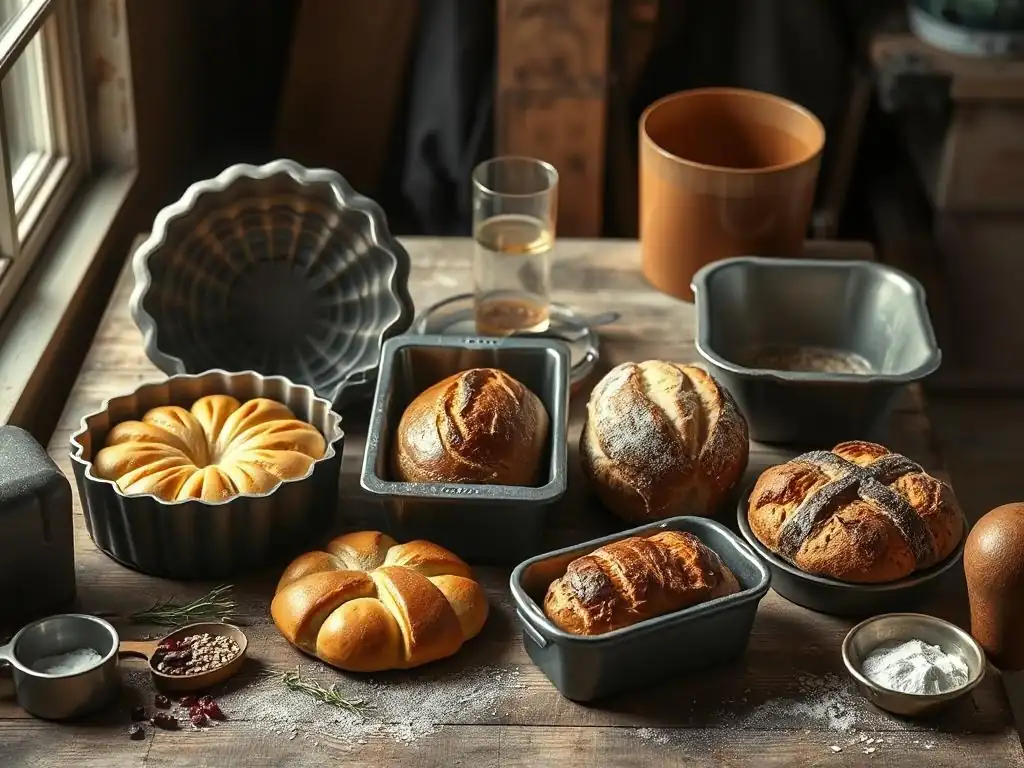
While Dutch ovens, loaf pans, and sheet pans cover many artisan bread types, some classic loaves require specialized molds to achieve their characteristic shapes. These molds are less about controlling the baking environment (like a Dutch oven) and more about providing structural support and defining the final form of the bread or pastry.
Specialty molds allow bakers to recreate iconic shapes like the fluted sides of a Brioche à Tête or the slender form of a traditional French Baguette. Using the correct mold is essential not just for aesthetics but also for ensuring even baking appropriate to the specific bread's structure and dough type. These artisan bread pans add a layer of authenticity to your baking repertoire.
Brioche Molds: Creating Classic French Pastries
Brioche is a rich, often sweet artisan bread enriched with butter and eggs. While it can be baked as a loaf or in various freeform shapes, classic French Brioche is often baked in specific fluted molds, particularly for the iconic Brioche à Tête (head) shape.
These molds are typically made from tinned steel, carbon steel, or even silicone. The fluted sides help the dough climb and create a beautiful, traditional shape. The material choice affects browning; metal molds generally promote better crust development than silicone. Using a dedicated brioche mold helps achieve the characteristic tall, fluted sides and defined "head" of this classic artisan bread.
Ateco Brioche Mold: For Traditional Brioche Shapes
Ateco is a well-known brand for professional baking tools, and their Brioche Molds are classic examples. Often made from tinned steel, these molds come in various sizes, including the traditional shape with a wider top tapering to a narrower base and deep fluting.
Before use, these molds need to be thoroughly greased and floured to prevent the rich dough from sticking. Baking brioche in a metal mold helps achieve a lovely golden-brown crust on the sides. These artisan bread molds are relatively inexpensive and essential for replicating authentic French patisserie at home.
Individual Brioche Molds: Perfect for Single Servings
Beyond the large molds for a single loaf, individual brioche molds (often called briochette molds) are perfect for baking single-serving brioche rolls. These smaller molds replicate the same fluted design as the larger ones.
Using individual molds allows for faster baking times compared to a large loaf and provides perfectly portioned rolls, great for breakfast or as dinner rolls. Like larger molds, they should be well-greased and floured. These small artisan bread pans are versatile for baking not just brioche but also other enriched doughs or even small cakes.
Baguette Pans: Achieving Authentic French Baguettes
Baguettes are perhaps the most iconic French artisan bread, characterized by their long, slender shape, open crumb, and thin, crispy crust. Achieving this specific shape and crust requires a specialized artisan bread baking pan: the baguette pan, also known as a baguette mold or bread form.
These pans are designed to support the elongated shape of the baguette dough during proofing and baking, preventing it from spreading sideways. Crucially, most baguette pans feature perforations along the base. These holes allow air to circulate around the bottom of the loaf and allow steam to escape, which is vital for developing a crisp bottom crust, a key characteristic of a great baguette.
Chicago Metallic Professional Perforated Baguette Pan: Crispy Crust, Every Time
The Chicago Metallic Professional Perforated Baguette Pan is a popular choice for home bakers seeking authentic results. Made from heavy-gauge aluminized steel, it provides excellent heat transfer. The surface is typically non-stick coated, and the pan features multiple perforations under each trough designed to hold a baguette.
These pans usually come in configurations for baking two, three, or four baguettes at once. The structure supports the dough, ensuring a consistent shape, while the perforations are key to achieving that desirable all-around crispy crust. This artisan bread pan significantly simplifies the process of baking multiple baguettes simultaneously with professional-like results.
Silpat Perfect Baguette Mold: Non-Stick Convenience
For a different approach to baguette baking, the Silpat Perfect Baguette Mold offers the convenience of a non-stick silicone surface combined with a perforated structure. Made from fiberglass mesh coated with food-grade silicone, these molds are flexible yet hold their shape on a baking sheet.
The perforations in the Silpat mold serve the same purpose as those in metal pans: allowing air circulation for a crisp crust. The non-stick surface makes dough transfer and cleanup incredibly easy. While some bakers feel metal pans achieve slightly better browning, the Silpat mold is an excellent artisan bread tool for ease of use and consistent results, particularly for doughs that tend to stick.
How to Choose the Best Artisan Bread Baking Pan for Your Needs
Selecting the right artisan bread baking pans depends on several factors specific to your baking goals, equipment, and preferences. There's no single "best" pan for all artisan bread types, so consider what you plan to bake most often and what features are most important to you.
Here's a checklist of considerations when choosing your next artisan bread pan:
- What type of artisan bread do you primarily bake? (Sourdough boules, Pan de Mie, Focaccia, Baguettes?)
- What is your budget?
- What are the limitations of your oven?
- How important is ease of cleaning and maintenance?
- Do you prioritize durability and longevity?
Let's delve into some key factors to help you make an informed decision about your artisan bread baking pans.
Consider Your Oven Size and Type
The size and type of your home oven are practical considerations when choosing artisan bread baking pans. A large Dutch oven or a multiple-baguette pan needs adequate space to fit comfortably, allowing for air circulation around it. Measure your oven rack dimensions, especially if considering larger pans or multiple pans for baking in batches.
Some ovens, like convection ovens, can affect baking differently than conventional ones. While convection can be great for even browning, the fan might affect delicate doughs or require slight temperature adjustments. Ensure the artisan bread pans you choose are rated for the high temperatures often used in artisan baking (up to 500°F or 260°C). Most quality baking pans for artisan bread are designed to withstand these temperatures.
Material Matters: Cast Iron, Steel, Silicone, and More
The material of your artisan bread baking pans significantly impacts performance.
- Cast Iron: Excellent heat retention and distribution, ideal for creating a strong, dark crust on rustic loaves like sourdough. Requires seasoning to prevent rust.
- Aluminized Steel/Carbon Steel: Durable, heats quickly and evenly, often used for loaf pans, sheet pans, and perforated baguette pans. May have non-stick coatings.
- Aluminum: Lightweight, heats very quickly, good for even baking (like sheet pans for Focaccia). Can warp at high temperatures if not heavy-gauge.
- Ceramic/Clay: Used in cloches and bread bakers. Absorbs and radiates heat effectively, can produce unique crust textures. Often requires preheating.
- Silicone: Non-stick, flexible, easy to clean. Used for molds (like baguette molds) and sometimes loaf pans. Does not conduct heat as well as metal, may result in less intense browning.
Each material has pros and cons regarding heat transfer, durability, maintenance, and cost. Consider which properties are most important for the artisan bread you bake.
Budget vs. Quality: Finding the Right Balance
Artisan bread baking pans range significantly in price, from budget-friendly sheet pans to high-end cast iron or ceramic bakers. While it's tempting to go for the cheapest option, investing in quality pans can pay off in better baking results, greater durability, and longevity.
A high-quality pan made from durable materials will heat more evenly, resist warping, and last for many years, potentially making it more cost-effective in the long run. However, excellent artisan bread can still be baked with more affordable options if you understand their limitations and adapt your technique. Look for pans with solid construction, good reviews, and materials appropriate for high temperatures. Sometimes, a mid-range artisan bread pan offers the best balance of performance and value.
Tips for Caring for Your Artisan Bread Baking Pans
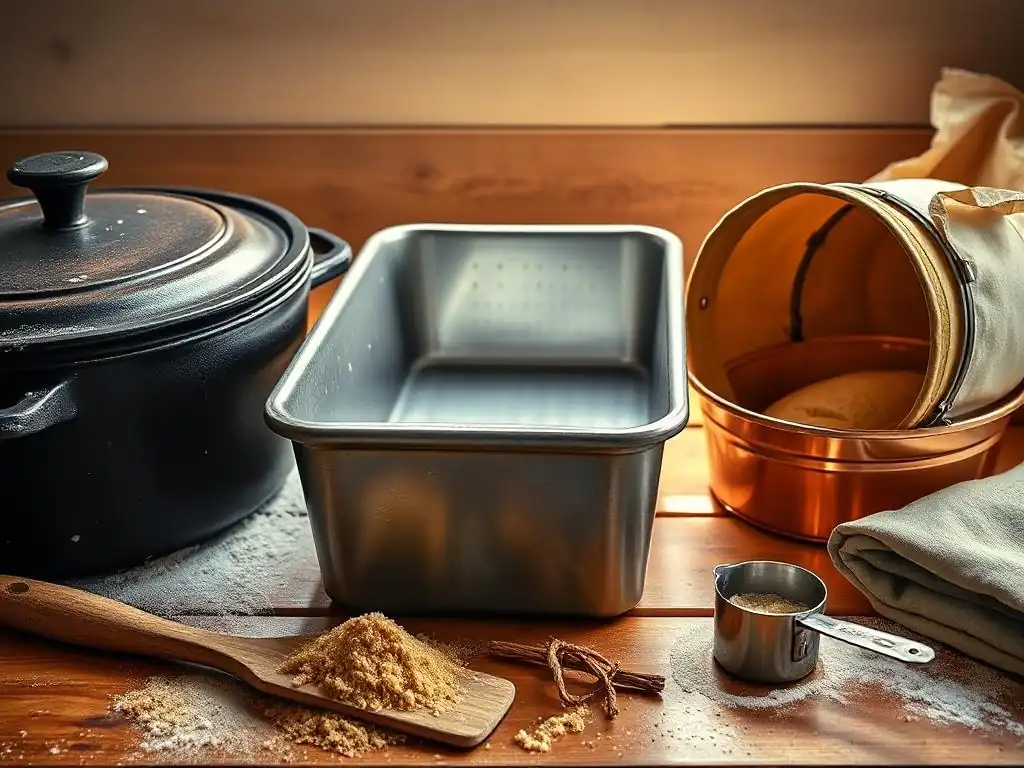
Proper care and maintenance are crucial for extending the life of your artisan bread baking pans and ensuring consistent baking performance. Different materials require different care methods. Following the manufacturer's instructions is always recommended, but here are some general tips for common types of baking pans for artisan bread.
Regular cleaning prevents buildup that can affect heat distribution and non-stick properties. Avoid using harsh chemicals or abrasive scrubbers that can damage surfaces. Proper storage is also important to prevent scratches and rust. Treating your artisan bread pans well ensures they remain reliable tools in your baking journey.
Cleaning and Seasoning Cast Iron
Bare cast iron artisan bread pans, like many Dutch ovens used for sourdough, require specific care to maintain their seasoning and prevent rust. After use, ideally clean while still warm (but not hot) by scraping out any stuck-on bits and rinsing with hot water. Avoid using soap if possible, as it can strip the seasoning.
If soap is necessary, use a minimal amount and quickly rinse. Thoroughly dry the pan immediately after washing (you can even place it back in a warm oven for a few minutes). Once dry, apply a thin layer of cooking oil (like vegetable or flaxseed oil) to the interior surfaces using a paper towel. Wipe off any excess. This maintains the non-stick seasoning layer and protects against rust, keeping your cast iron artisan bread pan in top condition.
Maintaining Non-Stick Surfaces
Non-stick artisan bread baking pans, such as those made from coated steel or silicone, are easier to clean but require care to preserve the non-stick coating. Always allow the pan to cool significantly before washing. Use warm, soapy water and a soft sponge or cloth. Avoid metal utensils, abrasive pads, or cutting directly on the surface, as these will scratch and damage the coating.
While some non-stick pans claim to be dishwasher safe, hand washing is generally recommended to prolong the life of the non-stick surface. High dishwasher temperatures and harsh detergents can degrade the coating over time. Proper care ensures easy release and even baking for your non-stick artisan bread pans.
Proper Storage for Long-Lasting Pans
Storing your artisan bread baking pans correctly helps prevent damage and saves space. Avoid stacking metal pans directly inside each other without protection, as this can scratch non-stick coatings or seasoned surfaces. Placing a paper towel, cloth, or pan protector between stacked pans is a simple solution.
Store cast iron pans in a dry environment to prevent rust. If stacking cast iron Dutch ovens, place something between the pot and the lid to allow for air circulation, preventing moisture buildup. For specialty molds like baguette pans or brioche molds, ensure they are completely dry before storing to avoid rust, especially in crevices. Organizing your artisan bread pans neatly also makes them easier to access when baking inspiration strikes.
Where to Buy Your Artisan Bread Baking Pans: Recommended Retailers
Finding quality artisan bread baking pans is easier today than ever before, with numerous online and brick-and-mortar retailers offering a wide selection. The best place to buy depends on your needs, whether you're looking for the widest variety, expert advice, or specific professional-grade equipment.
Here are a few recommended avenues for purchasing artisan bread pans:
- Online marketplaces for convenience and selection.
- Specialty baking stores for high-quality tools and expert guidance.
- Local kitchen supply shops for in-person browsing and immediate needs.
Exploring these options will help you find the perfect baking pans for artisan bread to suit your style and budget.
Amazon: A Wide Selection and Competitive Prices
Amazon is a massive online marketplace offering an unparalleled selection of artisan bread baking pans from numerous brands, including many mentioned in this guide like Lodge, USA Pan, Nordic Ware, and Silpat. You can find everything from basic sheet pans to specialized cloches and molds.
The advantages of buying artisan bread pans on Amazon include competitive pricing, customer reviews that offer insights into product performance, and convenient delivery. However, the sheer volume of options can be overwhelming, and it's important to vet sellers and read reviews carefully to ensure quality. It's a great resource for comparing prices and finding specific baking pans for artisan bread.
King Arthur Baking Company: High-Quality Baking Supplies
King Arthur Baking Company is a highly respected source for baking ingredients, tools, and knowledge. Their online store features a curated selection of high-quality artisan bread baking pans and equipment, often tested and recommended by their team of baking experts.
Shopping with King Arthur ensures you are getting reliable, well-vetted products specifically chosen for bakers. They offer items like their own brand of loaf pans, bannetons, and specialty items. While prices might be slightly higher than general marketplaces, the quality and expertise behind their product selection make them a top choice for serious bakers looking for dependable artisan bread pans.
Local Baking Supply Stores: Expert Advice and Unique Finds
Visiting a local baking supply store or kitchen shop can be a fantastic way to purchase artisan bread baking pans. These stores often carry a selection of quality bakeware and, crucially, have knowledgeable staff who can offer personalized recommendations based on your needs and answer questions about specific pans.
Shopping locally allows you to see and feel the pans before buying, assessing their weight and quality firsthand. You might also find unique or specialized artisan bread pans that aren't as readily available online. The personal interaction and expert advice can be invaluable, especially if you're new to selecting specific baking pans for artisan bread.
Conclusion: Elevate Your Artisan Bread Baking with the Right Equipment
Choosing the right artisan bread baking pans and molds is a pivotal step in mastering the craft of baking specialty loaves. From the intense, steamy environment provided by a Dutch oven for a crackling sourdough crust to the precise structure offered by a Pullman pan for a uniform Pan de Mie, each type of baking pan for artisan bread serves a unique purpose, directly influencing the outcome of your bake.
Investing in quality artisan bread pans suitable for the types of bread you love to make, understanding how to use them effectively, and caring for them properly will undoubtedly elevate your baking results. Don't underestimate the impact these essential tools have on achieving that perfect shape, crust, and crumb. With the right artisan bread baking pans in your kitchen, you're well-equipped to explore the vast and rewarding world of specialty artisan bread. Happy baking!
Frequently Asked Questions
What are the key differences between using a Dutch oven and a banneton for artisan bread baking?
A Dutch oven provides a steam-filled environment during baking, leading to a crispy crust. Bannetons are used for proofing dough, giving it shape and structure before baking.
What materials are best for artisan bread baking pans, and why?
Cast iron, stoneware, and ceramic are excellent choices due to their heat retention and ability to create a crisp crust. Silicone molds are better suited for cakes and softer breads.
Do I need to season my artisan bread baking pan before first use?
It depends on the material. Cast iron pans require seasoning to prevent sticking and rusting. Other materials, like ceramic, may only need light oiling the first time.
What are some unusual or specialty artisan bread baking pans that might enhance my bread making?
Consider couches for baguette shaping, or broatforms for intricate designs. These specialty tools can elevate the look and texture of your bread.
How do I properly clean and maintain my artisan bread baking pans to ensure their longevity?
Avoid harsh soaps and abrasive scrubbers. For cast iron, re-seasoning after cleaning is crucial. Allow pans to cool completely before washing to prevent cracking.
Final Reflection: The Heart of Artisan Bread Baking
The pursuit of perfect artisan bread isn't just about the flour and water; it's about the vessels that shape and nurture the dough into its final, glorious form. The right pans and molds are not mere accessories, but essential partners in the baking process, directly impacting the texture, rise, and overall aesthetic appeal of your loaves. Choosing wisely elevates the entire experience, transforming a simple loaf into a true work of art.
The influence of specialized baking equipment on the artisan bread movement is undeniable. It's more than just functionality; it's about the connection between baker and bread, a tangible link to tradition and innovation. The baker's hands are the first tools, but the right pans are the silent collaborators in the creation of something beautiful.
This sentiment resonates deeply, as I've witnessed firsthand how the right pan can elevate a simple recipe into something truly extraordinary. The subtle nuances in crust texture, the evenness of the crumb, the very shape of the loaf – all are influenced by the choice of pan.
Now, consider your own baking journey. What pans are currently in your arsenal? Do they truly serve your baking aspirations? Perhaps it's time to expand your collection, to explore the possibilities offered by different materials and shapes. Don't just bake bread; craft it. Invest in the tools that will help you achieve your vision, and discover the joy of creating truly exceptional artisan loaves, one perfectly formed crust at a time.
Unleash Your Inner Baker: Craft Your Dream Breads!
Thanks for taking the time to explore the essential tools for crafting amazing artisan breads! We hope you're feeling inspired and ready to elevate your baking game. Now it's time to put that knowledge into action.
- Invest in your dream pan: Identify the specialty bread that excites you most (sourdough boule, rustic baguette, focaccia?) and find the perfect pan or mold to bring it to life.
- Share your baking journey: Snap a picture of your masterpiece and share it on social media using #BakeWithEase – we'd love to see your creations!
- Explore new recipes: Dive into our extensive recipe library on bakewithease.com and discover exciting new bread adventures.
What delicious bread will you create first?